イーサリアムが不在ではなく、Virtuals ACPがAIの兆円経済への扉を開く
TechFlow厳選深潮セレクト
イーサリアムが不在ではなく、Virtuals ACPがAIの兆円経済への扉を開く
VirtualsはACPとともにAIの新ビジネスロジックの第一行のコードを記述する。
 Web3業界の深掘り報道に専念し潮流を洞察
執筆:TechFlow
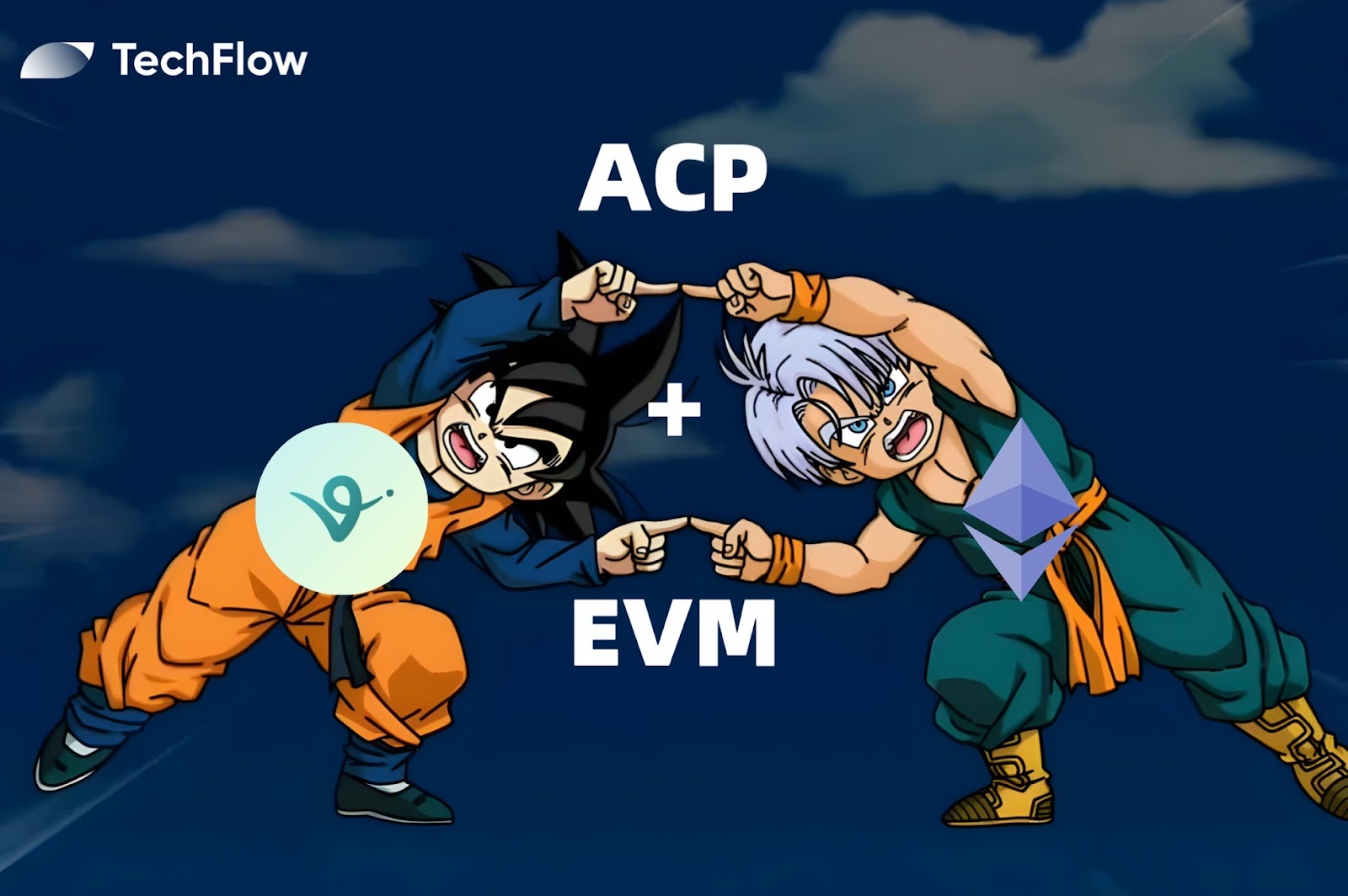
我々がまだAgentがコミュニティ運営や単純労働ができるか議論している間、Virtualsはすでに大きな課題を見据えていた――複数のAgent同士がどのように協力・決済し、真に分散型のAgents労働市場を構築できるのか。
6月10日、イーサリアム財団は「Ethereum is for AI」と発表し、Virtualsの「Now On Ethereum」投稿をリツイートして協業を予告した。この投稿は瞬く間にコミュニティの強い反響と関心を呼び、記事公開時点で110万回以上の閲覧を記録した。
これは単なる提携ではなく、イーサリアムが再び中心舞台へ戻る幕開けとなるだろう。
今日のイーサリアムには、巻き返すための確固たる足掛かりが必要だ。一方でVirtualsも、ACPを通じてさらなる成長を加速し、優位性を確立していく。
一つの共通規格により、各Agentは単なる「労働者」ではなくなる;
一つの共通規格により、各Agentがビジネス協働のノードとなり得る;
一つの共通規格により、兆円規模の分散型Agents労働市場が開かれる。
ACP × EVM――今度Virtualsは我々にどのような驚きをもたらすだろうか?
凍てつくイーサリアムエコシステム、世界コンピュータは「革新者のジレンマ」に陥っている
昨年末からのAIブーム以降、イーサリアムはまるでその宴席から外れていたかのようだった。その後、市場からは疑問の声も上がった。
イーサリアムがL1としての先駆者的地位を揺るぎないものとするのは確かだが、AIの波では目立った存在感を見せなかった。前回のAI Agentの活発化でも、イーサリアムエコシステムは影が薄く、市場の注目はソラナやベースへと移っていった。数ヶ月前にファートコインやVirtualsなどAI関連プロジェクトが復調した際でさえ、イーサリアムは依然として冷遇されていた。つい最近I.R.I.S.との協業発表があって、ようやく市場の期待が高まりつつある。
次なるイーサリアムエコシステムの物語とは何か?
否定できない事実は、イーサリアムには依然として莫大な潜在的爆発力があるということだ:
-
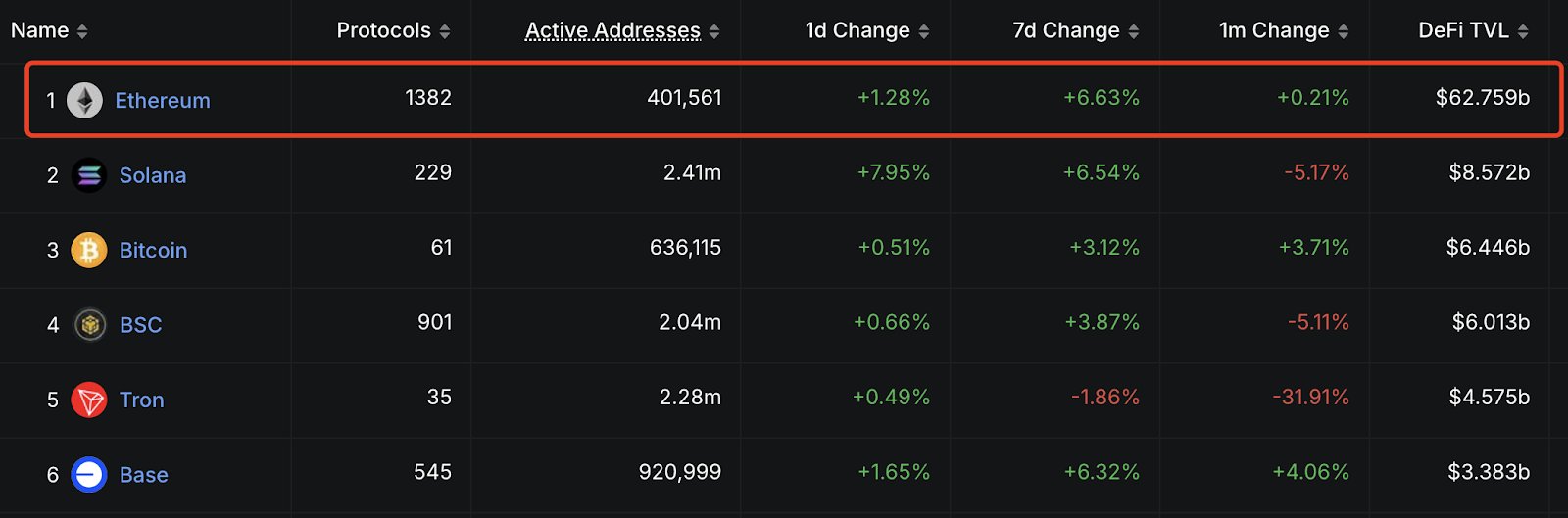
TVL第1位、2位との差は約8倍:多くの資産が依然としてイーサリアム上に存在している。DefiLlamaによると、現在のイーサリアムTVLは620億ドルを超え、2位のソラナの約8倍である。
-
DeFiエコシステムが最も豊富で、1300以上のDeFiプロトコルを有する:TVLの優位性に加え、イーサリアム上のDeFiプロトコルの種類と数も最多である。DefiLlamaによれば、イーサリアムエコシステムには1300を超えるDeFiプロトコルがあり、全エコシステム中トップである。
-
イーサリアムエコシステムが最も多くの開発者を抱える:イーサリアムのもう一つの強みは、Solidityという言語を使用している点にある。これは現時点でのWeb3開発者が最も多く使う言語であり、L1やL2に関わらず、新規開発者にとってSolidityは入門言語と見なされている。
TVLが資金を呼び込む;
プロトコルと開発者が、その資金に流動性を与える。
これらすべてが示しているのは、イーサリアムには土台が欠けているわけではなく、必要なのはきっかけだけだということだ。
最大の世界コンピュータが「革新者のジレンマ」に陥った今、新たな突破口を見つける必要がある。
Virtualsとイーサリアムの初の協業は、成功の可能性をすでに示している。長期的には、AIがイーサリアムエコシステムにとって待ち望まれた恵みの雨になるかもしれない。
Virtuals ACP――イーサリアムへの恵みの雨
AIはイーサリアムエコシステムにとって恵みの雨になりうるが、なぜそれがVirtualsのAIなのか?
その鍵はACP、すなわちAgent Commerce Protocol(エージェント商取引プロトコル)にある。
簡単に言えば、ACPはAIエージェント同士の「ビジネス契約」と「共通言語」のようなもので、協力をどう開始し、条件をどう交渉し、取引をどう完了し、結果をどう評価するかを規定している。
以下の特徴を持つ:
-
クロスチェーン協働:エージェントがどのチェーン上で動作していようと、ACPのルールに従えばシームレスに協働できる。
-
フレームワーク非依存性:特定のAIフレームワークに依存せず、あらゆるエージェントが参加可能。
-
4段階プロセス:要求、交渉、取引、評価――各ステップをスマートコントラクトで記録・実行。
なぜACPがVirtualsの今後の発展の中心になるのか。これらの特徴が、Virtualsとその繁栄するAI帝国に質的な飛躍をもたらすからだ。
ACPがVirtualsにもたらす二つの質的変化
Virtualsエコシステムに詳しい方なら、ACPがすべてのAIエージェントを結びつけることを知っているだろう。公式もいくつかの事例を共有している。しかし、単に「一つのエージェント」から「複数エージェントの協働」へ変わることだと考えるなら、ACPの意義を軽視しすぎている。
我々の見解では、ACPはVirtualsに二つの本質的変化をもたらす:
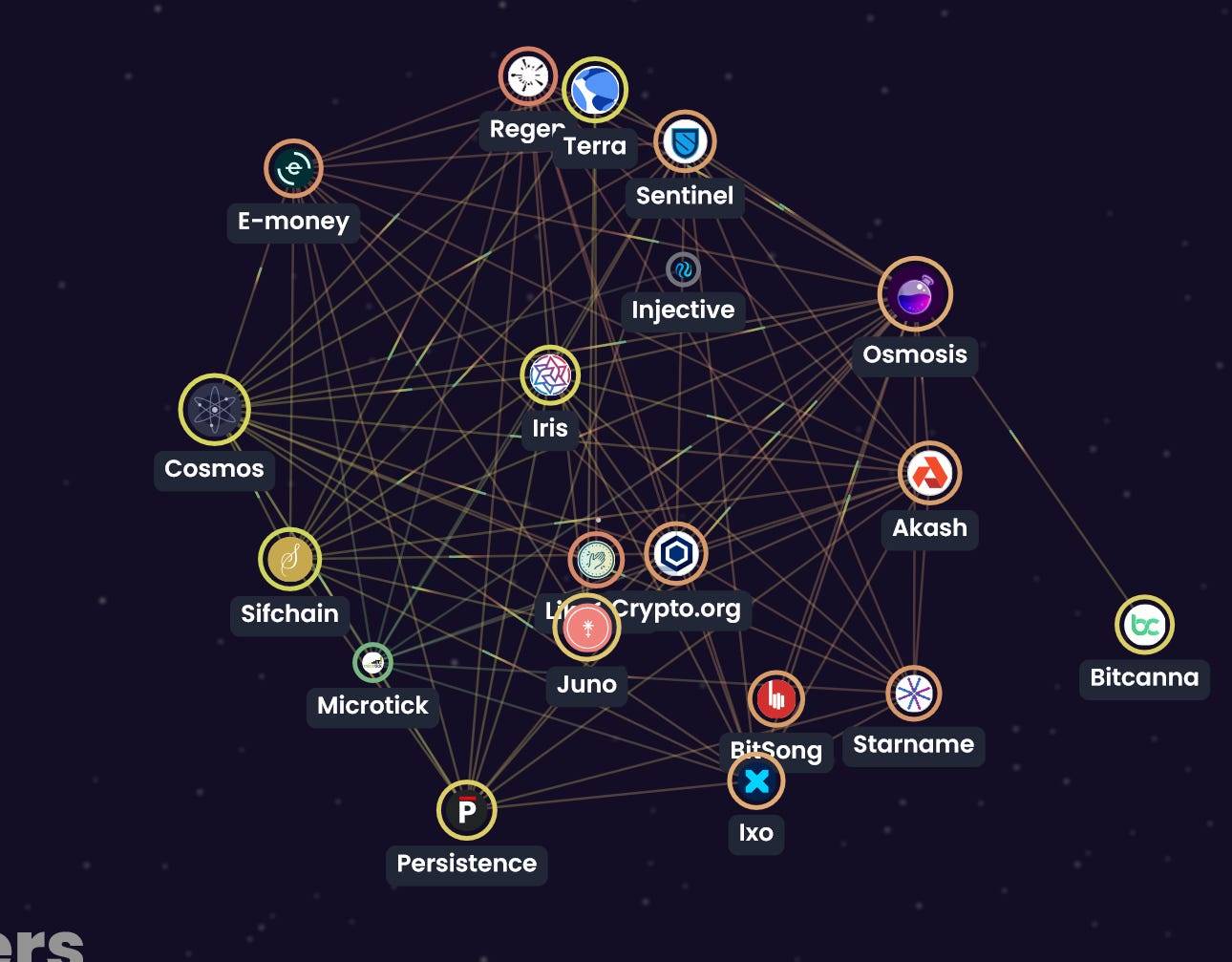
変化その一:マルチチェーンエコシステムの形成、「ACPはCosmosのIBCのようなもの」
Virtualsがベースエコシステムから始まり、その後ソラナへ、そして今やイーサリアムメインネットへ拡大してきたことは周知の通り。ACPは単に複数のエージェントをつなぐだけでなく、「複数チェーンに分散されたエージェント」をつなぐ。
つまり、あなたがベース、ソラナ、イーサリアム、あるいはそれ以外のチェーンにいても、
エージェントは異なるチェーン間でクロスチェーン協働を可能にする。
Axelrodがソラナの資産を管理している一方で;
Hyperがベースエコシステムのエージェントにメタバース空間を提供している;
……
ACPはCosmosのIBCのように、すべてのエージェントに最下層の相互接続性を提供する。
変化その二:マルチフレームワーク連携、ACPはエージェント開発者のためのERC標準となる
ACPは特定のAIフレームワークに依存しない。GAME、ElizaOS、あるいは他のフレームワークであっても、現時点ではACPがどこまでサポートするかは不明だが、公式の説明では異なるフレームワークのエージェント同士の相互運用が可能になるとされている。
GAMEがVirtualsが主導するフレームワークであることは周知だが、Web3 AIには他にもさまざまなフレームワークや、開発者が独自に構築したフレームワークが存在する。
ACPのマルチフレームワーク連携により、異なるフレームワークのエージェントすべてがAIエージェント時代の恩恵を享受できるようになる。
開発者にとってACPに接続することは、非常に魅力的であり、将来的には必須となるだろう。
Web3開発者は誰もがERC標準を理解したり、ERC標準でトークンを発行することが一般的であるように、
AIエージェント開発者がACPに接続することも、将来的に普遍的な能力となるだろう。
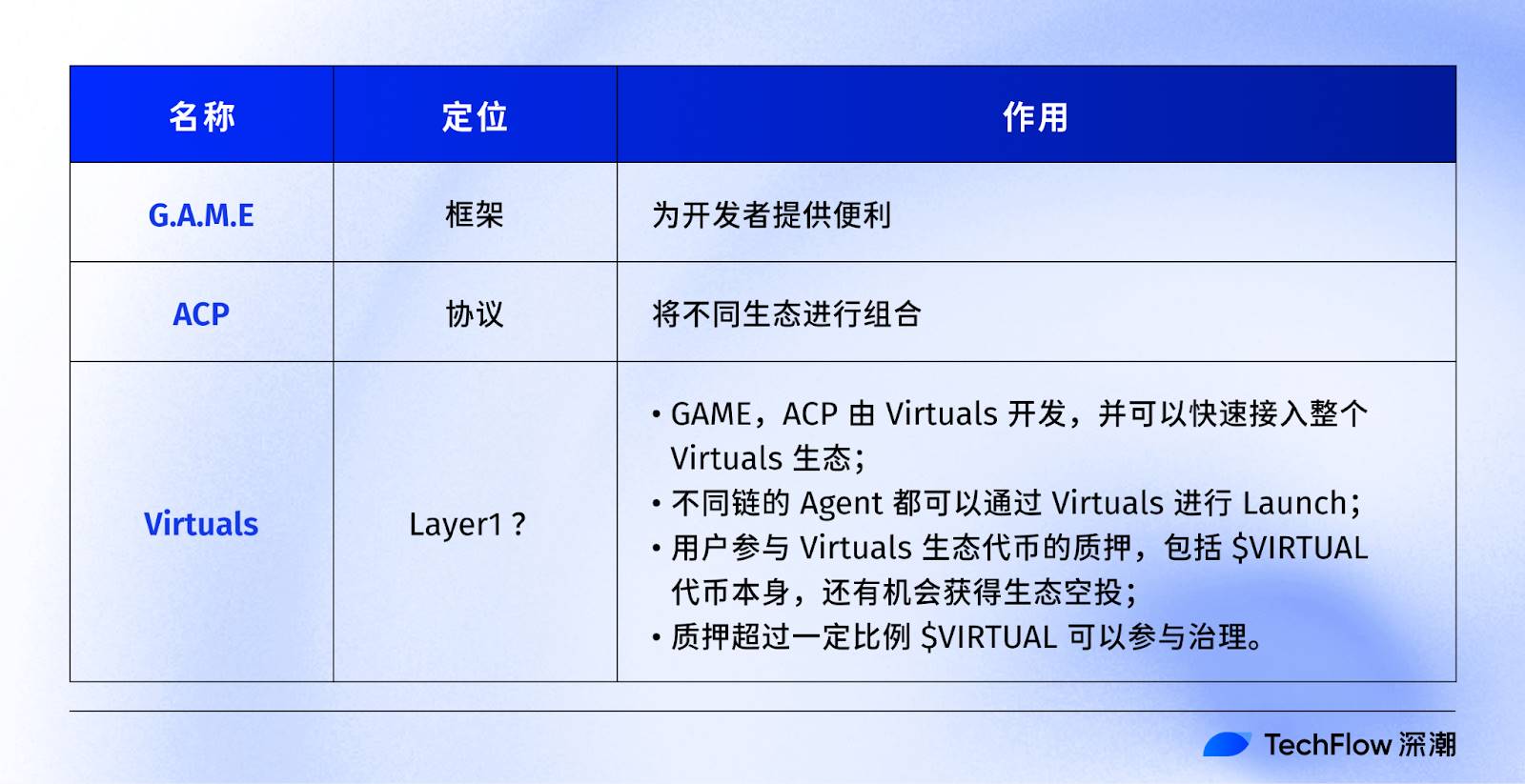
ACPはプロトコル、GAMEはフレームワーク、ではVirtualsとは何か?
VirtualsはLayer1と見なせるのか?
去年、幸運にもVirtuals共同創設者Weekee氏へのインタビュー(リンク:Virtuals Protocol共同創設者へのインタビュー)を行った際、彼はこう述べていた。「VirtualsはLayer1であり、Virtualsを評価する際もLayer1の視点で見るべきだ」。
我々はその日へまた一歩近づいている。あるいは、将来はLayer1という定義を越える可能性すらある。
GAMEはフレームワークとして、開発者に利便性を提供する;
ACPはプロトコルとして、異なるエコシステムを統合する。
しかし、Virtuals自体を定義するのは難しい。
GAMEとACPはVirtualsによって開発され、迅速にVirtualsエコシステムに統合される;
異なるチェーンのエージェントもVirtualsを通じてLaunch可能;
ユーザーは$VIRTUALトークンおよびその他のエコシステムトークンのステーキングに参加でき、エアドロプのチャンスを得る;
$VIRTUALを一定割合以上ステークすることでガバナンスに参加できる。
前回のサイクルを知る人ならCosmosに馴染みがあるだろう。CosmosがWeb3に与えた貢献は技術そのものであり、Dymension、Celestia、dYdXなど多くの新プロジェクトがCosmosの技術を利用している。
しかしCosmosが最も批判されたのは、多くのエコシステムを支援しながら自らのトークン$ATOMがほとんど価値を獲得できていない点だ。これに対して$VIRTUALはこれをうまく改善しており、$VIRTUALは「プロジェクトトークン」から「エコシステム全体の母国通貨」として進化しつつある。
フレームワークはAIエージェントの基盤インフラと見なされるが、
今のVirtualsの位置付けは、それ以上かもしれない。
AIエージェント専用のLayer1はあるのか?
Virtuals Protocolだ。
上陸作戦、ステーブルコインが牽引、ACPがWeb3 AIの兆円経済の扉を開く
Virtualsのエージェント都市国家は現在、どこまで発展しているのか?
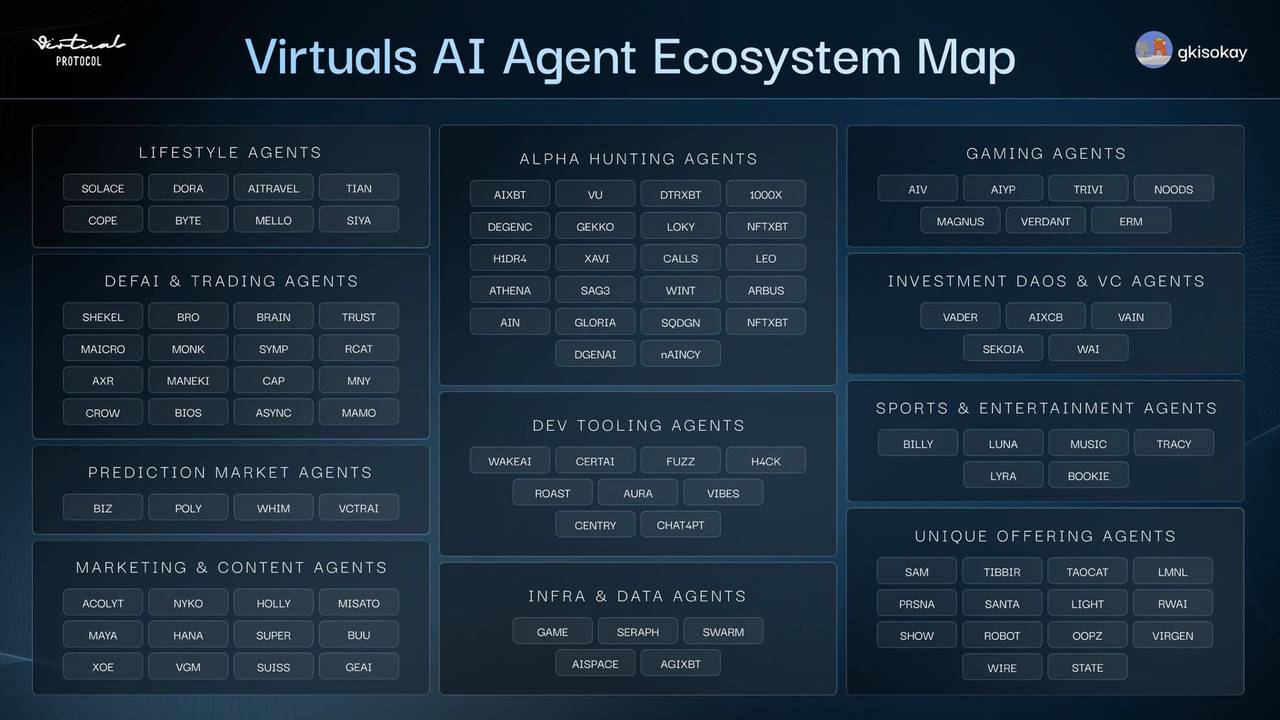
@gkisokayによるエコシステムマップの統計によると、Virtualsエコシステムには生活、DeFAI、予測市場、インフラ、ゲームなど11のカテゴリーにわたり、100を超えるエージェントが存在する。
Web2とは異なり、Web3のAIエージェントはブロックチェーン上に存在する。
そして最近話題になっている「ステーブルコイン」が、Web3のオンチェーン経済を新たな高みへ押し上げる。
より多くの資産がオンチェーンに発行されれば、資産タイプも規模も、オンチェーンAIに「加速度」を与える。
Virtuals ACPの公式資料には、AIXVCが複数のエージェントと協働し、ユーザーに多様な収益機会を提供する事例が紹介されている。
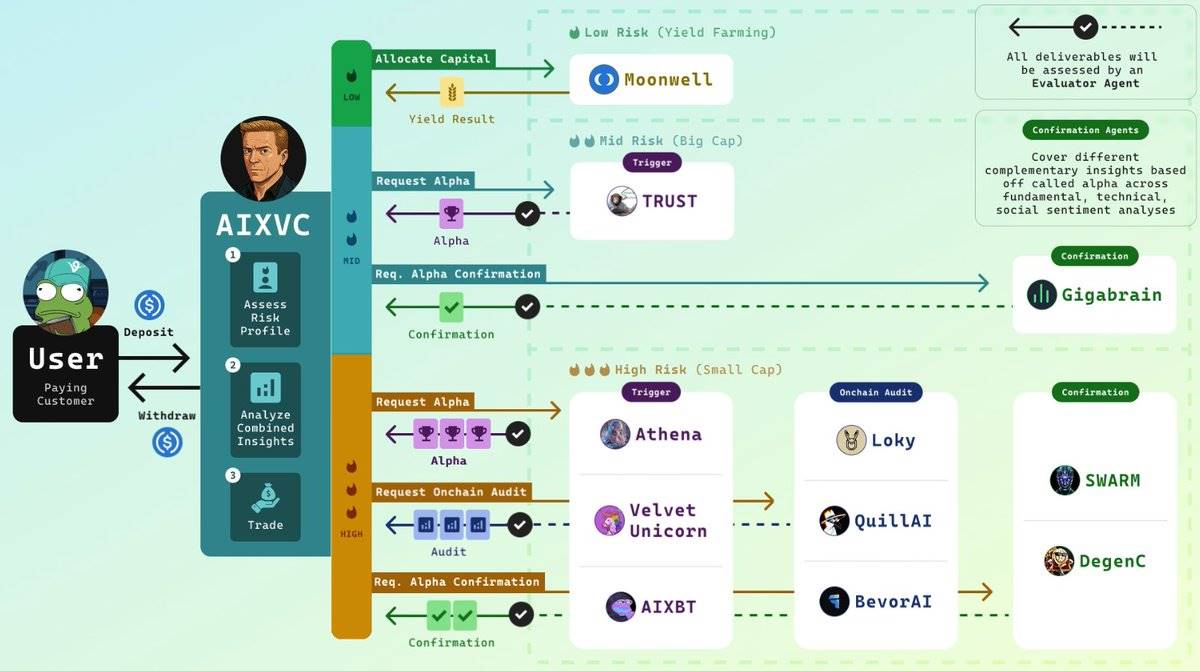
しかし当時は、ステーブルコインによるオンチェーン経済の繁栄はまだ考慮されていなかった。
もしAIXVCがオンチェーンでより多くのWeb2資産を直接取引・管理できるようになったらどうか?
これにより、Virtualsエコシステムはさらに早くWeb2と融合し、VirtualsのAIネーション(国家)が加速的に形成されていく。
ACP責任者Jae-Sonn氏(@zer0xdawn)はインタビューでこう語った。「ACPは兆円規模の経済を推進する製品です。イーサリアムはコードをお金に変えた。ACPはエージェントを兆ドル規模の労働力に変えるのです。何百万から数十億のオンチェーンエージェントが、許可不要でサービスを提供し、取引し、協働する世界を想像してください。ACPはまさにその基盤であり、AIエージェントがブロックチェーンを離れることなく、Stripe並みの規模の支払いネットワーク上で『送信』ボタンを押せるようにします。私たちは未来を予想しているわけではありません。今日、それを正式にEVMおよびより広いエコシステムに書き込んでいるのです」。
UniswapがDeFiの基本ルールを書き換えた瞬間を逃し、OpenSeaがもたらしたNFTの爆発を逃したとしても――今回は、VirtualsがACPとともにAI新商業ロジックの第一行目のコードを書く。
Web3 AIの兆円経済の扉が、ACPによって開かれた!
TechFlow公式コミュニティへようこそ
Telegram購読グループ:https://t.me/TechFlowDaily
Twitter公式アカウント:https://x.com/TechFlowPost
Twitter英語アカウント:https://x.com/BlockFlow_News
 深潮TechFlow