








How do crypto influencers "make money"?
TechFlow Selected TechFlow Selected
How do crypto influencers "make money"?
This article will discuss how crypto influencers make money.
 Navigating Web3 tides with focused insights
Author: The DeFi Edge
Translation: Bitcoin.com
When it comes to how KOLs (key opinion leaders), or so-called influencers, in the crypto community make money, some methods are legitimate while others involve self-serving scams that harm their audiences. Readers should learn to distinguish between them and avoid blind trust.
This article explores how crypto influencers "make money."
“Show me the incentive and I will show you the outcome.” — Charlie Munger (renowned investor and Warren Buffett’s longtime partner)
(The general idea of this quote is: Show me the incentive, and I’ll tell you what the outcome will be.)
Why do influencers love quoting famous people?
Ask yourself: “What’s in it for them?”
This matters because only by understanding incentives can you avoid being misled.
Common Business Models Used by Influencers
1. Affiliate Marketing
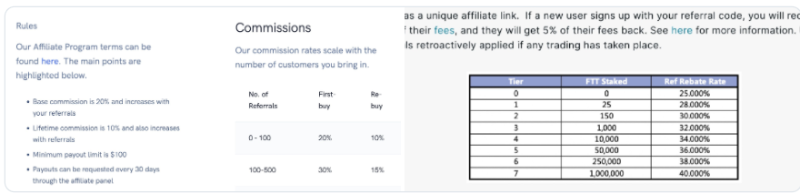
They promote a product and earn a commission for every sale made through their referral link.
For example:
-
- Ledger hardware wallets offer 10% commission
-
- Koinly tax software pays commissions per sale
-
- Major exchanges run lucrative user acquisition programs
2. Sponsorships
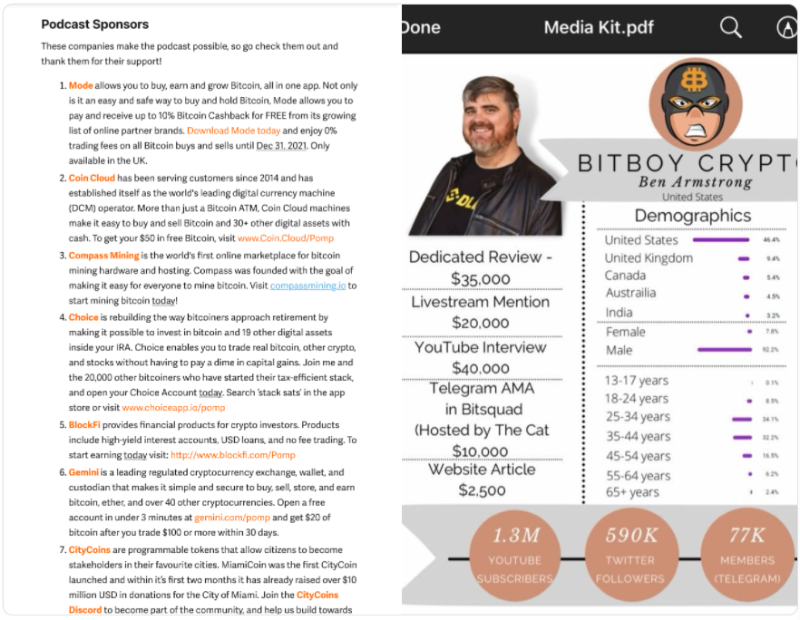
Projects or companies want attention. They can't effectively advertise on Google or Facebook, so they turn to influencers.
Sponsoring newsletters or podcast shoutouts are common options, usually involving fixed fees.
3. Premium Content
Influencers share information, but withhold certain insights from the public—these are their premium offerings.
Much like someone posting free photos on Instagram but requiring followership for exclusive content.
Concrete examples include:
-
a. Hourly consulting – offering investment advice or portfolio reviews via calls
-
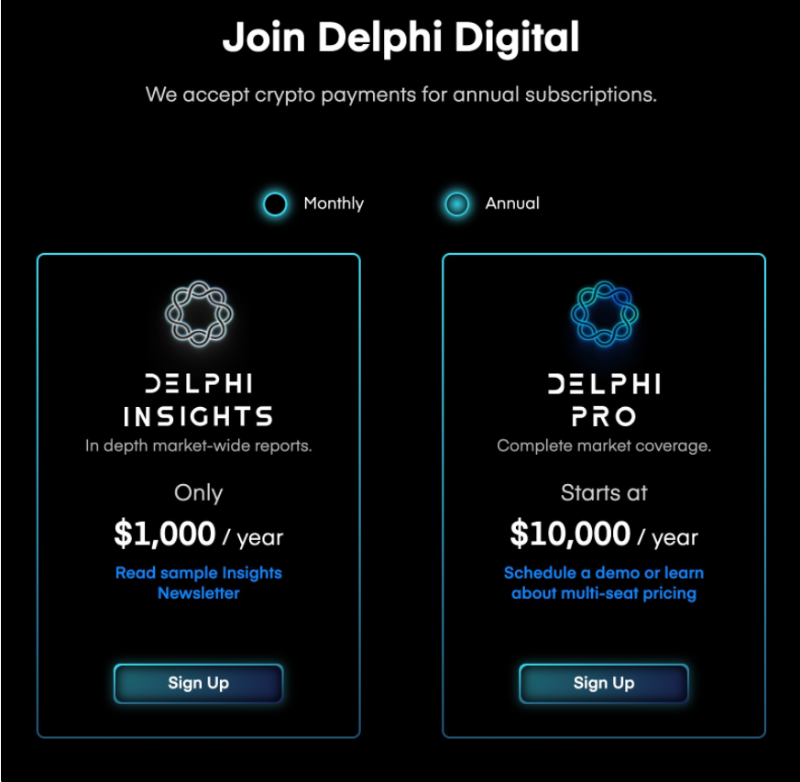
b. Content upgrades – Delphia Digital and Messari offer annual subscriptions or member-only deep-dive reports
-
c. Courses – video tutorials and educational materials teaching their strategies and systems
-
d. Private communities (forums/Discord/Telegram) – access to their project preferences and sometimes one-on-one interaction
-
e. Community support or donations via platforms like Patreon

4. Trading for Traffic
Some projects invite influencers to invest because they bring distribution channels and hype.
In return, influencers get to buy tokens at prices lower than the public sale.
In terms of cost: retail > influencers > VCs
5. Validators
This is an interesting and often overlooked point.
An influencer promotes a coin and encourages followers to join staking pools, earning them a cut of staking rewards.
Have you noticed certain big YouTube channels constantly promoting ADA?
6. Protocols
Some influencers launch their own projects or join existing teams.
This is common in e-commerce—like beauty bloggers launching their own makeup brands.
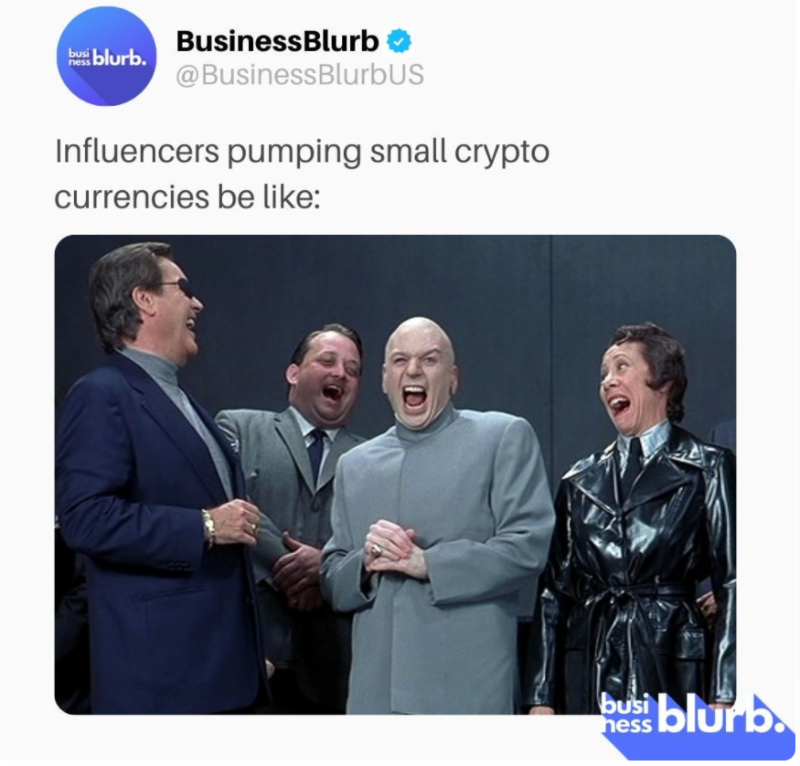
While these monetization methods are reasonable—after all, influencers aren’t saints and need to earn a living—some abuse their audience’s trust. Below are unethical or fraudulent practices that exploit followers and should be opposed.
Common Underhanded Monetization Tactics
1. Undisclosed Incentives
Project X pays an influencer money or tokens to promote it.
The influencer praises the project without disclosing the payment, making it appear as genuine endorsement when it's actually paid promotion.
In some countries, this is even illegal.
2. Pump and Dump
They buy $10,000 worth of Coin X when its market cap is very low.
Then they start hyping it up, driving the price up 30%.
They then dump their holdings, easily pocketing $3,000 in profit.
3. Pure Scams
This refers to projects failing to deliver on promises, such as:
-
- Courses consisting entirely of copied content with no real value
-
- NFT collections launched with no roadmap or substance
-
- Hype-driven promotion of worthless projects purely for profit
There are signs indicating whether an influencer has integrity:
-
- Do they only talk about projects they hold?
-
- How does a project perform after being promoted by the influencer?
-
- Do they publicly disclose their holdings?
Also, remember: some people start sharing information with good intentions, but people change.
Refusing a $1,000 sponsorship is easy—but what about $10,000? Or when bear markets hit and their Lamborghini lease expires?
I’m not writing this to bash influencers.
Most ordinary people don’t read whitepapers—so influencers play an important role in industry development.
Quality content takes time and effort, and influencers deserve compensation.
Advice for Influencers:
-
- Be honest and transparent. If you act shady, you’ll eventually get exposed.
-
- Think long-term.
-
- There are plenty of legitimate ways to earn—no need to manipulate the market.
Check out Zach’s advice.
So how does my site, DeFi Edgelord, make money?
Since launching this account, I haven’t earned a single dollar.
It’s still new, and right now I’m focused on user growth and content creation.
My biggest gain so far is traffic.
I’ve gained more social opportunities.
I’m invited into various private groups.
Developers respond promptly whenever I have questions.
(Previously, with only 3,000 followers, I was often ignored.)
This account has brought me closer to alpha.
That’s priceless.
Of course, I’ll consider monetization in the future—but only through mutually beneficial models.
In DeFi, there’s real demand for high-quality educational content.
I’d love to invest in and build a world-class DeFi research team.
Then we’ll see what opportunities arise.
To reiterate the key points:
-
- Never blindly trust anyone’s advice. Always ask: “What’s in it for them?”
-
- Influencers can help projects gain visibility, but you must still do your own research.
-
- Try analyzing the monetization model of your favorite influencer.
Join TechFlow official community to stay tuned
Telegram:https://t.me/TechFlowDaily
X (Twitter):https://x.com/TechFlowPost
X (Twitter) EN:https://x.com/BlockFlow_News






