Crypto KOL speaks: Our era has come to an end
TechFlow Selected TechFlow Selected
Crypto KOL speaks: Our era has come to an end
In the next cycle, talk alone won't be enough—KOLs must actually take action.
 Navigating Web3 tides with focused insights
Author: TM
Translation: Luffy, Foresight News
I hold no personal grudges against the people I'm about to mention, even though most of them probably dislike me for daring to speak the truth. That's fine—it's not personal, it's about the truth.
Before pointing fingers at others, let me first explain how I became a KOL myself.
How I Became a KOL
I started trading cryptocurrency in 2017 and became active in the crypto Twitter community in 2020.
During the last bull market, things were still simple: there were voices with real insight on one side, and "engagement farmers" chasing traffic on the other. But back then, nobody cared much—because the mainstream game was pumping altcoins. Influencers couldn't single-handedly pump a token; what mattered was sharing investment logic and core insights.
For me, becoming a KOL was once a dream job—getting paid to talk about technology I loved.
But after the bear market wiped out most of my net worth, I decided to actively earn money instead of just holding a bag of assets and hoping luck would save me.
That’s when everything changed.
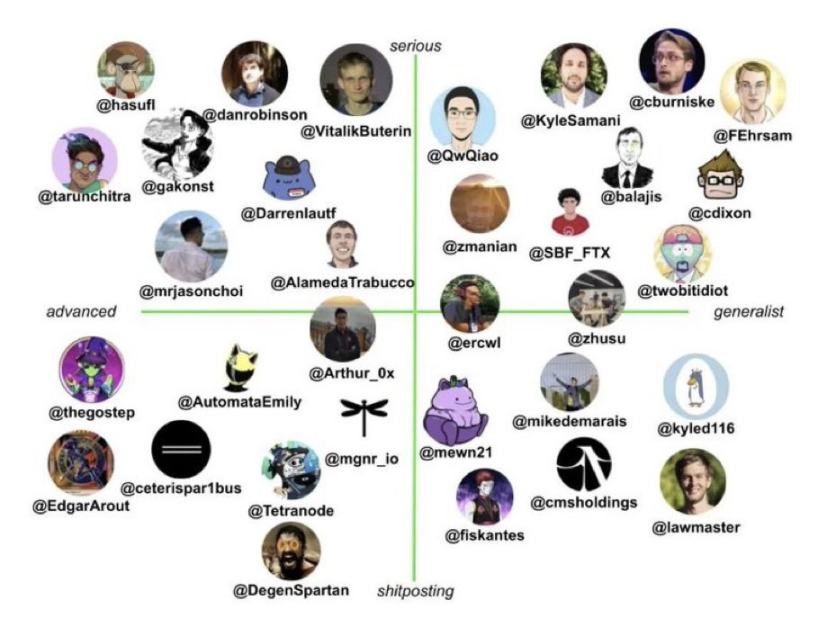
KOLs during the 2021 bull run
The Rise of Meme Coin KOLs
In winter 2023, WIF—the first influential Solana-based meme coin—exploded in popularity, briefly reaching a multi-billion dollar market cap. They promised a big marketing stunt: projecting the WIF logo onto the Las Vegas Sphere. It never happened. The $3 million raised from the community remains frozen to this day.
Even so, launching meme coins wasn’t easy back then. That changed in summer 2024 with the emergence of Pump.fun (a meme coin launch platform), where Mitch was the first to issue a token called Xiwifhat.
Here’s a pattern: KOLs always seem to catch trends early and become central figures. But ask yourself: do they get ahead because they’re truly insightful, or because they have direct connections with platforms and funds?
Mitch, for example, used his public wallet to “harvest” followers, since people actually copy his trades. He’d carefully pick a coin, build a position first, wait for followers to buy in and drive up the price, then sell half his holdings when it doubled. For him, it was a zero-risk move.
He’s not unique—just more successful than most.
Prior to this, promoting meme coins was seen as outright fraud. Yet overnight, these “scammers” became popular.
Then came Murad. A former banker, he knew how to package himself: slideshows, seemingly credible investment logic, dissecting “fan psychology”—all wrapped in professional polish.
He also built his own copy-trading platform, released a “curated list” of coins, and secretly manipulated token supplies. Coincidentally, one of the coins he “recommended,” SPX, listed on a major centralized exchange a week later. Was that really just coincidence?
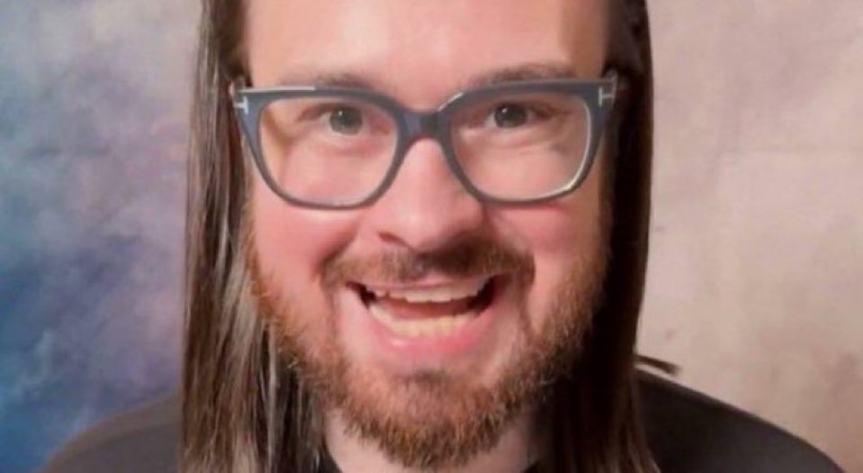
That’s when I realized: in this cycle, the only way to make money is to become a meme coin KOL. I compromised my principles—and paid the price.
Why focus only on meme coin KOLs? Because over the past two years, KOLs in other areas have become irrelevant. Miss an entire cycle, and your opinions carry no weight.
The Rise of New Faces
By October 2024, I suddenly encountered some new faces: Orangie, Rasmr, Mika. Their follower growth was shocking—sudden, unexplained, and oddly synchronized—classic signs of industry backing.
To be fair, Threadguy doesn’t belong in this group. He earned influence through long-form posts and open discussions in X Spaces.
Faze Banks re-entered the scene, bringing along the “Los Angeles vape crew”—a circle of scammers who band together solely to harvest others. What happened next goes without saying.
Afterward, Orangie briefly went viral across the internet, attracting a young fanbase of Fortnite and Friday Night Funkin’ fans who easily identified with him.
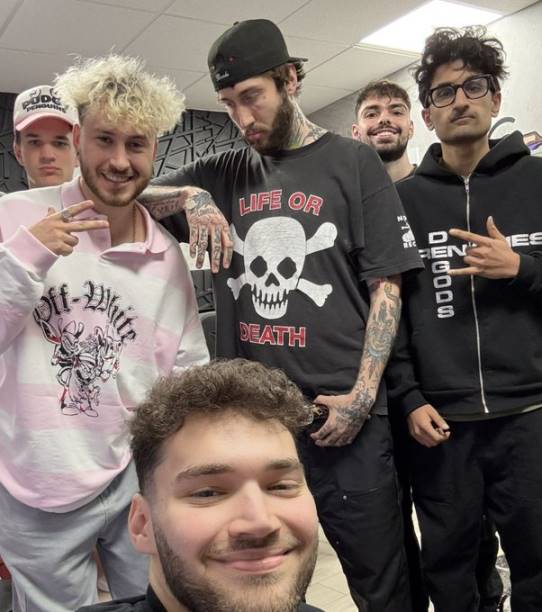
The moment Adin Ross realized he'd been scammed
The No-Man's Land of KOLs
Today’s crypto space has no real “central figures.” People no longer listen to KOLs—they even resent them.
I’ve asked in multiple communities, “Who’s your favorite KOL?” The answer was always: “None. They should all die.”
There isn’t even a clear “mainstream play” anymore—it’s more like the endgame of meme coins: no utility, just token launches. Every project competes for attention from the same small pool of funded traders.
The market’s extractive nature has reached its peak. Most traders are losing badly. The “no crying in the casino” mentality pushes people to bet their last dollars on coins with “one-in-a-thousand chance of mooning, nine-hundred-ninety-nine-in-a-thousand chance of rug-pulling.”
This is a tragic market. KOLs survive in this environment and make it worse—but we can’t blame them entirely. We elevated them, or rather, we allowed their rise.

They’re Playing Chess While We Watch the Show
When 99% of people in this space lack original opinions, the term “KOL” itself becomes a joke. They’re like feathers in the wind, pushed by wave after wave of traffic, with no independent thought.
When was the last time you saw honest advice—without hidden interests or engagement farming?
Every KOL mentioned in this article has blocked me.
Why? Because I think independently and speak the truth—threatening their “game.”
From my experience, people would rather block you than face the truth. Not seeing the harm they cause allows them to scam more comfortably.
But karma is real. “On-chain spirituality” (the idea that on-chain actions leave traces and good or bad deeds eventually return) isn’t empty talk. What you sow, you will reap.
At this point, further words are pointless.
The Future of KOLs
In crypto, nothing truly repeats—not narratives, not scams, not absurd dramas. History may echo, but never repeat exactly.
What comes next? I believe the market will shift toward “utility.” In the next cycle, talking won’t be enough. KOLs must actually build things—or at least invest real capital. Only then will power return to real builders, not pretenders.
I’ve noticed revenue from paid communities is declining. People are waking up and refusing to be harvested. Resistance against KOLs will grow stronger.
In the past, developers who rug-pulled received death threats. I’m not endorsing such extremes, but those threats did make developers think twice. We may not return to that, but the market will inevitably evolve into a “reputation-based system.” And that will change everything.
Join TechFlow official community to stay tuned
Telegram:https://t.me/TechFlowDaily
X (Twitter):https://x.com/TechFlowPost
X (Twitter) EN:https://x.com/BlockFlow_News
 @TMtheOG