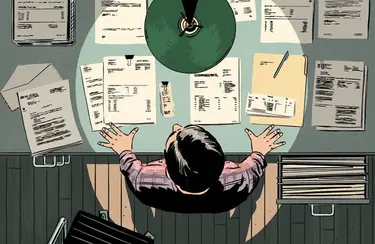
RWA Hype: Opportunity or Scam?
TechFlow Selected TechFlow Selected
RWA Hype: Opportunity or Scam?
This field offers great opportunities, but also comes with many pitfalls.
 Navigating Web3 tides with focused insights
By: Xu Qian
Introduction
Due to RWA's "integration of virtual and real" nature, fraudulent projects are often more deceptive, leveraging the trust associated with traditional finance and the "innovative" appearance of blockchain for packaging. This sector carries both immense potential and significant risks.
While opportunities in this field are substantial, so are the pitfalls. This article aims to explain why RWA has become such a hotbed for scams and help those exploring it identify risks and make rational judgments.
Why Has RWA Suddenly Become Popular?
In short, the rise of RWA is no accident—it is primarily driven by four powerful forces summarized as "market confidence," "technological maturity," "regulatory improvement," and "investment demand."
"Market Confidence"
When heavyweights from traditional finance enter the space, they bring stronger compliance stability and financial support to the RWA market, advancing the integration of traditional finance and crypto assets, thereby boosting market confidence. Global top-tier asset management firms like BlackRock and Fidelity have already launched or filed applications for blockchain-based funds, signaling recognition of RWA’s industry potential.
"Technological Maturity"
After years of development, blockchain technology—especially smart contracts—has matured, providing a reliable technical foundation for onboarding assets onto blockchains. It can address legal and technical challenges related to asset tokenization, making digitization and trading of traditional assets feasible.
"Regulatory Improvement"
Although global regulations remain fragmented, regions like the U.S. and Singapore have begun serious research and gradual implementation of rules governing tokenized assets. Authorities have issued various guidelines or legislation defining the legal status of digital and crypto assets, offering regulatory clarity that supports RWA deployment and adoption.
"Investment Demand"
Traditional investments often come with high entry barriers, poor liquidity, and long cycles. RWA lowers investment thresholds and improves liquidity by tokenizing real-world assets into smaller shares, attracting more investors. At the same time, RWA introduces low-risk assets like government bonds, offering investors stable investment channels and products.
Therefore, whether driven by internal growth within the crypto ecosystem or strong investor demand, RWA is the product of this dual need: traditional assets gain liquidity and new users through crypto technology, while crypto capital gains access to stable, real-world returns.
Is RWA Really a Good Investment Path?
RWA is an industry and sector full of potential, but not every project makes for a good investment. It simultaneously presents enormous opportunities and serious risks.
Opportunities and Advantages:
1. Diversified income sources: RWA provides crypto portfolios with income streams tied to traditional markets—such as treasury bond interest, commercial real estate rents, trade receivables—helping diversify risk.
2. Stable cash flow: Compared to highly volatile cryptocurrencies, many RWA assets (like bonds and lease-backed assets) offer predictable, ongoing cash flow returns.
3. "Security" from asset backing: Theoretically, tokens backed by real, high-quality assets have stronger intrinsic value support than pure meme coins or algorithmic stablecoins, aligning with traditional value investing principles.
Risks and Challenges:
1. Asset risk: Some RWA assets may not exist, the project itself may be risky, or the assets could be over-leveraged, devalued, or illiquid with unsustainable yields, exposing investors to significant risk. Additionally, questions about whether assets are held by regulated, reliable third-party custodians introduce further potential risks.
2. Legal and regulatory risk: Some RWA tokens may be classified as "securities" by regulators. If so, project teams face substantial compliance costs and legal liabilities. Moreover, if a project team goes bankrupt or faces operational failure, do token holders have recourse to underlying assets? Is the token a property right or a debt claim? Can they rank ahead of other creditors? These issues lack clear legal definitions, increasing investor维权 risks.
3. Technical risk: Vulnerabilities in on-chain smart contracts could lead to asset theft or inability to redeem.
4. Liquidity risk: Although the goal is to provide liquidity for illiquid assets, some RWA tokens suffer from weak secondary market trading activity, making it difficult for investors to exit quickly.
In summary, if you lack professional due diligence capabilities, risk identification skills, and a long-term investment perspective—and are merely chasing short-term profits—RWA may not be suitable for average investors.
How to Identify and Prevent RWA Scams?
1. First, Ask About the Asset: Is It Real? What's Its Value?
If the asset itself is fictional or exaggerated, it's likely a scam.
The project must provide proof of assets—such as property deeds or bond certificates. Don't just take their word; verify authenticity through public channels. Similarly, asset valuation shouldn't be determined solely by the project team. An appraisal report from a widely recognized, fully independent third-party institution is required. If the name of the appraiser is unfamiliar, proceed with extreme caution.
2. Then Examine Safeguards: What Protects My Investment Rights?
A credible team and compliant framework are essential safeguards. Clarify who legally holds the underlying assets (typically a legally established entity created specifically for the project). Where is this entity registered? Are local laws robust and well-developed? Assets must be held by compliant, strictly regulated financial institutions (e.g., major banks or licensed custodians). Verify whether these institutions have confirmed partnerships with the project. Do core team members have solid, verifiable track records in traditional finance or law? Can regulatory approval be verified through official national financial regulatory websites or other legitimate channels?
Investor rights should not rely on verbal promises from the project team, but on concrete legal structures and custody mechanisms. Do investors have legitimate rights to the assets represented by the tokens? In case of problems, how can investors protect their rights? If these terms are vague, the risk is substantial.
3. Analyze the Model: Where Does High Return Come From? Is It Sustainable?
Unreasonably high returns are often bait for scams. The project team must clearly and concretely explain the source of returns. For example, which specific buildings generate the rental income? Which bonds yield the interest? Request verifiable ownership documents, bond certificates, bank statements, or audit records. Be skeptical of promises of "stable high returns"—analyze whether the business model can sustainably generate such profits. If explanations are unclear or logically flawed, it's likely a scam.
The key to evaluating RWA projects lies in looking beyond the blockchain's technological facade: Is the asset real? Are rights protected? Is operation compliant? Is the return logic sound? Don’t blindly trust marketing; rely on professional verification, establish your own due diligence process, and always remain cautious about high returns. Thorough checks significantly reduce risk.
Conclusion
The RWA sector is bringing real-world assets into the blockchain world on a large scale. We must recognize clearly: the greater the opportunity, the greater the risk—caution and respect are essential.
Only with reliable legal protections and professional risk assessment capabilities can we cut through the fog and truly seize this trend. While RWA creates value, we must also identify various scams and avoid becoming victims of the era.
Join TechFlow official community to stay tuned
Telegram:https://t.me/TechFlowDaily
X (Twitter):https://x.com/TechFlowPost
X (Twitter) EN:https://x.com/BlockFlow_News