Kaito is killing attention
TechFlow Selected TechFlow Selected
Kaito is killing attention
When external rewards replace intrinsic motivation, creativity and genuine engagement decline.
 Navigating Web3 tides with focused insights
Written by: The Smart Ape
Translated by: AididiaoJP, Foresight News
A recent quote from Herbert Simon struck me: "Information abundance leads to attention poverty."
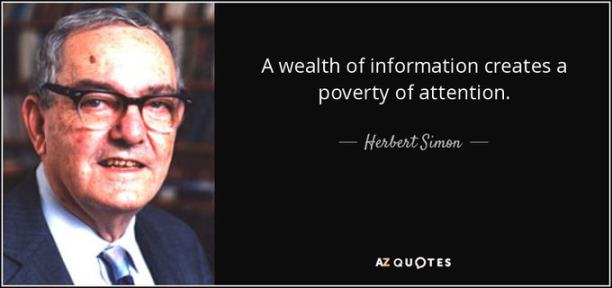
This statement dates back to 1971, and over time, it has become increasingly true.
Through @KaitoAI, attention is being turned into currency—content value is measured and converted into Yaps, or mindshare.
Yet beneath this lies a paradox: in trying to focus and monetize attention, we may actually be consuming attention recklessly—attention killing attention.
Background
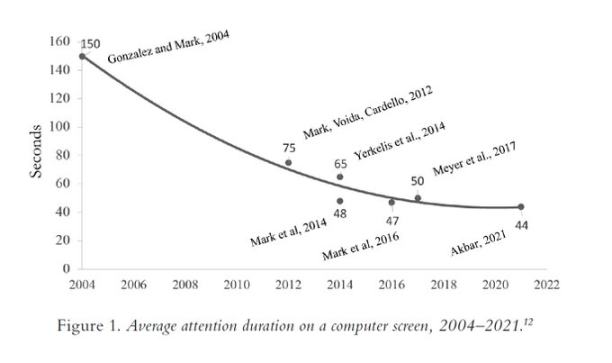
Recent studies show that the average human attention span in front of screens has dropped to around 50 seconds, down from about 2 minutes in the early 2000s.
After each interruption, it takes an average of about 23 minutes to regain deep focus.
This data suggests that the more we try to capture attention through increased information and signals, the more we actually diminish it.
Psychologists call this phenomenon "directed attention fatigue"—the mental exhaustion caused when the brain continuously filters distractions to maintain focus.
The Psychology of Attention
There are many psychological studies and paradoxes surrounding attention.
Charles Goodhart once said: "When a measure becomes a target, it ceases to be a good measure."
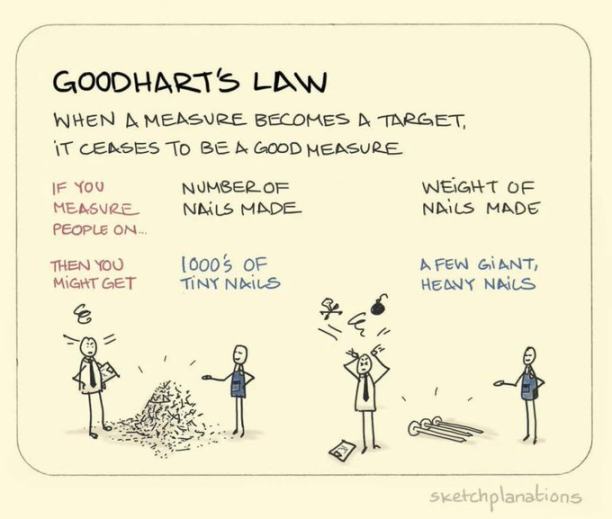
Kaito aims to create reward mechanisms by measuring attention. But once attention itself becomes the target, Kaito's measurement loses its meaning.
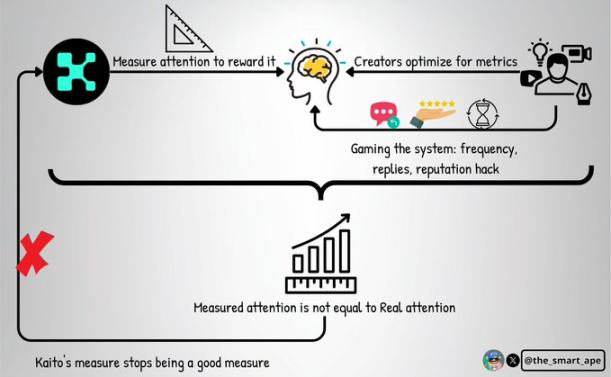
Extensive research also shows that when extrinsic rewards replace intrinsic motivation, creativity and genuine engagement decline. In Kaito’s case, rewards clearly reduce authenticity.
What makes it unique is that Kaito’s reward system is highly addictive, much like casino games.
It keeps creators engaged, but also leads to fatigue and dependency, weakening collective attention.
Kaito’s Promise
It’s no surprise that Kaito is addictive for creators, distributing substantial rewards through a gamified experience. Kaito has distributed over $110 million to more than 200,000 wallets (excluding its own airdrops).
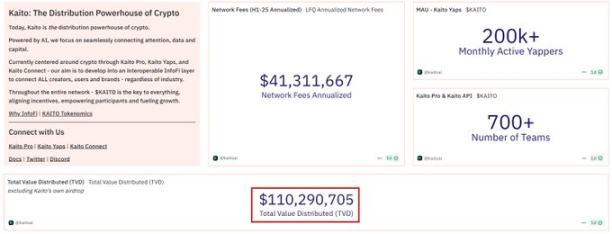
Some campaigns have enabled individual creators to earn over $200,000.
But it is precisely incentives at this scale that are killing attention. With so much money and rewards at stake, creators are pressured to optimize posting frequency, reply strategies, and interaction tactics rather than cultivate habits of deep thinking.
Add to this that a post’s lifespan on X is only about 80 minutes before engagement sharply declines. This adds further pressure for high-frequency posting. Some creators publish over 200 posts on a single project within a month just to gain mindshare.
The result? Readers are bombarded with repetitive content, become numb, and lose interest—even if the information might be useful.
I know many people who end up muting project names during Kaito campaigns just to keep them out of their feeds.

Attention Killing Attention
The leaderboards on Kaito don’t help either—I’ve experienced this firsthand.
When you’re near the top, you feel compelled to stay there, pushing yourself into an exhausting rhythm to maintain your rank. It’s psychological: you already imagine the rewards you’ll receive.
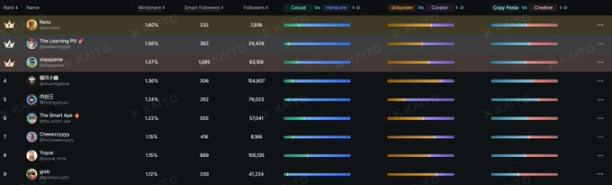
It genuinely feels like a casino. You never know how much you’ll get. Sometimes generous, sometimes disappointing—but always addictive.
It brings joy to CT, but also disappointment and frustration. One thing is certain: almost everyone takes this game seriously. Including me!
This drives all of us to build gaming strategies, support networks, optimize interactions, and so on. It’s no longer about real attention—it’s about performing attention to win the game.
But I know there’s a cost to readers: content streams become homogenized and repetitive, and originality loses value.
Kaito Understands This
Clearly, Kaito understands all of this—their recent updates prove it.
But I think they could do more to reduce the "attention-killing" effect:
Consider actual reading time,
Reward uniqueness of arguments,
Encourage diversity of sources cited,
Punish spam through posting delays.
I don’t know if they’ve already done these, but they could also prioritize content that sustains deep attention.
They could reward longer, more comprehensive content instead of just viral, homogenized snippets.
The problem isn't measurement—it's long-term attention preservation, which is far harder.
Conclusion
Today, Kaito—and the broader narrative of "monetizable attention"—is at its peak.
Yet it already shows clear signs of fatigue. Nothing lasts forever in this ecosystem; this narrative will inevitably fade, just as attention itself is temporary.
Kaito’s real challenge is sustaining momentum for as long as possible—which is exactly what their updates and development efforts aim to do.
But like fossil fuels, we’ve found a way to monetize a scarce resource, yet we may be consuming it faster than we can replenish it.
To be clear, I’m playing this attention game on Kaito too. Even though I only engage with a few projects I genuinely like and feel optimistic about, this game still matters to me.
I track my leaderboard position, check my daily Yaps, monitor how my posts impact mindshare, and so on. So I’m well-positioned to talk about it.
For creators, it’s a mentally taxing but rewarding game. But ultimately, regardless of my results on Kaito, I try to step back and remind myself that what truly matters is continuing to provide value—no matter what the metrics say.
Join TechFlow official community to stay tuned
Telegram:https://t.me/TechFlowDaily
X (Twitter):https://x.com/TechFlowPost
X (Twitter) EN:https://x.com/BlockFlow_News
 @the_smart_ape