11 Ways to "Make Money" in Prediction Markets
TechFlow Selected TechFlow Selected
11 Ways to "Make Money" in Prediction Markets
Prediction markets contain rich data, behavioral patterns, and time-lag opportunities.
 Navigating Web3 tides with focused insights
Author: Pix
Translation: Saoirse, Foresight News
Translator's Note: Most people perceive prediction markets merely as venues for betting on events, but this article reveals their deeper logic through a practical example of $64,000 in monthly earnings—these are not casinos, but profit systems embedded with structural opportunities such as mispricing and market lag. From cross-market arbitrage to reflexive operations, these 11 strategies aim to open new perspectives for readers, whether traders or market observers, offering insight into this domain.
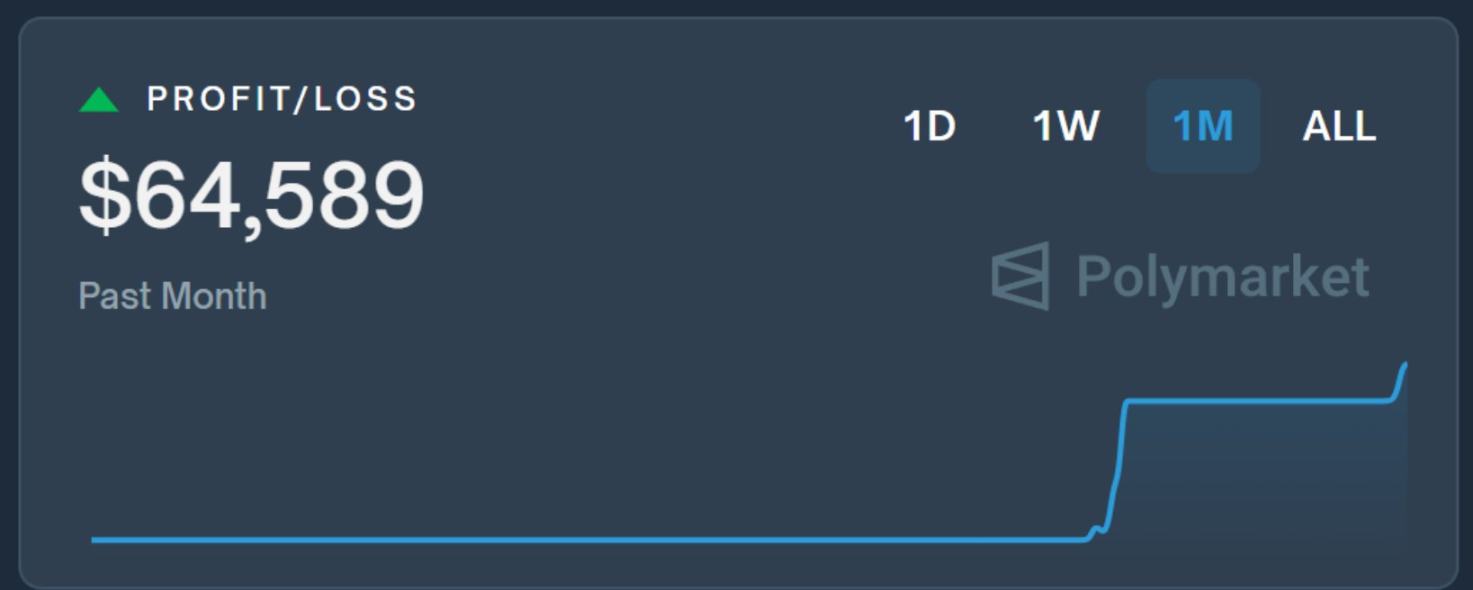
Most people think prediction markets are for gambling, but that’s only the surface function.
To experts, they reveal much more:
-
Mispriced odds
-
Lagging market reactions
-
Herd behavior
-
Reflexive cycles that can be influenced
If you understand how these systems work, you won't just bet on outcomes—you can profit directly from market structure.
Below are detailed explanations of my 11 practical methods:
Arbitrage Strategies
1. Cross-Market Arbitrage
The same event may have different odds across platforms. For example, "Trump wins" might be priced at 55% on Polymarket and 48% on Kalshi.
In such cases, buying low and selling high generates risk-free expected returns.
This can be done manually or automated via API. Using the Kelly Criterion to manage position size yields better results. (See FN’s translated article “KOL: How I Made $100,000 Through Prediction Market Arbitrage” for details.)
2. Providing Liquidity to Market Pools
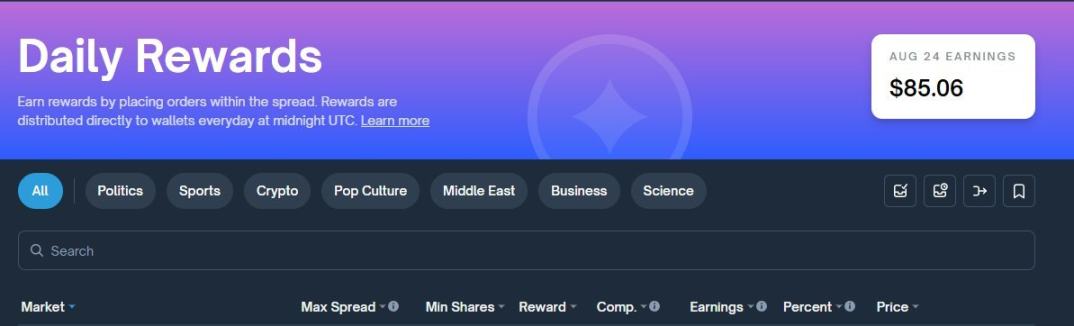
If a market uses an automated market maker (AMM), you can become a liquidity provider (LP).
This is similar to a straddle options strategy—maintaining delta neutrality while earning trading fees.
This method is especially profitable in volatile, high-attention markets.
3. Bayesian Updating vs. Market Lag
(Bayesian Updating: The process of continuously adjusting probability estimates of an event based on new information, gradually approaching a more accurate conclusion.)
Markets often react slowly, especially decentralized ones.
For instance, when a candidate drops out of an election, most bettors don’t adjust positions immediately.
But if you have a model that updates odds in real time based on new data, you can position yourself ahead of the crowd.
This time gap is your profit window.
Meta-Reflexivity and Incentive Exploitation
(Meta-Reflexivity: Describes how market participants’ actions are not only influenced by market conditions but also actively shape the market itself, even altering the outcome of the predicted event through deep interaction.)
4. Trading the Oracle
Some markets rely on a single news source to determine outcomes.
If a bet is structured as “Will X event occur before Y date (as reported by CNN)?”, you’re not actually betting on the event itself, but on whether CNN will report it.
Understanding the bias and reporting tendencies of these “oracles” (information sources) offers a significant edge.

5. Reflexive Arbitrage
Certain markets can influence the very outcomes they predict.
For example, a bet asking “Will Project X launch before Q3?” gives you incentive to push for its launch if you’ve bet “Yes.”
Tweeting support, contacting the team, driving community engagement…
Prediction markets can be actively steered.
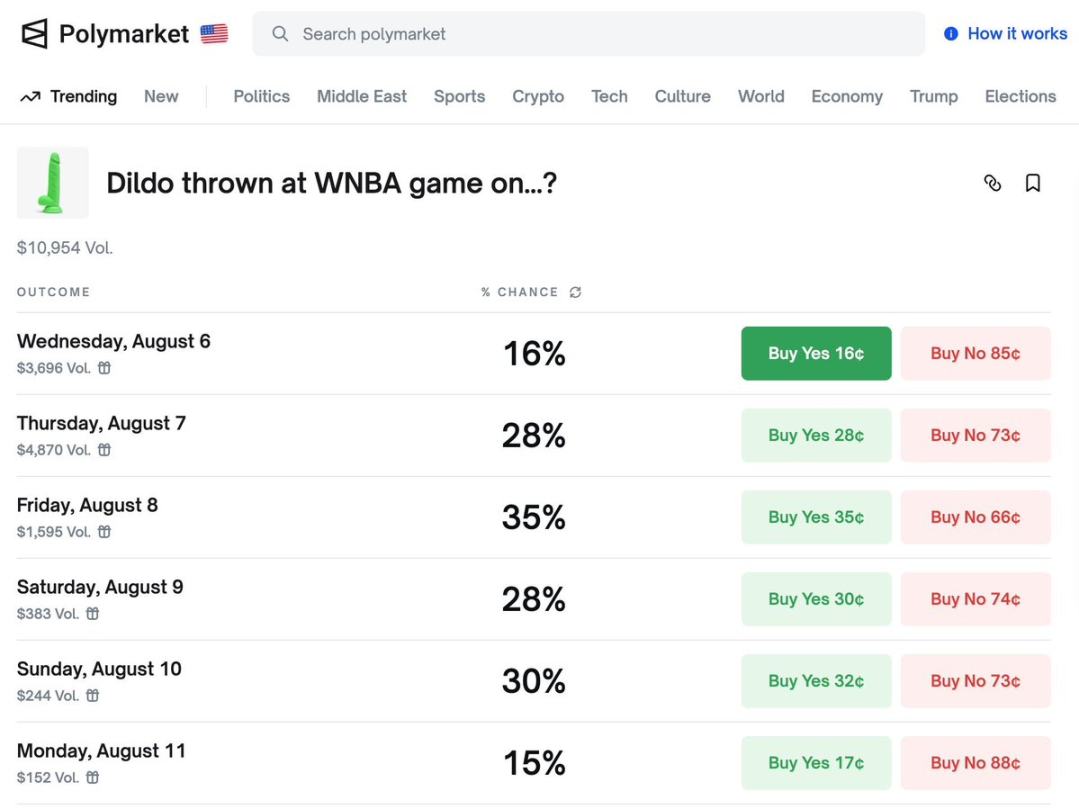
Remember the rubber products incident at the WNBA game? Where there’s a way, there’s profit—those who know, know…
Using Prediction Markets as Intelligence Sources
6. Using Odds to Guide Perpetual Contract Trading
Platforms like Polymarket often reflect probabilities faster than traditional media.
If the odds for Ethereum ETF approval suddenly spike to 90%, you could establish a long ETH position even before official news breaks.
7. Front-Running Token Activity
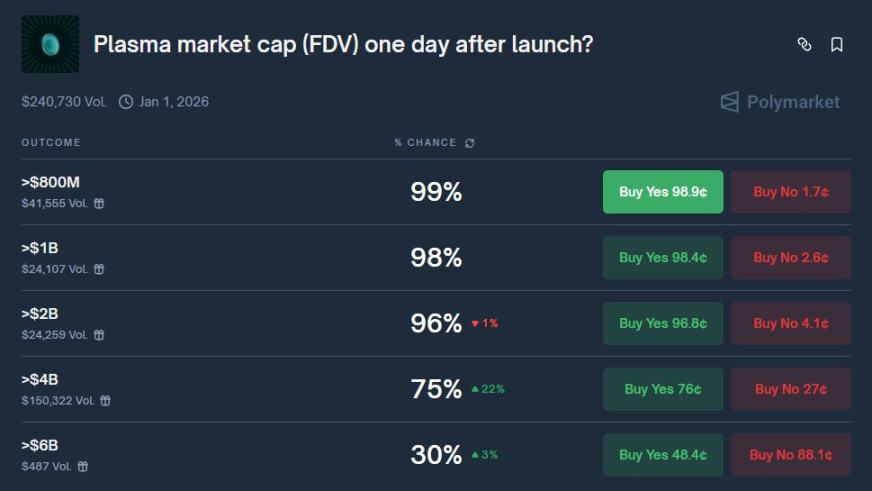
Certain markets can anticipate a project’s popularity surge.
When Polymarket lists a new bet related to a token, it often signals upcoming high trading volume for that token.
You don’t need to bet on the outcome—just position accordingly or prepare to provide liquidity upon listing.
Structural Operations
8. Treating Prediction Markets as Synthetic Options
Binary outcome bets are essentially capped options.
For example, a “YES” option expiring in three days priced at $0.09, when the actual probability is 20%, indicates volatility mispricing.
Analyze it like an option—model delta (price sensitivity to probability), theta (time decay), and gamma (rate of change in sensitivity).
9. Building Custom Parlay Bets
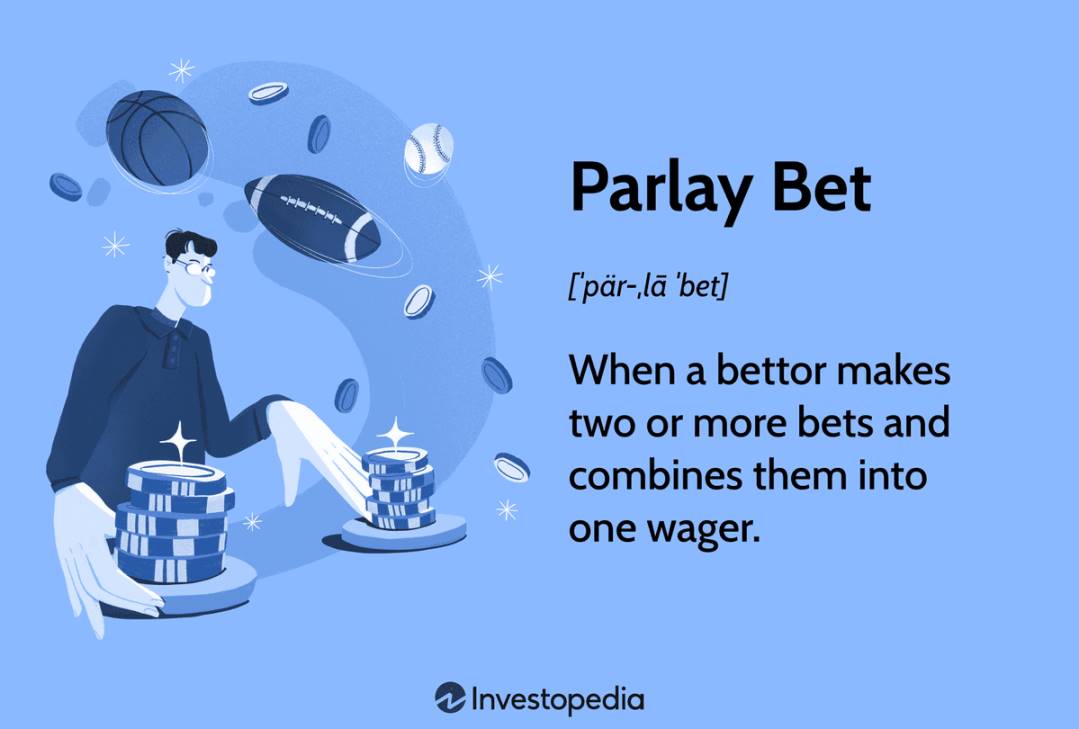
A Parlay Bet combines two or more independent bets into a single wager. The entire parlay wins only if all individual bets succeed; any single loss causes the whole parlay to lose.
Combining multiple markets enables synthetic strategies.
For example, if Trump winning the Republican primary is priced at 70%, and winning the general election at 40%, once the former happens as expected, the latter’s odds will likely surge—buying in then captures profit.
10. Tax Planning
In some jurisdictions, losses from prediction markets can be claimed as gambling losses.
If you have capital gains from crypto holdings, generating structured losses may reduce your tax liability.
However, consult a professional first.

Token Exposure Plays
11. Trading Infrastructure Tokens
Some platforms have native tokens (e.g., Zeitgeist, Truemarkets).
When platform trading volume surges, these prediction market tokens often experience delayed price increases (not investment advice).
Frankly, I’m not great at valuing these tokens either, but “when the tide comes in, all boats rise.”
I currently hold none, but may consider providing liquidity in the future.
Conclusion
Prediction markets are often misunderstood as simple gambling tools,
but in reality they contain rich data, behavioral patterns, and timing arbitrage opportunities.
If you treat them as a system with internal logic rather than a casino, you’ll find asymmetric profit opportunities everywhere.
Join TechFlow official community to stay tuned
Telegram:https://t.me/TechFlowDaily
X (Twitter):https://x.com/TechFlowPost
X (Twitter) EN:https://x.com/BlockFlow_News
 @PixOnChain