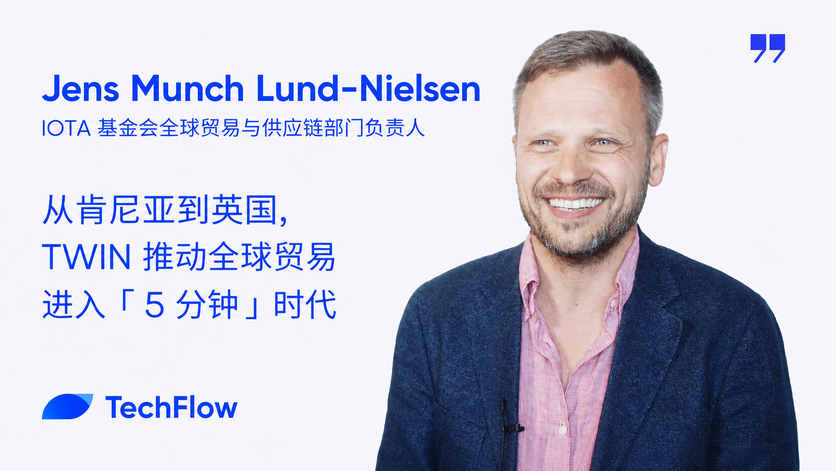
From a new tech stack to global government digital trade collaboration: the ecosystem evolution of blockchain veteran IOTA over ten years
TechFlow Selected TechFlow Selected
From a new tech stack to global government digital trade collaboration: the ecosystem evolution of blockchain veteran IOTA over ten years
Solving real-world problems and creating practical value.
 Navigating Web3 tides with focused insights
Author: TechFlow
As Ethereum's mainnet celebrates its 10th anniversary, veteran public blockchain project IOTA also marks its 10th year of existence.
Ten years ago, the idea of building a decentralized infrastructure to attract users, developers, and even large enterprises and governments—ultimately creating a digital world that completely redefines traditional rules—seemed far-fetched. At that time, blockchain was still a niche term used only among a small group of tech enthusiasts.
Today, blockchain has gradually evolved into a core foundation driving financial innovation, data security, supply chain optimization, and the digitization of global trade. With tech giants launching new strategic initiatives and governments worldwide racing to embrace crypto, what once seemed like ambitious dreams in blockchain are now tangible, major opportunities within reach.
Ten years ago, in the same year Ethereum’s mainnet officially launched, IOTA was born—with a unique vision focused on enterprises and governments, aiming to create real-world value by solving practical problems, accelerating the penetration of decentralization, and delivering paradigm-shifting innovations in blockchain applications for the real world.
Today, thanks to the Rebased mainnet upgrade, the launch of TWIN—a decentralized digital trade infrastructure—and deep collaborations with government agencies in countries including Kenya, the Netherlands, and the UK—IOTA is once again at the forefront of the crypto landscape.
After ten years of rigorous filtering, evolving from IoT to DeFi, from RWA to becoming the backbone of global digital trade, what path has allowed IOTA, once ranked among the top 10 on Coinmarketcap, to remain standing as a veteran in the blockchain space?
In the face of a sustainable ecosystem blueprint built on real users, real-world use cases, and real returns, what participation opportunities does IOTA offer?
Internal and External Cycles: Sustainable Ecosystem Returns Driven by Real Assets and Use Cases
One key advantage of established public blockchains lies in accumulated progress.
Through ten years of dedicated development—from Web3-native DeFi to large-scale real-world blockchain deployments—IOTA has built a clear dual-cycle system (internal and external) grounded in regulatory compliance.
Internal Cycle: Diversified Ecosystem Covering Full Asset Lifecycle
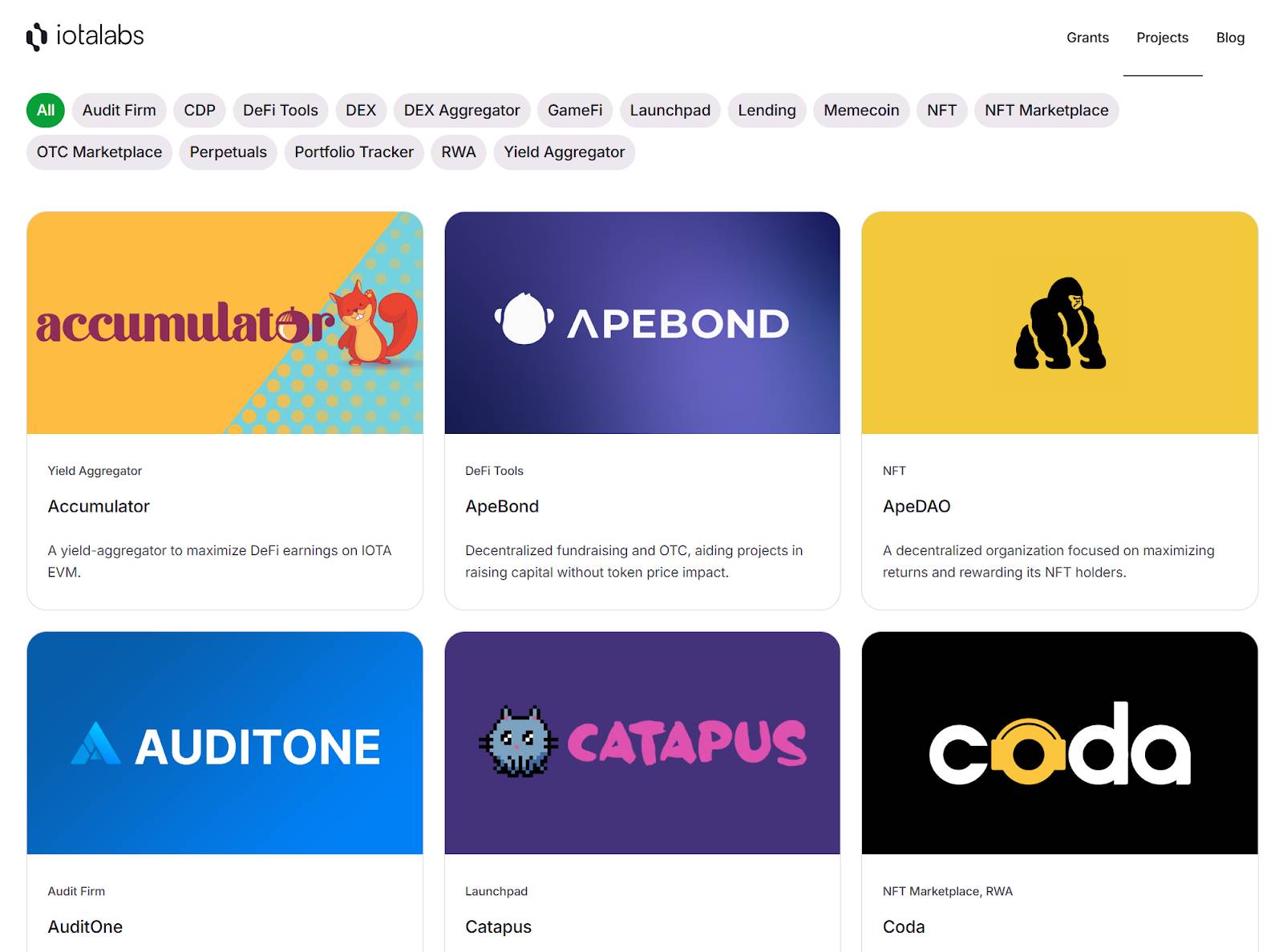
The IOTA ecosystem spans multiple modules including DeFi, RWA, NFTs, GameFi, and Memes, forming a complete closed loop from asset issuance and trading to yield management, offering users multi-layered, multidimensional financial services and innovative experiences.
As widely known, DeFi serves as the financial backbone of any public blockchain ecosystem, driven primarily by three pillars: DEXs, lending, and stablecoins.
Pools, the first DEX deployed after the IOTA Rebased upgrade, enables seamless on-chain asset swaps. Its high liquidity and low-cost transaction experience mark a significant milestone in IOTA’s ecosystem infrastructure.
Deepr is a secure and efficient lending platform within the IOTA ecosystem, providing digital asset lending services and enabling users to leverage higher returns through efficient mechanisms.
Virtue, launched on July 14, is the IOTA ecosystem’s first native stablecoin protocol. Users can mint over-collateralized stablecoin vUSD by locking IOTA or stIOTA. Featuring a unified stability pool, fixed-rate borrowing, and support for flash loans/flash mints, Virtue is already deeply integrated with ecosystem protocols such as Swirl Stake and Pools Finance.
Beyond these three pillars, IOTA has developed diverse, liquid, and yield-generating activities around its native token $IOTA.
Swirl is a liquid staking protocol supported by the IOTA Foundation. Users stake IOTA to receive stIOTA, earning staking rewards while unlocking enhanced DeFi yields through stIOTA.
Meanwhile, LiquidLink recently launched its on-chain points system for IOTA: As an all-in-one platform, LiquidLink simplifies Web3 participation through intuitive portfolio management, a points system, and customizable on-chain identity, enabling real-time community engagement and fair, transparent incentive distribution. The IOTA on-chain points system has partnered with Swirl; the Swirl LST points system will soon go live. Users who stake IOTA via Swirl will earn 1 point per hour for each stIOTA held in their wallet. These points will unlock various future ecosystem benefits. LiquidLink plans further integrations with protocols like Pools and Virtue to expand points-earning opportunities.
Beyond this, the IOTA ecosystem includes platforms for token issuance and asset tokenization: The token issuance platform offers comprehensive support—from community building to token launch—for projects within the IOTA ecosystem, helping promising ventures grow rapidly. The asset tokenization solution provides an efficient and accessible pathway for high-quality real-world assets to go on-chain, expanding investment options for users and promoting deeper integration between traditional assets and blockchain technology.
This diversified internal cycle not only lays a solid foundation for high activity within the IOTA ecosystem but also empowers IOTA with continuous innovation, enabling expansion beyond financial services into broader socioeconomic domains through synergistic module interactions.
External Cycle: Connecting Real-World Scenarios to Create Sustainable Value
IOTA focuses on delivering practical solutions for real-world use cases, leveraging technology to empower cross-border trade, supply chain management, and asset tokenization. This brings larger user bases and capital into the ecosystem while generating genuine value in real-world contexts, offering ecosystem participants sustainable returns backed by tangible assets.
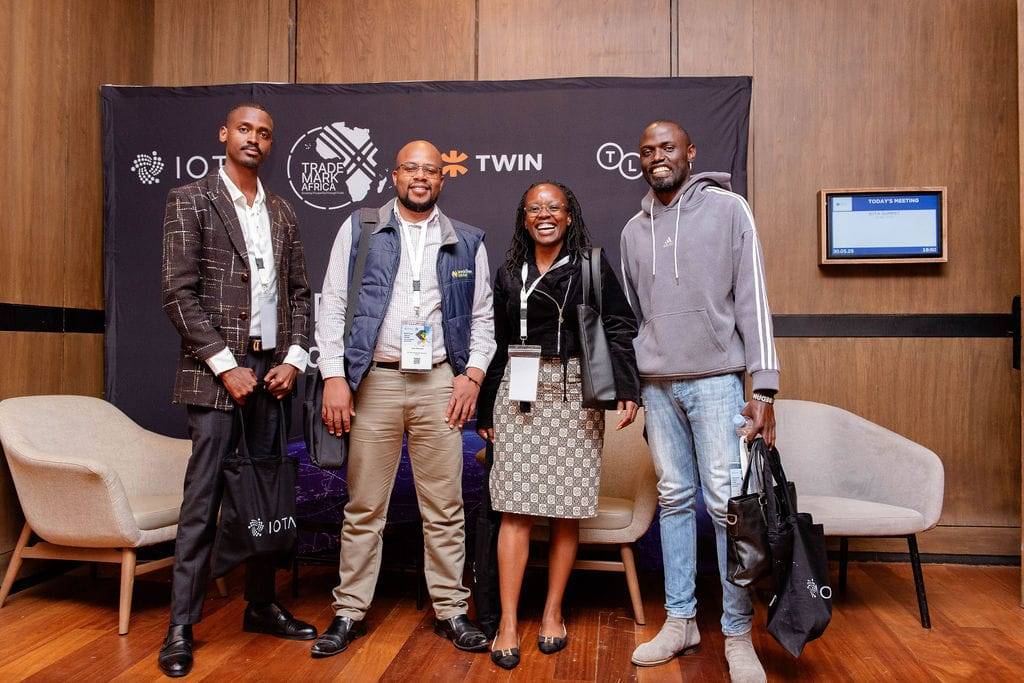
The most vivid example is the rollout of TWIN—the decentralized global digital trade system—across the UK, Poland, the Netherlands, and Kenya, which officially began on May 8, 2025, in Lusaka, Zambia.
As the next-generation digital infrastructure, TWIN (Trade Worldwide Information Network) achieves strong interoperability, scalability, and traceability through open modular architecture, distributed ledger technology (DLT), secure and decentralized data exchange, open-source design, and regulatory compliance. It enables real-time, verifiable data sharing across global supply chains, significantly improving transparency, trust, and efficiency in international trade.
Leveraging the TWIN framework, IOTA collaborated with the UK Cabinet Office to develop a border trade pilot project, efficiently tracking over 900 poultry shipments from Poland to the UK between 2024 and 2025. This facilitated instant, secure data sharing across global supply chains and demonstrated TWIN’s powerful capabilities in supporting cross-industry and cross-regional decentralized digital trade.
TLIP, launched earlier than TWIN, also focuses on enhancing cross-border trade efficiency but emphasizes logistics and is widely applied in African markets: As the Trade and Logistics Information Pipeline, TLIP streamlines information exchange and promotes cross-border cooperation and international trade. It also enables tokenization of trade finance and commodity trading assets, advancing RWA development on IOTA.
In 2024, IOTA partnered with the Kenya Revenue Authority, which established a TLIP node to improve data flow for export certificates. A flagship application is flower exports: Kenya ranks third globally in flower exports, with roses as a major export and vital foreign exchange source. Through TLIP, Kenya has established an efficient, transparent, real-time, and robust global cross-border trade system.
Additionally, RESULD leverages TLIP for digital operations, streamlining fresh agricultural product supply chains between Kenya, the Netherlands, and the UK—reducing disruptions, improving product quality, and ensuring compliance with ESG standards.
Beyond cross-border trade, Realize represents IOTA’s flagship RWA collaboration in the Middle East.
Based in Abu Dhabi, Realize is the region’s first tokenized national debt fund. The platform supports tokenization of real-world assets and integrates them into rich DeFi scenarios, enhancing asset liquidity and yield potential while delivering real value to investors.
Moreover, IOTA has established partnerships with Peru, the Netherlands, Arab nations, Japan, and others, exploring blockchain and DLT-driven paradigms for sustainable digital transformation in smart cities, digital governance, cross-border trade, energy, and petrochemicals.
Compliance: Global Strategic Layout Accelerating Institutional and National Adoption
Naturally, government-level collaborations are built upon strong compliance foundations.
The importance of compliance cannot be overstated. Among all competitive advantages in public blockchain development, compliance is the hardest to replicate and replace—it requires long-term investment and sustained effort. In achieving large-scale real-world adoption, building trust—especially governmental trust—demands not only substantial legal and regulatory expertise but also prolonged communication and collaboration with governments, institutions, and other stakeholders.
Since its inception, IOTA has placed great emphasis on compliance, accumulating distinct advantages over years of development:
In the Middle East, IOTA has obtained Islamic finance compliance certification and established its first regulated, compliant foundation in Abu Dhabi, injecting over $100 million worth of IOTA tokens to support ecosystem growth and further expand into the MENA market.
In Europe and North America, IOTA is a member of the European Blockchain PCP program funded by the European Commission, aimed at designing new DLT solutions compliant with EU regulations. IOTA is also part of CryptoUK, the UK’s crypto industry association, and collaborates with the Global Blockchain Business Council (GBBC). GBBC has included IOTA and TWIN in its “101 Real-World Blockchain Use Cases” handbook, showcasing IOTA’s practical applications in international trade.
In Asia, IOTA provides regulatory advisory services to the Securities Commission Malaysia and Japan’s Financial Services Agency.
In Africa, the IOTA Foundation collaborates with prominent organizations such as the World Economic Forum, Tony Blair Institute, African IP Institute, Import and International Trade Institute, and Global Trade Facilitation Alliance, helping streamline information exchange and promote cross-border cooperation and trade, while exploring broader applications of TWIN and TLIP.
According to the IOTA team, building on TWIN’s success in Kenya and Zambia, TWIN aims to serve more than 30 African countries by 2032. Meanwhile, IOTA plans to expand TWIN beyond Africa: targeted applications in cross-border trade are already being planned for Asian and American markets.
On a solid foundation of compliance, IOTA’s deep synergy between internal and external cycles has not only created a complete closed loop within the blockchain ecosystem—covering asset issuance, trading, management, and yield generation—to enable efficient asset circulation and innovative applications, but also empowered real-world sectors such as cross-border trade, supply chain management, and asset tokenization, generating truly long-term and sustainable value for ecosystem participants.
As the foundational layer enabling large-scale real-world blockchain deployment, IOTA has never ceased advancing its technology since inception.
New Technology Stack: The Foundation for Mass Real-World Adoption
Technical competition among public blockchains resembles engine performance in cars—it fundamentally determines how big and how far a blockchain can go.
As a veteran Layer 1 that has survived multiple rounds of public chain battles, IOTA carries not only deep technical expertise from past competitions but also the unique rigor and precision characteristic of established blockchains—fully demonstrated in the IOTA Rebased mainnet upgrade completed in May this year.
From the start, IOTA stood out in the Web3 industry with its innovative Tangle architecture: Tangle is a Directed Acyclic Graph (DAG) structure. By achieving consensus on transaction validity without requiring separate miners, Tangle gives IOTA standout features such as high throughput, strong scalability, and feeless transactions—though it previously faced issues related to centralization dependency.
To achieve full decentralization and scalability—so technology can genuinely solve real-world problems and create tangible value—and given the rise of the Move ecosystem, IOTA embarked on a technical upgrade journey, culminating in the Rebased mainnet upgrade in May 2025.
Rebased Mainnet Upgrade: Industry’s First Dual Smart Contract Ecosystem
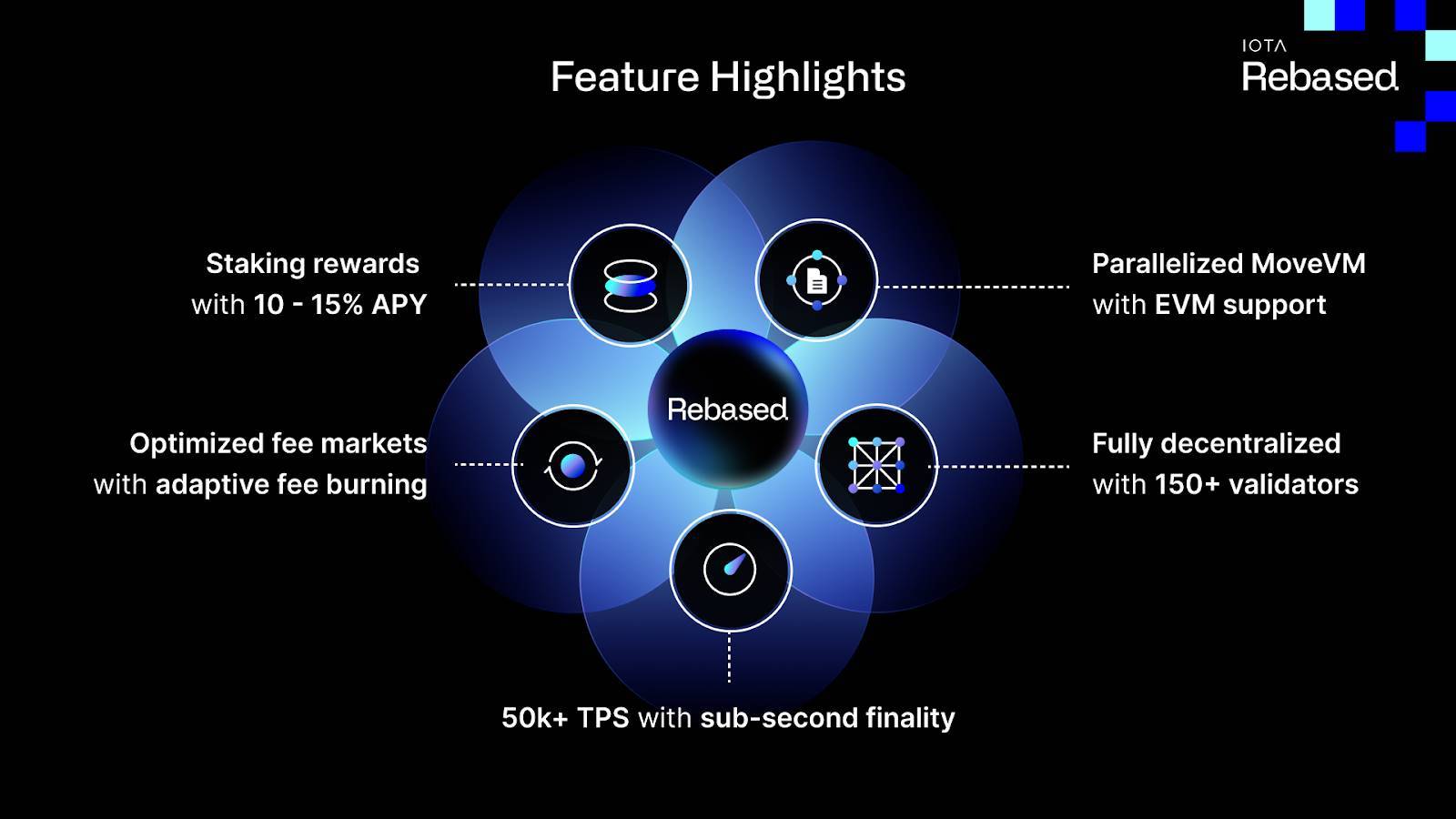
The upgraded IOTA network has achieved significant improvements across performance, security, smart contract ecosystem, and economic model:
The highlight of this upgrade is that IOTA has become the industry’s first dual smart contract ecosystem: Previously, IOTA announced IOTA EVM—an EVM-compatible Layer 2 solution introducing smart contracts, cross-chain functionality, parallel processing, and enhanced MEV protection. After the Rebased upgrade, while maintaining L2 EVM compatibility, IOTA now supports Move-based smart contracts at L1—making it the third major L1 network after Aptos and Sui to adopt Move. Supporting both smart contract ecosystems allows developers to easily build on IOTA, greatly expanding the ecosystem’s creative potential.
In terms of performance, IOTA boasts over 50,000 TPS processing capacity and sub-second confirmation times, satisfying demands of high-frequency trading and providing a solid foundation for complex smart contract execution.
Regarding security and decentralization, IOTA has gained node support from top-tier industry players including LugaNodes, KILN, Twinstake, and Ankr, with plans to onboard over 150 additional validators, further strengthening network decentralization.
At the same time, IOTA introduced staking rewards with up to 15% APY: Users earn rewards by staking IOTA tokens. This mechanism provides long-term economic incentives for token holders while enhancing network security and stability. Current network staking rate stands at 46.58%.
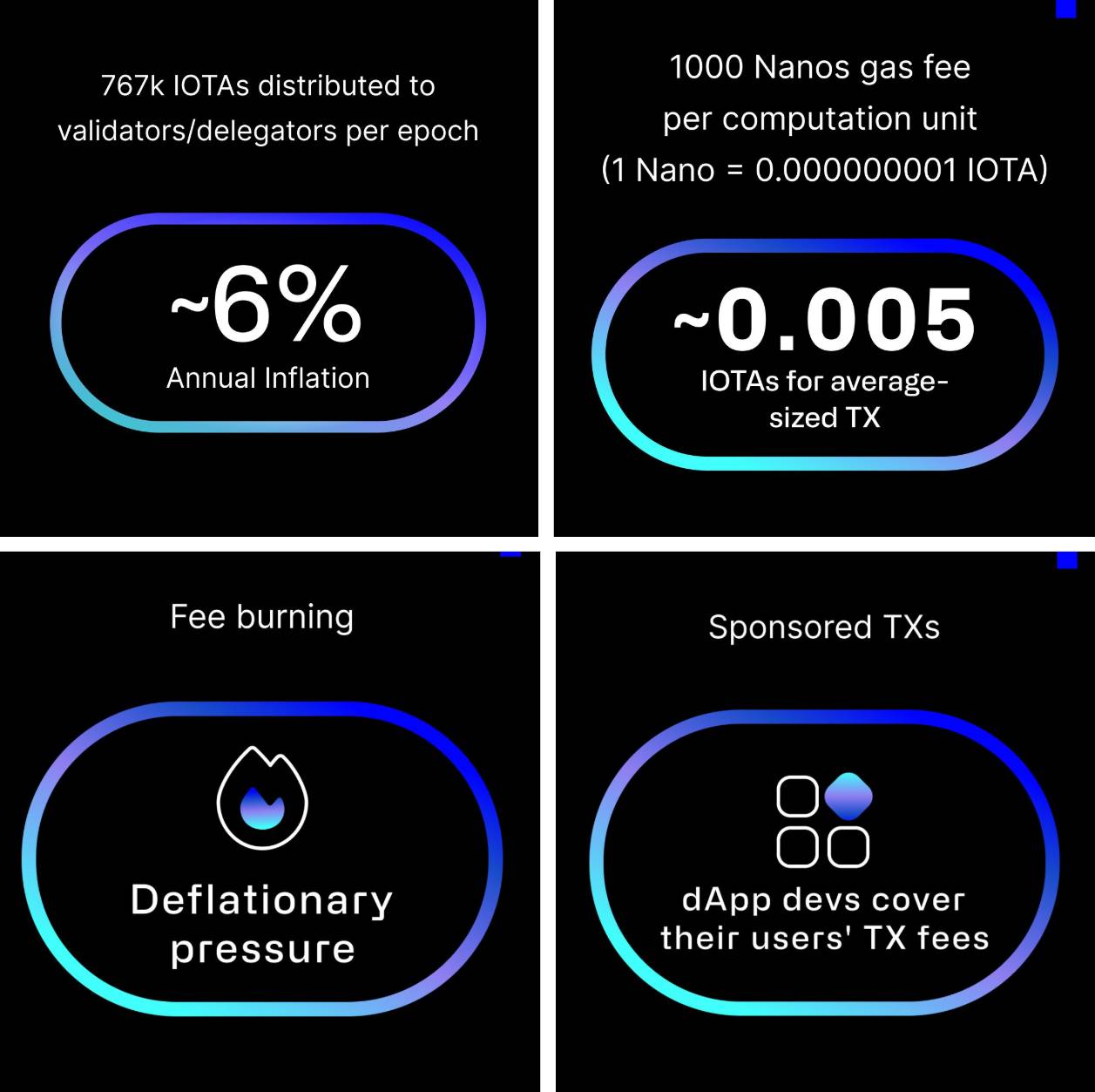
More importantly, IOTA implemented a dynamic fee mechanism and token burn mechanism: Fees dynamically adjust based on network activity, and a portion of fees are burned (permanently removed), reducing token supply and positively impacting token price while improving the network’s economic model.
Components and Building Blocks: Constructing a Complete Decentralized Digital World Foundation
IOTA’s relentless pursuit of technological excellence delivers smooth user experiences and empowers it to build rich components for a comprehensive decentralized digital economic infrastructure. When connecting Web3 to the real world, any innovative idea can be easily realized on IOTA.
Leveraging its dual smart contract ecosystem, IOTA has developed multiple innovative technical components that provide strong technical support for ecosystem growth.
In the previous section, we briefly explored the critical roles of TWIN and TLIP in government-level collaborations, but their technical principles and distinctions may still seem unclear.
In simple terms, TLIP was launched three years ago, primarily aimed at improving trade processes in East Africa. TWIN, launched this year and backed by the series of advantages from the Rebased upgrade, is more open, inclusive, decentralized, and interoperable, capable of supporting multi-trade ecosystems globally.
For any cross-industry or cross-regional trade—especially small businesses in lower- and middle-income countries where digital economic infrastructure is less developed—TWIN offers a lower-cost path to more efficient global trade management, covering data spaces, digital product passports, logistics tracking, and more.
Naturally, TWIN’s strength results from the synergistic effects of multiple IOTA ecosystem components.
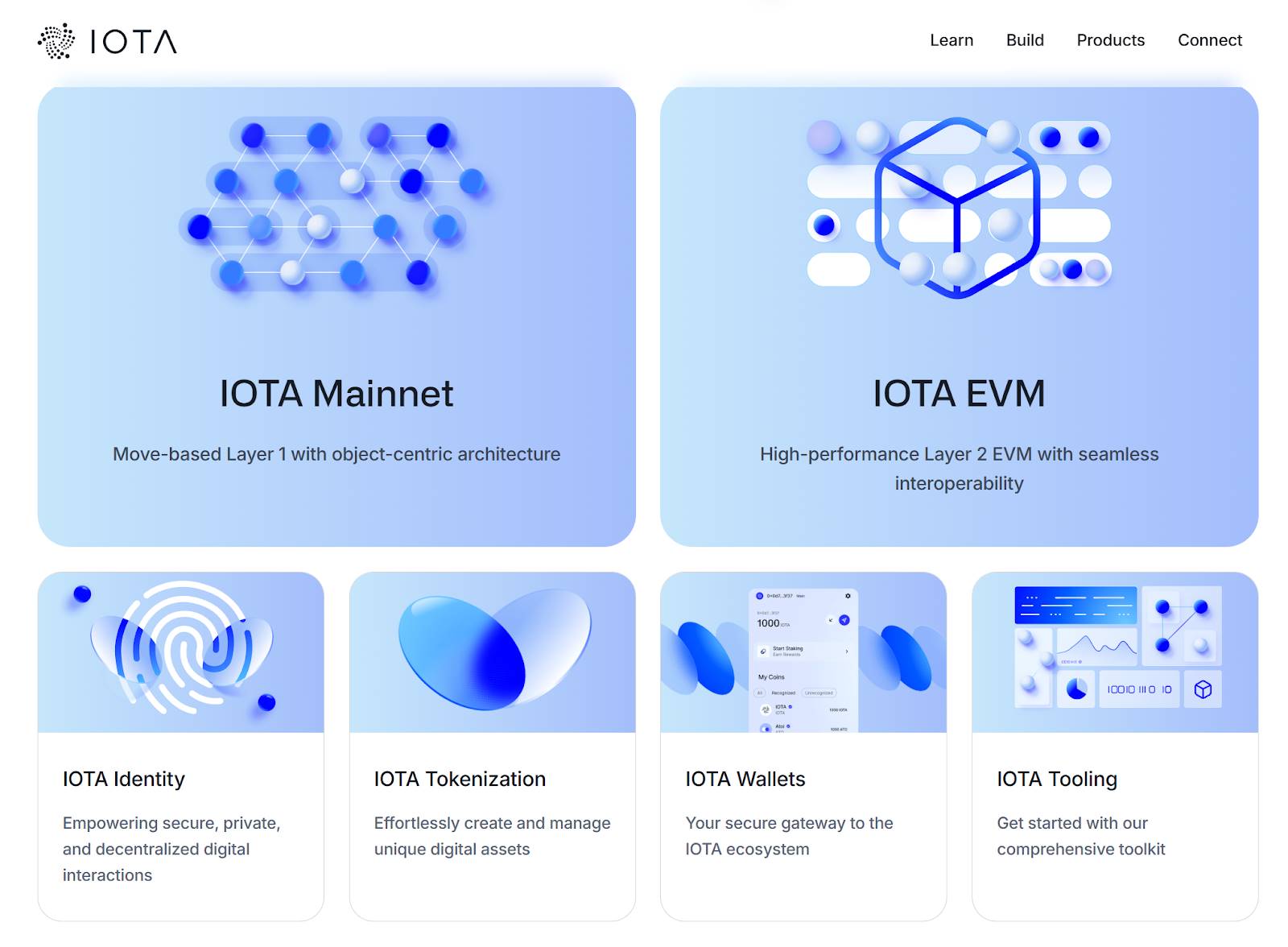
IOTA Wallets, a key entry point for users into the IOTA ecosystem, lay the groundwork for widespread adoption with its user-friendly interface and functionality.
IOTA Identity is a decentralized identity framework designed to provide secure authentication, verification, and data exchange.
IOTA Tokenization is a key driver behind the rapid growth of RWA in the IOTA ecosystem, enabling easy issuance and management of digital assets.
IOTA Notarization is an open-source, modular toolkit for recording and verifying data integrity, protecting against fraud, loss, and tampering, unlocking use cases in property rights protection, digital passports, supply chains, and real-time IoT systems.
Additionally, IOTA offers a suite of practical tools for developers:
IOTA Tooling is a comprehensive development kit providing essential tools for quickly building and deploying applications.
IOTA Gas Station enables developers and enterprises to cover users’ transaction fees, allowing gas-free transactions at the user level, lowering Web3 interaction barriers, and delivering smoother Web3 experiences.
A powerful underlying technical foundation combined with rich components and tools enables IOTA to move beyond speculation, truly solve real-world problems, create tangible value, and lead blockchain into the era of practical utility.
Following milestones such as the Rebased upgrade and the launch of TWIN in the first half of the year, IOTA will continue to push forward in technology iteration, ecosystem expansion, and developer attraction in the second half.
Technology Iteration + Ecosystem Funding: Multi-Pronged Efforts to Energize the Ecosystem
According to IOTA’s official roadmap, the second half of 2025 will focus on technology iterations targeting better performance, lower barriers, and stronger security.
On one hand, IOTA will carry out a series of protocol enhancements, including validator scoring, feedback mechanisms for canceling transactions during congestion, and gas fee predictors.
On the other hand, IOTA will focus on advancing Starfish development through DAG optimization: Starfish is a new consensus protocol developed by IOTA to enhance the stability and scalability of the previously adopted Mysticeti engine. While Mysticeti prioritized low latency and simplified architecture, Starfish aims to balance security and scalability using a partially synchronous DAG-based BFT approach. Starfish is currently under active development and is expected to be deployed on Devnet in Q3.
Furthermore, to lower user barriers, IOTA will introduce two key features: account abstraction and key aggregation: Account abstraction replaces simple external accounts with programmable on-chain accounts, enhancing user experience and security through features like social recovery, providing teams with more robust fund management solutions. Key aggregation, as an additional authentication method, will simplify wallet login processes and, when synced with cloud services, improve account recoverability.
Continuous technical refinement not only delivers smoother user experiences but also strengthens IOTA’s appeal to developers. Indeed, developers—being the soul of any public blockchain ecosystem—have always received special incentives within the IOTA ecosystem.
So far in 2025, IOTA has hosted two major hackathons:
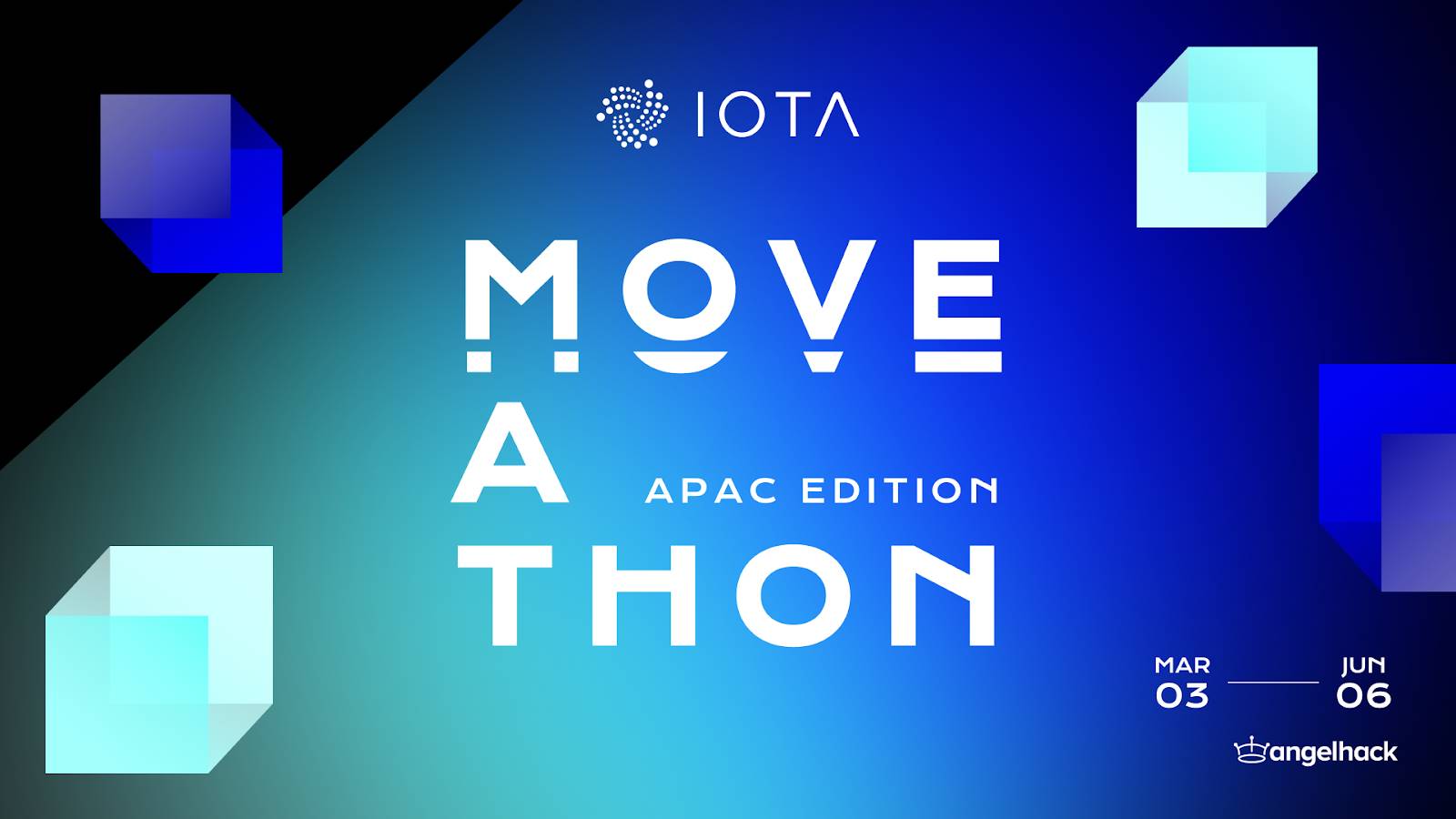
The first IOTA MOVEATHON hackathon spans the entire year of 2025, with the inaugural event launched in March 2025. Focused on developers interested in building projects using Move on IOTA, participants from around the world will develop projects across four tracks: payments and consumer apps, real-world applications, DeF(A)i, and tools & infrastructure, competing for a total prize pool of up to $150,000.
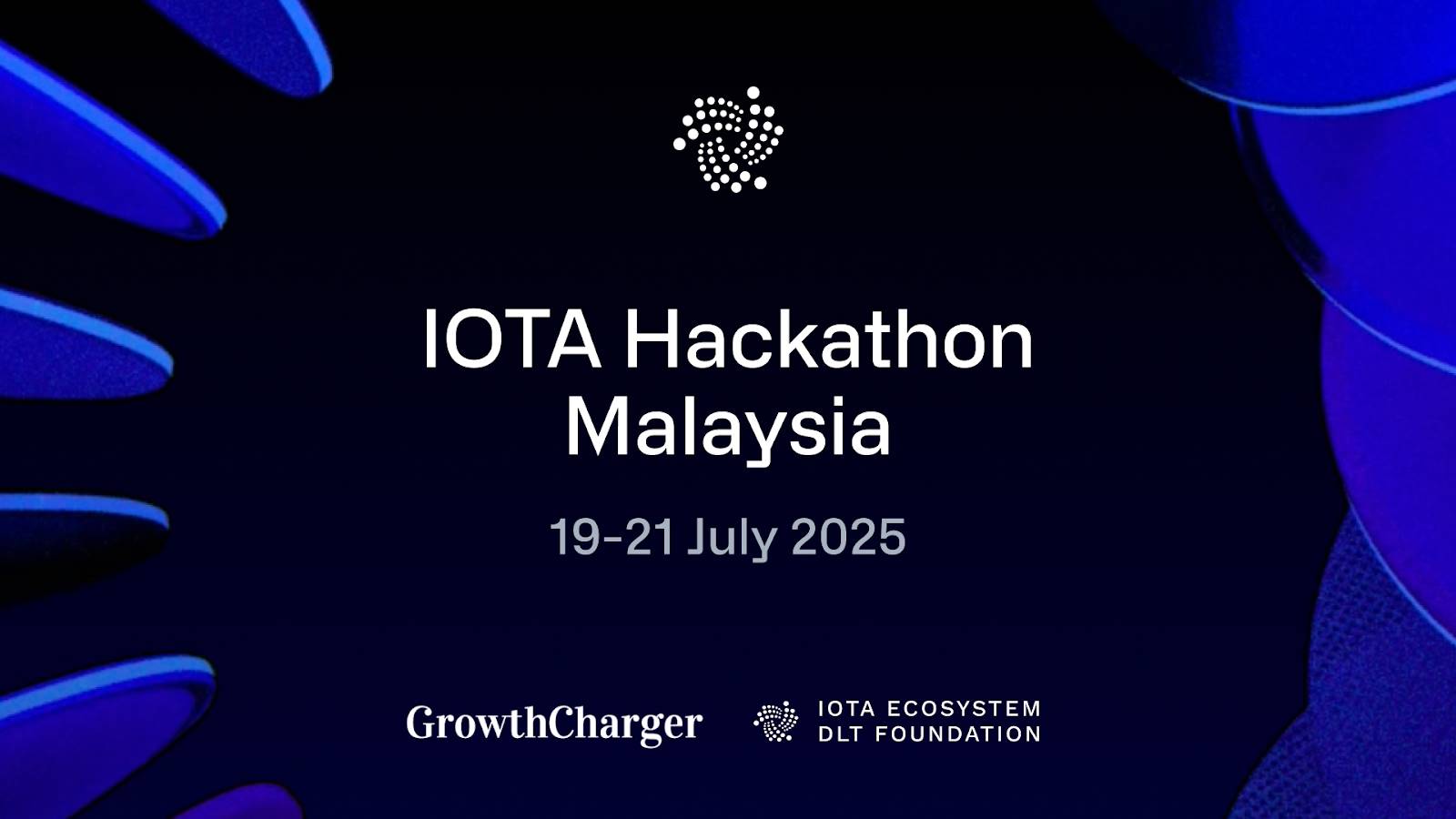
The second hackathon recently concluded in Malaysia. From July 19–21, 2025, IOTA sponsored and headlined Malaysia Blockchain Week 2025. The IOTA Malaysia 2025 Hackathon aimed to attract top talent and drive the creation of innovative Web3 solutions. Winners shared a $10,000 prize, and the top 10 teams showcased their projects during Malaysia Blockchain Week, gaining visibility and support from potential investors, partners, and innovators.
Beyond periodic hackathons, the IOTA Foundation maintains two long-term developer incentive programs on its official website:
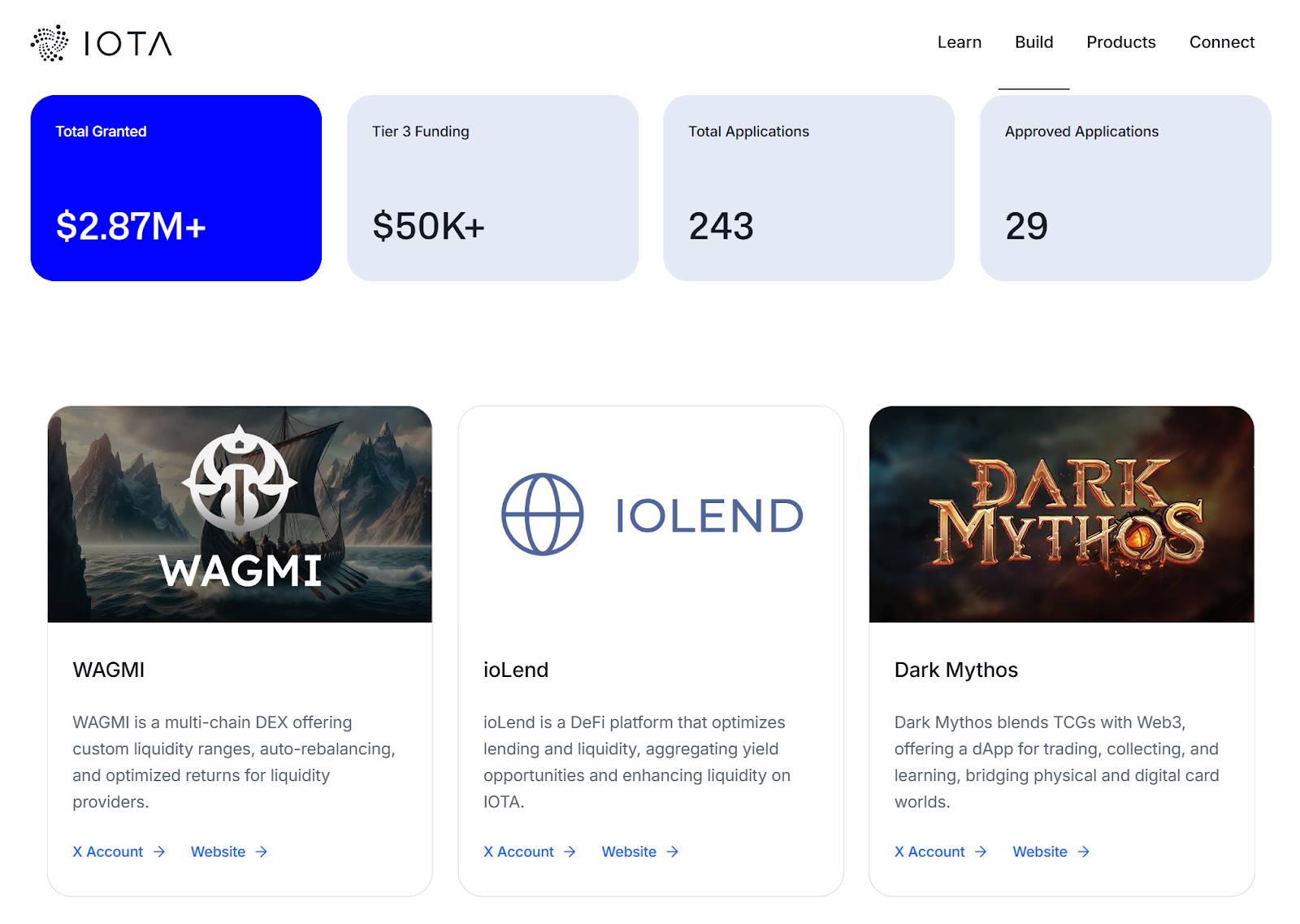
The IOTA Grants program is open to all ecosystem participants, funding projects in three categories: open-source development, Web3 education, and community events (such as hackathons and workshops). Approved applicants receive grants exceeding $50,000.
To date, 243 projects have submitted grant applications, with 29 approved by the grants committee across categories including DEXs, lending, and GameFi, distributing over $2.87 million in total funding.
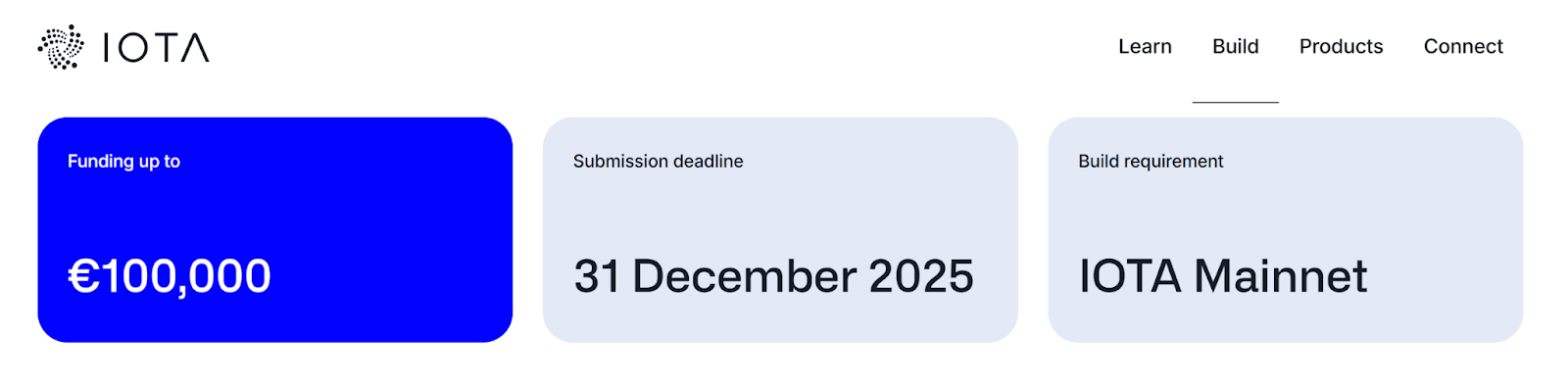
The IOTA Commercial Innovation Program focuses more on real-world deployment, targeting areas such as supply chain tracking, digital product passports, identity and access management, data integrity and compliance, and real-world asset tokenization. The program supports startups, enterprises, and developers in turning visionary ideas into scalable solutions, offering qualified applicants up to €100,000 in funding along with technical and strategic support.
The application deadline is December 31, 2025. The first cohort of selected projects has already demonstrated strong problem-solving capabilities in various real-world scenarios: Impierce, a European company, built a digital identity solution on IOTA that enables participation in digital ecosystems without exposing personal data. Orobo’s digital product passport platform enables full lifecycle traceability from raw materials to disposal. ObjectlD provides verifiable, tamper-proof identity for physical products.
For ordinary investors, greater attention may lie on IOTA’s native token, $IOTA.
As the native token, $IOTA is deeply integrated with the ecosystem, serving critical roles in transaction fees, staking, value transfer, and governance.
In December 2024, IOTA announced a sustainable tokenomic model: The total supply of $IOTA will fluctuate over time based on the balance between token inflation and fee burning, with an annual inflation rate of approximately 6%. Following the IOTA Rebased upgrade, 4.6 billion IOTA tokens migrated from the Stardust network to the Rebased mainnet. Thereafter, 767,000 new IOTA tokens are minted each epoch.
Beyond the new tokenomics, what excites the community most about $IOTA is its high circulating supply ratio.
Circulating supply is a key token metric—higher circulation typically means stronger liquidity and greater resilience against short-term market shocks. As a public blockchain project now 10 years old, $IOTA’s current circulating ratio exceeds 80%, and the $500,000 raised in its 2015 ICO has long been fully circulated. Under this healthier token structure, many community members believe IOTA will increasingly prioritize community interests moving forward.
Solving real-world problems, creating real value.
Whether through technological iteration or ecosystem collaboration, this phrase frequently appears in IOTA’s messaging.
From 2015 to 2025, blockchain has moved from tech enthusiasts' labs to the stage of the global economy. In exploring digital economic transformation worldwide, IOTA has already accumulated a decade of experience.
Over these ten years—from a new technology stack to global regulatory progress and ecosystem partnerships—IOTA has turned the potential of blockchain technology into real productivity through concrete actions.
As a new decade begins, facing IOTA’s sustainable ecosystem blueprint built on real users, real use cases, and real returns, IOTA will continue to strengthen its efforts in technology, compliance, and ecosystem collaboration, further amplifying its ecosystem flywheel effect.
With multiple milestones achieved, IOTA is gathering momentum on its journey to accelerate the penetration of decentralization into real-world applications, poised to go farther in this new cycle.
Join TechFlow official community to stay tuned
Telegram:https://t.me/TechFlowDaily
X (Twitter):https://x.com/TechFlowPost
X (Twitter) EN:https://x.com/BlockFlow_News
 深潮TechFlow