Quick look at Yala, upcoming TGE, leader in BTCFi on Solana?
TechFlow Selected TechFlow Selected
Quick look at Yala, upcoming TGE, leader in BTCFi on Solana?
Yesterday announced Season 1 airdrop rules, upcoming TGE, how to participate in Yala?
 Navigating Web3 tides with focused insights
Author: Alex Liu, Foresight News
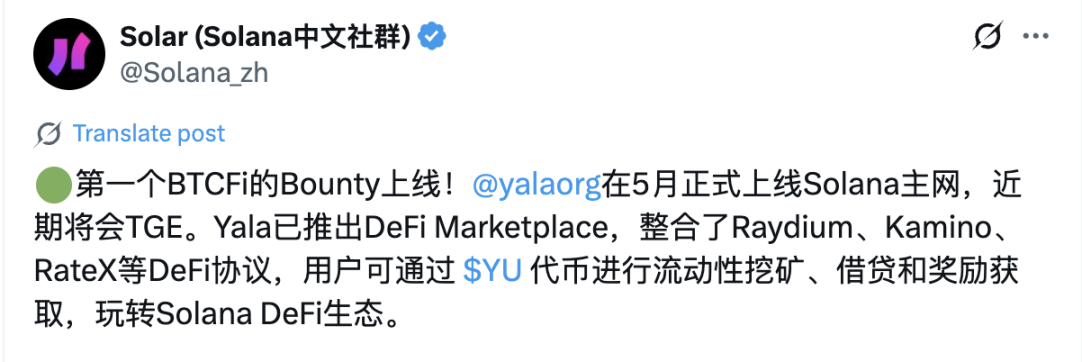
Bitcoin-native liquidity protocol Yala announced the details of its Season 1 airdrop last night, with claims opening on TGE day. After launching on the Solana mainnet in May, Chinese Solana community sources indicate that Yala will soon conduct its TGE. What is Yala's background? How does the protocol work? How is Season 1 distributed, and how can users participate going forward?
Yala is a bitcoin-native liquidity protocol that enables users to over-collateralize BTC on the Bitcoin chain to mint a stablecoin called YU, linking Bitcoin’s value to multi-chain DeFi and real-world asset (RWA) yields. The protocol aims to allow Bitcoin holders to engage in DeFi and RWA ecosystems without relinquishing ownership of their assets, thereby unlocking long-idle Bitcoin value.
Funding Overview
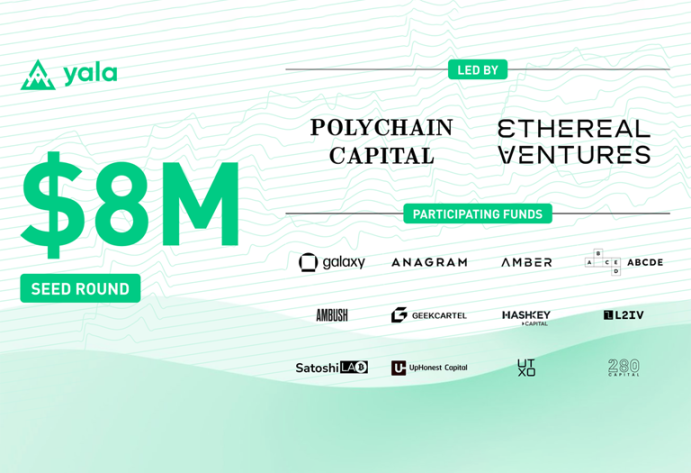
In October 2024, Yala raised $8 million in a seed round co-led by Polychain Capital and Ethereal Ventures. Other participating investors include Galaxy Vision Hill (Galaxy Digital), Amber Group, HashKey Capital, ABCDE Capital, Anagram, Ambush Capital, GeekCartel, L2 Iterative Ventures, SatoshiLab, UpHonest Capital, UTXO Management, and 280 Capital.
The team stated that the funds will primarily support expanding the technical and product teams, enhancing security, and preparing for the mainnet launch. Additionally, Yala’s founding team has disclosed commitments totaling over 2,000 BTC as initial collateral liquidity, laying the foundation for early platform stability.
On the strategic front, Yala has joined Circle’s Alliance Program, collaborating with other protocols and institutions to explore USDC use cases within the Bitcoin ecosystem. Thanks to this partnership with Circle, YU holders can redeem YU for USDC at a 1:1 ratio, leveraging USDC’s broad acceptance and regulatory compliance to enhance trust in YU.
Yala has also formed a strategic partnership with the Bitcoin Layer-2 network Stacks, integrating YU into Stacks-based lending, staking, and insurance protocols such as Bitflow, Alex, Velar, and Zest to boost liquidity and stability across the Stacks ecosystem. In July, Yala partnered with crypto payment gateway Alchemy Pay to launch the Yeti Card, enabling Bitcoin holders to spend their YU-generated yields globally.
Team Background
The Yala team spans both crypto and traditional finance. According to official information, founders include former MakerDAO protocol architects, ex-Circle stablecoin engineers, Microsoft cloud infrastructure experts, and a former Capital One derivatives trader. The team also includes talent from Lido, Binance Labs, Circle, Microsoft, and Alchemy Pay. Co-founder and COO Kai-Tai Chan previously worked at Binance and APX Finance, holds an MBA from Harvard Business School, and brings extensive entrepreneurial experience.
Protocol Features
Yala adopts a modular design, with core components divided into interconnected parts: Yala Bridge, the Yala Network (MetaMint), and different user modes.
First, users deposit BTC via the Yala Bridge to receive yBTC—a tokenized representation of Bitcoin (similar to wrapped tokens but generated natively within Yala’s ecosystem)—which serves as collateral for subsequent operations. Once holding yBTC, users can leverage the MetaMint module to instantly mint the YU stablecoin directly on target chains (e.g., Ethereum, Solana), then participate in staking, lending, and other DeFi activities across multiple chains.
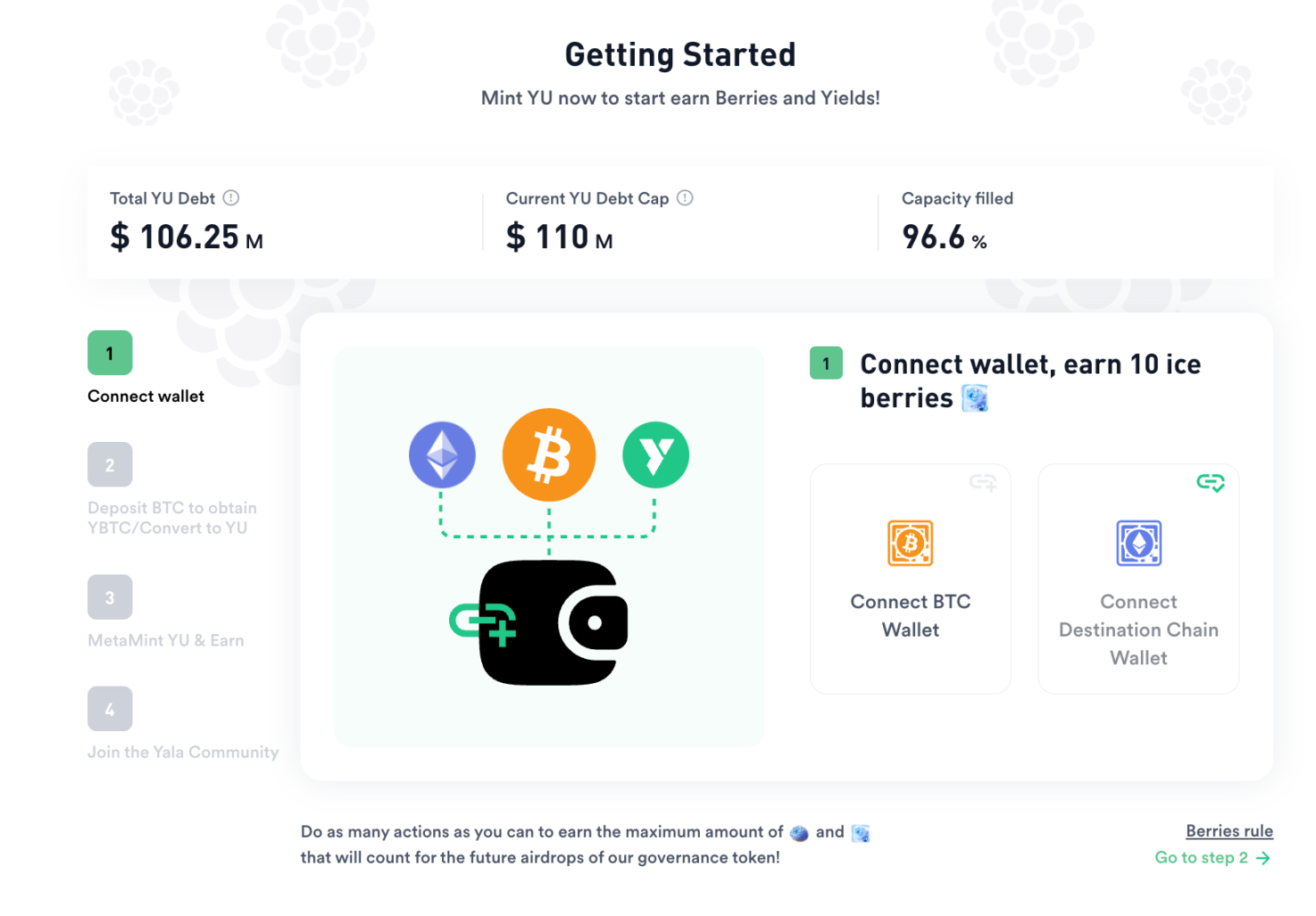
MetaMint simplifies cross-chain interactions—users deposit BTC once and can “one-click” receive YU on other chains, bypassing the need to manually trade for stablecoins on exchanges. Furthermore, Yala offers two modes: Lite Mode for regular users seeking simplicity and steady returns, and Pro Mode for advanced users who want access to sophisticated DeFi structured products like Babylon and Ethena to earn additional yield while maintaining BTC exposure.
Yala’s stablecoin YU is pegged to the US dollar and fully backed by Bitcoin collateral. Compared to traditional centralized stablecoins, YU offers multi-chain compatibility and a yield-sharing mechanism: it can be used across chains like Ethereum and Solana, generating yield for holders through staking and lending. Stability is maintained via over-collateralization, stability fees, and liquidation mechanisms. Unlike many stablecoins relying on third-party custodians, Yala distributes system revenue directly to YU holders, allowing them to earn real income from protocol operations.
In terms of design philosophy, Yala emphasizes decentralization and security. It builds on Bitcoin’s most resilient off-chain state, leverages the Ordinals protocol to introduce programmability, and ensures security through federated indexer networks and multi-sig insurance vaults. This means BTC assets are never centrally custodied; instead, a decentralized indexer network off-chain records the state of yBTC and YU, with potential for further decentralization in the future.
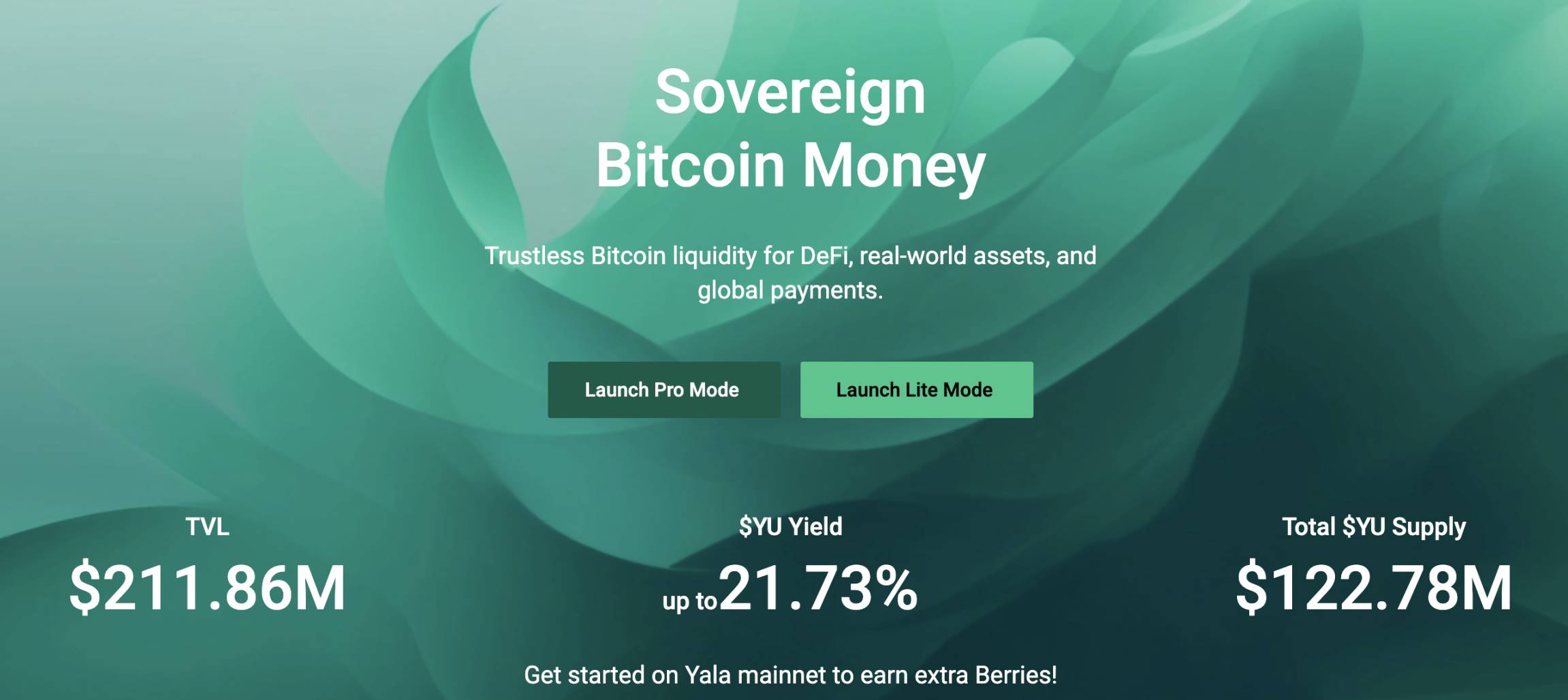
The team describes Yala’s core principle as “true self-sovereignty”: all BTC remains on the Bitcoin mainnet, with users retaining full self-custody, thus avoiding centralized risks. The project summarizes its three pillars as: Security (BTC never leaves the chain, minimal-trust architecture), Institutional-Grade Access (RWA yield opportunities open to both institutions and retail), and Transparent Risk Management (auditable collateral and strategies).
For user experience and ecosystem integration, Yala introduces several innovative features. For example, it launched the PayFi Universe concept, enabling users to spend Bitcoin-generated yields directly in daily life via the Yeti Card. The Yeti Card works on global Visa/Mastercard networks and supports Apple Pay and Google Pay. Users can “hold coins to earn yield, spend yield to pay,” covering everyday expenses like coffee or shopping without selling their BTC principal.
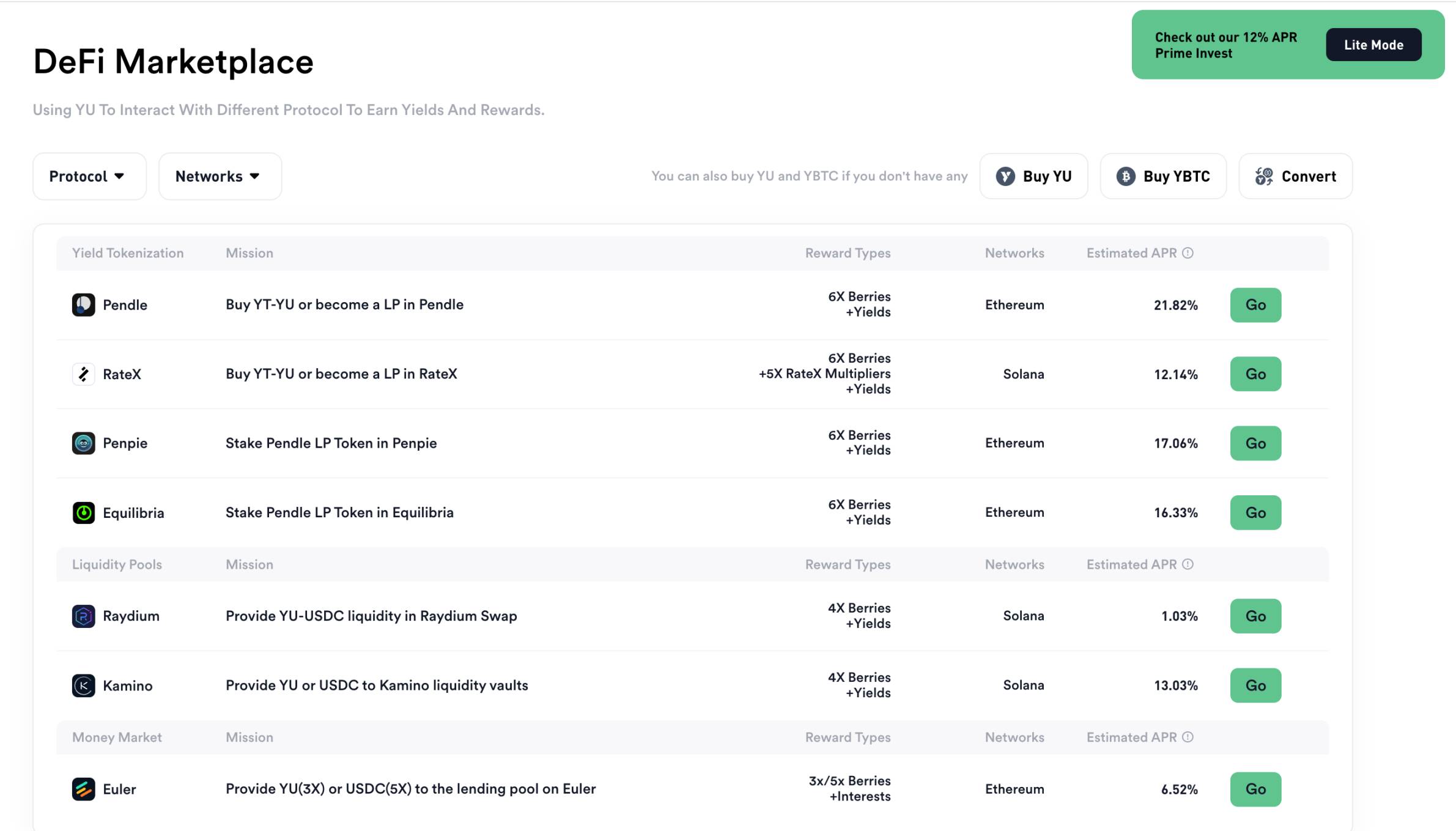
Additionally, Yala integrates an AI yield agent (Yay-Agent) that automatically generates 24/7 returns by aggregating DeFi protocols and RWA products, delivering stable annualized yields (e.g., 12% fixed yield in Lite Mode). Yala’s DeFi Marketplace allows users to access liquidity protocols like Raydium and Kamino on Solana from a single interface, earning trading fees and compounding rewards using YU, while receiving additional incentives via Berries points.
How to Participate
Taking Ethereum mainnet as an example, users can deposit Bitcoin into the protocol via the Yala Bridge gateway to receive an equivalent amount of tokenized Bitcoin. Then, they can use yBTC as collateral to one-click mint YU stablecoins on Ethereum or other supported chains via the MetaMint function. Once minted, YU is directly deposited into the user’s EVM wallet or Solana wallet. Users can then deposit YU into the protocol’s stable pool to earn staking rewards or provide liquidity in the DeFi Marketplace (e.g., adding YU/USDC liquidity on Raydium).
All on-chain activity generates rewards—while earning YU, users also receive Berries points representing their contribution to the ecosystem. These points can later be redeemed for rewards or used in future airdrops. Currently, users can also join events like “Team Challenges,” forming groups to enter prize draws and accumulate more points.
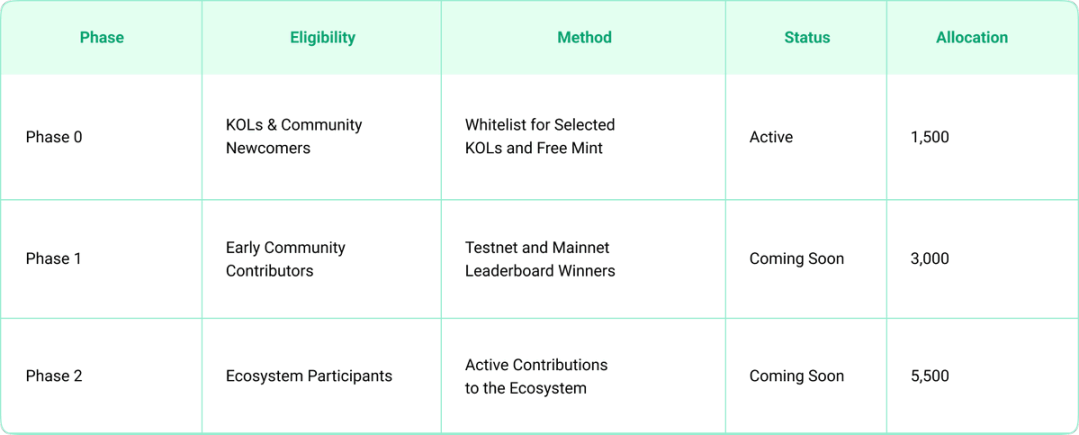
Yala has launched various community incentive campaigns such as “Yeti Yell,” where users earn extra rewards by participating in events, posting content, or completing official tasks. Yala has also issued limited-edition Yeti Soul-Bound NFTs (Soul-Bound Yetis) as honor badges for early users and contributors. Phase 0 of this NFT program has concluded, with 1,500 NFTs minted. Phases 1 and 2 will offer 3,000 and 5,500 NFTs respectively, targeting users with high testnet and mainnet point rankings and active ecosystem participants; these phases have not yet opened.
Season 1 Airdrop
This airdrop allocates 34 million YALA tokens, representing 3.4% of the total supply, rewarding mainnet and testnet participants, content contributors, and early supporters. The claim period lasts one month, with the snapshot taken on July 8, 2025. Distribution breakdown:
Mainnet Berries Contributors: 30 million YALA; Mainnet Ice Berries (social and engagement tasks) Contributors: 618,000; Testnet Berries Participants: 322,000; Yeti Footprints Content / Research / Feedback / Technical Contributors: 3 million; Yala Bonus Rewards special pool for early supporters: 60,000. Users can check eligibility via the website. Unclaimed tokens will be automatically recycled for future airdrops. Season 2 airdrop activities have already begun.
Join TechFlow official community to stay tuned
Telegram:https://t.me/TechFlowDaily
X (Twitter):https://x.com/TechFlowPost
X (Twitter) EN:https://x.com/BlockFlow_News
 Foresight News