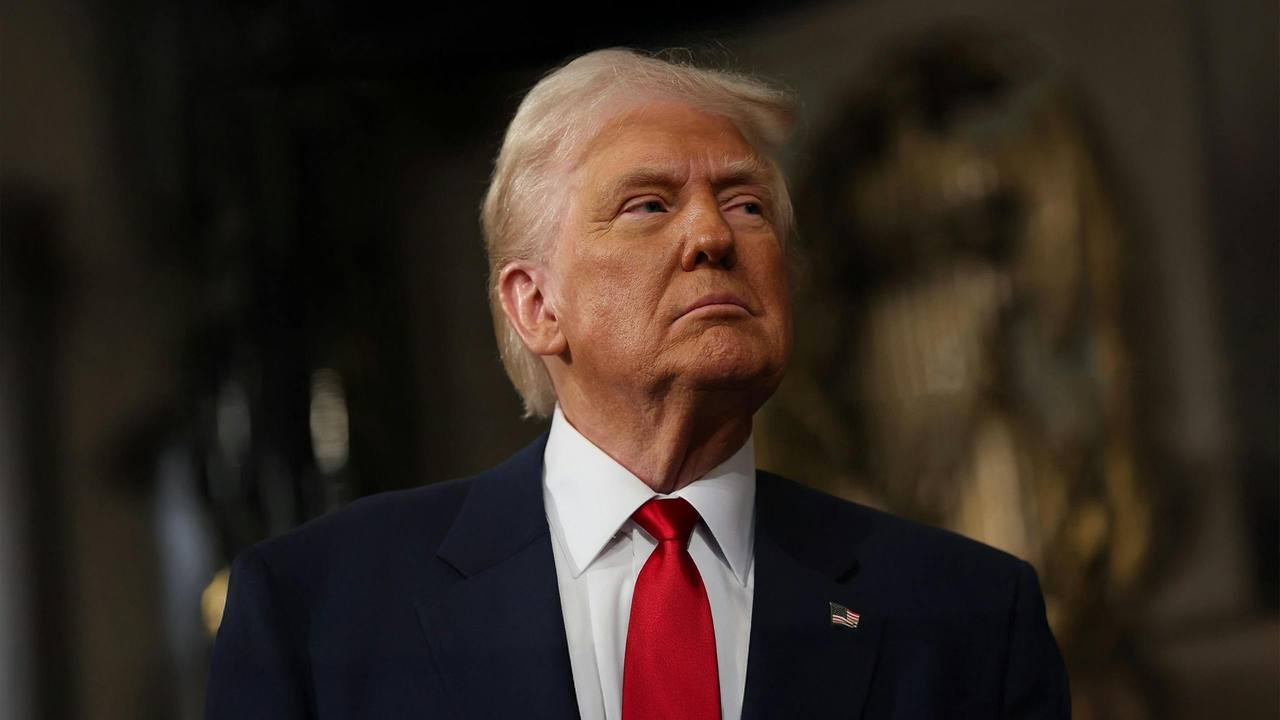
TechFlow: Senate Paves Way for Stablecoins as Trump and Crypto Giants Achieve Milestone Victory
TechFlow Selected TechFlow Selected
TechFlow: Senate Paves Way for Stablecoins as Trump and Crypto Giants Achieve Milestone Victory
The U.S. Senate passed the GENIUS Act by a vote of 68 in favor and 30 opposed.
 Navigating Web3 tides with focused insights
By Bob Yilong, TechFlow
The U.S. Senate has passed stablecoin legislation, establishing regulatory rules for dollar-pegged cryptocurrencies—an historic win for both the crypto industry and Donald Trump.
On June 17 local time, the U.S. Senate approved the GENIUS Act by a vote of 68 in favor and 30 opposed. Analysts say this outcome represents the most concrete return on the hundreds of millions of dollars the crypto industry has poured into electing a "crypto-friendly" Congress. Major crypto firms that heavily invested in last year’s elections have already laid out similar plans for the 2026 midterm elections.
Tim Scott, Republican from South Carolina and chairman of the Senate Banking Committee, said in a statement on Tuesday that the legislation “brings clarity to an industry that has long been clouded by uncertainty.”
The bill's formal name is the Guidance and Establishment of National Innovation with Stablecoins Act (GENIUS Act), and it will now move to the House of Representatives for a vote. The House must decide whether to adopt the Senate version or advance its own competing stablecoin bill, the STABLE Act—two proposals that differ significantly on regulatory oversight and treatment of foreign issuers.
A Trillion-Dollar Race Under New Rules: Who Wins?
As previously reported by TechFlow, under the new legislation, dollar-pegged stablecoins must hold reserves in short-term government debt or equivalent assets and be supervised by state or federal regulators in the United States. Notably, these stablecoins will not be covered by federal deposit insurance.
According to media reports, the new rules open up opportunities across multiple sectors:
Retailers and Payment Industry: Industry supporters hope stablecoins will become a mainstream payment method. Retailers welcomed the bill, seeing it as offering a cheaper and faster transaction processing alternative compared to traditional banking products like credit cards and checks.
Large Banks: While smaller banks worry about deposit outflows and tighter credit channels, large banks are considering issuing their own stablecoins to profit from interest generated by reserve holdings. Stablecoins have already proven highly profitable—Tether Holdings SA, the leading issuer, has earned billions of dollars from its reserves.
Tech and Other Non-Financial Giants: If the bill ultimately becomes law, tech companies and other major non-financial corporations could also issue their own stablecoins, potentially dismantling long-standing barriers between finance and commerce.
Battle at the Final Legislative Stretch
Despite the Senate breakthrough, the legislative journey is far from over.
The House is currently advancing its own legislative agenda, including a broader and more comprehensive measure aimed at regulating the wider crypto market. House members must now decide whether to directly adopt the Senate bill or negotiate a compromise.
A senior Republican aide in the House told reporters that both the stablecoin bill and the market structure bill are necessary to build a comprehensive and durable framework for digital assets, and they will continue working with colleagues to advance both pieces of legislation.
However, several Democrats, led by Senator Elizabeth Warren, argue the stablecoin bill offers insufficient protection for consumers and the financial system in the event of an issuer’s collapse—potentially leading to customer losses and taxpayer-funded bailouts. As the top Democrat on the Senate Banking Committee, Warren said on Tuesday the bill would “enhance the value of Trump’s corrupt behavior.”
Yet warnings from the Senate are equally clear. Thom Tillis, senior Republican senator from North Carolina and ranking member of the Banking Committee, warned the House against amending the Senate bill. He predicted Democrats would block any revised version:
“If the House amends it and sends it back, it dies.”
The finish line of this legislative marathon is within sight—but the final mile is often the most perilous.
Join TechFlow official community to stay tuned
Telegram:https://t.me/TechFlowDaily
X (Twitter):https://x.com/TechFlowPost
X (Twitter) EN:https://x.com/BlockFlow_News