Report: 40% of Bitcoin holders in the U.S. are under 40 years old
TechFlow Selected TechFlow Selected
Report: 40% of Bitcoin holders in the U.S. are under 40 years old
BTC is particularly attractive to younger generations and small business owners concerned about dollar depreciation and inflation risks.
 Navigating Web3 tides with focused insights
Source: Cryptoslate
Translation: Blockchain Knight
According to a report released by River on May 20, the United States' efforts to become a global hub for BTC and the broader digital asset ecosystem could lay the foundation for a new phase of domestic economic growth.
The "America 2025 Report" claims that the U.S. holds unique advantages in benefiting from the institutionalization of BTC across finance, energy, and technology sectors.
Survey data cited in the report shows that over 40% of American adults under the age of 40 have used or invested in BTC, highlighting its relevance among this generation.
Among surveyed small business owners, 29% expressed interest in accepting BTC or diversifying their reserves with BTC.
Institutional Maturity
River noted that U.S. companies have built the world's most mature BTC financial infrastructure, with major asset managers launching multiple BTC spot ETFs, widespread adoption of institutional-grade custody services, and increasing use of BTC in corporate treasuries.
The report highlights growing participation from pension funds, registered investment advisors (RIAs), and Fortune 500 companies as evidence of BTC's ongoing integration into traditional finance.
According to River’s estimates, U.S. firms managed over 75% of global BTC spot ETF assets by early 2025. Coinbase Custody, which holds assets for multiple ETFs, is reported to have custody of more than 900,000 BTC on behalf of institutions.

Beyond institutional capital flows, River emphasized the sociocultural dimensions behind BTC's transformation. The report notes that private wealth in the U.S. is moving toward BTC-friendly jurisdictions such as Florida and Tennessee, regions offering tax incentives and favorable policies that attract high-net-worth individuals.
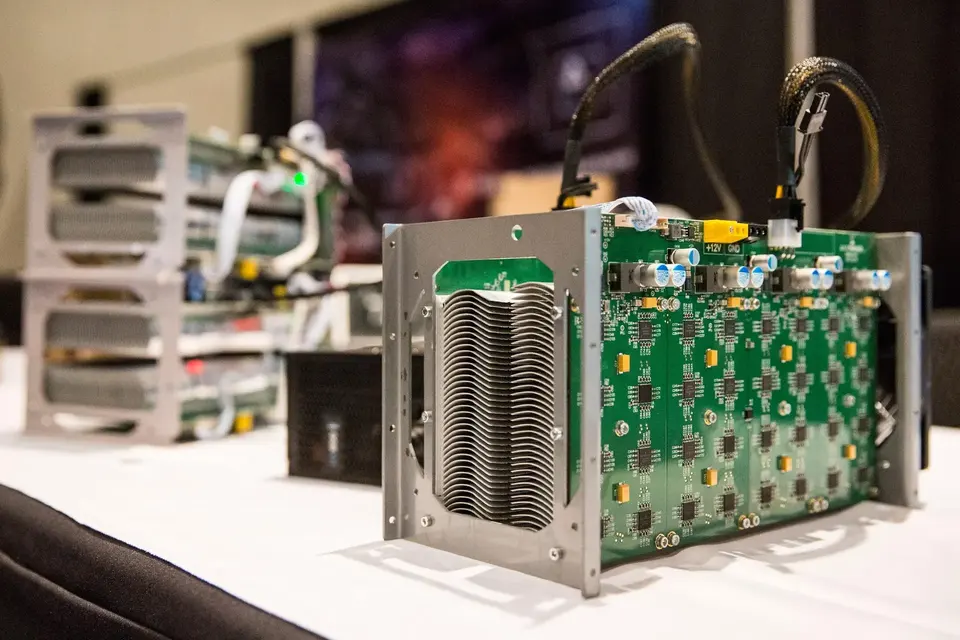
In addition, several publicly listed BTC mining companies in the U.S. are driving domestic capacity expansion. The report states that over 38% of the total computing power on the BTC network comes from the U.S., nearly double that of the second-ranked country.
This concentration of computing power gives the U.S. structural advantages in BTC governance and security models. It also creates new demand-side grid flexibility, as miners, acting as responsive power consumers, help stabilize regional power grids.
Strategic Policy Trends and Social Integration
The report emphasizes that treating BTC as a strategic reserve asset similar to gold could become central to future U.S. economic policy.
Moreover, it points out that U.S. states are passing legislation supporting BTC custody, mining, and legal protections for users. These laws are creating "BTC corridors" that attract capital and technical talent.
BTC is particularly attractive to younger generations and small business owners concerned about dollar depreciation and inflation risks. It has become a tool for achieving financial sovereignty.
River describes this demographic shift as a "bottom-up complement" to top-down institutional adoption.
The report also notes that BTC’s integration at institutional, industrial, and individual levels establishes a strategic platform for domestic capital formation.
Join TechFlow official community to stay tuned
Telegram:https://t.me/TechFlowDaily
X (Twitter):https://x.com/TechFlowPost
X (Twitter) EN:https://x.com/BlockFlow_News
 @CryptoSlate