Revealed: How the Trump Family Profits from Middle Eastern Crypto Mega-Deals via Their "In-House Stablecoin"?
TechFlow Selected TechFlow Selected
Revealed: How the Trump Family Profits from Middle Eastern Crypto Mega-Deals via Their "In-House Stablecoin"?
The business of stablecoins is large and invisible.
 Navigating Web3 tides with focused insights
By: LEO SCHWARTZ / BEN WEISS
Translated and compiled by: Bitpush News
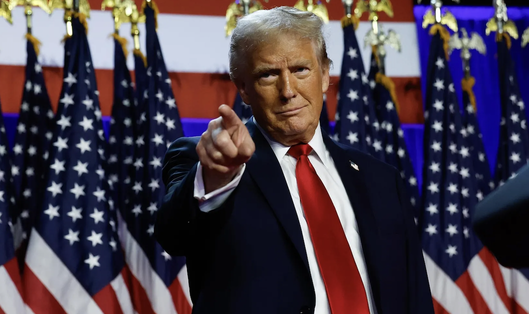
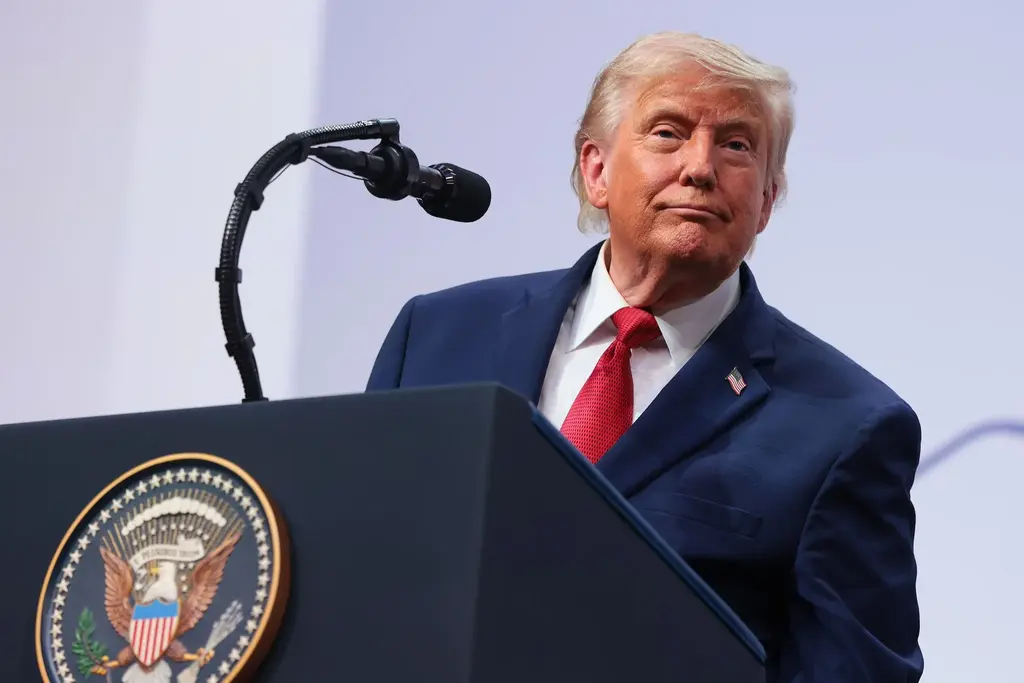
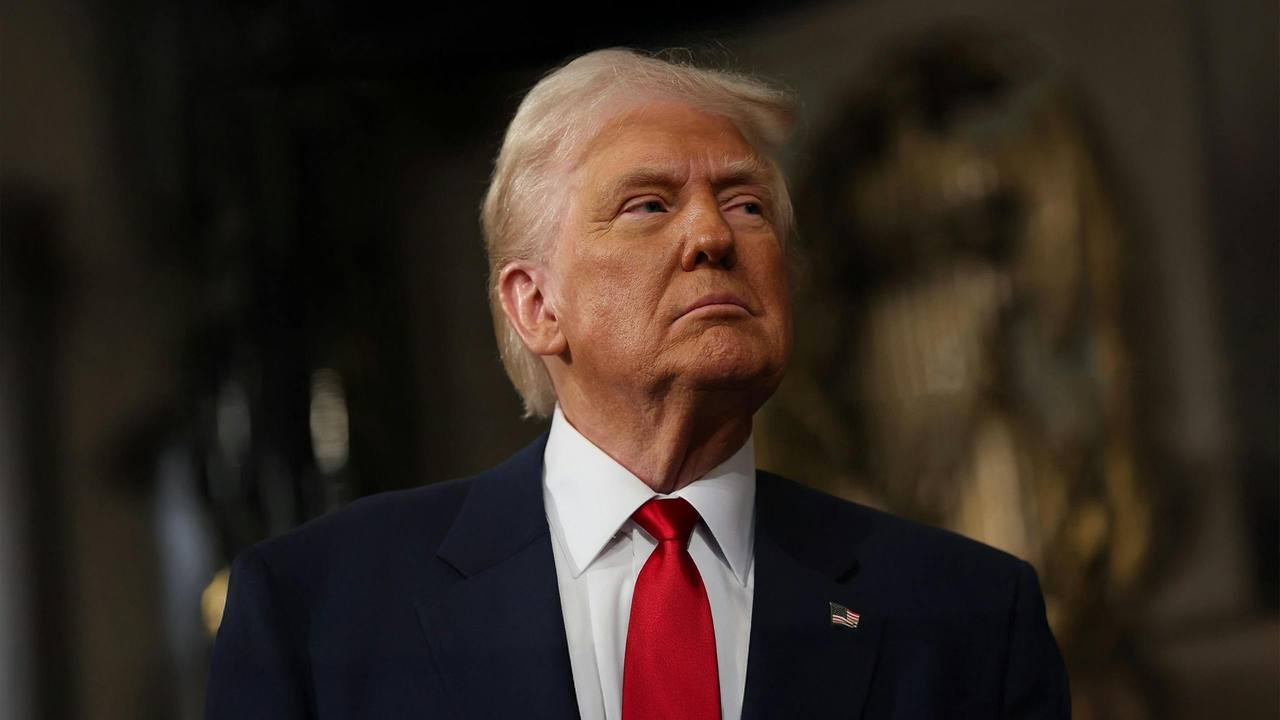
President Trump and his family are growing increasingly entwined with cryptocurrency. The latest example emerged last week, when Donald Trump Jr. announced that UAE-based venture firm MGX would use the stablecoin issued by World Liberty Financial—the Trump family’s blockchain company—to fund its $2 billion investment in the crypto exchange Binance.
The Trump family and its business partners are expected to profit from this deal, though the exact amount remains unclear due to lack of transparency. Binance did not respond to requests for comment, and a spokesperson for World Liberty Financial declined to provide additional details beyond publicly available information.
Despite limited disclosures, Fortune estimated an upper bound on potential profits for the Trump family by consulting stablecoin experts and analyzing the current crypto landscape.
The Stablecoin Business: Large and Invisible
Stablecoins represent the newest piece of Trump’s expanding crypto empire, yet they have long been a cornerstone of the crypto industry. Tether, Circle, and later PayPal and Ripple have all profited handsomely from issuing stablecoins. Tether reported $5.6 billion in revenue last quarter, while Circle generated $1.7 billion in total revenue in 2024.
It was in this context that World Liberty Financial launched its own U.S. dollar-pegged stablecoin, USD1, in late March. Like most dollar-backed stablecoins, USD1 is backed by short-term Treasuries and other dollar-denominated assets, which typically yield around 4% annually—most of which usually goes to the issuer.
If Binance holds USD1, World Liberty Financial would earn interest on the underlying reserve assets. At a 4% rate, this could generate up to $80 million in annual revenue.
However, this figure is highly uncertain. For instance, if World Liberty retains all interest income, Binance may have little incentive to hold USD1 long-term and might convert it into BNB or other yield-generating assets.
Additionally, according to the spokesperson, USD1’s reserves include various “cash equivalents” alongside Treasuries. But because World Liberty has not disclosed the specific asset composition, portions of the reserves may consist of non-yielding cash.
Omid Malekan, a cryptocurrency scholar at Columbia Business School, noted that MGX may not have actually transferred funds to Binance yet. If Binance receives USD1 and immediately redeems it, World Liberty earns no interest. Alternatively, Binance might use these USD1 tokens for transaction settlements or employee salaries on its platform.
Edward Woodford, co-founder and CEO of Zero Hash, a stablecoin infrastructure provider, added: “Suppliers and employees need to be paid, so these tokens could be destroyed quickly.” (“Destruction” refers to redeeming stablecoins back into cash from the issuer.)
Could Binance Get a Cut?
Todd Phillips, a law professor at Georgia State University, suggested that Binance may have entered into a revenue-sharing agreement with World Liberty Financial. He cited Binance’s prior arrangement with Circle, under which Circle paid a one-time $60 million fee plus monthly payments to promote USDC on Binance and committed to maintaining certain balances in the stablecoin.
If Binance and World Liberty have a similar arrangement, World Liberty’s earnings could be significantly reduced, but the liquidity and market visibility of its stablecoin would increase substantially.
Binance previously partnered with Paxos to launch BUSD, but the token was shut down by regulators in early 2023. USD1, meanwhile, is primarily issued on Binance’s own blockchain.
“Why USD1?” asked Malekan. “Perhaps they just offered Binance the best terms.”
In sum, while the Trump family could theoretically earn up to $80 million annually through USD1, actual profits depend on whether the tokens are quickly redeemed or if revenue must be shared.
Democratic Pushback: 'Blatant Conflict of Interest'
Regardless of the precise agreement between Binance and World Liberty Financial, Democratic lawmakers have seized on the deal as new evidence of conflicts of interest between the Trump family and the crypto industry.
Maxine Waters, senior Democrat on the House Financial Services Committee and representative from California, walked out of a blockchain hearing on Tuesday in protest over the Trump family profiting while participating in regulatory policymaking.
In a statement to Fortune, she said: “I am deeply concerned that Republicans are not only turning a blind eye to Trump’s corruption but actively helping him and his family legitimize their self-enrichment through cryptocurrency.”
The controversy has also affected the bipartisan-supported Stablecoin Regulatory Act in Congress. A group of Democratic senators who previously backed the bill collectively opposed its latest version over concerns about Trump’s ties to USD1.
Senator Elizabeth Warren of Massachusetts went further: “This is blatant corruption, and no senator should support it.”
Join TechFlow official community to stay tuned
Telegram:https://t.me/TechFlowDaily
X (Twitter):https://x.com/TechFlowPost
X (Twitter) EN:https://x.com/BlockFlow_News
 @FortuneMagazine