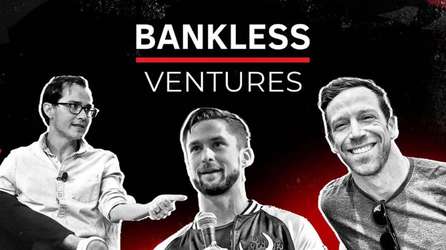
Bankless Co-Founder: A Reboot Cured My Burnout
TechFlow Selected TechFlow Selected
Bankless Co-Founder: A Reboot Cured My Burnout
Reboot gave me space, maps gave me direction, and letting go gave me focus.
 Navigating Web3 tides with focused insights
Author: Ryan Adams
Translation: Luffy, Foresight News
This story might help some obsessive over-achievers stuck in the grind.
At the end of January this year, after five years navigating the crypto media space and enduring another public backlash, I realized I had completely crashed. My mental system had collapsed—I was utterly exhausted.
So I walked away. Honestly, I wasn't sure if I'd ever return. Fortunately, I healed my burnout and even upgraded my thinking. Here's how I did it.
Reboot
The first step was harsh but necessary: I canceled all commitments.
No more podcast recordings, no meetings, no work. I dropped everything—let partners down, let opportunities slip. I wiped clean 90 days of scheduled plans.
This wasn’t a brave or rational choice; it was an emotional margin call. I knew stopping everything would hurt, but I had no choice. When you hit rock bottom, the system shuts down automatically.
If you're a "grinder," you know this pattern: high grit + low time preference = endless hustle loop. Don’t get trapped. Embrace the reboot. Progress is cyclical—allow yourself to actively end a cycle instead of waiting for the system to force-shutdown.
Upgrade
Now I had time to diagnose the bugs and fix them one by one. I switched into “high-autonomy mode” and took action.
1. I spent too much time online → I deleted all apps
I couldn’t resist checking social media, prices, Discord, or Telegram every 15 minutes. This was dopamine dependency: stress from the illusion of urgency, fear of missing out, exhaustion from seeking validation from algorithm-driven crowds. “Numbers up = new paradigm! Numbers down = scam!” This daily cycle left my mind noisy and restless.
So I treated myself like a child: set screen time limits, stopped looking at charts, avoided news, quit social apps. I ruthlessly deleted every app. As a result, I only heard about Trump’s Meemcoin a week after launch—from an offline friend. And I discovered: the world didn’t collapse.
The first few days felt like withdrawal, but soon I normalized. My mind finally quieted down and could think again.
2. I lost direction → I drew a new wealth map
“Freedom” was why I started Bankless. Crypto was supposed to be my escape pod from the institutional system. But somewhere along the way, I chained myself to price charts. I forgot contentment—once a number was reached, the goalposts automatically moved. I kept adding zeros to my account while losing everything else: scarce time, shallow relationships, scattered focus, weakened body.
Every morning, one question echoed in my mind: “Why am I doing this?” When your internal GPS keeps rerouting, it means your map is outdated.
So I redefined “wealth.” Sahil Bloom’s framework of “five types of wealth” gave me clarity: time, relationships, mental, physical, and financial. A good life requires balance across all five. I reflected deeply: where had I over-invested? Which areas were nearing bankruptcy?
I drew a new map: setting goals, habits, systems, and feedback loops to regularly “dollar-cost average” into the depleted buckets. My wife and I defined our personal “enough number.” Once reached, excess capital would flow into other forms of wealth. Money is a tool, not the game itself.
The result is a living system: when I drift off course, the dashboard alerts me, and I automatically correct. This new map delivered the highest ROI of the entire reboot process.
3. I was burned out → I stopped doing things
Obligations cost more the longer they stay open, like browser tabs. For years, a hundred open commitments drained my system resources. The over-achiever illusion fed me three lies:
-
Only I can do this;
-
If I don’t do it, it won’t get done;
-
Busyness is good
After shutting down for 30 days, reality proved the opposite. David Hoffman kept the podcast running, Bankless Ventures continued investing, invoices got paid, revenue flowed in, newsletters went out. The world kept spinning. That meant I could cut non-essentials without guilt.
Now I operate on “energy accounting”: if a task costs more than it returns, I delegate, automate, or delete it. I now have just two core roles—storyteller and capital allocator—both within my zone of genius.
Upgrading to Version 2.0
The reboot gave me space, the map gave me direction, and letting go gave me focus. This is my 2.0 installation script. That downtime was worth every second.
As for the future, stepping back helped me see clearly: the current state of crypto, Ethereum, and the sweeping wave of AI. These are exactly the topics I’m eager to explore in the coming months.
How lucky to be alive right now. We’re still on the frontier, still building freedom tech, creating real wealth.
Join TechFlow official community to stay tuned
Telegram:https://t.me/TechFlowDaily
X (Twitter):https://x.com/TechFlowPost
X (Twitter) EN:https://x.com/BlockFlow_News
 Bankless