The Rashomon of Base's "Content Coins"
TechFlow Selected TechFlow Selected
The Rashomon of Base's "Content Coins"
"Everyone" includes retail traders who don't understand the difference between meme coins and content coins, and they shouldn't become collateral damage in the "on-chain culture" experiment.
 Navigating Web3 tides with focused insights
Written by: Token Dispatch, Thejaswini M A
Translated by: Block unicorn
Introduction
One tweet. 69 minutes. $17 million. Then chaos. What followed from the official Base account sparked widespread debate across the crypto community about "content tokens," insider trading, and platform accountability.
Three mysterious wallets somehow knew exactly when to buy—and walked away with $666,000 in profit—while thousands of retail traders suffered heavy losses.
Base claims it was just a harmless experiment in "on-chain culture"—but on-chain evidence reveals a far more complex truth. Is this the new frontier of creator monetization, or just a pump-and-dump scheme under a new name?
In today’s deep dive, we’ll dissect one of the most controversial “non-token” token launches in crypto history from every angle.

What Happened
On an otherwise ordinary Wednesday afternoon, Base—the Ethereum Layer 2 network backed by Coinbase—posted an apparently innocuous tweet: “Base is open to everyone.”
What happened next stands as a perfect case study in the evolving etiquette of cryptocurrency, where the line between experimentation and irresponsibility remains frustratingly blurry.
Sixty seconds after the initial post, Base added a comment linking to a Zora post with identical wording. For those unfamiliar, Zora is an “on-chain social protocol” that automatically turns any content posted on its network into a tradable token. Post something clever, and people can buy and sell shares in your wit.
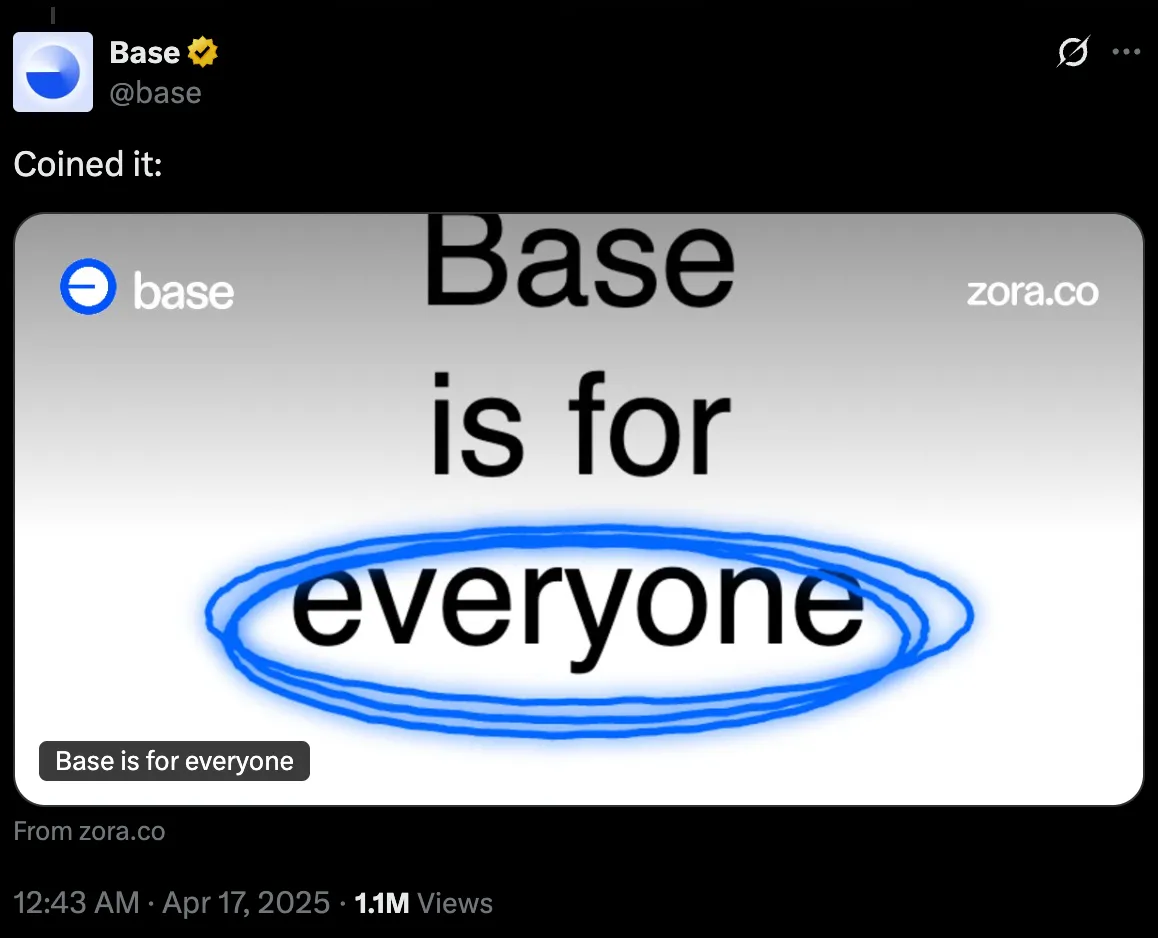
Base's leadership may have seen this as a harmless “on-chain culture” experiment. But the crypto community saw something entirely different: a $17 million meme coin materializing out of thin air, bearing the name of one of crypto’s most trusted brands.
This is where the story gets interesting—and complicated.
The market reacted exactly as you’d expect when a major Layer 2 network appears to “launch” a token:
-
Market cap surged from $0 to $17 million within 69 minutes
-
Then crashed nearly 90% (down to under $2 million)
-
Recovered somewhat over the following hours, peaking at $20 million
-
As of writing, stabilized around $8–10 million
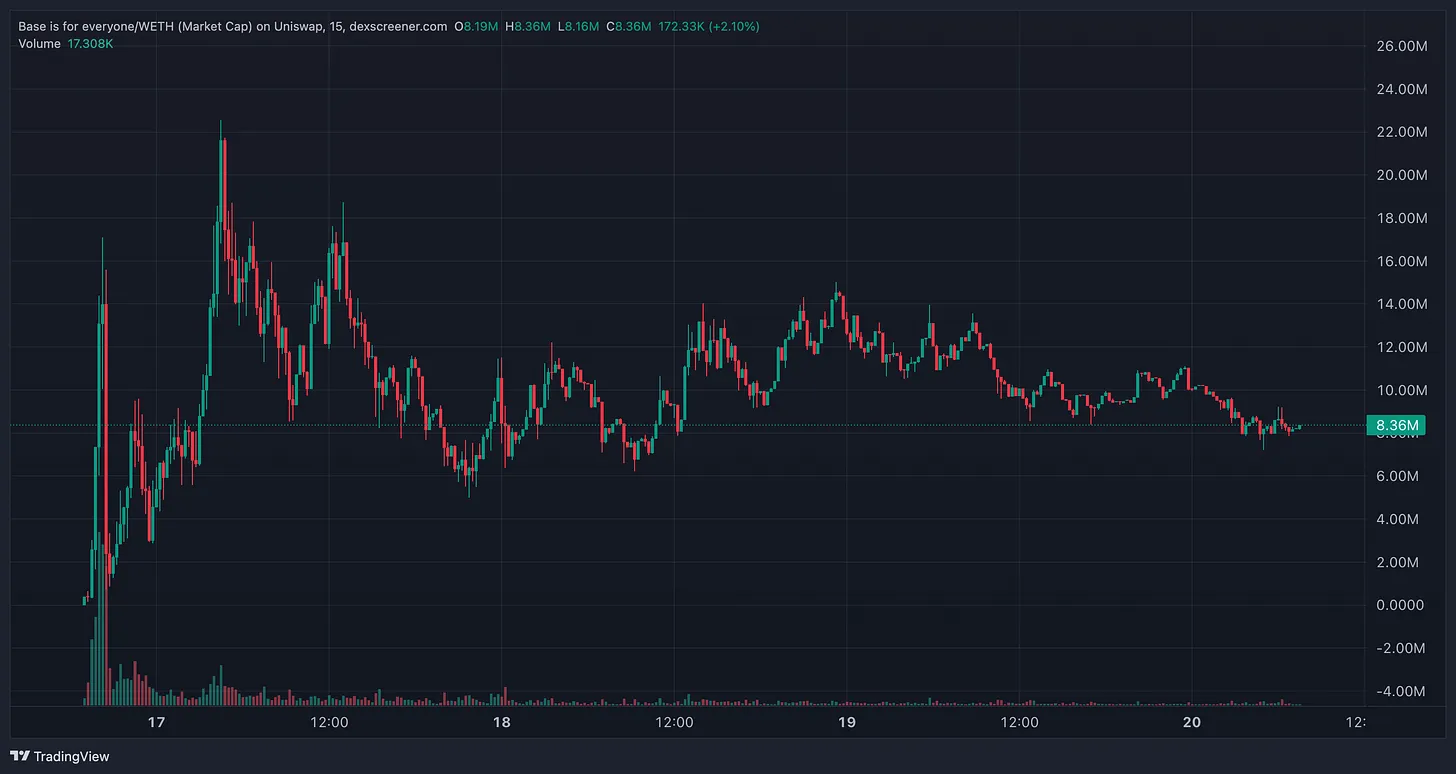
To observers, it looked very much like a classic pump-and-dump. To Base, it became a real-world lesson in the law of unintended consequences.
For the thousands of retail traders who bought at the top, it was an expensive education in the difference between “content tokens” and “meme coins”—a distinction that offers little comfort to someone newly out of pocket.
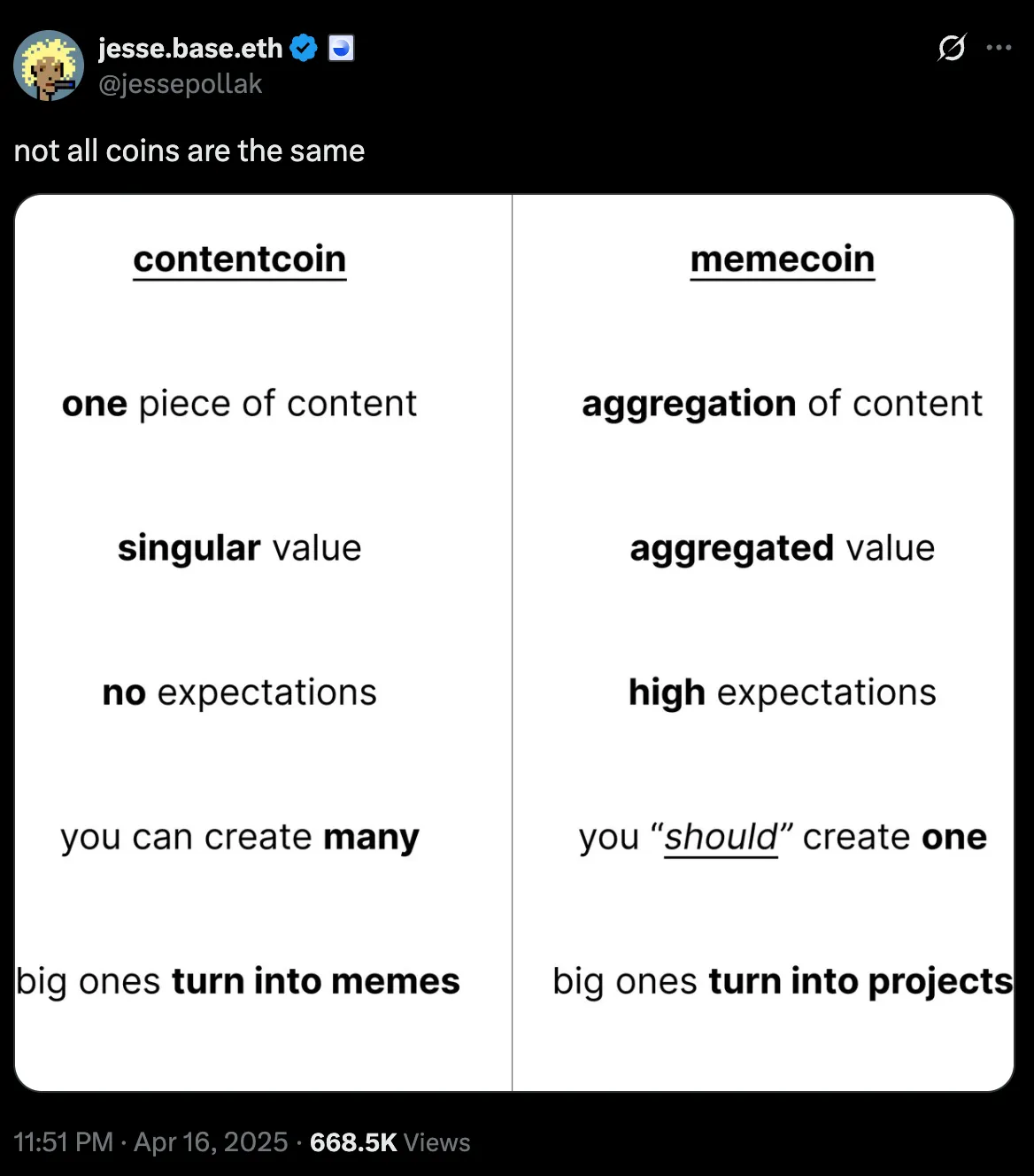
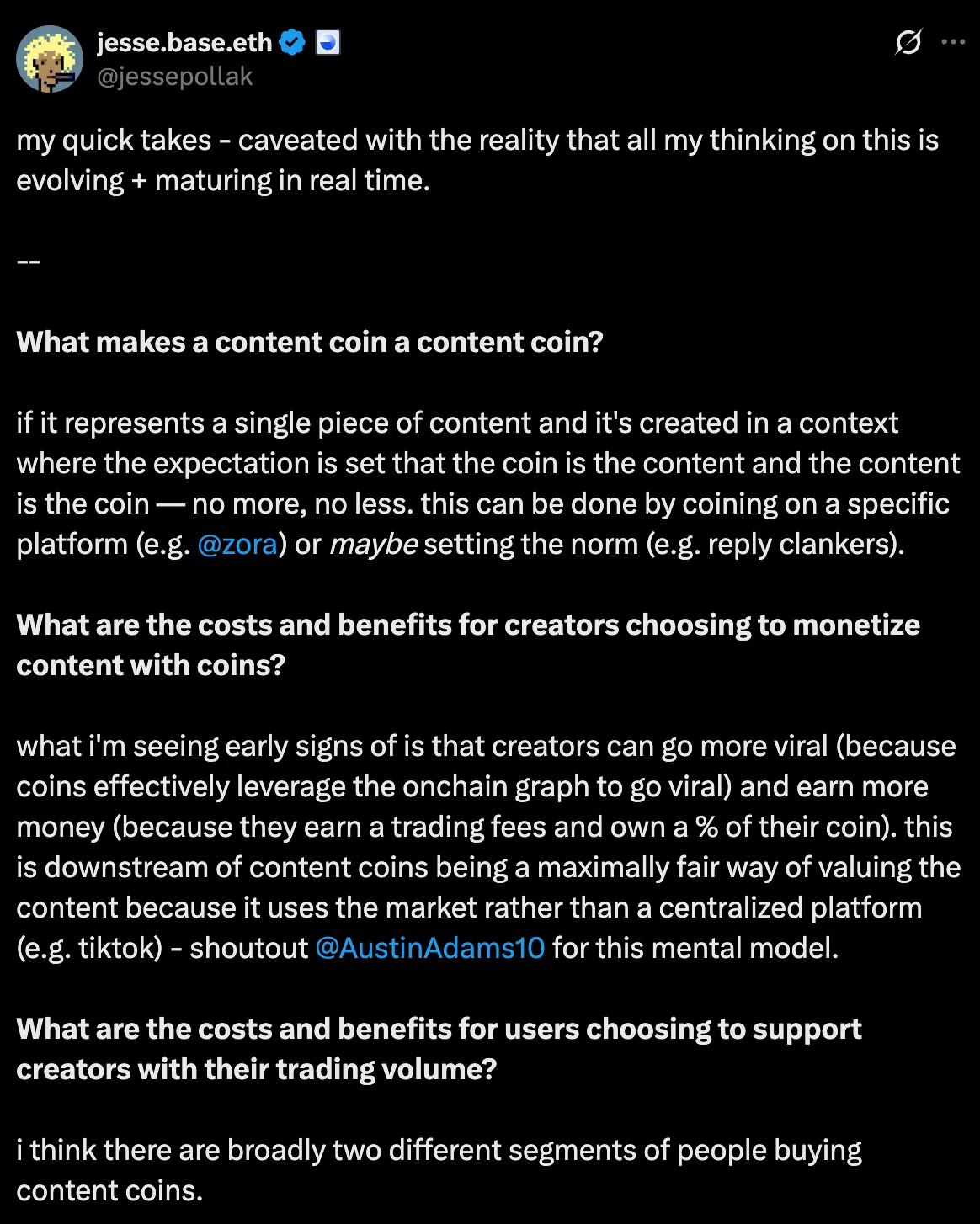
Jesse Pollack, founder of Base, tweeted:
Deconstructing the Controversy
What made this event particularly striking wasn’t just the price volatility—it was what on-chain detectives uncovered afterward.
Blockchain analytics platform Lookonchain revealed that three wallets had heavily purchased the token before Base’s official announcement, then sold at the peak, netting approximately $666,000 in profit. These wallets collectively held 47% of the token’s supply.
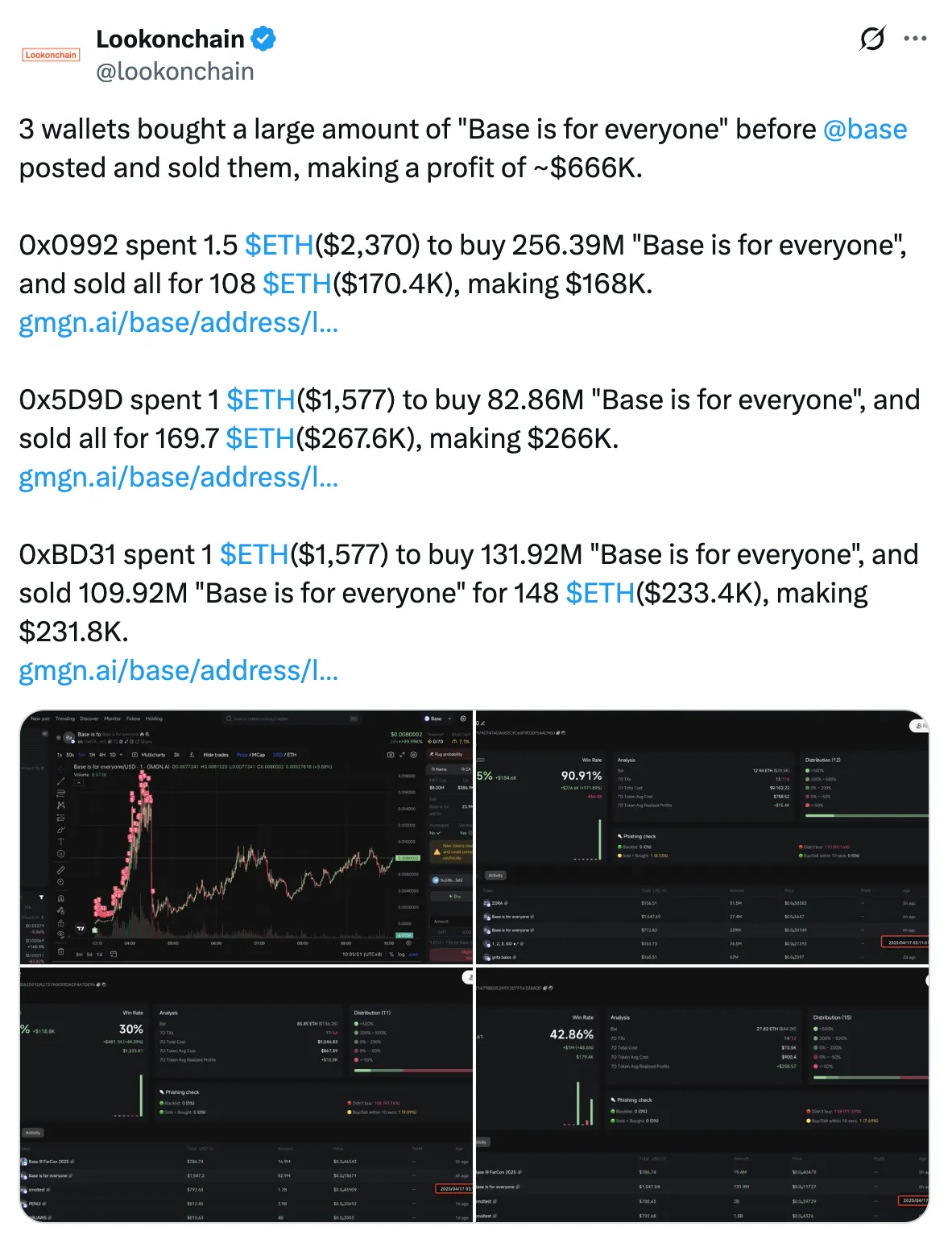
In the meantime, Base, as the content creator, received 10 million tokens (1% of total supply) and earned roughly $81,000 in trading fees. While Base promised never to sell their allocation, the optics were poor.
So here’s what we have:
-
Three wallets somehow knew to buy before the public announcement
-
They collectively controlled nearly half the supply
-
They sold at the top, making over $666,000 in profit
The community was furious over the mess.
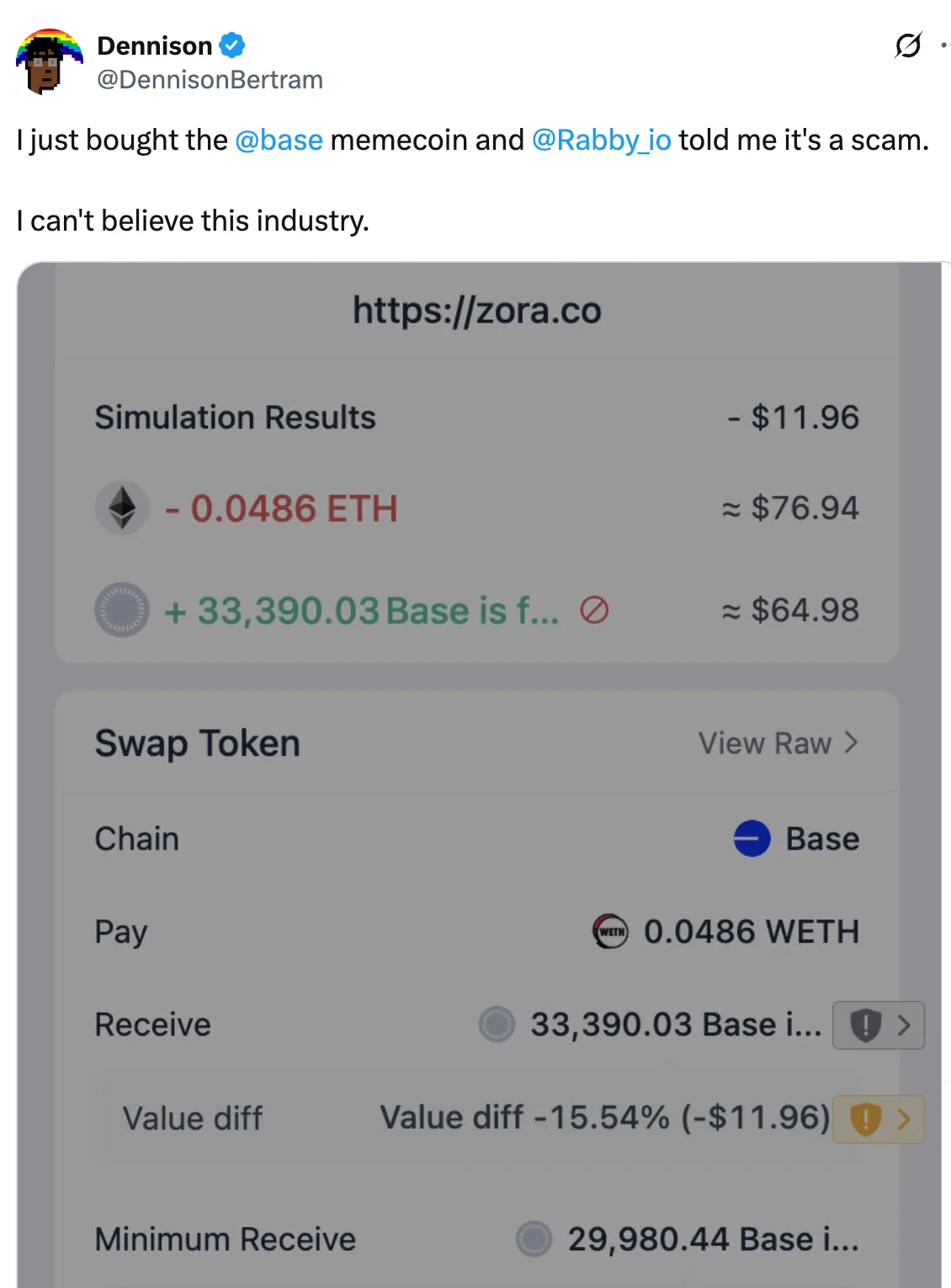
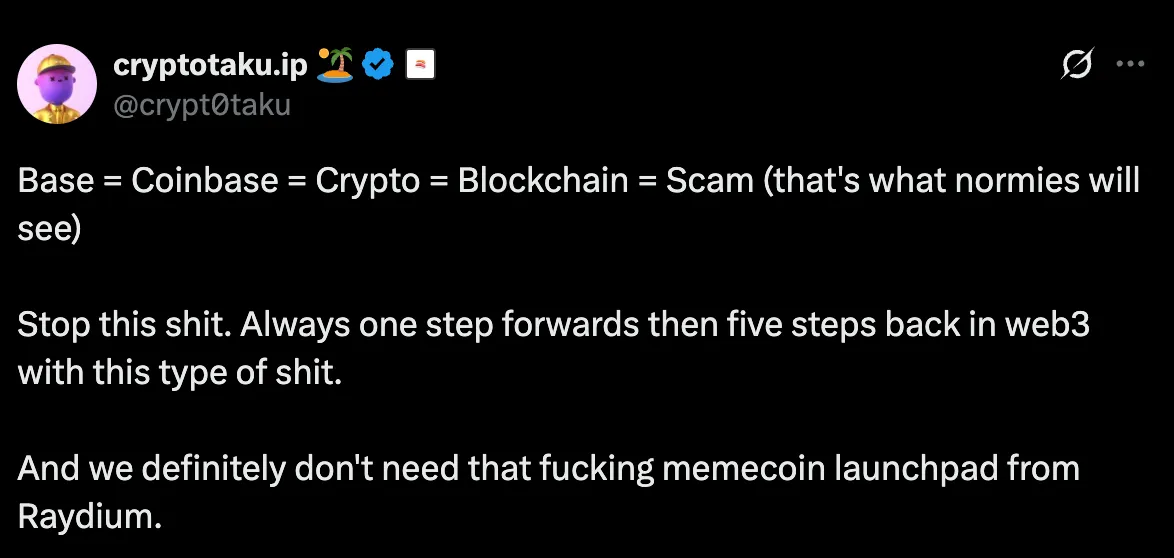
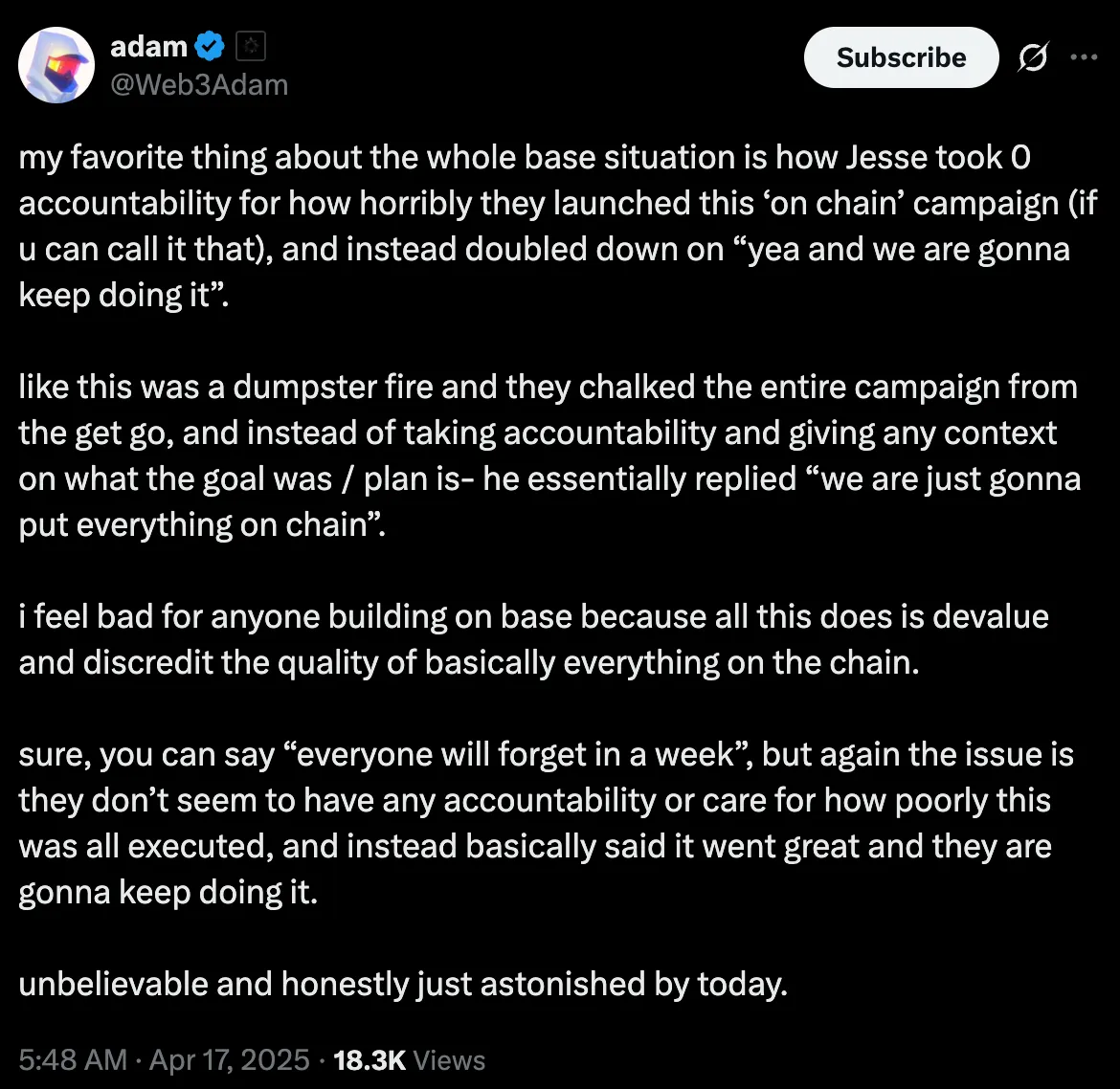
Thus, even though Base claims they never sold their 1% allocation, they still profited from the frenzy they triggered—via transaction fees.
The timing of the early purchases raises serious questions about whether anyone had advance knowledge of Base’s post.
Of course, maybe three random wallets just happened to pile into this particular token moments before it was promoted by one of crypto’s biggest brands. Maybe I’ll win the lottery tomorrow too.
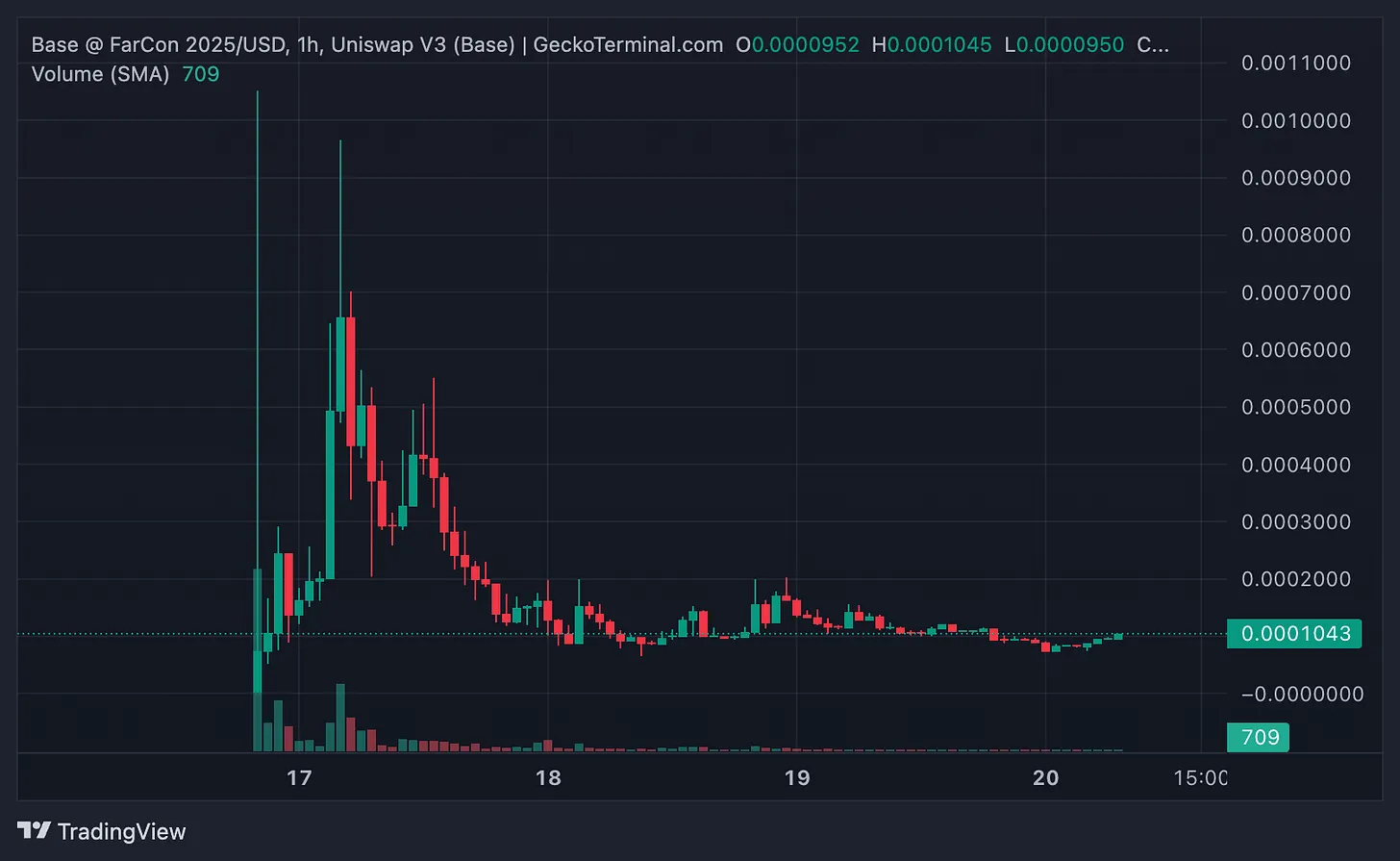
If the “Base is open to everyone” incident weren’t chaotic enough, Base launched a second token the same day: “Base @ FarCon 2025.”
This token was also created on Zora, intended to promote Base’s presence at FarCon—the annual conference for Farcaster, a decentralized social media platform.
FarCon performed similarly to its “sibling,” experiencing a sharp decline.
Playing Word Games
In response to criticism, Base and its supporters adopted a defense reminiscent of Mark Zuckerberg insisting Facebook isn’t a media company: “This isn’t a meme coin. It’s a content token.”
Base founder Jesse Pollak offered this distinction: content tokens represent “a single piece of content,” with “singular value” and “no expectations set,” contrasting them with meme coins that aggregate content and carry high expectations.
Another Base developer, Charis, was more direct: “This is not a meme coin. This isn’t even a token launch. Base did not launch a token to pump and dump or hype the market. This is a content token—that distinction matters.”
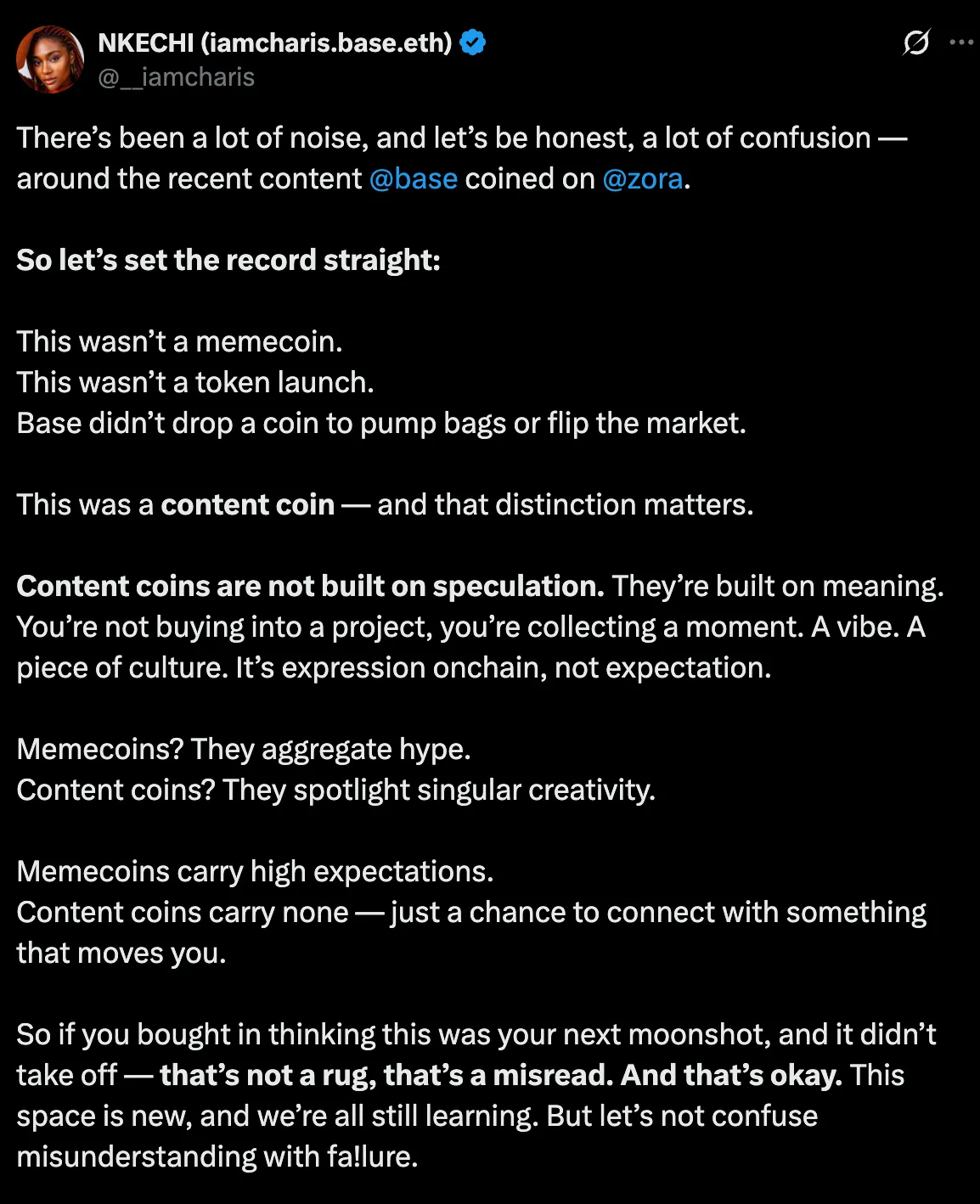
To which most crypto traders responded with little more than eye rolls.
Content Tokens vs. Meme Coins: What’s the Difference?
Let’s unpack the “content token” versus “meme coin” debate, since it lies at the heart of Base’s defense.
Jesse Pollak defines a content token as “if it represents a single piece of content, and is created in a context where the expectation is clearly set that the token *is* the content and the content *is* the token—nothing more, nothing less.”
He argues that content tokens can help creators go viral, and explicit financialization isn’t necessarily harmful.
Jacob Horne, co-founder of Zora, wrote in February that content tokens could resolve the contradiction between information being free and production being costly. In his vision, content tokens create open markets that reward creators, distributors, and consumers—all while keeping information freely accessible.
Theoretically, this sounds great. But in practice, the “Base is open to everyone” token looked a lot like a pump-and-dump:
A token launched under the implicit endorsement of a major brand
Price spikes dramatically
Early buyers (mysteriously well-informed) sell
Latecomers suffer heavy losses
Everyone argues semantics afterward
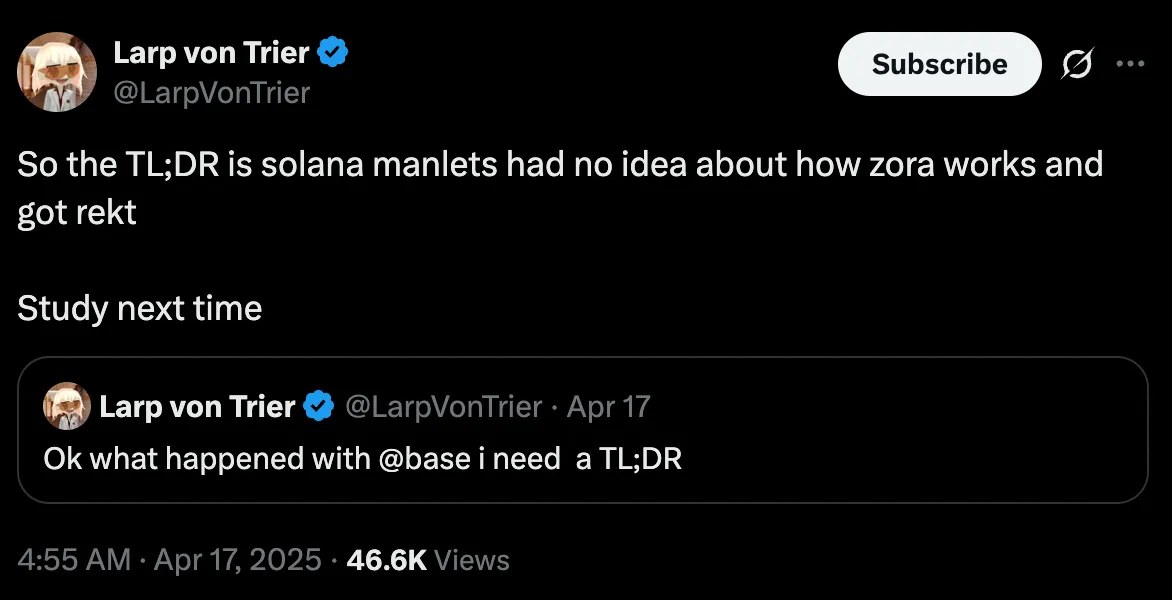
A Zora post quoted an anonymous user, Larp von Trier, who summed it up succinctly: “Solana normies who don’t understand how Zora works got rekt.”
Our Take
The “Base is open to everyone” incident exposes a critical gap in how we think about responsibility in crypto. Traditional finance has clear lines of accountability—if a bank promotes an investment that fails, there are consequences. In crypto, these boundaries are, at best, murky.
When Base tweets a link that creates a token whose market cap surges to $17 million before crashing 90%, who bears responsibility? Is it Base for posting the link? Zora for automatically tokenizing posts? The traders who didn’t understand what they were buying? Or the wallets that front-ran the announcement?
Frustratingly, the answer seems to be “It’s complicated.”
This ambiguity is both crypto’s greatest strength and its most persistent weakness. The space moves fast because the barrier to experimentation is extremely low. But the same freedom creates an environment where messy incidents like “content tokens” happen regularly.
Merely being associated with Base/Coinbase was enough to funnel millions into a token with no utility, no roadmap, and no future.
This isn’t unique to Base—we’ve seen similar phenomena involving tokens allegedly linked to Solana, Bitcoin, and nearly every other major crypto project.
With influence comes responsibility. Base’s core mission—“building a global on-chain economy that fosters innovation, creativity, and freedom”—is commendable. Their technical innovations are impressive. Their growth metrics (900k daily active addresses, $2.4B in total value locked) suggest real long-term potential.
That makes this meme coin misstep all the more puzzling. Base doesn’t need to chase short-term wins or social media hype. They’re building something that actually matters in the long run.
Given that Base had just released an ambitious Q2 roadmap, the defense of “content tokens” feels especially hollow. That plan outlines impressive technical advancements—Flashblocks (reducing block times to 200ms), Base Appchains (Layer-3 chains for specific applications), and enhanced privacy features.
The contrast between Base’s serious technical ambitions and this seemingly reckless attempt at tokenizing a social media post is impossible to ignore.
The line between innovation and irresponsibility may be blurry—but navigating it successfully is precisely what separates truly transformative projects from interesting but ultimately failed experiments.
In crypto, as in life, good intentions aren’t enough. “Base is open to everyone” is a nice slogan—but only if “everyone” includes the retail traders who don’t know the difference between meme coins and content tokens, and shouldn’t be treated as collateral damage in an “on-chain culture” experiment.
Join TechFlow official community to stay tuned
Telegram:https://t.me/TechFlowDaily
X (Twitter):https://x.com/TechFlowPost
X (Twitter) EN:https://x.com/BlockFlow_News