Interview with Propy Founder: Buying Houses with Bitcoin, the Future of Real Estate Has Arrived
TechFlow Selected TechFlow Selected
Interview with Propy Founder: Buying Houses with Bitcoin, the Future of Real Estate Has Arrived
"In the next decade, you might only need a few clicks to buy property anywhere in the world online, with the entire process being fast, low-cost, and free from fraud."
 Navigating Web3 tides with focused insights
By Yuliya, PANews
In a recent podcast interview with Wealthion host Anthony Scaramucci, Natalia Karayaneva, founder and CEO of Propy, shared her bold vision for the future of the real estate industry. As a professional with 15 years of experience in real estate development and also a software engineer, Natalia has deep insights into the pain points of traditional property transactions. She stated: "In the next ten years, you might be able to buy property anywhere in the world online with just a few clicks—fast, low-cost, and free from fraud." While this vision may sound futuristic, according to Natalia, driven by both technological advancement and market demand, such transformation is already underway.
Cross-Disciplinary Innovation: Engineer Meets Real Estate Expert

For a long time, the real estate market has been constrained by high transaction costs, lengthy transfer processes, and persistent risks of fraud. Traditional homebuying typically involves multiple complex steps—contract signing, bank loan approvals, title registration—and can take months to complete. Meanwhile, issues like title fraud, identity theft, and fund transfer scams cause significant losses for buyers, making the market highly uncertain. With the rise of cross-border real estate transactions, these risks have expanded globally. During digital transformation, the clash between traditional paper-based documentation and new technologies has actually exacerbated identity theft and fund transfer risks, increasing uncertainty further.
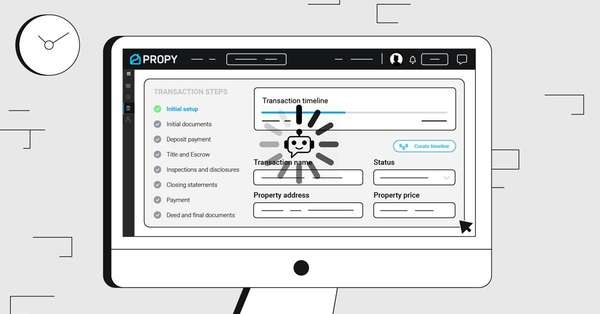
Propy was born to address these industry challenges. As an expert deeply versed in both real estate development ecosystems and blockchain fundamentals, Natalia leads a team of 40 people who developed a breakthrough solution. The Propy team built a decentralized title management system based on smart contracts, leveraging blockchain technology to achieve multiple innovations:
-
Automation: The system automatically executes transaction terms, verifying ownership and fund flows in real time, significantly shortening transaction cycles.
-
Secure and Transparent Mechanism: Blockchain’s distributed ledger technology ensures all transaction stages are public and tamper-proof, preventing data manipulation and fraudulent activities.
-
End-to-End Real-Time Tracking: Every transaction step is recorded on the blockchain, allowing stakeholders to monitor progress at any time, effectively reducing human error.
To date, the Propy platform has facilitated over $4 billion in transaction volume. Through its proprietary property tokenization model, the platform has made complex cross-border real estate investments as simple as sending an email. From Bitcoin-backed mortgages to property tokenization, Propy is reshaping how the real estate market operates, ushering in a new era for global buyers.
Dual Homebuying Models: Bridging Blockchain and Traditional Processes
So how exactly does Propy make buying homes easier? They offer two distinct purchasing methods tailored to different user needs.
The first method targets users already familiar with cryptocurrency. The process is extremely simple. As Natalia explained: "For crypto-savvy users, connecting your digital wallet and clicking a few times is all it takes to buy a house—provided the property has already been converted into a digital asset." This approach reduces what used to be a months-long homebuying process to just minutes.
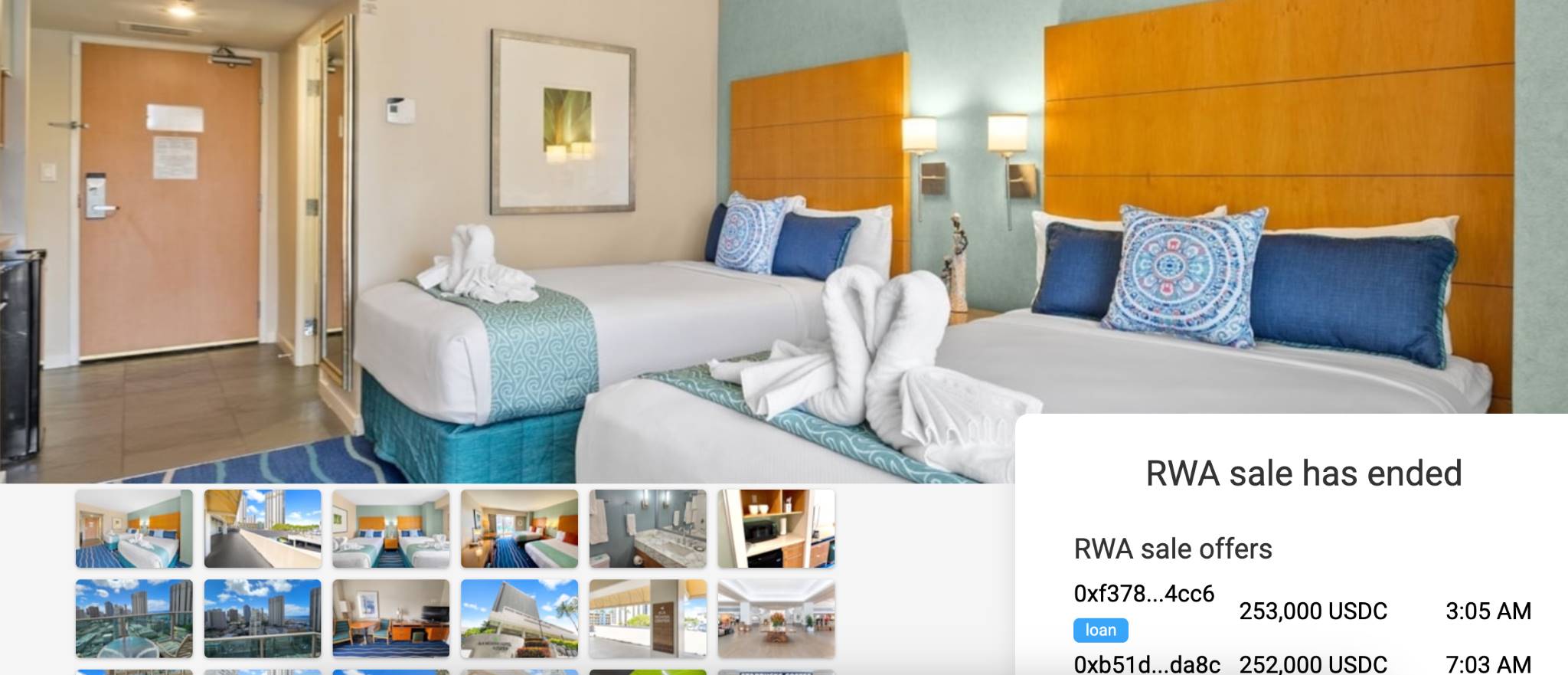
For example, in January this year, Propy launched a new lending product enabling users to purchase a condominium in Hawaii using crypto assets as collateral. The starting bid for the unit was 250,000 USDC. Since the entire transaction occurred on-chain, buyers bypassed the traditional 30-day closing period and could finalize the deal almost instantly. Good news came by February 2—the property was sold. A buyer successfully acquired it using a Bitcoin-backed loan. Natalia elaborated on this innovation: "In last month’s transaction, a Bitcoin holder didn’t need to sell their coins to bid on real estate. We view Bitcoin as excellent collateral—you can use it to invest in other assets. In this case, if you had $250,000 worth of Bitcoin and won the auction, you immediately received a Bitcoin-backed loan without any credit checks or waiting for the traditional 30-day bank approval process. With that loan, you became a homeowner right away."
Of course, not everyone wants to abandon traditional homebuying entirely. The second method integrates conventional real estate procedures with innovative technology, catering to users who still prefer traditional approaches. Natalia explained: "Actually, our more traditional model remains the most popular. We have dedicated title and escrow companies. You sign a purchase agreement, and then our AI system immediately processes the contract and initiates the transaction. Even on nights or weekends, the transaction starts instantly." This method retains key steps of traditional homebuying but dramatically improves efficiency through technology.
Property Tokenization and Crypto-Backed Mortgages
Purchasing digitized properties on the Propy platform offers many benefits, the most obvious being speed and ease of liquidity.
Natalia emphasized: "The advantage of tokenized assets is immediate purchase—you gain property ownership within minutes. It's far more liquid, so you can resell it within an hour or a day simply by launching an auction on the Propy RWA marketplace." This high liquidity fundamentally transforms real estate as an investment class, bringing its trading experience much closer to that of other financial assets. In the future, RWA trading platforms like Coinbase or OpenSea may support real estate transactions. Currently, these platforms don't require KYC or AML verification, but as regulations evolve, property tokenization could become mainstream.
Meanwhile, Propy is exploring fractional property ownership. Natalia explained that by further subdividing NFTs, multiple buyers can jointly own a single property with proportional rights allocation. However, since such transactions fall under securities regulation, filings with the U.S. SEC are required.
Natalia noted the process is relatively complex, taking about four months to complete, and the transparency requirements for SEC filings make it resemble a mini-IPO, resulting in high costs. Therefore, implementation is challenging for smaller properties, though technically feasible. Still, she believes fractional ownership will be one of the future directions for real estate tokenization despite current high barriers.
Of course, Propy continues optimizing its platform features to enhance user experience and respond to rapidly changing market demands. In the future, users will be able to independently manage real estate NFTs via the Propy platform or wallet, gaining greater control over their assets and further lowering transaction thresholds.
In terms of title management, Propy ensures compliance with local laws and has established a title transfer verification mechanism. Users can choose to sell through traditional channels, maintaining compatibility with conventional markets to meet conservative investors' needs; or opt to transfer tokenized ownership directly on the blockchain for fast, low-cost transactions with global liquidity opportunities.
Additionally, Propy has introduced an innovative crypto-collateralized mortgage model, offering investors a new option who don’t want to sell their crypto holdings. Their lending program accepts Bitcoin, XRP, or Ethereum as collateral. According to Natalia: "Our latest transaction used Bitcoin as collateral—a two-year loan with a 10% interest rate and monthly repayments. It functions similarly to a mortgage, but the key advantage is skipping the lengthy 30-day mortgage approval process. This model is especially suitable for investors primarily holding crypto assets, as traditional financial institutions often do not recognize crypto as valid collateral."
On repayment, the platform supports various cryptocurrencies, offers flexible repayment periods, allows early repayment without penalties, and dynamically adjusts interest rates based on market conditions. To manage risk, the platform implements robust risk controls, including real-time monitoring of Bitcoin price fluctuations, margin call mechanisms, smart contract-based automatic liquidation protection, and a dedicated risk assessment team.
Notably, Natalia also shared her vision for Bitcoin as collateral in real estate investment. She said: "I believe Bitcoin will become a premium form of collateral in the future, allowing users access to other asset classes. Imagine being able to automatically obtain on-chain loans based on your Bitcoin holdings—no credit checks, no 30-day mortgage approval delays."
This DeFi + real estate model will make property transactions more efficient and liquid, giving investors unprecedented freedom. With Propy’s ongoing innovation, the real estate market is moving toward a smarter, more decentralized era.
Moreover, Propy has deployed multi-layered security mechanisms to prevent fraud. Natalia pointed out: "If fraud occurs, our AI or other tools may detect it. We follow standard title industry practices by reporting offenders to the FBI and all relevant service providers, and re-record the deed accordingly." These layered security measures greatly reduce fraud risks in real estate transactions, providing users with a safer environment.
Regulatory and Institutional Adoption Accelerating Transformation
Looking ahead, Propy is confident in the digital transformation of the real estate sector and actively collaborates with regulators and financial institutions to ensure compliance and scalability of its solutions.
On the regulatory front, Propy proactively aligns with government policy changes, advancing the legalization of real estate tokenization. Natalia mentioned: "Agencies like the SEC are now studying fractional real estate ownership on blockchain and how to allow broader citizen participation, since clearly this qualifies as a security. I always advise real estate operators and owners entering the tokenization space to follow SEC rules and register under Reg D, Reg A, etc."
At the same time, the regulatory landscape is evolving positively. Natalia noted: "After numerous discussions with lawmakers, I see growing willingness to relax securities regulations for certain assets—especially those backed by tangible assets like real estate." This shift in regulatory attitude will pave the way for further growth in blockchain-based real estate, enabling more people to benefit from this innovative technology.
As blockchain-powered real estate gains mainstream attention, institutional adoption shows promising signs. Natalia observed: "About a week ago, Vlad from Robinhood tweeted about Robinhood becoming a platform for buying real estate. I think he meant securities—fractional ownership of real estate." This indicates that mainstream financial institutions are recognizing the potential of blockchain-based real estate and beginning to position themselves—an important catalyst for industry-wide development.
Conclusion
While buyers still go through traditional processes like evaluating neighborhoods, touring homes, and assessing returns, Propy’s innovation lies in drastically simplifying post-purchase transaction workflows. After making a buying decision, title transfers become simple and transparent. Buyers can instantly check a property’s title status and potential risks. More importantly, the entire transaction completes within minutes. When upgrading homes later, properties can be quickly liquidated, achieving true high liquidity for real estate assets.
Looking forward, Natalia is optimistic about the intersection of cryptocurrency and real-world assets (RWA). She forecasts annual U.S. home sales could grow from today’s 5 million units to 20 million. This growth will stem from revolutionary transaction models—future homebuying could become as convenient as hailing a ride or booking a short-term rental. The impact of this innovation extends beyond developed nations. For many developing countries struggling to attract investment due to inadequate property rights systems, this could be a transformative opportunity. The digitization of U.S. real estate transactions may serve as a cornerstone for reforming global capital markets, opening doors to investment and financing for more countries.
Propy is leading a real estate revolution powered by blockchain technology and cryptocurrency, striving to build a more efficient, transparent, and inclusive global real estate market. As technology advances and adoption grows, the future of buying homes with Bitcoin is quietly arriving. This transformation not only addresses many existing pain points in the real estate market but also holds the promise of returning homebuying to its core purpose—meeting housing needs.
Join TechFlow official community to stay tuned
Telegram:https://t.me/TechFlowDaily
X (Twitter):https://x.com/TechFlowPost
X (Twitter) EN:https://x.com/BlockFlow_News
 PANews