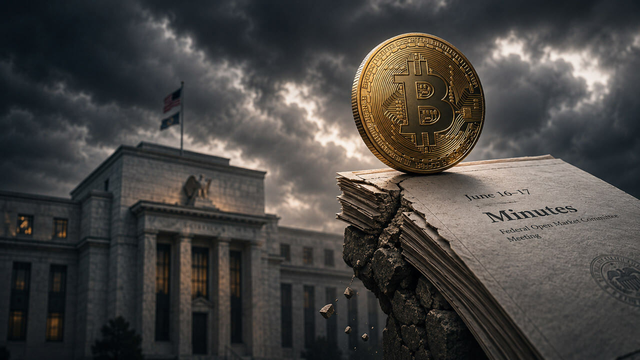
The system is collapsing, and Bitcoin might be the only way out
TechFlow Selected TechFlow Selected
The system is collapsing, and Bitcoin might be the only way out
What replaces it when it collapses?
 Navigating Web3 tides with focused insights
Author: Abhaya Anil
Translation: Block unicorn
Something deeper is breaking — this isn’t something you can measure with sentiment surveys. It’s a collapse of structural trust. The belief that someone, somewhere — whether it’s the Fed, the White House, or global trade alliances — is in control, is fading away.
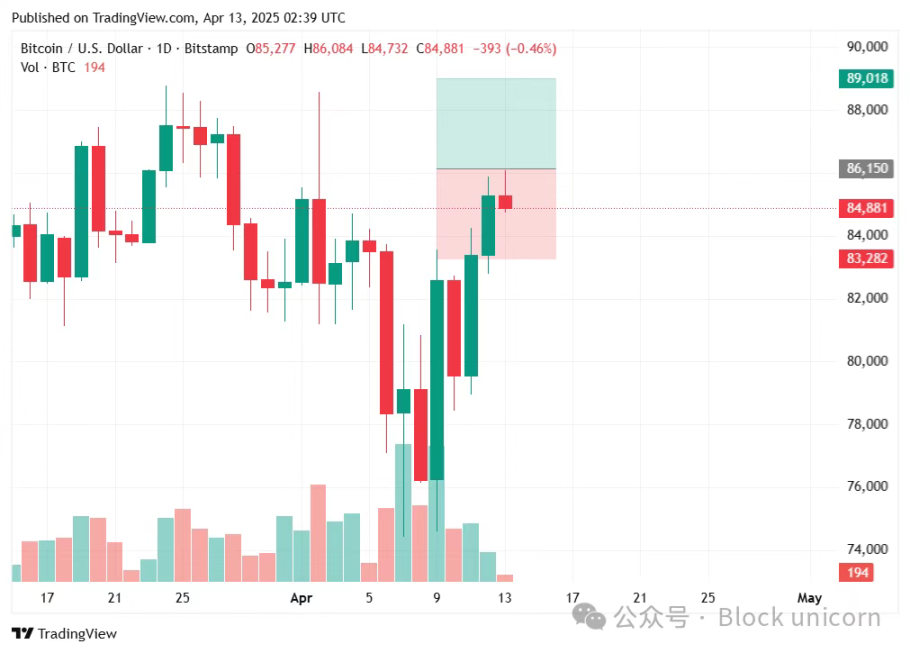
Last week, Trump reignited the trade war by slapping 145% tariffs on Chinese goods. Markets shook. Recession alarms blared. And Bitcoin quietly, almost defiantly, rose.
People can feel it. They may not be able to explain it, but they sense it: the old system no longer functions as it once did. They’re beginning to ask the real question: when it collapses, what will replace it?
America's era as global trade leader is over
In 2000, America was the epicenter of global trade. Its total trade volume exceeded $2 trillion. China? Just $474 billion.
Fast forward to 2024: China leads the world with $6.2 trillion in trade, while the U.S. trails at $5.3 trillion. The map of global commerce has flipped. Countries across Europe, Africa, Asia, and South America now trade more with China than with the United States.
This isn't just data. It's a wake-up call. America’s grip on the global economy is weakening.
The tariff war feels like an economic nuclear bomb
Trump’s latest move isn’t a simple policy tweak. It’s a full-scale offensive — imposing 145% tariffs on Chinese imports. Hours later, he proposed suspending them for 90 days for countries that don’t retaliate, offering a baseline 10% tariff as incentive.
Nations scrambled to adjust. Canada offered to lift its own tariffs. The EU considered pausing countermeasures. Trump turned the negotiating table into a live battlefield.
Then he invited China’s leader to meet. While no meeting has occurred yet, the message is clear: America is taking the offensive.
The market — from love to hate
For a moment, markets soared. The S&P 500 surged 10% in a single day — one of the largest daily gains in years. Then Bitcoin rose too. Even gold got a bid. The market breathed a sigh of relief.
But optimism didn’t last. Within 24 hours, stocks reversed. The Dow plunged over 1,300 points. Nasdaq dropped 4%. The S&P fell 3%.
The market acted confused; volatile; violently unsettled.
The Fed is watching the markets around the clock
Jeff Schmidt, President of the Kansas City Fed, stated the obvious: the Federal Reserve is now monitoring markets continuously to ensure liquidity keeps flowing.
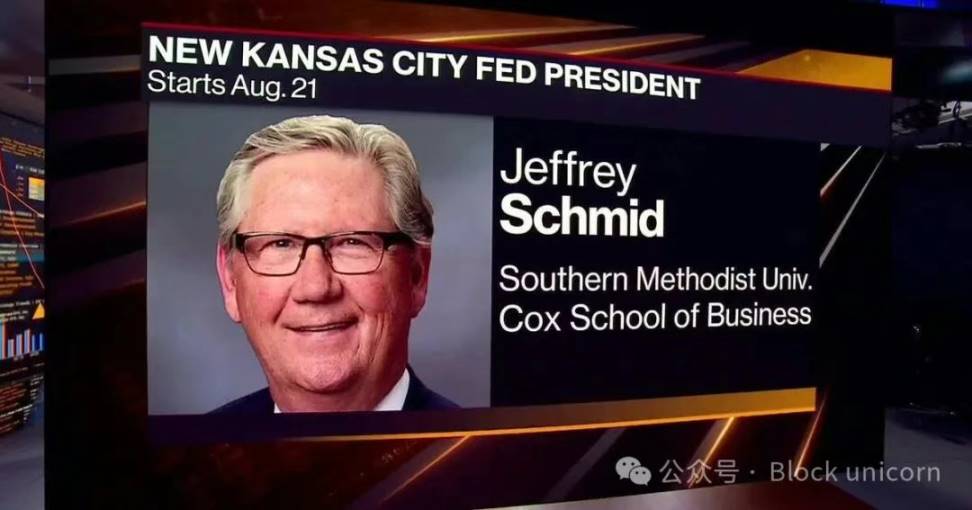
This isn’t normal procedure. This is crisis-mode behavior — what you do when the system is one step away from shock.
The CPI report showed cooling inflation. Core prices rose just 0.1%. Good news, right?
But this is lagging data — collected before the tariffs took effect. Amazon even warned it had front-loaded inventory to cushion the blow, but costs will eventually pass through to consumers. Inflation hasn’t vanished — it’s merely delayed.
Political risk has become financial risk
As markets absorbed all this, Elizabeth Warren called for an investigation into whether Trump manipulated markets to benefit insiders.
Then another bombshell: Trump may be attempting to fire Federal Reserve Chair Jerome Powell. He didn’t say so directly, but asked the Supreme Court whether the president has the power to remove heads of independent agencies. To me, that sounds like: tell me if I can fire Powell, without actually saying it.
Political risk? Sky-high.
Meanwhile, Bitcoin is doing what it’s supposed to do
While the traditional system is being pulled apart from all sides, something interesting is happening in crypto — Washington’s attitude is shifting.
The Senate confirmed Paul Atkins as the new SEC Chair. He’s not a crypto anarchist, but neither is he Gary Gensler. He’s market-friendly and less hostile toward digital assets.
Trump just signed a resolution — not just an executive order — overturning IRS rules that required decentralized finance (DeFi) platforms to report user activity like brokers. The resolution passed with strong bipartisan support. A massive win.
The message is loud and clear: crypto is no longer being suppressed. It’s being accepted — even embraced — by lawmakers.
Stablecoin legislation is moving forward. A market structure bill is on the table. The White House aims to sign a comprehensive crypto framework by August.
Crypto doesn’t need coddling. But it needs clarity. And for the first time, that clarity feels within reach.

This isn’t just about trade
Ray Dalio, founder of Bridgewater Associates, put it best: "This isn’t a typical recession. It’s the beginning of a new monetary order."
Bond markets are uneasy. The dollar’s dominance is being challenged. Trust in established institutions is eroding. This isn’t a soft landing — it’s a systemic recalibration.
And Bitcoin? It’s no longer just an asset. It’s an exit.
Not because it’s trendy, or because it’s volatile — but because it exists outside the crumbling system.
That’s why people are turning to Bitcoin — not for wealth, but for resilience.
Because when the system starts to fall apart, you don’t want to be trapped inside.
You just want a way out.
Join TechFlow official community to stay tuned
Telegram:https://t.me/TechFlowDaily
X (Twitter):https://x.com/TechFlowPost
X (Twitter) EN:https://x.com/BlockFlow_News