








Trump signed an executive order on Bitcoin strategic reserves—why did the market drop instead?
TechFlow Selected TechFlow Selected
Trump signed an executive order on Bitcoin strategic reserves—why did the market drop instead?
HODL but don't buy, does the other half still have to repay Bitfinex?
 Navigating Web3 tides with focused insights
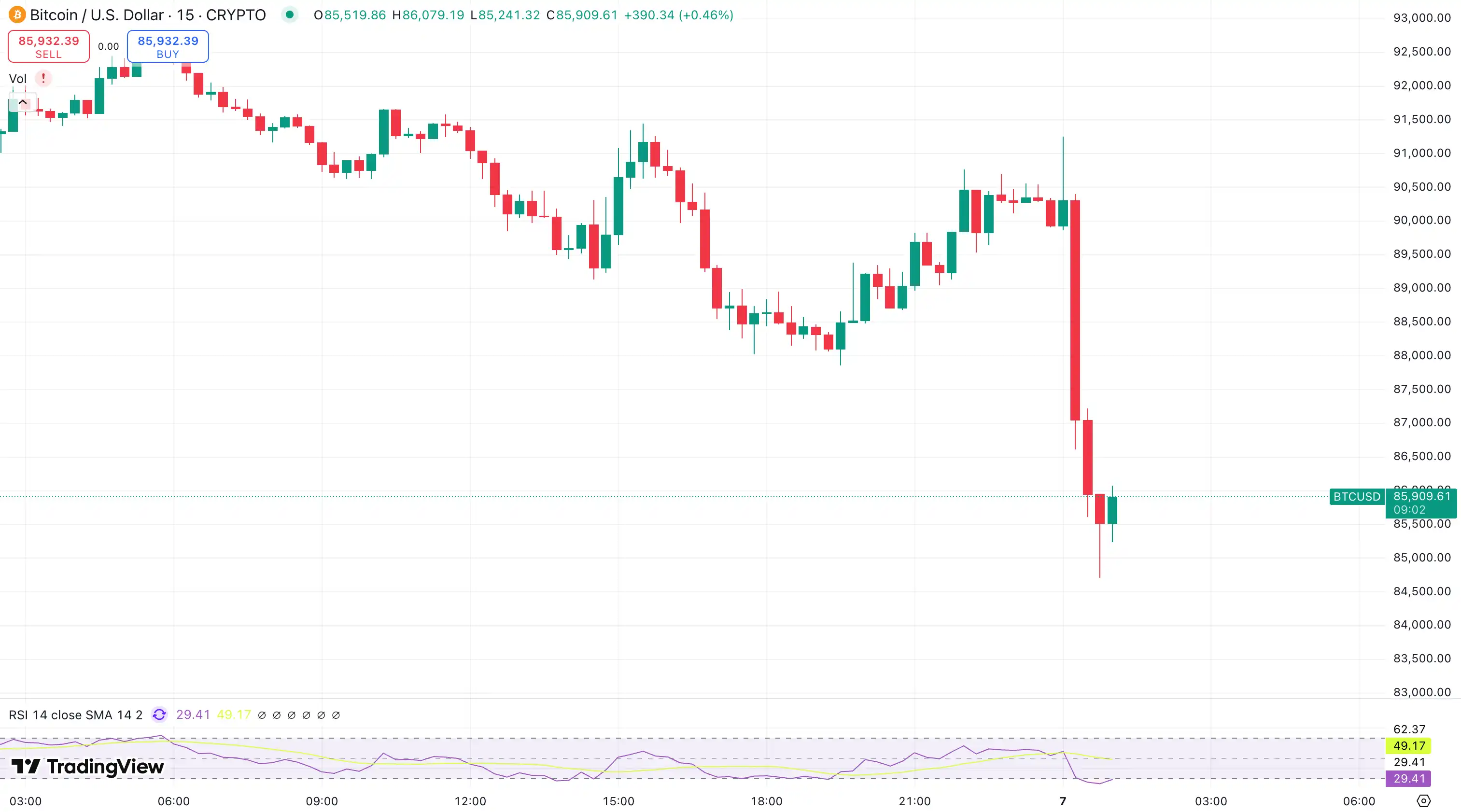
This morning, the long-awaited executive order establishing a Strategic Bitcoin Reserve finally arrived. Around 8 a.m. on March 7, White House AI and Cryptocurrency Czar David Sacks announced on social media that President Trump had just signed an executive order creating a strategic bitcoin reserve. However, immediately after this major bullish news broke, Bitcoin's price plummeted—dropping from around $90,000 to below $85,000 within one hour. At the time of writing, Bitcoin has recovered to approximately $88,000.
Notably, the reserve will be capitalized using Bitcoin already owned by the federal government—specifically, Bitcoin seized during criminal or civil asset forfeiture proceedings. The U.S. government will not sell any Bitcoin placed into the reserve and is also unlikely to purchase additional Bitcoin going forward. "This means not a single taxpayer dollar will be spent," David Sacks wrote on X.
HODL But Don't Buy: Triggering 'Sell the News'
In January, Trump signed an executive order directing his administration to assess the feasibility of "establishing and maintaining a national digital asset reserve," forming a working group chaired by David Sacks. Marcus from 10x Research pointed out in a report that there’s a key distinction between the terms “reserve” and “establishing and maintaining.”
The word “reserve” implies an active strategy of acquiring more assets, whereas “establishing and maintaining” suggests a more passive approach—essentially a “HODL but don’t buy” policy. Although the executive order refers broadly to digital assets rather than Bitcoin specifically, it signals that the U.S. government intends to retain its existing crypto holdings rather than acquire new ones.
Moreover, Trump’s executive order on a Bitcoin strategic reserve has yet to gain congressional approval and will likely take months before becoming official law—further fueling traders’ “sell the news” mentality.
The management of currency, reserves, and financial assets by the U.S. government falls under legal frameworks governed by institutions such as the Treasury Department and the Federal Reserve. Unlike gold or oil, Bitcoin is not a physical commodity that governments can store in the traditional sense. As a decentralized digital currency, holding a Bitcoin reserve requires secure, formalized custody processes—raising further questions about funding, security, and operational logistics.
Nevertheless, many industry insiders closely aligned with this pro-crypto administration have expressed positive views on the executive order.
David Sacks stated on social media: "The U.S. government previously sold Bitcoin too early, costing American taxpayers over $17 billion. Now, the federal government will develop a strategy to maximize the value of its Bitcoin holdings." Coinbase executive Conor Grogan added: "By my estimate, the U.S. government holds 198,109 Bitcoins. This executive order removes roughly $18 billion worth of potential selling pressure."

Additionally, beyond federal efforts, numerous U.S. states are actively responding to the idea of a strategic Bitcoin reserve. To date, 18 states have considered or proposed legislation to establish state-level Bitcoin reserves. On February 27, the Texas Committee on Business and Commerce passed a Bitcoin reserve bill and sent it to the Senate for review.
The bill aims to create a state-controlled Bitcoin reserve to enhance financial security and promote digital asset innovation. Key provisions include authorizing the Texas government to hold Bitcoin as a financial asset; assigning the Office of the Comptroller of Public Accounts to manage the reserve; implementing cold storage solutions with regular audits; and prohibiting the acquisition of Bitcoin from foreign entities or individuals involved in illegal activities. If approved by a two-thirds majority in the Senate, the bill would take effect immediately. Otherwise, it would become effective on September 1, 2025.
On March 7, the Texas Senate passed the Strategic Bitcoin Reserve Bill SB-21 by a vote of 25 in favor and 5 opposed. The bill now moves to the Texas House of Representatives, where it will be assigned to a relevant committee for review, possible amendment, and hearings.
If the House amends SB-21, the Senate must either accept the changes or both chambers will form a conference committee to reconcile differences. Once both chambers agree on a final version, they must each pass it again. After legislative approval, the bill will be sent to the Governor of Texas for signature, who may choose to sign it into law.
The Million-Dollar Question: Will the Bitfinex Seized Bitcoins Be Returned?
The U.S. government currently holds approximately 200,000 Bitcoins—worth about $18 billion at current prices. These were acquired through various law enforcement operations, primarily stemming from two major seizures: the Silk Road case and the 2016 Bitfinex exchange hack.
In February 2022, the U.S. Department of Justice (DOJ) recovered over 90,000 Bitcoins linked to the Bitfinex hack. The accused hackers, Ilya Lichtenstein and Heather Morgan, were arrested and convicted of money laundering, with Lichtenstein admitting to orchestrating the attack. Since then, the U.S. government has held the recovered Bitcoin as forfeited assets.
Following the signing of the strategic Bitcoin reserve executive order, the question “Will the Bitfinex Bitcoins be returned?” has become a top concern for many in the industry—especially since these coins represent nearly half of the U.S. government’s total Bitcoin holdings.
A key factor is Bitfinex’s post-hack compensation plan: after the 2016 breach, Bitfinex reduced all customer balances by 36% and issued BFX (LEO) tokens, which were fully redeemed within eight months. From the government’s perspective, this effectively made customers “whole.” Therefore, Bitfinex itself is viewed as the primary claimant.
In October 2024, the U.S. Attorney’s Office for the District of Columbia filed a motion suggesting that Bitfinex could be recognized as the “sole victim” eligible for restitution under the Crime Victims’ Rights Act (CVRA) and the Mandatory Victims Restitution Act (MVRA). This position was reinforced in a January 2025 filing, where the government proposed returning the seized Bitcoin “in kind” (i.e., BTC instead of cash) directly to Bitfinex.
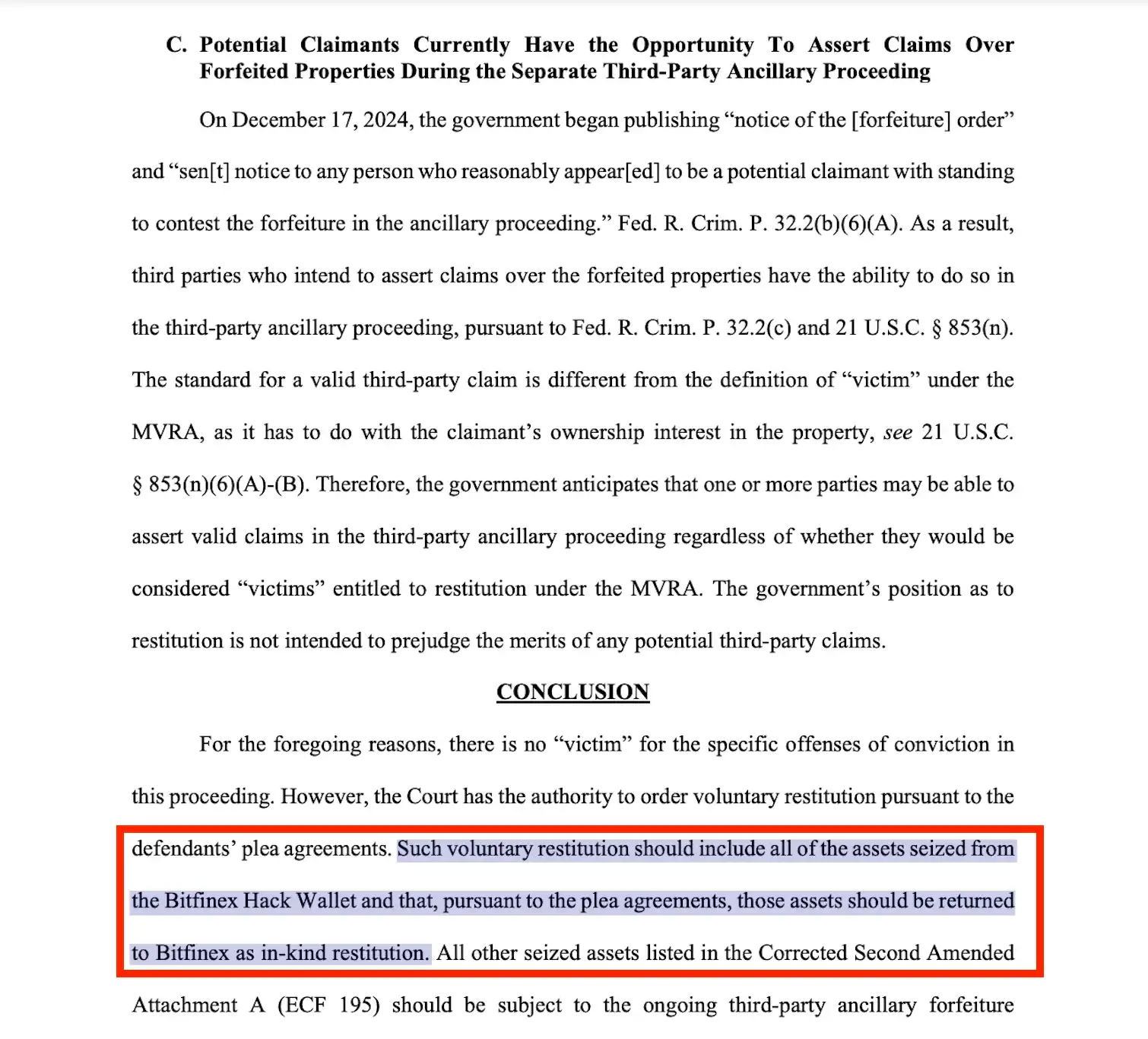
Prior to this, Bitfinex had pledged to repurchase LEO tokens once the stolen Bitcoin was recovered. Many former Bitfinex users argue that given Bitcoin’s massive appreciation since 2016, they are entitled to a share of the recovered funds—contending that the original LEO token compensation did not reflect Bitcoin’s future value.
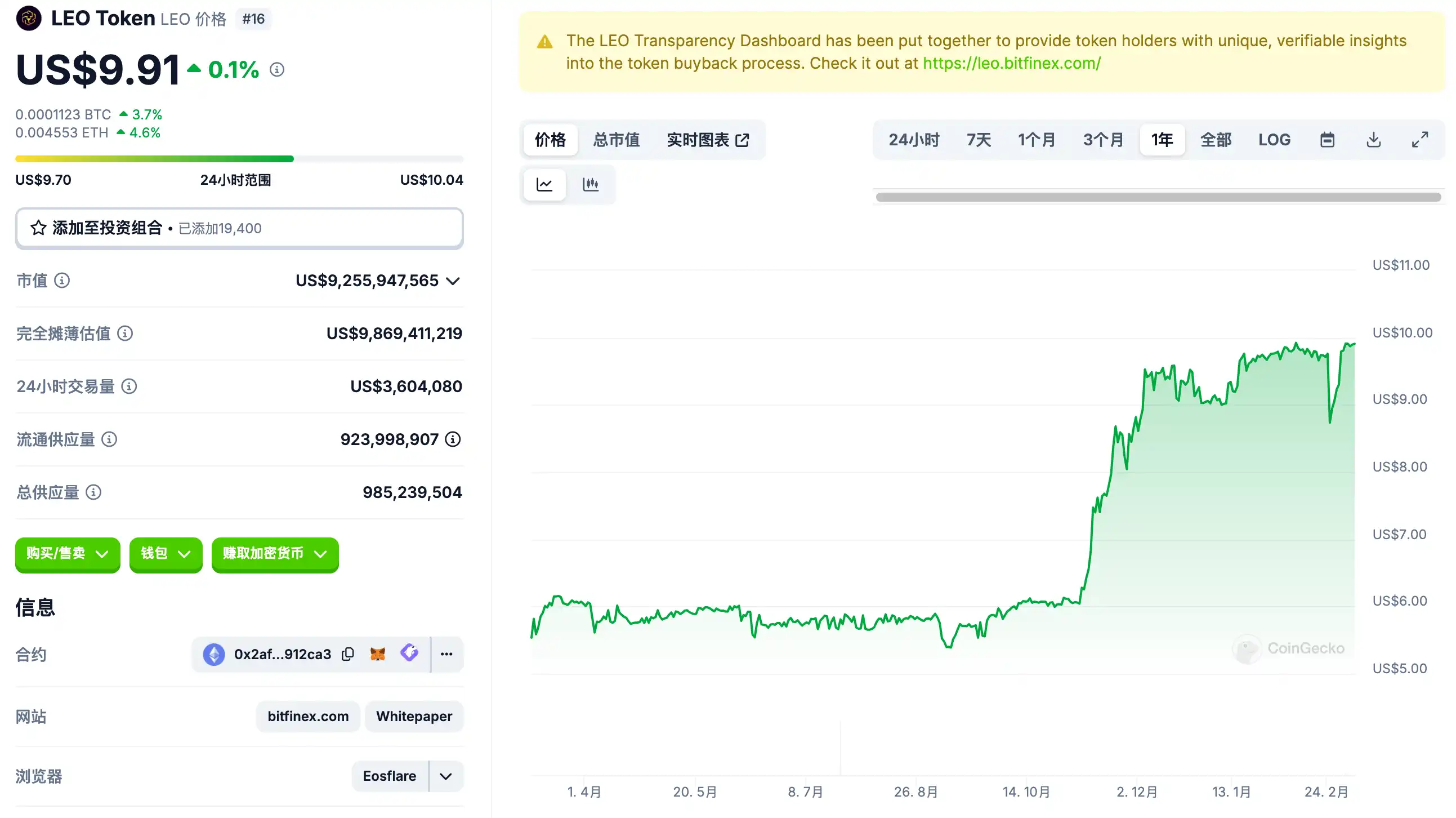
Thus, when news emerged in October 2024 that the U.S. government was seeking alternative notice procedures to inform potential victims of the 2016 Bitfinex hack, LEO token prices surged nearly 40%, reflecting strong market expectations of Bitcoin recovery and a potential LEO buyback program by Bitfinex.
Of course, with the signing of the strategic reserve executive order, the U.S. government’s stance could shift at any moment.
What Else Can We Expect From the White House Crypto Summit?
Additionally, in his morning post, David Sacks noted that the executive order also established a “U.S. Digital Asset Repository,” tasked with managing government-held digital assets under the leadership of the Treasury Department.
For David Sacks, the upcoming White House Crypto Summit is now the top priority. This inaugural event, set at a high level of importance, is expected to draw significant attention. According to multiple media reports, the centerpiece of the summit may be the announcement of a “National Crypto Strategic Reserve” initiative. This plan proposes including major cryptocurrencies such as Bitcoin, Ethereum, Solana, Cardano, and Ripple (XRP) in a national reserve system modeled after the Strategic Petroleum Reserve. As reported by Forbes, asset selection reflects each project’s unique strengths: Bitcoin’s inflation-resistant “digital gold” properties, Ethereum’s smart contract ecosystem, Solana’s high-performance platform, Cardano’s research-driven security architecture, and Ripple’s efficiency in cross-border payments.
On regulatory development, the summit will focus on the top-level design of stablecoin regulation and broader oversight frameworks. Cointelegraph revealed that Trump advisor David Sacks advocates using stablecoins to reinforce dollar dominance—a view likely to shape federal regulatory approaches. Draft legislation currently advancing through the House Financial Services Committee indicates that stablecoin issuers with over $10 billion in circulation may fall under Federal Reserve supervision, establishing a dual-layer regulatory framework involving both federal and state authorities. Meanwhile, the 2023 “Financial Innovation and Technology for the 21st Century Act” may see substantive progress, aiming to clarify jurisdictional boundaries between the SEC and CFTC and build a balanced regulatory paradigm that supports innovation while ensuring safety.
To achieve the strategic goal of making America the “crypto capital,” the summit may unveil a series of innovation incentives and tax-related policies. CryptoBriefing analysis suggests the administration may roll back some of the stricter regulations imposed during the Biden era. One unexpected detail: the summit might address cryptocurrency-related tax reforms. According to BeInCrypto, tax reform could be part of the agenda—potentially easing investor tax burdens through simplified reporting for crypto transactions or introducing tax incentives to stimulate industry growth.
Join TechFlow official community to stay tuned
Telegram:https://t.me/TechFlowDaily
X (Twitter):https://x.com/TechFlowPost
X (Twitter) EN:https://x.com/BlockFlow_News
 BlockBeats


