









When could the U.S. "Bitcoin Strategic Reserve" be implemented at the earliest?
TechFlow Selected TechFlow Selected
When could the U.S. "Bitcoin Strategic Reserve" be implemented at the earliest?
Bitcoin strategic reserve, the road ahead is long and arduous.
 Navigating Web3 tides with focused insights
Author: Mu Mu, Baihua Blockchain

Since early November, when Trump's election victory became clear, the crypto market—especially Bitcoin—has been swept up in strong expectations of a "U.S. Strategic Bitcoin Reserve." It is evident that markets will intensely focus on how Trump follows through on this promise after taking office in 2025. Some analysts have stated outright that this development could disrupt Bitcoin’s traditional bull and bear cycles—meaning any future twist or turn could trigger dramatic market volatility. All we can do now is monitor developments closely, estimate potential implementation timelines, and prepare accordingly.
01 Latest Developments
The idea of a “Strategic Bitcoin Reserve” was already being discussed and proposed before the U.S. presidential election. Senator Cynthia Lummis introduced the “BITCOIN Act of 2024” on July 31, 2024, proposing that the U.S. purchase 200,000 bitcoins annually, reaching one million within five years.
Later, during his campaign, Trump pledged at a major cryptocurrency conference to become the “Crypto President,” raising industry hopes that he would fulfill his promises by issuing an executive order to build a national Bitcoin inventory, ensure banking access for the crypto sector, and establish a dedicated cryptocurrency commission.
On December 17, 2024, the Bitcoin Policy Institute (BPI) (Note: not an official government body, but a non-profit organization focused on Bitcoin policy research and one of the key think tanks advising policymakers on Bitcoin-related issues) released a draft executive order aimed at providing a framework for Trump’s proposed “Strategic Bitcoin Reserve.” The draft explicitly recommends allocating 1%–5% of U.S. Treasury assets to purchase Bitcoin for long-term strategic reserves, led by the Department of the Treasury with cooperation from the Federal Reserve, gradually building the reserve over time.
On December 19, 2024, Federal Reserve Chair Jerome Powell (expected to remain in office under Trump until the end of his term) expressed cautious views during a press conference. He stated that the Fed has no intention of participating in any government plans to accumulate Bitcoin, emphasizing that such matters fall under Congress’s jurisdiction and that the Fed does not seek to change existing laws to allow Bitcoin holdings.
Despite the Fed chair's conservative stance, Trump’s appointment of crypto-friendly officials—particularly a supportive Treasury Secretary—and the anticipated swift issuance of presidential executive orders upon inauguration mean these headwinds are unlikely to stop his administration from advancing plans to include Bitcoin in the national strategic reserve.

02 Earliest Possible Implementation Timeline
Given that a “Strategic Bitcoin Reserve” is no small matter—it cannot be implemented overnight based solely on the president’s personal will—we should not expect immediate action. Based on current U.S. administrative and legislative procedures, if Trump intends to implement a Strategic Bitcoin Reserve, he would likely direct the newly formed cryptocurrency commission to conduct policy research and feasibility assessments immediately upon taking office. After completion, two main paths could follow:
Path One: Presidential Executive Order (as early as second half of 2025)
An executive order issued directly by Trump after inauguration would be the fastest route, bypassing resistance from the Federal Reserve and Congress. This approach aligns with the draft proposed by the Bitcoin Policy Institute, instructing the U.S. Treasury to use the Exchange Stabilization Fund (ESF) to allocate funds toward Bitcoin purchases without requiring congressional approval.
However, while fast and convenient, this method comes with drawbacks. Although the Treasury’s ESF can operate without prior congressional consent, it remains subject to congressional investigation and potential legislative restrictions. Moreover, executive orders can be reversed or modified by future presidents, making them less durable and stable than formal legislation.
Path Two: Congressional Legislation (earliest possible implementation in late 2026)
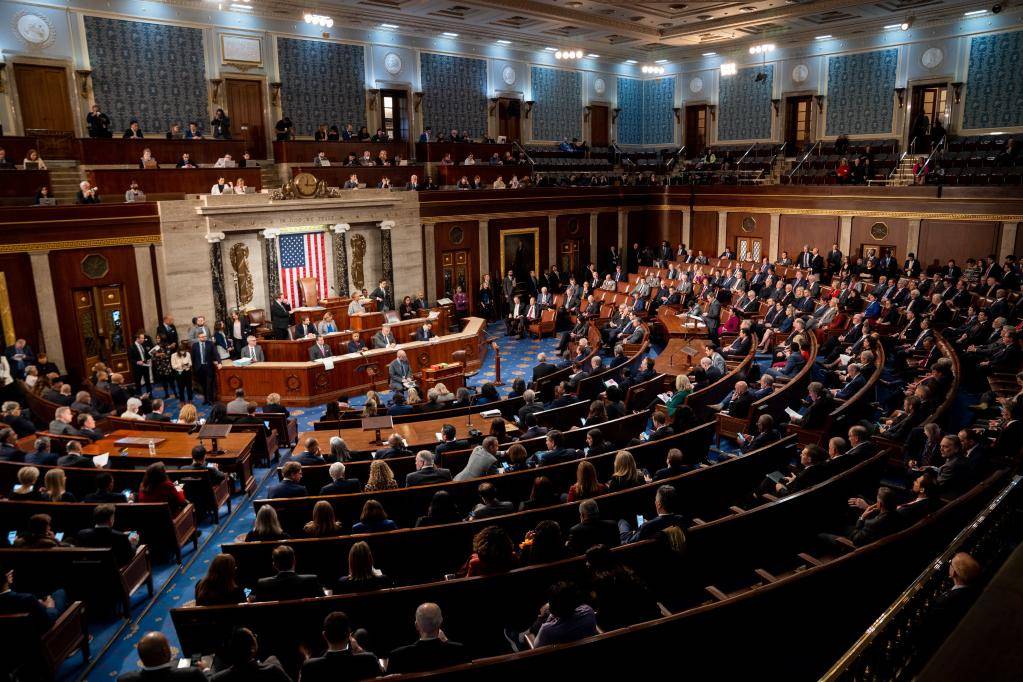
If pursued through legislation—a more stable but lengthier process—the bill must first be submitted to Congress after review by the cryptocurrency commission, then go through the Senate Banking Committee, followed by votes in both the Senate and House of Representatives, and finally receive presidential signature to become law.
This process involves many stages and likely prolonged political battles, as numerous conservative lawmakers are expected to oppose and obstruct the proposal. Therefore, while this path offers greater long-term stability and legitimacy, it will take significantly longer—likely not materializing before late 2026 or even 2027.
Recent reports suggest the crypto industry is pushing Trump’s team to issue an executive order on his very first day in office, launching promised pro-crypto policy reforms and accelerating mainstream adoption. If done via executive order, the Strategic Bitcoin Reserve could potentially take shape as early as mid-to-late 2025.
03 Key Milestones to Watch
During the procedural rollout of related executive orders or legislation regarding the Strategic Bitcoin Reserve, several critical dates may significantly impact the market:
1) January 20, 2025 – Trump Inauguration Day and surrounding period
Trump will officially assume office on this date, marking the beginning of his ability to issue directives. This moment signals the start of his administration’s policy agenda, with relevant initiatives likely emerging soon after. Markets will closely watch his inaugural address and any early executive orders. With numerous high-profile guests expected to attend, the ceremony is likely to draw significant attention—including from financial markets.
2) Mid-2025 – Completion of policy research phase
Based on projected timelines, the cryptocurrency commission could complete its policy study and release a feasibility report and draft proposal on Bitcoin reserves between early and mid-2025. Trump could then sign an executive order, formally launching the “Strategic Bitcoin Reserve.”
3) Second half of 2025 to early 2026 – Implementation details and potential congressional pushback
Once an executive order is signed and the basic framework established, agencies like the Treasury Department and the Federal Reserve would begin drafting specific implementation rules—including methods of Bitcoin acquisition, reserve ratios, and asset management protocols—before moving into actual execution.
During this phase, progress is unlikely to be smooth. Opposing members of Congress will likely attempt to block or delay implementation through various legislative tactics.
Ultimately, if everything proceeds smoothly and the Bitcoin reserve strategy delivers tangible benefits, it may pave the way for permanent legislation—bringing profound and lasting changes to the global crypto landscape.
04 Summary
The road to a “Strategic Bitcoin Reserve” appears full of obstacles and delays—it won’t happen overnight. The earliest realistic timeline is still at least six months away. Yet regardless, Trump’s vision of a “U.S. Strategic Bitcoin Reserve” has created strong positive expectations and set a precedent, inspiring central banks, financial institutions, and public companies worldwide to begin studying and exploring the feasibility of holding Bitcoin on their balance sheets. While policy specifics and final implementation timing remain uncertain, we must continue monitoring key milestones and stay ready to adapt our strategies accordingly.
Join TechFlow official community to stay tuned
Telegram:https://t.me/TechFlowDaily
X (Twitter):https://x.com/TechFlowPost
X (Twitter) EN:https://x.com/BlockFlow_News
 白话区块链
白话区块链






