Focusing on TBW side events, OKX Ventures hosted the most intriguing invitation-only event "NIGHT OF THE FUTURE" to explore new trends in Web3
TechFlow Selected TechFlow Selected
Focusing on TBW side events, OKX Ventures hosted the most intriguing invitation-only event "NIGHT OF THE FUTURE" to explore new trends in Web3
Taipei Blockchain Week kicks off with the Web3 Trends Exchange Forum officially opening its doors.
 Navigating Web3 tides with focused insights
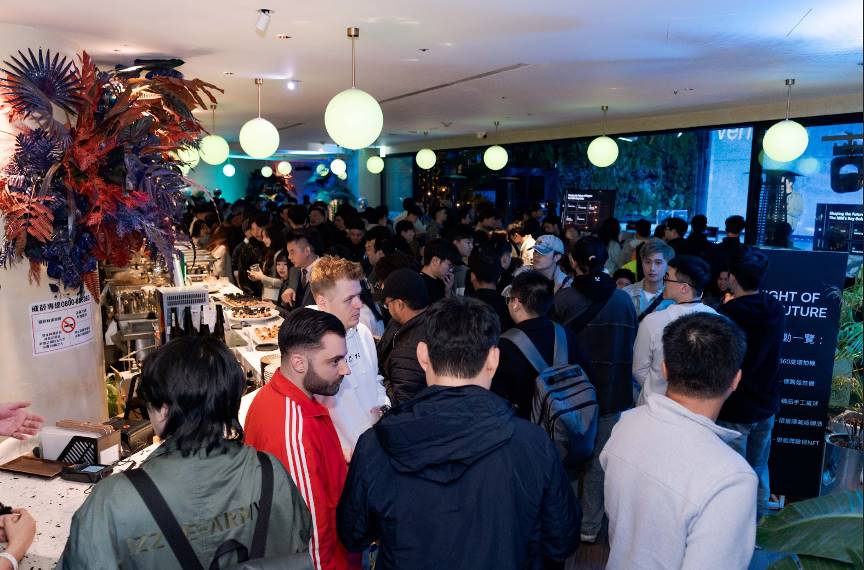
Taipei Blockchain Week kicked off this week with great fanfare, bringing together blockchain experts and pioneers from around the globe to explore the future trends of the next-generation internet. On the evening of December 12th, OKX Ventures co-hosted an invitation-only event titled "NIGHT OF THE FUTURE" alongside SUI, Spacenation, Kronos Research, Orderly Network, Memecore, UXLink, Yei Finance, Copex, and other renowned international Web3 projects and investment institutions. The event featured keynote speeches and fireside chats focusing on the development direction and trends of the cryptocurrency industry and Web3.
Beyond cutting-edge industry discussions, OKX Ventures also hosted a variety of engaging activities at the venue. Notable GameFi projects such as Memefi and Spacenation showcased their latest blockchain games for guests to experience firsthand. The event also featured a futuristic opening dance performance and creative cocktail menus paired with gourmet food, inviting attendees to enjoy a fully immersive evening. With over 500 participants, it was the largest invitation-only event on the first day of TBW.
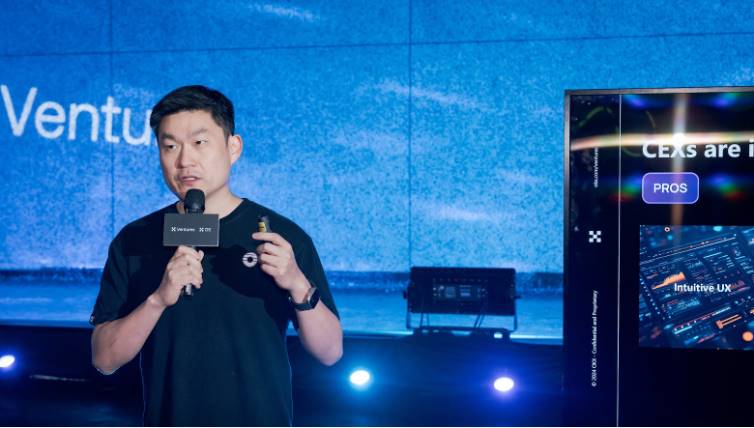
During the event, Jeff Ren, Partner at OKX Ventures, delivered an opening speech titled "NOW and FUTURE of OKX Ventures," emphasizing that OKX Ventures' mission is to identify and invest in innovative blockchain projects globally, promoting sustainable industry growth. As a long-standing investor deeply rooted in the blockchain sector, OKX Ventures adheres to an "Innovation + Empowerment" strategy. By integrating core resources from OKX—including traffic support, trading services, public chain technology, and comprehensive technical assistance—the team has built a complete ecosystem to provide portfolio companies with full-cycle support from early stages through key developmental milestones. More importantly, OKX Ventures sees itself not merely as a financial investor but also as both a "discoverer" and an "empowerer."
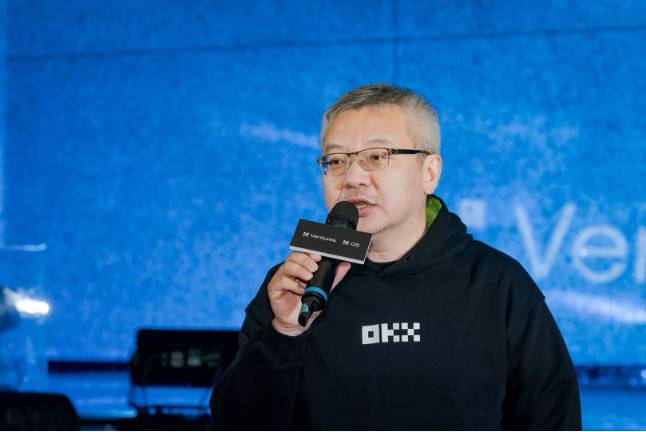
With nearly two decades of investment experience, Jeff Ren shared that since its inception, OKX Ventures has invested in more than 300 projects spanning Layer1, Layer2, DeFi, AI, GameFi, and other sectors. 2024 marked a year of gradual recovery for the blockchain industry, during which OKX Ventures completed over 80 investments across the Bitcoin ecosystem, AI, DePIN (Decentralized Physical Networks), and beyond. Moving forward, OKX Ventures will continue allocating capital and resources toward projects focused on blockchain infrastructure, GameFi, DeFi, NFTs, and related fields to drive technological innovation and industry advancement.
Ryan He, Marketing Lead at Space Nation, presented a keynote titled "The Metaverse: A Journey Beyond Gaming," showcasing Space Nation's game models and data while sharing insights into the future evolution of the gaming industry.
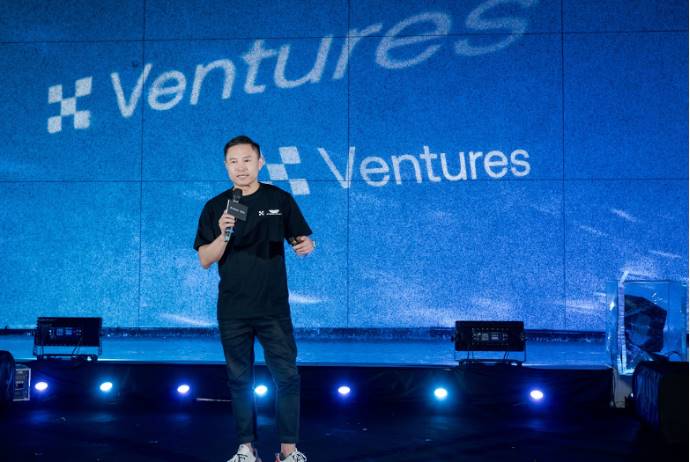
Vincent Liu, CIO of Kronos Research, spoke on "Envisioning Crypto in 2025: The Role of Market Makers in Shaping the Future," discussing the evolving landscape of the crypto market and the critical role market makers play in shaping its trajectory. Vincent highlighted innovations like decentralized order books and AI-powered tools that are narrowing the gap between centralized and decentralized systems. He also explored growing collaboration between traditional finance and DeFi, suggesting it paves the way for hybrid models that enhance liquidity and efficiency. As cryptocurrencies enter mainstream investment portfolios, clearer regulations and smarter infrastructure will create fairer, more accessible markets for all.
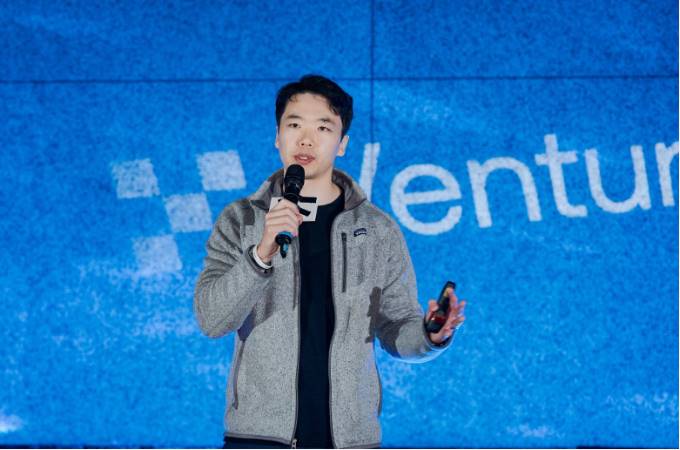
In his presentation "DEXs 3.0: The CEX to DEX Transition," Ran Yi, Co-founder of Orderly Network, pointed out that there remains significant room for optimization in current Web3 trading experiences. By combining the strengths of CEXs and DEXs to address existing pain points, user trading experience can be significantly enhanced. As a cloud-based liquidity infrastructure project, Orderly Network focuses on aggregating cross-chain derivatives liquidity, consolidating orders from different blockchains into a single on-chain order book, thereby building a unified cross-chain liquidity ecosystem. This approach effectively addresses fragmented liquidity across chains, improves trading efficiency, provides deeper liquidity pools, and substantially narrows bid-ask spreads.
The first fireside chat, moderated by DA Capital COO Tim Shen, along with CopeX Co-founder Paul and Alvin from Elite Trading Academy, discussed the topic: "How Can Communities Become Strong Support Systems for Traders?" Tim Shen noted that effective trading communities, like the DA Trader Alliance, tailor educational methods and tools based on users’ trading proficiency and background. For beginners, real-time market analysis from analysts is essential. Through systematic tutorials, newcomers can avoid scams and learn to properly use crypto tools. Daily live streams further build trust and help users become familiar with the crypto market. For those with foundational knowledge, the community delivers curated market insights and research vetted by internal analysts, helping close information gaps in the crypto space.
CopeX Co-founder Paul emphasized that expertise is fundamental when building a community—KOLs must possess solid trading knowledge to credibly guide followers. Education and engagement are equally important; trading often involves long periods of inactivity, so keeping content interesting and consistently valuable is crucial. Tools also matter greatly—platforms like CopeX streamline trading, deliver instant market data, simplify community management for KOLs and teams, and even generate additional income, serving as strong incentives for user participation.
Alvin from Elite Trading Academy stated that a valuable trading community centers on delivering reliable information, professional guidance, and meaningful discussions. In their model, leaders must have proven实战 experience and offer accurate market analysis to help users understand market dynamics. The community is learning-oriented, designed to meet diverse needs and deliver structured content tailored for both novices and experienced investors. Equally important is the learning environment—it significantly influences community success. Given the fast pace of market changes, timely responses and sound conceptual frameworks help users develop proper market perspectives. According to Alvin, clear positioning and thoughtful structural design are at the heart of community building. Only with clarity can you attract the right audience. A community’s value lies not just in disseminating information, but in employing strategic operations—structured learning paths, long-term practical training, and integration of data and analytical tools—to help every member find their growth path, making the community a trusted long-term partner.
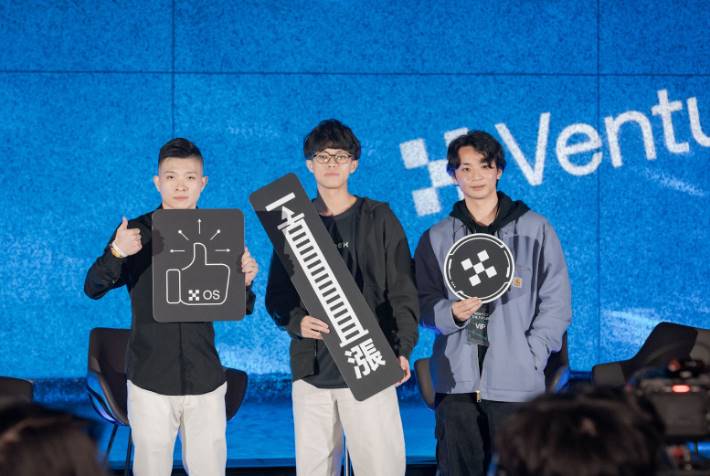
The second fireside chat, hosted by Blocktempo’s Alex, titled "What’s the Future of Gaming and Mini Apps," explored the future of GameFi and mini apps in the context of Telegram’s rising popularity.
Anndy Lian from Memecore believes that over the past few years, many developers have attempted to onboard Web2 users into Web3 via gaming. He sees untapped potential in meme culture to accelerate this transition. With MemeCore, the goal is to harness the power of memes to drive mass adoption, spark creativity, and expand the possibilities within Web3. It aims not only to advance product development but also to reimagine how people interact with blockchain networks.
Sa Bi Ge (Shabi Ge), founder of CashCashBot, noted that mini apps have already been validated in the Web2 market through platforms like WeChat and Douyin, and will soon replicate onto Telegram, LINE, and TikTok. Casual games previously seen on WeChat and Douyin will migrate to these new platforms to capture fresh traffic and monetization opportunities. Professional studios are already developing simple "Tap-to-Earn" games—the most basic and direct form—but this is just the beginning. Interactive games, social mini-programs, and AI-powered mini-applications with Web3 value layers are certain to emerge in the future.
Darren from Space Nation delved into the future of MMORPGs and the role of virtual economies. He explained how Spacenation leverages blockchain to streamline existing successful gaming models rather than reinventing them.
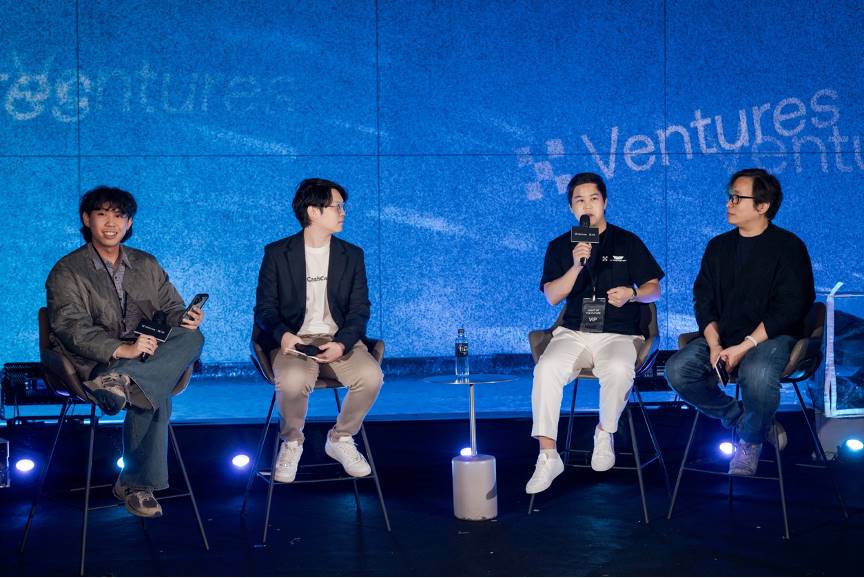
"We're not inventing something new; we're just simplifying what already works."
He cited examples like World of Warcraft, where players have traded in-game assets and accounts for years. Blockchain, he argued, offers a more efficient and secure method for managing such transactions.
Darren also stressed the importance of robust in-game economies for the success of MMORPGs, noting that many games fail due to economic collapse, leading to declining player engagement.
In 2024, as Bitcoin surpassed $100,000, more countries and industries began purchasing and holding Bitcoin, while research into global blockchain applications and payment solutions accelerated, revealing the vast global potential of blockchain technology.
Join TechFlow official community to stay tuned
Telegram:https://t.me/TechFlowDaily
X (Twitter):https://x.com/TechFlowPost
X (Twitter) EN:https://x.com/BlockFlow_News
 OKX
OKX