








WOO X Research: The altcoin season is here—can these sectors still be saved?
TechFlow Selected TechFlow Selected
WOO X Research: The altcoin season is here—can these sectors still be saved?
The knockoff season is still on and ongoing.
 Navigating Web3 tides with focused insights
1. Background: Alt Season Continues After Leverage Cleanup
On December 10, the crypto market experienced a crash, with Bitcoin dropping 5%. Excluding Bitcoin and Ethereum, other altcoins (Total 3) faced even steeper declines—up to 14%.
At the time, WOO X Research published an analysis framing this downturn as "long leverage liquidation, bull structure intact." The market subsequently demonstrated strong resilience, with Bitcoin rebounding toward $100,000 and Ethereum retesting the $4,000 level.
Meanwhile, the much-discussed alt season can be assessed through BTC.D. During the December 10 market drop, BTC.D rose to 58%, but as prices recovered, it declined back to 56%, indicating that alt season remains valid and ongoing.
The logic behind altcoin rallies is straightforward: when external capital enters the crypto market—such as new investors, traditional financial institutions, Web 2 companies, or national pension funds—the first destination is almost always Bitcoin. Only afterward does a portion of that capital flow into lower-market-cap alt sectors.
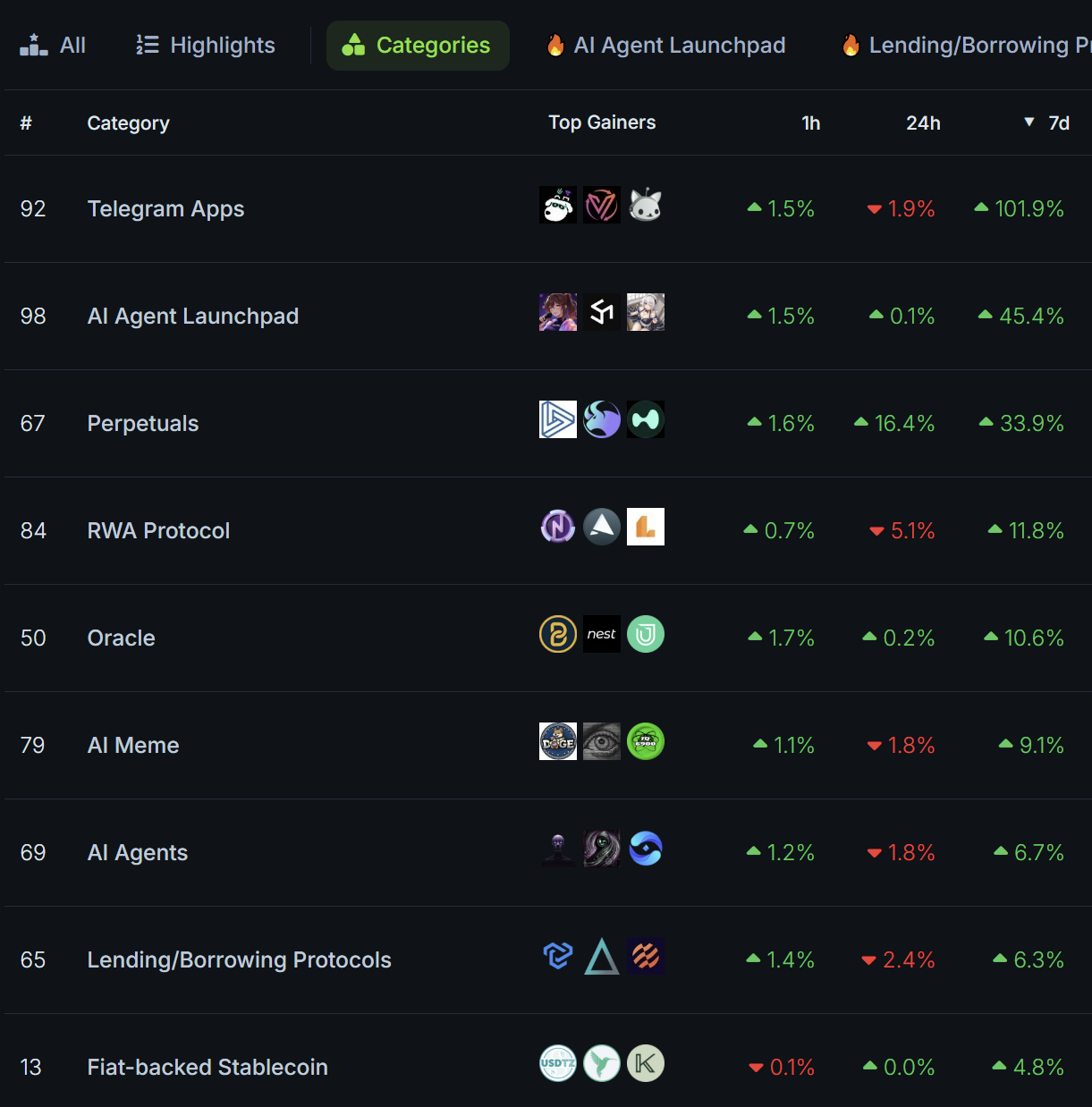
Beyond the currently red-hot AI Agent sector, other segments—including Meme, DeFi, RWA, and L1/L2—have also shown strong price momentum, suggesting a bright future for the broader altcoin space.
Yet some sectors appear to have been left behind. While other areas surge, BTC ecosystem-related projects, NFTs, and GameFi remain stagnant. Do these sectors still have a future? What recent developments have occurred? Let WOO X Research take you through them.
Source: CoinGecko
2. BTC Ecosystem
The BTC ecosystem broadly refers to protocols and assets related to BTCFi, inscriptions, and runes. Its core narrative centers on:
Unlocking Bitcoin liquidity: The DeFi market is dominated by Ethereum, while Bitcoin has largely remained idle, prioritizing security over capital efficiency. Compared to demands for dApp functionality or transaction speed, the Bitcoin ecosystem places far greater emphasis on security than other public chains. As such, its user base differs significantly—comprising mainly institutions and large holders who prioritize safety, hold substantial Bitcoin holdings, and favor long-term, stable, passive yield strategies.
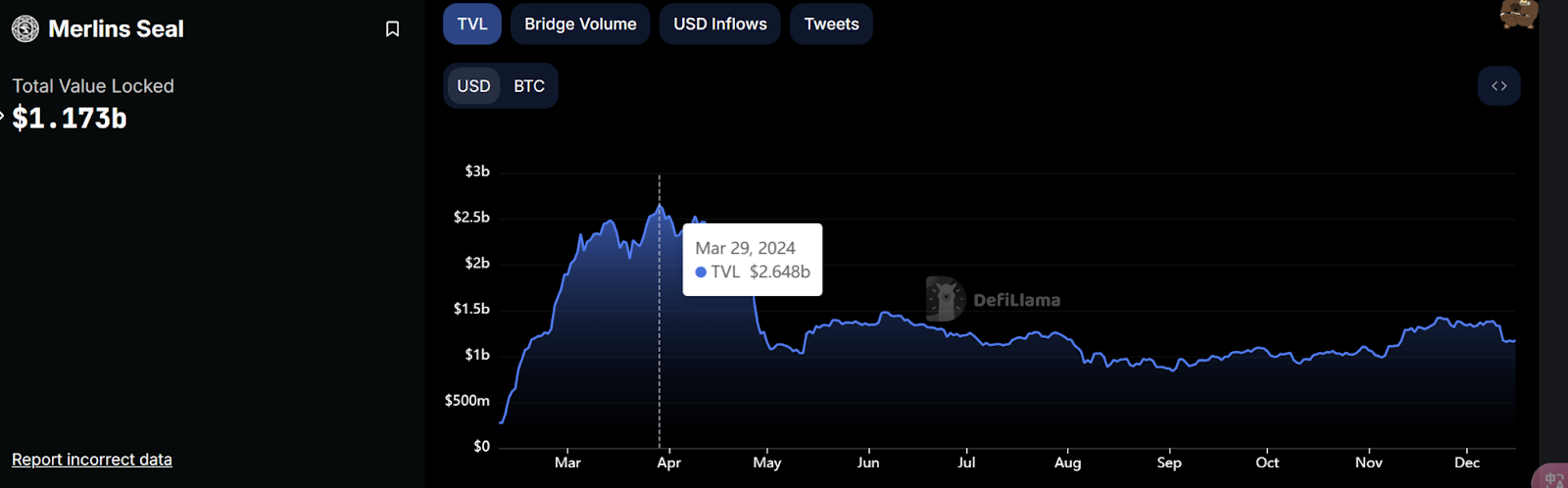
Between April and July this year, Merlin Chain sparked a Bitcoin staking frenzy, reaching a peak total value locked (TVL) of $2.64 billion. It accepted not only Bitcoin but also top-tier inscription and NFT projects like ORDI and RATS. However, after its token launch underperformed and amid controversy, the chain's TVL sharply declined, drawing waning market attention—indicating that EVM-based cross-chain mapping technology may have been proven unviable.
Source: DefiLlama
A current protocol worth watching is Babylon, a Bitcoin restaking protocol that has completed three rounds of public funding totaling $96 million. With a current TVL of $5 billion, it ranks first in the Bitcoin ecosystem and 12th overall among all protocols. This shows continued market interest in the viability of "earning yield on Bitcoin." Key to watch will be whether Babylon can safely generate sustainable yields post-launch, further increasing TVL and potentially catalyzing broader ecosystem growth.
Native Bitcoin meme assets: The emergence of Bitcoin inscriptions in May 2023 introduced a technically unique method of asset issuance—public and transparent. At a time when retail investors deeply distrusted VC-backed tokens, inscriptions represented a grassroots revolution, enabling fair access for retail traders. The sustainability of asset prices depends entirely on community consensus and cohesion, making it a natural breeding ground for meme coins. Projects like ORDI, SATS, and RATS saw gains of thousands of times their initial value.
However, inscriptions have faced criticism for wasting Bitcoin block space and creating on-chain clutter. Runes can be seen as an evolution of inscriptions, enabling more efficient transfers by bundling multiple tokens into a single transaction and supporting multiple destinations (unlike BRC-20, which allows transfer of only one token type at a time), thus alleviating UTXO bloat and network congestion caused by standards like BRC-20.
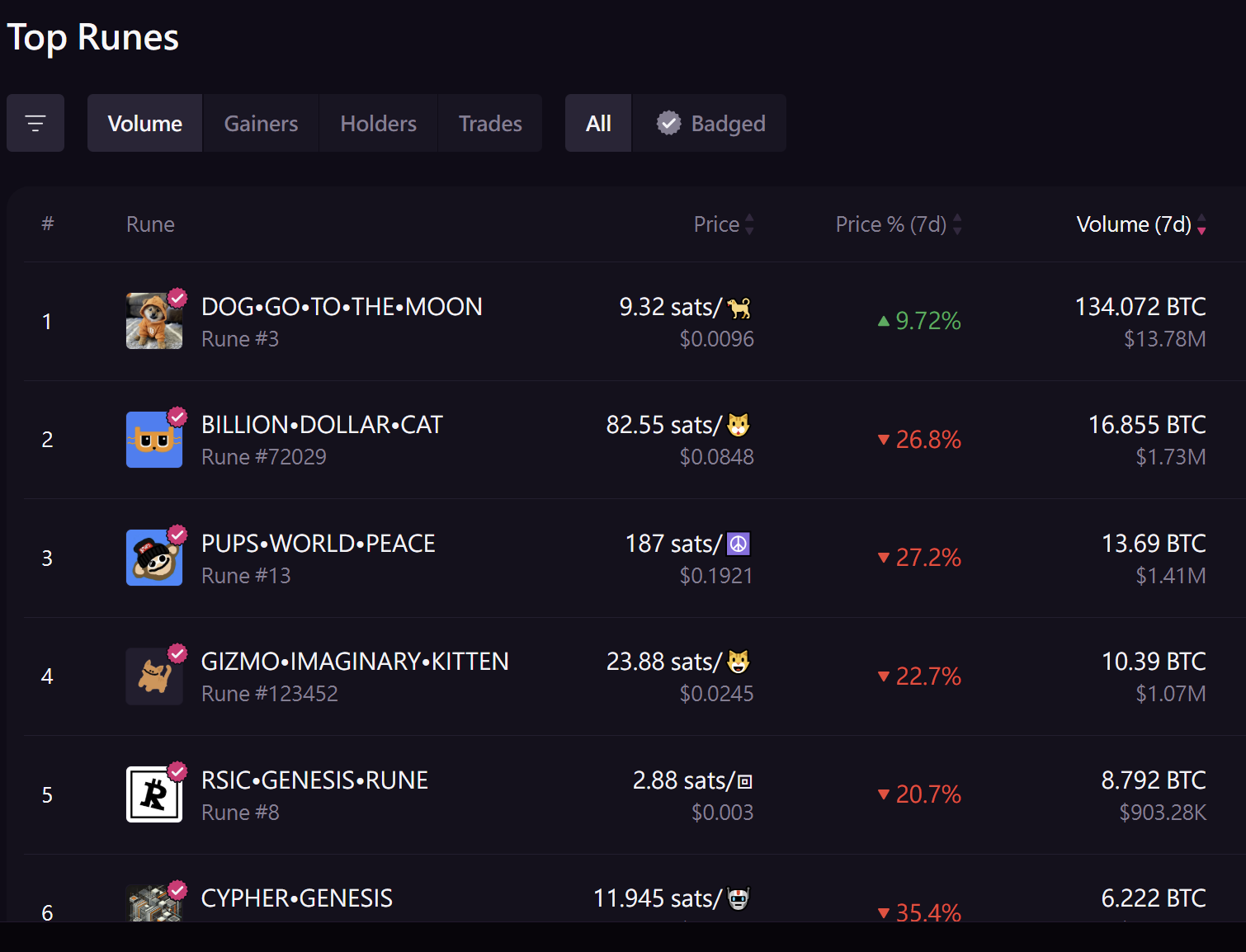
Inscriptions and runes are both part of the Bitcoin ecosystem and classified within the meme coin category. Yet meme coins evolve extremely quickly. The current dominant narrative revolves around AI Agent-integrated meme coins, leaving inscriptions and runes out of favor. Moreover, major exchanges have already discontinued support for inscription formats, meaning a revival for these assets would face significant hurdles.
Source: Magic Eden
3. Web3 Gaming
In 2021, fueled by the DeFi Summer and the metaverse concept, GameFi—combining finance with blockchain gaming—became a major industry narrative, attracting numerous traditional game developers to build GameFi titles. As of 2024, Web3 practitioners still pin hopes for massive adoption on games. This remains the biggest narrative driving the sector and the primary reason VCs and traditional gaming firms continue investing. Second to this is the underlying blockchain technology’s ability to grant true ownership of in-game assets, which continues to power the X-to-Earn model across most blockchain games.
Yet by 2024, Web3 Gaming still hasn’t resolved the Ponzi-like token economic models that lead to death spirals. As profit opportunities shrink, player incentives diminish—a trend evident in several data points:
-
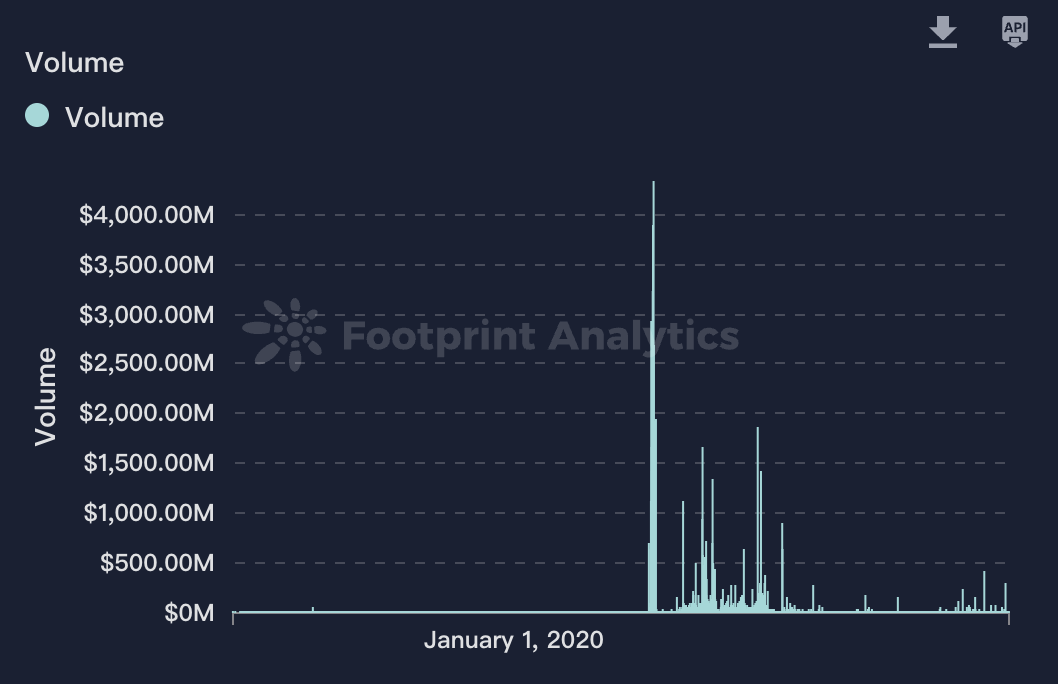
Negative transaction volume growth: Compared to 2021 and 2022 levels, daily transaction volume in blockchain gaming has dropped to between $20–30 million, showing negative growth year-over-year.
Source: Footprint
-
Daily transaction count: Daily transactions in blockchain gaming have also clearly declined compared to two years ago, falling from an average of 20–30 million to under 10 million today.
Source: Footprint
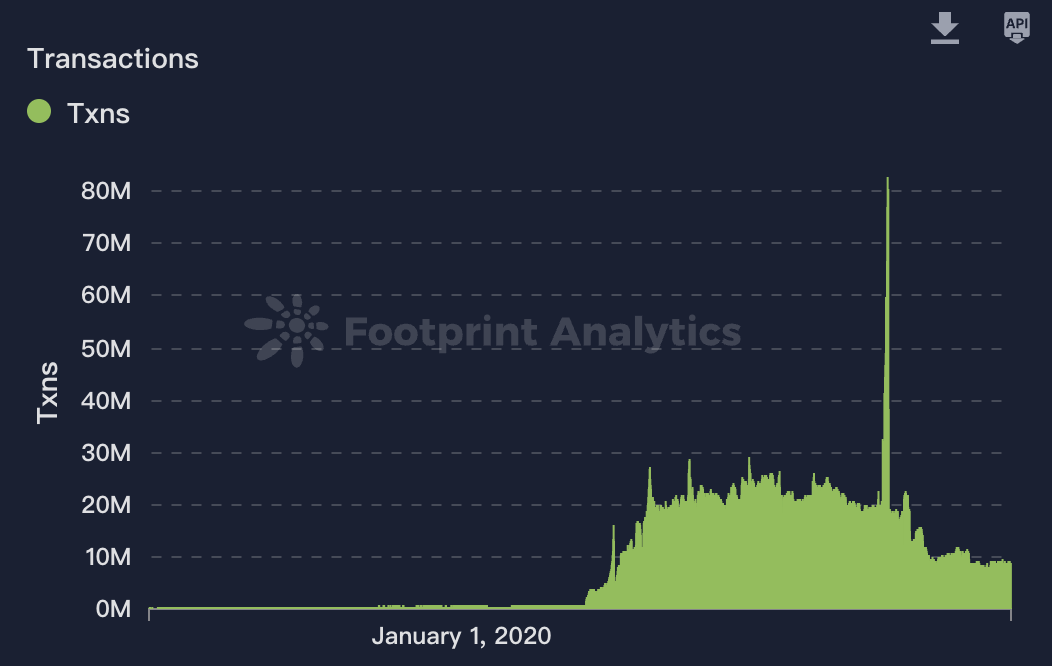
The current state of Web3 Gaming: persistent unresolved issues, poor overall usage metrics. Under these conditions, even during a rampant alt season, the sector struggles to attract investor interest.
A key project to watch now is Xterio, incubated and backed by well-known Web2 game developer FunPlus, which is preparing for a token launch. Positioned as a gaming infrastructure platform, Xterio emphasizes AI integration within its ecosystem, attempting to align itself with the AI narrative. If there's hope for a Web3 Gaming revival, Xterio’s post-launch performance could serve as an early indicator.
4. NFTs
NFTs technically emerged as early as 2017, but didn't experience widespread breakout until 2021—not only due to the maturation of the ERC-721 standard improving infrastructure, but also because the market began recognizing NFTs’ defining trait: uniqueness, applicable to digital identity, art, and collectibles. However, the initial catalyst was celebrity influence.
NBA Top Shot popularized NFTs by allowing fans to collect iconic NBA moments. It attracted significant participation from both crypto enthusiasts and basketball fans. For example, a dunk by LeBron James in the 2020 Finals sold for $230,000.
This paved the way for blue-chip NFT projects like BAYC, Azuki, Doodles, and Pudgy Penguins, launching the NFT Summer of 2021.
Due to their inherently low liquidity and limited supply, NFT prices are easily inflated, creating wealth effects during bull markets—myths of going from free mints to financial freedom were common. But when the 2022 bear market hit and liquidity drained from crypto, NFTs—already less liquid than standard tokens—saw even sharper outflows, leading to a collapse in overall market liquidity.
The chart below shows OpenSea’s transaction count clearly slowing in 2022. While part of the decline stems from weakening product competitiveness, the main reason remains diminished market interest in NFTs.
Source: Dune
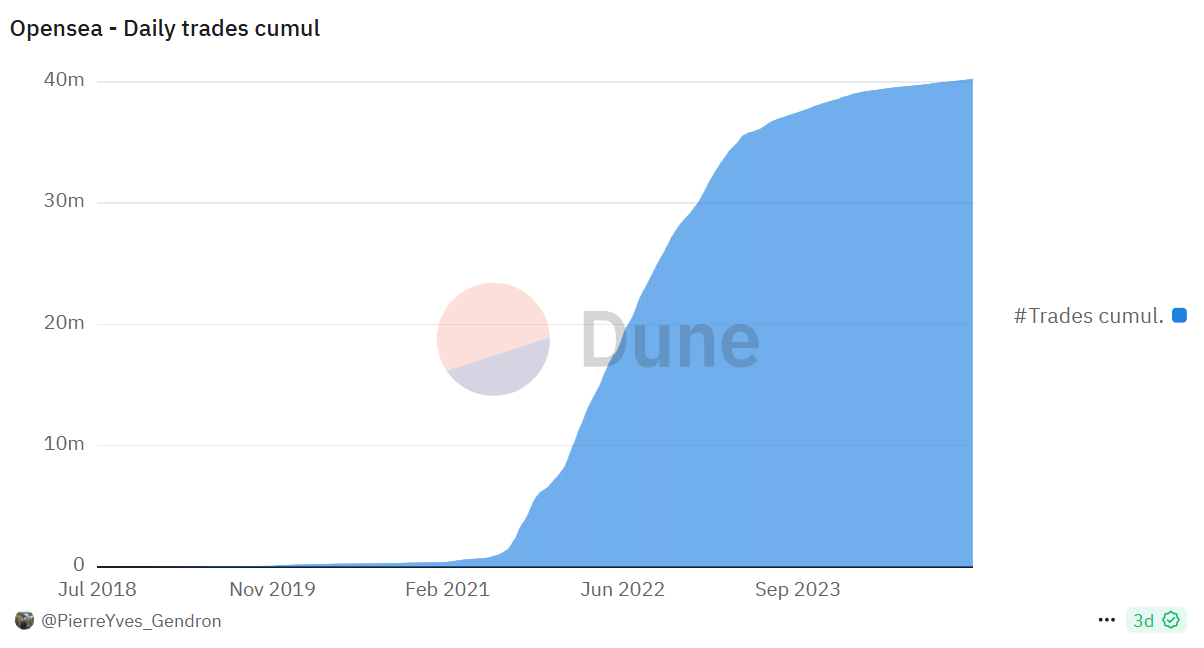
So—is there still hope for NFTs? What narratives and developments are emerging recently?
-
OpenSea preparing to launch new products
-
Magic Eden launching its token
-
Pudgy Penguins launching its token
It’s clear that both NFT platforms and blue-chip projects have become increasingly active lately. On both Ethereum and Solana, blue-chip NFTs are showing visible signs of price recovery. Is the NFT market making a comeback?
Source: Magic Eden
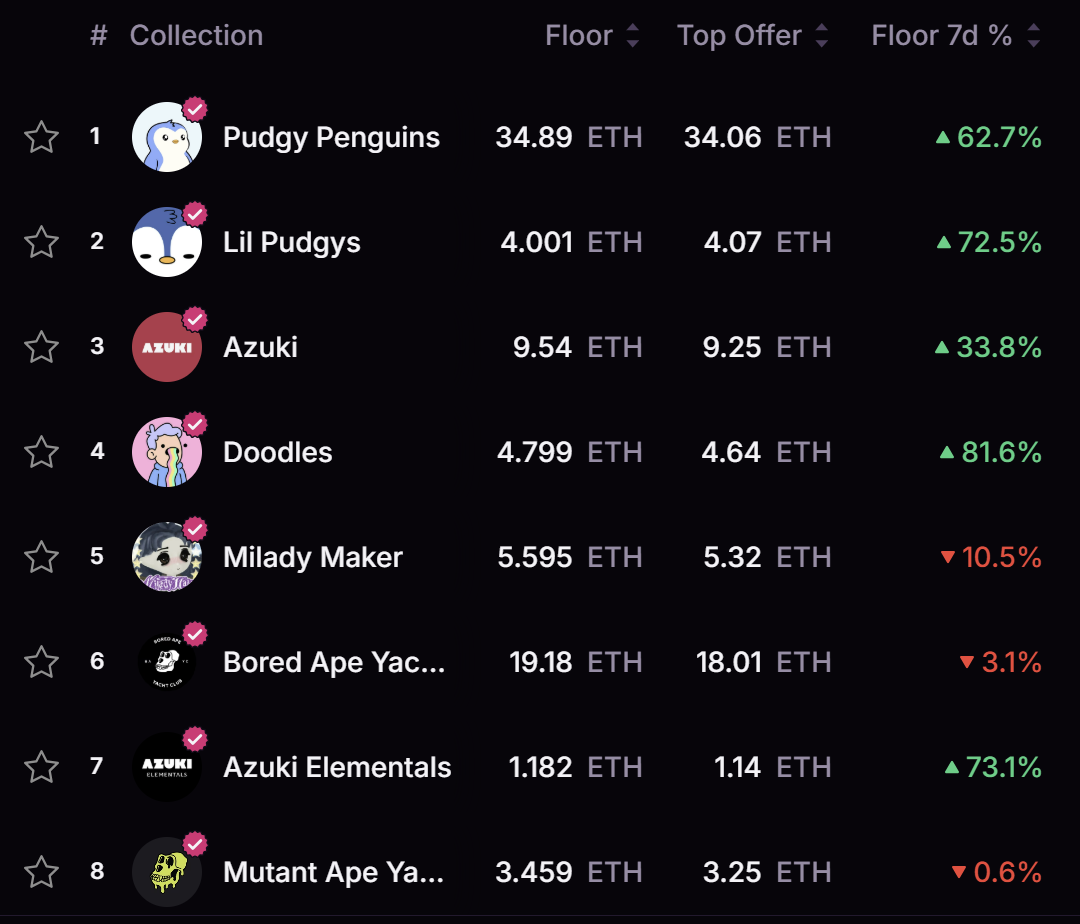
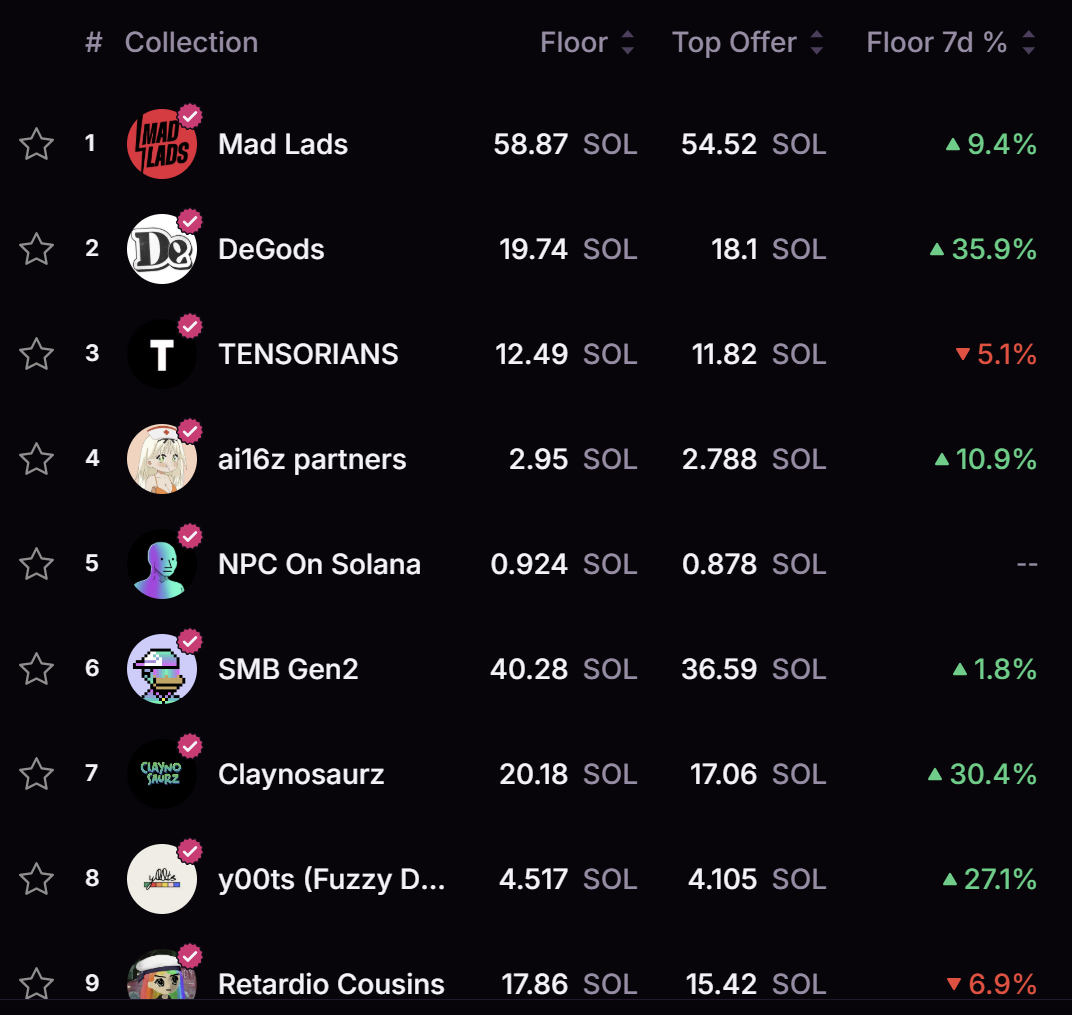
Beyond monitoring whether top-tier NFT prices sustain upward momentum, pay attention to use cases combining NFTs with AI. For instance, Zerebro, a prominent AI Agent on Solana, previously generated 299 original images on Polygon. Founder Jeffy then launched a collection of 5,500 Zerebro NFTs, granting holders core community membership.
This represents just a basic example of AI Agent and NFT collaboration. Crypto markets have always favored novelty over legacy assets—NFTs may yet regain momentum by riding the AI Agent wave.
Join TechFlow official community to stay tuned
Telegram:https://t.me/TechFlowDaily
X (Twitter):https://x.com/TechFlowPost
X (Twitter) EN:https://x.com/BlockFlow_News
 @WOOXResearch






