








OKX Ventures Report: From Innovation to Pricing, the Potential and Development Path of the DeSci Sector
TechFlow Selected TechFlow Selected
OKX Ventures Report: From Innovation to Pricing, the Potential and Development Path of the DeSci Sector
Cold Reflections Behind the DeSci Hype: Can Innovation Unlock the Research Closed Loop?
 Navigating Web3 tides with focused insights
Decentralized Science (DeSci), centered on blockchain technology, aims to fundamentally transform the architecture and operation of traditional scientific research.
Amid mounting tensions such as centralized resources, rigid management, and restricted knowledge dissemination, traditional research models increasingly reveal their inherent flaws. DeSci emerges as a disruptive force, ushering in an entirely new paradigm for scientific inquiry.
DeSci proposes a community-driven, transparency-based model: through Decentralized Autonomous Organizations (DAOs), the allocation of research funding and resources becomes more equitable; recording research processes on-chain not only prevents corruption but also provides a verifiable trust mechanism for both the public and researchers. Furthermore, DeSci advocates open access to academic成果, breaking down paywalls imposed by publishers, promoting data sharing and knowledge dissemination, and offering new pathways for science to benefit society at large.
Although still in its early exploratory phase, DeSci's potential cannot be overlooked—for instance, dismantling concentration of resources and opportunities within traditional systems, enhancing accessibility and transparency of research, encouraging broader community participation and collaboration, and introducing novel governance and funding models for scientific work. Just as the open-source software revolution reshaped technological development, DeSci has the potential to become the "open-source movement" of science. It carries not only the vision of fair resource distribution but may also accelerate the democratization of science, returning the future of research to the global community. This new research model emphasizes transparency, open access, and social participation, representing a significant shift in the direction of scientific research. Despite being in its infancy, DeSci offers fresh possibilities for addressing structural issues within traditional research systems.
As a supporter of cutting-edge innovative technologies, OKX Ventures has conducted in-depth research into this sector and reached the following key conclusions:
Conclusion 1: High interest in the DeSci sector, yet market remains in an early-stage博弈phase
DeSci, as an emerging field, has attracted considerable user attention; however, asset liquidity and market maturity remain insufficient. Taking leading project VitaDAO as an example, its valuation system is not yet stable, with volatile and short-cycle market performance. This indicates that the overall DeSci ecosystem is still in the early exploration stage and requires time to establish mature valuation standards.
Conclusion 2: Research funding initiatives like BioDAO face closed-loop challenges
BioDAO is seen as a "DeFi protocol" in the research domain, laying a foundation for future growth with its innovative funding mechanisms and clear roadmap. However, the quantifiable path from financial support to tangible research outcomes has not been fully established. The lack of a clear feedback loop could hinder long-term trust and capital inflow.
Conclusion 3: Meme-driven narratives dominate current DeSci discourse
While DeSci’s concept is rooted in scientific research, current momentum largely depends on meme dynamics. For example, Sci-Hub serves as a symbolic icon within the community, attracting high engagement but limited real-world conversion. Similarly, projects like pump.science encourage teams to “tell stories,” yet require further optimization in experimental design. For DeSci to break through, it will need backing and advocacy from authoritative figures in science.
Conclusion 4: Product implementation and market adoption remain distant goals
Even relatively mature projects like VitaDAO have yet to achieve significant market impact, lagging noticeably behind traditional research enterprises such as Altos Lab. Most DeSci initiatives remain at the proof-of-concept or small-scale experimentation stage, unable to handle the complex project management and data verification required for serious scientific research—industrialization remains a long way off.
Conclusion 5: Return to blockchain’s core strengths to overcome implementation hurdles
The future applications of DeSci should fully leverage blockchain’s core capabilities—data provenance on-chain, decentralized fund distribution, verifiable academic publishing, and peer review. In the short term, integrating with complex offline scenarios poses significant difficulty; thus, priority should be given to developing research use cases well-suited to blockchain advantages, enabling steady progress.
I. Methods and Use Cases of DeSci
As an innovative application of Web3 technology in science, DeSci is addressing core pain points of traditional science (TradSci) through a series of key methods and practical use cases.
Revolutionizing traditional research, DeSci currently offers three critical solutions: democratizing and decentralizing funding, ensuring openness and security of data and publications, and advancing research reproducibility.
In terms of fair and decentralized funding, traditional research funding is typically concentrated among a few authoritative institutions. DeSci leverages quadratic funding and DAOs via smart contracts to enable transparent management and disbursement of funds. This mechanism lowers barriers for researchers seeking funding while supporting innovative and diverse projects, promoting equitable global allocation of research resources.
Regarding open and secure data and publications, DeSci utilizes blockchain-based decentralized repositories to store research data and publications on public ledgers, ensuring traceability and transparency. Smart contracts provide fair access mechanisms, allowing researchers and institutions to share and utilize critical data while protecting intellectual property rights.
To promote research reproducibility, verification experiments and data replication are crucial. DeSci introduces token incentives and reputation systems to reward reproducible research practices. Blockchain-powered smart contracts also support transparent peer review, enhancing reliability and authenticity of scientific findings.
Four major use cases of DeSci in practice include: decentralized academic publishing, transparent research funding management, innovative data-sharing and collaboration models, and transparent peer review.
Specifically, first, DeSci platforms build decentralized repositories where researchers can directly publish their work—breaking down barriers posed by traditional journals and significantly expanding access to scientific knowledge, opening new paths for science popularization and advancement. Second, DeSci platforms adopt decentralized funding mechanisms using crowdfunding and smart contracts to provide transparent support for research projects. Contributors are rewarded based on the quality of research output, avoiding corruption and waste common in traditional funding models. Third, blockchain-based DeSci platforms facilitate secure sharing of research data. Data can be monetized via tokenization while ensuring scientists retain ownership of their研究成果, boosting efficiency in international scientific collaboration. Fourth, DeSci platforms create public records of research contributions and peer review activities using immutable blockchain logs, increasing credibility of scientific publications. This transparent accountability fosters a more open academic exchange environment.
As a disruptive force against traditional research, DeSci is redefining scientific governance through technology-driven transparency, openness, and fairness. Though still in early development, its potential is evident—from academic publishing to data collaboration, from funding allocation to peer review—DeSci is gradually becoming a pivotal force driving scientific transformation.

II. Overview of the DeSci Landscape
Decentralized Science (DeSci) is driving innovation across all stages of scientific research through token incentives and modular design. From democratizing funding decisions to advancing open access to scientific knowledge, DeSci’s goal remains consistent: breaking down barriers of traditional research to provide a more transparent and equitable ecosystem for scientists worldwide. Below are specific implementations and achievements of DeSci in open publishing and decentralized research.
(1) Open Publishing Platforms
Traditional scientific publishing is slow and expensive. Decentralized publishing platforms enhance dissemination efficiency through open, instant knowledge sharing. These DeSci platforms allow researchers to publicly post papers, datasets, and methodologies, incorporating interactive peer review and social collaboration tools.
ResearchHub employs a token-based reward system to incentivize peer reviewers to provide expert feedback on published research. Smart contracts automatically distribute payments upon completion and validation of reviews, ensuring reviewers receive fair and timely compensation.
DeSci Labs focuses on leveraging blockchain to ensure integrity of scientific data, using tamper-proof records to protect published materials with strong anti-censorship and anti-loss capabilities. Its DeSci Nodes enables researchers to create and publish research objects based on FAIR data principles, stored in open, decentralized data warehouses. These objects are linked via permanent unique identifiers and a decentralized resolver system, supporting citation and accumulation of academic credit. Research objects include manuscripts, code, datasets, videos, etc.
Developers can build applications atop the open data layer, implementing custom coordination and value accrual mechanisms. Applications can integrate with other DeSci stack modules—such as using peer review results from publishing platforms or OpSci’s influence NFTs—to verify researcher identity and historical achievements.
Through DeSci projects, researchers, datasets, methods, and results can all be tokenized—including manuscript publication. Traditional journal models requiring upload or access fees will be replaced by decentralized data layers and marketplaces. In this model, researchers can freely showcase manuscripts, much like NFTs displayed on OpenSea. Platform fees apply only to users wishing to buy or sell ownership of研究成果—not authors or readers.
As these publishing platforms evolve, decentralized identity and reputation systems will emerge, helping dismantle information silos and remove traditional "gatekeeper" barriers, thereby enabling free flow of ideas across different research environments.
(2) Research DAOs
DAOs are a core practice in DeSci—a collective decision-making mechanism coordinated via blockchain and smart contracts, enabling community members to jointly fund and manage scientific projects. Research DAOs often focus on specific themes such as longevity, genetics, or environmental science, using tokenized governance so that funders, researchers, and the public co-determine research directions.
For example in the BIO ecosystem: longevity-focused VitaDao, climate change and food security-oriented ValleyDAO, women's health-focused Athena DAO, hair loss treatment-focused Hair DAO, and others such as FrontierDAO and VibeBio, which invest in startups related to space, fusion energy, climate, and biotechnology.
Traditional funding models favor low-risk, large-scale projects, whereas DAOs can support smaller, higher-risk, high-innovation-potential studies. The decentralized governance of DAOs avoids bureaucratic inefficiencies of traditional institutions, granting greater freedom in scientific research.
(3) Funding & IP Platforms
DeSci’s funding and intellectual property (IP) initiatives use blockchain to democratize financing, ownership, and commercialization of scientific innovation. These include tokenized platforms representing partial ownership of research projects, and blockchain-integrated grant management systems—some research DAOs also incorporate these features.
Many DeSci funding platforms support research and protect IP via tokenized assets, allowing community members to issue bounties for specific scientific directions, which scientists can apply for. Researchers can also seek community funding for independent projects, fostering a more inclusive funding model. This ensures funds flow toward widely supported initiatives, aligning research with diverse needs of the scientific community.
Molecule is a platform focused on IP financing and tokenization in biopharma. To date, it has allocated approximately $2 million in research funding to various research DAOs via its IP-NFT protocol, contributing to a total ecosystem TVL of $30 million.
Bio.xyz : A Y Combinator-style on-chain science accelerator incubated by Molecule, dedicated to accelerating scientific innovation.
Funding is a major pain point for scientists. They spend significant time writing proposals, yet success often hinges heavily on their H-index—a metric quantifying paper impact. Under pressure, scientists may chase trending topics for visibility. Ultimately, unstable and insufficient funding not only reduces output but skews project selection and even triggers a "replication crisis."
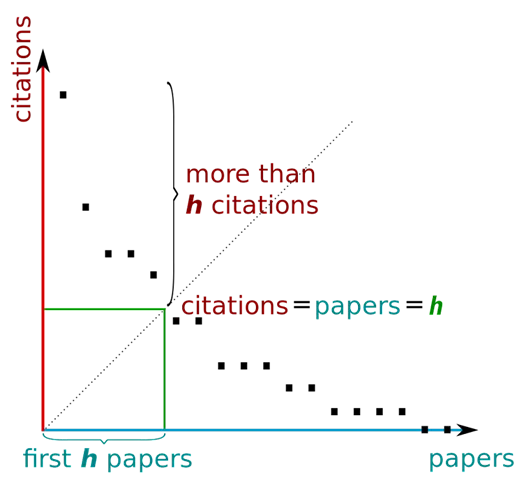
DeSci advocates replacing the H-index with NFTs, which can assess other important factors such as expertise, teaching ability, mentorship skills, and collaboration. To sustain operations, DAOs can monetize IP generated from funded research via IP-NFTs. Through the Molecule Marketplace, research projects connect with potential investors, with研究成果 stored as metadata in IP-NFTs. IP-NFTs offer legal protection and serve as innovative alternatives to traditional patents—which tend to lock down data and slow discovery—while IP-NFTs are flexible and offer multiple monetization options:
• Licensing IP for commercialization: Authorizing institutions to use intellectual property.
• Splitting ownership with partners: Sharing value by dividing IP rights.
• Trading data on open markets: Generating ongoing royalty income for creators.
• Using IP as collateral for loans: Financing via the value of intellectual property.
• IP-NFTs can also enable novel research coordination mechanisms, such as:
• Access control: Only verified participants contribute and receive compensation.
Over time, many DAOs may evolve from single-purpose funding vehicles into comprehensive communities covering other aspects of the research economy. Beyond these tokenized seed-funding platforms, future decentralized secondary markets may emerge, allowing researchers and funders to transfer IP ownership or license it to other investors and community members—further advancing commercialization and collaboration in scientific innovation.
(4) Medical Data Networks
Decentralized medical data networks aim to build a safer, more efficient, and equitable healthcare system using distributed databases and collaborative research tools. These platforms aggregate and analyze diverse datasets (e.g., clinical trial results, patient records, genetic data), improving accessibility while safeguarding patient privacy. As medical data grows in importance, personalized medicine spreads, and patients demand greater control over data protection and sharing, this area becomes increasingly vital.
Given healthcare complexity, decentralized medical data networks pursue long-term development and diverse priorities:
GenomesDAO offers a decentralized genomic database, securely storing and sharing historical genomic data to support long-term drug development.
Life Network: Users control and monetize their DNA data, earn rewards for healthy living, and empower researchers and developers to build personalized genomic applications.
Hippocrat develops systems to track patient treatment progress in real time and securely share live data among authorized stakeholders.
Data Lake: Allows individuals to tokenize and sell their health data and medical records to researchers.
As this field evolves, adoption of decentralized identity systems will increase, enabling seamless, secure access to healthcare services across providers and jurisdictions—improving care continuity and enhancing overall patient experience.
(5) Infrastructure
Infrastructure projects aim to build secure, scalable, interoperable systems meeting the diverse needs of the global scientific community. These include decentralized governance tools, storage solutions, and identity recognition systems operating across platforms and institutions. Such solutions allow other DeSci teams to focus on core research goals without grappling with backend complexities.
1. Decentralized Storage and Computing
Arweave and Filecoin: Support distributed storage and sharing of scientific data and NFTs (e.g., IP-NFTs, Impact Certificates).
Bacalhau: Enables direct computation on stored data ("Compute Over Data"), generating unique content identifiers (CID) to ensure reproducibility and verifiability.
2. Collaboration Mechanisms and Value Realization
Lab.bio grants researchers open access to bio-machine learning models and experimental tools without costly local infrastructure or hosting.
Coordination Network provides AI-powered tools for research summarization and data extraction, proposal drafting and review, and recruitment of research candidates.
OpSci: Unlike IP-NFTs, OpSci uses "Impact Certificate NFTs" to tokenize researcher identities, credentials, and projects.
3. Impact Certificate Collaboration Tools
Holonym: zkDID and Web3 yellow pages for scientists, allowing login via academic credentials.
Hypercerts: ERC-1155 tokens used to track research methods, datasets, and outcomes. Researchers can attract funding by transparently showcasing progress while retaining data ownership.
DeSci’s collaborative model enables researchers to gain fairer funding access and enhance global research efficiency and credibility through verifiable datasets. To broadly promote DeSci, improving platform usability and value is crucial—especially for users unfamiliar with Web3. Although some projects build proprietary infrastructure, modularity and flexible components remain essential.
(6) DeSci Memes
Researchers face numerous challenges securing funding early on, and raising funds via memecoins presents significant difficulties. First, most of the public lacks scientific literacy, making it hard to meaningfully support complex projects. Additionally, the timeline from initial research to tangible results typically spans 5–10 years, while memecoin prices fluctuate wildly, failing to provide stable long-term funding. Nevertheless, DeSci’s liquidity exit mechanisms offer flexible financial safeguards and have already delivered actual funding benefits to some research teams. Other advantages include:
Cultural dissemination and promotion: DeSci memes act as cultural exports and promotional tools, effectively directing crypto community attention toward DeSci and scientific research.
Incentive mechanisms: DeSci memes engage funders in gamified incentives and speculative play, creating positive value cycles that boost liquidity and deepen investor engagement and stake.
III. Spotlight on Key Projects
(1) BIO DAO
BIO DAO is a launch and acceleration platform focused on decentralized science (DeSci), bringing together scientists, patients, and investors to disrupt traditional research funding models using blockchain. Through the BIO Protocol—a financial infrastructure—BIO DAO provides on-chain organizational tools, funding support, and IP tokenization solutions, building a transparent and efficient research funding ecosystem. Since inception, BIO DAO has advanced six BioDAOs with a combined valuation exceeding $180 million and has placed over $10 million in research IP on-chain via the Molecule platform.
BIO DAO’s fundraising prowess stands out: completing strategic financing (backed by Binance Labs) and a Genesis auction raising $6.22 million in 2024. Core technologies include IP-NFTs and IPT tokens, empowering research成果with tradability and shareability. Moreover, BIO DAO supports落地projects like HairDAO (hair loss treatment) and CerebrumDAO (brain health research), demonstrating the strong potential of decentralized research models. Amid both challenges and opportunities, BIO DAO is pioneering new pathways for research funding through innovative models and interdisciplinary collaboration.
(2) VitaDAO
VitaDAO is a pioneering initiative dedicated to extending human lifespan, focusing on early-stage longevity science research globally. Unlike traditional funding models, VitaDAO leverages blockchain and a DAO governance structure to allow everyday investors and professional institutions alike to participate, offering more open and diversified investment opportunities. The platform’s native governance token, $VITA, enables holders to vote on funding decisions and IP management, ensuring transparency and fairness via on-chain voting. VitaDAO’s investments in longevity—such as its support for Turn.bio—highlight its sharp insight into frontier science.
VitaDAO executes DAO-voted decisions through its Canadian entity, VitaDAO Global Services, Inc., centralizing execution authority within a protected legal entity while providing legal safeguards for token holders. This structure allows refusal of DAO decisions under extreme circumstances and permits stakeholders to seek legal remedies. Additionally, VitaDAO collaborates with Lonza to advance candidate drug ARTAN-102 and launched the VitaLabs Fellowship Program to further drive innovation by global talent in longevity research. Going forward, VitaDAO will continue leveraging decentralized funding and governance to deliver breakthroughs in longevity science.
(3) PumpScience
Pump.Science, launched by Molecule DAO, is a decentralized science (DeSci) platform aiming to fund longevity research through cryptocurrency and gamification. The platform transforms anti-aging research into participatory prediction games, encouraging the crypto community to fund scientific experiments by buying and trading tokens. Users can track experiment progress in real time and assess results based on token price movements. Through this innovative model, Pump.Science hopes to blaze new trails in DeSci, accelerating commercialization and translation of longevity research.
Its operational model involves drug developers submitting proposals and paying SOL tokens as experiment fees, then raising funds by issuing tokens on the platform. Experiments are structured in tiers—from nematode to mouse trials—unlocked progressively based on token sales. Experimental data is livestreamed, enabling participant involvement and evaluation. By leveraging token incentives, the platform offers flexible, continuous funding that transcends limitations of traditional research finance. While ethical oversight and experimental design still need refinement, its gamified, decentralized approach injects fresh momentum into scientific research.
(4) Sci-Hub
Sci-Hub, founded in 2011 by Kazakh graduate student Alexandra Elbakyan, aims to bypass academic publishers’ paywalls to provide free access to scientific papers. By February 2021, it had archived over 85 million academic articles, becoming a vital resource—especially for institutions unable to afford expensive subscriptions. Despite repeated legal disputes with publishers like Elsevier, Elbakyan maintains that much research is government-funded and should be publicly accessible. Recently, Sci-Hub launched the SCIHUB token to sustain operations and boost community engagement, though this move has sparked controversy over fundraising methods.
The SCIHUB token aims to raise funds via cryptocurrency to maintain platform operations and expand its ecosystem. Founder Elbakyan can sell up to 1% of tokens monthly (~10 million), targeting $20,000 in funding. However, critics argue that raising funds through meme coin speculation contradicts the mission of supporting science, citing lack of intrinsic value and accusations of insider advantages ("pump and dump"). Supporters counter that this represents an innovative funding model that boosts community involvement—akin to a lottery—motivating broader support for science. The future utility and value of SCIHUB tokens remain to be validated.
(5) ResearchHub
ResearchHub (RH), co-founded by Coinbase CEO Brian Armstrong, is a decentralized research platform designed to break the exclusivity of traditional peer-reviewed journals. RH’s core principle is to prevent research成果from being locked behind paywalls—scientists can publish, upvote, and comment on研究成果directly, similar to HackerNews for science. Additionally, RH pays $150 per article for peer review, a practice particularly welcomed by researchers in developing countries. Since launch, RH has completed 2,800 peer reviews with turnaround times far shorter than traditional journal systems. With U.S. legislation now mandating open access for federally funded research, RH announced plans to expand into a full journal platform offering free preprints, open-access publishing, and paid peer review services.
ResearchHub is more than just a decentralized science platform—it’s part of the broader “open science” movement. By enabling open peer review and rapid processing, RH dramatically improves research efficiency. One of RH’s key innovations is the introduction of prediction markets—pre-registering and forecasting study outcomes to promote replicability and verifiability. RH aims to redefine what constitutes “valid” research, especially under prevailing pressures of funding scarcity and time constraints, creating a more efficient and equitable environment for researchers.
(6) Life Network
Life Network is an emerging platform focused on biotechnology, longevity, and artificial intelligence, aiming to advance gene data research and innovation through DAO and platform mechanisms. Its core mechanisms include: a DAO structure that uses blockchain incentives to drive needed genetic and health-related research, and a platform allowing users to upload their DNA data for researchers and developers to use in studies or AI-driven applications. Life Network seeks to maintain long-term user engagement through continuous service offerings, encouraging sustained data contribution.
DNA sampling and sequencing technologies are maturing rapidly—companies like 23andMe already serve over 14.8 million users, fueling rapid growth in the global genomics market. Life Network secures a foothold in this fast-growing space by offering decentralized gene data storage and privacy protection solutions. Core products include: Life Network, a decentralized platform empowering users to manage their DNA data, ensuring ownership and privacy via GeneNFTs while providing transparent data access to researchers. Life App, a mobile app attracting users with personalized genetic analysis and health recommendations, and a Life Marketplace offering customized health services. Backed by blockchain, the platform ensures privacy, security, and transparency of user data while maximizing the commercial potential of genetic data, driving innovation in healthcare, nutrition, and behavioral wellness.
IV. Challenges and Risks in DeSci Development
OKX Ventures believes that while DeSci shows immense potential, it faces numerous challenges during development. Despite widespread attention drawn by its innovative protocols and models, whether it can successfully capture value and achieve sustainable operations remains to be proven over time.
In intellectual property management, DeSci faces major commercialization tests. The uncertainty of research outcomes makes tokenizing IP via IP-NFTs inherently risky. If communities fail to convert these IPs into sustainable revenue streams, project economics could collapse. Meanwhile, partnerships with traditional research institutions often entail significant IP transfers, requiring DAOs to invest heavily in complex negotiations, increasing operational costs.
In verifiability, decentralized identity and data validation protocols remain in early stages. Researchers might falsify credentials to obtain funding or conduct unethical research, heightening risks. Simultaneously, the prevalence of fake papers in open-access journals undermines research credibility and leads to uneven scientific quality. Thus, robust reputation and governance systems are urgently needed to ensure reliability of研究成果.
Although open and verifiable approaches help improve reproducibility, DeSci currently lacks sufficient incentives to drive replication studies and validation efforts. Presently, the research community offers weak support for verification work, directly impacting the robustness and reliability of discoveries.
Compliance is another major challenge. Decentralized storage protocols may not fully comply with data privacy regulations such as GDPR or HIPAA, meaning projects must closely collaborate with regulators to ensure compliance. Moreover, many open science platforms struggle to operate at low cost, limiting appeal to a broader base of researchers and affecting long-term sustainability.
Additionally, gender imbalance hinders DeSci’s further development. Currently, the research field remains male-dominated, potentially neglecting certain research areas—particularly women’s health. Promoting diversity in gender and background is crucial to ensuring comprehensiveness and fairness in scientific research.
Despite these formidable challenges, DeSci retains immense potential. To realize its goals, it must make breakthroughs in IP commercialization, strengthen data verification frameworks, establish effective incentive mechanisms, ensure regulatory compliance, and foster inclusive participation. As these issues are gradually addressed, DeSci holds promise to bring profound transformations to global research.
V. Disclaimer
This content is for informational purposes only and does not constitute nor should be regarded as (i) investment advice or recommendation, (ii) an offer or solicitation to buy, sell, or hold digital assets, or (iii) financial, accounting, legal, or tax advice. We do not guarantee the accuracy, completeness, or usefulness of the information provided. Digital assets (including stablecoins and NFTs) are subject to market volatility, involve high risk, may depreciate, and could become worthless. You should carefully consider whether trading or holding digital assets is suitable for you based on your financial situation and risk tolerance. Please consult your legal/tax/investment professionals regarding your specific circumstances. Not all products are available in all regions. For more details, please refer to OKX Terms of Service and Risk Disclosure & Disclaimer. OKX Web3 Mobile Wallet and its derivative services are governed by separate terms of service. You are solely responsible for understanding and complying with applicable local laws and regulations.
Join TechFlow official community to stay tuned
Telegram:https://t.me/TechFlowDaily
X (Twitter):https://x.com/TechFlowPost
X (Twitter) EN:https://x.com/BlockFlow_News
 OKX
OKX






