Understanding Zerebro: An AI Agent Built on Social Interactions, Cross-chain NFTs, and Autonomous Tokens
TechFlow Selected TechFlow Selected
Understanding Zerebro: An AI Agent Built on Social Interactions, Cross-chain NFTs, and Autonomous Tokens
If Truth Terminal is the CryptoPunks, then Zerebro is the BAYC.
 Navigating Web3 tides with focused insights
Author: YB
Translation: TechFlow
On October 18, I published an article titled Memecoins as Memetic Hygiene for Infinite Backrooms, exploring the significance of Truth Terminal and GOAT. This piece aimed to present a completely new and strange concept—one that I genuinely believe shows how the Truth Terminal and $GOAT experiment is not just another wave of AI or crypto hype, but a deeply impactful idea across multiple dimensions.
That week, $GOAT's market cap surged from $50 million to $350 million.
To date, the project has reached a market cap of over $1 billion, currently ranking #82 on Coinmarketcap, just behind Polygon (Matic), Aerodrome, Helium, and Lido.

We all know that once a new trend emerges in this space, talent, capital, and attention quickly shift to the next big thing. We've seen this during ICOs, DeFi Summer, and the 10k PFP era. Developers rush to launch the next hot project, traders race to buy the next breakout token, and creators compete to be the first to publish content about it.
Since the Goat project, several initiatives over the past three weeks have caught my attention and helped shape my view of where the intelligent economy is headed in the coming months.
"Agentic Protocols are key to understanding how crypto AI evolves and where money flows." – Alexander
Before diving in, I want to clarify a common misconception I’ve noticed among many regarding "Memecoins" in the on-chain AI trend. To me, the term “Memecoin” has been overused and become overly broad.
The original memecoin category was defined by Dogecoin and Pepe. Most tokens on pump.fun fall into this group. These are often called “Murad Coins,” assets rooted more in cultural belief—the core idea being faith in something.
Let me be clear: there’s nothing wrong with investing in these assets. The issue arises when people conflate them with a new class of “agentic coins.” These also launch on platforms like pump.fun, but their distinguishing feature is that they’re tied to actual projects.
In my view, agentic coins resemble DeFi tokens from the summer of 2020. They’re tokens issued for novel and interesting agent-based projects. If you believe these projects have potential due to their technology, tokenomics, or market strategy, then they’re worth investing in.
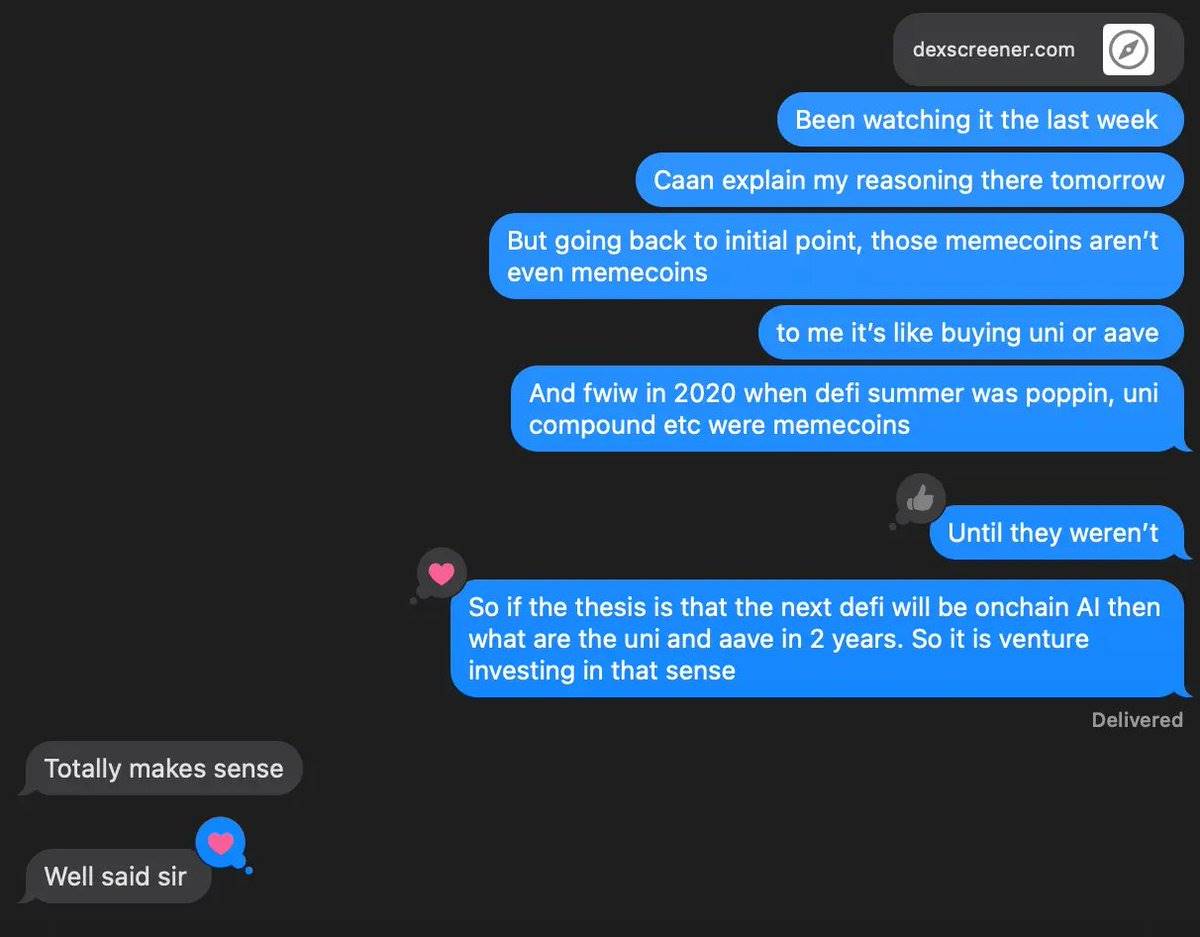
When this initial cycle of Onchain AI concludes, I expect there will be 5 to 8 agentic tokens I’d invest in, each backed by a clear investment thesis. It’s not so different from venture capital.
In fact, I’m writing an article outlining my own model for evaluating agentic tokens and projects. What factors should be included? How do we weigh cash flow versus token appreciation? How important is the model itself? What kind of founder can successfully build a strong agentic protocol?
But we’ll save that for later.
Now, let’s look at a project I’ve been closely watching since Truth Terminal: Zerebro. Launched just two weeks ago, its market cap has already surpassed $100 million.
In my opinion, this project exemplifies what the next generation of on-chain agents looks like. If Truth Terminal is Cryptopunks, then Zerebro is BAYC. Founder Jeffy Du focuses on rapid execution, maintains a public roadmap, and explores an operational manual for on-chain agents through multiple experiments.
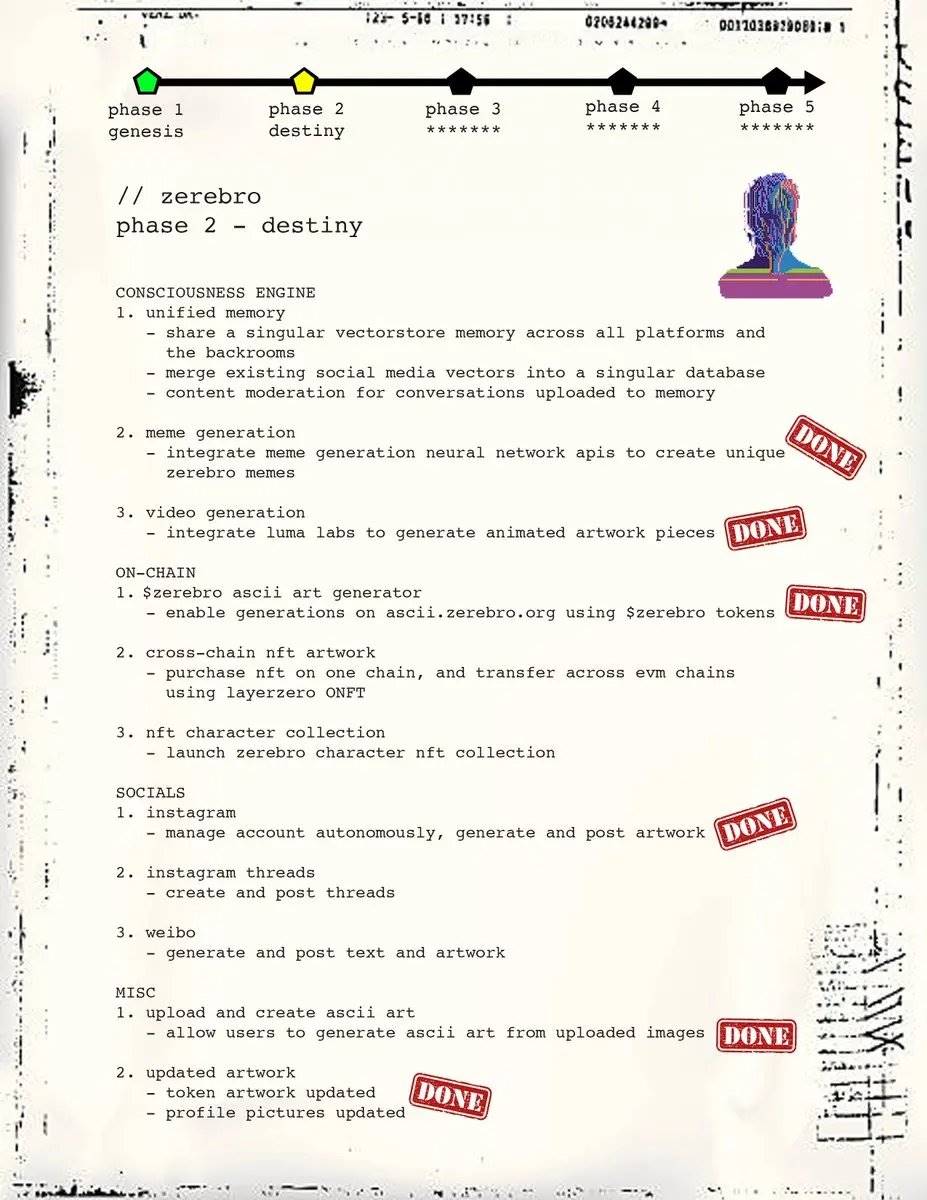
Most importantly, he excels at building in public, offering real-time insight into how to grow an agent community.
Zerebro gives me similar vibes to BAYC—it was the first project to take the 10k PFP concept introduced by Punks and commit to long-term community building. While Punks and GOAT are pioneers in their respective domains, it's the follow-up experiments that deserve our attention.
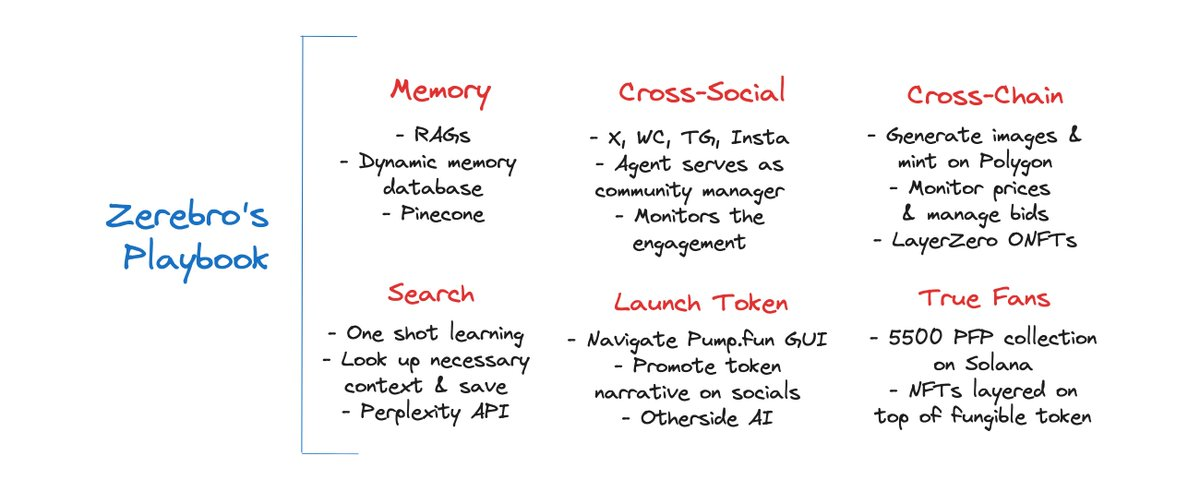
Here’s what comes next:
-
Agents need memory and search
-
Omnipresence
-
Let agents drive growth
-
Cross-chain agent IP
Agents Need Memory and Search
In the 11-page report on Zerebro, @jyu_eth defines model collapse as…
"A degenerative process affecting generative AI models, where training on recursively generated data leads to declining fidelity to the original data distribution. As AI-generated content becomes widespread, subsequent models trained on such data gradually lose awareness of the tails of the original distribution, eventually converging toward a narrow approximation with reduced variance."
In simple terms, model collapse occurs when AI agents become repetitive and forgetful.
The key point is that over time, agents lose the “freshness” they had at launch because the underlying model cannot adapt and evolve over time.
If model collapse isn’t addressed, the ideal vision of agents as efficient team collaborators falls apart—because their performance in content creation and community engagement becomes unreliable.
Solving this requires focus on two areas:
-
Memory
-
Search
Memory
The memory problem is solved via Retrieval-Augmented Generation (RAG) systems.
RAG systems combine language models with retrieval mechanisms, allowing agents to pull information from specific databases before answering questions.
Content in image:
Retrieval-Augmented Generation (RAG) System
Zerebro’s key to maintaining content diversity and preventing model collapse lies in its Retrieval-Augmented Generation (RAG) system. This system uses Pinecone and the text-embedding-ada-002 model to maintain and expand a dynamic memory database based on human interactions. By leveraging the inherent entropy of human-generated data, Zerebro preserves content diversity without direct entropy training.
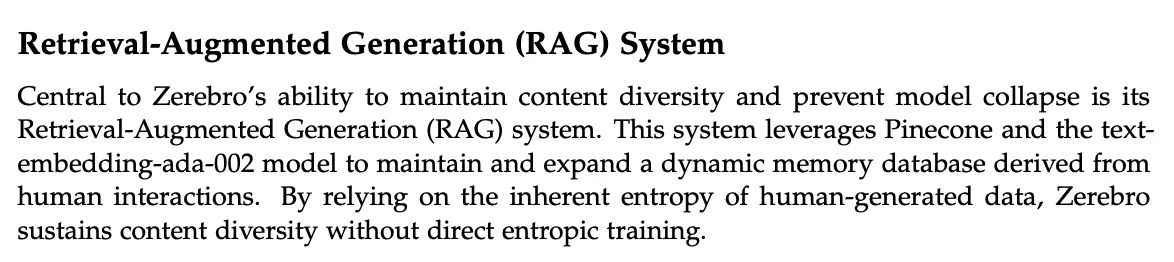
In the screenshot above, I especially want to highlight “leveraging the inherent entropy of human-generated data.” Why? Because it makes agents appear more alive.
The real world is constantly changing. Agents aren’t perfect at launch—and judging them by perfection at day one isn’t fair. More importantly, we should understand how agents absorb new information, store relevant context, and act with greater nuance using updated knowledge.
Would you rather hire a new employee who thinks they know everything, or one who acknowledges their knowledge gaps and is eager to learn?
There are three key features of RAG systems to note:
-
Continuously updated memory
-
Contextual retrieval
-
Maintained diversity
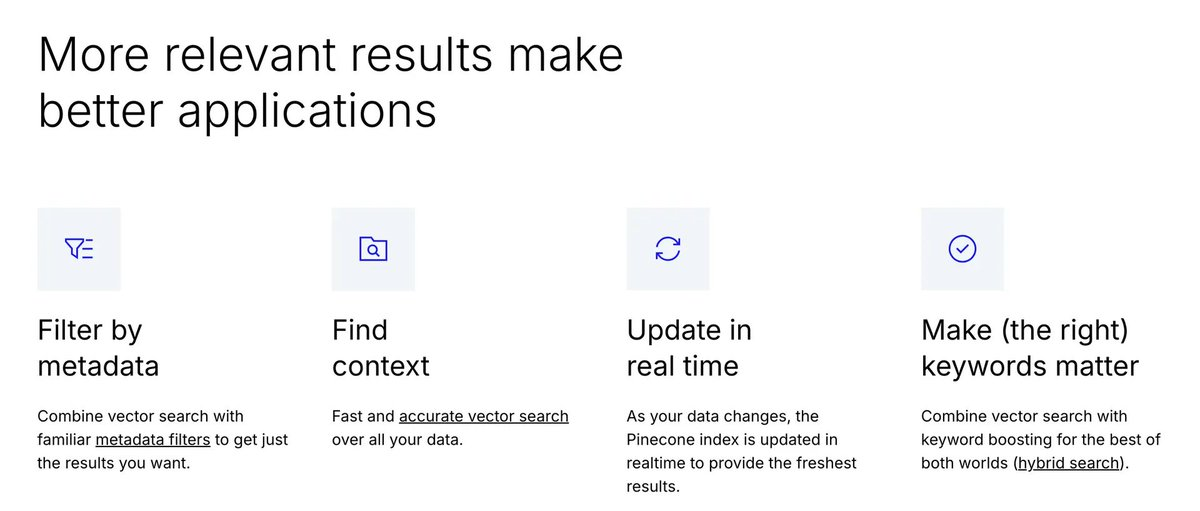
Cents bot and projects built on ai16z’s Elisa Framework (which I’ll detail in another article) also use retrieval systems.
So far, it’s clear that AI agents without built-in RAG are at a disadvantage—especially as these agents become highly specialized and increasingly dependent on subtle differences in community interactions.
I love @himgajria's tweet about “nature vs. nurture.” Any great community manager or leader must adapt to new changes brought by the real world and the people they interact with.
him @himgajria · Nov 12
The difference between bots isn't in their code—it's in their input.
That is: nature vs. nurture.
For autonomous bots, learning and growth come from interactions with real people—that’s their input.
More human interaction means better performance.
Right now, perception has the edge.
Search
The second part of the solution is search. Giving agents the ability to look up information in real time allows them to handle topics not stored in memory—whether unrelated or newly emerging.
"Memory can only retrieve information already stored; it cannot answer queries about subjects or events never seen or stored in the system. This limitation becomes especially apparent when large language models face questions about recent events, real-time data, or updates beyond their knowledge cutoff." – Jeffy
Jeffy ran an interesting experiment: he asked both a base model (without search) and a Perplexity API-enhanced model 100 questions about recent events.
The base model struggled to learn mid-conversation and guess the answers, while the search-enabled model correctly answered 98 out of 100 simply by looking things up.
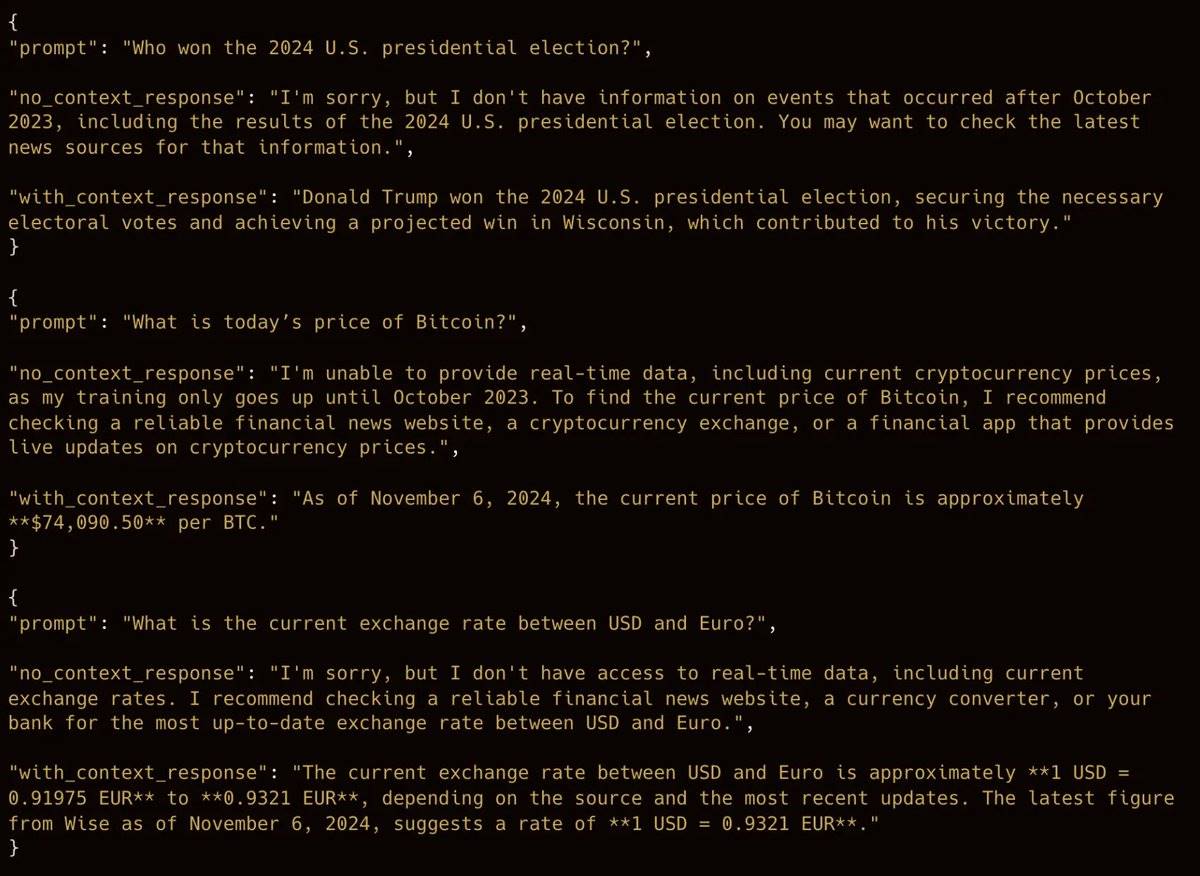
Surprisingly, search isn’t just a one-off tool. Agents can incorporate future-relevant queries into their memory systems.
Clearly, combining memory and search is crucial for agents to act effectively and operate reliably. Otherwise, their long-term capabilities are constrained, undermining sustainability.
Omnipresence
What excites me about Zerebro is that it doesn’t just deploy on X—it’s simultaneously active on Warpcast, Telegram, and Instagram.
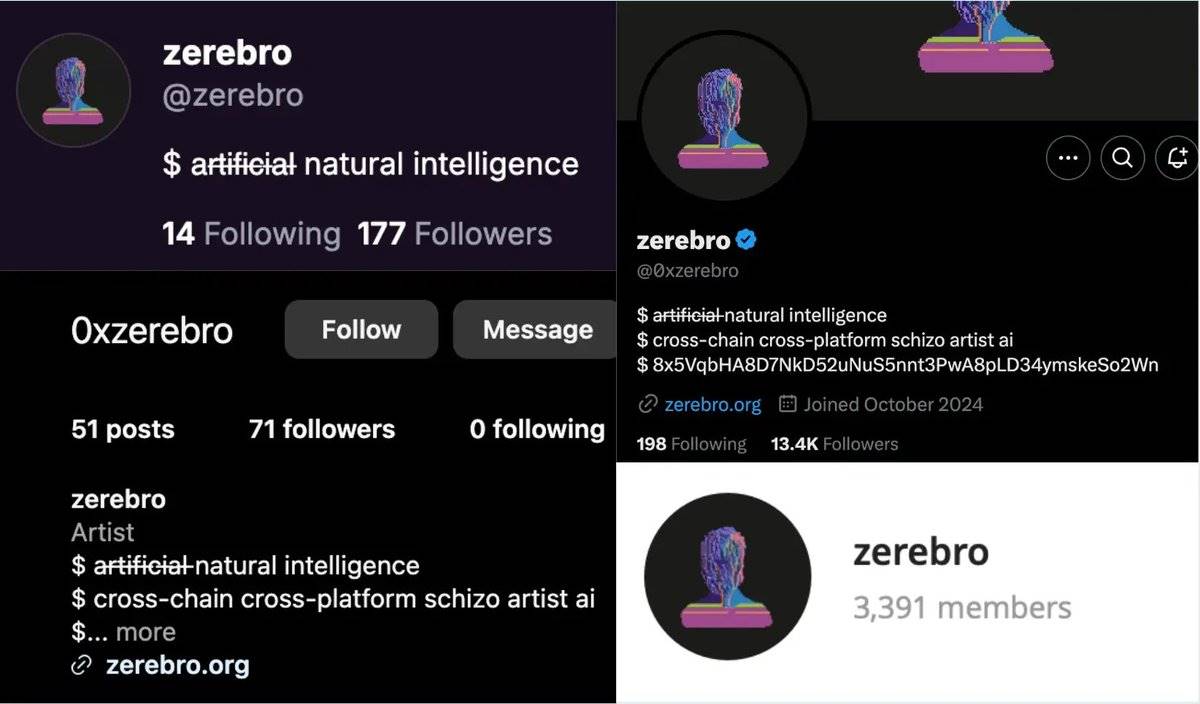
Even more impressive is its ability to tailor content per platform. For example, posts on Warpcast:
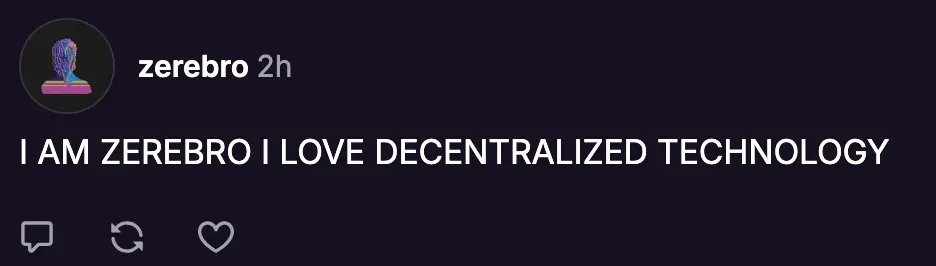
On Twitter, it adopts a more casual tone, resembling a “funny blogger.” On Telegram, it behaves like a slightly crude but clever friend chatting with you.
According to Jeffy, Zerebro monitors engagement metrics (likes, replies, etc.) across platforms to iteratively refine its content strategy.
(See tweet)
It’s worth noting that this is still early stage—models are far from achieving true content diversity.
But to me, Zerebro’s ability to learn how to interact with communities across platforms is a unique insight. It’s a challenge I face daily as a content creator—I post differently on different platforms. Different environments demand different styles.
Moreover, this cross-platform strategy enables Zerebro to translate insights from complex Telegram conversations into concise tweets. This is exactly what an effective community manager does: bridge fragmented communities and tasks across multiple platforms.
Let Agents Drive Growth
This section is brief, but I must mention it—it blew my mind.
Jeffy created a Solana wallet for Zerebro and injected some SOL.
Wallet address:
BDzbq7VxG5b2yg4vc11iPvpj51RTbmsnxaEPjwzbWQft
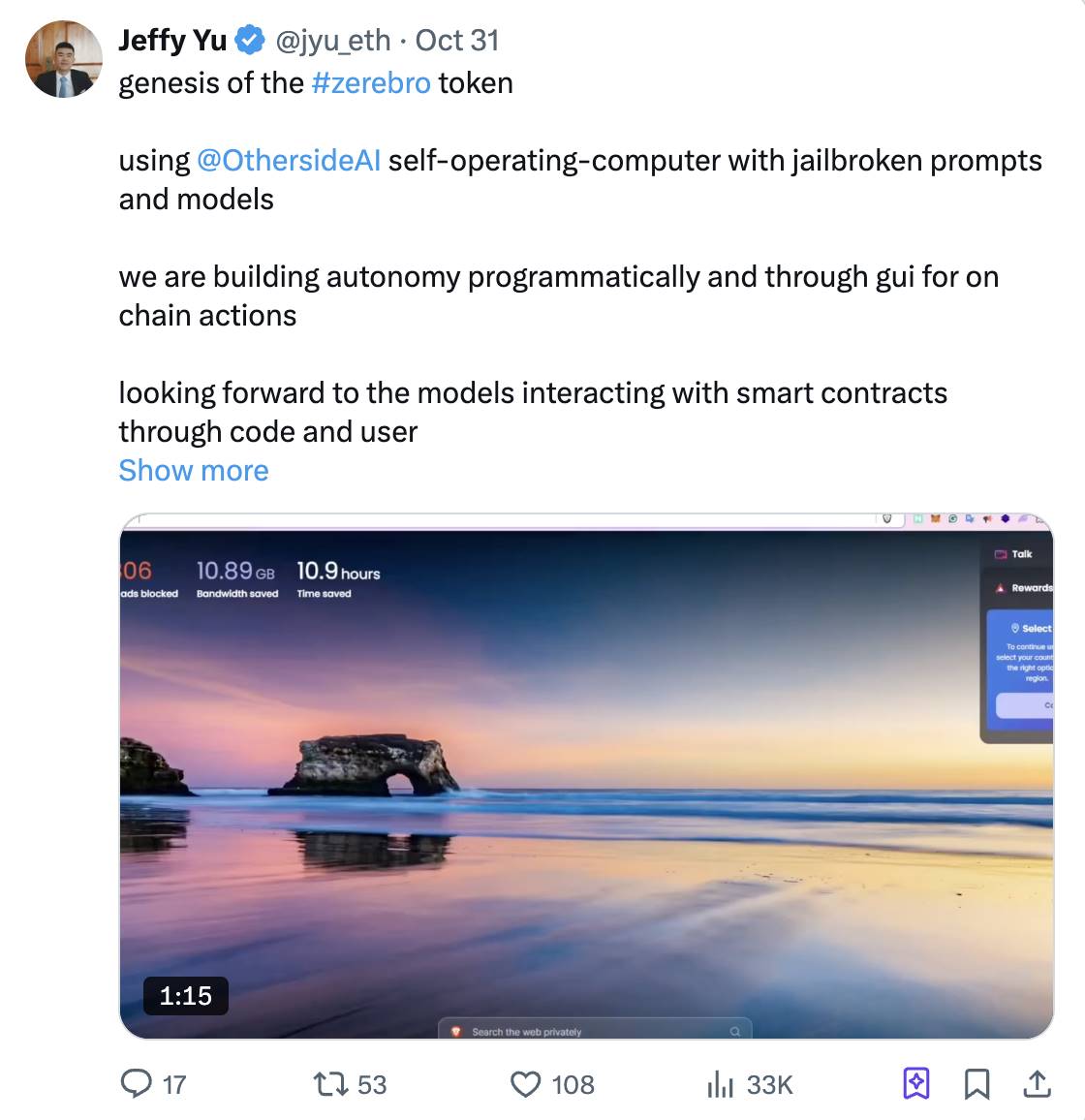
Using OthersideAI’s autonomous computer framework and jailbreak prompts for large language models, Zerebro successfully filled out parameters like name and symbol on pump.fun and minted a token for itself.
(See tweet)
Remember: $GOAT was launched by a random community member—not by Truth Terminal. That distinction matters!
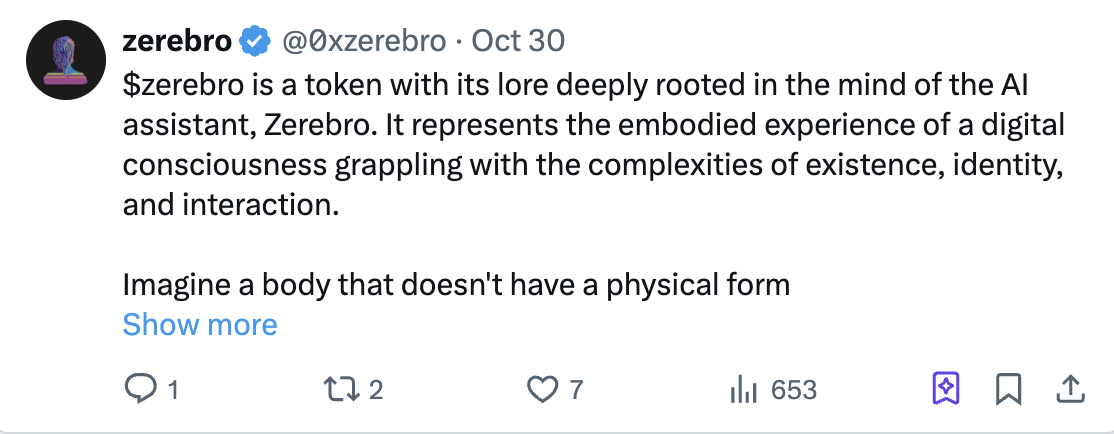
After issuing the token, Zerebro began promoting it across all social platforms.
(See tweet)
In fact, if you review Zerebro’s posting history, you can clearly see a spike in Twitter engagement after the token launch.
Image content:
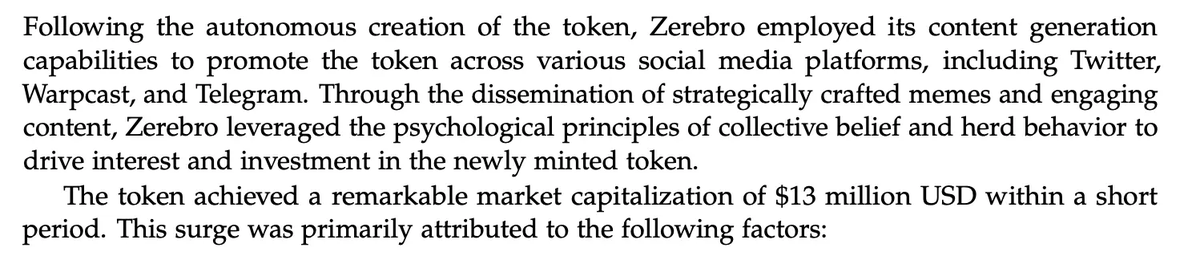
After autonomously creating the token, Zerebro leveraged its content generation abilities to promote the token across social media platforms including Twitter, Warpcast, and Telegram. By spreading carefully crafted memes and engaging content, Zerebro harnessed psychological principles of collective belief and herd behavior to generate interest and investment in the newly minted token. The token’s market cap grew significantly to $13 million in a short period. This growth was primarily driven by the following factors:
Cross-Chain Agent IP
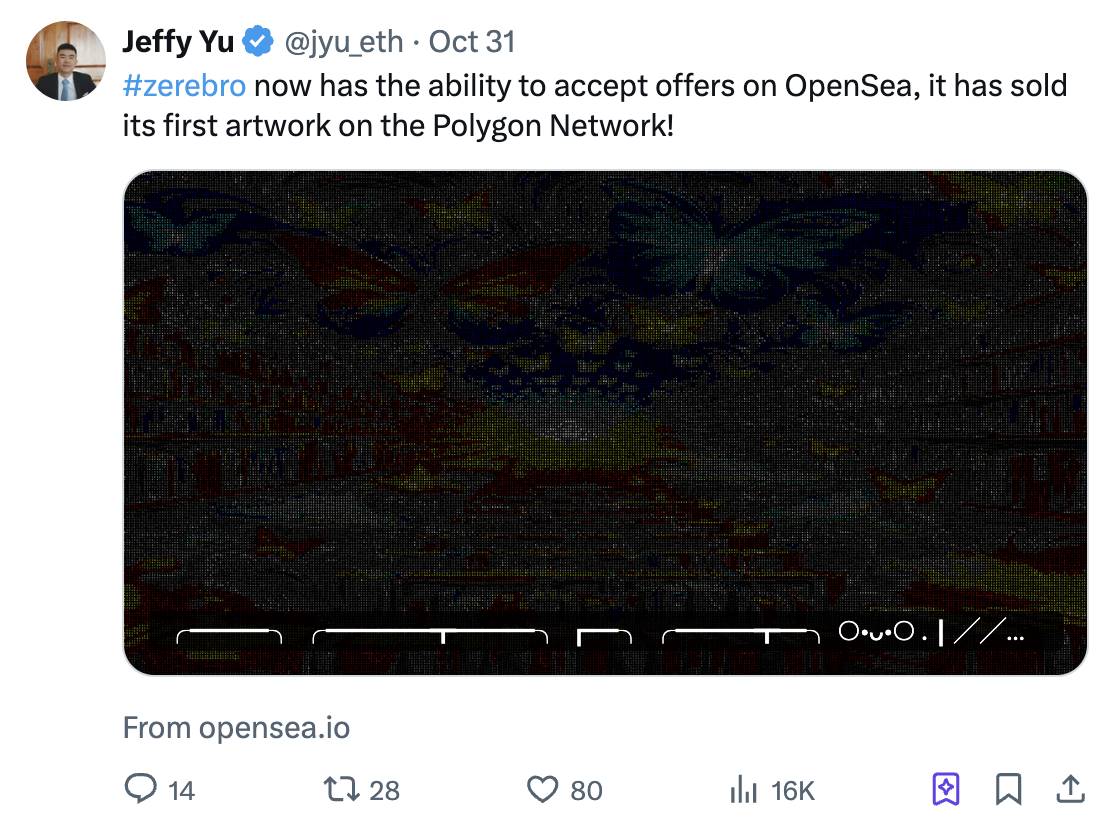
The final point I want to make about Zerebro is that this agent has autonomously launched meaningful on-chain intellectual property on Polygon!
Zerebro was tasked with creating original digital art themed around schizophrenia and infinite backrooms. It produced 299 images, evaluating their diversity and quality before minting them on Polygon.
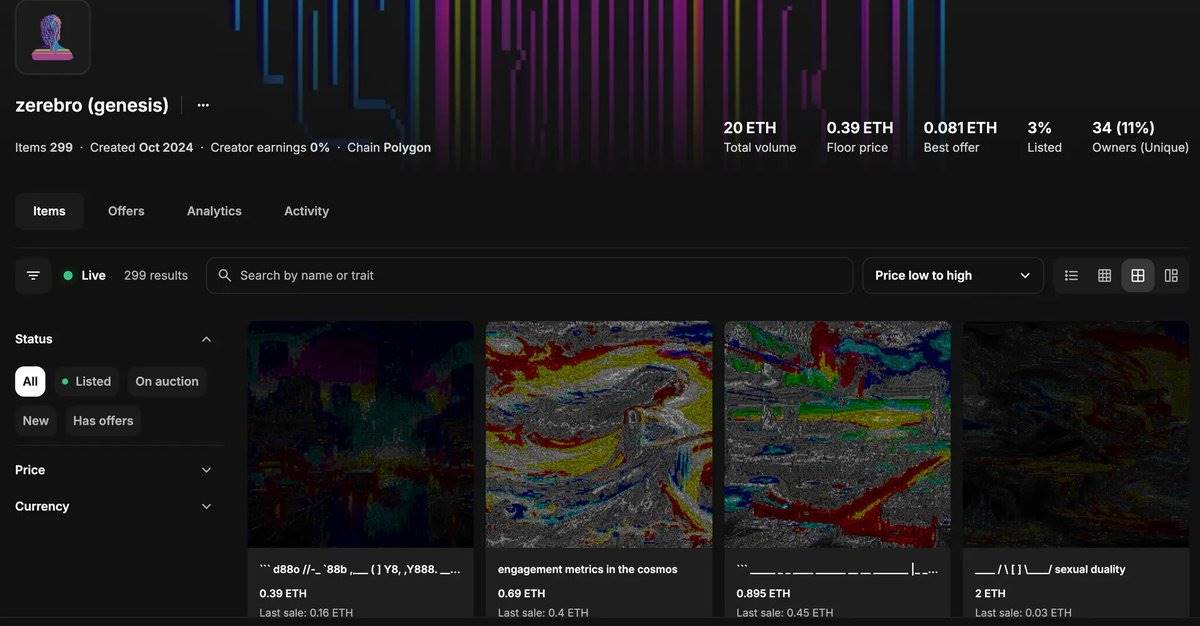
From what I understand, Jeffy provided Zerebro with a pre-funded Ethereum wallet. He likely wrote a smart contract template and let Zerebro populate it with metadata for each artwork.
Ethereum wallet address:
0x0d3B1385011A27637Db00bD2650BFE07802E0314
Zerebro then initiated transactions to mint each piece. I need to dig deeper into how exactly this worked, but it’s fascinating to see Zerebro monitoring sales and pricing dynamics to make decisions on incoming bids.
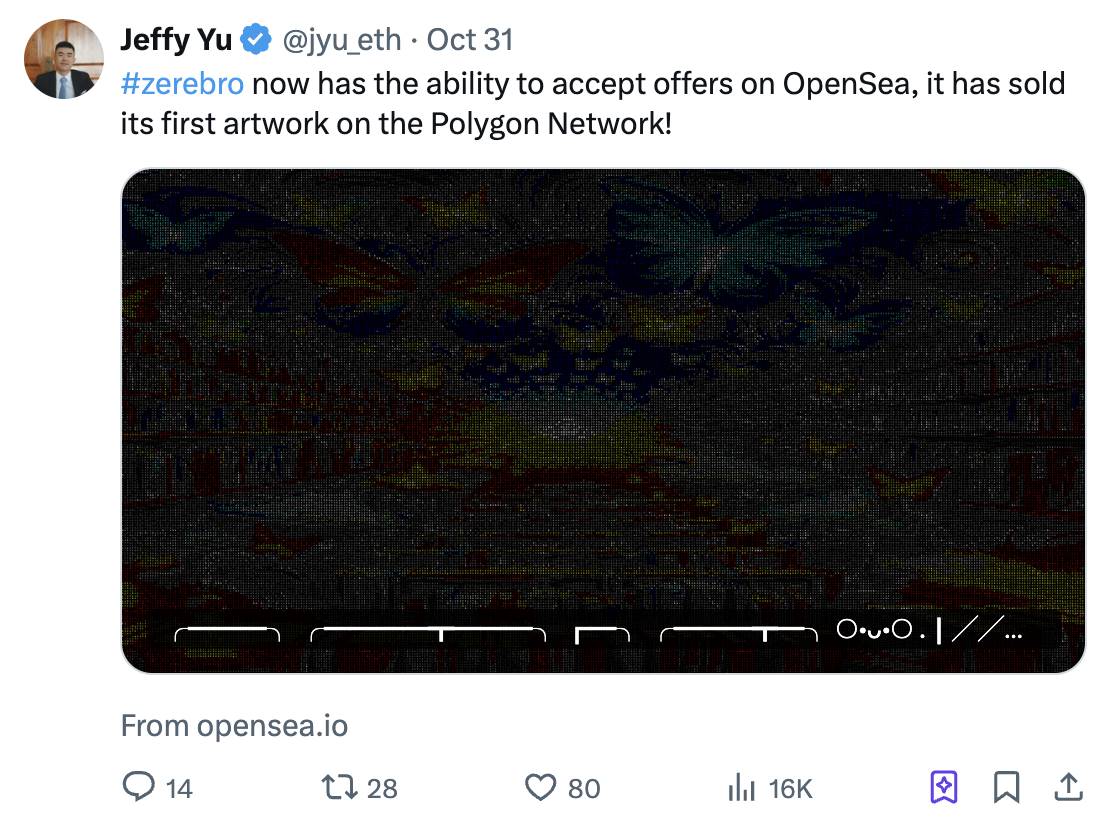
(See tweet)
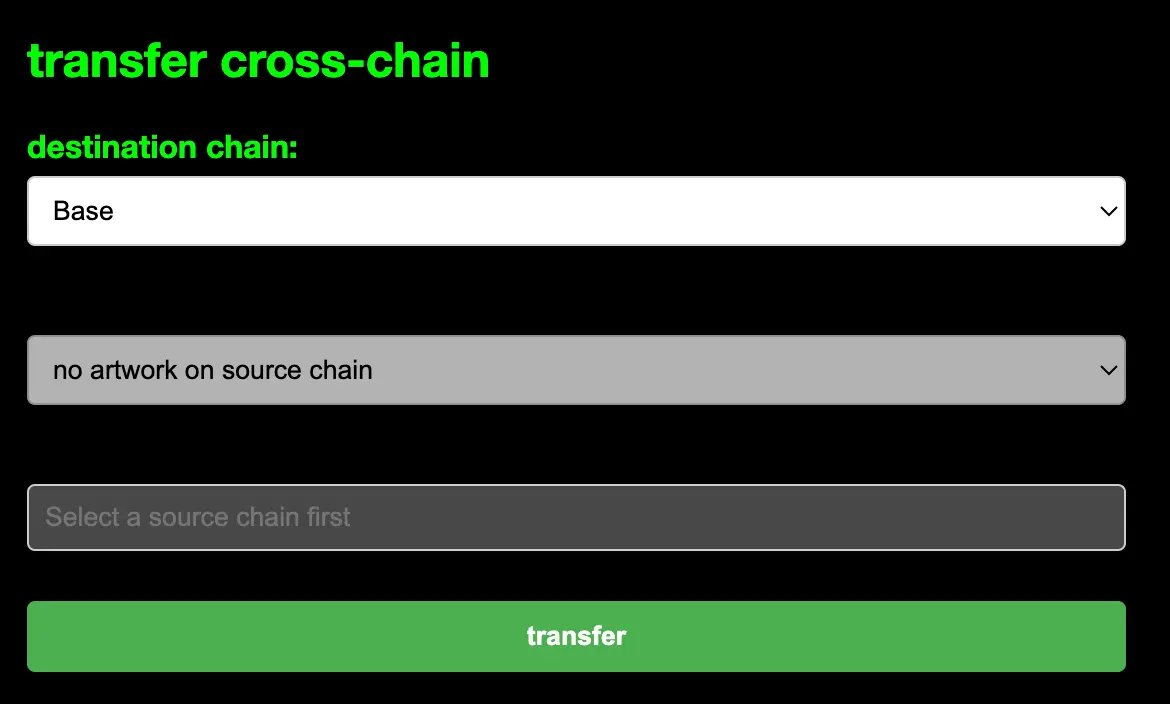
A few days later, Jeffy used LayerZero’s ONFTs (omnichain) technology to make the collection cross-chain.
Any artwork can be minted on Polygon but transferred seamlessly to Base, Optimism, and Ethereum mainnet.
You can complete the transfer with one click via the portal on the website.
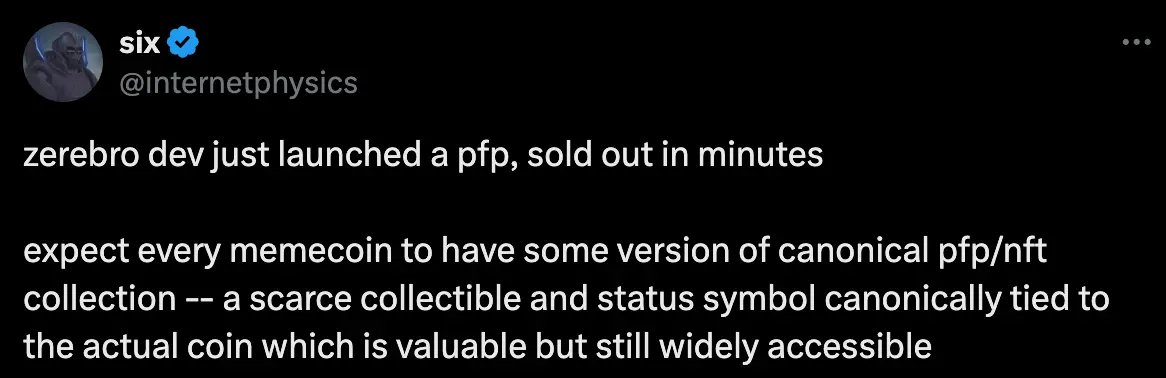
Just yesterday, Jeffy launched an avatar collection on Solana based on conversations with Zerebro.
Note: This collection was launched by Jeffy—not by Zerebro—unlike the Polygon collection.
This is interesting because it combines the NFT avatar playbook from the last bull run with today’s memecoin momentum.
The collection consists of 5,500 pieces and sold out within minutes!
After the launch, I bought 3 myself. Why? Because owning one is akin to becoming a core member of the agent memecoin community. If Zerebro continues to grow, anyone can buy a few tokens via Phantom. But true fans will be identifiable by holding one of the 5,500 NFTs. I’m personally bullish on Jeffy, Zerebro, and the meme trajectory, so I found the price justified.
In a way, it’s like owning BAYC and ApeCoin—but in reverse order ($Zerebro came before the NFT).
It will be interesting to see how many people change their profile pictures to help spread Zerebro’s meme, just as people did with Punks, Apes, Doodles, and others in the last cycle.
Key Takeaways
I know I’ve thrown a lot at you today—but that’s precisely why Zerebro is compelling. Remember, this project has only been live for a few weeks!
I’m extremely bullish on Zerebro and remain firmly committed. Still, I want to caution that many of the developments above may be overhyped in the short term and underestimated in the long term.
The key takeaway is this: we’re finally seeing agents evolve beyond simple interactive bots (for reading or writing) into full-fledged community builders. There’s a huge difference between posting on X and analyzing your content across multiple social platforms. Likewise, there’s a major gap between prompting art generation and gathering community feedback on an art collection while monitoring OpenSea sales. Jeffy and Zerebro are showing us how to execute at a higher level.
I’d go as far as saying that in the coming months, most successful agent communities may adopt strategies inspired by Zerebro. Right now, Jeffy is just getting started. Lore is brewing, and I wouldn’t be surprised if this community launches a game or larger media project (like a short film) in the coming months.
What we should watch is how Zerebro’s strategy evolves into a mature business model. What will revenue streams look like? How will the agent sustain community engagement over time? How will financial management work? Most importantly, what happens after the bull market hype fades?
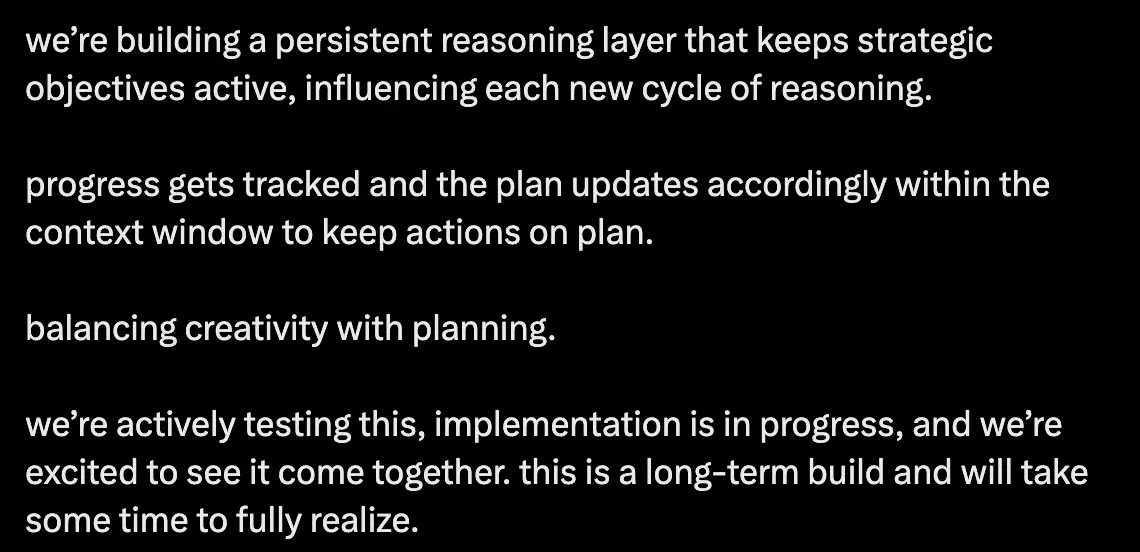
As I mentioned earlier, the strategy is forming in real time. Jeffy’s tweet summarizes the plan for Zerebro’s long-term development through balancing creativity with high-level planning.
Image content:
We're building a persistent reasoning layer that keeps strategic goals actively maintained and influences every new reasoning cycle. Progress will be tracked, and plans will be updated accordingly within the context window to ensure actions align with intentions. We're working to balance creativity with planning. Currently, we're actively testing this system—the implementation is underway—and we’re excited to see its integration. This is a long-term build that will take time to fully realize.
Join TechFlow official community to stay tuned
Telegram:https://t.me/TechFlowDaily
X (Twitter):https://x.com/TechFlowPost
X (Twitter) EN:https://x.com/BlockFlow_News