With a surge in market cap, could Sui be the next Solana?
TechFlow Selected TechFlow Selected
With a surge in market cap, could Sui be the next Solana?
Can Sui, the Layer1 newcomer from former Facebook team, become Web3's biggest dark horse?
 Navigating Web3 tides with focused insights
Written by: Adeniyi Abiodun
Translated by: Baihua Blockchain
Crypto markets performed strongly in September, with Bitcoin rising over 10%. Meanwhile, Sui, dubbed the "next Solana," saw its market cap grow by 132.2%, ranking 13th and becoming a recent focal point.
Bearing the legacy of the once-star project Libra, Sui’s five co-founders were all leading experts from different fields at former Facebook. Compared to Aptos—another inheritor of Libra—the team appears even stronger. Recently, co-founder Adeniyi Abiodun shared in detail the story behind Sui's founding team and its origins.
Below is the article:
Imagine this: your wife is in labor, giving birth to your first child, and you're pouring every last penny of your savings into a risky startup. Would you do it? I did—and that decision changed everything. It was the turning point in my life, ultimately bringing me together with some of the industry’s finest talents to found Mysten Labs and build Sui. Let me first tell you my story, then the story of Sui.
Prelude
In 2012, I worked in finance. Life and work were extremely routine. I could precisely describe every moment from waking up in the morning until leaving work. I knew exactly what tasks I’d perform, which train to take, whom I’d meet, who would sit across from me, what code I’d write, how I’d test it, how I’d debug it—and even what feedback traders would give on my latest improvements before heading home. Everything was too predictable.
For me, predictability made life boring. I craved uncertainty, a challenge—or at least a sense of room for growth. That’s when I discovered Bitcoin.
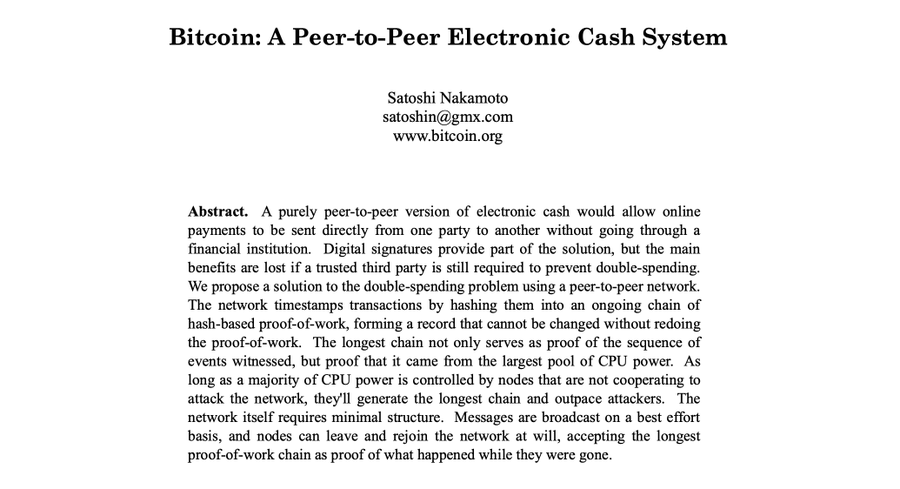
I first read the Bitcoin white paper (above) from a colleague and initially thought it sounded like a scam—nothing worth looking into. But later, after reviewing the code and re-reading the paper, I thought: “Wow, incredible! This is amazing!” The concept of decentralized assets deeply resonated with me. It wasn’t just about mining; it was a much grander vision. Bitcoin showed me that robust assets could exist outside traditional financial systems.
So I started buying Bitcoin and mining on my own. I set up a mining farm at home. Over time, I realized there was market demand and began offering mining services to others, who then paid me. Eventually, my wife asked me to move the machines out because we had no spare rooms left—the house was filled with constantly running miners. So I started renting space in data centers, eventually building my own mining company. Of course, it all unfolded naturally.
But in the end, I made an all-in decision.
Imagine being in the hospital while your wife is giving birth, and you have to admit you’ve just spent all your savings on Bitcoin mining rigs. That was my reality—and it could have ended very differently. I felt nervous and anxious, but also full of hope. I knew it was risky, but I believed cryptocurrency could change our lives. My wife was understandably angry, but I assured her this was an investment in our future. I understood that making well-considered risk decisions and pursuing one’s dreams is essential—even if it means facing uncertainty and potential failure.
I used the funds to buy mining machines, placed them in data centers, and let people pay to rent machine time. The mined Bitcoin went to them, and I charged a service fee. Most of my orders came from the U.S., and my biggest suppliers were in Texas. Given my expenses with suppliers and income from the U.S., expanding operations there made perfect sense.
So I boarded a plane to the U.S. What was supposed to be a six-month temporary relocation—to collaborate with suppliers and wait for equipment deployment—turned into long-term settlement. Of course, this wasn’t the first time I’d abruptly moved to a new place, adapting to new environments and making new friends.
A Nigerian Kid with an Aberdeen Accent
Let’s go back to the beginning.
I was born in Nigeria and lived there until age eight. Then, my father pursued a Ph.D. in economics, so our family moved to Aberdeen in eastern Scotland, where he completed his doctorate (my brother later followed the same path). As a result, I developed a strong Aberdeen accent—which is odd, you know: a kid from Nigeria speaking with a Scottish accent. Quite strange.
After my father finished his degree, we moved again—this time to England. He started working but soon made a bold decision: resigning to become a full-time pastor, fully devoting himself to serving God. This taught me: anything is possible. You’re not confined to your past choices.
As for my mother, she’s a natural-born entrepreneur, always investing in businesses and real estate. Honestly, she might be the best negotiator I’ve ever seen. When going to the market, she’d negotiate to an almost embarrassing extent, always getting exactly what she wanted. She never easily accepted “no.” …Maybe I inherited a bit of that—but nowhere near her level.
This journey wasn’t always smooth—moving, adapting, watching my parents bravely take bold steps. But looking back, I wouldn’t change a thing. My parents inspired me enormously: living in predictability is profoundly dull.
As you can see, I kept moving during childhood, eventually studying at Queen Mary University. But honestly, I had zero interest in academics—I just wanted to play games and have fun. Only when exams came around did I realize the pain of unpreparedness.
I noticed many of my old friends had no future—some ended up in prison, others involved in shady affairs. I thought: this isn’t the life I want, especially as an African. If I continued down this path, I’d be ruined.
So I decided to change. I studied hard and barely managed to get into Queen Mary University. Upon enrollment, I took a year-long foundation course to figure out my direction. I was interested in astrophysics, but gradually realized I needed something more practical. Theory was fine, but I preferred hands-on work.
So I dropped astrophysics and switched to electronic engineering and computer science. That’s where my passion for computers, programming, and software development truly began to grow.
After graduation, I joined a startup developing software and hardware for remote monitoring of oil and gas production. Later, I moved into finance, building trading systems and risk management platforms. Working at JPMorgan and HSBC was interesting at first, but gradually became boring.
Like I said, everything was too predictable. I could map out every step from waking up to leaving work. And I couldn’t see where I could create long-term value or meaningful impact. I didn’t want 1% improvement—I wanted 100x change, achievements I could repeatedly talk about with pride.
Thus, relocating to the U.S. due to my Bitcoin mining business turned out to be a blessing. I realized the technology pioneered by Bitcoin wasn’t just about peer-to-peer cash—it could transform how our world operates. I began seeing the bigger picture.
Finding Clarity Through Burnout
After spending some time in Bitcoin mining, I felt disappointed. It seemed we weren’t making significant progress beyond mining. Mining was just one piece—what else could we do?
Given my background in enterprise, especially working with major banks, I started thinking blockchain technology could be the key to solving enterprise problems. So I decided to bring blockchain into enterprises. These experiences led me to Oracle and VMware—VMware being a software company focused on cloud computing. Joining VMware was a new challenge: they were developing a blockchain-based enterprise solution, but progress was slow, with almost no other products—just algorithms.
We needed to build new products, launch them, sell to enterprises and customers, and race against earlier players like IBM and Oracle. This put immense pressure on me.
I knew the crypto industry moves fast, so I had to deliver quickly—because failure feels terrible. I never wanted to fail because I didn’t try hard enough. I couldn’t accept failing due to lack of effort.
Competitiveness and the Lesson of Burnout
Worse still, I’ve always been highly competitive. Whether playing football, basketball, or video games, I always wanted to win. For me, true victory meant a landslide. I didn’t want to beat you 1-0 in FIFA—I needed to win 6-0. A clear margin was the only satisfying victory, right?
So within a short time, I took on too many responsibilities—there was simply too much work. I found myself handling marketing, engineering, product development, constant travel, and meetings. It was way too much for one person, but I was highly motivated.
I kept telling myself and my team: “We must excel—we’re behind and need to launch this product ASAP.” I worked 20 hours a day, seven days a week. On commutes to and from the office, I was working, coordinating across time zones. I felt unstoppable.
But soon I realized the real problem wasn’t technical—we could solve that—it was ownership. Every company wanted control over the infrastructure they needed, making collaboration difficult. Each wanted their own slice of the pie, unwilling to work together toward a common goal. That’s when I experienced burnout for the first time—like being hit by a truck. Within six months, I was completely drained.
This experience taught me: failure shouldn’t be viewed as a short-term event. We need to focus on long-term goals—a principle we still uphold at Sui. We’re not chasing quick wins, but building a truly decentralized internet.
This isn’t about 1% improvement—it’s about 100x gains. I want this to be something I can repeatedly talk about with pride. But it also requires a team equally committed to 100x outcomes—and it all started with Facebook’s Libra project.
Meeting the 100x Team
After burning out at VMware, I joined Facebook.
At Facebook, I began working on a project called Libra—an incredibly ambitious initiative. Facebook formed a consortium aiming to build a global digital currency and payment system. What attracted me to Facebook was the kind of teamwork we couldn’t achieve before: at Facebook, people genuinely rallied around a shared mission.
Although the “launch problems” I’d seen at Oracle and VMware still existed, I felt Facebook addressed them through the Libra and Diem consortium, focusing on building this infrastructure for the entire world.
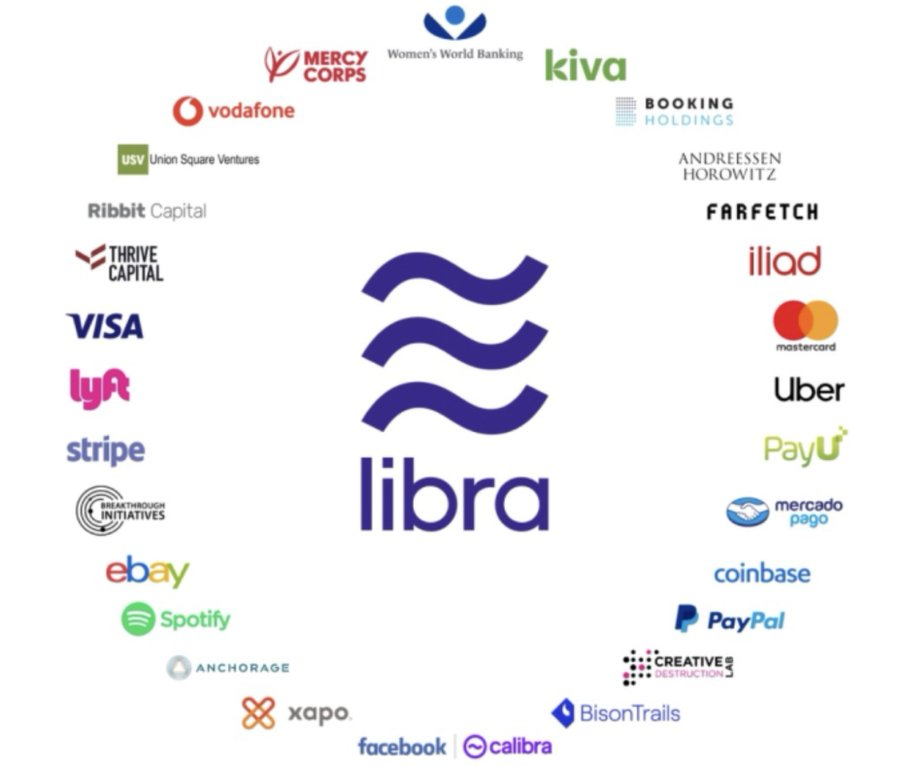
Our goal was to make sending money online as simple as sending an email. We saw this as public infrastructure that could genuinely help the world. Honestly, after previous experiences, working at Facebook felt much easier—the environment was completely different.
Facebook assembled one of the best research teams I’d ever seen—professors from Stanford, outstanding computer scientists, brilliant minds from around the globe.
My collaborations with David Marcus and Kevin Weil were excellent. Everyone was passionate about achieving our goals, and the team culture was fantastic.
However, despite having so many talented people, we still faced huge challenges. The biggest issue was public distrust due to Facebook’s history with privacy and data. Many doubted their ability to launch a new financial system.
Think about it: if you woke up tomorrow and found 2 billion people had “Facebook Bank” accounts, it would instantly become the largest bank in the world. That’s terrifying for any nation.
The general public sentiment was: “I don’t trust Facebook because it’s a monopoly.” That was the problem we wanted to solve: how to build trust on a foundation of distrust? In the end, Libra failed. Looking back, we probably underestimated the pressure Congress would exert on Facebook. Still, I genuinely believe Mark Zuckerberg and David Marcus deserve credit for daring to attempt what others wouldn’t.
In the end, Facebook’s failure opened opportunities for companies like PayPal, Visa, and Circle. Their investments in Libra and the subsequent cancellation of the project actually paved the way for others. I think they deserve recognition for that.
Seeing such a talented team fail due to external factors was truly heartbreaking. It was the best team I’d ever worked with—and I had no idea what to do next.
An Unplanned Dream Team
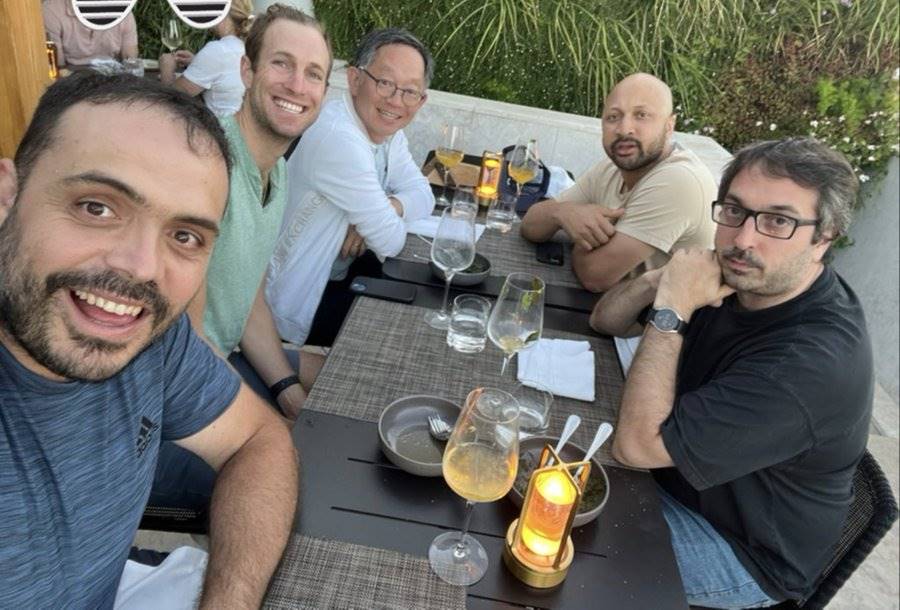
The five co-founders of Sui
I’d also say, Libra’s failure contained the seeds of personal success. Without that failure, I wouldn’t have had the chance to collaborate with these exceptional individuals, who eventually came together to found Mysten Labs and launch Sui. Reflecting on my time at Facebook, one thing stood out: Evan and his team amazed me. Evan is an outstanding leader and visionary.
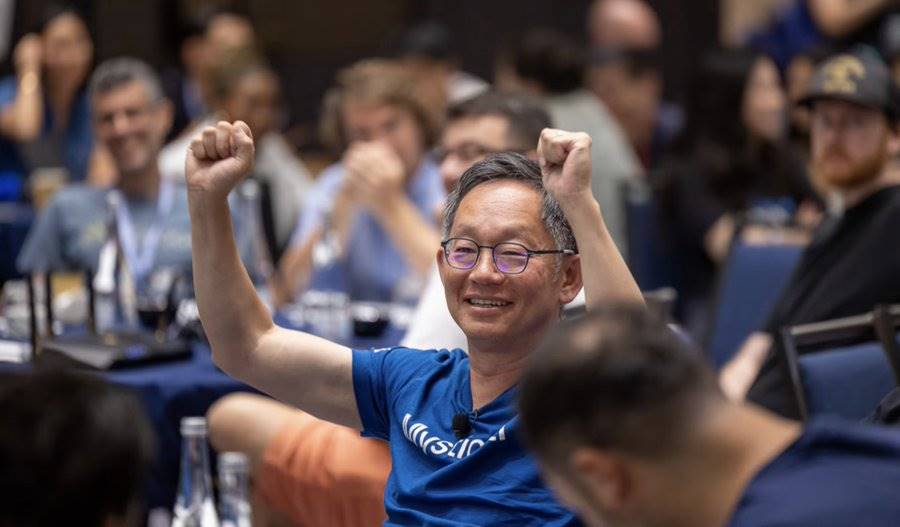
Evan
Evan is one of the primary innovators behind LLVM, the technology powering most iPhones and countless other devices we use daily. It’s a massive breakthrough in tech, earning him the prestigious ACM Prize in Computing—a honor also given to many top computer scientists.
He led R&D teams at Facebook, filled with “mad scientists” creating things we now use every day. So when I got the chance to work with Evan and his team, I seized it immediately. This experience helped me form close bonds with the future co-founders of Mysten Labs.
With Libra/Diem’s launch seemingly delayed indefinitely, Evan and I met up. He asked: ‘If we were to start a company, who would you want to work with?’ He posed the same question to other founding members. Everyone gave the same answers—clearly, it was destiny. Sam Blackshear, one of Facebook’s top engineers, conceived the Move programming language. This guy is a genius.
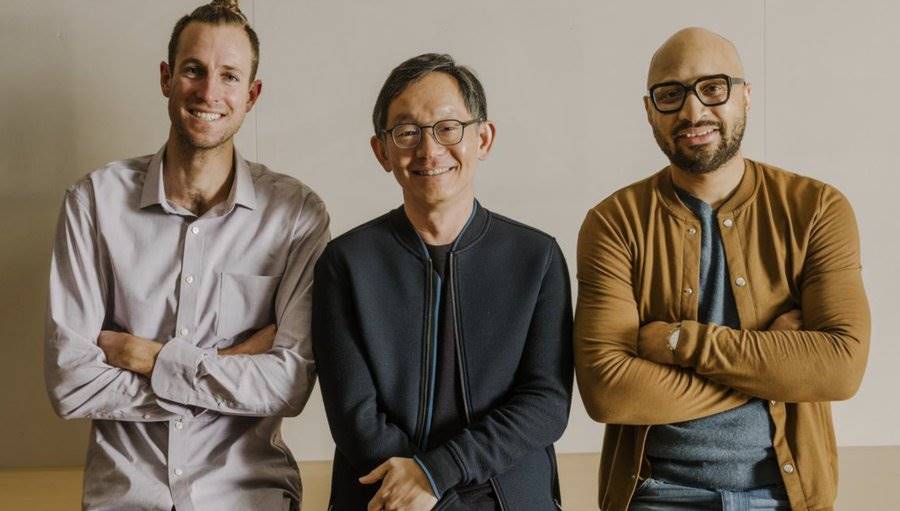
Left: Sam Blackshear; Center: Evan; Right: Adeniyi Abiodun
Next, consensus expert George Danezis.
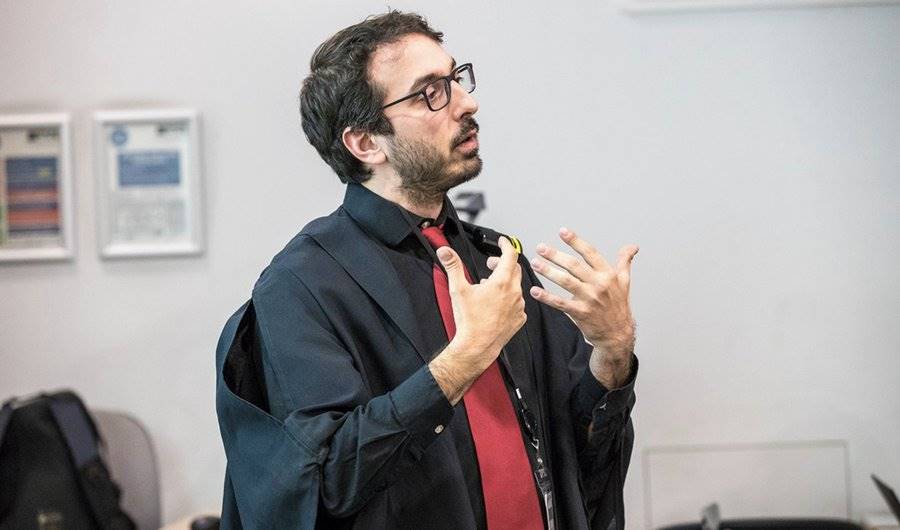
Facebook actually acquired his company Chainspace to help build Libra—proof of his caliber.
Finally, Kostas ‘Kryptos’ Chalkias, whose innovations are truly astonishing.
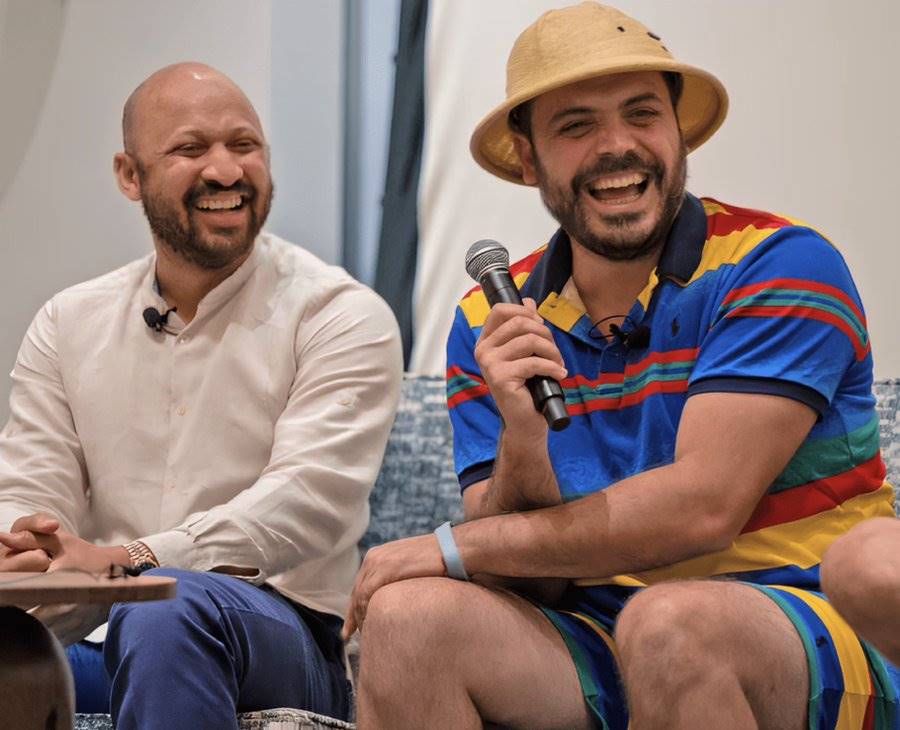
At Facebook, he was the go-to person for all things cryptographic. Many encryption algorithms used in WhatsApp—among the world’s most widely used apps—were developed by him.
We held a group call, and everyone named the exact same people. So we decided: “Let’s just do it!” No arguments over roles or responsibilities. Honestly, we didn’t even know exactly what we’d build yet. But one thing was clear: we wanted to work together. That’s how Mysten Labs was born—a fantastic beginning.
A Global Coordination Layer for Smart Assets
Libra’s vision was to make remittances as easy as sending emails, relying on a consortium of companies to control the infrastructure. When we founded Mysten Labs, we realized this vision was too narrow. We wanted to build something bigger, open, and decentralized.
We weren’t chasing quick success. As I said earlier, this isn’t about 1% improvement—it’s about 100x gains, something I could repeatedly talk about with pride.
The world is undergoing full digital transformation—every asset is becoming digital by default. Today, the internet excels at transmitting data, but falls short when transferring value or intent. If I want to send you money, we face a mess of protocols, none of which truly controls the funds.
What kind of internet infrastructure is needed to create a world where assets can be seamlessly built, coordinated, and composed?
If we’re to have billions of assets, with each person owning their own, how can we coordinate their intentions uniformly so others can participate?
We realized: this was our mission.
So from the ashes of Libra, Sui’s vision emerged: a global coordination layer for digital assets. An ambitious goal.
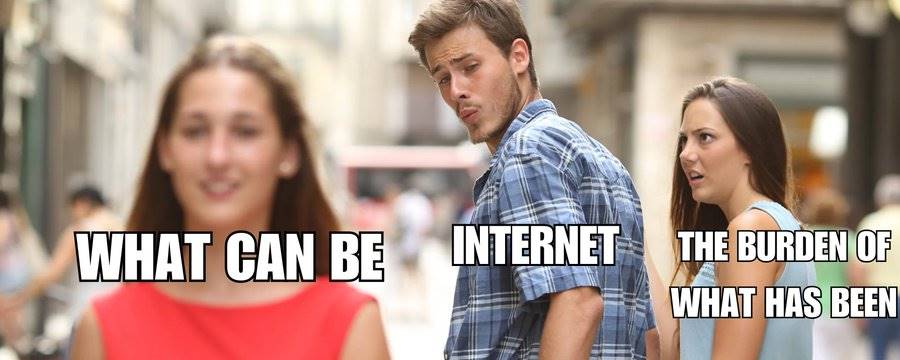
But here’s the key: we knew we had the capability to tackle this challenge.
We aren’t just a group of tech enthusiasts playing with crypto. Many on our team have experience building systems and applications scaling to billions of users. We possess the necessary technical expertise and real-world experience to deliver a product that truly works globally.
To me, it all fits perfectly: a grand vision, a team I fully trust, and the opportunity to profoundly shape the future of the internet.
I believe we have the talent to achieve this.
As development progressed, our team’s strength became increasingly evident. From the fastest consensus protocol to object-oriented design, to delivering the industry’s best developer experience, Sui gradually took shape.
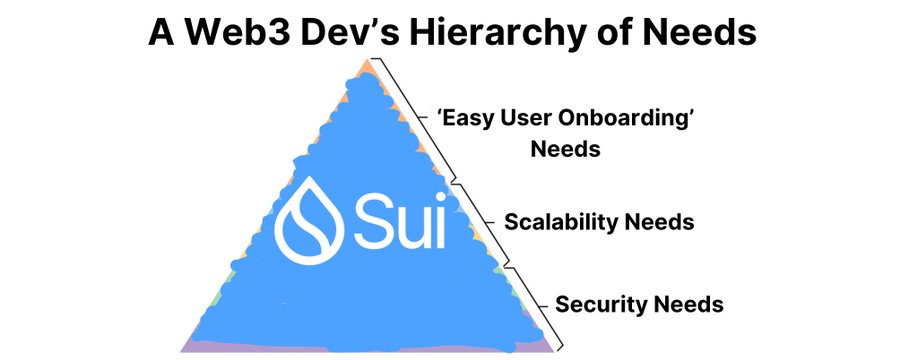
We also realized the full vision isn’t just a global coordination layer. We need a storage layer and network infrastructure. We’re partnering with Walrus to build a global storage layer. Next, we’ll build a global networking layer. Step by step, we’re constructing the entire tech stack.
I can confidently say no other L1 blockchain today matches the vision or technology we’re pursuing at Mysten Labs. And no other company has a team with our caliber of talent. This is why I believe we will succeed. As I said earlier, I hate losing. I’m someone who doesn’t accept failure—and this is a race I firmly believe we will win.
You might wonder, why spend so much time telling my personal story instead of diving straight into the exciting details of Mysten Labs? I believe understanding my background is important—it helps you see the full picture. On the surface, it may seem smooth, but it wasn’t. Like the crypto world itself, my journey has been full of twists—instability, uncertainty, sometimes even recklessness. If you’ve made it this far, thank you for your patience. If you’re more curious about Sui’s vision, stay tuned for the next article—we’ll dive deeper.
Join TechFlow official community to stay tuned
Telegram:https://t.me/TechFlowDaily
X (Twitter):https://x.com/TechFlowPost
X (Twitter) EN:https://x.com/BlockFlow_News
 @EmanAbio