








Asia Web3 Market Q3 Report: Frequent New Regulatory Frameworks, Government and Industry Jointly Driving Market Growth
TechFlow Selected TechFlow Selected
Asia Web3 Market Q3 Report: Frequent New Regulatory Frameworks, Government and Industry Jointly Driving Market Growth
To date, much of the change in Asia has been driven by governments, large institutions, and corporations, while mass-market services面向普通消费者的大众市场服务 remain in their early stages.
 Navigating Web3 tides with focused insights
Author: Tiger Research Reports
Translation: TechFlow
Key Takeaways:
The Web3 market in Asia is growing rapidly, driven by a tech-savvy population, proactive government policies, and broad corporate engagement. Leading countries such as South Korea, Japan, and Vietnam are at the forefront of this transformation.
-
New regulatory frameworks in South Korea, Indonesia, and Thailand are fostering blockchain innovation, with sandbox environments encouraging experimentation in real-world assets (RWAs), decentralized finance (DeFi), and digital asset services.
-
Emerging markets like China and Cambodia present both opportunities and risks. Despite regulatory restrictions, unofficial participation in China remains significant, while Cambodia offers growth potential for SMEs willing to navigate legal complexities.
1. Tiger Research’s Focus on Asia
Source: Chainalysis
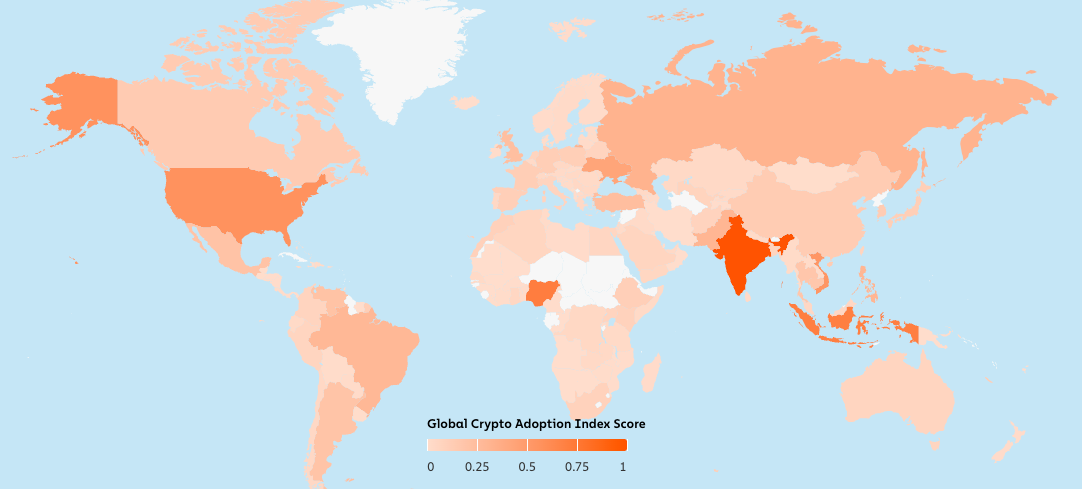
At Tiger Research, we focus primarily on Asia's Web3 market due to its immense potential and rapid growth. Asia stands out for four key reasons: 1) a young and tech-literate population, 2) high levels of technology adoption, 3) well-developed regulatory frameworks, and 4) proactive corporate engagement. These factors are positioning Asia as a global leader in the Web3 space. Among the many countries in the region, we are currently focusing on the following major markets:
-
South Korea: Enterprise companies are entering the Web3 space, with blockchain gaming development playing a central role. Major game developers are actively preparing to launch blockchain games, signaling a shift in the industry.
-
Japan: Government-led initiatives are driving a revival in the Web3 sector and encouraging active corporate participation. Major companies with global IPs, such as Sony and Bandai Namco, are expected to make significant contributions.
-
Indonesia: With its large population and rapidly expanding market, Indonesia holds substantial long-term potential. The government's proactive stance—including plans for a state-backed cryptocurrency exchange—further strengthens this outlook.
-
Vietnam: Vietnam is poised to become an "Web3 powerhouse" in Asia, thanks to high technology adoption among its young population and a competitive developer community.
-
Thailand: Thailand sees strong involvement from the government, financial institutions, and the public in the crypto market. Traditional financial institutions are leading the way in Web3 initiatives.
-
Singapore: Although Singapore has clear regulations and innovation-friendly sandboxes for ICOs, STOs, RWAs, and payments, declining corporate support poses challenges.
-
India: India possesses vast potential in Web3 due to its large talent pool and thriving startup ecosystem. Success stories like Polygon highlight India’s ability to drive global Web3 infrastructure projects. These countries are leveraging their unique strengths to shape the future of Asia’s Web3 landscape. Monitoring developments in these markets during Q3 will provide valuable insights into emerging trends and opportunities across Asia’s Web3 sector.
2. New Regulatory Frameworks
2.1 South Korea: Questions Over the Law’s Effectiveness
On July 19, 2024, South Korea launched the Virtual Asset User Protection Act to strengthen investor protection and ensure market integrity. Key provisions include: 1) a clearer definition of virtual assets, 2) mandatory interest payments on customer deposits, 3) insurance requirements in case of incidents, 4) enhanced regulation of unfair trading practices, and 5) strict penalties for market manipulation (MM).
One immediate impact was that major exchanges such as Upbit and Bithumb began competing to offer 2–4% interest rates on customer deposits. Additionally, token issuance projects have strengthened internal controls to comply with the new regulations.
Source: Bithumb, Gate.io, Tiger Research
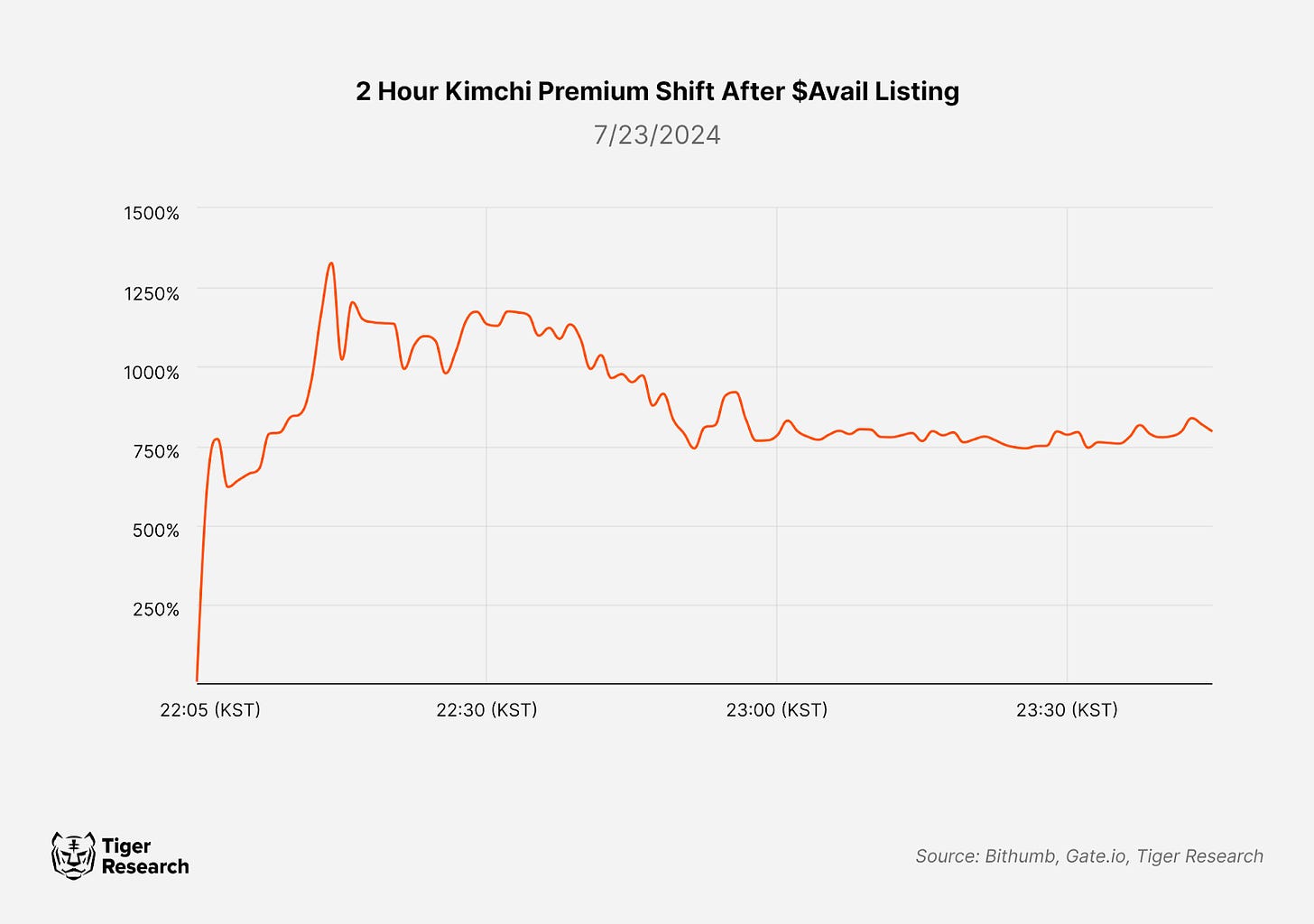
However, the $AVAIL case raised questions about the law’s effectiveness. Reports indicate arbitrage trades generated approximately 1 billion KRW in profit due to significant price differences between domestic and global exchanges. This highlights ongoing issues such as price manipulation and market interference. Due to a lack of thorough investigation, doubts remain about the actual impact of the legislation.
2.2 Indonesia: Launching a Blockchain Technology Sandbox
In June 2024, Indonesia’s Financial Services Authority (OJK) introduced a sandbox framework under Regulation No. 3/2024 on Technological Innovation in the Financial Sector (POJK 3/2024). This regulation covers a wide range of blockchain-related technologies and is expected to bring previously unregulated financial services into the formal system.
Key areas include virtual asset services such as staking and stablecoins, which now have the opportunity to be tested within a regulatory framework and potentially gain official recognition. The sandbox is expected to foster the development of new financial services, especially at the intersection of blockchain and traditional finance, and in the tokenization of real-world assets (RWAs). These innovations could transform Indonesia’s financial markets.
This on-site inspection indicates that the new regulations are being actively used for market oversight. Looking ahead, we will continue assessing the effectiveness of these rules and monitoring market responses to ensure sustainable growth in South Korea’s virtual asset market.
The sandbox reflects Indonesia’s proactive approach to supporting financial innovation while ensuring consumer protection and market stability. This initiative is expected to further accelerate the growth of Indonesia’s fintech industry.
Participating companies must meet specific criteria, such as demonstrating innovative and unique services tailored to Indonesian consumers and businesses. They must also submit required documentation to OJK during the application process. Approved firms will have one year to test their services, followed by six months to obtain full licensing after evaluation. This balanced approach offers flexibility for fast market entry while allowing sufficient time for service testing and optimization.
2.3 Thailand: Expanding Sandbox Regulations to Real-World Asset Markets
Thailand’s Securities and Exchange Commission (SEC) has taken significant steps to promote innovation in digital assets and Web3. In August 2024, the SEC launched a digital asset sandbox to complement its existing comprehensive licensing framework. This sandbox allows testing of key initiatives aligned with emerging market trends.
The sandbox provides room for experimentation in areas including real-world asset (RWA) tokenization, payment systems, security protocols, and decentralized finance (DeFi). Bitkub Academy, a subsidiary of cryptocurrency exchange Bitkub, expressed optimism, calling it a great opportunity for entrepreneurs to test innovative ideas within a legal framework.
This move is also expected to directly benefit users by enabling them to experience new features and products in digital assets and Web3. A notable example is RealX, Thailand’s first tokenized real-world asset, which listed on the Bitkub exchange thanks to the SEC’s openness to innovation.
Looking forward, as new possibilities emerge in Thailand’s digital asset market, more groundbreaking projects are anticipated. Meanwhile, the development of clear and comprehensive laws and regulations is expected to enhance market stability. Thailand’s proactive stance will play a key role in shaping the future of its digital asset ecosystem.
3. New Government Initiatives
3.1 India: National Blockchain Framework (NBF)
On September 4, 2024, the Indian government launched the National Blockchain Framework (NBF), marking a significant step in its digital transformation strategy. The NBF is not merely about adopting technology—it represents an ambitious plan to build a more secure and efficient digital infrastructure by overcoming limitations of traditional systems amid India’s rapid digitization.
Key objectives of the NBF include enhancing transparency in the public sector, combating corruption, promoting technological innovation, and driving economic growth. Additionally, the initiative aims to improve citizen-centric services. By leveraging blockchain’s immutability and transparency, the NBF seeks to increase the reliability of government transactions and records, making data manipulation more difficult and strengthening public trust in government systems.
Praamaanik, Source: NBF brochure
Key components of the NBF include:
-
Vishvasya Blockchain Stack: A blockchain-as-a-service (BaaS) solution providing decentralized infrastructure, enabling startups and enterprises to quickly develop new blockchain-based services. By utilizing government data, this stack aims to accelerate blockchain adoption across public and private sectors.
-
NBFLite: A lightweight blockchain platform designed for startups and academia, supporting rapid prototyping, research, and education to advance blockchain innovation and talent development in India.
-
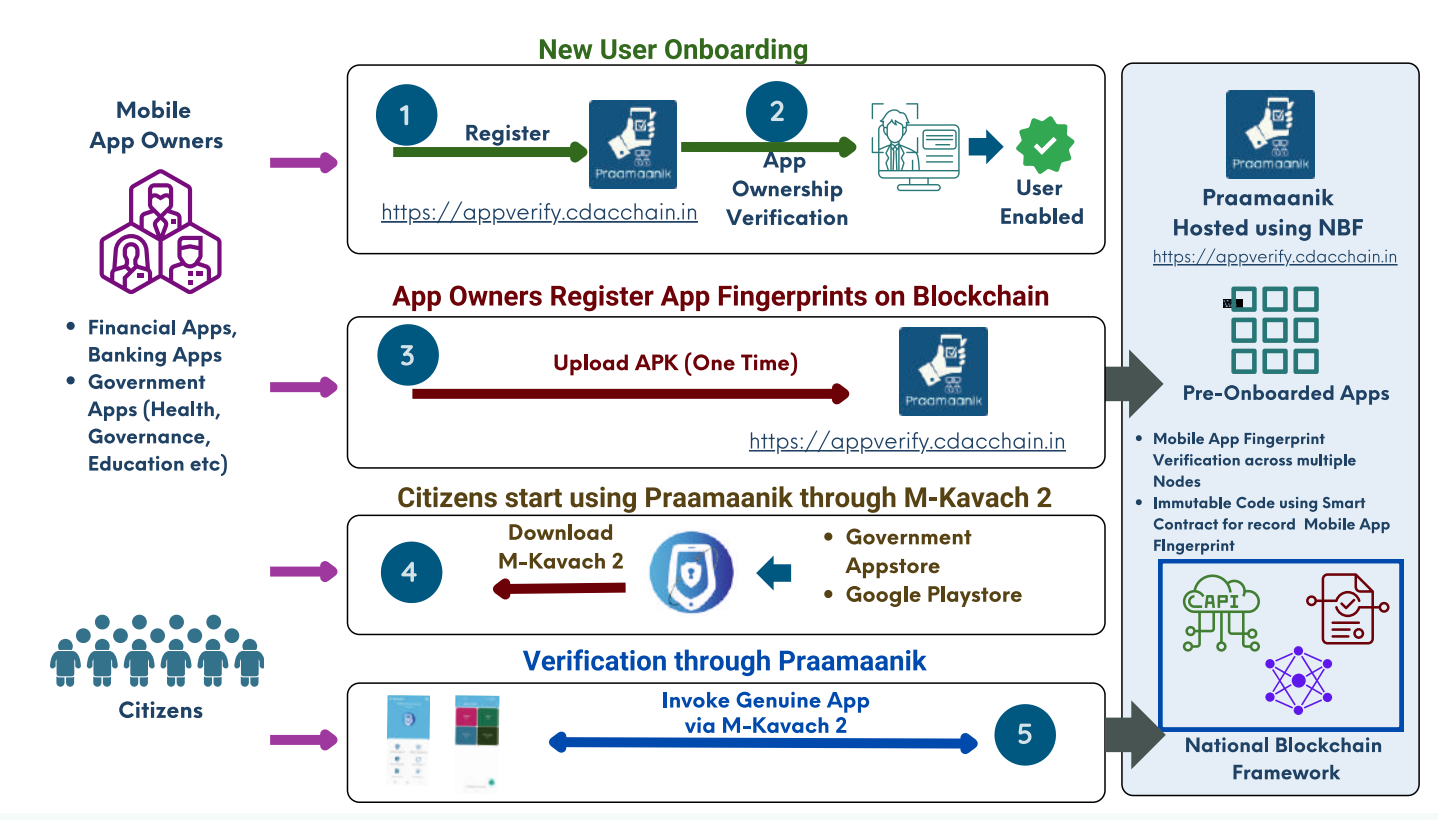
Praamaanik: A blockchain solution for verifying the source of mobile applications, enhancing the security of India’s mobile ecosystem by preventing the spread of malicious or counterfeit apps, thereby increasing user trust and system integrity.
-
National Blockchain Portal: A comprehensive platform offering up-to-date information on blockchain technology, including news, events, and educational resources, aiming to raise public awareness and improve access to blockchain knowledge.
India’s NBF is one of the few nationally led initiatives globally that supports blockchain technology across multiple industries. By treating blockchain as critical infrastructure, it has the potential to transform the country’s digital landscape. If successful, the NBF could serve as a model for other nations on how to integrate blockchain into national systems.
4. Corporate-Driven Markets
4.1 Japan: Finance-Led Blockchain Ecosystem
As previously reported, Japan’s blockchain ecosystem remains heavily influenced by the financial sector. A recent notable development is Sony’s formal entry into blockchain through a partnership with blockchain firm StarTale to launch a new Ethereum Layer 2 solution called Soneium. Launched in August 2024, Soneium aims to leverage Sony’s extensive global reach and user base to provide scalable infrastructure for Web3 applications.
Source: Soneium
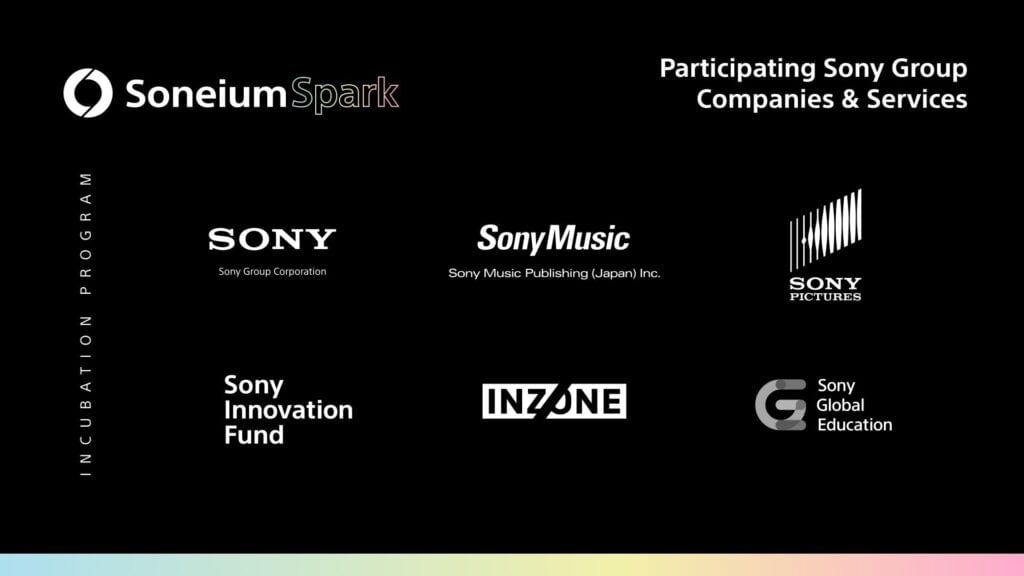
Sony also launched the Soneium Spark incubation program, offering developers infrastructure, mentorship, industry partnerships, and funding of up to $100,000. This follows Sony Bank’s announcement of plans to issue a yen-backed stablecoin, further indicating Sony’s growing engagement in the Web3 ecosystem and its exploration of new opportunities in blockchain technology.
Currently, Soneium is in the Minato testnet phase, with the mainnet expected to launch in Q1 2025. The platform has attracted attention, with over 50 projects reportedly in development or planning deployment on Soneium. This marks a significant step by a major tech conglomerate into blockchain, particularly against the backdrop of financial firms building their own blockchains. Soneium’s success could be a pivotal moment for broader enterprise adoption and promotion of blockchain technology.
Source: Ishiba
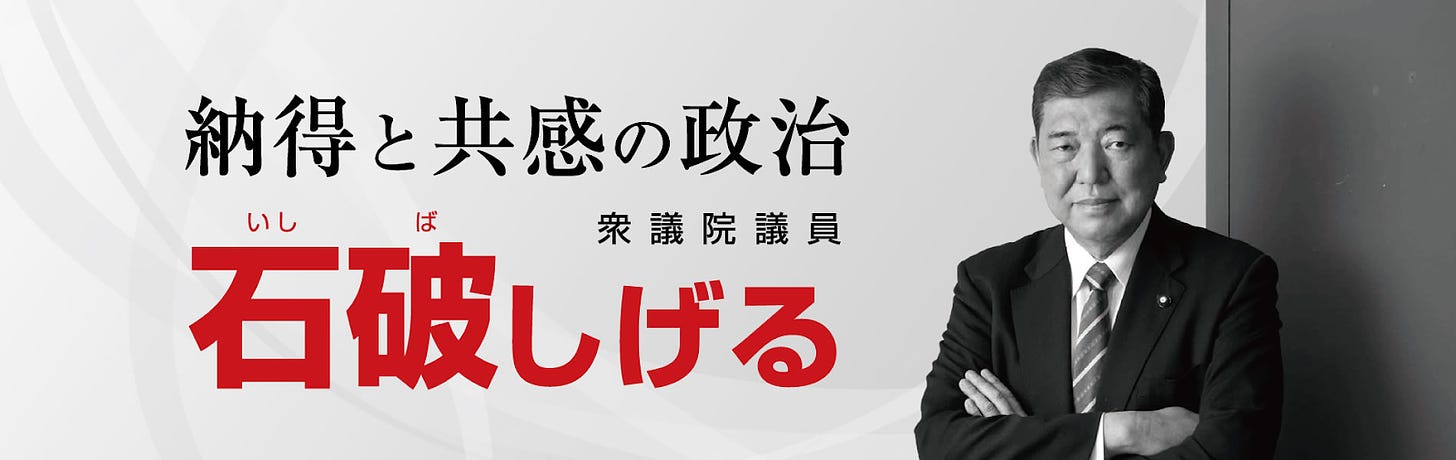
Politically, Japan is undergoing significant changes. Ishiba is expected to become the next Prime Minister, belonging to the same Liberal Democratic Party as current PM Kishida. However, his stance on the blockchain market remains unclear. While Ishiba’s policy proposals include using blockchain and NFT technologies to revitalize rural areas, this initiative focuses mainly on regional development rather than advancing the broader blockchain industry. It remains to be seen how his policies will impact Japan’s blockchain sector once he forms his cabinet.
4.2 Vietnam: Education and Industry Collaboration Driving the Blockchain Ecosystem
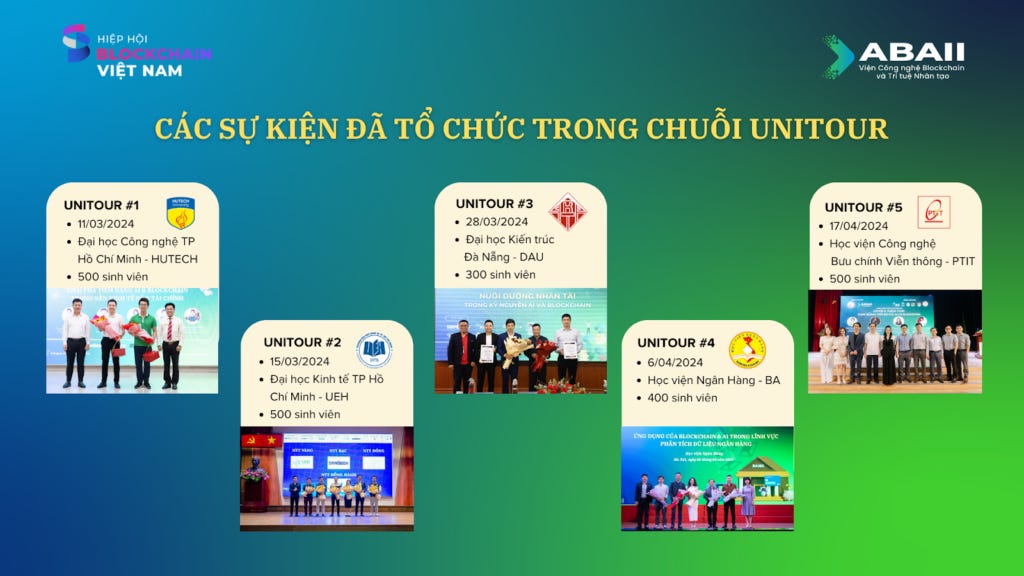
Vietnam’s blockchain ecosystem is growing rapidly, fueled by strategic collaboration between education and industry. Central to this progress are the efforts of the Vietnam Blockchain Association (VBA) and the Academy of Blockchain and AI Innovation (ABAII).
Source: ABAII
VBA has partnered with Tether to host educational seminars in major Vietnamese cities. Additionally, VBA collaborates with ABAII through its UniTour program, delivering blockchain education to university students via campus outreach events designed to spark interest in blockchain technology. Beyond education, VBA plays a crucial role in helping students and young professionals enter the blockchain industry. One notable initiative is the SwitchUp accelerator program, which provides mentorship, support, and investment for Web3 startups and projects.
Since its official launch on January 10, 2024, ABAII has undertaken an aggressive educational outreach campaign. Certified by the Ministry of Science and Technology and supported by VBA, ABAII aims to become Vietnam’s leading center for blockchain research, development, and application. Its long-term goal is to provide blockchain education to one million Vietnamese by 2030. In the short term, ABAII plans to train 100,000 students across 30 universities.
This coordinated approach combining education with startup incubation lays a solid foundation for sustainable growth in Vietnam’s blockchain industry. With a clear strategy, Vietnam is positioning itself to become a significant player in the global blockchain market.
5. Emerging Countries to Watch in the Blockchain Market
5.1 China: Will the Market Open?

Source: X @justinsuntron
Despite strict regulatory crackdowns in 2017 and 2021, China’s crypto market continues to operate covertly. While official sentiment toward reopening the market remains negative, builders and investors remain active and enthusiastic.
Chinese entrepreneurs continue seeking ways to engage with the global blockchain ecosystem, such as participating in international projects and establishing overseas subsidiaries. Large-scale capital from China remains a powerful force in the market, even if not reflected in official statistics. Chinese investors continue to contribute actively to the growth of the crypto market.
The existence of a gray market is another notable feature. Despite government bans, trading persists through peer-to-peer and offshore exchanges. This suggests that regulatory measures alone have not fully suppressed activity.
While a formal reopening of China’s crypto market in the near term is unlikely, China’s technological capabilities and capital influence within the global blockchain ecosystem cannot be ignored. If China were to open its market, the impact would be profound. Nevertheless, even without an official market, China already plays a significant role in shaping the global crypto landscape.
Closely monitoring regulatory shifts and market dynamics in China is essential, as developments there may remain a key driver in the evolution of the global blockchain industry.
5.2 Cambodia: A Market of Risks and Opportunities
Cambodia’s crypto market has recently drawn attention—but not for positive reasons. In August 2024, Huione Guarantee became embroiled in a major scandal, accused of facilitating $49 billion in illicit transactions. As a result, media coverage of Cambodia’s crypto market has largely focused on crime and fraud.
Source: Soramitsu
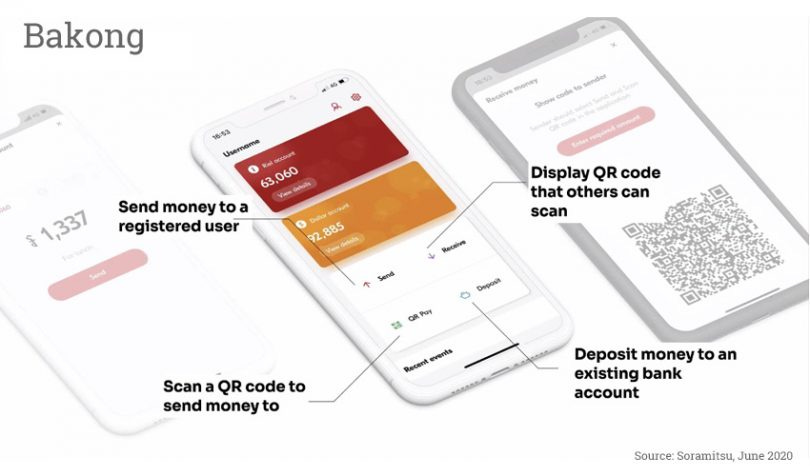
However, Cambodia’s blockchain development cannot be defined solely by recent turmoil. Until 2022, the Cambodian government actively explored cryptocurrency applications. For instance, the central bank developed a blockchain-based payment system called Bakong, reflecting early efforts to embrace digital finance.
Currently, Cambodia’s market appears somewhat stagnant, but this very condition presents opportunities—especially for businesses that see growth potential. Recent industry trends show a rising interest in leveraging blockchain technology, indicating increased entrepreneurial activity.
Cambodia is a market worth watching. Despite its disorder, companies that proactively collaborate with the government and take calculated risks may succeed. However, this is not a market for large multinationals, but rather a space where SMEs can thrive through agility and proactive engagement.
For SMEs willing to operate in a volatile regulatory environment, Cambodia offers first-mover advantages. Maintaining close communication with government agencies and gaining deep understanding of local regulations are key to mitigating risks and seizing opportunities. Still, caution is essential, as legal risks and market instability remain major concerns.
Overall, Cambodia’s crypto market is a “double-edged sword,” offering both risk and reward. Companies with strong risk management capabilities and a willingness to adapt to local conditions may find promising opportunities in this dynamic and evolving market.
6. Conclusion
While African markets, including Nigeria, are gaining momentum in crypto, Asia remains the fastest-growing region. To date, much of Asia’s transformation has been driven by governments, large institutions, and corporations, while mass-market consumer-facing services are still in early stages. Nonetheless, these developments represent important steps toward the future.
Asia’s crypto market is evolving rapidly, propelled by proactive government policies, substantial corporate investments, and strong interest from younger generations. While widespread adoption may still be some time away, this phase is critical for laying the necessary foundations. As the market matures, we will continue to closely monitor Asia. Its pivotal role in shaping the future of the global blockchain industry is unmistakable.
Join TechFlow official community to stay tuned
Telegram:https://t.me/TechFlowDaily
X (Twitter):https://x.com/TechFlowPost
X (Twitter) EN:https://x.com/BlockFlow_News
 @tiger_research






