Web3 Gaming Marketing Guide: The Trio of Keywords, Video Introductions, and Community Building
TechFlow Selected TechFlow Selected
Web3 Gaming Marketing Guide: The Trio of Keywords, Video Introductions, and Community Building
Make good use of introductory keywords, use video guides, and engage players and the community.
 Navigating Web3 tides with focused insights
Author: 1mpal
Translation: TechFlow

As a blogger active in both Web2 and Web3 gaming communities, I've noticed many game projects struggle with creating effective guides. There's often confusion around which guides to produce and how to prioritize user onboarding.
Guides published on platforms like Notion or Gitbook often go unnoticed and fail to deliver real value. I once managed The Sandbox’s Korean blog guides and wrote tutorial books while running a Korean gaming guild, but this approach wasn’t efficient. Below are three suggestions for individuals and projects when creating guides:
1. Leverage Introductory Keywords

When promoting guides through Web2 channels or YouTube, start with basic training on using a VPN. For users unfamiliar with P2E (play-to-earn) games, I believe the following topics should be prioritized:
-
How to use a VPN
-
How to join an exchange
-
Deposit procedures
-
Withdrawal and cash-out methods
Interestingly, I’ve found it unnecessary to dive too deeply into monetization methods. I prioritize creating guides about using a VPN—especially in regions where P2E gaming is illegal. Introducing concepts like MetaMask or CEX/DEX to people completely new to blockchain can be extremely challenging, particularly now that many social accounts have integrated wallet functionality (e.g., IMX Passport, Face Wallet).
While separate guides for depositing and withdrawing from exchanges are helpful, I personally find written guides easier to read and more trustworthy than videos. However, producing such content is also a high-risk endeavor for creators or gaming influencers.
2. Use Video Guides
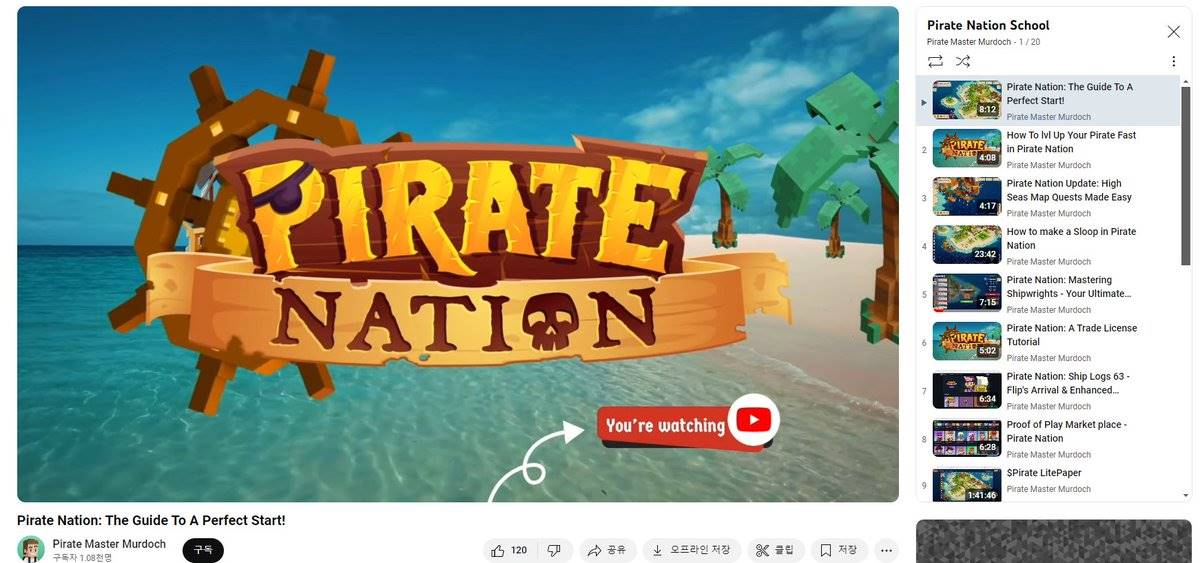
In terms of immersion, video guides far surpass written ones. The main reason we look for guides isn't usually to learn gameplay from scratch, but because we're stuck and frustrated.
Many projects create guides on "how to buy a character" or "understanding in-game UI," but these aren't particularly helpful—players who can't navigate the interface likely won't stick around anyway. Your target audience consists of players asking, "I want to complete this quest—how do I do it?"
Visual content transcends language barriers. Project teams don’t need to produce in-game guides themselves. Instead, they can partner with a small group of creators to produce videos targeting specific tasks or keywords, rewarding and publicly recognizing their contributions. Projects like Pixels and Spellborne exemplify effective use of small creators, guides, and incentives. (I’ve also benefited from guide videos by Mavia and Pirate Nation.)
3. Engage Players and the Community

I enjoy games, but I’m not a hardcore player, so I don’t always know the right answers within a game. Don’t underestimate that some players may understand the game better than the project team itself. I’ve had moments where strategies I thought were correct turned out to be ineffective.
The community itself is the best guide. When new players come to your community with questions, what does that mean? Are they just being picky without wanting to learn? Absolutely not. This person could become a loyal supporter of your project, and having community members answer questions is far more persuasive than any written guide.
Some project stakeholders may know less about the game than regular players. Therefore, don’t hesitate to ask questions yourself. If you’re unsure about something, ask the community, and make sure to acknowledge or reward those who provide useful answers. The core message is: "If you don’t know something, ask the community!"
-
The barrier to using a VPN is higher than that of depositing or withdrawing funds.
-
Think about what you want to learn, then document it.
-
Let the community provide answers and reward those who contribute. Of course, these are just suggestions—the implementation depends on your project. I believe projects that encourage guide creation, especially video guides, will benefit greatly. A series of guides from various YouTubers is more effective at attracting new users than commentary from a single influencer.
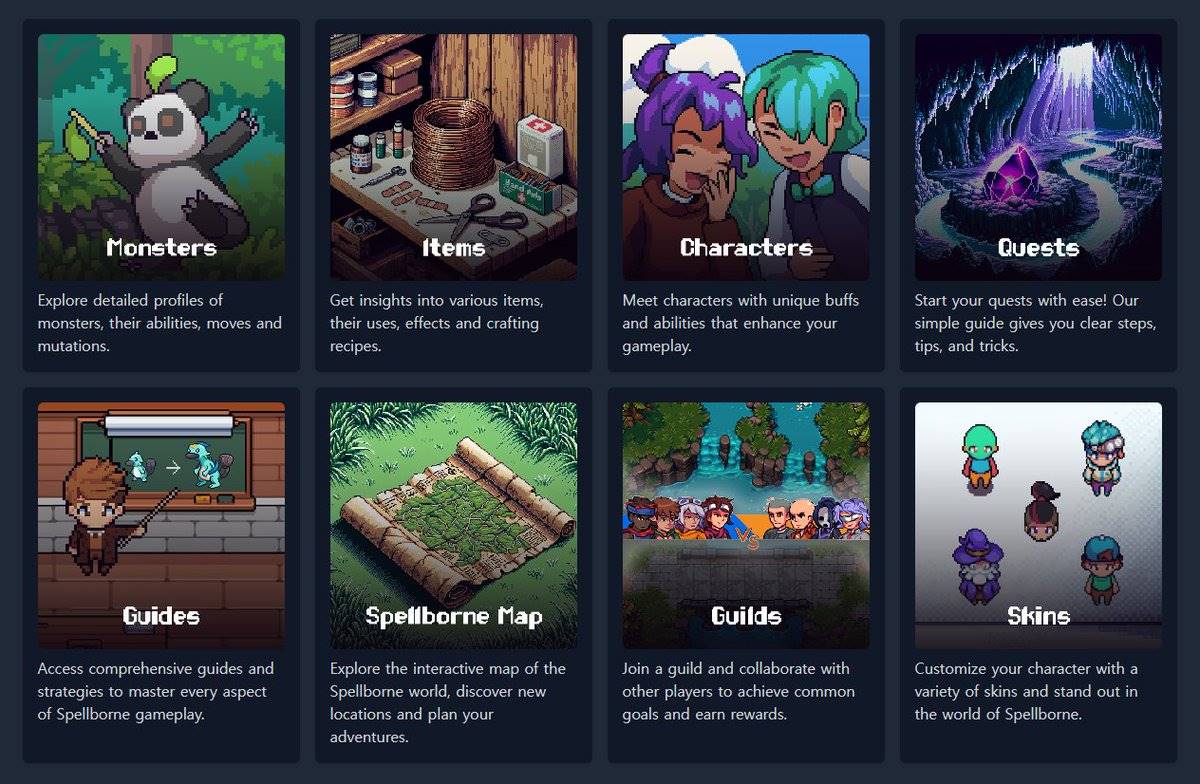
I find @spellbornegame's guide system particularly innovative, as they have a well-developed website where the community (half-jokingly) says all development resources are poured into guides. They use a Discord bot to create a dedicated Q&A channel, differentiating between creation points and airdrop points to incentivize small creators to actively produce guide content.
Additionally, if you plan to create guide videos or content for your project, have a participant or team member who knows little about the game start from level 1 with no assistance. Any keyword or task that sparks curiosity or confusion for this inexperienced player is exactly what needs a guide.
Join TechFlow official community to stay tuned
Telegram:https://t.me/TechFlowDaily
X (Twitter):https://x.com/TechFlowPost
X (Twitter) EN:https://x.com/BlockFlow_News
 @impalementd