








Will Cryptocurrencies Rise Amid Financial Turmoil as Interest Rate Cuts Loom?
TechFlow Selected TechFlow Selected
Will Cryptocurrencies Rise Amid Financial Turmoil as Interest Rate Cuts Loom?
Following the announcement of this rate cut, BTC and other cryptocurrencies may experience a pullback, but with insufficient positive catalysts ahead, market concerns over economic recession could easily lead to volatility and instability.
 Navigating Web3 tides with focused insights
By WOO
On September 19, 2024, the Federal Reserve cut interest rates by 50 basis points (bps), lowering the federal funds rate to a range of 4.75% to 5%. Rate cuts are a key tool used by the Fed to stimulate the economy during periods of economic slowdown or recession. Let’s explore with WOO X Research how this rate cut could impact the cryptocurrency market in the next phase.
A Federal Reserve rate cut means a reduction in the benchmark interest rate, which typically triggers a series of significant economic effects. Lower borrowing costs can encourage businesses and consumers to take on more debt, thereby stimulating investment and consumption. Easier access to credit helps boost economic growth by increasing demand in the market. However, rate cuts may also influence inflation, as rising demand can push prices upward. Additionally, lower interest rates often lead to price increases in assets such as stocks and real estate, as investors seek higher returns. At the same time, rate cuts can cause the domestic currency to depreciate, as investors shift toward higher-yielding foreign assets. Overall, the Fed's current 50-basis-point cut reflects growing concerns about the U.S. economic outlook—potentially signaling early signs of a recession. For the crypto market, this rate cut is one of the most anticipated bullish developments since Bitcoin’s halving event; with lower interest rates, investors may become more inclined to allocate capital into alternative asset classes.
Background (Historical Trends Around Past Rate Cuts)
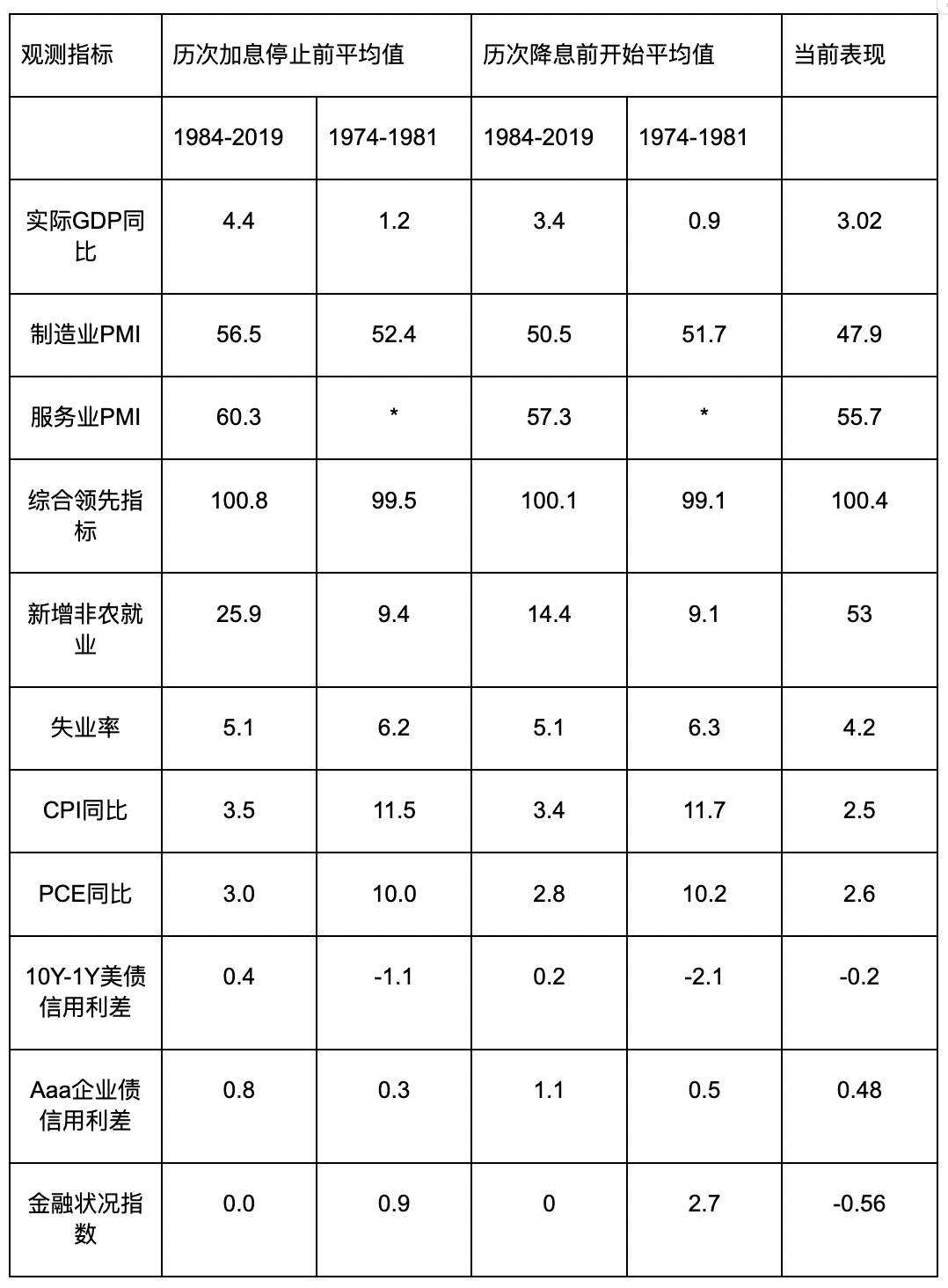
From a macroeconomic perspective, current indicators reveal notable downside risks, justifying the need for stimulative monetary policy. The manufacturing PMI stands at 47.9, indicating contraction and weak manufacturing activity. Although the services PMI remains at 55.7, it has declined compared to historical averages. The unemployment rate is currently at 4.2%, while both CPI and PCE year-on-year inflation stand at 2.5% and 2.6% respectively—below their long-term averages—pointing to soft demand. More alarmingly, the yield spread between the 10-year and 1-year U.S. Treasury notes is at -0.2, a classic signal of impending recession. Meanwhile, the financial conditions index stands at -0.56, suggesting tightening financial conditions that could further dampen economic activity. Against this backdrop, the Fed's decision to cut rates by 50 bps aims to stimulate growth. Lower interest rates incentivize investors to move funds into higher-return investments, providing a boost to financial markets. However, a surge of capital into risk assets brings the risks of rising inflation and potential instability within the financial system.
Data Trends
In the context of rate cuts, managing the potential resurgence of inflation becomes critical. Historically, gold has been the go-to hedge against inflation. However, as cryptocurrencies gain broader recognition among investors, Bitcoin (BTC)—often dubbed “digital gold”—is attracting increasing attention, especially following the approval of BTC spot ETFs, which offer investors a more secure and accessible way to gain exposure.
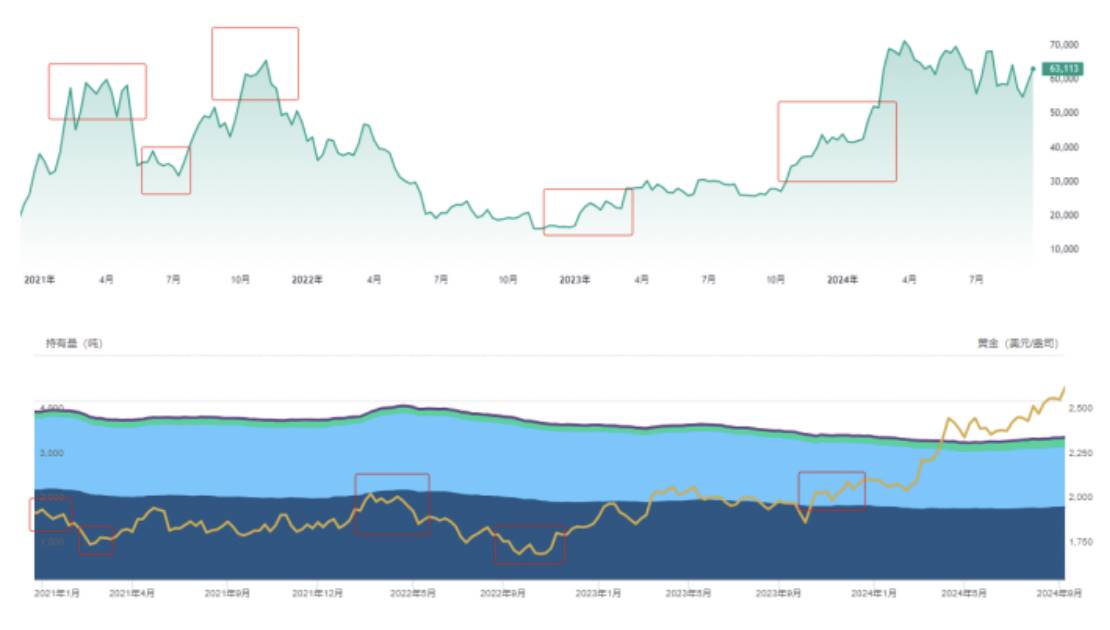
Comparing the price trends of BTC (“digital gold”) and gold (“traditional safe-haven asset”), we observe a strong correlation between the two. However, BTC’s price movements tend to lag behind those of gold by approximately 2 to 5 months.
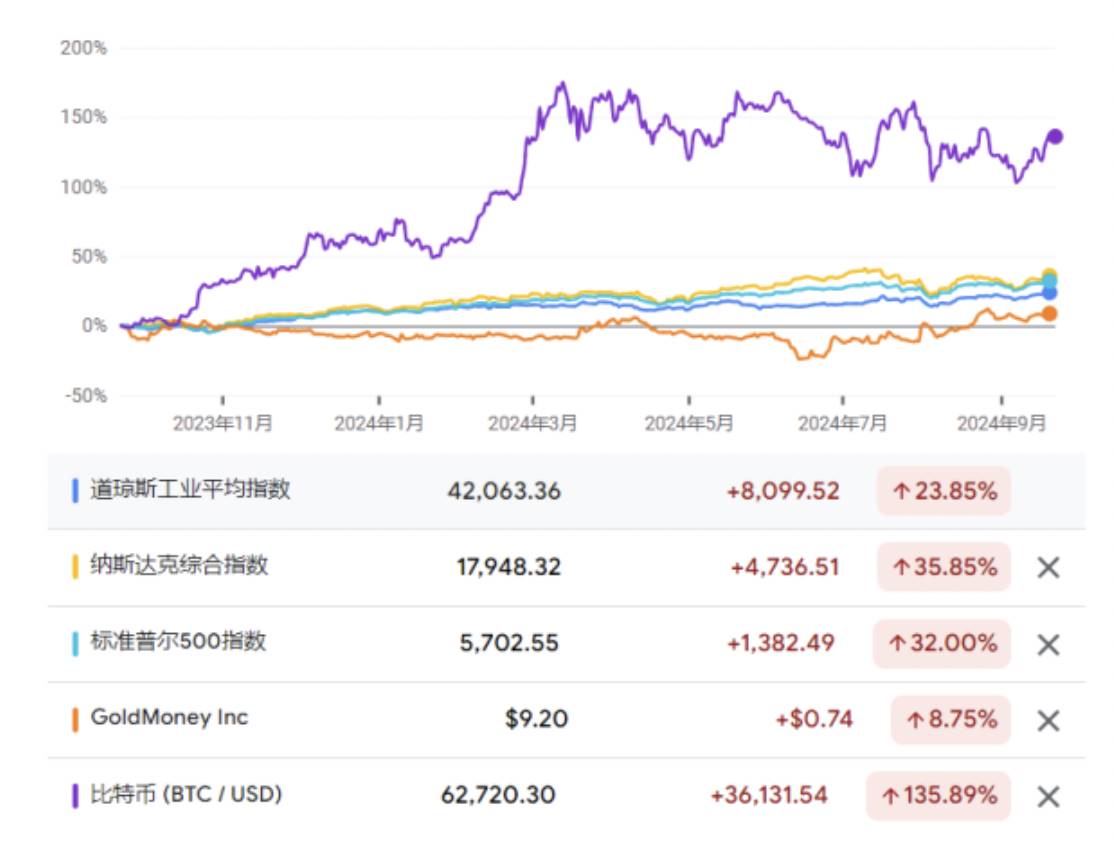
Gold has historically shown a negative correlation with major stock indices such as the S&P 500 and Nasdaq 100, serving as a reliable safe haven during times of market turmoil.
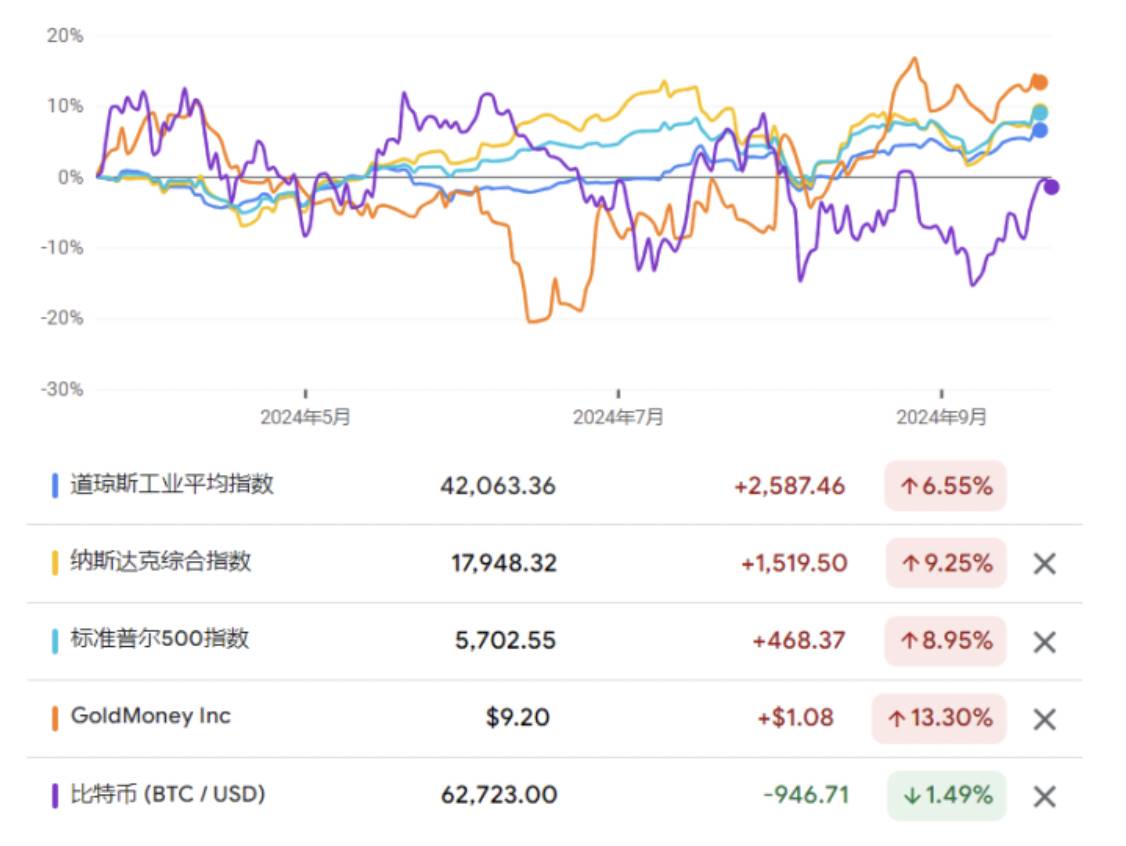
In recent months, Bitcoin has begun to exhibit similar safe-haven characteristics, showing weak or even inverse correlation with mainstream equity benchmarks. Moreover, when offering comparable hedging properties, Bitcoin has the potential to deliver higher returns to risk-averse investors.
Potential Future Outlook?
The United States is the world’s largest and most advanced economy, and the Federal Reserve’s monetary decisions serve not only as domestic policy but also as a reference point for other nations. Behind the 50-basis-point rate cut lies an implicit acknowledgment that the current economic situation is far from optimistic. As seen in prior data, gold experienced significant volatility and upward movement ahead of the rate cut. Following the announcement, BTC and other cryptocurrencies may see a corrective rebound. However, with limited additional bullish catalysts on the horizon and persistent fears of an economic downturn, markets could easily fall into a state of turbulence.
Join TechFlow official community to stay tuned
Telegram:https://t.me/TechFlowDaily
X (Twitter):https://x.com/TechFlowPost
X (Twitter) EN:https://x.com/BlockFlow_News






