








NFT-ifying Social Interactions: Mint Instead of Liking
TechFlow Selected TechFlow Selected
NFT-ifying Social Interactions: Mint Instead of Liking
NFTs are becoming ubiquitous.
 Navigating Web3 tides with focused insights
Author: TPan
Translation: TechFlow
Let’s go back to the end of 2021, at the peak of the NFT craze.
If you bought in and never sold, you might look back at that year like that chihuahua, lost in memories. NFT collections reached absurd valuations, communities obsessively chased rare traits, and hot new projects launched daily. Nearly all of these relied heavily on scarcity—limited supplies of 5,000, 10,000, or more. Good times.
As the industry has moved past the NFT hype (though it still lingers), we’ve seen a wave of new NFT-related token standards and minting methods emerge:
-
1155: Version numbers for identical NFTs. The Doodles: Certified Viral collection is an example, with some NFTs having thousands of versions.
-
Soulbound tokens: Tokens tied to wallet addresses and non-transferable.
-
Time-limited infinite mints: Popularized by digital artists, introducing unique burn, mint, and gamified mechanisms.
-
ERC-6551: Token-bound accounts enabling NFTs to hold other NFTs.
-
ERC-404: Allows standard non-fungible tokens to be fractionally converted into fungible tokens.
While many scarce collections have seen prices collapse—sometimes to zero—I’ve observed two trends:
-
The functional layer of NFTs continues to expand.
-
NFTs are becoming ubiquitous.
Both trends are evident, but I want to focus on the second. To illustrate this visually, here's how things stand:
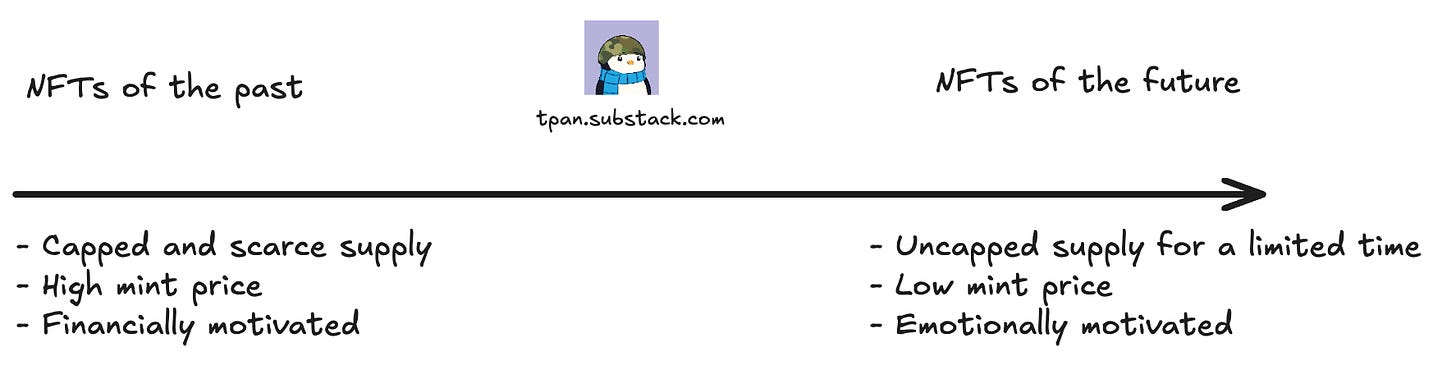
Try Excalidraw
Note: This doesn’t mean there won’t be valuable limited-supply projects in the future, or that current ones lack value.
Base, Rodeo, Zora
Over the past month and a half, I’ve used and observed three platforms that have made “time-limited infinite minting” particularly compelling.
Base
Base recently shared details about their Onchain Summer campaign, where over 2 million unique wallets minted more than 24 million on-chain assets, generating over $5 million in on-chain revenue for builders, creators, and projects.
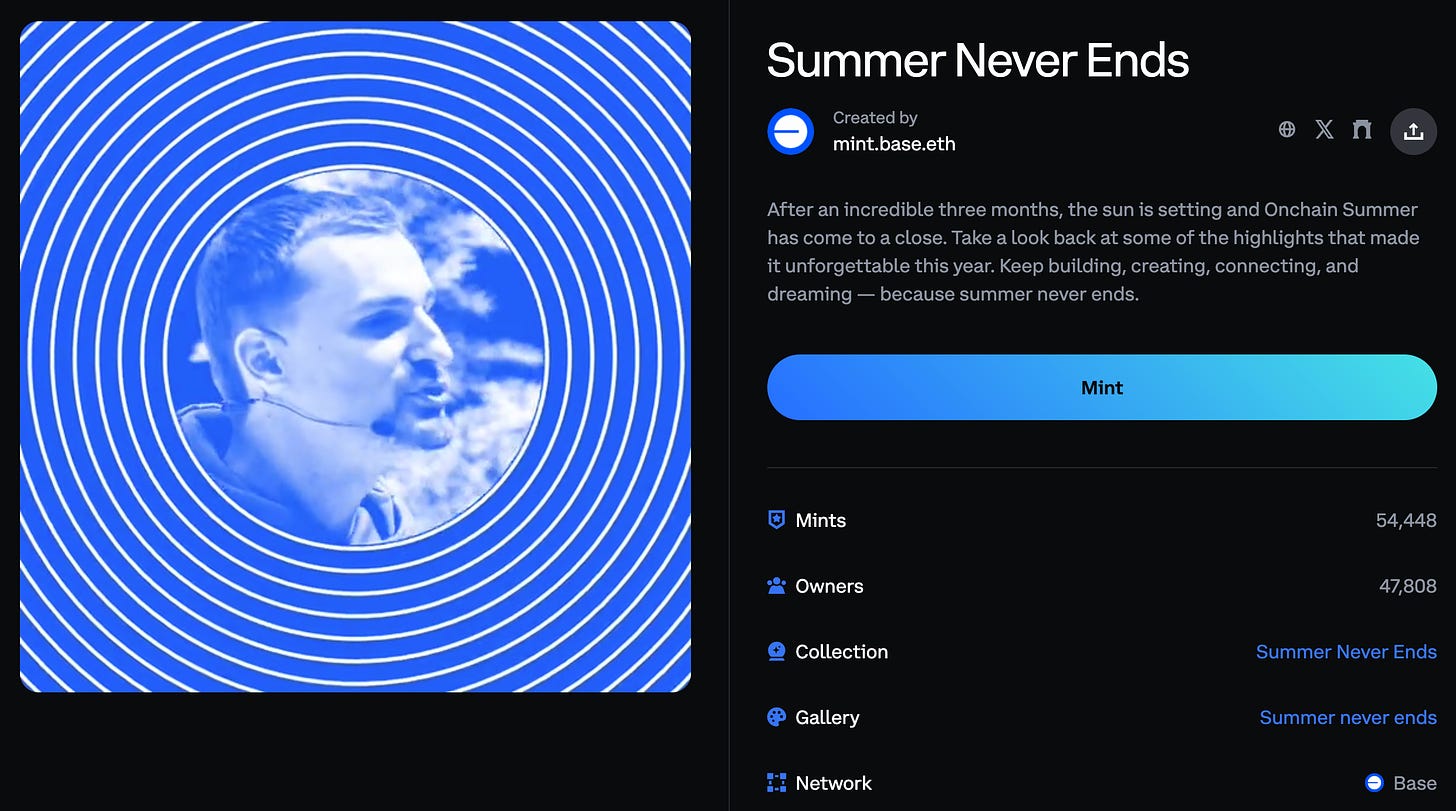
The Onchain Summer highlight video featured in the post is itself an NFT, already minted over 54,000 times.
Rodeo
Launched about three months ago, this app built by the Foundation team reminds me of Instagram in its simpler days.
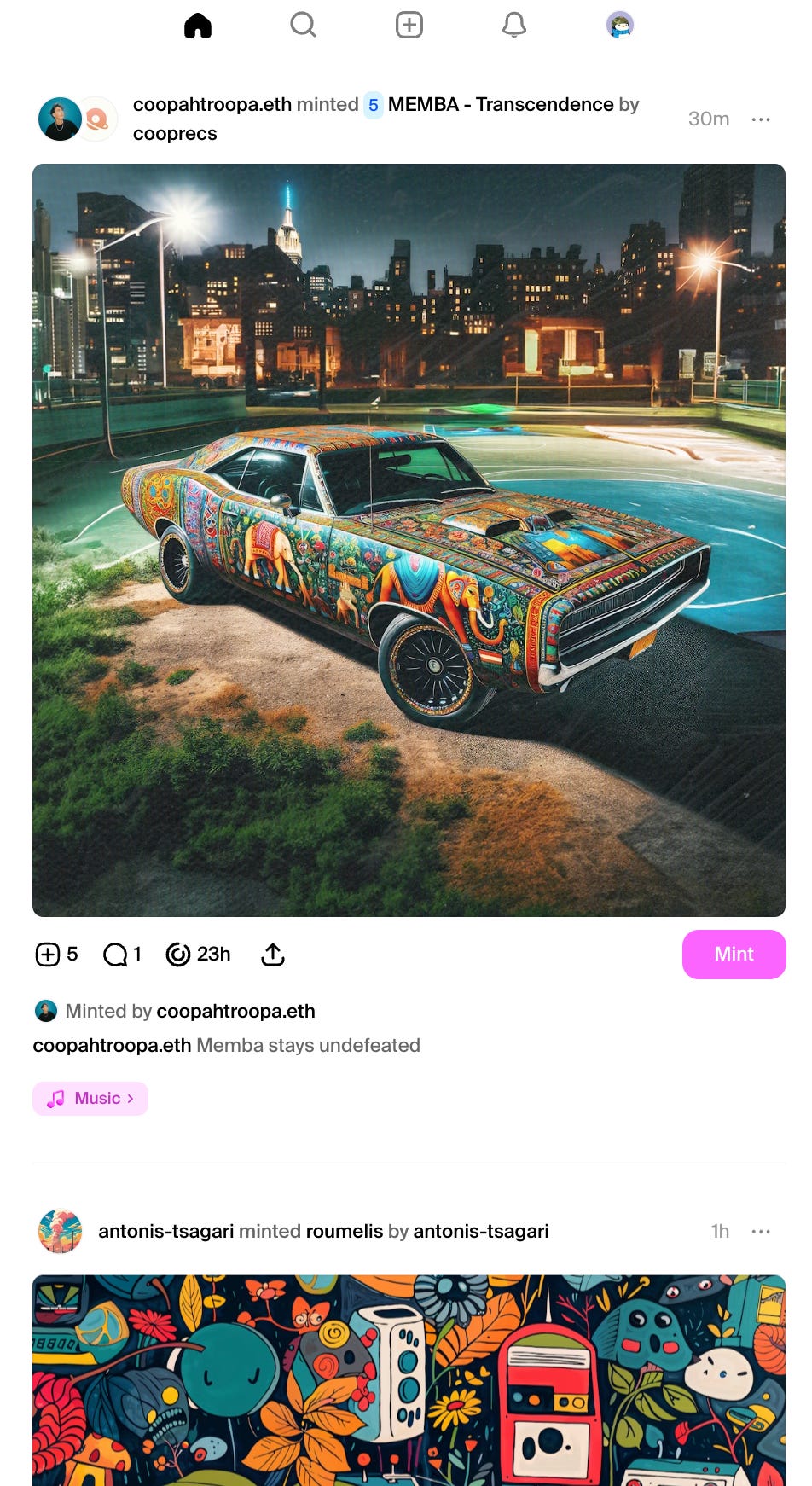
How it works:
-
Users can post art, photos, or any content
-
Followers can mint posts within 24 hours at a fixed price of 0.0001 ETH (~25 cents)
-
The feed populates based on accounts you follow or content they’ve minted. In this case, followed accounts become “influencers.” In the screenshot above, coopahtroopa is such an influencer.
-
Mint proceeds are split 50/50 between Rodeo and the creator
-
If a mint is attributed to an influencer, proceeds are split 25% to influencer, 25% to Rodeo, and 50% to the creator.
-
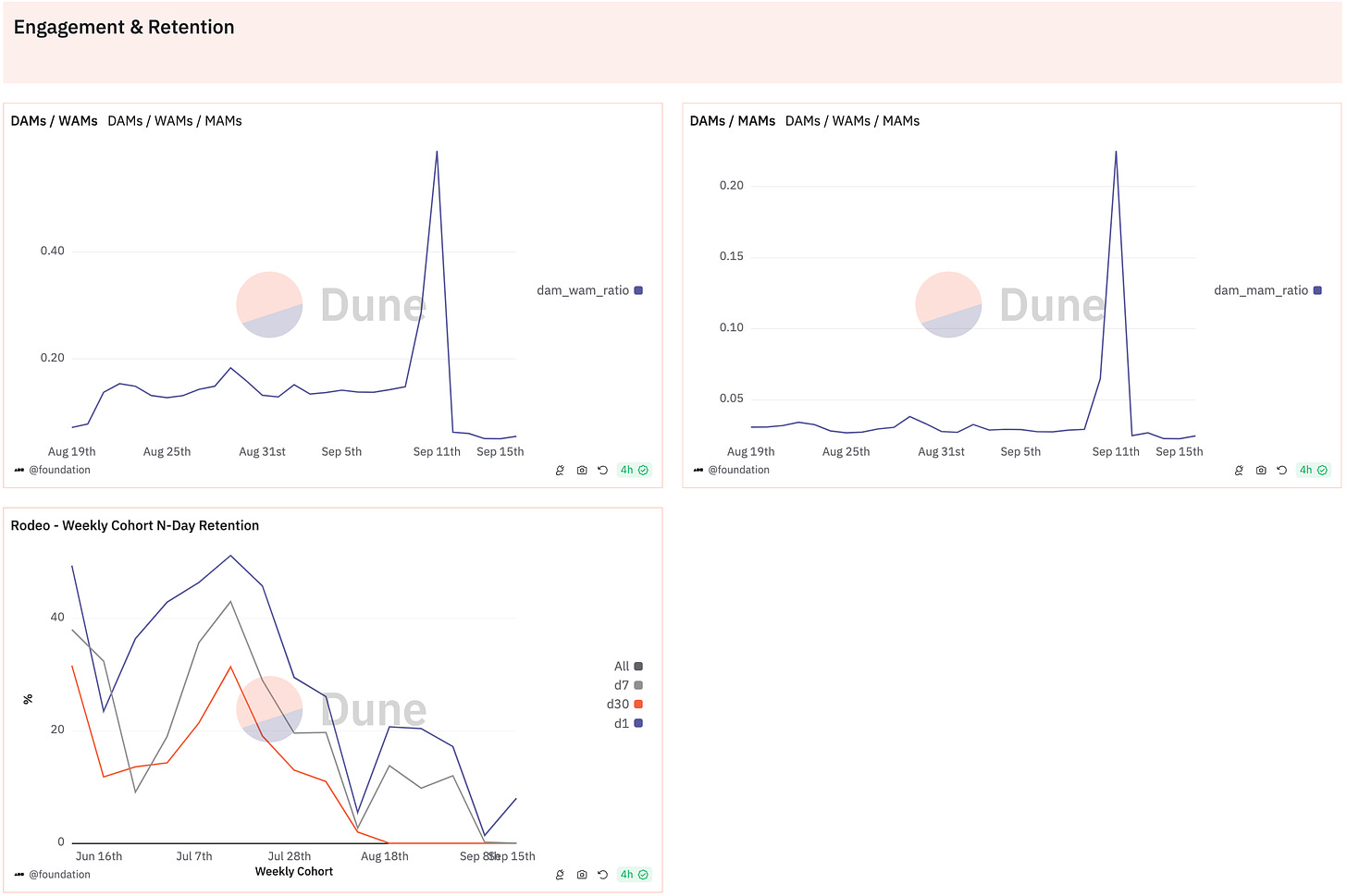
Rodeo shows signs of slow but steady growth while continuously adding features. Notably, their public Dune dashboard tracks retention and mint engagement.
Zora
The minting platform has recently evolved into a discovery and social platform, expanding beyond crypto users and introducing new features and mechanisms:
-
Partnership with Uniswap brings simplified secondary market experiences directly into the app
-
Sparks (✧), a new Ethereum denomination within the Zora ecosystem. 1 ✧ = 1 millionth of an ETH.
-
A standardized mint price of 0.000111 ETH or 111 ✧ (~25 cents) for all content. Previously, creators set their own prices. There are exceptions, though the logic isn't fully clear.
-
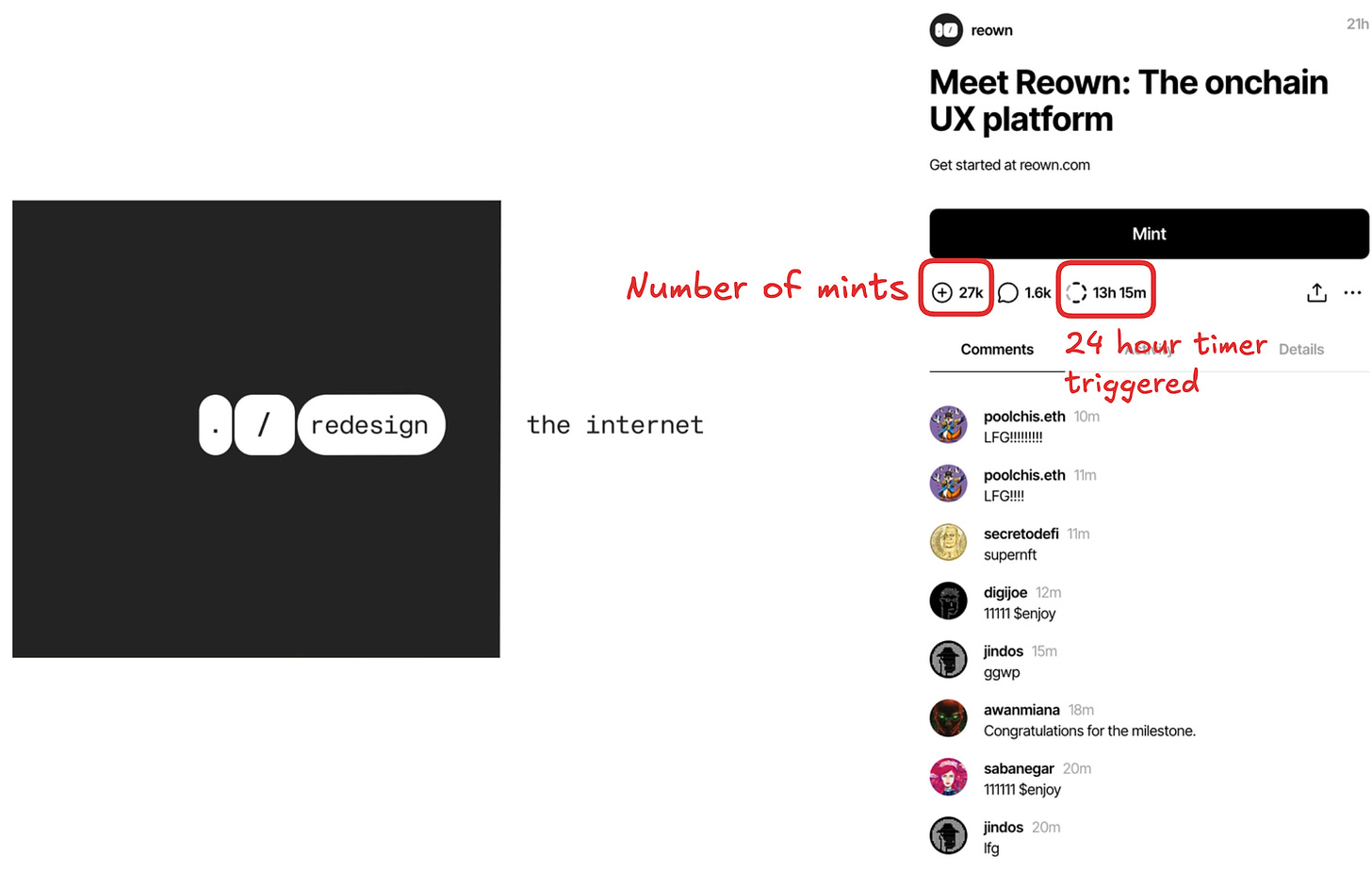
Minting remains open until 200 mints are reached. Once hit, a 24-hour countdown begins. After it ends, a Uniswap-powered secondary market opens based on supply and demand.
-
Zora’s mobile app launched last week, simplifying minting via in-app Spark purchases. This removes the need for switching apps, pop-ups, bridging, or gas fees.
Minting Enhances Social Interaction
Watching Rodeo and Zora evolve, they’re emerging as social media platforms designed to address pain points of mainstream social media.
The Declining Value of Likes
Likes have devolved into emoji reactions in iOS message threads—just acknowledgments that someone saw your post. There’s nothing wrong with that, but among interactions, it’s the lowest-value signal beyond mere viewing. At least you know who saw and acknowledged your post.
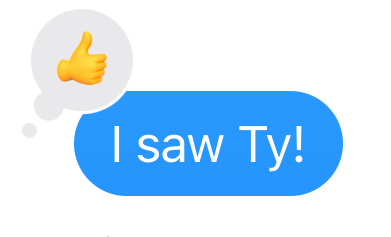
A text reply from my wife
Mainstream platforms recognize this too. Twitter values replies 27x more than likes.
Comments as Privilege, Not Right
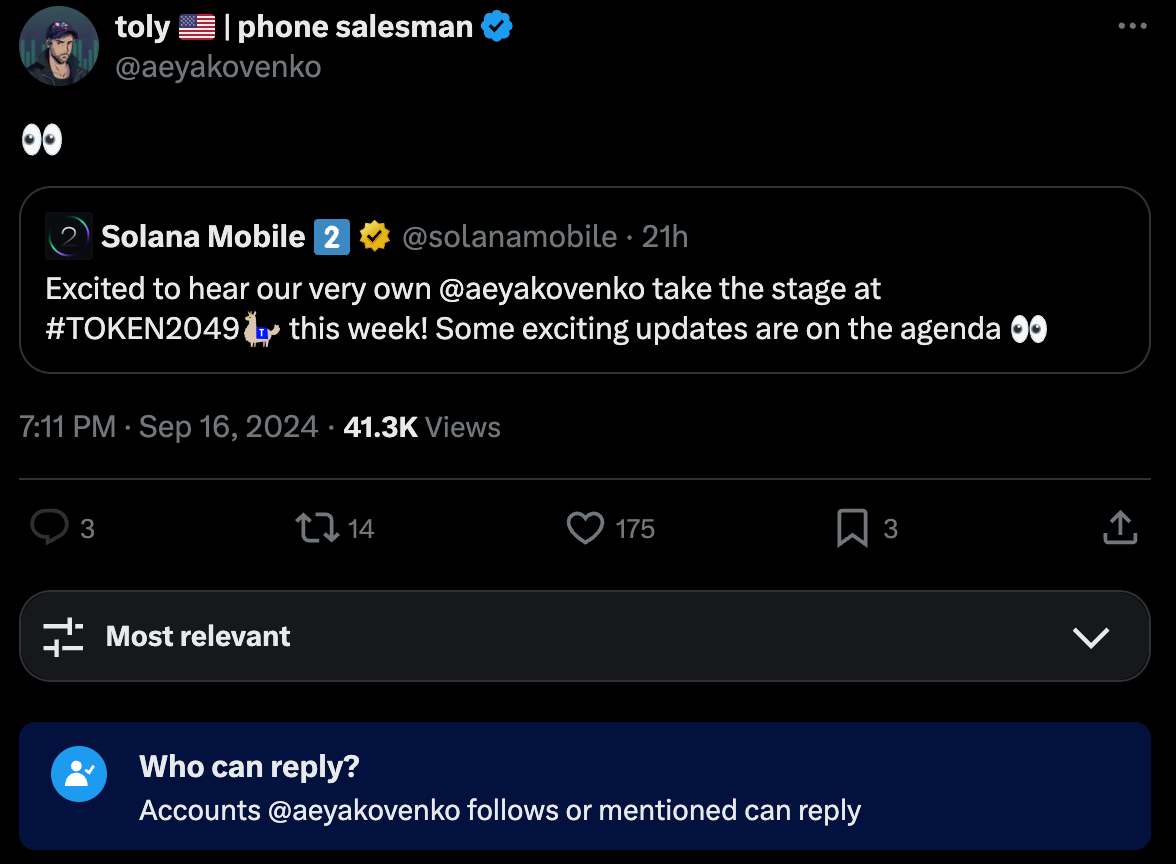
Most social platforms allow anyone to comment, but sometimes commenting is disabled. For instance, Solana co-founder Anatoly only allows replies from accounts he follows or those mentioned.
Responding to This
Rodeo and Zora address these issues and make them core features of their apps.
Mint > Like
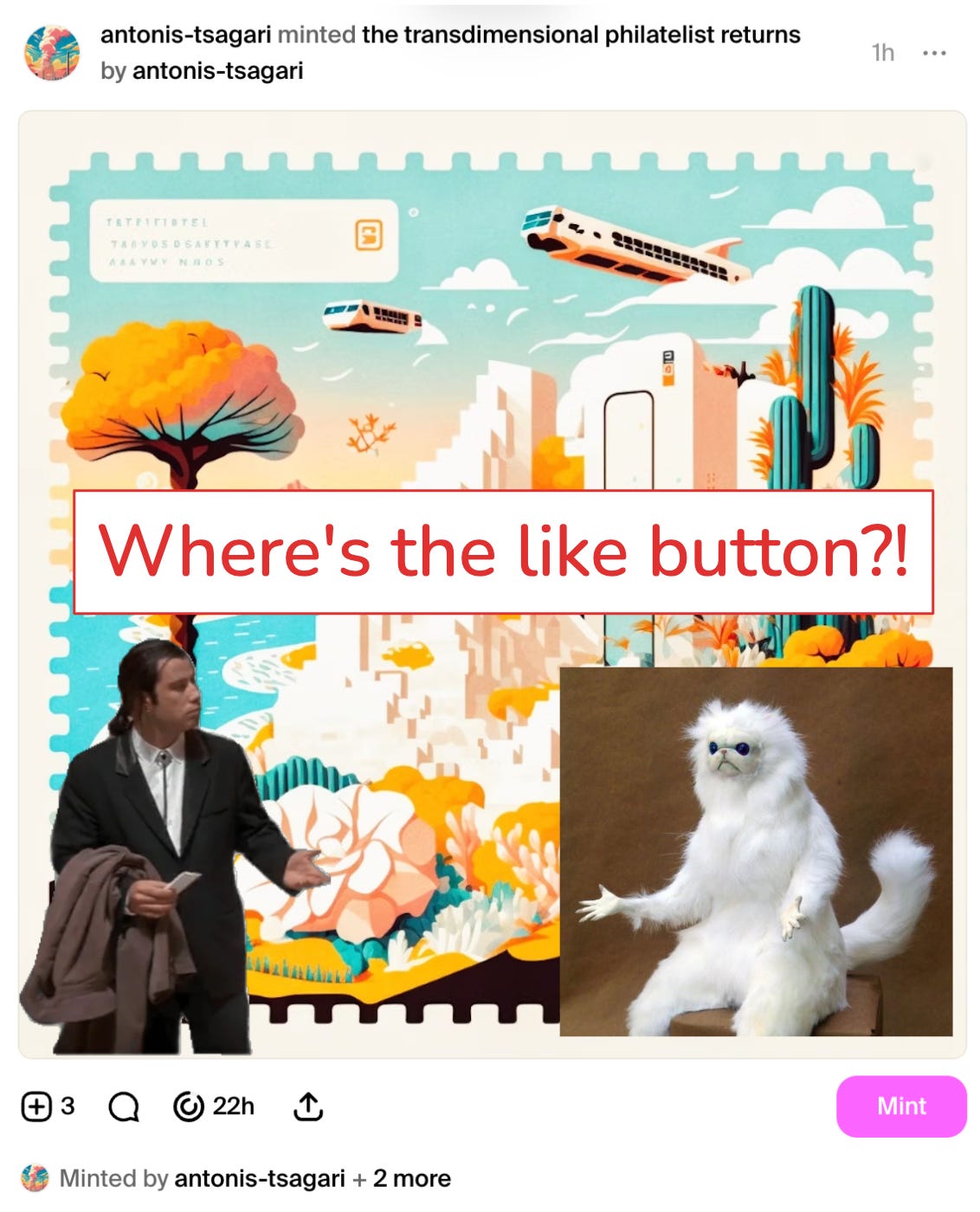
The like button is replaced with a mint button. If you truly appreciate content, you can mint it for ~25 cents, creating a win-win:
-
Creators get paid for their work
-
Collectors receive an NFT in return
-
Platforms earn a share of mint revenue without relying on traditional ads
Comments Only for Minters
Only those who mint can comment on a post.
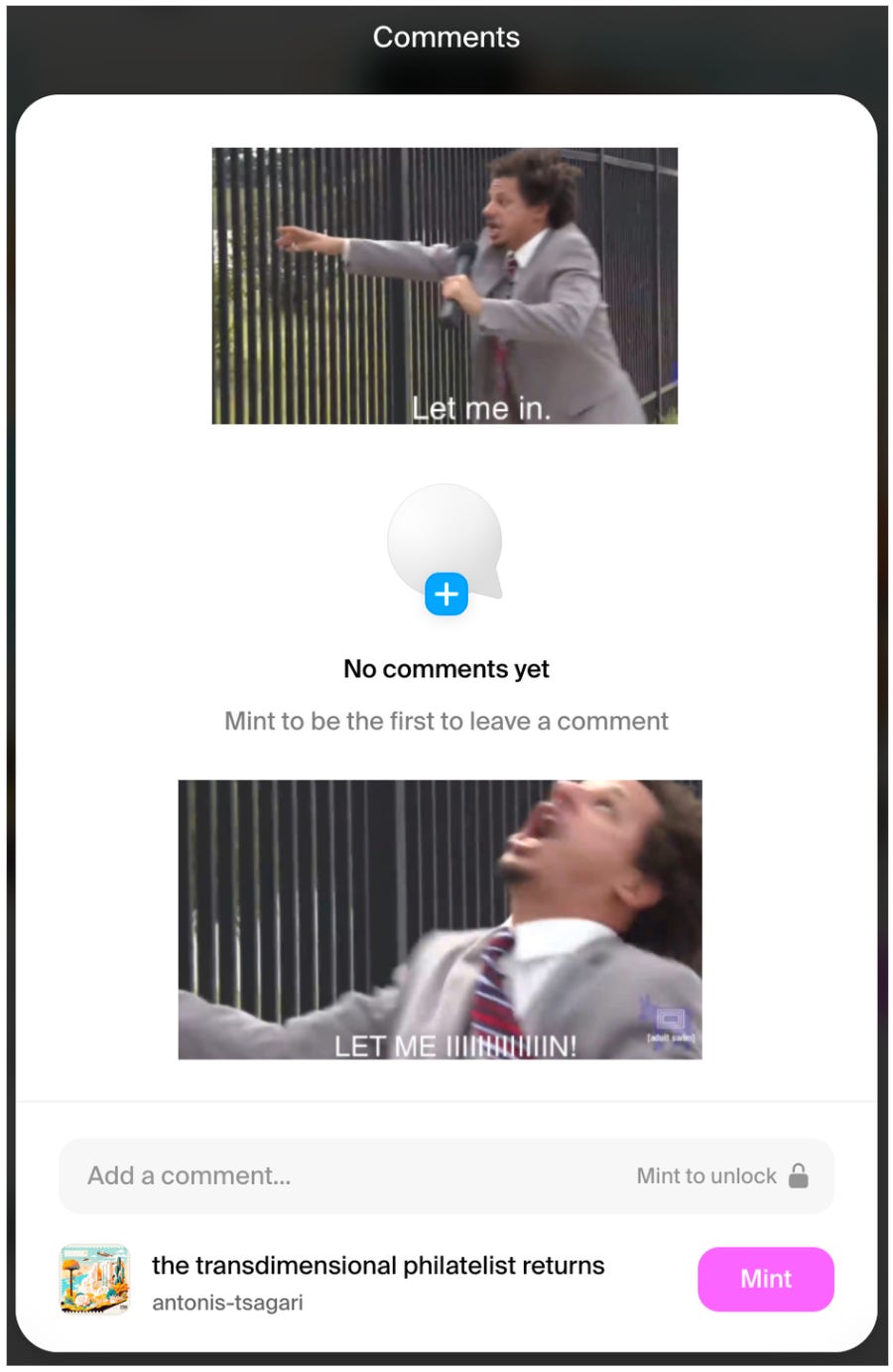
In context, this makes sense. Platforms like Rodeo aren’t trying to block creator-user connections—they aim to foster more meaningful interactions through minting and restricted commenting.
These Behaviors Exist on Traditional Platforms
Despite my critique of fragmented engagement models, the emotions, psychology, and intentions behind Rodeo and Zora’s approach exist in different forms on existing platforms—proving their model works.
Tinder Super Like
In the dating world (a realm I’m now entirely unfamiliar with), Tinder introduced Super Like years ago. A Super Like increases your match chances and places you at the top of the recipient’s queue.
And Super Likes aren’t cheap—3 cost $9.99.
Saving Content
Social platforms also let you bookmark and organize content. Saved posts imply higher value—something worth revisiting later.
Future Use Cases
Moments in Daily Life
My examples so far focus on art, making creator-collector incentives easier to grasp. Minting art for 25 cents is clearly a win-win. But what about people who aren’t professional photographers or artists but still post great content on Rodeo?
They’re few, but users like Max Segall from Privy use Rodeo more like Instagram. Their posts don’t get dozens of mints—and they don’t need to, nor is that necessarily the goal.
But they do get mints. For example, Max’s post has two mints—one from Alex, who’s in the photo. That’s the point.
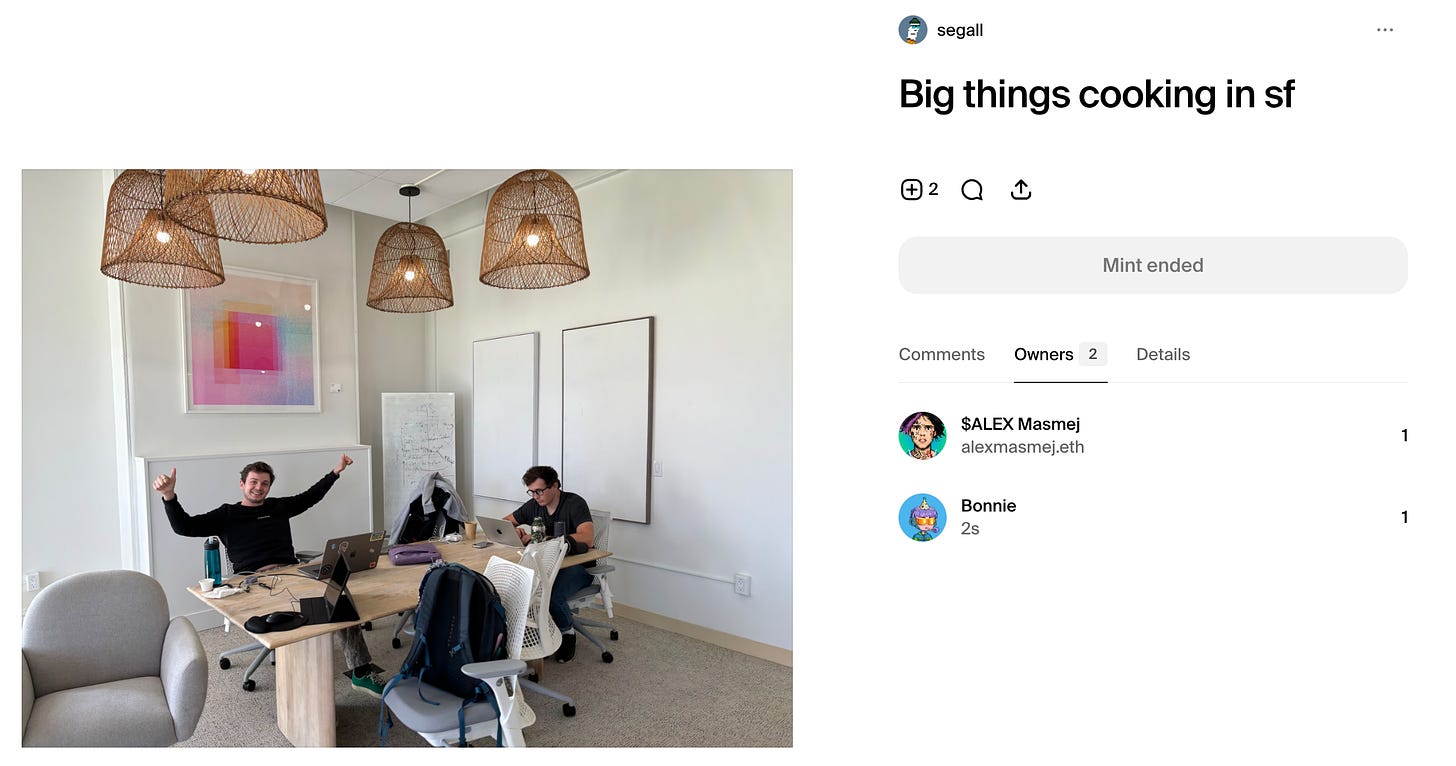
Alex’s mint may carry more weight than 20 likes elsewhere. Of course, if Max wanted those likes, he could cross-post the photo.
Life Milestones
Engagements, weddings, new jobs. These posts get flooded with likes and congratulatory messages, yet vanish from feeds within minutes due to endless scrolling.
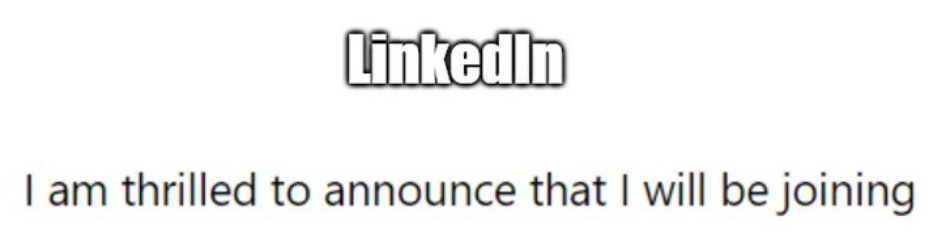
While happy couples or posters enjoy dopamine hits from notifications, what if there were another way to celebrate? Minting offers that path—letting supporters show deeper appreciation than a generic “Congrats!!!” Minting one feels stingy; why not mint 10 or 100… or mint one and send a wedding gift too, haha.
Nonprofits
This is a compelling use case. What if every Red Cross post was mintable, with all proceeds (after platform fee waivers or redistribution) going directly to them?
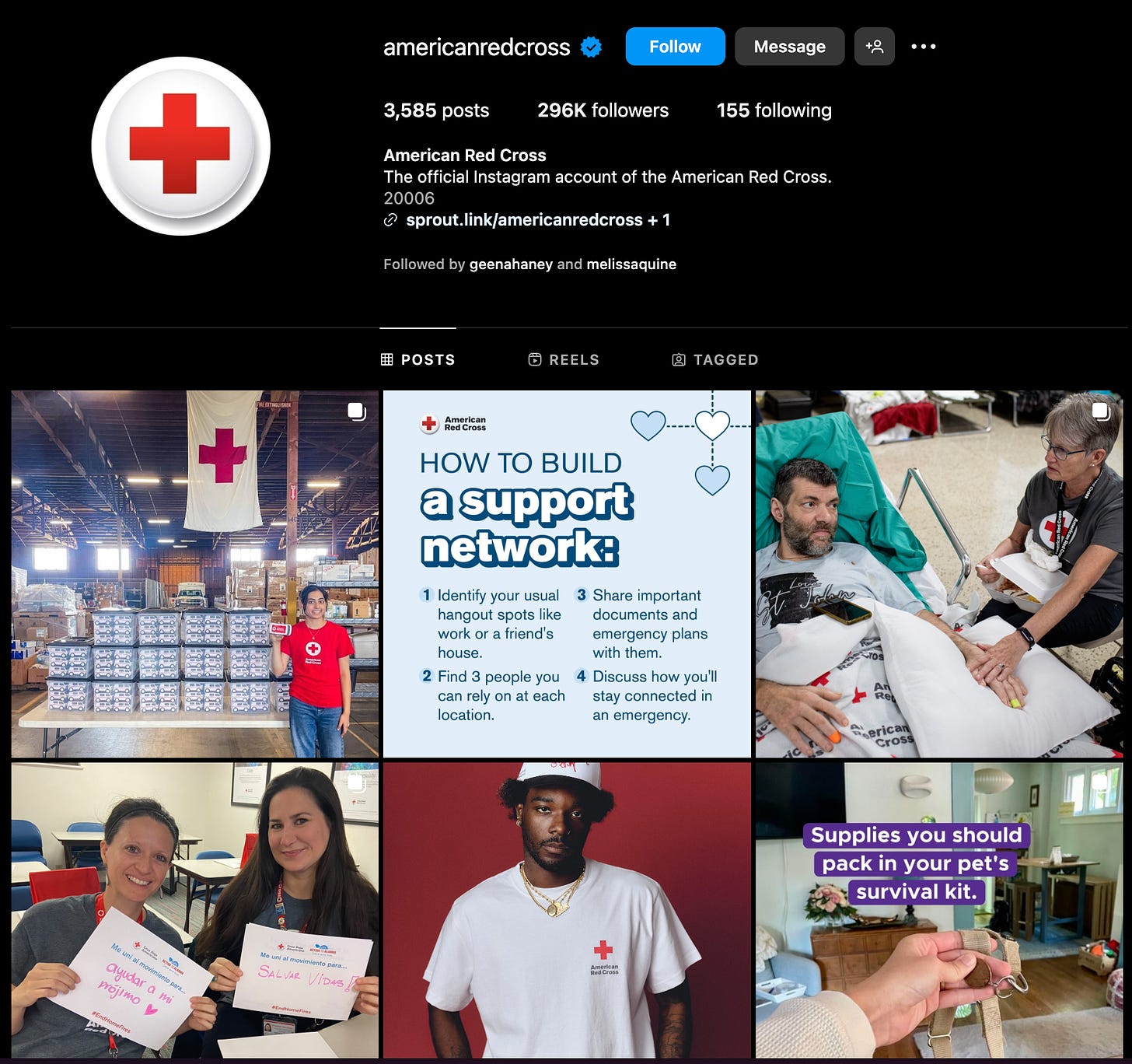
People could still visit the website for larger donations, but minting becomes a new form of micro-donation—accumulating over time into direct-to-charity (DTC) giving.
What if you ran an animal shelter? Post cute dog and cat photos and watch micro-donations roll in. Who wouldn’t want to donate 25 cents and mint a photo of an adorable kitten or puppy?
MVF – Minimum Viable Financialization
As I write this, the idea of financialization comes to mind. Blockchain enables financialization in unprecedented ways. Memes are worth billions, prediction markets exist for what presidential candidates say during rallies, and people still speculate on JPEGs worth thousands.
Yet financialization—more precisely, Minimum Viable Financialization—can give meaning to digital interactions that are otherwise becoming meaningless.
Perhaps the way forward isn’t friend.tech, but SocialFi in lowercase—through platforms like Rodeo and Zora.
Join TechFlow official community to stay tuned
Telegram:https://t.me/TechFlowDaily
X (Twitter):https://x.com/TechFlowPost
X (Twitter) EN:https://x.com/BlockFlow_News
 @TPan_Web3






