








How Can Web3 Games Improve Quality? 5 Key Points Focused on by AAA Studios Might Be the Answer
TechFlow Selected TechFlow Selected
How Can Web3 Games Improve Quality? 5 Key Points Focused on by AAA Studios Might Be the Answer
These five key aspects are: creation, community, development, storytelling, and updates.
 Navigating Web3 tides with focused insights
Author: Zen
Reference article: "5 Things to Learn from AAA Studios"
Nearly a month after launch, the legend of *Black Myth: Wukong*, a Chinese-developed AAA title, continues. According to VG Insights, as of September 12, the game has sold over 19 million copies on Steam. Wu Dan, its first investor, predicted that the game could reach 30 million lifetime sales—an ambitious goal that now seems highly achievable given current trends.
The massive market appeal of *Black Myth: Wukong* is largely due to its development team, "Game Science," strictly following high-end AAA production standards—from stunning visuals and narrative-driven design to deep community engagement—all demonstrating exceptional professionalism. The success of Game Science and other AAA studios offers valuable lessons for developers across all fields, including Web3 gaming.
In fact, many independent developers with limited budgets and resources have created critically acclaimed, engaging games by learning from AAA development practices. Web3 creators can similarly adopt these insights—focusing on quality and user experience—to stand out in a competitive market and gain broader user support and market share.
1. Game Production Quality Is Crucial
High production quality is standard for AAA games and one of their core characteristics. This involves the synergy of three key elements: refined graphics and cinematic effects, strong art direction, and high-quality sound design. Together, they create an immersive overall presentation that delivers powerful player experiences.
Premium Graphics
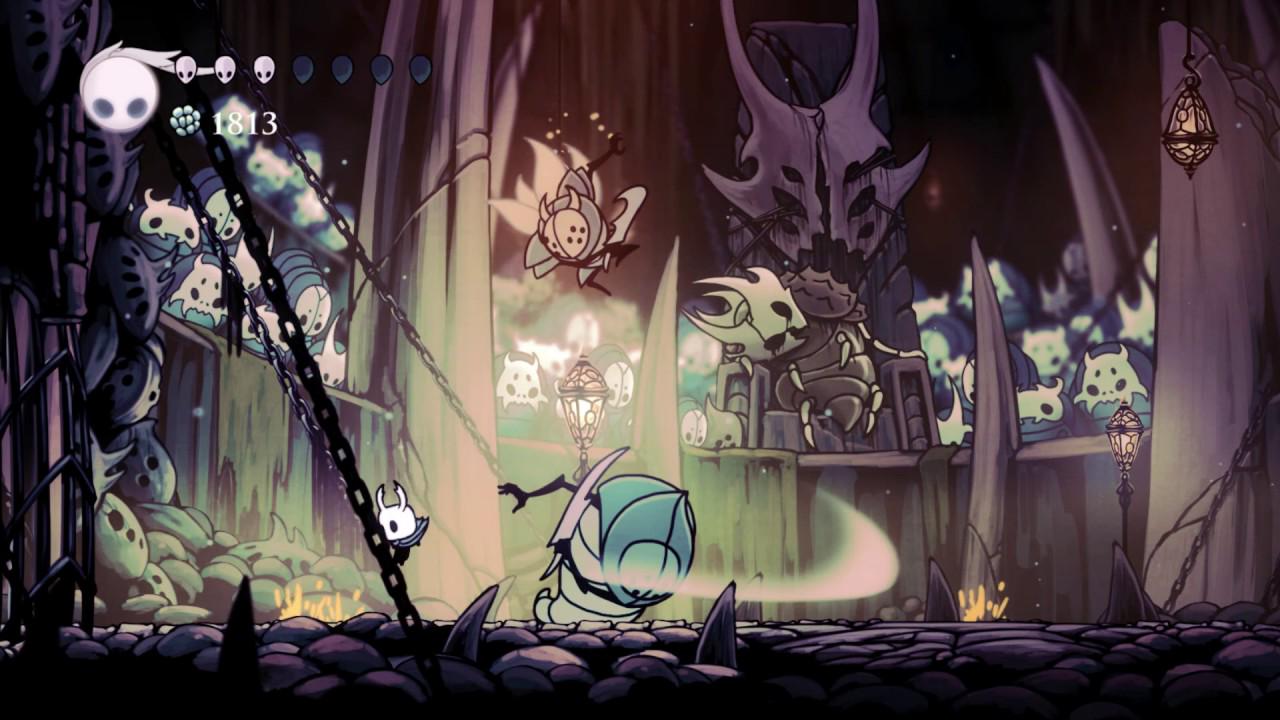
AAA games are known for visually striking imagery. Independent developers can achieve similar impact through meticulous attention to detail. *Hollow Knight*, developed by Team Cherry, serves as a prime example—a small team of three from Australia who crafted breathtaking visuals despite limited indie resources, thanks to top-tier art and audio design. This shows that with accessible tools like Unity and Unreal Engine, along with high-quality assets and distinctive artistic styles, indie teams can maintain high production values even without vast resources.
Art Direction
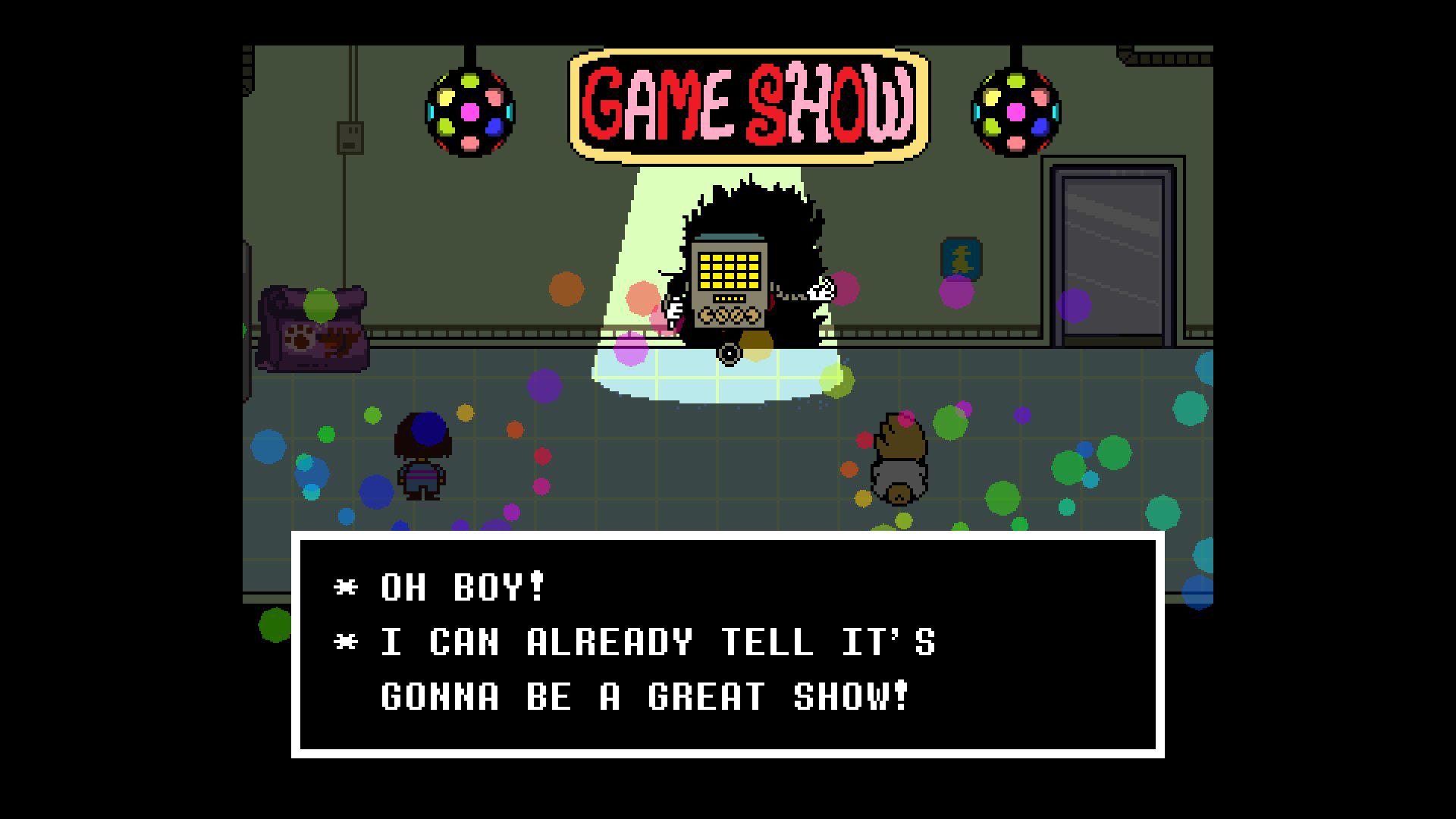
Rather than pursuing resource-heavy photorealism, indie developers can focus on unique and consistent visual styles. *Undertale*, created almost entirely by American developer and composer Toby Fox—from concept and gameplay to graphics and music—is a perfect case study. Through精致 pixel art and memorable character designs, this humble project greatly enhanced its charm and appeal. A cohesive, distinctive visual identity clearly helps indie titles stand out in a crowded market.
Sound Design
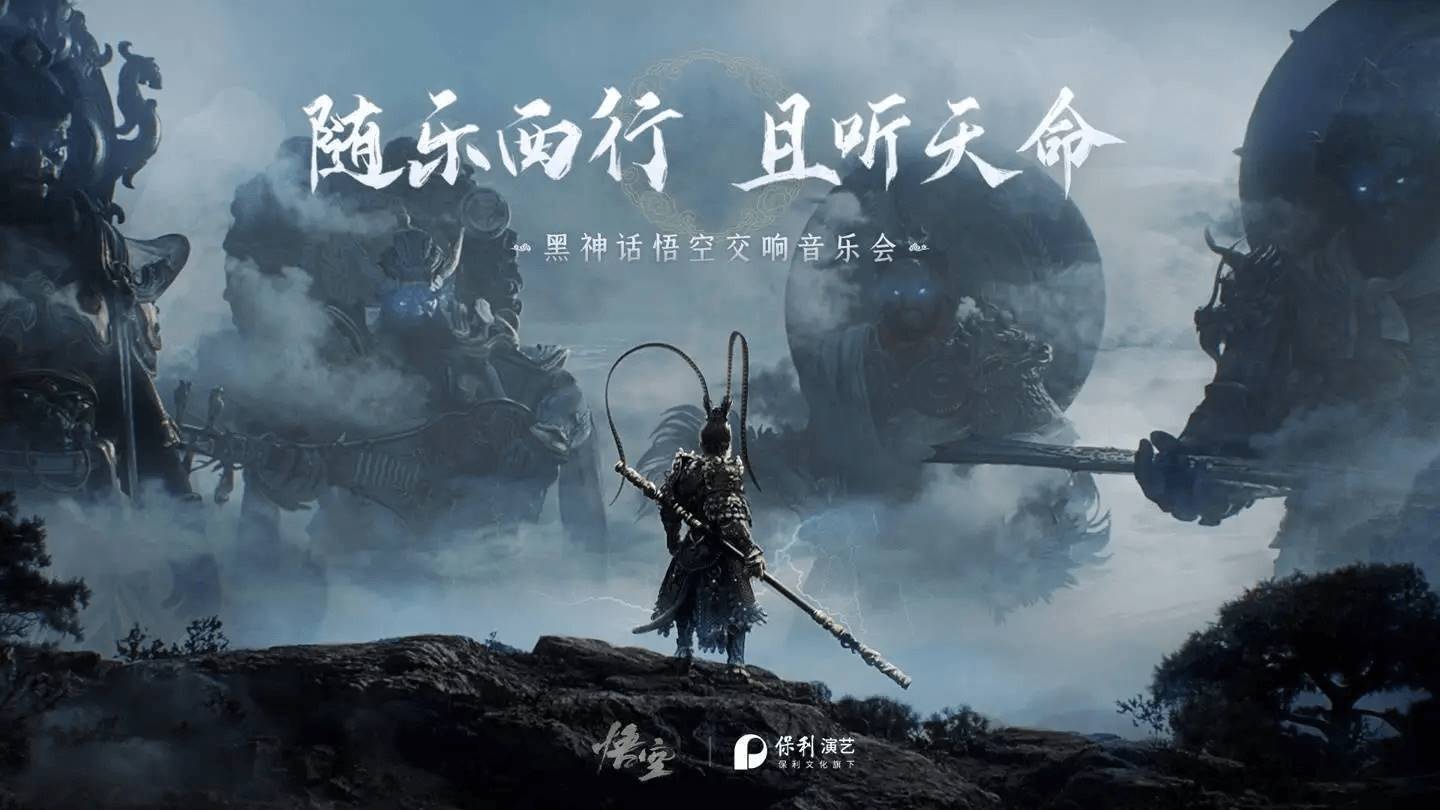
Investing in solid sound effects and excellent original music significantly enhances player experience. In *Black Myth: Wukong*, numerous memorable and stylistically diverse musical pieces blend modern orchestration with rich Chinese cultural elements, enriching both combat and storytelling. These tracks were so well-received that post-launch, the game launched an official concert tour. For indie developers, collaborating with emerging musicians and creative audio talent can elevate the game’s atmosphere and emotional depth.
By carefully refining these aspects, indie developers can match AAA-level production quality—or at least rival AAA titles in overall impact—delivering polished, immersive experiences to players.
2. Active Community Engagement Is Key
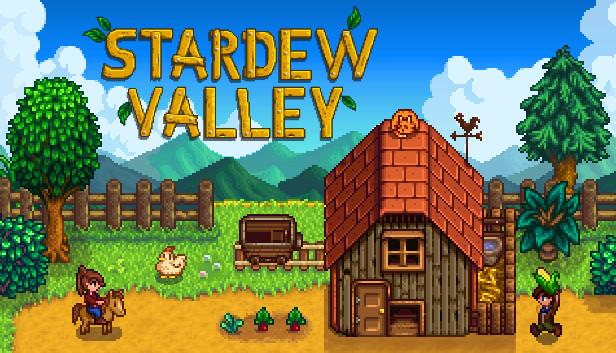
AAA studios invest heavily in marketing and community building long before launch, enabling them to attract a large player base on day one. While indie developers typically have smaller marketing budgets, they can still learn from this approach. Early promotion is critical. For instance, American game designer Eric Barone (aka ConcernedApe) used developer blogs and forums years before the release of *Stardew Valley* to build a dedicated community. By sharing development updates, screenshots, and progress reports, he successfully generated widespread interest and anticipation.
Marketing
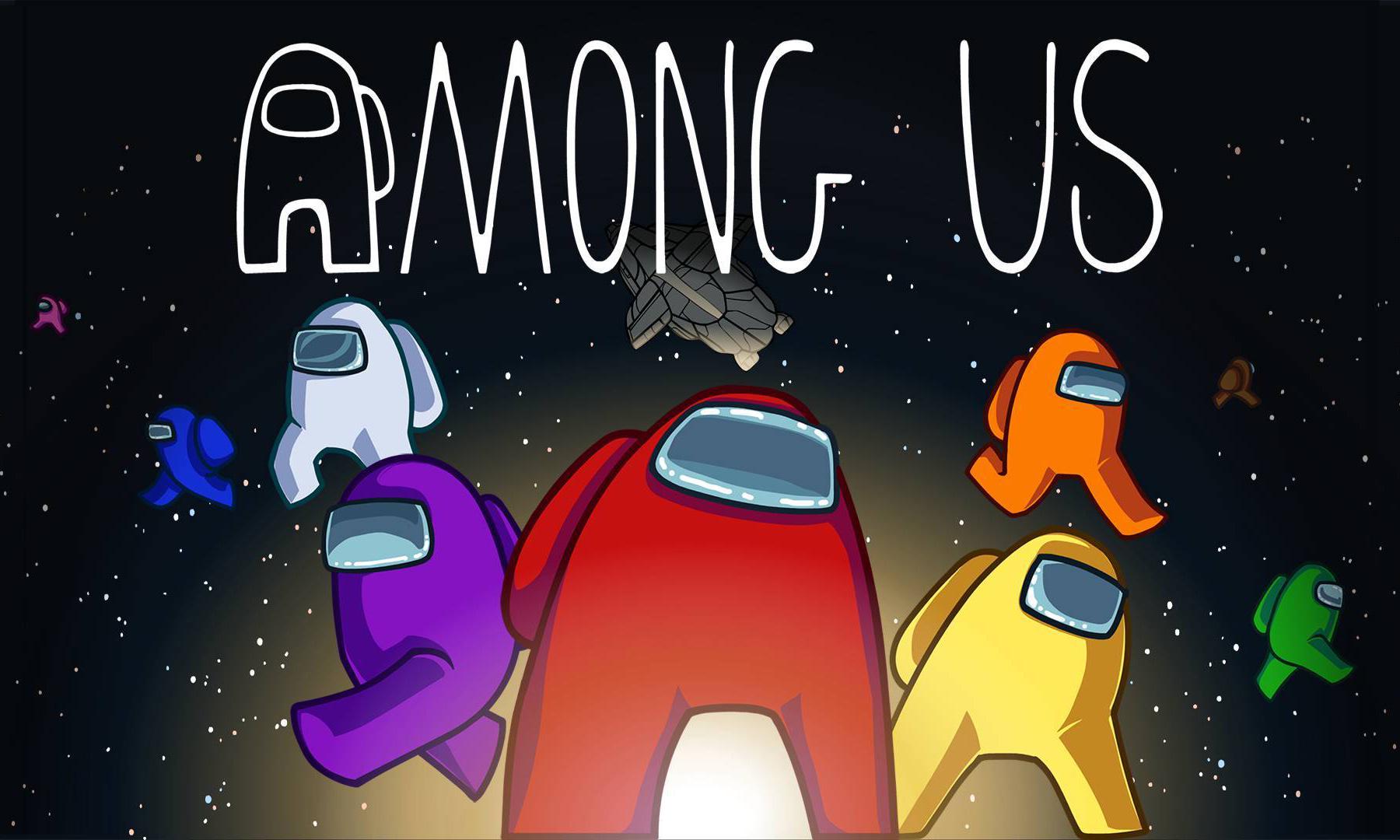
Regular updates on social platforms such as X (formerly Twitter), Facebook, TikTok, and Instagram help keep the community informed and excited—especially when paired with Steam developer logs. Some Web3 games even release "cut-down" versions on Steam for this purpose. Platforms like Discord and Reddit allow direct interaction with fans, helping developers understand preferences and gather feedback. For example, *Among Us* by InnerSloth maintained long-term popularity after launch through active social media presence and vibrant community engagement.
Crowdfunding
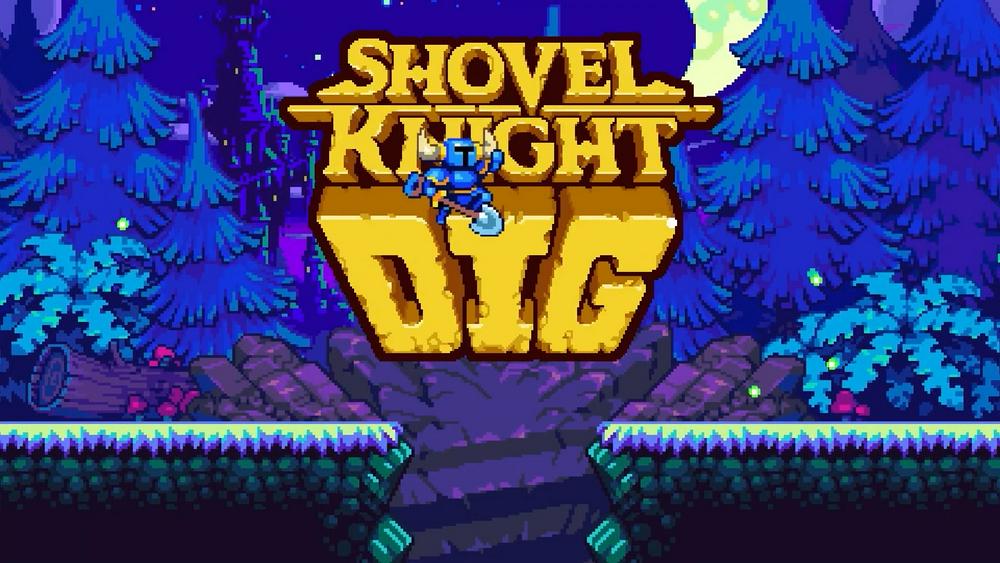
Crowdfunding platforms like Kickstarter and Indiegogo not only raise funds but also help cultivate loyal fanbases. Successful campaigns typically include detailed project descriptions, development timelines, and frequent updates, fostering a committed community among backers. Yacht Club Games effectively used Kickstarter to fund *Shovel Knight*, building an enthusiastic fanbase deeply engaged with the game’s development progress.
Regular Updates and Feedback Loops
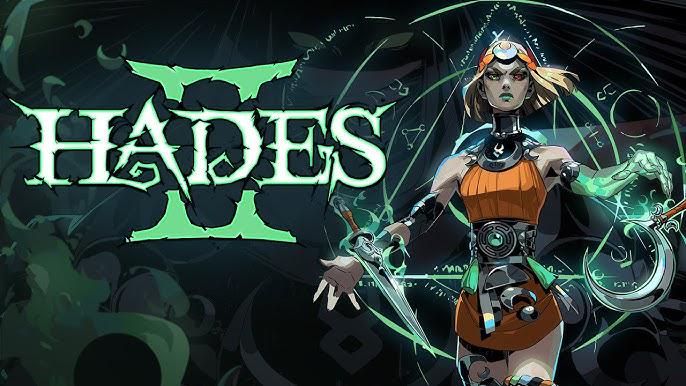
Maintaining ongoing interaction through regular updates and feedback channels is essential for building an active community. Early access programs, beta phases, and playable demos provide invaluable insights and enable iterative improvements based on player input. Supergiant Games successfully applied this method during the development of the rogue-like title *Hades*, using Steam’s Early Access program to refine and optimize the game based on community feedback.
3. The Rewards of Iterative Development and Playtesting
AAA studios often rely on iterative development—cycling through planning, execution, and evaluation phases—to refine their games continuously using playtesting and player feedback. Adopting similar methods benefits indie developers by helping identify and resolve issues early, ultimately delivering a more polished and engaging product.
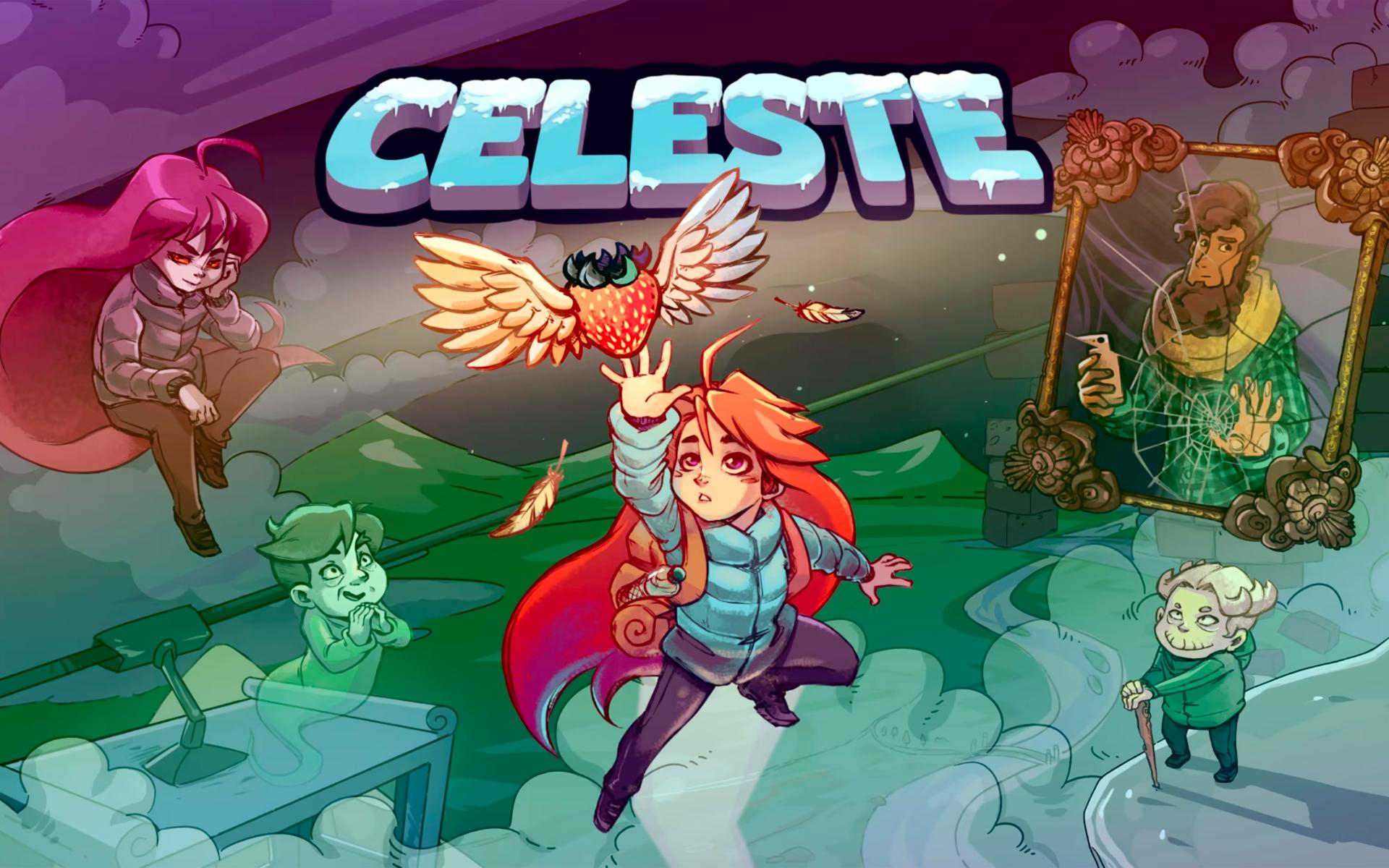
For example, *Celeste*, a platformer designed by Canadian developers Maddy Thorson and Noel Berry, began as a minimal 30-level prototype built for speedrunning. To achieve depth within a minimalist system, the team repeatedly invited players to test the game and iterated extensively. This process helped fine-tune mechanics, difficulty balance, and overall design. Thanks to timely feedback integration, *Celeste* received widespread acclaim upon release for its design, story, and soundtrack, earning perfect scores from multiple outlets and a nomination for Game of the Year at The Game Awards 2018.
In general, the iterative development process includes:
Early Prototype Release
Indie developers can release early prototypes or alpha builds to a small group of testers. Platforms like itch.io, which cater to indie content, offer ideal channels for sharing early versions or hosting game jams, allowing developers to collect feedback from passionate communities. For example, Cellar Door Games’ action-adventure title *Rogue Legacy* benefited greatly from early access and player input, helping refine its procedural generation and difficulty curve.
Playtesting Phases
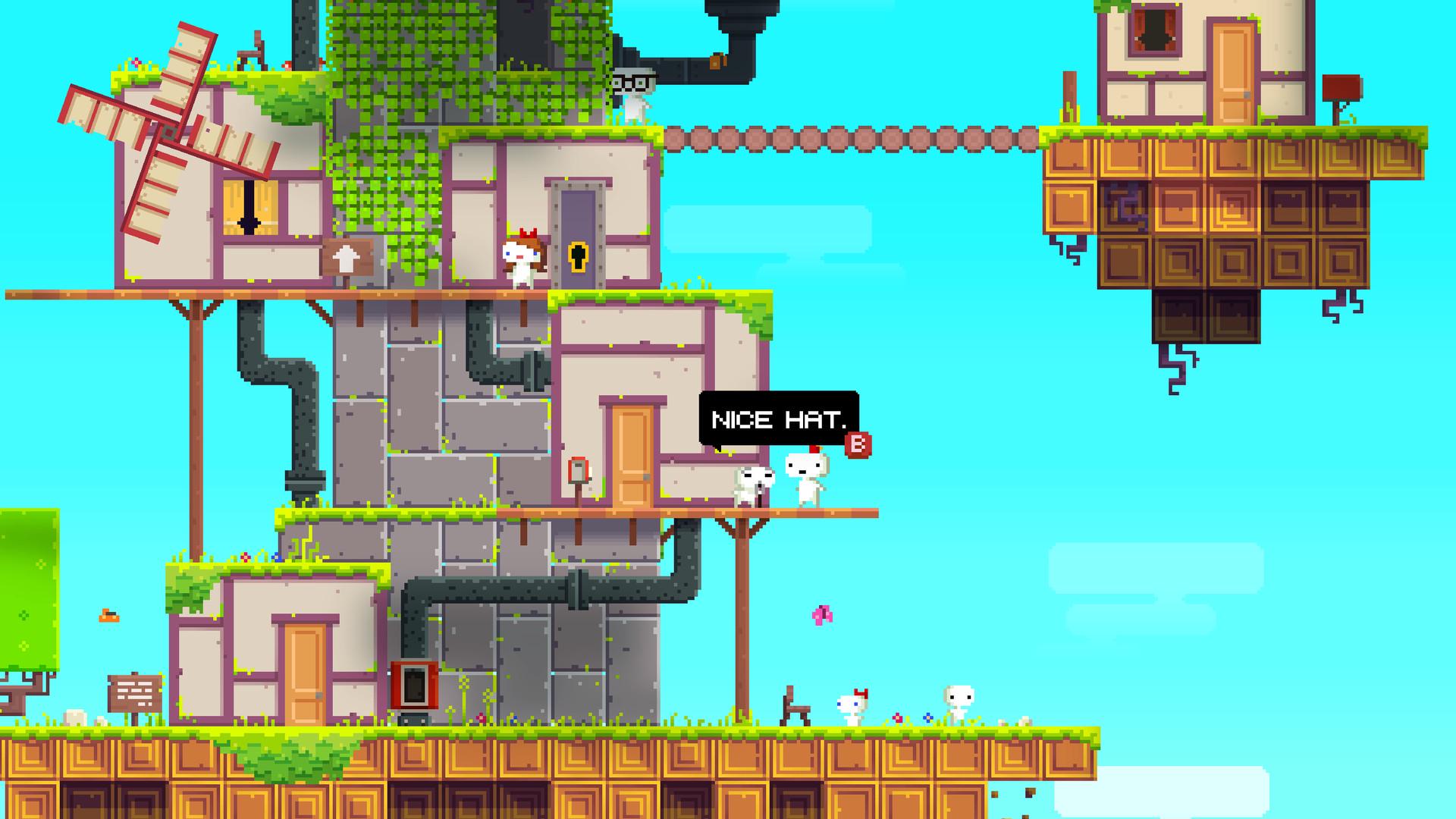
Organizing playtests at various stages allows developers to gather diverse feedback—whether through internal testing with friends and family or via online communities. Playtesting helps uncover bugs and gameplay issues while providing valuable insights into player behavior and preferences. Canadian studio Polytron Corporation spent five years developing the puzzle-platformer *Fez*, undergoing extensive playtesting that was crucial in refining its unique puzzle mechanics and ensuring a smooth player experience. Upon release, the game received universal acclaim and won the Seumas McNally Grand Prize at the 2012 Independent Games Festival.
Beta Testing Platforms
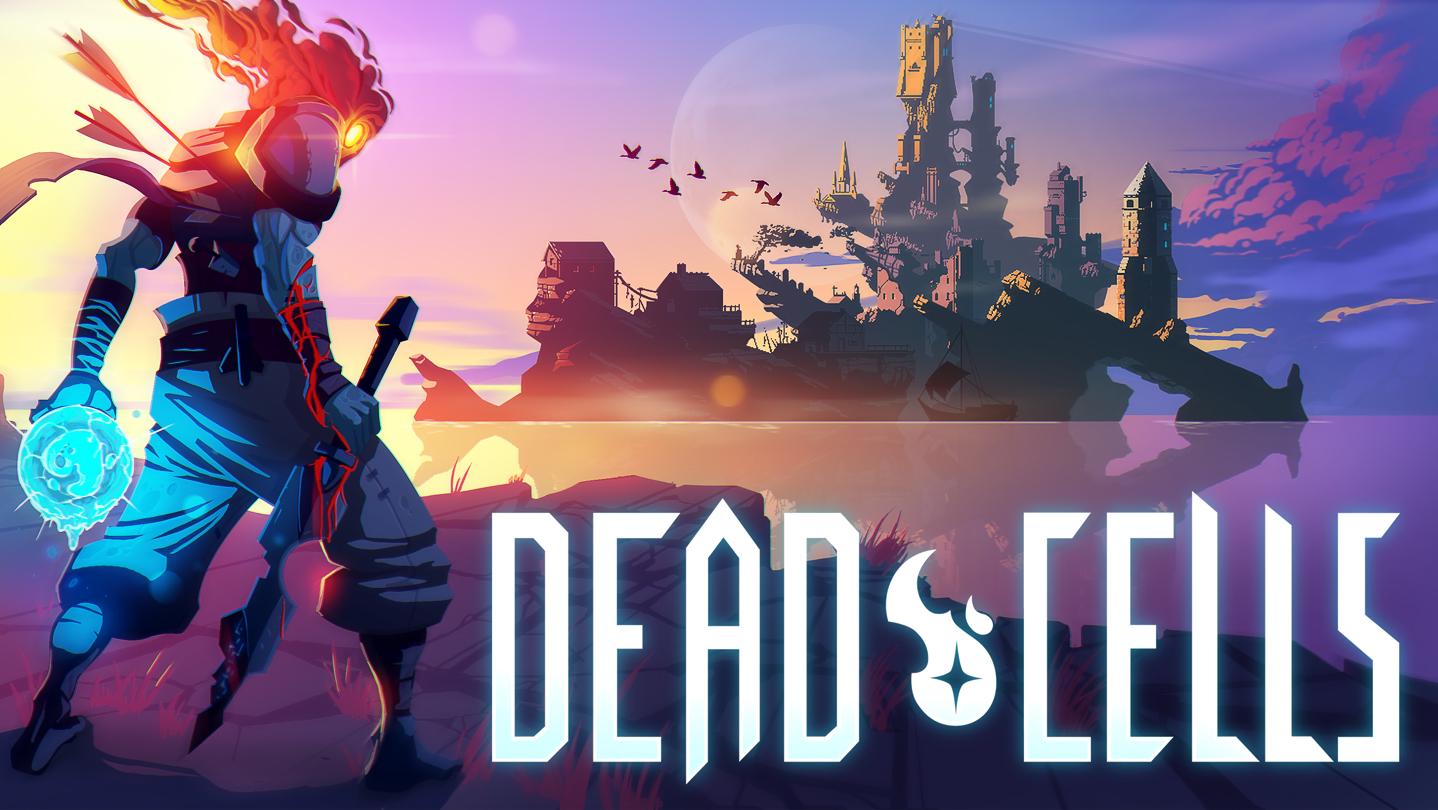
Beta testing platforms allow broader feedback collection prior to full release. By opening their games to larger audiences, indie developers can gather data on performance across different systems and conditions. Motion Twin successfully employed this strategy in developing the metroidvania roguelike *Dead Cells*, releasing it via Steam Early Access to receive timely community feedback on mechanics and balance. According to the team, 40% to 50% of changes made during early access stemmed directly from player input.
4. Strong Storytelling and World-Building Are Essential
AAA games excel at crafting deep narratives and intricately detailed worlds that keep players immersed for hours. In *Black Myth: Wukong*, the “Ying Shen Tu” character compendium alone documents the backstories of hundreds of demons defeated throughout the game, captivating players worldwide. Game developers can draw valuable lessons here—even with budget and team size constraints, focusing on compelling storytelling and world-building can significantly boost a game’s popularity and memorability:
Narrative Design
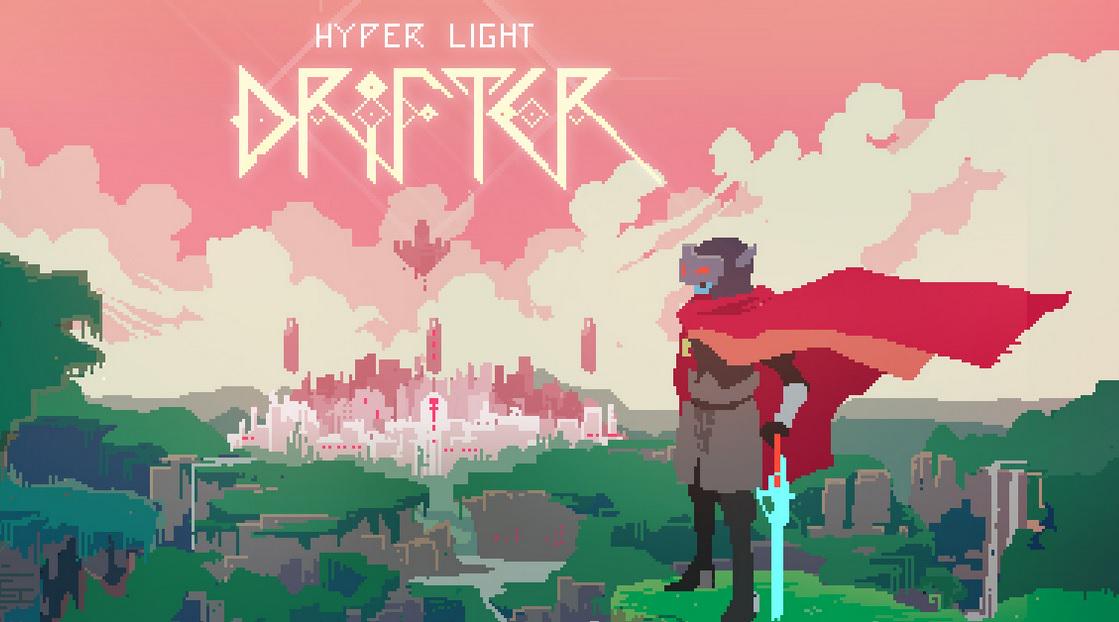
Engaging stories often feature relatable plots, unforgettable characters, emotional arcs, and meaningful choices. Creating a coherent world with consistent lore and visual style strengthens immersion and deepens player connection. Small indie titles like *Hyper Light Drifter* by Heart Machine demonstrate the power of effective world-building. Despite minimal dialogue, the game conveys a rich post-apocalyptic world through detailed pixel art, atmospheric sound design, and environmental storytelling.
Environmental Storytelling
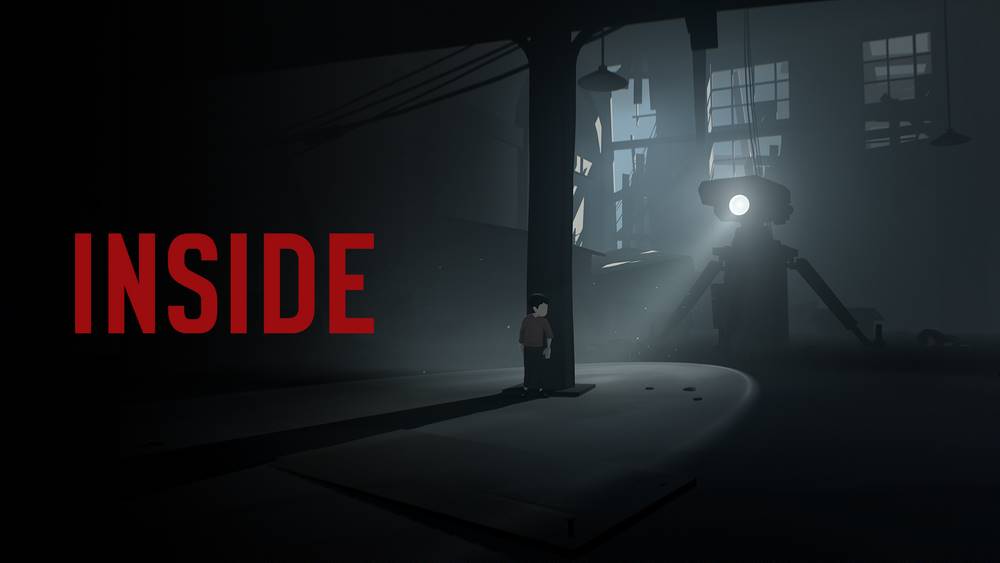
This technique conveys narrative elements through the game environment itself, rather than relying solely on dialogue or cutscenes. Danish indie studio Playdead’s puzzle-adventure *Inside* succeeded in storytelling largely through its visual design. The game reveals its dark, dystopian world through meticulously crafted levels and environmental clues. IGN noted that within just ten minutes of gameplay, players intuitively grasp its beautiful, eerie, and terrifying atmosphere. Developers can use this approach to add depth without relying heavily on exposition or dialogue.
Collaboration
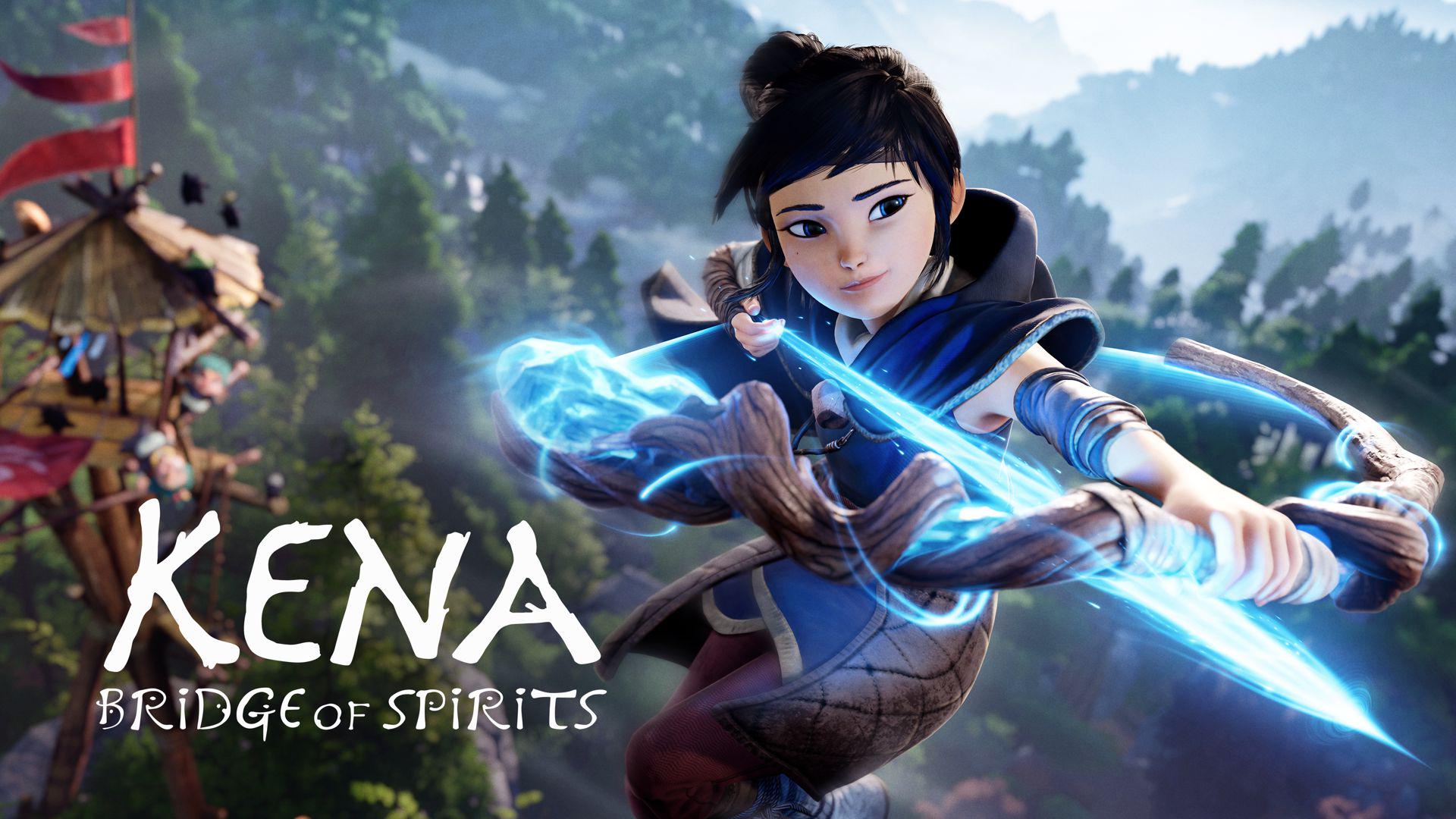
To strengthen narrative quality, developers should not hesitate to bring in external writers and artists. For example, Ember Lab’s story-driven action-adventure *Kena: Bridge of Spirits* received external support from Singapore-based Virtuos on asset creation, level design, and visual effects. This collaboration allowed the core team to focus on their creative vision while leveraging outside expertise. By prioritizing strong narrative elements, indie games can achieve storytelling depth and player engagement comparable to the most polished AAA titles.
5. Ongoing Support Ensures Longevity
AAA studios extend their games’ lifespans through continuous support and regular updates, keeping players engaged over time. Providing sustained support means:
Ongoing Patches
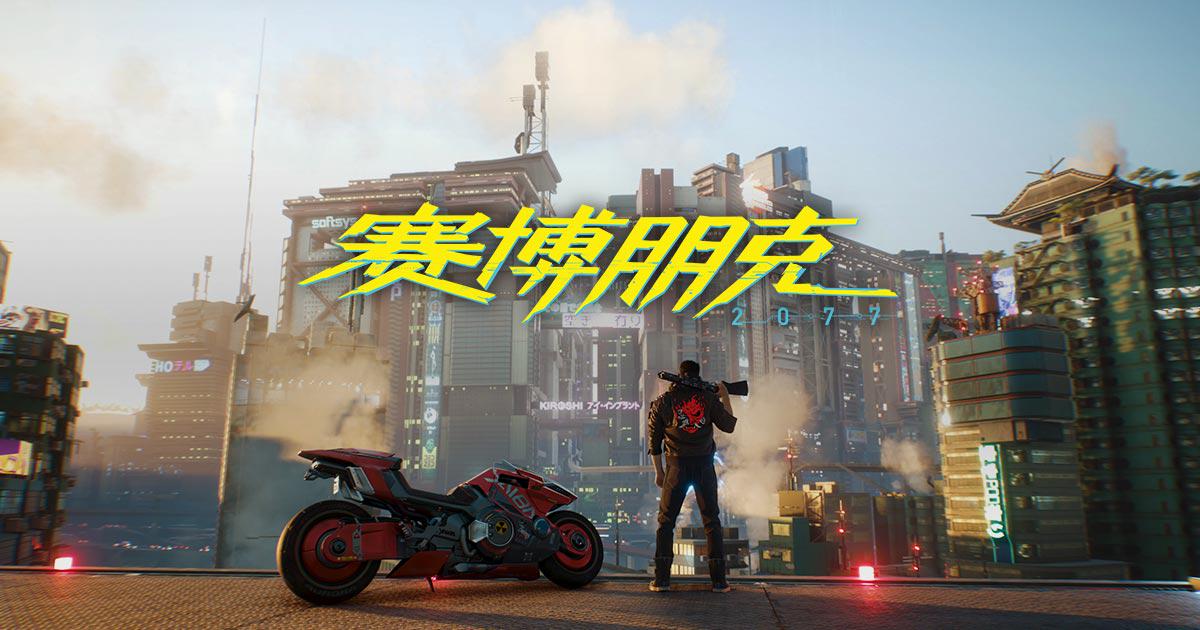
Post-launch patches help maintain game health by fixing bugs, rebalancing gameplay, and resolving performance or compatibility issues. Take the AAA RPG *Cyberpunk 2077*, for example—praised pre-release for its artistic and gameplay ambition, yet criticized at launch for poor performance and numerous bugs on consoles. Developer CD Projekt spent years improving the game with major patches addressing visuals and stability. Ultimately, following the 2023 release of the expansion *Cyberpunk 2077: Phantom Liberty*, the game underwent a dramatic reputation turnaround and achieved "Overwhelmingly Positive" ratings on Steam.
Community Feedback Integration
Indie developers can interact with players via forums, social media, and in-game surveys to collect suggestions for improvements or new features. Motion Twin’s *Dead Cells* is a standout example. The team streamed live gameplay on Twitch where viewers could vote to influence real-time events—such as what weapons appear in chests, enemy strength, or health restoration. Continuous optimization based on community input earned widespread praise, contributing to strong critical reception upon full release.
Downloadable Content (DLC)
Indie developers can create meaningful and fairly priced DLCs that enhance replayability and enjoyment by introducing substantial new content. As mentioned earlier, *Hollow Knight* released several free DLC packs adding new areas, bosses, and abilities, significantly expanding the game’s scope. By offering these at no extra cost, the developers maintained strong community engagement. This not only increased value for existing players but also attracted newcomers who viewed ongoing support as proof of quality.
Regular Content Updates
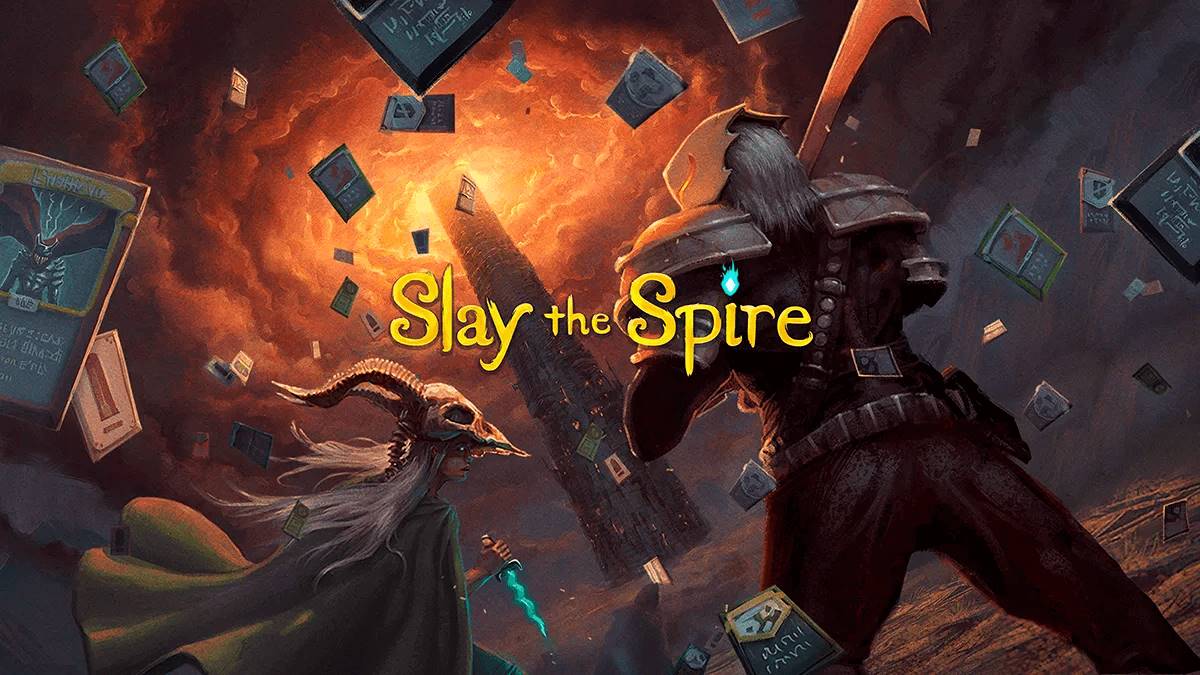
Planning for post-launch content should begin early in development. Developers can outline future expansions—including additional levels, features, or storylines—in advance. For example, MegaCrit’s card-based roguelike *Slay the Spire* regularly releases updates and new content, keeping the player community engaged and enthusiastic. These include new characters, cards, and balance adjustments, greatly enriching the overall experience.
Join TechFlow official community to stay tuned
Telegram:https://t.me/TechFlowDaily
X (Twitter):https://x.com/TechFlowPost
X (Twitter) EN:https://x.com/BlockFlow_News
 PANews






