Where lies the path forward: The journey of next-generation Web3 games
TechFlow Selected TechFlow Selected
Where lies the path forward: The journey of next-generation Web3 games
This article will focus on identifying the most promising Web3 gaming projects in 2024 across various sub-sectors that have the potential to go mainstream, just like "Black Myth: Wukong."
 Navigating Web3 tides with focused insights
Author: PKU Blockchain Research
As the "Destined One" chapter of *Black Myth: Wukong* comes to a close, another pilgrimage has quietly entered its mid-journey—the new era of Web3 gaming. As one of Web3's most classic narratives, GameFi is gradually shifting from "play-to-earn" to "play-to-play," placing greater emphasis on gameplay rather than financialization. Just as Wukong grows through trials and adversity, these Web3 games are also seeking their own true scriptures. This report, the first in this semester’s PKUBA·SectorScan series, will focus on identifying the most promising Web3 game projects across various sub-sectors in 2024 that have the potential to break into the mainstream like *Black Myth: Wukong*.
Hamster Kombat: A Tiny Hamster's Web3 Odyssey
Hamster Kombat is a "tap-to-earn" Web3 game combining pet-raising, combat, and social elements. Players raise their own hamsters and engage in real-time battles to earn tokens and unique NFT rewards. The project features both a governance token and an in-game currency—used for community decisions and purchasing items or upgrades, respectively. On September 26, 2024, Hamster Kombat officially launched its airdrop, with its ecosystem token HMSTR simultaneously listing on over ten major exchanges including Binance, OKX, and Bybit. Backed by more than 300 million users, it set a record for the largest airdrop user base to date.
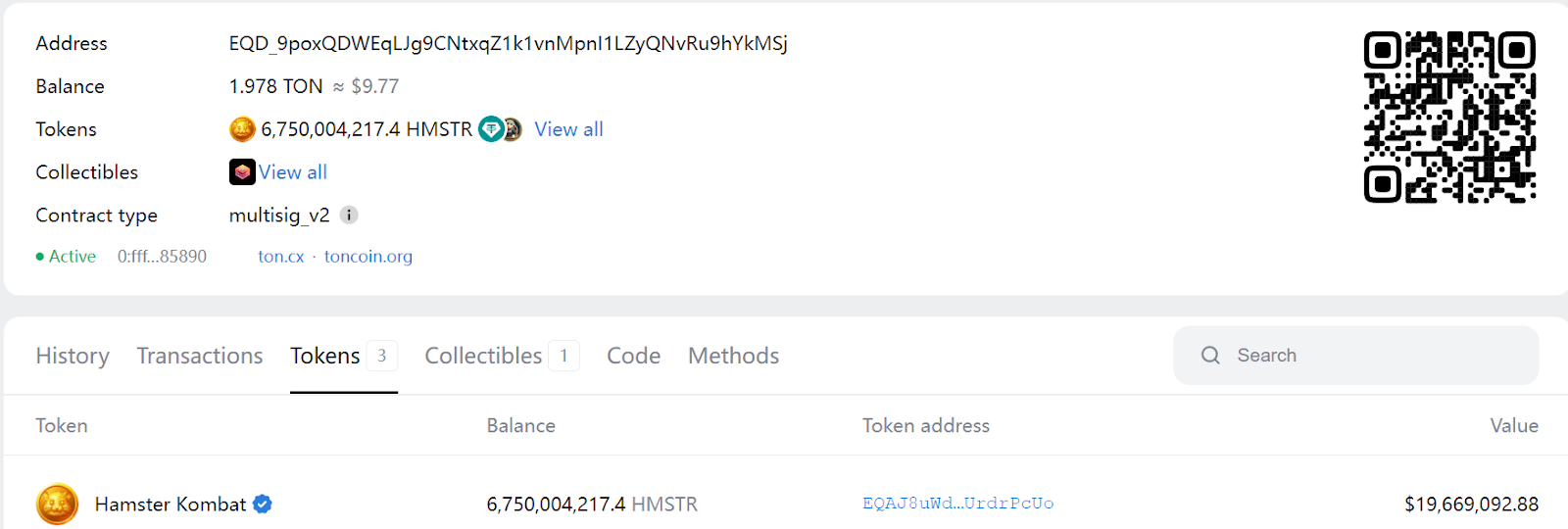
Players can enhance their hamster's attributes through training, feeding, and upgrading, or enter them into arenas for real-time PvP battles to climb leaderboards and win rewards. The project’s native token $HMSTR is used for voting, purchasing in-game items, and upgrading hamsters. In Hamster Kombat, a player's exchange tier depends on their game score balance, ranging from Bronze to Grandmaster across nine levels. Notably, Hamster Kombat’s success represents an atypical case. Launched in March 2024 via a Telegram channel without any initial funding, early Twitter discussions were minimal. However, boosted by momentum from Notcoin, traffic surged. By May, the game had reached 15 million users, with its Telegram channel ranking third globally. Subsequently, user numbers skyrocketed to 300 million, amassing 69 million subscribers—the highest in the world. The primary driver behind this success lies in its high playability: diverse pet-raising systems, real-time battle mechanics, and strong social interaction allow players to strengthen their hamsters while engaging in competitive, fast-paced matches. Compared to other games, Hamster Kombat’s unique “tap-to-earn” mechanism lowers entry barriers, enabling broader participation and earning opportunities. Additionally, innovative marketing and social media engagement strategies helped rapidly attract and retain users, setting it apart within the Web3 gaming landscape.
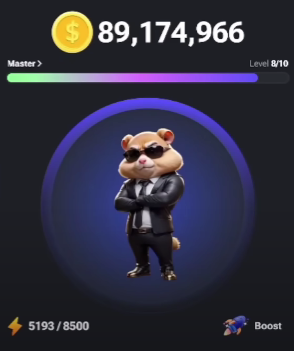
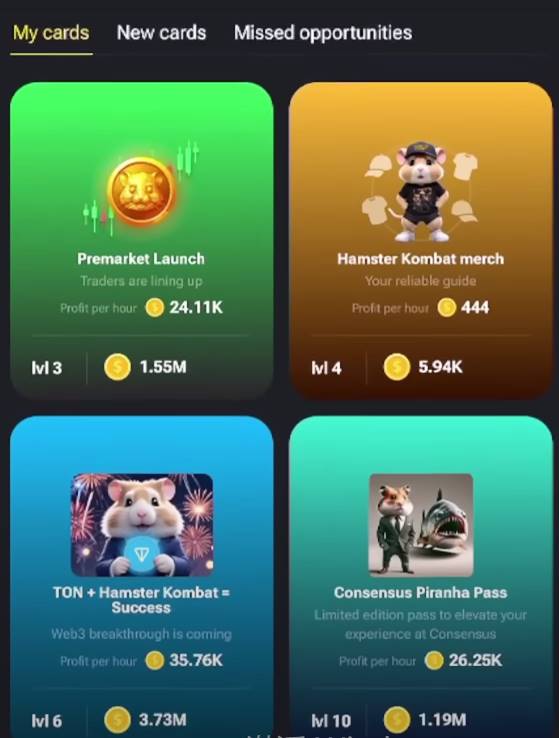
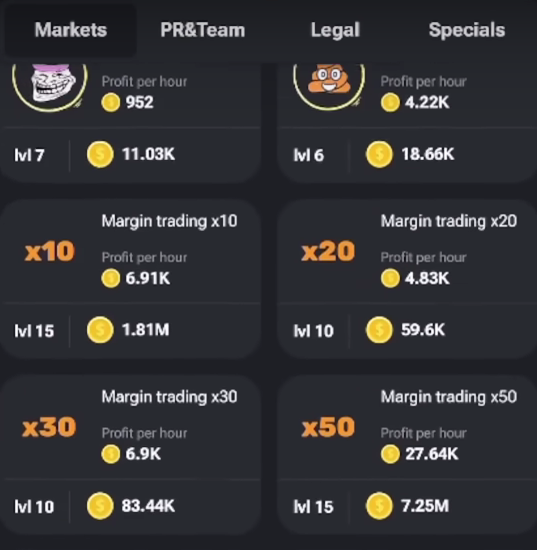
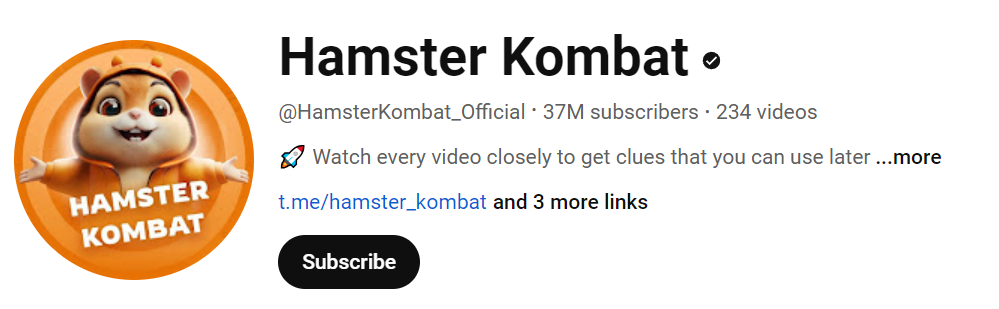
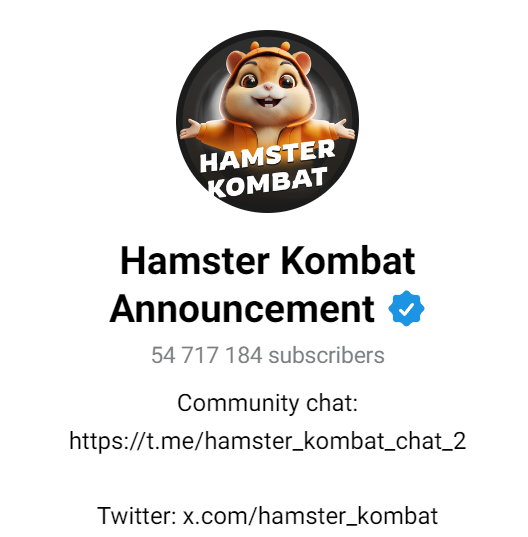
Furthermore, the team employed savvy traffic-driving tactics—including daily news programs and active social media interactions—rapidly increasing follower counts and viewership, thereby securing algorithmic recommendations from social platforms.
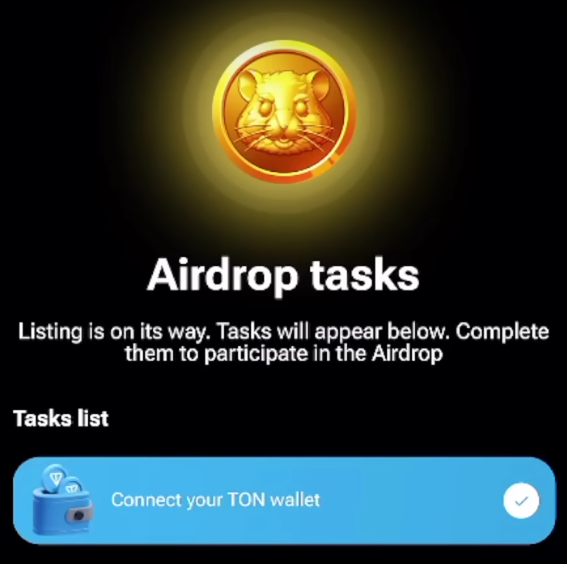
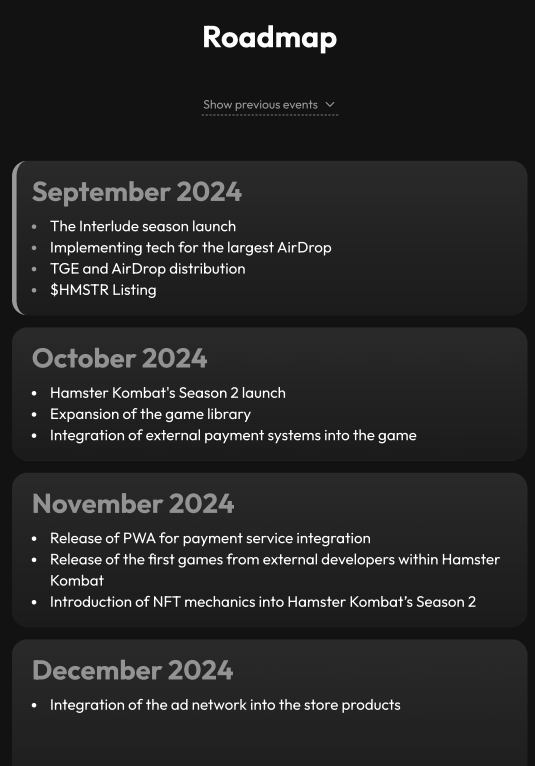
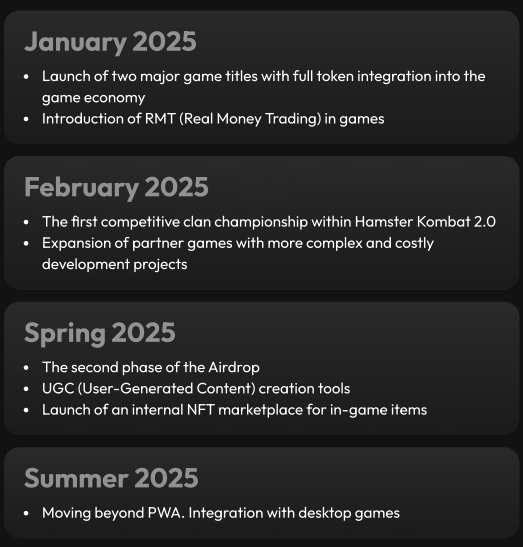
However, Hamster Kombat faces significant challenges regarding airdrop distribution. With rapid user growth, fairly distributing airdrops became critical. Previous large-scale airdrops typically involved user bases in the millions, but Hamster Kombat lacked effective anti-Sybil mechanisms during its early stages, resulting in massive bot farming ("airdrop hunting"). This made identifying Sybil accounts difficult and potentially undermined legitimate users’ interests. Although the official user count stands at 300 million, only 131 million qualified for the airdrop, with 2.3 million Sybil addresses detected. Hamster Kombat emphasized that due to cheating, participation from these 2.3 million accounts has been permanently banned. In September 2024, Hamster Kombat unveiled its 2025 roadmap focusing on sustained development and community engagement, including plans for new features, updates to enrich gameplay, and expansion of the NFT marketplace and overall game ecosystem.
SERAPH: A Dark Horse in the ARPG Arena
*SERAPH: In the Darkness* is a dark fantasy-themed, NFT-based action ARPG Web3 game. Since its official chain launch and first season began in November 2023, SERAPH has maintained strong popularity. According to DappRadar data, SERAPH surpassed 1 million unique active wallets (UAW) in the past seven days, ranking second in the #GameFi sector. Transaction volumes have similarly risen. As a representative of second-generation blockchain games, SERAPH achieved over 10,000 registrations during its Alpha test in April 2023, with each subsequent test breaking records: Season 0 (the fifth test) saw average DAU reach 15,000, a 14-day retention rate exceeding 30%, and generated millions of dollars in revenue—solidifying its status as a breakout hit in the ARPG space.

This remarkable performance is backed by a powerful development team. Incubated by Korean gaming giant Actoz Soft (KOSDAQ-listed), the SERAPH team brings over 15 years of experience in developing dark fantasy-style games. After embracing Web3, they demonstrated exceptional iteration speed—not only mastering Web3 concepts, technical frameworks, and tokenomics, but also carving out a unique positioning beyond existing models. Their extensive cross-over experience between Web2 and Web3 ensures the game appeals to both traditional and blockchain-native players alike. Financially, unlike many community-funded projects, SERAPH self-financed development leveraging resources from its established Web2 parent company, building trust through high-quality gameplay—a testament to the team’s confidence in their development capabilities.
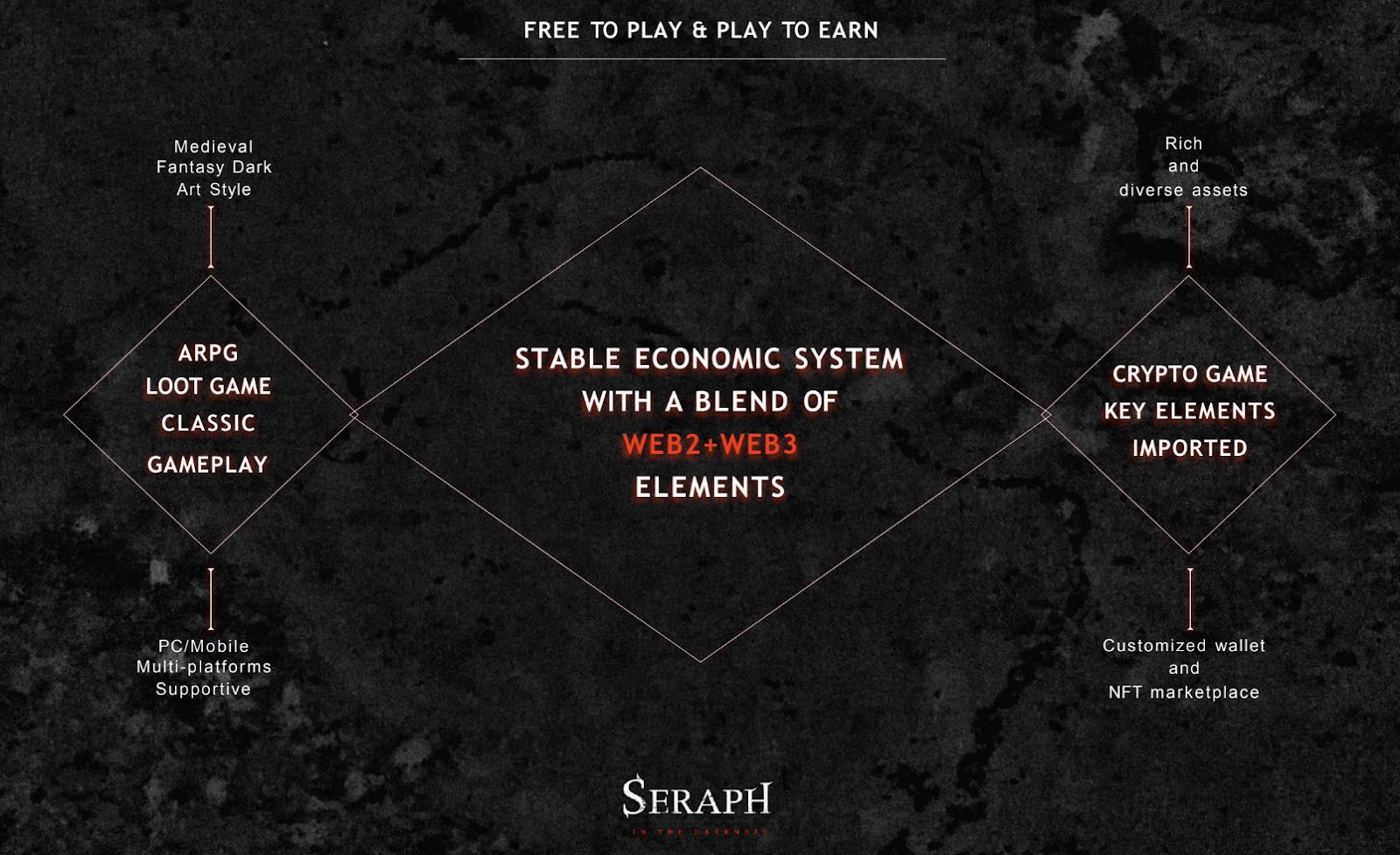
In terms of gameplay, SERAPH builds upon classic dark fantasy elements such as gear enhancement, character progression, and dungeon exploration, while introducing innovations like AI companions and multiple MMO features—multiplayer co-op, PvP leaderboards, and a player-driven marketplace—greatly enhancing replayability and social dynamics. Economically, the game is free-to-enter, allowing players to earn rare assets through play. Unique NFT equipment enables the production of “Soul Spars,” which have wide utility in-game and are supported by multiple deflationary mechanisms to combat inflation and ensure long-term economic stability. Additionally, seasonal rewards incentivize players to craft personalized gear, promoting circulation and trading, thus fostering a diverse and evolving in-game economy.

Notably, Seraph diverges from the typical dual-token model used by most Web3 games. According to the whitepaper, it will launch with only a single token. While the current single-token economy remains stable, sustaining equilibrium amid growing user adoption—and mitigating inflation risks—will be a key test of the team’s innovation and management prowess.
Parallel: Breaking Boundaries in Sci-Fi TCGs, a Strong Challenger to Hearthstone
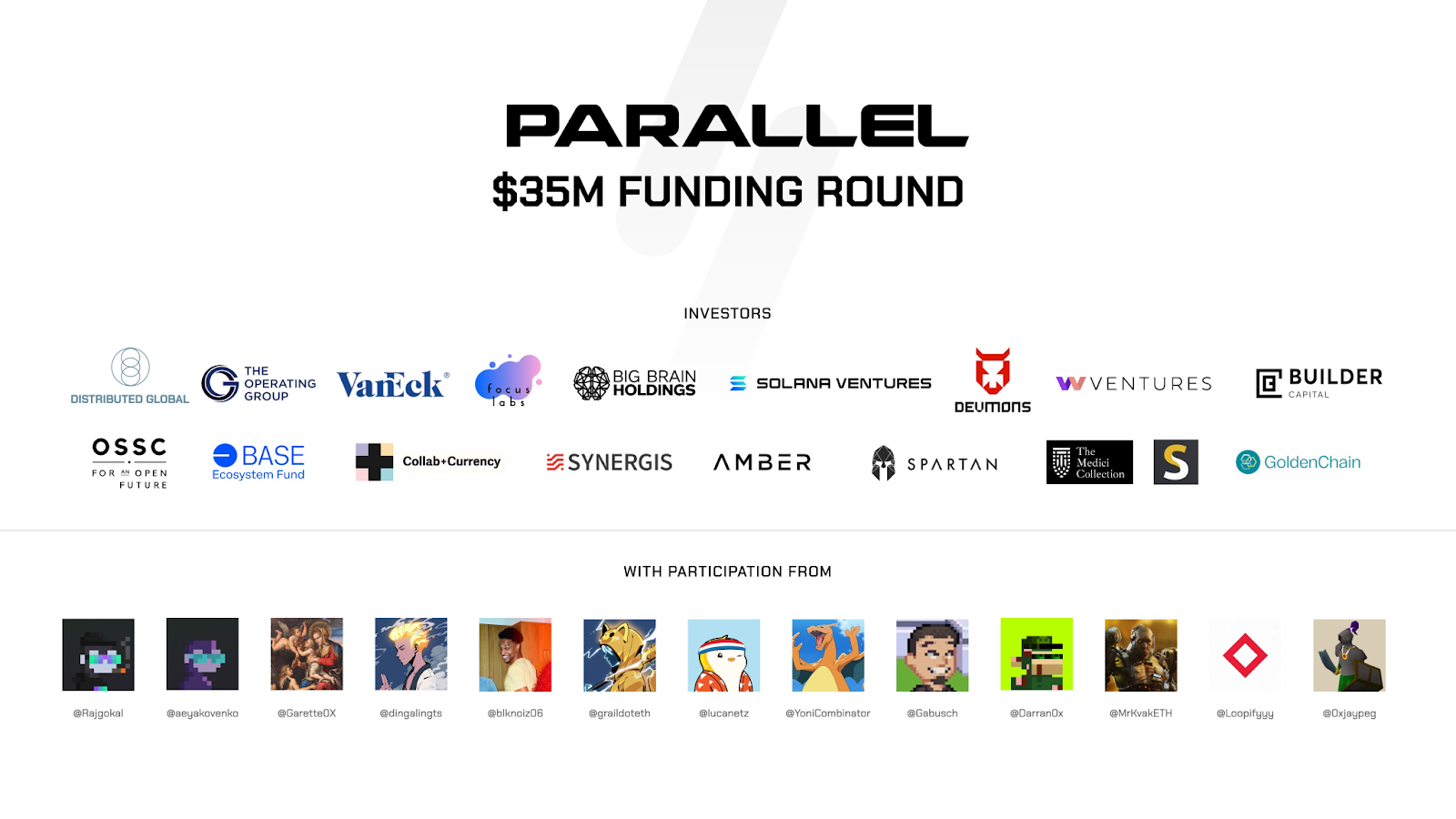
As a collectible card game (TCG), Parallel leverages NFTs to grant players full ownership of cards and in-game assets, enabling peer-to-peer trading akin to Yu-Gi-Oh!. In October 2021, the project secured $50 million in funding from Paradigm at a $500 million valuation, followed by a beta release in February 2024. Later, in March 2024, the company raised an additional $35 million from over 20 VCs including Solana Ventures, Distributed Global, and OSS Capital. Among the six co-founders, Sascha Mojtahedi brings nearly 16 years of project development and operational experience. Three team members hail from the University of Waterloo, Canada, giving the team a strong Canadian foundation. The core design team comprises former leads from renowned studios such as Epic Games, Blizzard, and Riot Games, lending strong industry credibility and design expertise.
Compared to existing TCGs, Parallel stands out in several dimensions: First, its sci-fi storyline offers high thematic differentiation, generating significant early interest. Second, gameplay centers around deck-building, encouraging strategic depth and competition through PVP rankings. With a vast array of cards and synergistic combinations, Parallel offers immense build diversity, allowing skilled players to optimize complex strategies. Despite the large card pool, Parallel emphasizes balance and allows card disassembly and synthesis, lowering entry barriers and inviting free-to-play users to contribute to the ecosystem. Artistically, Parallel prioritizes visual quality and immersive aesthetics—unlike many Web3 TCGs relying on AI-generated art—giving it a distinct edge in the blockchain gaming space. As a result, Parallel has emerged as a disruptive force—a true "catfish" stirring up the stagnant TCG market.
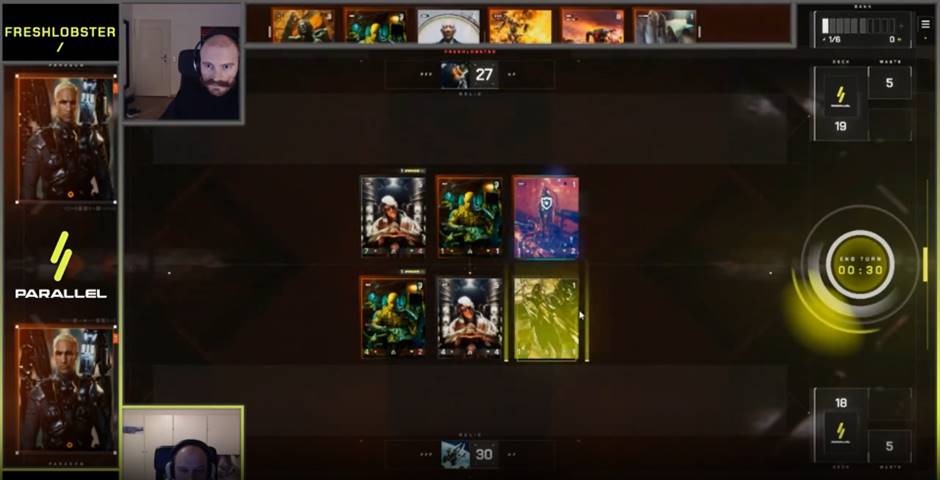
Despite its breakout success, Parallel still faces hurdles in achieving long-term sustainability and cultivating a dedicated core player base. First, user feedback highlights UI flaws such as unclear card text, lag, and crashes. Second, the absence of a tiered matchmaking system and insufficient loss compensation for new players undermines positive reinforcement. Finally, the in-game economic loop requires refinement—particularly in managing card liquidity and curbing inflation as new players and cards enter the system—key factors affecting replay value and user retention.
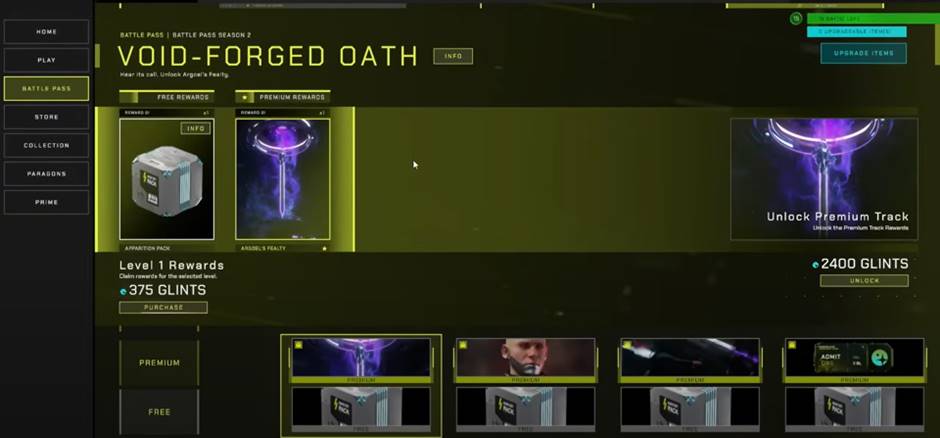
To date, Parallel has completed eight seasons. As the game continues to evolve, its impact on the broader TCG landscape remains highly anticipated.
SHRAPNEL: A Player-Created FPS Experience
Shrapnel is a first-person shooter (FPS) that merges premium-tier gameplay with Web3 technology. Developed by industry veterans who previously worked on iconic titles like *Halo* and *Call of Duty*, Shrapnel raised $10.5 million in initial funding in 2021 from investors including Dragonfly and Three Arrows Capital, with angel backers such as Keith Nunziata (Citadel Global Equities) and Jason Zhao (Kleiner Perkins), followed by an additional $27 million in later rounds.
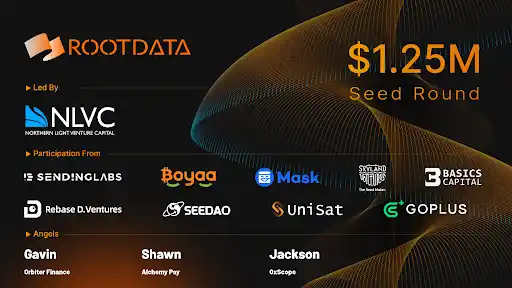
Unlike many blockchain-based games, Shrapnel emphasizes high-fidelity graphics and polished gameplay, rivaling top-tier traditional FPS titles. Most blockchain games fall under virtual worlds or metaverse concepts, emphasizing creativity and socialization with limited combat depth. In contrast, Shrapnel delivers intense, strategy-driven combat experiences where players undertake high-risk missions for substantial rewards—setting it apart in the blockchain gaming space.
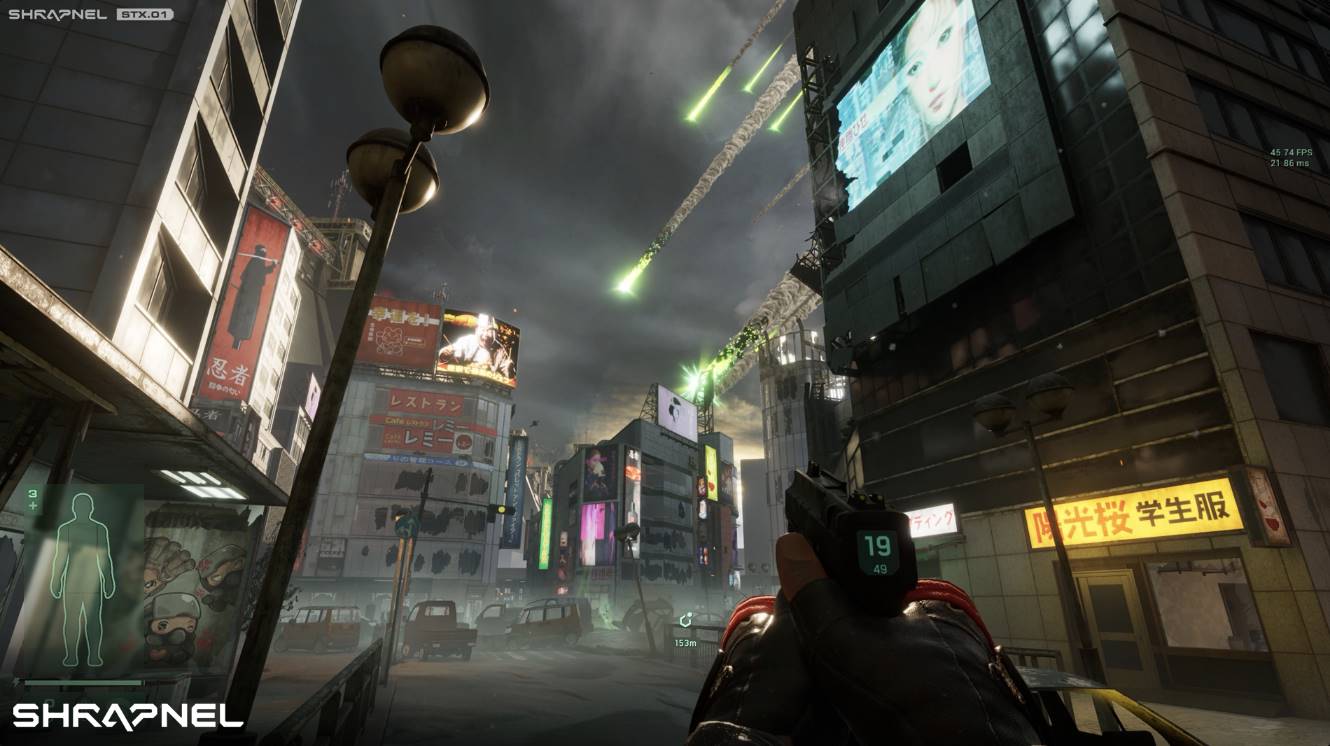
Shrapnel also provides robust user-generated content (UGC) tools, enabling players to create characters, weapons, and maps, mint them as NFTs, and share or trade them with others. These creation tools are tightly integrated with gameplay, ensuring that player-made content has practical in-game utility.

However, at the end of 2023, the studio filed lawsuits against several investors alleging attempts to seize company control and treasury funds, casting doubts on a title once hailed as one of the most anticipated games of 2023 and 2024. Internal issues have since been resolved, and Shrapnel has launched on Epic Games Store, maintaining steady attention across platforms and gaming communities. With a powerhouse team experienced in developing titles for Disney and Ubisoft, expectations remain high for Shrapnel’s future trajectory.
Illuvium: The Pinnacle of Open-World Adventure and Combat in Web3
Illuvium is a 3D open-world game built on Ethereum L2 Immutable X, where players explore and actively shape the environment. Developed by the Illuvium Decentralized Autonomous Organization (DAO), the game revolves around discovering and capturing mysterious creatures called Illuvials. Players use their collected Illuvial NFTs to battle others and earn rewards based on combat achievements.
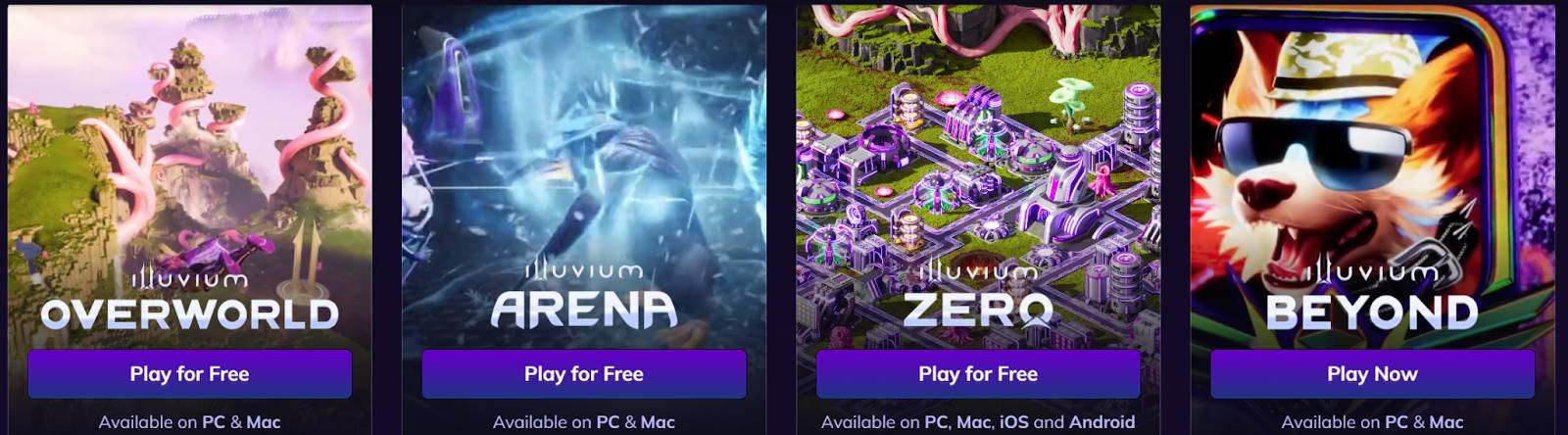
The Illuvium ecosystem consists of four interconnected games: Illuvium Overworld, Illuvium Arena, Illuvium Zero, and Illuvium Beyond. There are five classes—Guardian, Fighter, Rogue, Psion, and Empath—and five affinities: Water, Earth, Fire, Air, and Nature (e.g., Earth Psion). Up to two affinities can be combined for enhanced power. Captured Illuvial NFTs are stored directly in players’ crypto wallets on-chain, while in-game characters reside in Shards, which vary in strength—stronger shards support more powerful Illuvials. Since launch, Illuvium has drawn widespread attention from Web3 gamers thanks to its rich ecosystem and compelling game design.
The game’s innovation lies in two key areas. First, Illuvium distinguishes itself from competing dApps by focusing on high-quality, evolving NFTs and integrating gameplay with play-to-earn mechanics. It blends classic RPG collection elements with popular auto-battler combat styles. Second, leveraging ImmutableX L2, it offers zero gas fees and sub-second transaction speeds.
The team comprises 71 members, including 15 core developers. Co-founder Kieran Warwick brings extensive entrepreneurial experience, entering Web3 in 2015 as marketing director for an Australian OTC exchange. He re-entered the space with the rise of DeFi. His brother and co-founder, Aaron Warwick, studied computer engineering and physics, later serving as lead game designer for Illuvium.
Since 2021, the project has completed four funding rounds totaling $65 million, including a $12 million raise in March 2024, leaving the team well-capitalized.
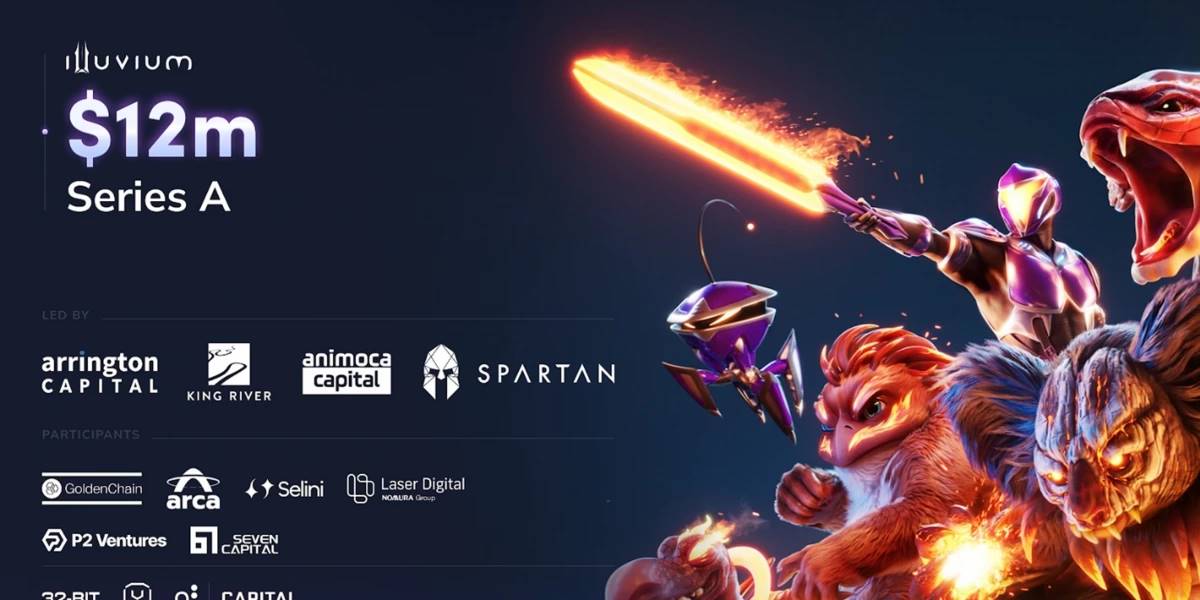
The native token $ILV offers two main advantages: (1) Efficiency—Immutable X uses advanced ZK-Rollup technology to enable fast, low-cost transactions on Ethereum, offering clear advantages in speed and fees compared to the Ethereum mainnet; (2) Ecosystem Growth—amid the NFT market boom, $ILV’s ecosystem continues expanding, with numerous prominent projects joining Immutable X and fueling its momentum.
Currently, the game faces three main risks: (1) Code Security Risk—although Illuvium’s staking contracts have undergone multiple audits, potential vulnerabilities remain. Moreover, since the game’s source code has not yet been open-sourced, security cannot be fully verified, leaving room for exploits or cheat software; (2) Market Competition Risk—game markets are fiercely competitive, with new titles constantly emerging; (3) Token Volatility Risk—as the project’s key governance token, sharp fluctuations in $ILV price could negatively impact development and operations.
Eighty-One Trials Before Enlightenment
Just as the journey to the West involves eighty-one trials, the path to enlightenment is never smooth. The evolution of Web3 gaming is similarly fraught with challenges and opportunities. Hamster Kombat, despite facing airdrop distribution hurdles, has explored new frontiers in pet-raising, combat, and social integration. SERAPH, while needing optimization in tokenomics, stands out in the ARPG genre through strong team execution and innovative mechanics. Parallel, though still refining its UI and matchmaking, has successfully attracted a broad audience with its sci-fi theme and high-quality visuals. Shrapnel, despite internal turbulence, continues drawing attention for its compelling combat design and rich UGC offerings. Illuvium, even amid security and market risks, remains highly visible thanks to its expansive ecosystem and premium NFTs. Ultimately, improving accessibility and engagement for traditional Web2 users will be a shared challenge for all Web3 games. Just as every trial shapes Wukong’s growth, only by enduring storms can Web3 games discover their true scriptures in the vast digital realm.
Join TechFlow official community to stay tuned
Telegram:https://t.me/TechFlowDaily
X (Twitter):https://x.com/TechFlowPost
X (Twitter) EN:https://x.com/BlockFlow_News