1kx: Ethereum, a surreal online world
TechFlow Selected TechFlow Selected
1kx: Ethereum, a surreal online world
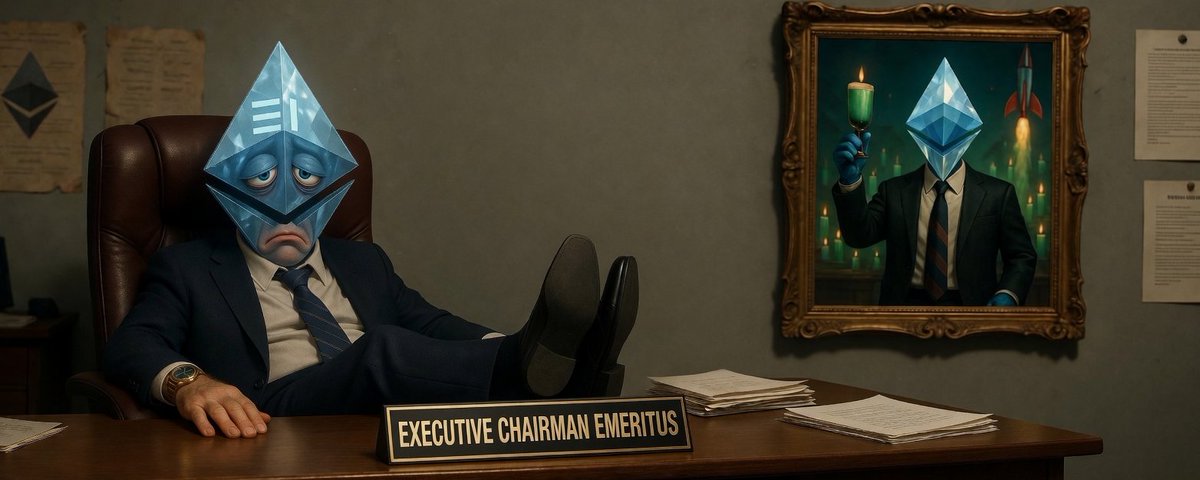
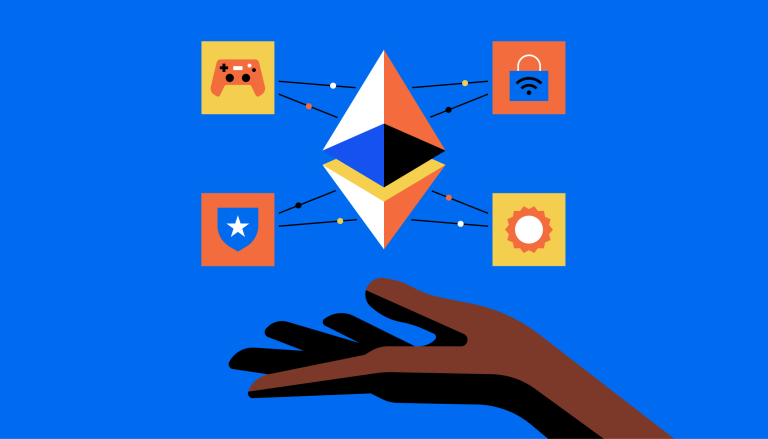
Today's Ethereum is like a game running out of content.
 Navigating Web3 tides with focused insights
Written by: Peter 'pet3rpan'
Translated by: Luffy, Foresight News
Everyone complains that cryptocurrency hasn't produced any real-world utility. But I'd argue it has built an interesting, surreal online world.
Blockchain as a New Medium for Entertainment
The vast potential of blockchain in entertainment remains untapped. It's a cultural phenomenon that has unfolded organically.
Ethereum is beloved not because of its technology, but because of the community around it, the culture that followed, the sense of purpose it gives people, the friendships formed along the way, the opportunities to serve others and capture attention—let alone the endless drama, gossip, chaos, and fun. Some want financial freedom quickly, some aim to change the world, and many fall somewhere in between—but all cherish ETH, the token representing ownership in this world.
Ethereum offers an immersive, social, and meaningful game.
While today’s Ethereum has evolved into general-purpose infrastructure supporting use cases like payments, trading, and collectibles, its greatest success isn’t as a backend for applications, but as a full-fledged world where people live, create, belong, and grow.
The Ethereum experience is hard to define—it’s strange and novel. We haven’t yet given a serious name to what it truly is. To understand it, we may have over-rationalized it as a temporary phase of crypto. This has been a messy, weird, exploratory period—a collective attempt to make sense of blockchain as a new technology. Yet, as most of the hype cycle faded after 2021, the true nature of cryptocurrency might just be emerging: the experience of participating in blockchain is the product itself.
Blockchain is like a blank canvas, shattering our preconceptions about entertainment, finance, and computing systems. Cryptocurrency blurs traditional boundaries, offering experiences that exist somewhere between these three domains.
This also explains why any single attribute of blockchain, when isolated, either struggles with adoption or often makes systems worse.
Games don’t get better simply by using blockchain as a database; financial systems lack native consumer protections; computers are expensive to run and difficult to build on. Despite trade-offs in each domain, blockchain enables unprecedented deeply immersive online experiences.
Blockchain Is Naturally a Game
People often joke that engaging with crypto feels like playing a game—and they’re not wrong. While Ethereum wasn’t originally designed as a game, people naturally treat it as a toy and a canvas for achieving their own goals.
We can think of ETH as in-game points—everyone intuitively recognizes it as valuable ownership within Ethereum. Everyone plays differently, much like different classes in an MMORPG, and the fun lies in doing things your way and choosing your own path. Some care about creating positive externalities for the world, some want to do so creatively, others entrepreneurially. Of course, some only play by randomly clicking buttons (airdrop farmers). Though everyone chooses their own mode of participation, they're all connected through a shared world.
The physical constraint of Ethereum is the EVM, which requires ETH as gas to write into shared blockspace. ETH acts as a shared canvas—anyone can write, use, and read from it without restriction. Ethereum's economic model ensures the physical security and continuous operation of this world: the faucet is staking rewards paid for economic security, while the sink is gas fees used to write into shared blockspace.
All players aim to accumulate ETH under the constraints of the EVM’s digital physics and other system properties. The world of Ethereum gains meaning organically through collective participation, generating fun and drama.
The Next Great World on the Horizon
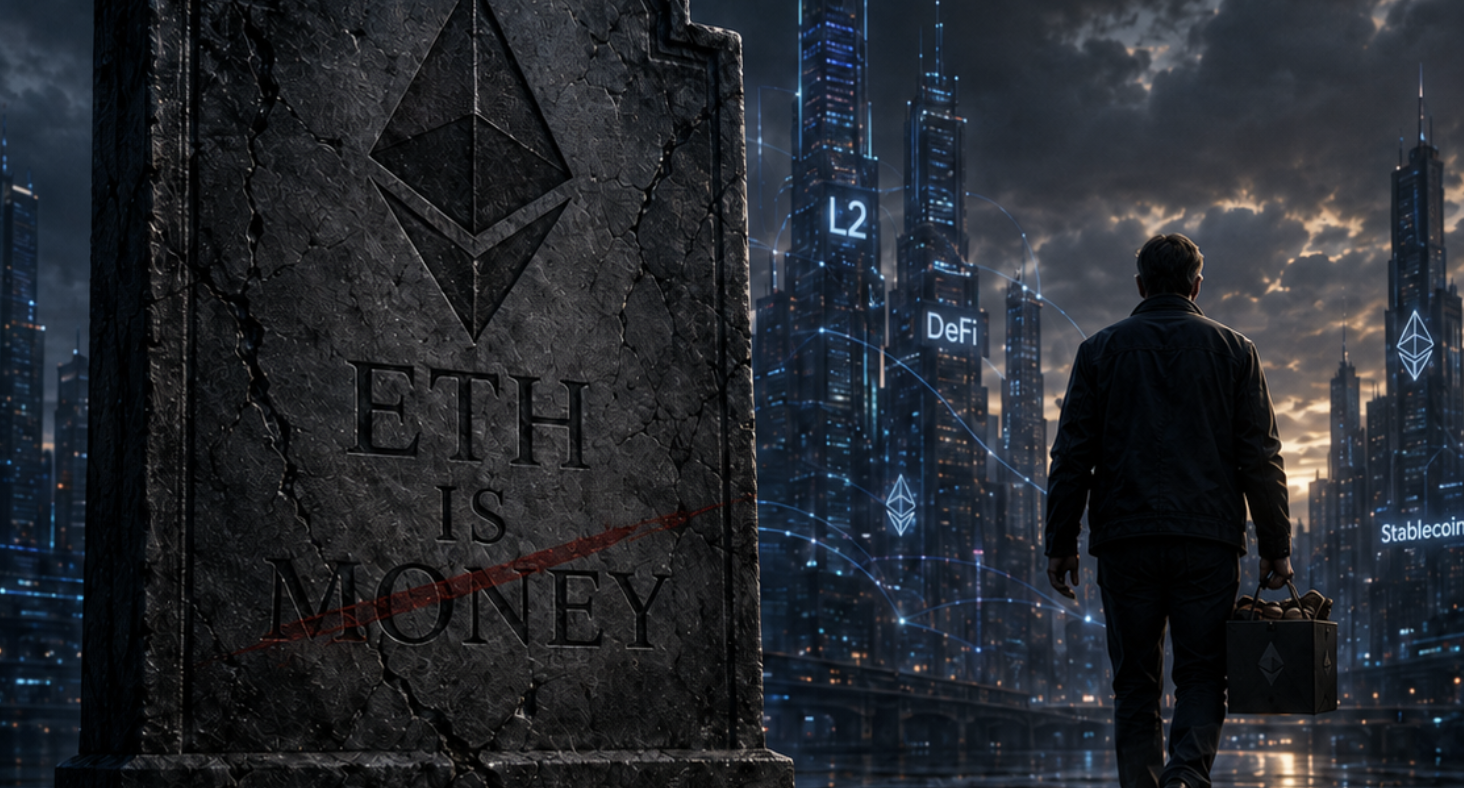
Today, Ethereum feels like a game running out of content. We see similar patterns on Solana. While Solana has successfully cultivated a distinct culture, both application ecosystems remain derivatives of each other.
As long as blockchain design doesn’t consider the fundamental physics of a world and the economic incentives shaping how we engage with it, this pattern will likely persist.
By viewing blockchain as a new content medium and existing games, two blank spaces are ripe for innovation:
-
Democratizing participation
-
Creating immersion
Democratizing Participation
Rather than relying solely on the core constraints of the EVM as the central state machine for participant interactions, we could center interactions around a set of more subjective and participatory rule sets incorporating elements of skill and luck.
These rule sets act as humanized extensions of the EVM’s operational state machine, proving to be powerful canvases for user-generated content.
Such rules can be implemented as game-like smart contracts: player and resource geolocation, resource economics, generation and decay of resources, mechanisms for users to write into the world, combat systems, etc. While traditionally released as standalone on-chain games or separate products, here we can treat them as the physical laws of a broader experience—the entire blockchain. These "physical laws" can also be understood as client-agnostic game mechanics living on-chain, freely modifiable without the rigid constraints of the EVM.
Another way to implement such physical laws is by modifying the underlying architecture of the blockchain. For example, altering the absolute ownership model to allow permissionless theft of assets from others’ wallets, or restricting blockspace production to weekends only.
The blockchain’s economic model wouldn’t exist merely to provide economic security, but to incentivize participation by defining the world’s physical laws. And the participants themselves provide something even more critical: social validation and user-generated content.
Creating Immersion
Cryptocurrency feels like a game sold “a la carte.” Instead of selling pieces separately, we could unify all the above into one cohesive experience—the world itself. In doing so, we could boldly tell the story of a new, fantastical world full of fun, strangeness, and chaos.
By building a narrative and magic circle around the world, we can suspend reality, enabling role-playing and deep immersion. Unlike typical narratives centered on mass adoption, we free up creative liberty, allowing the world to spread through pure legend.
Beyond storytelling, we have the chance to redesign the entire user journey of how participants interact with blockchain—from wallet experiences to transactions and block explorers.
This allows us to craft distinct device narratives that shape and evolve the relationship between each interface and the user. One example is treating cross-chain blockchain experiences themselves as part of the journey: portals to new worlds.
Only by creating an immersive, differentiated world can we foster a place where people feel compelled to build, create content, and participate.
We can give people roles to play and goals to pursue.
The Future Will Be Fun
Ethereum was an innovation in world-building, not just technology. We’ve exhausted this game’s content and now seek the next great immersive world. They’ll be interesting, playful, and strange. That’s the kind of world people want—maybe you’ll be the one to build it.
Join TechFlow official community to stay tuned
Telegram:https://t.me/TechFlowDaily
X (Twitter):https://x.com/TechFlowPost
X (Twitter) EN:https://x.com/BlockFlow_News
 1kx
1kx