








With interest rate cuts coming, is a bull market far behind?
TechFlow Selected TechFlow Selected
With interest rate cuts coming, is a bull market far behind?
With the Federal Reserve's interest rate cut approaching, Bitcoin is poised to benefit, but related risks should also be noted.
 Navigating Web3 tides with focused insights
Author: Viee, Core Contributor at Biteye
Editor: Crush, Core Contributor at Biteye
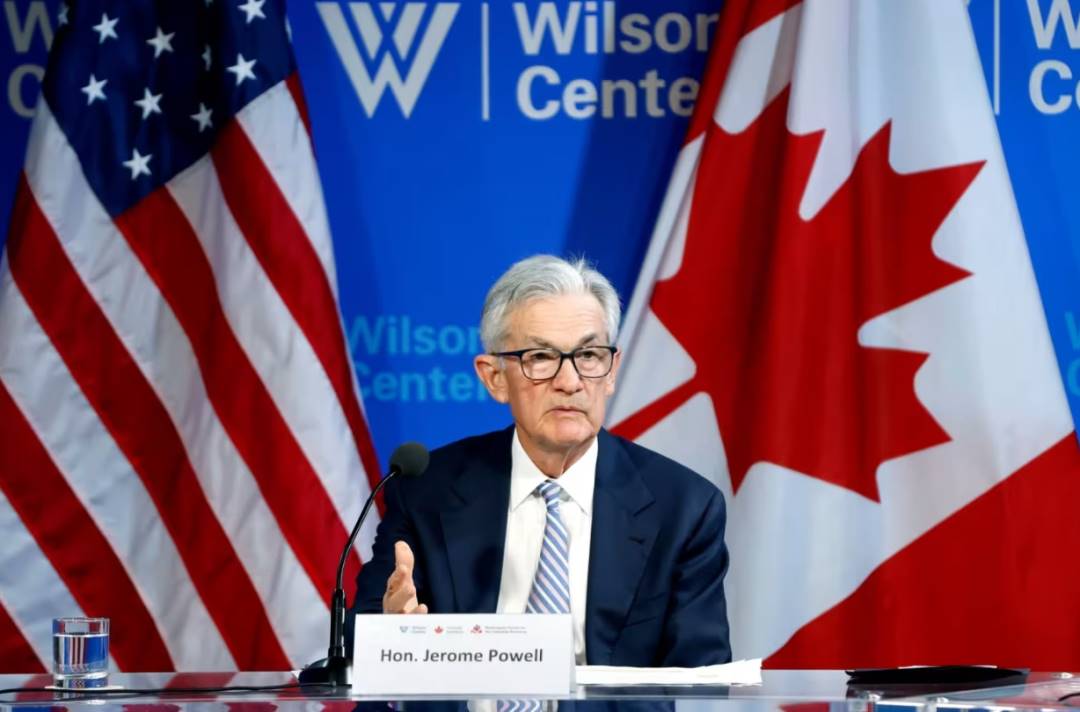
Fed Chair Powell recently stated that "it's time to adjust policy," signaling an upcoming rate cut.
Will a Federal Reserve rate cut necessarily drive up Bitcoin prices?
Will the crypto market definitely benefit from lower interest rates?
This article delves into these questions, analyzing how Fed rate cuts influence Bitcoin price increases and highlighting key risks to watch.
01 Purpose and Background of Rate Cuts
The primary goal of a Fed rate cut is to reduce borrowing costs and stimulate economic activity. In recent years, inflation pressures, global trade tensions, and the impact of the pandemic have made the Fed more cautious in its monetary policy. Rate cuts typically occur when economic growth slows or when recession risks emerge. To understand this dynamic, we need to examine two key concepts:
-
Slowing economic growth: When economic growth slows, business and consumer confidence decline, weakening investment and spending appetite. The Fed cuts rates to lower borrowing costs, encouraging investment and consumption to support economic recovery.
-
Inflation expectations: Rate cuts may raise inflation expectations. Facing inflation risks, investors often turn to inflation-resistant assets such as Bitcoin and other cryptocurrencies.
02 Positive Factors for Bitcoin Price Increases from Rate Cuts
Historical data shows that Fed rate cuts generally help drive up Bitcoin prices.
The reason is straightforward: lower rates reduce capital costs, incentivizing investors to allocate funds to high-risk, high-return assets like Bitcoin.
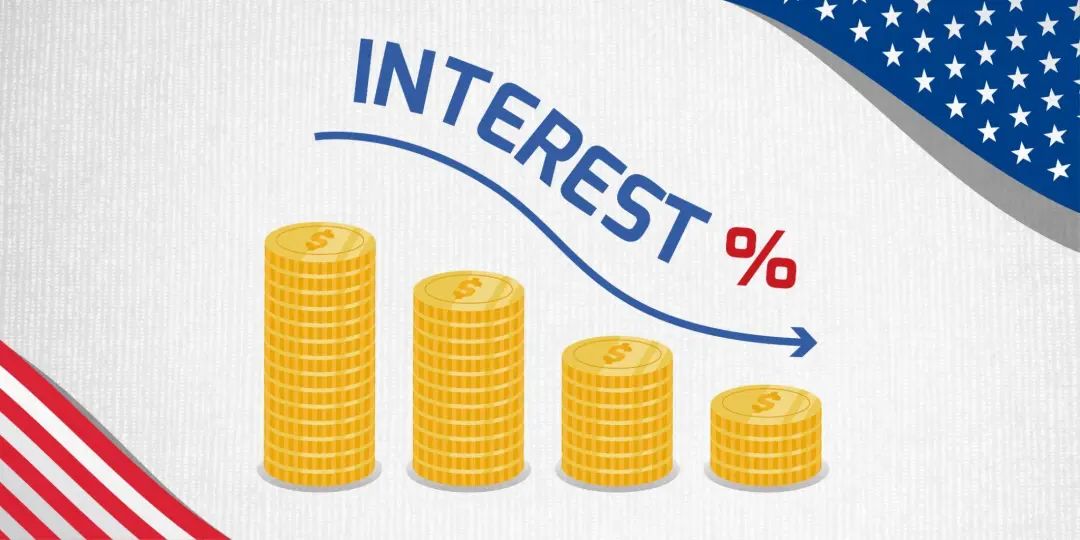
Thus, the main bullish factors for Bitcoin from rate cuts include:
-
Stimulated investment: In low-rate environments, investors seek higher returns, driving up Bitcoin demand and price.
-
Improved market sentiment: Rate cuts signal proactive policy aimed at stimulating growth and recovery, encouraging risk-taking and channeling more capital into Bitcoin.
-
Enhanced inflation hedge appeal: Rate cuts may lower yields on traditional safe-haven assets while increasing inflation expectations, making Bitcoin’s “digital gold” narrative stronger. Many investors may view Bitcoin as an inflation hedge, boosting its demand and price.
-
Increased market liquidity: Easier monetary policy boosts overall liquidity, making it easier for investors to enter the market and fueling Bitcoin price gains.
03 Historical Cases of Fed Impact on Bitcoin Prices
First, let’s review the most recent rate cut/hike cycles.
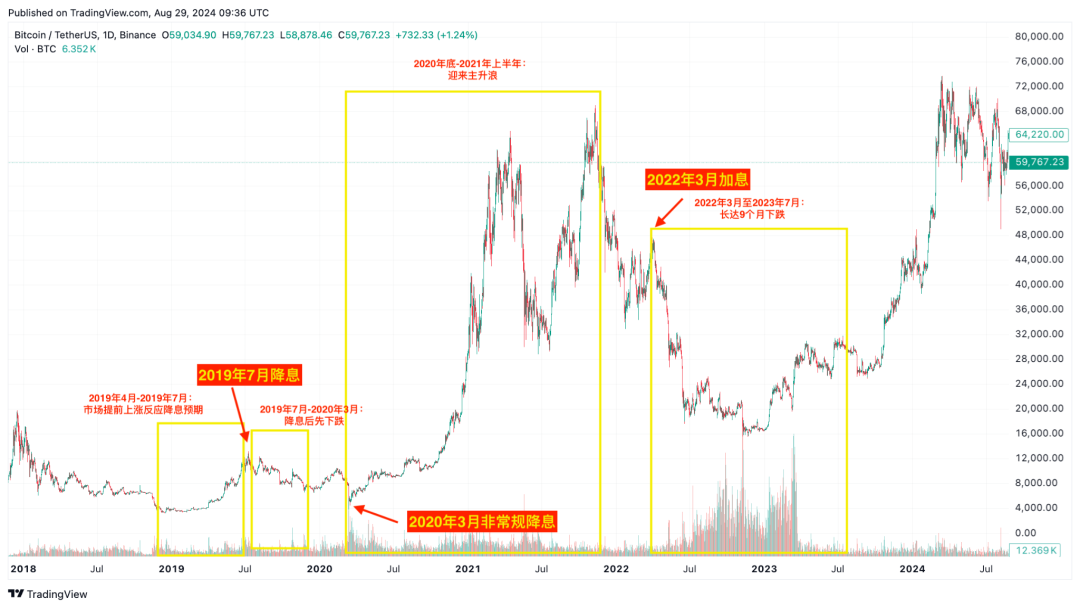
From December 2018 to July 2019, BTC rose from $3,000 to $13,000. The Fed began cutting rates in July 2019, but markets started pricing in rate cut expectations as early as April 2019.
From July 2019 to March 2020, despite the start of rate cuts, Bitcoin first fell then rose. After the initial cut, Bitcoin dropped from $13,000 to $7,000—a decline of over 30%. This volatility reflects differing market interpretations of rate cuts, showing they don’t always trigger immediate positive reactions.
In March 2020, amid the pandemic, the Fed swiftly cut rates and launched large-scale quantitative easing. The market reacted with a slight lag, entering a major bull run by late 2020 and early 2021. During this cycle, Bitcoin surged from $3,000 to $65,000.
During the rate hike cycle from March 2022 to July 2023, Bitcoin fell from $45,000 to a low of $15,000, enduring a nine-month downtrend. This period shows the market’s sensitivity to rate hikes—expectations of future cuts did not reverse prices until much later.
Therefore, historically, market reactions to rate cuts can be either anticipatory or delayed. While usually positive for Bitcoin, in some cases selling pressure may emerge, leading to short-term declines before eventual recovery.
04 Scenarios Where Bitcoin Faces Selling Pressure
If rate cuts are driven by signs of economic recession, market sentiment about future prospects may turn negative. In such cases, investors may favor safer assets over Bitcoin. Although Bitcoin is seen as digital gold, during recessions investors may prefer traditional hedges like physical gold, reducing demand for Bitcoin. Moreover, regulatory uncertainty and major black swan events can also undermine the effectiveness of rate cuts. These factors may collectively trigger market sell-offs.
05 Conclusion
With the launch of spot ETFs, the impact of U.S. dollar liquidity on the crypto market has become increasingly evident. However, the Fed’s rate cuts affect Bitcoin prices in complex ways.
Market reactions to rate cuts may be anticipatory or delayed and are influenced by multiple factors. It’s important to recognize that under certain conditions—such as concerns over recession, regulatory uncertainty, or shifts in market sentiment—Bitcoin may face downward pressure.
Furthermore, while the Fed’s monetary policy is a significant factor influencing Bitcoin prices, it is not the only one. Therefore, investors must closely monitor a broad range of market dynamics to make sound investment decisions.
Join TechFlow official community to stay tuned
Telegram:https://t.me/TechFlowDaily
X (Twitter):https://x.com/TechFlowPost
X (Twitter) EN:https://x.com/BlockFlow_News
 @BiteyeCN






