








"BNB Phone" Coming? CoralApp: The "Aggregator" of Multi-Chain Ecosystem Dividends
TechFlow Selected TechFlow Selected
"BNB Phone" Coming? CoralApp: The "Aggregator" of Multi-Chain Ecosystem Dividends
Is a new wave of Web3 smartphone boom coming?
 Navigating Web3 tides with focused insights
Author: Bob, Baihua Blockchain
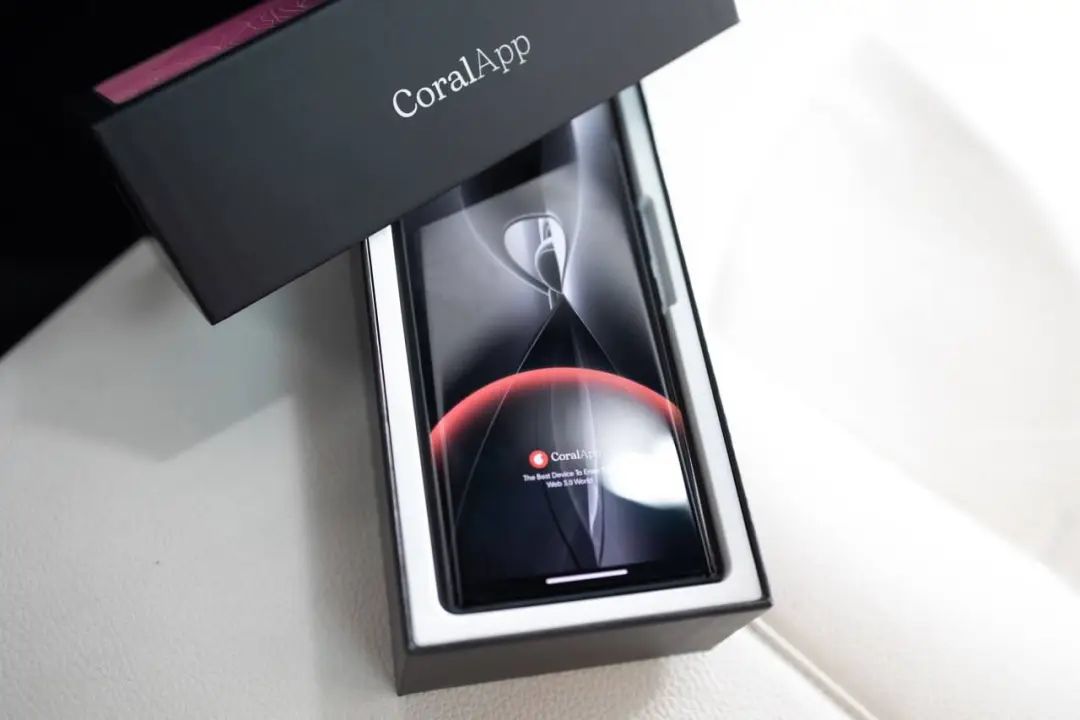
At the end of last year, the launch of the Web3 phone Solana Saga sparked a buying frenzy, with secondary market prices soaring to $15,000. Due to various bundled benefits far exceeding the device's value, many crypto users who missed the limited sale deeply regretted it.
Recently, CoralApp, incubated and funded by Binance Labs, announced its first Web3 smartphone CoralPhone will soon be available for limited pre-sale. The CoralPhone is not only the first BNB phone but also the first multi-chain ecosystem aggregator, sparking widespread community discussion: Is the "BNB phone" finally here? Can it trigger a new wave of Web3 phone opportunities?
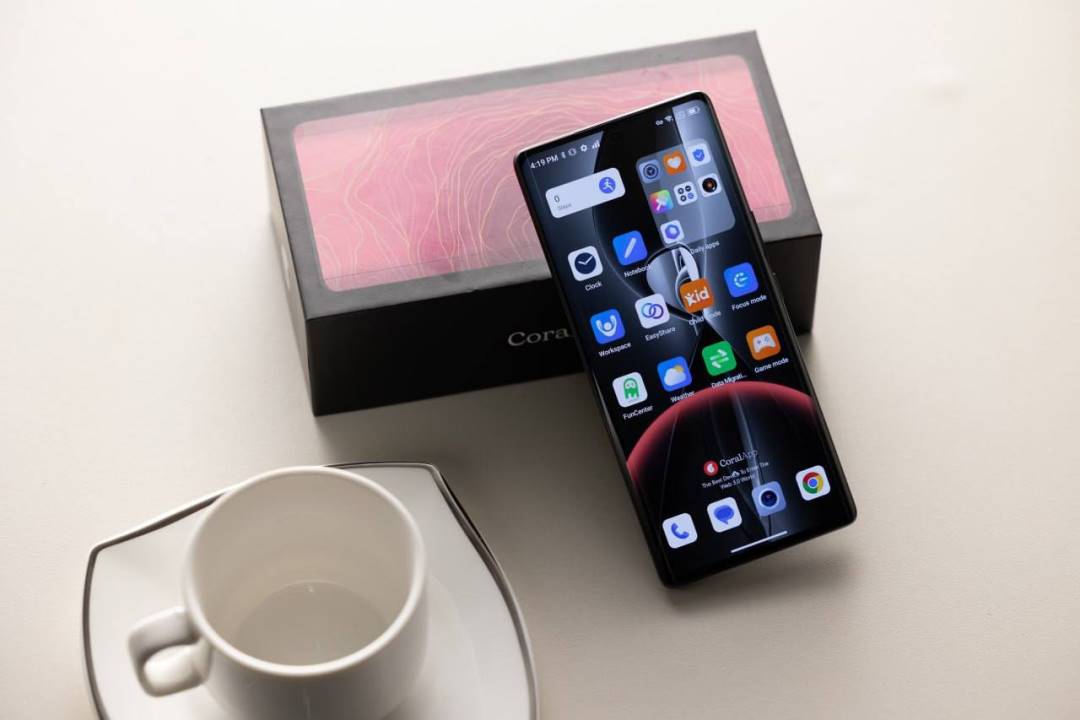
01 Multi-Chain Ecosystem Smart Web3 Gateway
CoralPhone, hailed as the first "AI flagship phone" in the Web3 space, is a dedicated smartphone for Web3 users launched by CoralApp, offering high-end, mid-range, and entry-level models tailored to different countries and regions. Built on Android kernel architecture, it features deep OS-level customization and optimization, equipped with top-tier AI chips in the smartphone industry. It innovatively integrates AI-driven technologies with DePIN services, delivering new intelligent hardware, system-level infrastructure, and an entry point into the Web3 world.
Based in Dallas, Texas, CoralApp was founded in 2020 and currently valued at $150 million, incubated and funded by Binance Labs, with initial investments from Unicornverse, Gate, Skry Labs, AC Capital, PAKA, OX Consulting, and others. It plans to announce its second round of institutional investors in Q4 2024, with funding expected to surpass that of Solana’s Saga phone project.
Dr. Bunmi Babajide, founder of CoralApp, has assembled a leading-edge software and hardware team comprising North American internet hardware PhDs and authoritative experts in Web3 security, backed by technical talent in original code development and patented research optimizations. In manufacturing, it is the first Web3 phone project to sign procurement agreements with hardware manufacturers across twelve countries, ensuring global production, delivery, logistics, and network integration.
As the first Web3 phone project incubated by Binance Labs, many have automatically labeled CoralPhone as the “BNB phone,” similar to how Solana’s Saga was positioned. However, CoralApp is actually positioned as a hardware and OS-level Web3 gateway supporting multiple blockchain ecosystems. Currently, while prioritizing BNB Chain, CoralApp has already partnered with over 150 projects across prominent public chains such as Solana, Scroll, Swam, and Tap. Future partnerships will continue expanding, offering diverse benefits and privileges to CoralPhone users.
02 What Are the Advantages of a Web3 Dedicated Device?
Today, nearly everyone uses a general-purpose smartphone to access Web3 applications—so why use a dedicated Web3 device? Consider the recent breakout hit "Black Myth: Wukong." As a AAA game with high hardware demands, many are debating whether to play it on a standard Windows PC or a dedicated console like PS5. The PS5, designed specifically for gaming, offers optimized hardware, system, and application platforms. A comparable PC setup with similar GPU performance costs $6,000–$8,000 versus ~$3,000 for a PS5, plus complex installation processes—making the plug-and-play experience of a dedicated console far smoother.

To date, there are over 400 million crypto users globally. Web3 has become a mainstream industry, and demand for dedicated devices is rising. Using CoralPhone as an example, it offers several key advantages:
1) Exclusive Ecosystem Benefits from Official and Third-Party Partnerships
Benefits! Benefits! Benefits! This bears repeating. Early participants in Web3 projects, especially those in emerging sectors, often achieve massive gains. Given the high costs involved in the Web3 phone supply chain, early entrants face significant upfront investment, resulting in concentrated early-stage rewards—especially for early adopters. Recall the first-generation Solana Saga users. As CoralPhone supports multiple chains and numerous collaborations, its benefit offerings will be even broader.
With CoralPhone about to launch, early adopters will enjoy lower pricing and the most extensive range of partner ecosystem perks. Behind this lies the recognition among top-tier Web3 projects of the strategic value of Web3 phones: they provide low-barrier access to new users and serve as a vertical, high-net-worth user hub.
Users willing to spend money testing innovative Web3 phones are typically highly engaged members sought after by major crypto communities. With OS-level Web3 integration, this enables customized DApp optimizations, attention-based marketing, and incentivized token distributions, making third-party projects eager to reward Web3 phone users.
2) Zero-Barrier Onboarding Experience via System-Level Optimization
For years, the crypto community has explored scalability and account abstraction to reduce usage barriers and enable mass adoption of Web3 applications.
Even today, when crypto assets are mainstream, using Web3 apps on mobile still presents varying degrees of friction. Take basic tools like crypto wallets, platform apps, and Google Authenticator: installing Google Play on Android or switching regions on Apple AppStore may seem simple, but these steps alone deter most beginners. Suggesting direct downloads via search engines? That risks malware infections—one of the primary causes of stolen crypto assets.
When helping newcomers install wallets or authenticators, anyone responsible knows it's far more complicated than a quick explanation. What’s needed is a smartphone optimized for Web3—pre-installed secure wallet with encryption chip, built-in app store without restrictions, real-time market data alerts—offering instant, seamless onboarding right out of the box.
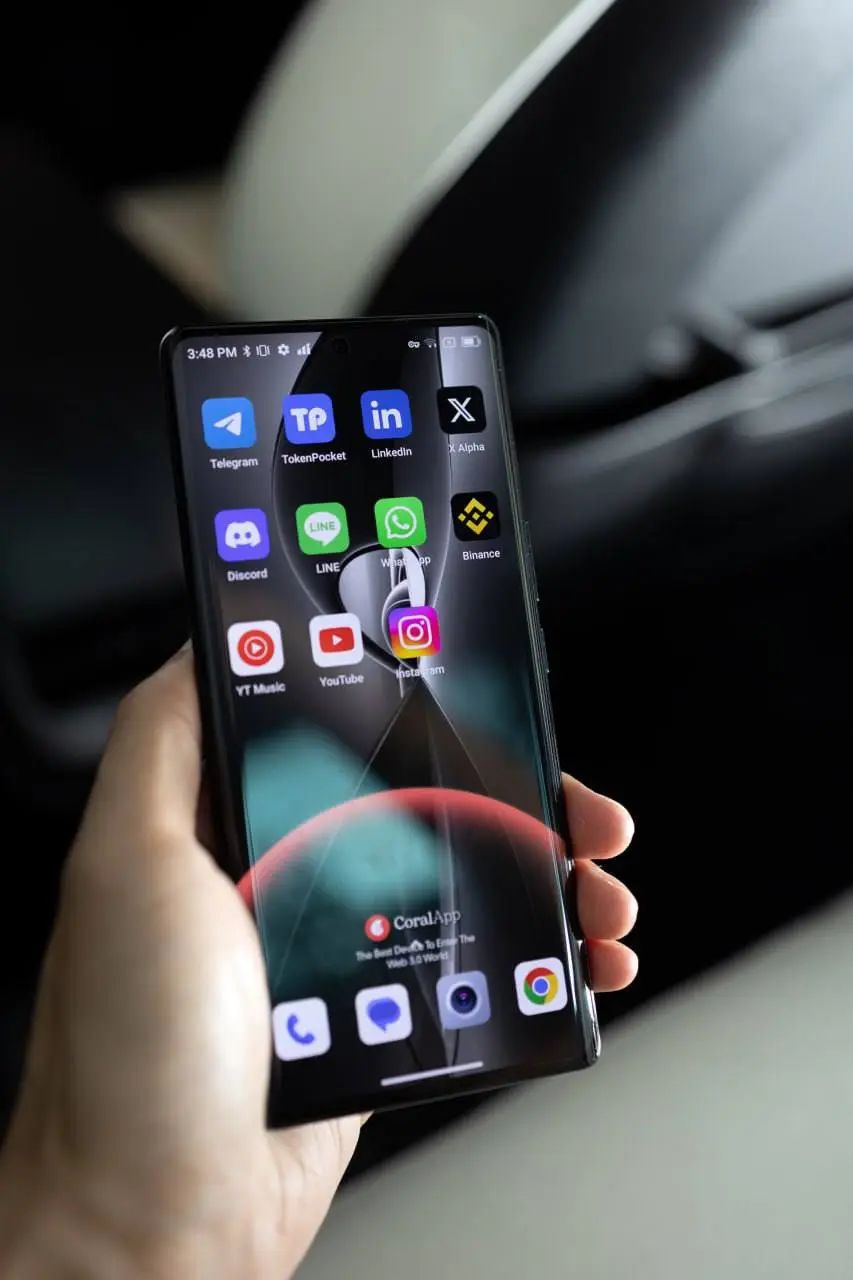
3) A More Secure Environment for Web3 APP and DApp Operations and Interactions
Given that Web3 involves financial transactions and on-chain interactions, security is paramount for any dedicated device. Compared to general smartphones, dedicated devices offer a significantly safer environment for running and interacting with Web3 apps and DApps.
In short, regular phones host countless third-party apps and web browsing activities, all constantly requesting permissions—file uploads, clipboard access, screenshots, photo gallery viewing, etc. Overall, the operating environment on general devices is relatively complex, raising concerns during asset-related Web3 interactions.
Dedicated devices can mitigate and optimize these security risks. Take CoralPhone: through deep system-level optimization, it provides a clean, isolated runtime environment for crypto-related apps and DApps, implementing custom system-level security rules and policies to separate risks from daily usage, while enhancing control over sensitive permission calls. Additionally, as previously mentioned, its proprietary app store categorizes Web3 apps and employs experienced crypto security audit teams to verify each listed application.
Of course, the inherent security of the hardware itself is also critical—can CoralPhone ensure its own software and hardware integrity?
CoralPhone maintains transparency comparable to standard smartphone components, featuring an embedded secure encryption chip for managing sensitive operations, with most software being open-source, enabling external audits and oversight. CoralApp can also commission professional security firms for independent audits. As a connected Web3 gateway device, it can hold only minimal funds in a hot wallet for DApp interactions and reward claims, or function purely as a wallet viewer, pairing with offline signing devices to further enhance security.
4) Unlocking the Potential of DePIN and AI
According to CoralApp’s official roadmap, high-end CoralPhone models aim beyond standard smartphone specs, targeting transformation into intelligent devices with DePIN services and AI capabilities.
Specifically, the DePIN sector faces challenges including diverse IoT devices and high design and equipment costs, while many Web3+AI projects require specialized AI chips. Leveraging its customizable hardware and OS advantages, CoralPhone can be optimized for DePIN applications, serving both as an IoT node and integrating cutting-edge AI chips to deliver advanced services.
In sum, CoralPhone serves as a Web3 gateway while advancing toward the future of DePIN and AI, harnessing the latest technological innovations to capture synergistic benefits from both sectors and unlock their full potential.
03 How Does CoralPhone Differ from Solana Saga?
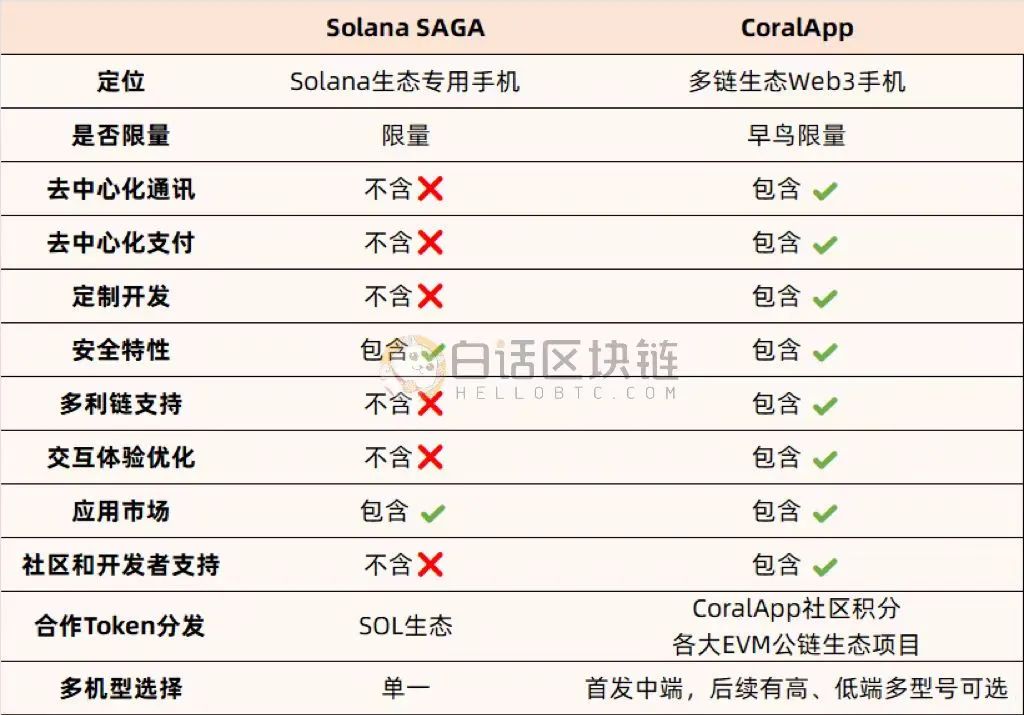
Comparing the two leading Web3 phone projects—CoralPhone and Solana Saga—it's clear that relative to Saga, CoralPhone delivers multi-chain benefits while offering enhanced optimizations in system design, application support, and community engagement. With diverse future models catering to global Web3 users across different regions and economic levels, it offers greater accessibility for beginners and stronger market expansion potential.
04 Can CoralPhone Deliver Value Beyond Its Price?
Based on current official information, CoralApp’s dedicated Web3 device appears highly committed—not just a concept on a PowerPoint slide. Substantial R&D, production, and testing efforts have been completed, requiring significant upfront investment. Nonetheless, users ultimately care whether CoralPhone offers true value for money. Our analysis highlights the following aspects for your consideration:
1) Special Privileges and Rewards
As noted earlier, beyond its own ecosystem tokens, CoralApp has established partnerships with major public chains including BNB Chain, Solana, Scroll, Swam, and Tap, with more collaborations continuously expanding. The most valuable aspect lies in exclusive benefits from premium-tier projects. Moreover, as a DePIN and AI-powered smart device, it will also enable mining opportunities for top-tier projects within the DePIN and AI sectors. Essentially, it’s a ready-to-use, multi-chain Web3 hardware aggregator capturing ecosystem rewards out of the box.
2) Hardware Cost-Effectiveness
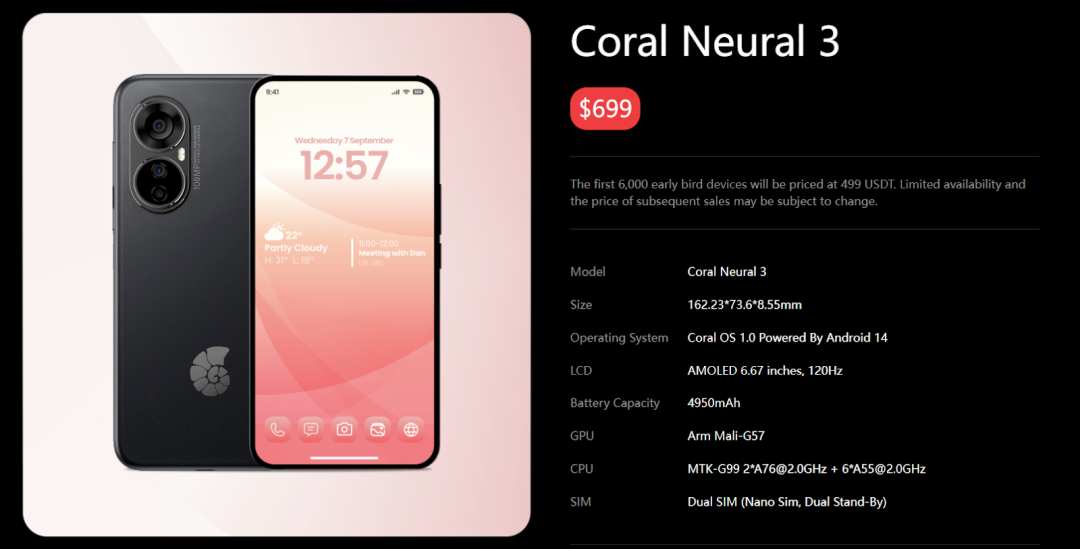
From a hardware standpoint, the specifications align with mid-range smartphones. According to CoralApp representatives, the manufacturing cost alone for the mid-tier model (Coral Neural 3) is around $300. Factoring in substantial prior investments in software and hardware design and development, the early-bird price of $499 and standard price of $699 appear reasonable.
3) Support from Top-Tier Institutional and Platform Ecosystem Resources
For projects incubated by Binance Labs, the value extends well beyond capital. The greater advantage lies in access to comprehensive resources within Binance—the world’s largest crypto platform—including promotional traffic, exposure, and facilitation of high-quality project partnerships.
4) Untapped Potential of the BNBChain Ecosystem
It’s widely known that the BNBChain ecosystem hasn’t stood out in this bull market cycle, remaining relatively sluggish. The ecosystem urgently needs innovative, high-quality projects like CoralApp to inject new vitality and drive recovery. Meanwhile, being the first Web3 phone to gain near-exclusive positioning within the BNBChain ecosystem allows CoralPhone to capture unique rewards as BNBChain regains momentum.
5) Future Development Roadmap and Vision
From CoralApp’s current strategic moves, it’s evident that its goal is to perfect Web3 smartphone hardware and software, focusing on core product suites (including Coral Phone, Coral OS, Coral Mobile Stack, and CoralApp), transforming globally distributed Web3 hardware into new traffic gateways, opening collaboration to third-party projects, and evolving into a multi-chain interconnected Web3 ecosystem platform powered by hardware and underlying OS support.
This mirrors Xiaomi’s ecosystem in the mobile internet era—where Xiaomi focused on hardware, OS UI, and app store development, turning smartphones into key traffic entry points, then opening APIs and capabilities for third-party integrations, eventually becoming one of the dominant forces in the mobile internet landscape.
05 Summary
The upcoming CoralPhone is undoubtedly a strong contender in the Web3 phone space, bringing new reward opportunities for users and a novel low-barrier entry point for the Web3 industry. By innovating and exploring the integration of DePIN and AI, it charts a new developmental path for Web3 devices—deserving close attention from the crypto community. Whether CoralApp can sustainably deliver ongoing value remains to be seen through market validation and time. We wait and watch.
Join TechFlow official community to stay tuned
Telegram:https://t.me/TechFlowDaily
X (Twitter):https://x.com/TechFlowPost
X (Twitter) EN:https://x.com/BlockFlow_News
 白话区块链
白话区块链






