Interview with Morph CEO: Crypto leaders need to stay clear-headed, consumer-grade ecosystem positioning is irreplaceable
TechFlow Selected TechFlow Selected
Interview with Morph CEO: Crypto leaders need to stay clear-headed, consumer-grade ecosystem positioning is irreplaceable
Join Cecilia as she dives into Morph, uncovering the inner soul of Morph as a consumer-grade L2.
 Navigating Web3 tides with focused insights
Written by: TechFlow
In a May article, Ethereum founder Vitalik Buterin stated: Each Ethereum L2 has a unique "soul."
With Ethereum upgrades significantly reducing transaction costs and the maturation of open-source codebases and developer tools, the barrier to building an L2 is lower than ever. According to L2beat data, there are now over 100+ L2 projects.
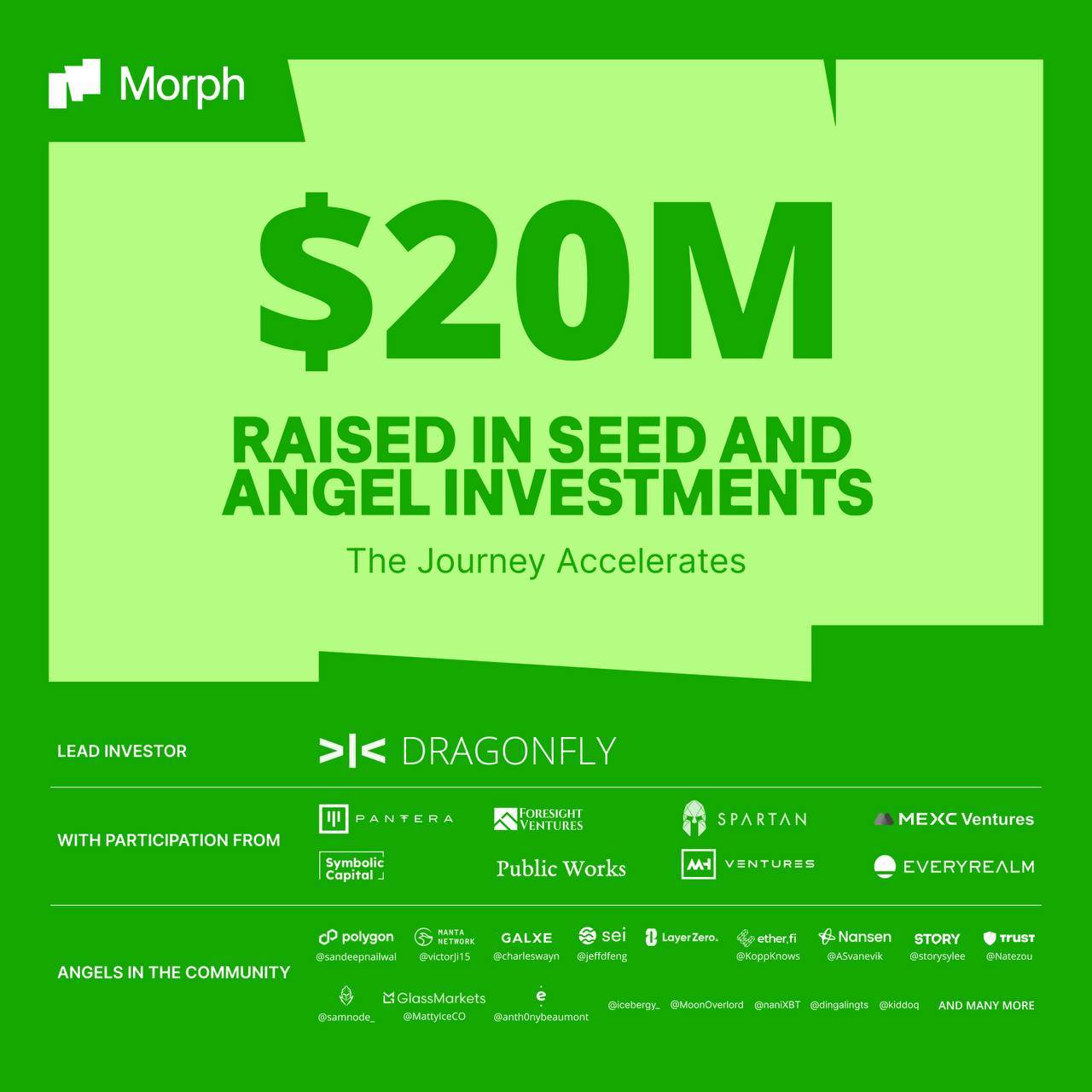
This surge in numbers intensifies competition. To stand out, L2s must find differentiated markets and cultivate a distinct "soul." For example, Metis focuses on DAOs, Polygon pursues partnerships with mainstream companies and high-quality ZK ecosystems, and Morph, which raised $20 million in March this year, is rapidly growing under its "consumer-grade L2" narrative: it has attracted over 1.82 million unique addresses, processed over 34.65 million transactions, deployed more than 14,178 contracts, and hosts 37 projects on its testnet.
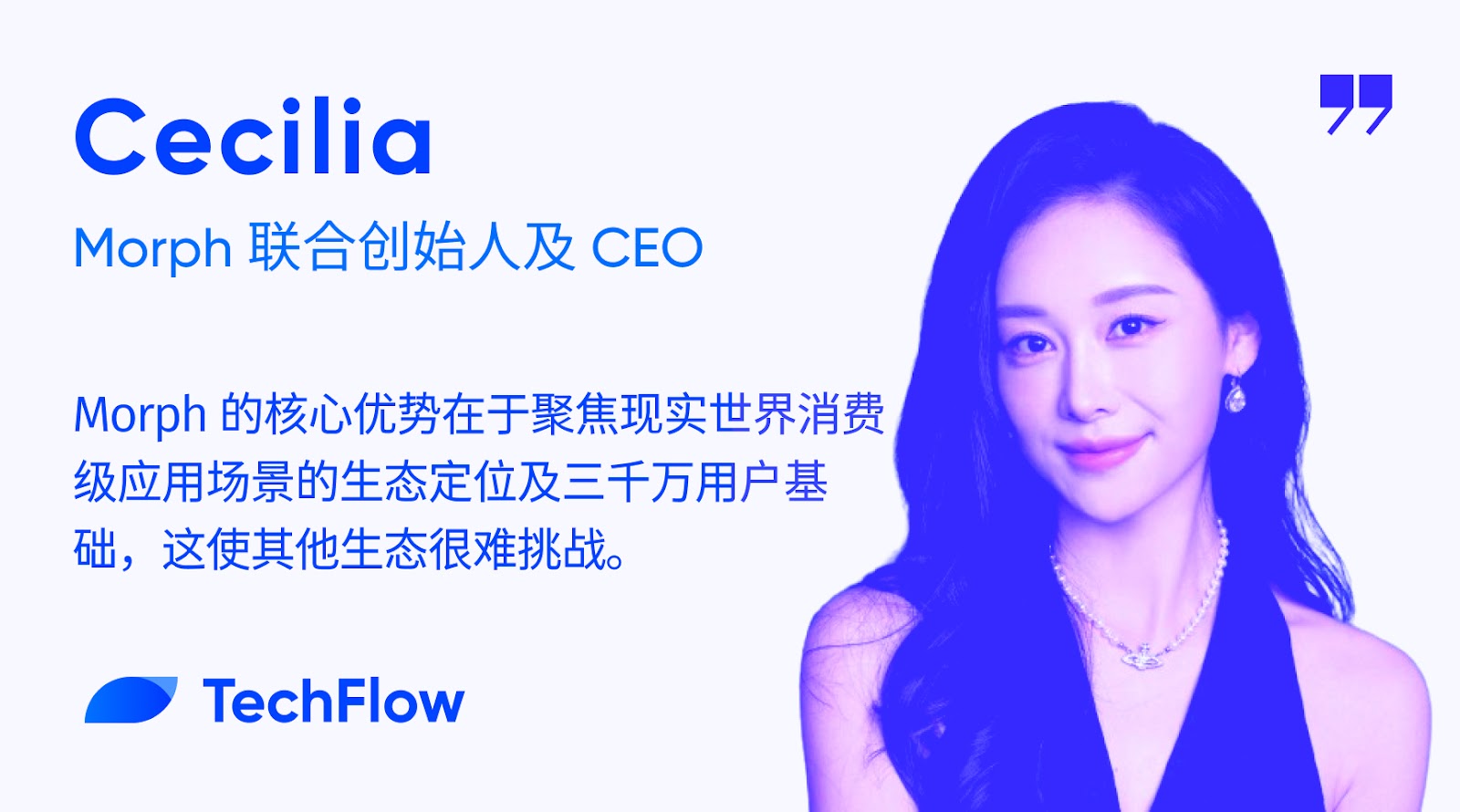
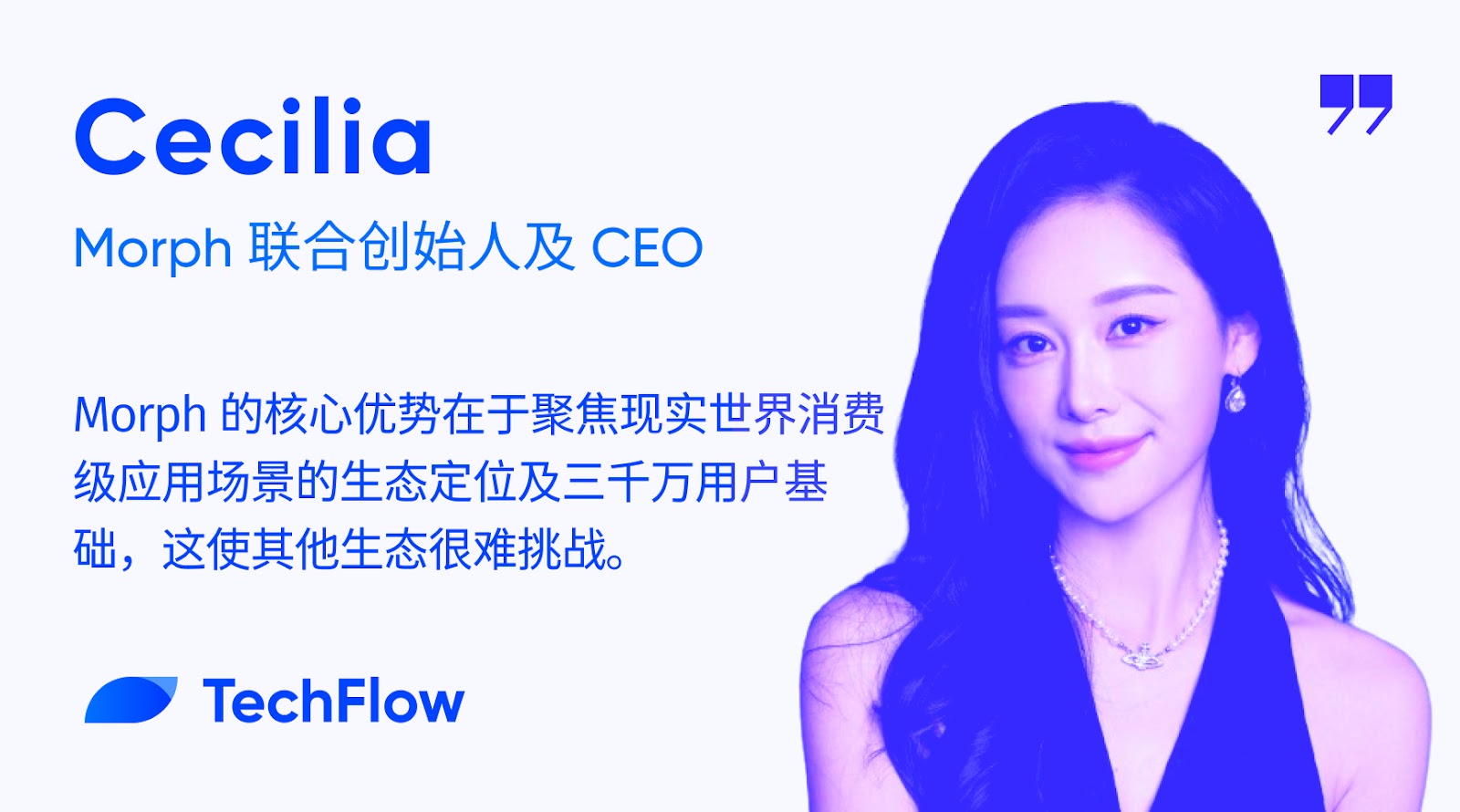
As mainnet launch approaches, we sat down for an in-depth conversation with Cecilia (Twitter: @cecilia_hsueh), co-founder and CEO of Morph. As the only female CEO in the L2 space, Cecilia offers insights balancing macro market strategy and micro community/user perspectives. On Morph’s core advantages, she summarizes: Morph's key strength lies in its ecosystem positioning focused on real-world consumer applications and its three-million-user base, making it difficult for other ecosystems to challenge. When discussing women in Web3, she adds candidly: Overall, there aren’t many female professionals, but greater female participation is essential for Web3 to achieve mass adoption.
In this feature, join us as we explore Morph through Cecilia’s insights—examining its decentralized sequencer, Morph Zoo incentive program, developer accelerator, and brand strategy—to uncover the inner soul of this consumer-focused L2.
Key Takeaways
-
The fundamental difference between being a CEO in crypto versus traditional industries: Success in Web3 depends not only on effort but also on luck and market timing. Sudden success can easily lead to overconfidence; maintaining clear self-awareness of one’s capabilities is crucial.
-
As a serial entrepreneur, I always focus on three key aspects: team, funding, and strategy.
-
While technical debates dominate the L2 landscape, Morph prioritizes building a consumer-grade ecosystem, acting as a bridge between users and projects. On one hand, we have three million users and deep insight into their demand for real-world Web3 use cases. On the other, we excel at helping projects grow via user referrals and strategic guidance.
-
As the first L2 to launch a truly decentralized sequencer, Morph’s design prevents catastrophic failures from single-point-of-failure risks and maximizes fairness while better mitigating MEV issues.
-
Efficient on/off ramps are critical for consumer applications. Morph is currently negotiating with one of the world’s top five credit card issuers to use Morph as their blockchain settlement layer—significantly simplifying and lowering the cost for everyday consumers to enter or exit Web3.
-
The koala’s laid-back image perfectly matches our consumer-grade L2 positioning. Morph aims to lower Web3 barriers so users don’t need extensive learning. Through intuitive product design, users can enjoy the ecosystem effortlessly—just like a koala relaxing in nature.
-
For any industry, increasing female participation signals maturity. While Web3 shows such trends, female representation remains low. We should run educational campaigns and outreach to break biases and attract more women. Greater female involvement is essential for Web3’s path to mass adoption.
In Web3, CEOs Must Stay Grounded
TechFlow: Thank you, Cecilia, for joining us. Could you start with a brief introduction?
Cecilia:
Hello everyone, I’m Cecilia, co-founder and CEO of Morph.
As a serial entrepreneur with ten years of experience, I started my career in management consulting after university. At age 25, I founded a market research firm that grew into a well-recognized player in the industry. I’ve also co-founded a sportswear brand designed specifically for Asian women—an experience I cherish deeply.
I first learned about cryptocurrency in 2017. My initial Web3 venture began in 2019 when I co-founded and invested in an exchange project that eventually ranked among the top five globally by trading volume—an impressive start to my Web3 journey. In 2022, I exited the exchange and fully committed to launching and operating Morph in 2023.
TechFlow: As one of the few female CEOs in crypto—and the only woman leading an L2 project—could you share your thoughts on what it takes to be a CEO in this space? What foundational experiences are necessary?
Cecilia:
I believe there are some fundamental differences between being a CEO—or co-founder—in crypto compared to traditional industries.
First, Web3 is still very new. Development paths, market strategies, and user growth models remain largely uncharted, placing higher demands on founders. Although we’ve seen leaders improving their execution skills in recent years, crypto CEOs must possess strong abilities to navigate uncertainty and chart a course toward success.
Second, success in traditional industries tends to follow a gradual trajectory—requiring groundwork, correct decisions at key moments, and long-term consistency. In contrast, success or failure in crypto often hinges heavily on project timing and market conditions. Many projects rise quickly due to favorable market winds. This rapid success and wealth accumulation can distort self-perception, leading individuals to overestimate their abilities, which harms sustainable development. Therefore, I believe crypto leaders need even clearer awareness of the market, their teams, and their own capabilities compared to those in traditional sectors.
Third, despite these differences, there are commonalities too. Before entering Web3, I had already launched two or three startups. Morph is likely my fifth entrepreneurial endeavor. As a serial founder, I’ve found that whether in traditional or crypto industries, CEOs or founders consistently focus on three pillars: people—the capability of the team; capital—where expansion funding comes from; and strategy—the overall roadmap for project development.
Lastly, regarding being the only female CEO in the L2 space—yes, there are very few women in leadership roles across crypto. I feel I’m filling a gap here. I don’t come from a technical background; my expertise leans toward business. Most male entrepreneurs tend to prioritize technology. As a woman in the field, I pay closer attention to the market. I care whether products are simple enough. If we’re serious about achieving mass Web3 adoption, lowering entry barriers is essential. Only when users no longer need to invest significant time learning will we see true influxes of new users—realizing the vision of bringing the next billion users into Web3.
TechFlow: You've previously founded several successful Web3 ventures in areas like exchanges and DeFi. Meanwhile, by 2023—the year Morph was founded—the L2 sector was already showing signs of homogenization and intense competition. Looking back, what motivated you to choose the L2赛道 again? And how does Morph bring something fresh and innovative to the table?
Cecilia:
After exiting the exchange project in 2022, during reflection and planning my next move, I realized exchange operations were quite Web2 in nature. The key performance indicator for exchanges is users—or rather, user deposits—which makes the entire operational mindset resemble traditional internet platforms, except they list crypto assets. So I felt exchanges weren’t fully Web3-native projects. I wanted to build something deeper within Web3’s core philosophy. From this thought process emerged another insight: in 2022, L2s were arguably the hottest trend, yet the market still faced major pain points:
On one hand, L2 narratives were overly technical. Projects competed on tech specs or explored the future of ZK Rollups vs OP Rollups, rarely focusing on actual ecosystems or end-users. I believe technology without users cannot be considered good technology. Morph took the opposite approach: we believe a more sustainable model is to simultaneously advance application development alongside infrastructure, then reverse-engineer what kind of underlying infrastructure applications actually need. Once that question is answered, Morph’s role becomes enabling those applications with the right foundational tools.
On the other hand, developers in L2 ecosystems face real challenges. Many project founders come from technical or product backgrounds. After choosing a chain or L2 to build on, they may receive technical support and grant funding, but often struggle with user acquisition and go-to-market strategies. They need a larger ecosystem where they can get help to grow.
In summary, while technical discussions dominate the L2 space—and nearly every L2 focuses on tech—few truly focus on ecosystem-building. No one really excels at nurturing an ecosystem or helping projects gain users. That’s exactly why we decided to build a chain. Yes, the L2 space is crowded, but our background in exchanges and wallets gives us access to millions of users and deep understanding of where they are. We can drive user traffic to apps in our ecosystem, plus offer early-stage incubation, fundraising assistance, exchange listings, and go-to-market strategy support. This is Morph’s biggest advantage over technically-oriented chains.
Focusing on Consumer Use Cases: Morph Brings the Next Billion Users to Web3
TechFlow: People say the L2 space is extremely competitive. What do you think L2 teams are competing on today? Do you agree with these directions? What’s Morph’s way out of this rat race?
Cecilia:
Regarding L2 competitiveness, I touched on this earlier. Two or three years ago, competition centered purely on technology—leading many chains to become “ghost chains” with solid infrastructure but zero users. More recently, we’ve seen L2s compete on TVL. I admit this is an effective short-term tactic to grab attention, but it attracts yield-chasing users who rarely stay long-term.
For Morph, we aim for balance: On one hand, as infrastructure providers, we can’t neglect technical optimization. On the other, we’ll run TVL-related activities—but as I mentioned, our goal is to use them as attention magnets to draw users toward the projects themselves, helping them discover genuine differentiation and value propositions.
In the long term, especially for Morph, ecosystem sustainability is our top priority. Our positioning is a consumer-grade L2. How do we effectively support consumer-focused applications within our ecosystem, help them scale fast, and make Morph the most user-friendly environment for everyday consumers? That’s our ultimate goal.
TechFlow: Now let’s talk about CEO competition. In March, Morph secured a $20 million seed and angel round. There’s a saying in crypto investing: “Investors bet on people.” Given your outstanding fundraising results, why do you think investors placed their trust in you and your team?
Cecilia:
Yes, we closed a $20 million financing round in March. As a seed round, this ranks among the largest in Web3 over the past few years—an achievement not easily won. With over 100+ L2 projects already in existence, why did top-tier VCs choose to back us? Because they saw our differentiation: Morph isn’t a tech-first L2. It aims to build a massive ecosystem, and within that ecosystem, we don’t just have users—we know how to provide end-to-end support to help projects grow faster and serve users better.
Morph has nearly three million users in reserve—mostly wallet holders or exchange registrants. They share a clear pain point: they understand crypto concepts, but beyond interacting with wallets or exchanges, they seek real-world value from Web3—applications integrated into daily life. Yet existing projects—DeFi, GameFi, NFTs, Memes, or even trending AI initiatives—are distant from everyday life, built on complex logic with high usability barriers. Average users aren’t willing to spend much time learning.
Morph wants to build an L2 that delivers tangible utility. We see a gap: user demand exists, but no applications meet it. So we’re creating a brand and technical platform bridging users and apps. We empower developers building consumer-use-case-focused applications while satisfying users’ desire for real-life Web3 integration. I believe no other L2 in the space shares this mission. Top VCs recognized our unique positioning and resources—that’s why we raised $20 million.
TechFlow: On technical specifics, one of Morph’s standout strengths is its decentralized sequencer design. Why did you and your team commit to this architecture from day one? What momentum has this brought to the project?
Cecilia:
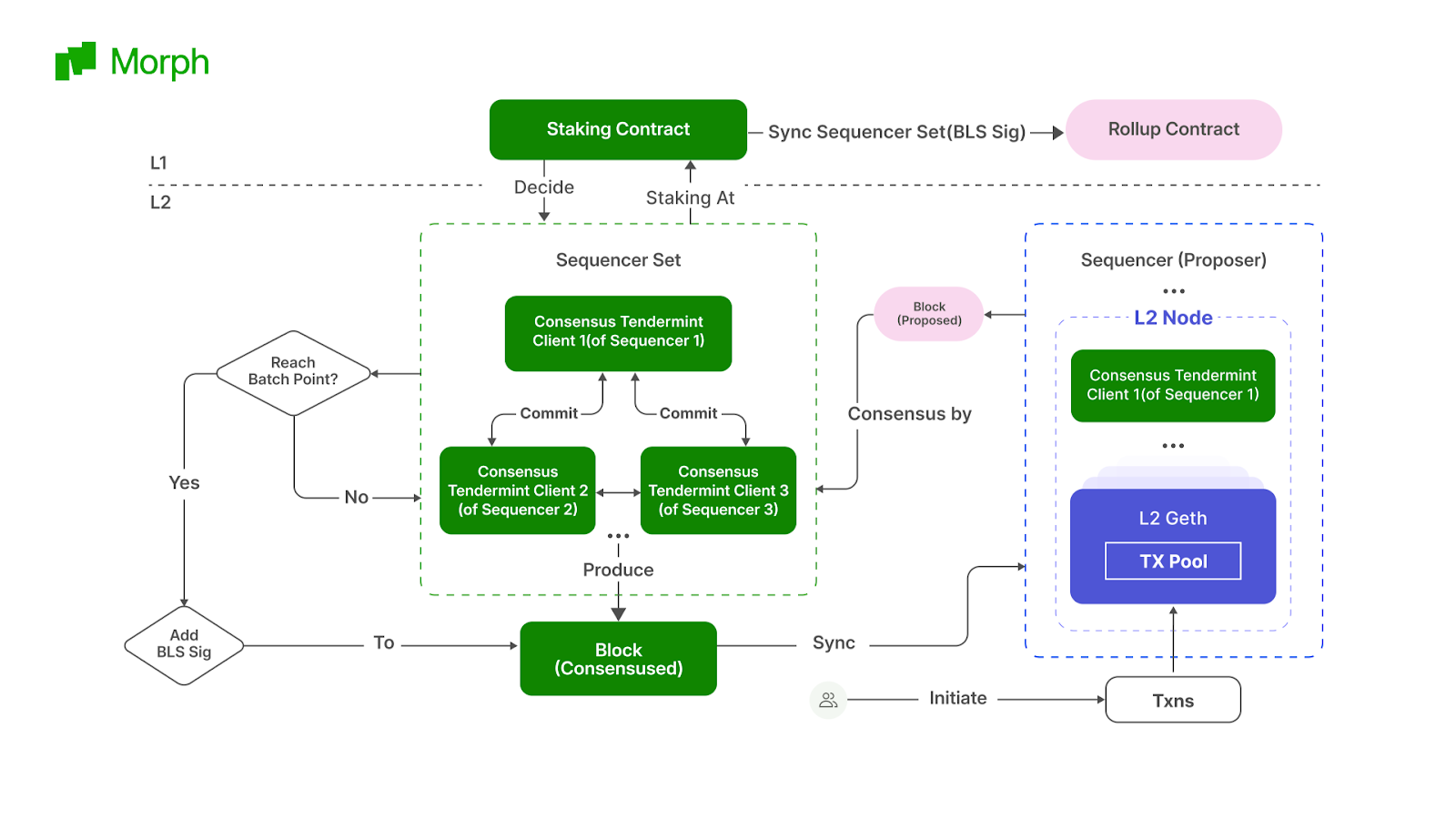
Our architectural design revolves around blockchain’s three core dimensions: security, decentralization, and scalability. L2s solve scalability but must preserve security and decentralization—that’s why we build on Ethereum using Ethereum’s data availability (DA) layer. The decentralized sequencer embodies our commitment to decentralization. If the sequencer remains centralized, the system can’t claim to be truly decentralized. Even before Morph, our tech team wanted to build a chain with a decentralized sequencer but couldn’t realize it. When we discussed ideas, we immediately aligned.
Currently, our decentralized sequencer is live on testnet. While many L2s list decentralization in their roadmaps, Morph is the first L2 to launch a truly decentralized sequencer.
Regarding problems solved: First, L2s relying on a single centralized sequencer risk total network disruption if that node fails—a real issue we’ve seen happen recently. Second, since sequencers order transactions, decentralizing them ensures maximum fairness and better mitigates MEV. Community members recognize Morph’s decentralized sequencer as a genuine technical advancement pushing Ethereum and the broader ecosystem forward. When talking to transaction-heavy applications, decentralized sequencing is one of their top technical priorities.
TechFlow: Morph has a unique “consumer-grade L2” positioning. Achieving this requires both robust tech and integration with real-world use cases. Can you explain from both angles why Morph can deliver on this promise?
Cecilia:
First, let’s discuss on/off ramps. For consumer applications, efficient fiat on/off ramps are vital. Morph is working to integrate wallet-based on/off ramp channels covering over 50 global currencies. Additionally, we’re in talks with one of the world’s top five credit card issuers to adopt Morph as their on-chain settlement layer. These efforts aim to drastically simplify and reduce the cost for average consumers to enter or leave Web3, representing a key strategic initiative currently underway—and a critical step toward becoming a true consumer-grade L2.
Second, as mentioned, Morph has a three-million-strong user base. These users already grasp basic crypto and Web3 concepts and actively seek real-world applications. By channeling them to consumer-focused apps in our ecosystem, Morph meets user needs while fueling ecosystem growth—an advantage other L2s simply can’t replicate.
Finally, Morph’s user base is globally distributed, spanning Asia, Europe, South America, and beyond. Many projects hyper-focus on North America, limiting their potential: North American compliance is strict, user reach is narrow, and teams unfamiliar with other regions lack the ability or resources to penetrate them. Huge growth potential lies outside North America.
For Morph, our widespread user distribution and international team—with core members from both North America and Asia—enable us to understand market differences deeply. We access North American innovation, product excellence, and developer mindsets while empathizing with diverse regional user needs. Morph acts as a bridge between East and West—connecting top-tier developers with engaged users. This is one reason we confidently pursue a consumer-grade L2 vision and believe we can succeed.
TechFlow: Before mainnet launch, how can ordinary users participate in the Morph ecosystem? Amid widespread fatigue around grinding tasks for points, how does Morph’s “Morph Zoo” points program effectively incentivize meaningful engagement?
Cecilia:
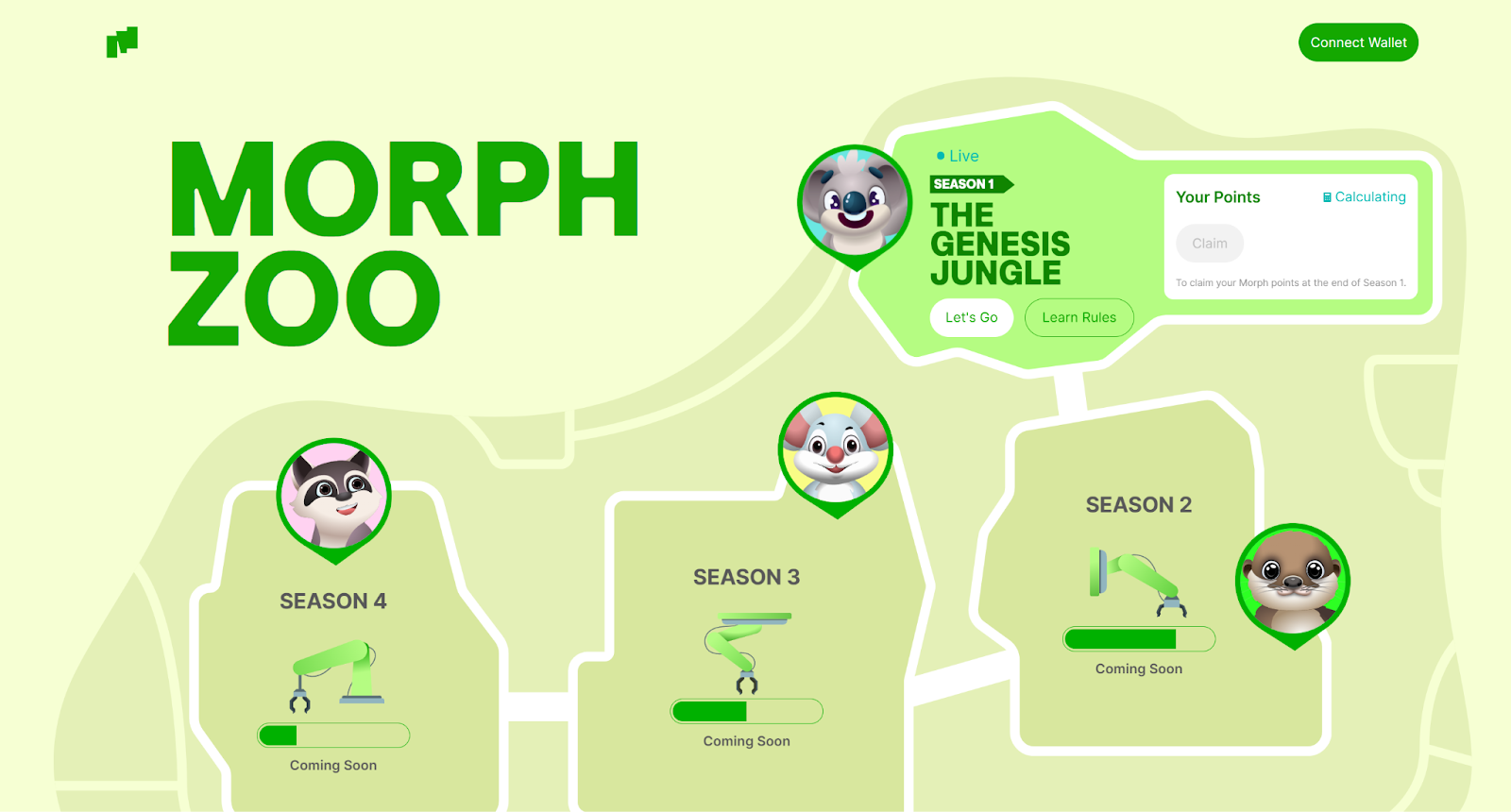
We launched Morph Zoo in May—an animal-themed testnet incentive campaign set in a jungle or zoo environment. It encourages users to interact with apps deployed on the Morph testnet and earn points in return.
Indeed, many current points programs exhaust users. But for early-stage projects, such incentives remain effective for market entry because Web3 users naturally ask: “What’s in it for me?” Projects must offer incentives to attract users and guide them toward understanding the project’s purpose.
Morph’s points program stands out due to its friendly, inclusive community culture. As a consumer-grade L2, our community consists mostly of everyday users, giving it a warm and welcoming tone. Many members voluntarily share personal stories—this sense of belonging and cultural alignment is deeply valued. Users may join for points, but they stay because they love the community. Currently, our Discord has ~200k users, Telegram ~100k, and daily messages average 25k—placing Morph at the forefront of L2s in user stickiness, activity, and engagement.
Beyond users, we hope Morph Zoo showcases Morph’s focus on consumer applications to attract builders to the ecosystem. Being a consumer-grade L2 presents unique testnet challenges: most ecosystems support DeFi, so developers prefer building DeFi products where attention and talent reside. Few consumer-grade apps or developers exist. Through campaigns and outreach, we want to signal our support for consumer applications and invite interested developers to join Morph. Also, many projects hesitate to deploy on testnets early. Testnet incentives encourage earlier ecosystem contributions, fostering long-term partnerships that grow with the ecosystem.
TechFlow: Developers are the soul of ecosystem building. What initiatives has Morph launched to lower barriers and attract more developers?
Cecilia:
As I’ve emphasized repeatedly, ecosystem-building is Morph’s core—and what sets us apart from tech-centric chains. That’s why we’ve rolled out diverse initiatives to spark innovation.
First, we have the Morph Bounty Program, offering public bounties in three categories: technical, non-technical, and creative—open to all community members. Whether you’re a developer contributing code, fixing bugs, or optimizing performance, or a creator producing compelling content, hosting events, or proposing novel use cases, we welcome submissions to the Morph Bounty Program. Selected contributors receive rewards, public recognition, and opportunities for ecosystem collaboration.
Second, for early-stage innovators, Morph partnered with Foresight Ventures to launch the Morph Ecosystem Fund, totaling $20 million, providing comprehensive support—from funding and fundraising to marketing and exchange listings—to help projects scale rapidly. We welcome early projects with clear roadmaps eager to co-build the consumer-grade ecosystem.
Additionally, for seasoned entrepreneurs, Morph launched the Morph Entrepreneur-in-Residence (EIR) Program, aimed at attracting experienced professionals to join Morph and work closely with our core team to develop groundbreaking Web3 projects on Morph, turning visionary ideas into market-ready products and advancing our consumer-grade ecosystem vision. We know success takes time, so we prefer EIR candidates commit full-time as long-term builders. In return, we provide monthly stipends, fundraising access, VC introductions, mentorship, and marketing support.
Notably, for developers and projects at different stages, Morph offers full-cycle financial backing via the Morph Grants Program. Applicants submit proposals detailing their project overview, development roadmap, budget, and use of Morph’s infrastructure. Approved projects receive up to $100,000 in funding, disbursed in phases based on milestone completion.
Finally, from a macro-ecosystem perspective, Morph introduced the Morph RPGF (Retrospective Public Goods Funding) Program, rewarding developers, projects, DAOs, apps, individuals, and groups who made significant contributions to the Morph ecosystem in the past year—with bonuses, public recognition, and ongoing ecosystem support.
Moreover, Morph supports developers through hackathons, returning 100% of sequencer revenue in the first year, airdrop allocations, and more. Our sincerity in co-building a consumer-grade L2 is evident. And as I’ve said multiple times, beyond technical support, Morph excels at helping projects grow from 0 to 1 to 100. We warmly invite interested developers and teams to join our community and learn more.
TechFlow: Across Morph’s articles, social media, and community spaces, we often see a cute koala. Why choose the koala as your brand mascot? What does it symbolize? Beyond that, what brand strategies will Morph employ?
Cecilia:
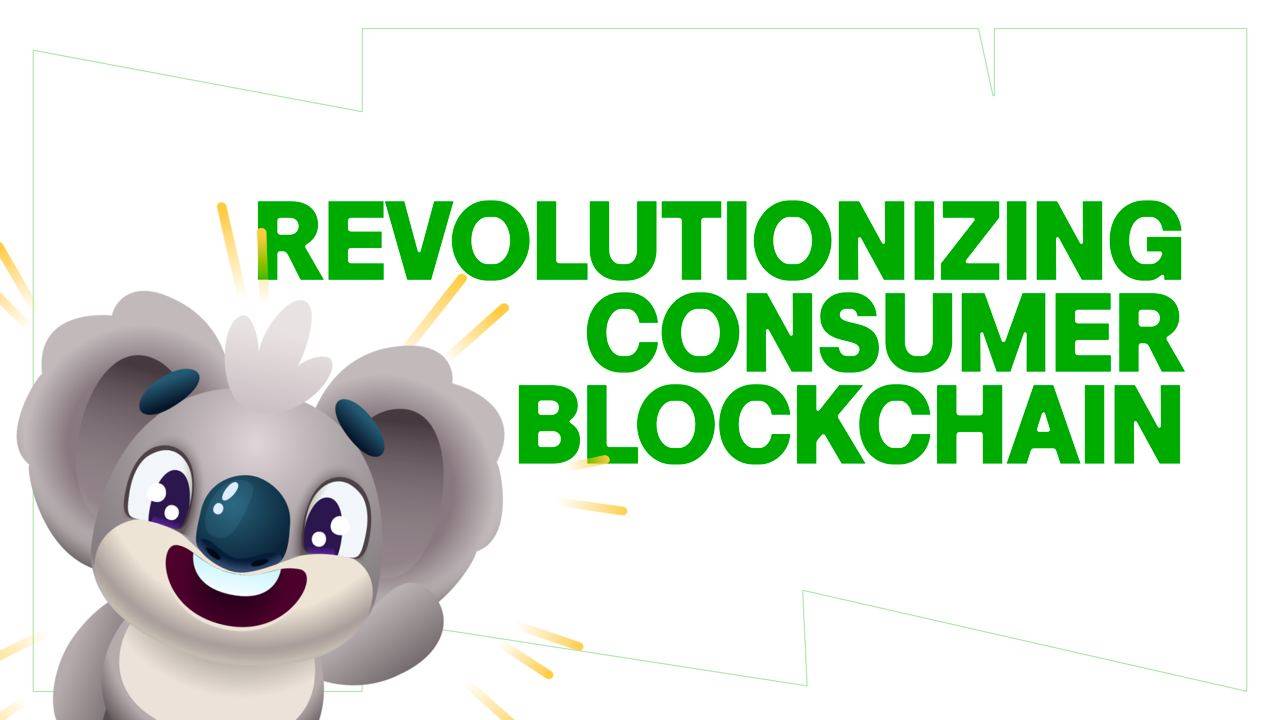
We chose the koala because its relaxed, laid-back image aligns perfectly with our consumer-grade L2 identity.
Morph targets consumer use cases, aiming to onboard incremental users. Today’s Web3 is too complex. Ordinary users won’t spend hours studying technical logic or product designs. They should intuitively know a product works upon first glance—like an iPad or iPhone, usable even by children.
The koala represents our pursuit of low-barrier UX. Entry should be frictionless, registration and interaction seamless—users simply relax and enjoy the effortless experience delivered by human-centered design, just like a koala enjoying nature’s gifts.
Ecosystem Advantage Is Hard to Replicate—Web3 Needs More Women
TechFlow: How do you think Ethereum upgrades will impact the L2 landscape—opportunities and challenges alike? What steps will Morph take? What do you envision the future of L2s to be?
Cecilia:
Ethereum upgrades reduced transaction costs by about 80%, making users more willing to interact within the ecosystem—an opportunity for broader adoption. However, lower technical and cost barriers also pose challenges, as more applications may consider launching their own rollups—a trend I see as inevitable.
For Morph, our response circles back to our founding vision: from day one, we anticipated falling technical barriers. L2s relying solely on technical superiority will face severe pressure. Morph never positioned itself as tech-first. Our core advantage lies in our consumer-grade ecosystem positioning and development. Ecosystems are hard to replicate. The longer we build, the richer the ecosystem, the tighter the user-network bond—the higher Morph’s value grows.
Also, while apps can build their own chains, the true power of an L2 is enabling collective growth. A single village struggles alone, but many villages forming a city unlock entirely different economies of scale. We’re glad Morph identified its consumer-grade niche early. I believe this is the most sustainable path—our accumulated ecosystem momentum creates a durable moat, resilient against constant technological shifts.
TechFlow: Looking ahead to 2024, what are Morph’s top priorities?
Cecilia:
Our top priorities for the second half: mainnet launch and token launch.
TechFlow: As a successful female leader in Web3, what advice would you give to women in the space? What effective measures can help more women enter and thrive in Web3?
Cecilia:
I believe increasing female participation signals industry maturity for any field. Web3 shows this trend: five years ago, when I entered, many female executives were CMOs, sometimes stereotyped as “beauty ambassadors.” Today, more women hold core leadership roles, actively shaping strategic decisions and contributing valuable insights. Still, overall numbers remain low.
To bring more women into Web3, we’re already taking action—like our Blockchain4Her initiative, sharing stories of outstanding female Web3 founders to inspire others. Also, much Web3 knowledge centers on tech, finance, or politics—topics less commonly pursued by women. Coupled with negative headlines and risk aversion among many women, this further hinders growth. We should increase public education and outreach to raise awareness and dismantle biases. Personally, I’m eager to contribute more, guiding more women to unlock their potential in Web3.
Lastly, any industry thrives on both masculine and feminine thinking. From a management lens, men and women lead differently. Women often show resilience—gentle yet firm—exerting influence equal to men. From a Web3 perspective, women better relate to diverse user needs and craft more effective market strategies. Web3’s journey to mass adoption requires more female voices.
About Morph
Morph is a fully permissionless EVM L2 combining optimistic and zk rollup technologies, offering developer-friendly infrastructure for building financial, gaming, social media, and entertainment applications.
Join TechFlow official community to stay tuned
Telegram:https://t.me/TechFlowDaily
X (Twitter):https://x.com/TechFlowPost
X (Twitter) EN:https://x.com/BlockFlow_News
 深潮TechFlow