The current state of South Korea's cryptocurrency market: retail investor frenzy amid a continued lack of regulation
TechFlow Selected TechFlow Selected
The current state of South Korea's cryptocurrency market: retail investor frenzy amid a continued lack of regulation
The South Korean cryptocurrency market presents a complex landscape characterized by strong retail investor participation alongside ongoing regulatory challenges.
 Navigating Web3 tides with focused insights
Author: Min Jung
Translated by: TechFlow
Summary
-
Driven by a tech-savvy population, South Korea's cryptocurrency market is characterized by intense retail investment, giving rise to unique phenomena such as the "Kimchi premium" and "listing pump."
-
South Korea's crypto history is marked by significant regulatory developments, primarily focused on enhancing market integrity and investor protection.
-
However, despite high trading volumes and notable regulatory progress, the market remains challenging for developers due to public perception of cryptocurrencies and a lack of supportive regulations.
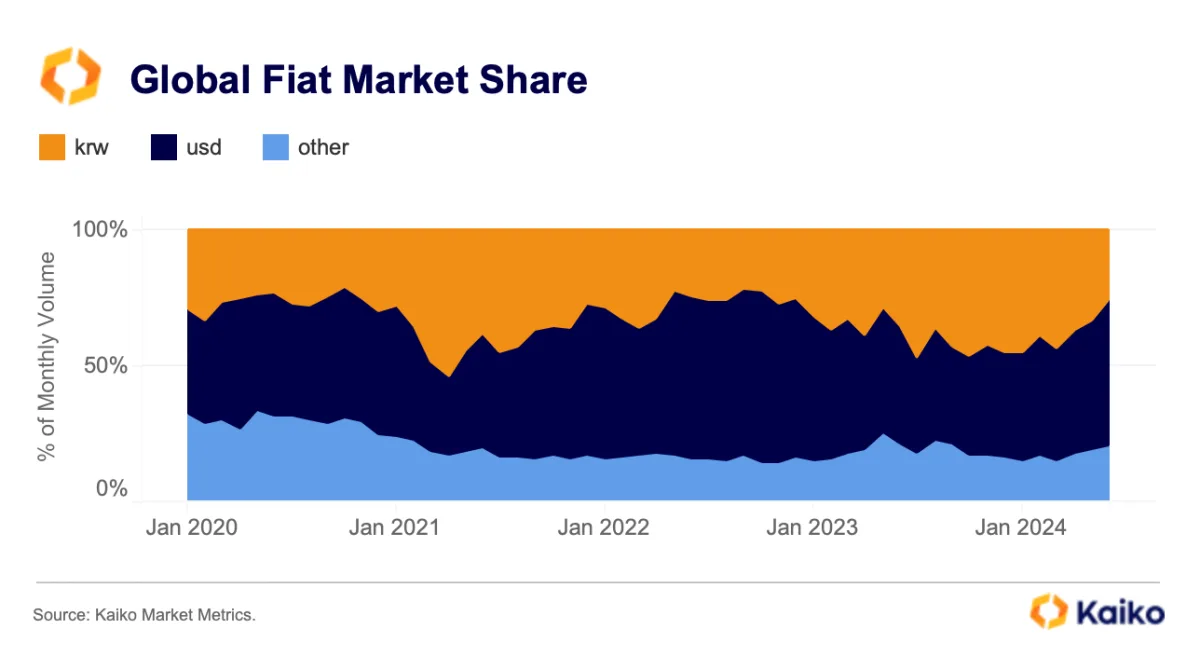
Figure 1: The Korean won consistently ranks among the top two fiat currencies in global crypto trading volume
Introduction
As a technological powerhouse with widespread internet access and a tech-literate population, South Korea holds a prominent position in the global cryptocurrency landscape. The country’s highly active retail investors have given rise to unique market phenomena such as the "Kimchi premium" and "listing pump," reflecting strong public enthusiasm for crypto investments. However, these behaviors have also drawn scrutiny from regulators and market observers, prompting new regulations expected to influence the global crypto market.
In this research article, we will (1) review the history of cryptocurrency in South Korea, (2) examine the current state of the industry—particularly the aforementioned phenomena and new regulations—and (3) introduce some key domestic market participants.
History of Cryptocurrency in South Korea
~2017:
-
Prior to 2017, cryptocurrency was not widely adopted in South Korea, consistent with global trends. Notable early events include Korbit becoming Korea's first crypto exchange in 2013, followed by Bithumb in 2014.
2017:
-
Bull Run: 2017 marked the beginning of crypto mania in South Korea. The bull market attracted millions of retail investors, with Bithumb frequently ranking first globally in daily trading volume. The "Kimchi premium" (to be discussed later) reached 30–40%.
-
ICO Ban: In September 2017, the Financial Services Commission (FSC) banned all forms of initial coin offerings (ICOs) to protect investors and prevent potential financial fraud and speculation. To this day, platforms like CoinList remain prohibited in Korea.
-
2018:
-
“Park Sang-ki Crisis”: In January 2018, Justice Minister Park Sang-ki announced that the government was considering shutting down all cryptocurrency exchanges, triggering significant market turmoil and a sharp drop in Bitcoin’s price.
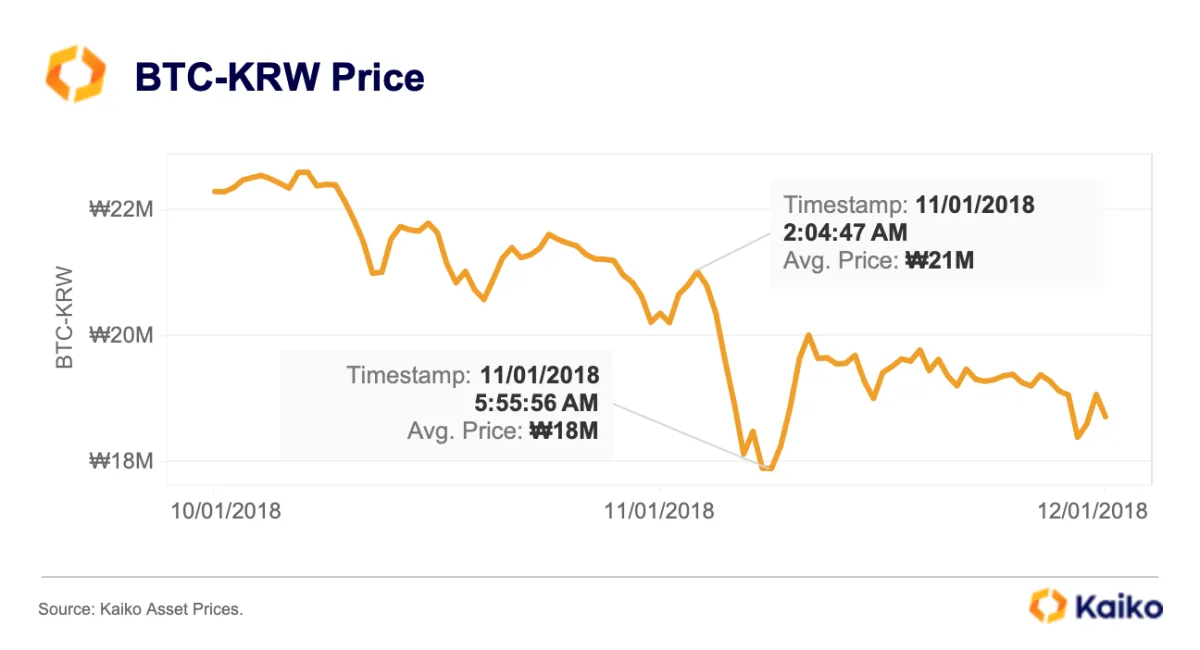
Figure 2: BTC price dropped sharply after his remarks
-
Real-name Transaction System: On January 30, 2018, South Korea implemented a “real-name transaction system,” requiring all crypto exchanges to partner with banks to provide verified real-name accounts for trading. This measure aimed to increase transparency and prevent money laundering.
2020/2021:
-
Amendment to the Special Financial Information Act: In March 2020, the National Assembly passed an amendment to the “Act on Reporting and Using Specific Financial Transaction Information” (commonly known as the “Specialized Financial Information Act”), bringing crypto exchanges under regulatory oversight. The amendment requires all Virtual Asset Service Providers (VASPs) to register with the Financial Services Commission (FSC) and comply with anti-money laundering (AML) and know-your-customer (KYC) regulations. The law took effect in March 2021.
-
After the law took effect, only 29 out of 63 exchanges successfully registered. Among them, only five exchanges—Upbit, Bithumb, Coinone, Korbit, and later Gopax—obtained both ISMS certification and real-name bank accounts, allowing them to operate KRW markets.
-
The law also applies to foreign exchanges, forcing companies like Binance to shut down Korean language support and P2P services. To date, three principles apply: no KRW support, no Korean language service, and no direct marketing in Korea.
-
2022:
-
Terra-Luna Collapse: In May 2022, the collapse of Terra (LUNA) and its stablecoin UST triggered major turmoil in the global crypto market. The event deeply impacted investor sentiment, particularly among Korean investors. It also sparked widespread concerns about stablecoin stability and regulatory oversight. Given Terra’s close ties to Korea—especially through its founder Do Kwon and its ecosystem—the crash significantly affected Korea’s crypto market.
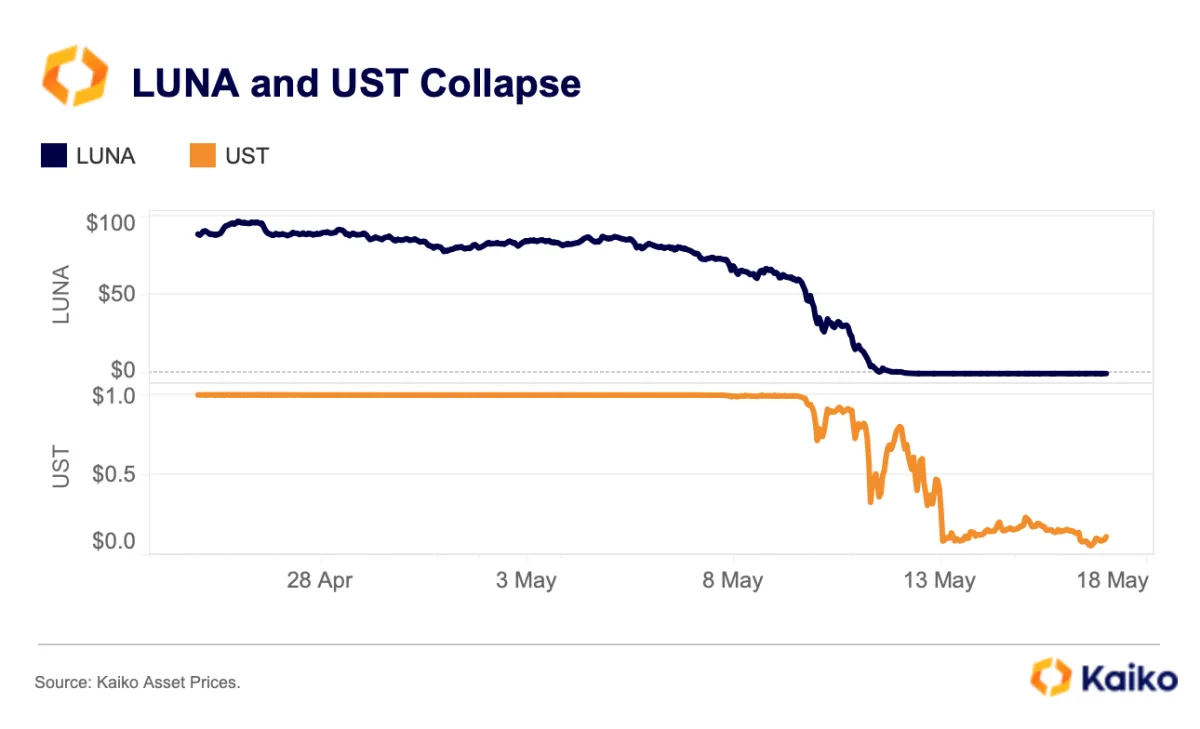
Figure 3: Collapse of the Terra ecosystem
-
DAXA: The Digital Asset Exchange Alliance (DAXA), formed by major Korean exchanges (Upbit, Bithumb, Coinone, Korbit, and Gopax), aims to strengthen cooperation and establish industry standards to better protect investors and uphold market integrity.
-
Travel Rule: Following guidance from the Financial Action Task Force (FATF), South Korea introduced the “Travel Rule” to enhance transparency in crypto transactions and combat illicit activities.
2023/2024:
-
Haru Invest/Delio Bankruptcy: In 2023, two crypto digital asset management firms went bankrupt amid allegations of operating a Ponzi scheme structure. This event intensified negative market sentiment following the Luna collapse, highlighting regulatory gaps and investor protection issues, along with accusations of mismanagement and financial misconduct.
-
Security Token Offering (STO) Guidelines: In February 2023, the FSC announced guidelines for regulating security tokens under the Capital Markets Act. The guidelines focus on determining whether tokens meet securities criteria and on regulating the issuance and distribution of tokenized securities.
-
Virtual Asset User Protection Act: Enacted in June 2023, the Virtual Asset User Protection Act aims to protect investors by penalizing price manipulation and other market abuses. It represents the first phase of a comprehensive regulatory framework for digital assets.
2024 and Beyond:
-
Virtual Asset User Protection Act: The above-mentioned Virtual Asset User Protection Act will take effect on July 19, 2024. While this phase focuses on user protection and preventing abusive trading practices, the second phase may address market access and operations for Virtual Asset Service Providers (VASPs). However, discussions on the second phase have not yet begun. Given that the first phase took 20 months to pass, it is expected to take even longer before specific details and timelines emerge.
-
Crypto Tax: Crypto taxation has been a key issue during election seasons in Korea. Since 2022, implementation of the crypto tax has been repeatedly postponed as part of the government’s efforts to appeal to voters ahead of elections. As of now, a 20% capital gains tax on annual profits exceeding 2.5 million KRW (approximately $1,900) is scheduled to begin in 2025.
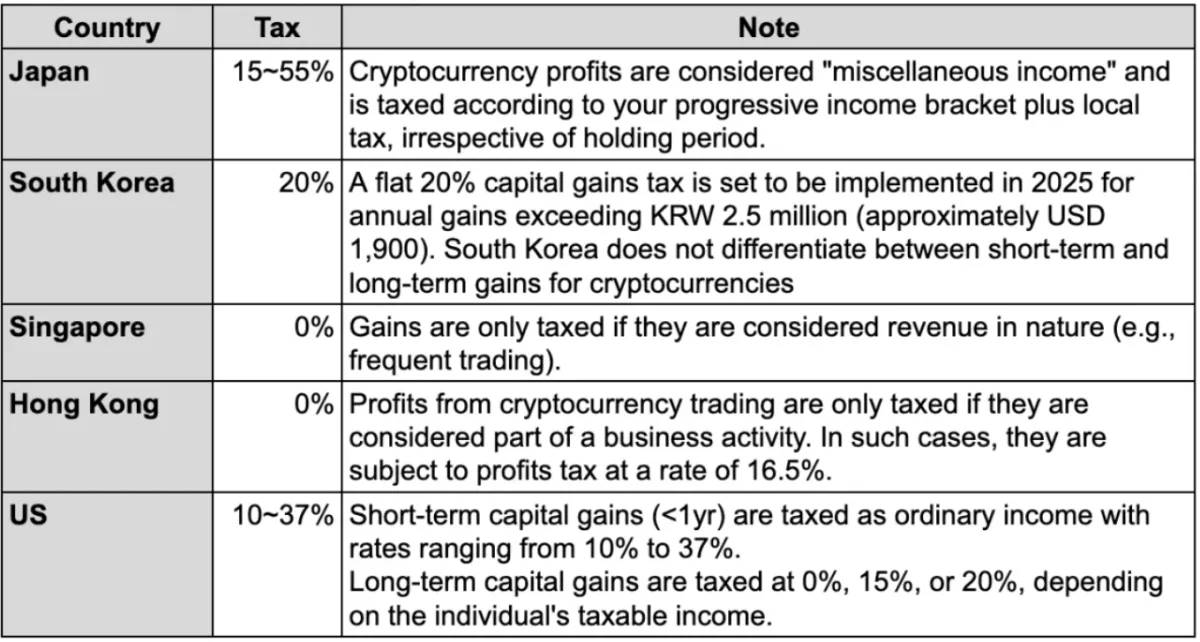
Figure 4: Cryptocurrency taxes across countries
Virtual Asset User Protection Act
Since listing on Korean exchanges has become a crucial milestone for many crypto projects, guidelines and regulations around the listing process are closely watched. Currently, there are no explicit regulations governing how Korean exchanges list or delist cryptocurrencies. The only existing guidance comes from DAXA, an alliance of the five major Korean exchanges, which provided a preliminary listing framework in March 2023. However, this guidance has been criticized for lacking clarity. Under supervision from regulators, DAXA is currently revising the guidelines with added detail. These updated guidelines will be implemented alongside the Virtual Asset User Protection Act and are expected to mark a significant advancement in Korea’s regulatory landscape—worth monitoring closely.
Virtual Asset User Protection Act (Virtual Asset Utilization Protection Act)
The Virtual Asset User Protection Act will take effect on July 19, 2024, focusing on investor activities on exchanges, including:
-
Protecting customer deposits
-
Increasing custodial responsibilities
-
Monitoring suspicious transactions
-
Preventing insider trading
Listing/Delisting Guidelines
Under the supervision of the Financial Services Commission (FSC) and the Financial Supervisory Service (FSS), DAXA plans to launch “compliance best practices” coinciding with the implementation of the Virtual Asset User Protection Act. These guidelines include listing and delisting criteria and are currently undergoing industry feedback. Listing review standards consist of nine requirements grouped into four main categories, reviewed quarterly:
1. Issuer Credibility
-
Failure to disclose material information related to the virtual asset, or making arbitrary changes without justification.
-
Failure to verify key wallet information of the issuer and operator.
2. User Protection Measures
-
Failure to verify essential explanatory materials (whitepaper) prepared by the issuer and operator regarding the virtual asset.
-
Lack of on-chain transaction monitoring tools (block explorer).
3. Technical Security
-
Unexplained or unresolved security incidents involving the virtual asset, wallets, or distributed ledger.
-
Failure to verify the source code of the token smart contract on the distributed ledger, or improper configuration of critical event functions.
4. Compliance
-
Self-issued coins, dark coins, and other virtual assets deemed illegal.
-
Supporting trading of virtual assets that could be used for illegal activities or violate existing regulations.
Any virtual asset associated with any of the above eight items is considered non-compliant and thus should not be listed. Additionally, financial authorities have introduced a ninth qualitative review criterion, including:
-
Capability, social reputation, and past business history of entities involved in issuance, operation, and development.
-
Disclosure of material information related to the virtual asset.
-
Total supply and circulation plan, changes in business plans, and their transparency and reasonableness.
-
Appropriateness of access control settings for critical functions in the token smart contract.
These evolving guidelines aim to create a structured and secure environment for cryptocurrency trading in Korea, addressing current ambiguities and enhancing market integrity.
Where Are We Now?
Retail Frenzy
Retail enthusiasm in Korea can be attributed to cultural factors such as rapid technology adoption due to fast internet speeds, a culture of risk-taking, and the rapid spread of trends within a homogenous society. Since 2017, Korea has remained one of the largest markets in the crypto space, with its exchanges serving as critical platforms for project listings. Even today, Upbit consistently ranks among the top five in average trading volume, often trailing only Binance. This is especially remarkable given that Korean exchanges serve only Korean residents, unlike Binance, Coinbase, and HTX, which cater to broader international audiences.
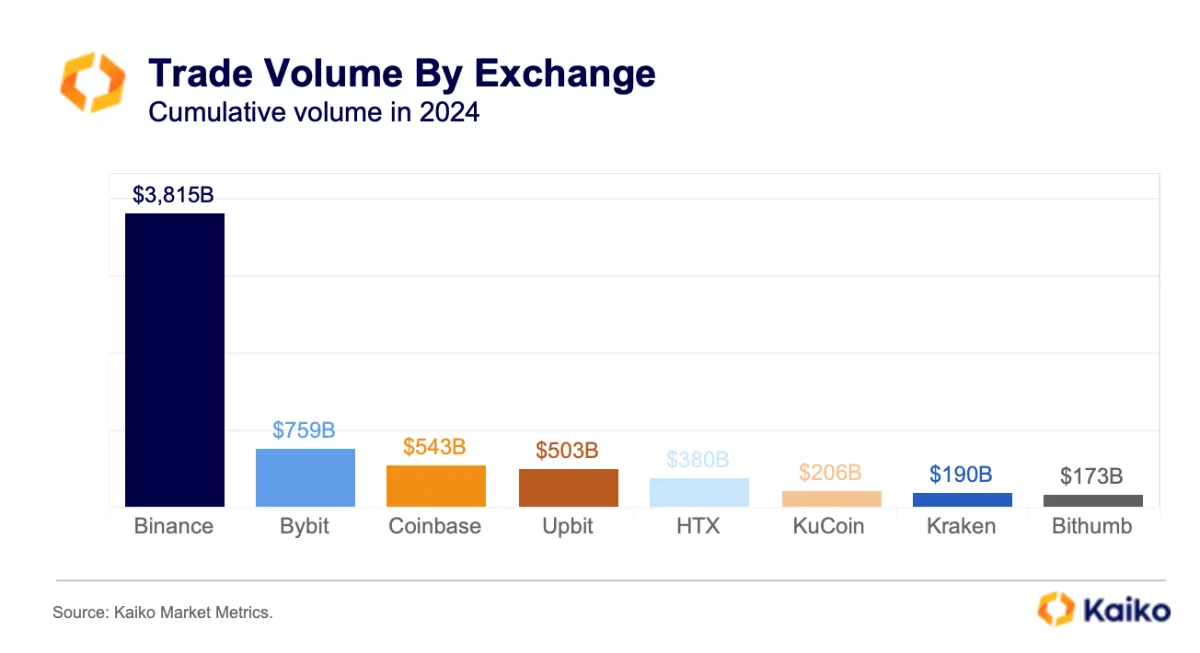
Figure 5: Upbit ranks second in average trading volume
Kimchi Premium and Listing Pump
Recently, cryptocurrency trading volume in Korea has surpassed that of KOSDAQ and KOSPI. This phenomenon indicates deep integration of crypto into Korea’s financial system. Such intense interest has also led to several intriguing market phenomena: the Kimchi premium and listing pump.
Kimchi Premium
The Kimchi premium refers to the price difference of cryptocurrencies between Korean exchanges and global exchanges. Due to regulatory barriers, arbitrage is difficult, resulting in a typical 2–3% premium—meaning crypto prices are higher on Korean exchanges. However, during particularly strong bull markets, such as in April, this premium can surge to around 14%.
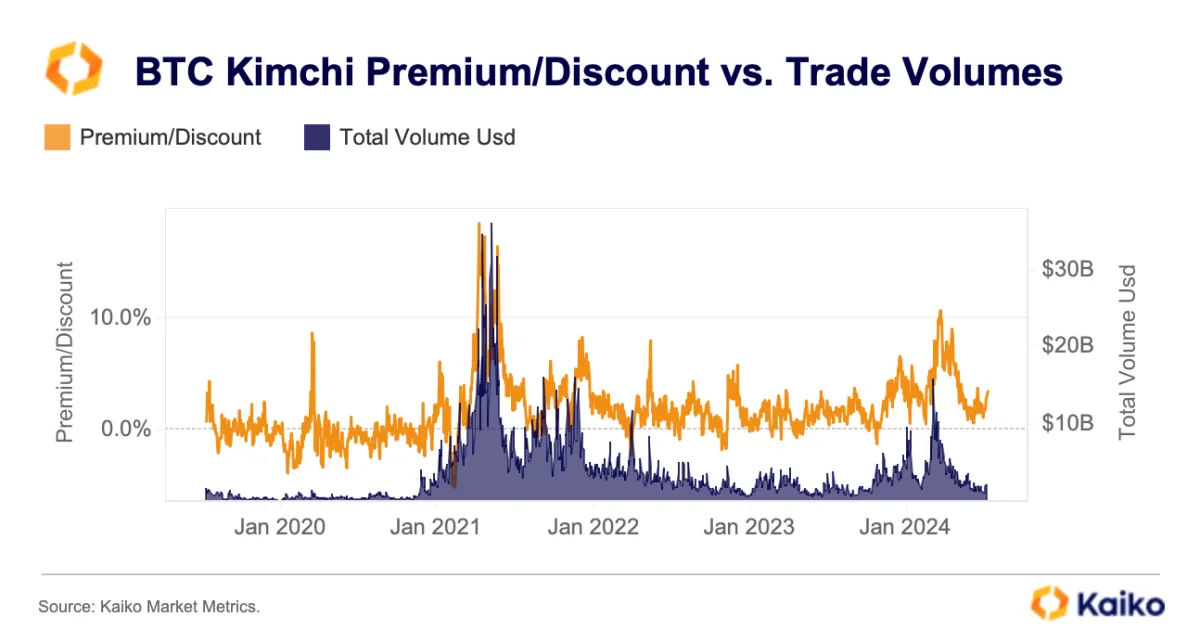
Figure 6: Kimchi premium spikes during high-volume bull markets
Listing Pump
Another notable phenomenon is the listing pump. When Upbit or Bithumb announces an upcoming project listing, the price of the newly listed cryptocurrency immediately surges. This effect is influenced by factors such as market cap, liquidity, and availability of perpetual contracts. While listing on Korean exchanges does enhance liquidity and is generally seen as positive news, the resulting price pump is typically short-lived—a one-time event rather than a sustainable trend.
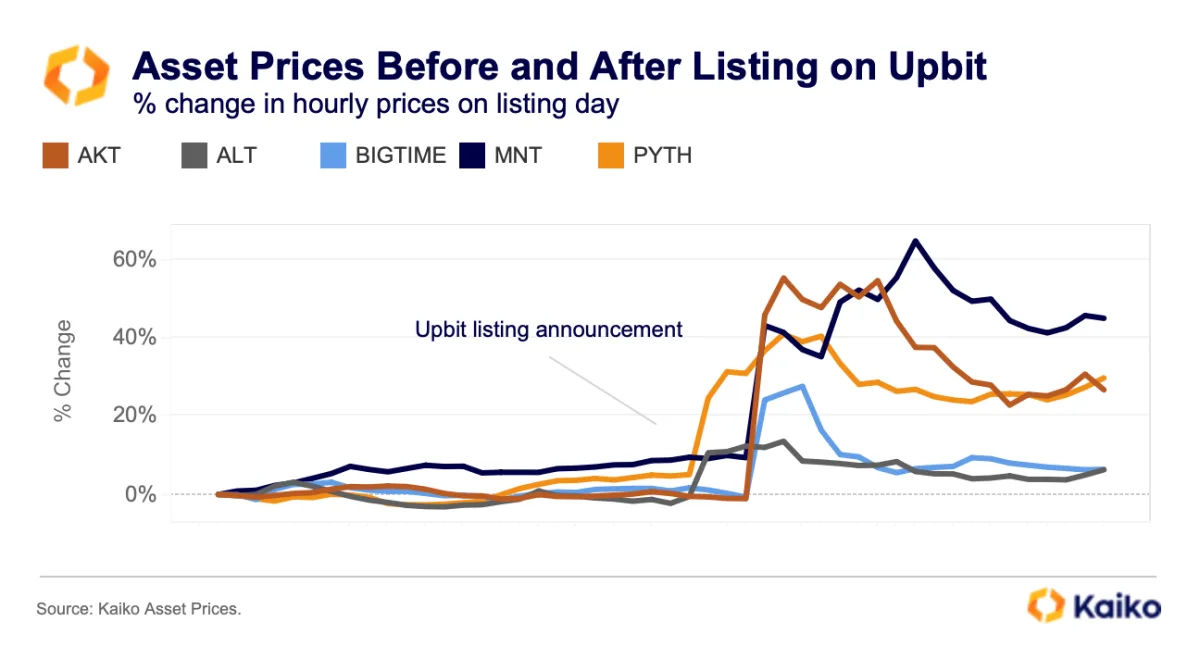
Figure 7: Price pump following Upbit listing announcement
However…
Despite progress in regulated exchanges and investor protection, the Web3 operating and developer environment in Korea faces significant challenges. Currently, no major native Korean projects rank among the top 100 by market cap—an unexpected situation given the popularity of crypto assets in Korea. The main obstacles appear to be public perception of cryptocurrency and regulatory uncertainty surrounding Web3 projects.
While cryptocurrencies are popular in Korea, they are often viewed more as gambling rather than long-term investment in Web3 technology. Short-term market behaviors, such as listing/delisting pumps (e.g., price spikes before or after delisting announcements), reinforce this perception. As a result, market focus remains on short-term speculation rather than long-term fundamental investment in Web3. Furthermore, the collapse of LUNA in May 2022 intensified negative public sentiment toward crypto, leading to strict media scrutiny of all crypto projects operating in Korea. These projects have also become political targets, creating an environment where sustainable growth is difficult to achieve despite genuine enthusiasm.
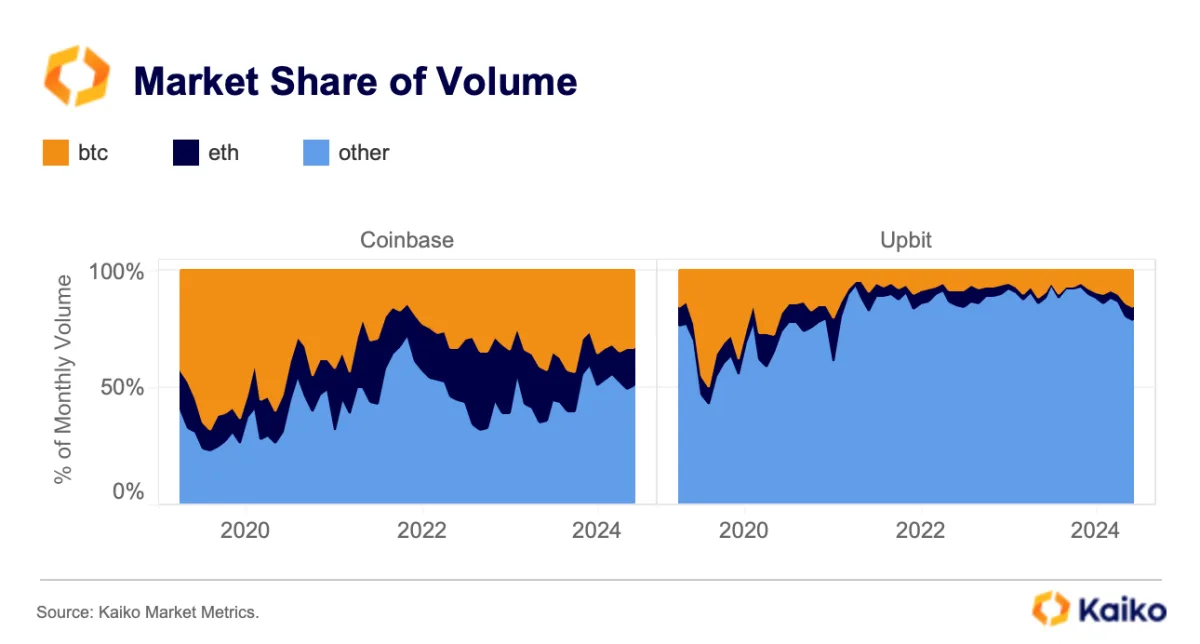
Figure 8: Koreans prefer altcoins over major cryptocurrencies
Compounding Factors
Unclear regulations also play a significant role. While government officials are actively developing regulatory frameworks, existing rules primarily focus on investor protection, with less emphasis on supporting innovation and industry growth. For example, licensing requirements for Virtual Asset Service Providers (VASPs) apply only to exchanges, wallets, and custodians, while the initial phase of the Virtual Asset User Protection Act mainly addresses operational aspects of exchanges. Moreover, Korea’s ban on Play-to-Earn (P2E) games has created a complex situation: top global Web2 gaming companies set up operations in Korea to access local talent but serve overseas markets. This regulatory ambiguity and delay have forced many Korean developers to relocate their businesses to more favorable jurisdictions like Singapore, stifling local innovation despite Korea’s strong technical capabilities.
Key Players in the Korean Crypto Market
Exchanges
Although there is no explicit rule, futures trading in cryptocurrencies is effectively prohibited in Korea due to restrictions by the Financial Services Commission (FSC). Therefore, Korea’s crypto market is dominated by five major spot exchanges: Upbit, Bithumb, Coinone, Korbit, and Gopax. These exchanges hold a significant market share, with Upbit and Bithumb alone accounting for nearly 96% of total trading volume.
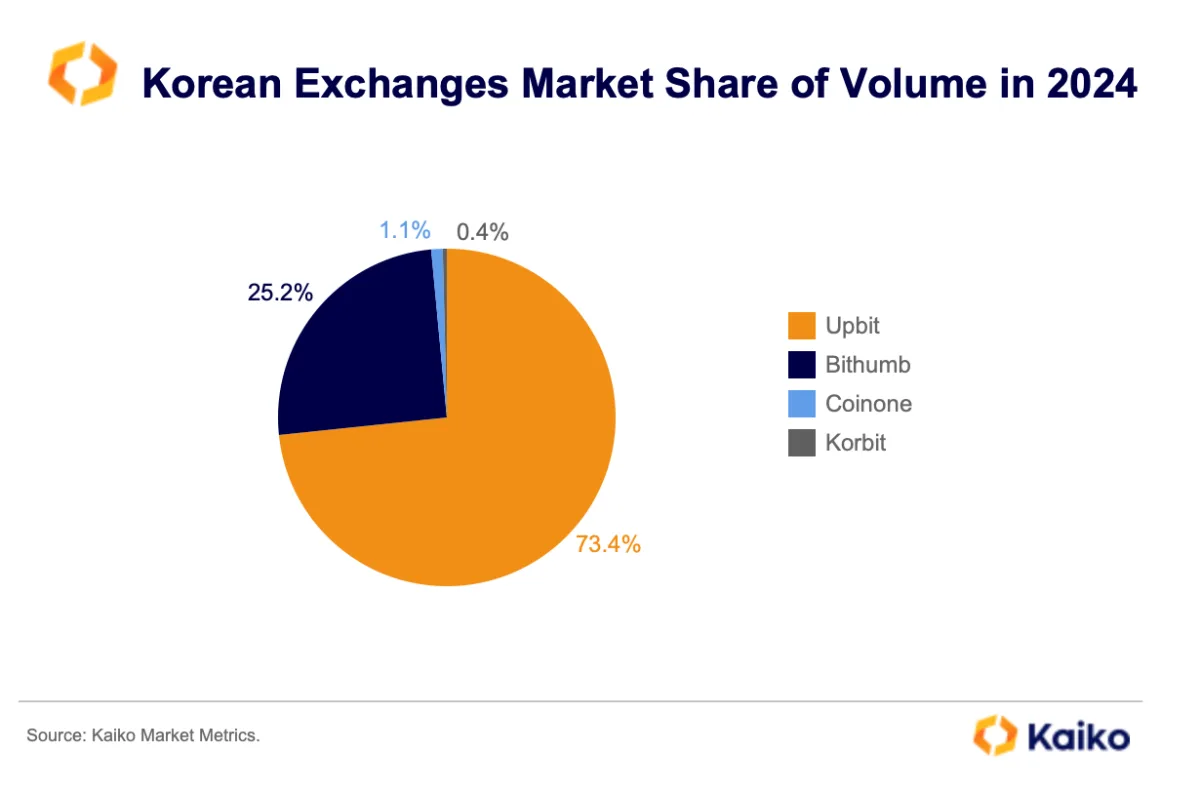
Figure 9: Market share of Korean exchanges as of today
-
Upbit: Owned by Dunamu, Upbit is Korea’s undisputed number one cryptocurrency exchange. Dunamu also operates Luniverse (a Web3 product), a stock trading platform, and even a second-hand watch marketplace. Currently valued at approximately $2.5 billion in the OTC market, Dunamu reported $2.7 billion in sales in 2023. Today, Upbit offers KRW/BTC/USDT trading pairs, with the majority of trading volume coming from the KRW market.
-
Bithumb: Despite ongoing uncertainty around its governance structure, Bithumb is currently valued at around $289 million in the OTC market and has announced plans for an IPO in 2025. Bithumb led the market until 2020 but lost significant market share to Upbit afterward. However, through aggressive fee policies, Bithumb has recently regained market share and continues to play a key role in the “listing pump” phenomenon.
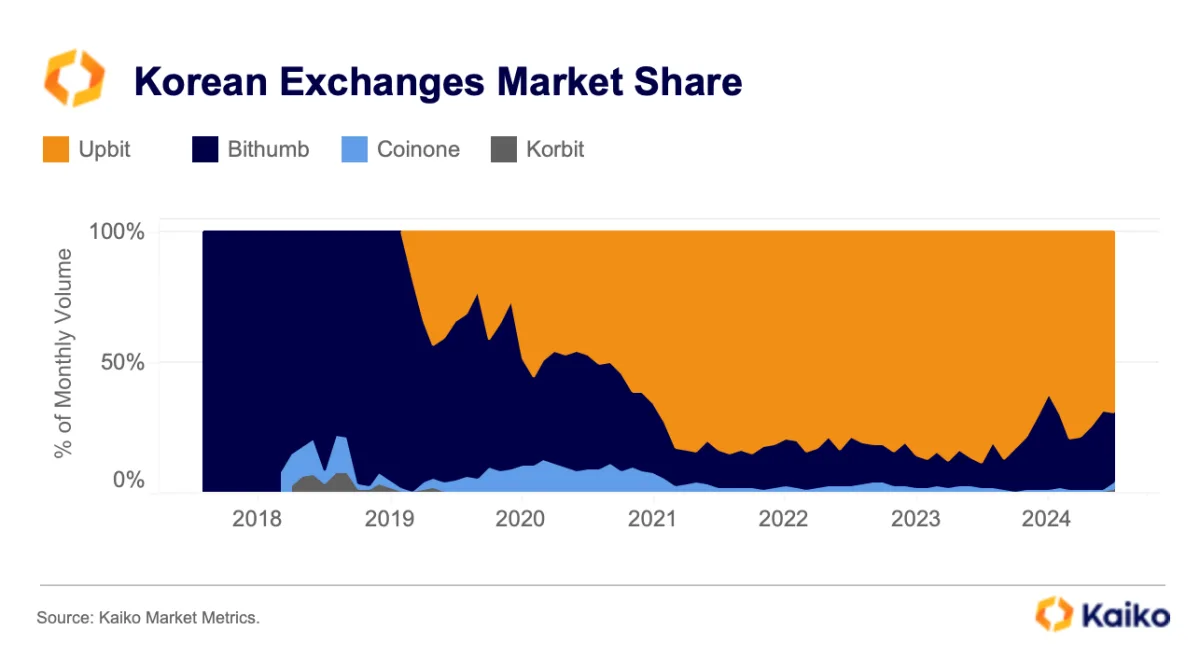
Figure 10: Historical market share of Korean exchanges shows Bithumb previously held the top spot before 2020
-
Coinone: With a 1.1% market share, Coinone was the first Korean exchange to list Ethereum.
-
Gopax: Binance acquired a 72.26% controlling stake in Gopax as a strategic move to enter the Korean market. However, the process is still awaiting government approval due to regulatory uncertainty.
-
Korbit: With a 0.4% market share, Korbit is Korea’s oldest cryptocurrency exchange.
Projects
i) Kaia
Kaia is a next-generation blockchain project formed by the merger of Klaytn and Finschia, driven by Korean tech giants Kakao (Klaytn side) and Naver’s Line (Finschia side). The merger aims to consolidate both blockchain platforms into a unified system named Kaia—derived from the Greek word for “and,” symbolizing connection. Scheduled for launch by year-end, it is expected to become a major “Korean” layer-1 blockchain. This merger also represents one of the few M&A cases in the crypto industry.
1. Who are you, and what is Kaia?
I am John Cho, Vice President of Marketing at the Klaytn Foundation, currently overseeing our global marketing efforts and channel expansion in key regions. Kaia is a new layer-1 superchain launched following the merger of Klaytn and Finschia chains. As third-generation blockchain projects founded separately by Kakao (Korea’s leading messaging app) and Line (a dominant messaging platform in Asia with 178 million users), merging their ecosystems was a natural progression, paving the way for one of Asia’s largest blockchains. With Finschia’s expertise in application development and Klaytn’s unmatched technical strength, Kaia is poised not only to catalyze mainstream Web3 adoption but also to serve as a gateway for Asia’s largest user base, liquidity, and talent pool.
2. What is your view on the current regulatory status of Web3 operations in Korea, and what changes do you believe are needed to foster innovation in this field?
Korea’s regulatory environment still lags behind the continuous innovation in the Web3 space. Despite Korea hosting some of the world’s highest crypto spot trading volumes—indicating strong public demand for blockchain technology—legislators have yet to provide clear guidance necessary for local teams and developers, resulting in brain drain as many teams relocate to regions with clearer direction. The primary bottleneck lies in regulators’ limited understanding of Web3 technologies and trends, coupled with insufficient dialogue with actual developers and teams. To foster innovation and meaningful growth in Korea, developers need clarity; currently, guidelines are vague and enforcement inconsistent. Clear and specific regulation would allow our industry to develop more strategic and well-defined goals.
3. Can you share some upcoming updates we can expect from Kaia?
The official launch of the Kaia mainnet is imminent. In addition to new technical upgrades and features such as native staking delegation and priority fee mechanisms, we plan to launch a full-ecosystem incentive points system via Kaia Portal. Kaia Portal will be our proprietary service discovery and user front-end, allowing users to earn points by leveraging exclusive yields and participating in on-chain quests. Through Kaia Portal, we aim to incentivize user-level contributions to drive growth and bootstrap liquidity. The Portal will launch alongside the new Kaia mainnet.
ii) Delabs
Korea has long led in the Web2 gaming sector, with major companies like Nexon, Netmarble, NCSoft, and Krafton dominating global markets. Consequently, many individuals and entire studios from these major game developers are exploring the Web3 space—such as Wemade and Nexon. Delabs Games is part of this trend—a Korean game studio and subsidiary of 4:33 Games. Founded by former Nexon executive Joon Mo Kwon, Delabs Games is making its mark in the Web3 gaming arena.
1. Who are you, and what is Delabs Games?
I am Hyunmyung Kim, Marketing Director at Delabs Games. Delabs Games is a Korean game studio and a subsidiary of the renowned 4:33 Games, with over 13 years of mobile game development experience and a track record of creating numerous hit games domestically and internationally. Initially focused on the Korean market, 4:33 Games later expanded to a global audience. Now, Delabs Games is pioneering the next chapter in gaming by adopting blockchain technology. Over the past two years, Delabs Games has been developing three blockchain games: the casual racing game *Rumble Racing Star*, the space refugee survival game *Space Frontier*, and the Web3 character-collecting RPG *Metabolts*. In February 2024, we launched our first racing game, *Rumble Racing Star*, which received a positive response, reaching 10,000 daily active users within five days of release.
3. Why do you think Korea stands out in the crypto space?
Korea’s prominence in the global crypto space can be attributed to several key factors. Economic pressures—including high inflation and housing costs—have driven many, especially the so-called “N-Po generation,” toward high-risk investments in search of financial breakthroughs, making Web3 an attractive option. Despite being the 13th largest economy globally, Korea demonstrates significant crypto purchasing power, with Upbit as a major exchange ranking among the top globally in trading volume. Additionally, the country’s emphasis on homegrown digital solutions is reflected in successful blockchain projects like Klaytn and Wemade, highlighting Korea’s technological innovation and substantial influence in the global Web3 market.
4. What is your view on Korea’s current regulation of Play-to-Earn (P2E) games, and how should it change?
The cautious regulations by Korea’s Financial Services Commission (FSC), restricting P2E games, NFTs, and cryptocurrencies, may hinder industry growth. Prior to the July 2024 rollout of the Virtual Asset User Protection Act, debates continue over NFT taxation and their classification as virtual assets. Similar to Japan, establishing safe boundaries for P2E services is crucial. There is an urgent need for a centralized control tower to coordinate regulatory efforts across ministries amid the rapid evolution of blockchain technology. Such a step is essential for effective management and oversight of these emerging technologies.
5. Can you share some upcoming updates we can expect from Delabs?
Delabs Games is moving toward a Token Generation Event (TGE) and launching our ecosystem under our core concept of the “Playable Layer.” To showcase the core user experience of the Playable Layer, we are running an event called “Ladybug’s Journey”—a points-based incentive program where users can collect and upgrade points by completing various tasks, collecting on-chain assets, and climbing competitive leaderboards. Delabs Games will launch a range of games—from hardcore AAA titles to casual Telegram-based games—to improve accessibility.
Conclusion
South Korea’s cryptocurrency market presents a complex picture of strong retail investment coexisting with regulatory challenges. While the country boasts a highly tech-savvy population, the absence of major local blockchain projects reflects underlying hurdles in regulation and public perception. The upcoming implementation of the Virtual Asset User Protection Act marks a step forward in addressing these issues, aiming to enhance market integrity and provide clearer operational guidelines. However, to fully leverage its technological strengths and market enthusiasm, Korea must cultivate an environment supportive of blockchain innovation, overcome negative public sentiment, and establish a balanced regulatory framework that encourages long-term investment in Web3 projects for sustainable development. Only through such a balanced approach can Korea solidify its position as a global leader in the evolving cryptocurrency landscape.
Join TechFlow official community to stay tuned
Telegram:https://t.me/TechFlowDaily
X (Twitter):https://x.com/TechFlowPost
X (Twitter) EN:https://x.com/BlockFlow_News
 @presto_labs