Lowering the Entry Barrier for a Trillion-Dollar Market: Plume Network, a Modular L2 Focused on the RWA Sector, Launches Testnet Campaign
TechFlow Selected TechFlow Selected
Lowering the Entry Barrier for a Trillion-Dollar Market: Plume Network, a Modular L2 Focused on the RWA Sector, Launches Testnet Campaign
Plume is enabling broader access, greater liquidity, and enhanced innovation for RWAs by lowering barriers, improving liquidity, and promoting compliance.
 Navigating Web3 tides with focused insights
In June, a violin once belonging to Russian Empress Catherine the Great was used as collateral to borrow millions of dollars from Galaxy, reigniting widespread discussion within the community about the RWA (Real World Assets) sector.
The RWA sector has long aimed to tokenize real-world assets and break down traditional financial boundaries. It is widely regarded as the largest incremental market in the crypto space. We have seen strong interest not only from Web3 leaders such as Binance but also from Web2 financial giants like BlackRock and Franklin Templeton. With the approval of spot Bitcoin and Ethereum ETFs, related RWA protocols such as ONDO and MANTRA have also experienced significant price increases.
According to Boston Consulting Group, the global tokenized financial asset market could reach $16 trillion by 2030—compared to the current RWA market cap of just $6 billion. The RWA sector clearly still holds immense growth potential. However, facing challenges such as regulatory uncertainty, technical hurdles, and insufficient liquidity, Plume Network—a modular RWA L2 platform designed to simplify deployment and lower the entry barrier for traditional finance participants—has attracted significant attention.
Recently, with the launch of its testnet, Plume Network launched a testnet incentive campaign that captured community interest: themed around a "global journey," users can earn points toward future airdrops by exploring different countries (ecosystems), completing travel tasks, and inviting friends.
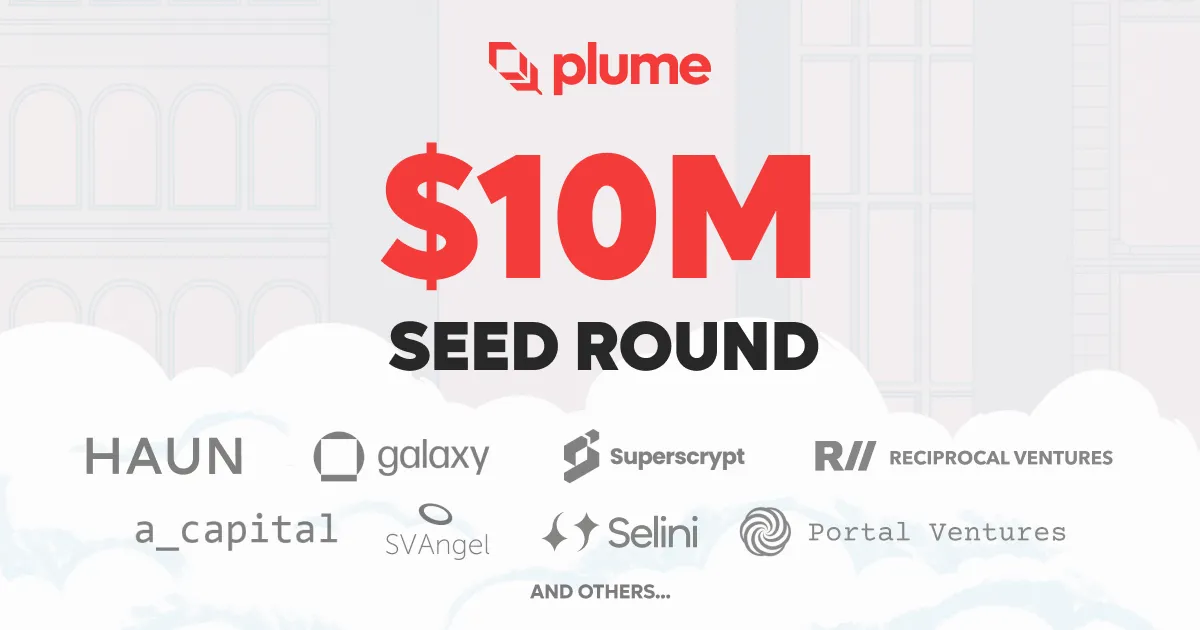
Previously, as the first modular EVM L2 network built specifically for the RWA sector, Plume Network raised $10 million in a seed round led by Haun Ventures, with participation from prominent firms including Galaxy Ventures, Superscrypt, and A Capital. It has also attracted support from angel investors such as Injective's Eric Chen and Mirza Uddin, Wormhole Labs' Anthony Ramirez, and Eigenlayer's Calvin Liu.
This article explores Plume Network, examining how the project leverages technological innovation and ecosystem development to deliver customized, end-to-end services for the RWA sector, along with details on the testnet incentive campaign, to uncover the future opportunities and challenges facing both Plume Network and the broader RWA landscape.
RWA: High Barriers, Liquidity Challenges, and Regulatory Hurdles in a Trillion-Dollar Market
The concept of RWA (Real World Assets) is not new—it refers to tokens on the blockchain that represent tangible real-world assets, essentially mapping physical assets onto the chain. In theory, any real-world asset can be tokenized, whether it’s real estate, violins, commodities, or intellectual property.
Blockchain technology allows RWA to significantly reduce intermediaries and transaction costs while improving trading efficiency. Thanks to programmability, on-chain assets can be easily split and combined, enabling greater financial innovation through flexibility and composability. More importantly, the transparency and immutability of blockchains enhance traceability and trust—investors can always verify the underlying assets behind any derivative, increasing security and confidence in the market.
In recent years, breakthroughs in multiple Web3 technologies have provided strong support for RWA: improvements in public chain performance and cross-chain capabilities now allow RWA assets to circulate across ecosystems and integrate into diverse applications. Evolving token standards are also better aligned with the varied requirements of real-world assets going on-chain.
However, despite its path toward a trillion-dollar market, RWA still faces several key challenges:
First, the entry barrier remains high for traditional asset holders and average users. Despite growing interest, many are deterred by the technical and cognitive complexities involved in participating in RWA, compounded by high service fees from existing platforms.
Second, most RWAs suffer from poor price discovery, lack of active secondary markets, and inconsistent trading standards and channels across asset types, resulting in persistent liquidity issues that challenge both entrepreneurs and investors.
Third, regulatory frameworks for RWA remain unclear globally, creating uncertainty. Balancing innovation with compliance is one of the biggest hurdles for the sector.
From Lowering Barriers to Unlocking Innovation: Plume Builds a One-Stop Custom Solution for RWA
As the first modular EVM L2 network built exclusively for RWA, Plume Network aims to lower entry barriers and provide a powerful DeFi ecosystem where participants can interact with and invest in RWAs. By bringing in new users and unlocking on-chain liquidity, Plume seeks to build a vibrant and sustainable ecosystem.
Plume Network’s adaptation to the RWA sector starts at the foundational architecture level:
First, Plume is built on Arbitrum Nitro—the same stack powering Arbitrum One and Arbitrum Nova—ensuring high compatibility with Ethereum. This enables most Ethereum and other EVM-compatible smart contracts to migrate seamlessly to Plume, drastically reducing developer migration costs and time.
Second, Plume uses Celestia as its data availability (DA) layer, reducing gas costs by up to 99.9% and offering users a far more cost-effective transaction environment. Additionally, Plume makes minor modifications to the state transition function based on Arbitrum Nitro and integrates authentication via the Ethereum Attestation Service (EAS), further lowering gas expenses.
To address the accessibility challenges faced by traditional asset owners and ordinary users, Plume offers a full end-to-end integrated tech stack, positioning itself as the go-to platform for issuers to deploy RWA projects and for investors to efficiently access capital markets.
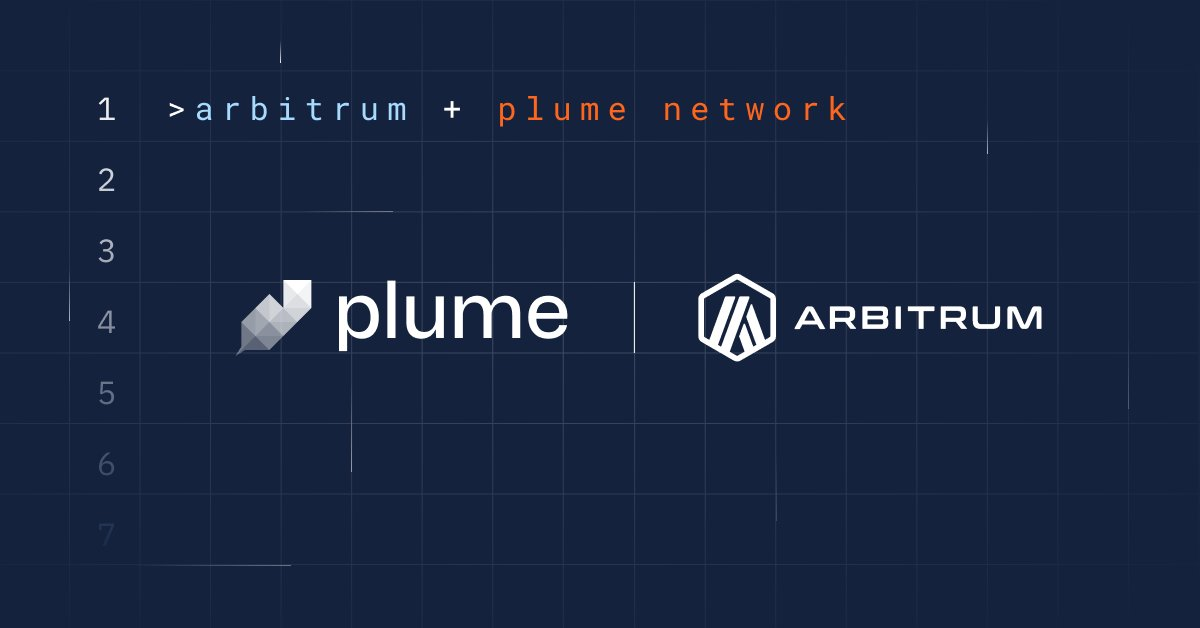
For asset issuers, Plume’s RWA Launcher acts like a Lego marketplace—breaking down every step and module of RWA deployment into reusable components. This modular approach lowers the barrier to innovation, allowing even non-technical users to participate.
The RWA Launcher is fully open-source under the MIT license and free to use. Anyone, regardless of coding experience, can follow setup instructions to run it. Through this tool, issuers can easily complete an entire suite of services—from identity creation and verification, on/off-ramping, asset deployment, to trading—all in one place. This simplifies operations, reduces technical complexity and costs, and encourages broader participation in the RWA ecosystem.
To accommodate diverse real-world assets, Plume supports multiple token standards including ERC-20, ERC-721, ERC-1155, and ERC-3643. This broad compatibility allows various asset types to be tokenized and traded on Plume, greatly expanding the platform’s applicability and flexibility.
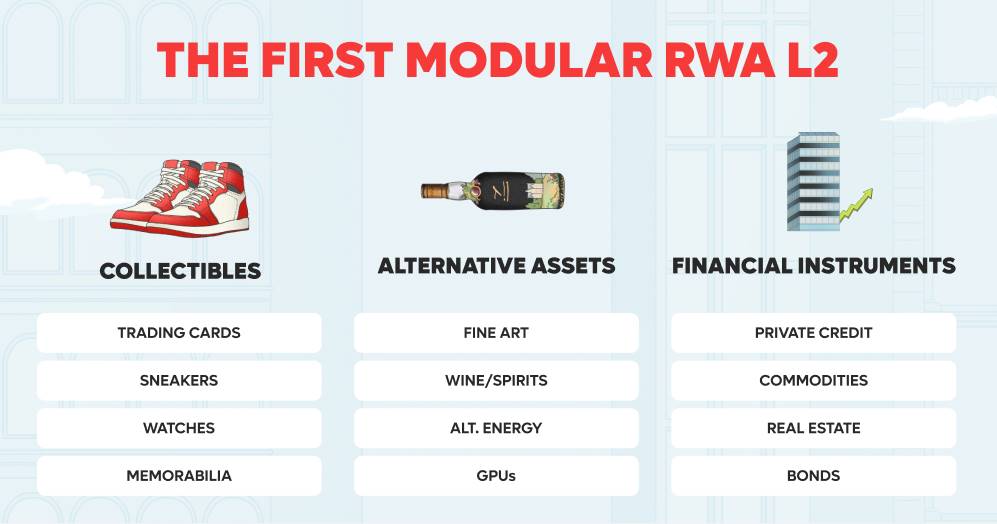
Whether it’s rare wines, limited-edition sneakers, avant-garde artworks, stocks, or carbon credits, asset issuers can find tailored solutions on Plume to bring their assets on-chain with low cost and minimal friction.
After lowering entry barriers, the next major challenge is enabling these on-chain real-world assets to achieve true “value circulation” during transactions.
Plume has signed partnership agreements with multiple ATS platforms (regulated, FINRA-registered venues for trading tokenized securities) from the EU and North America—including Texture Capital, Openfinance, and Archax. Issuers can seamlessly integrate these ATS systems via API to offer compliant primary and secondary market trading. Additionally, Plume supports AMMs, NFT-based RWA perpetual DEXs, and RWA lending protocols—expanding derivative use cases. Broader trading activity enhances liquidity, offers more participation options, and creates additional room for developer innovation, fostering a richer and more dynamic ecosystem.
On compliance, Plume provides robust tools to help projects build and distribute assets in regulated ways.
ERC-3643, a key standard supported by Plume, is particularly well-suited for regulated environments. It features an embedded decentralized identity system called ONCHAINID, ensuring only qualified users can hold the tokens. Issuers using ERC-3643 gain access to critical functions such as transfer restrictions, freezing, burning, and forced transfers—key capabilities required by securities regulators for RWA tokenization.
Moreover, Plume offers a comprehensive toolkit to help users navigate regulatory challenges, including KYC (Know Your Customer), KYB (Know Your Business), anti-money laundering (AML), account abstraction, on-chain arbitration, and transfer agent functionalities. These tools enable participants to meet diverse regional and industry-specific compliance requirements.
The powerful tech stack enabling seamless onboarding and trading of real-world assets is backed by Plume’s team, whose deep industry experience informs their understanding of market pain points and product design.

According to official information, Plume’s core team brings extensive experience in traditional finance, crypto markets, and RWA:
CEO Chris Yin is a serial entrepreneur who founded Xpenser in 2012, which was acquired by Coupa a year later. He subsequently held key roles at Scale Venture Partners, Rainforest QA, and Coupa Software.
CTO Eugene Shen previously worked at Robinhood Crypto and dYdX, leading critical development efforts.
Chief Business Officer Teddy Pornprinya joined Coinbase Ventures in 2021 focusing on venture investments, later moving to Binance as Head of BD.
The team’s impressive track record provides Plume with strong support across technology, market expertise, and partnership resources. Even in its testnet phase, Plume Network has already demonstrated notable momentum.
Over 100 projects are currently building on Plume Network, spanning collectibles, synthetic assets, luxury goods, real estate, lending protocols, and perpetual DEXs—showcasing the wide-ranging potential of both Plume and the RWA sector.
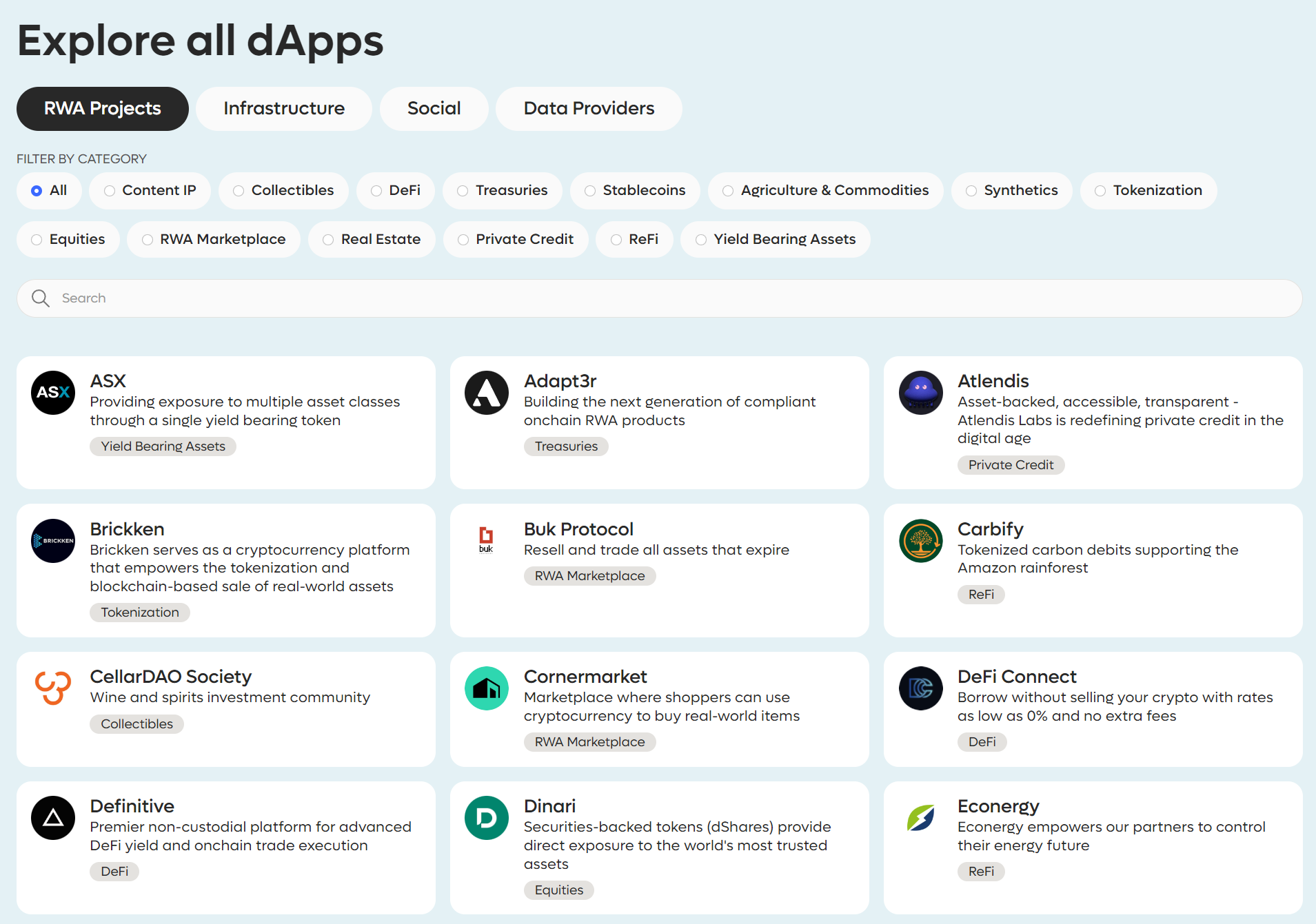
Additionally, Plume will roll out a series of incentive programs to fuel organic ecosystem growth:
For developers, Plume has launched the Plume Aviation Academy, offering technical training, resources, and funding for teams building RWA projects on the platform.
For regular users, Plume previously introduced an ambassador program, rewarding community engagement and promotion. Meanwhile, the Plume Network testnet incentive campaign is live, allowing users to earn points by participating.
Testnet Incentive Campaign Live: Travel the World, Earn Points, and Accelerate via Referrals
Plume’s testnet incentive campaign centers around a “global journey” theme. Users earn Plume Points by visiting different countries (ecosystem projects), collecting stamps, completing travel missions, and inviting friends using referral codes. The campaign serves two purposes: thoroughly testing network functionality and performance, and encouraging deeper exploration of the Plume ecosystem through a point-based reward mechanism.
Beyond exploring the ecosystem, Plume’s official social media channels have revealed additional ways to earn more points.
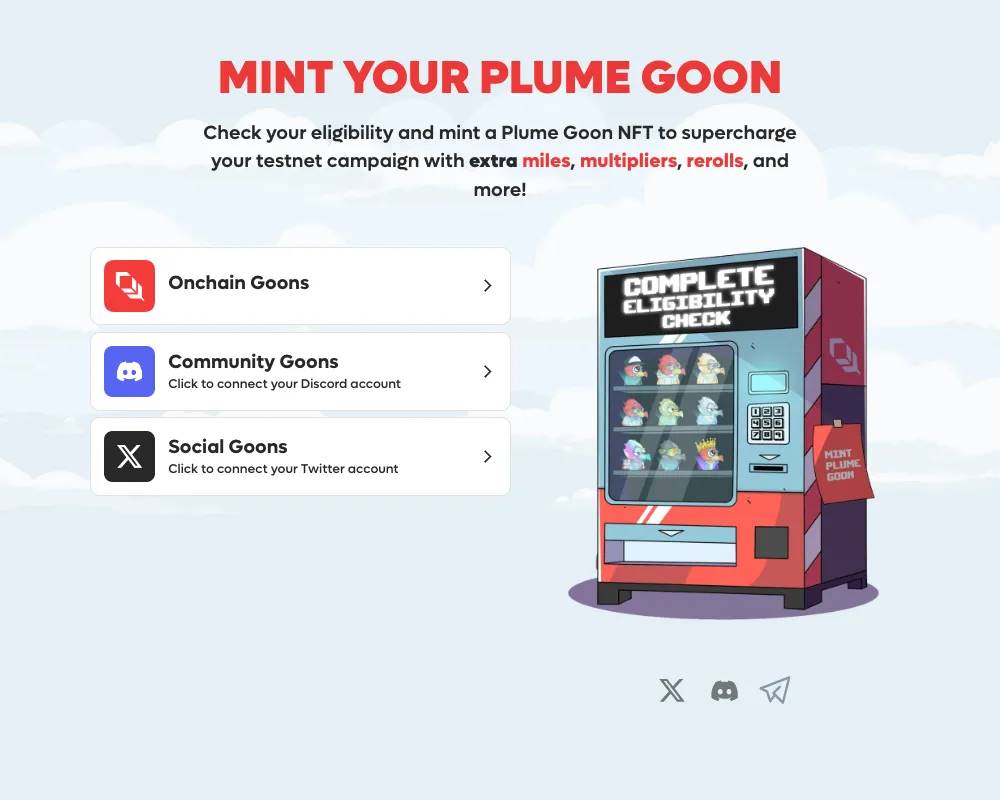
First, users can mint a Plume Goon NFT to accelerate point accumulation.
In the campaign narrative, the Plume Goon functions as a passport to the Plume ecosystem. Users can travel the world (i.e., explore different parts of the Plume ecosystem), complete tasks, and collect passport stamps. The more stamps collected, the higher the point rewards.
Users can connect their wallets on the Plume website to check eligibility for minting a Plume Goon. If not eligible initially, they can join Plume’s community or partner communities to gain access.
Holding a Plume Goon NFT significantly enhances the testnet experience, offering bonus points, acceleration boosts, and chances to upgrade to rarer NFT tiers. Over 100,000 Plume Goon NFTs have already been minted.
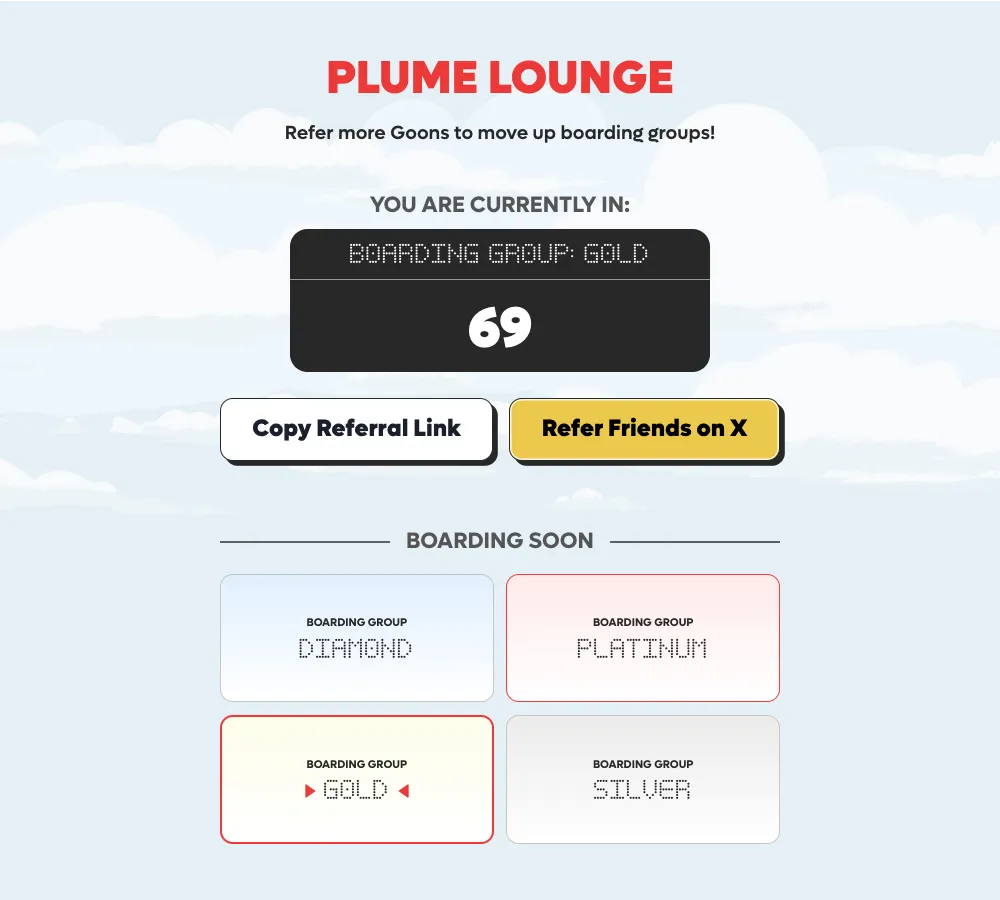
Second, users can upgrade their boarding class through referrals to earn additional point acceleration.
The Plume testnet campaign features four boarding classes:
- Diamond Boarding Class
- Platinum Boarding Class
- Gold Boarding Class
- Silver Boarding Class
Users are assigned to different boarding classes based on contribution levels, each offering varying degrees of point acceleration. By inviting friends, users can upgrade their class. Once a user mints a Plume Goon NFT, they receive a unique referral code to invite others. The more friends invited, the higher the boarding class and the greater the point rewards.
Additionally, users can earn extra points through daily check-ins and following Plume’s social media accounts, helping them climb the leaderboard. Higher rankings also unlock additional point acceleration.
Similar to most pre-token projects, Plume’s current incentives are distributed as points (Plume Miles), which will be deeply tied to future token airdrops to reward early contributors. For most users, participating in this testnet campaign is currently the most effective way to accumulate points and secure a stronger position in the upcoming airdrop.
Conclusion
Overall, RWA stands as a crucial bridge between traditional finance and the crypto world, demonstrating tremendous growth potential and vast expansion opportunities. Representing massive real-world asset classes, the digitization and blockchain integration of RWAs could profoundly transform the entire financial industry.
As the first modular EVM L2 network built specifically for RWA, Plume is working to enhance accessibility, liquidity, and compliance—bringing broader adoption, smoother circulation, and renewed innovation to the RWA space. With the launch of its testnet incentive campaign and achievement of key milestones, Plume is poised for a new phase of rapid project growth. That said, the project is still in its early testnet stage, and the full realization of Plume’s vision for the RWA sector will depend on its post-mainnet performance.
Regardless, as a highly anticipated newcomer in the RWA space, we look forward to seeing Plume Network act as a key catalyst in the modernization of traditional finance, bringing fresh momentum and new opportunities to the entire industry.
Join TechFlow official community to stay tuned
Telegram:https://t.me/TechFlowDaily
X (Twitter):https://x.com/TechFlowPost
X (Twitter) EN:https://x.com/BlockFlow_News
 深潮TechFlow