








Delphi Digital: A 10,000-Word Overview of the TON Gaming Ecosystem
TechFlow Selected TechFlow Selected
Delphi Digital: A 10,000-Word Overview of the TON Gaming Ecosystem
This article will delve into social gaming and take a close look at the TON ecosystem.
 Navigating Web3 tides with focused insights
Written by: Duncan Matthes, Joseph A.C. Lloyd, Delphi Digital
Translated by: Yangz, Techub News
Introduction
Over the past few weeks, the most eye-catching segment in the Web3 gaming space has been the TON ecosystem. From NOT achieving a fair launch with a fully diluted valuation (FDV) exceeding $1 billion without any venture capital backing, to Hamster Kombat reaching 142 million registered users within 77 days, the ecosystem has delivered standout results almost every week.
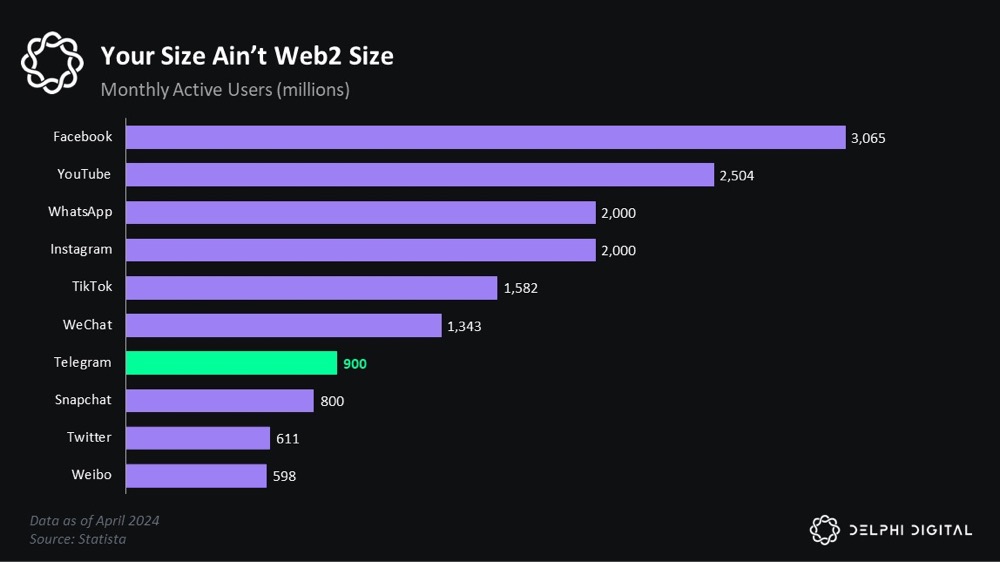
Telegram, with its 900 million monthly active users (MAU), is hailed as the largest gateway for Web3 users. Additionally, Telegram’s more secure and privacy-preserving nature, along with its status as the fifth-largest and second-fastest-growing messaging app globally, has established it as a mainstream crypto communication platform. Every non-U.S. user automatically receives an abstracted cryptocurrency wallet upon registration on Telegram, making the TON ecosystem one of the strongest candidates to drive mass adoption of Web3.
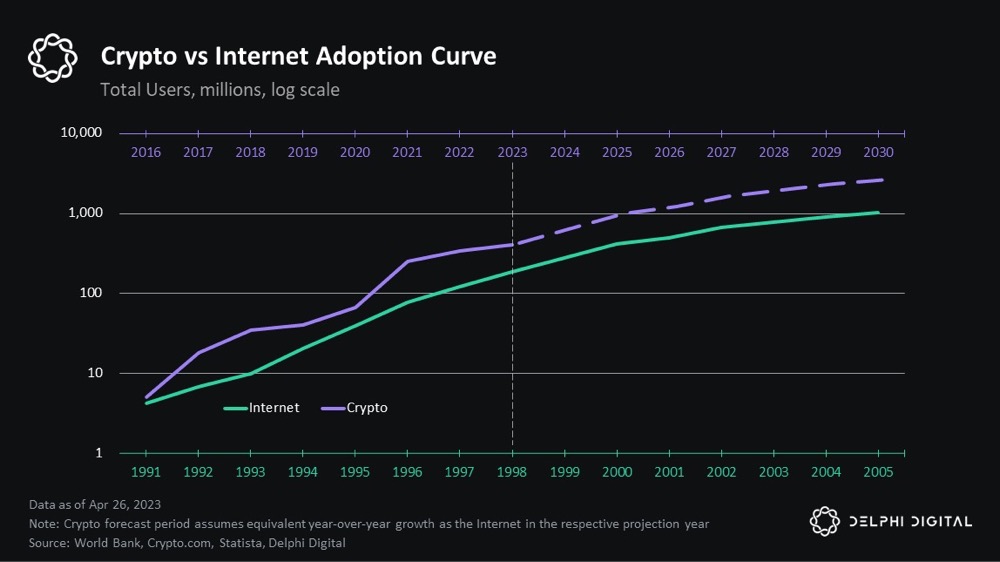
In this report, we will dive deep into social gaming, closely examine the TON ecosystem, explore Telegram’s unique advantages in user acquisition, highlight five outstanding projects currently building games on TON, and address whether the current wave of hype around the TON gaming ecosystem holds real substance.
Social Platforms and Gaming
In the 2010s, the internet became a public utility, paving the way for centralized social hubs. To retain users and monetize effectively, these platforms began expanding into areas such as gaming, daily services, and e-commerce.
Social Gaming
In the late 2000s, the exponential growth of user numbers on social platforms led them to explore large-scale entertainment options to retain users and generate revenue. Games are inherently shareable, highly scalable, and offer immersive experiences that generate income—making them a natural fit. Facebook, Telegram, and WeChat serve as prime examples, all having invested heavily in building dedicated gaming divisions. Key advantages of large platforms include:
-
Users have access to abundant content, enriching their core platform experience.
-
Games often integrate social layers, encouraging competition and social interaction.
-
Most games are casual and free-to-play, making them easy to learn, highly shareable, low-cost to develop, and fast to iterate.
-
Social platforms possess massive user bases, giving them far stronger distribution capabilities compared to most game studios.
-
Games provide extended immersion time and significant spending potential, improving overall platform retention and lifetime value (LTV).
Facebook's move into gaming marked the beginning of the social gaming era, where even simple mini-games could attract millions of daily active users (DAU) within weeks. The speed and scale of these ecosystems were truly impressive. Farmville, Zynga’s social farming game launched on Facebook, reached 10 million monthly active users within two months and peaked at around 80 million MAU in 2010. Even three years after launch, the game still accounted for roughly 20% of Zynga’s total revenue.
Notably, the social nature of these games tends to concentrate players around a few dominant titles. Since players typically share achievements or compete with friends, network effects ultimately funnel users toward a small number of major games like Candy Crush, Farmville, and Zynga Poker, leaving lesser-known titles struggling to gain market share.
Following Facebook’s early-2010s success, Discord entered the gaming space later in the decade. As a gaming-centric chat app, Discord’s user base was already highly receptive to gaming content—95% of Discord users are actively playing games at any given moment—making native in-app games a logical next step. However, after launching its game store and library in 2018, Discord quickly abandoned the initiative due to poor results and shifted focus to Nitro subscriptions in 2019. The lack of convenient monetization pathways made development too risky, limiting potential revenue and innovation.
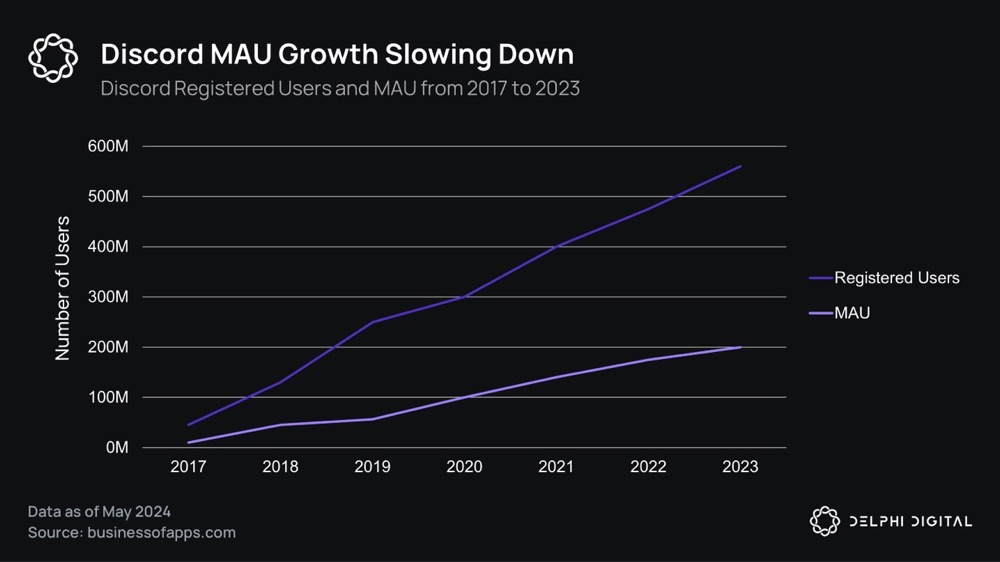
During the 2020 pandemic, the entire gaming industry experienced massive user growth, leading to a surge in Discord’s user base. The company saw this as an opportunity to expand its audience beyond gamers to general consumers. However, four years later, Discord pivoted again, failing to break into the broader consumer market and committing to return to its roots by tailoring the platform once more to the needs of gamers.
WeChat: More Than Messaging
Although most messaging apps have gradually added social features like short videos and group chats over time, their efforts to boost engagement and monetization through other forms of entertainment—such as gaming—remain limited. While game developers typically face no direct barriers in such environments (e.g., early TikTok games), the absence of proper infrastructure and payment channels poses challenges and risks. Given the thin margins in the gaming industry, most development teams avoid unnecessary friction that could limit in-app purchases (IAP).
While Facebook gaming has largely faded from view, WeChat’s rise demonstrates that there remains significant untapped potential at the intersection of social apps and gaming. WeChat functions as a super app, allowing users not only to chat and make calls but also to pay bills, order food, and book international travel. Eighty percent of Chinese citizens use the app monthly, spending an average of about 80 minutes per day on it. In contrast, approximately 37% of U.S. mobile internet users use TikTok at least once a month, averaging around 58 minutes per day.
In 2017, WeChat introduced Mini Programs, enabling certain lightweight apps to run natively within WeChat. Soon after, leveraging the natural synergy between games and social platforms, WeChat launched its first set of Mini Games (first-party titles developed by Tencent). By 2018, third-party developers were allowed onto the platform, and by year-end, over 7,000 registered Mini Games existed.
In the following years, WeChat rolled out multiple updates supporting larger-scale and more complex Mini Games. However, by 2021, despite developer numbers surpassing 100,000, MAU had not grown significantly since the feature’s launch (around 20 million MAU in 2017). User acquisition clearly remained a challenge, prompting Mini Game developers to begin advertising across the broader Tencent ecosystem.
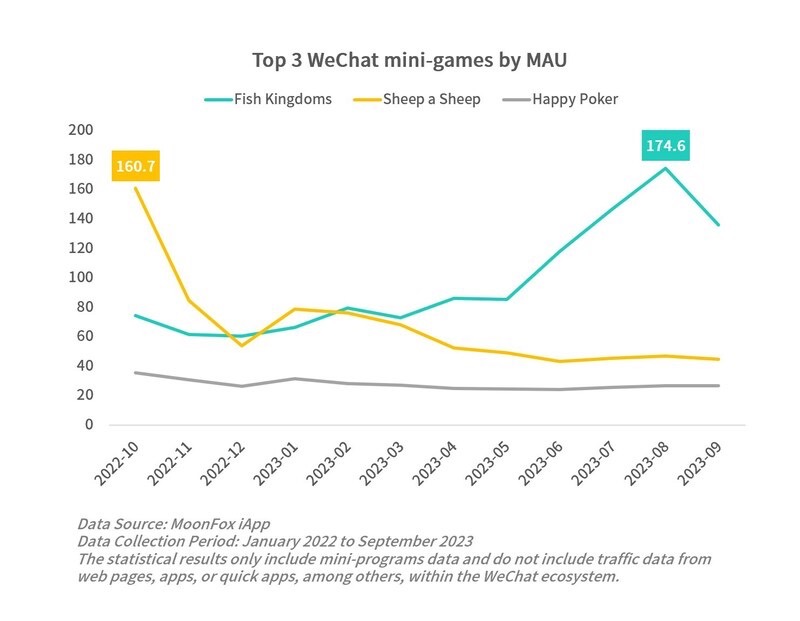
This marked a turning point for WeChat Mini Games, but true momentum came when Bilibili and Douban—two social platforms—began allowing users to jump directly to Mini Games when clicking ads. This triggered a wave of viral growth, with "Yanglegeyang" (Sheep Sheep One) reportedly attracting 60 million DAU within a single month!
By June 2023, WeChat Mini Game developers exceeded 300,000, with 400 million monthly active players—about 31% of WeChat’s 1.3 billion users. Industry estimates suggest the WeChat Mini Game market was valued at $6 billion in 2023, with projected annual growth of 25–30% over the next five years.
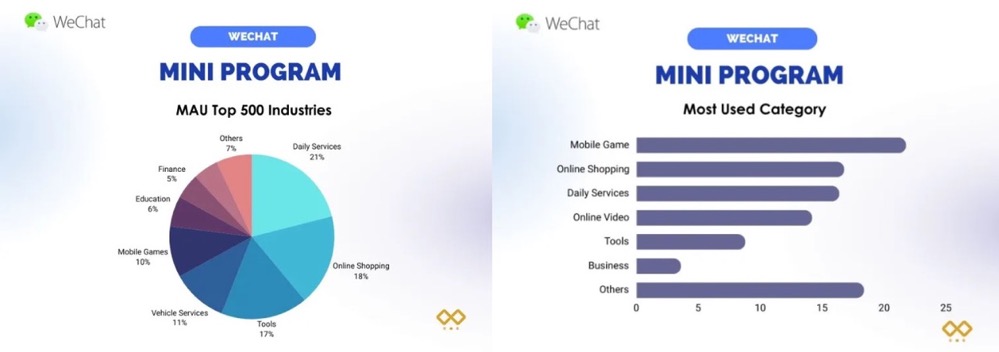
As of Q2 2023, over 100 Mini Games achieved quarterly revenues exceeding 10 million RMB (~$1.38 million), with several generating over $15 million per month. A key factor behind WeChat Mini Games’ success is their high profit margins—over 30%—compared to traditional mobile games.
However, it’s worth noting that games make up only about 10% of the top 500 MAU-ranked WeChat Mini Programs. WeChat remains primarily a social app, secondarily a lifestyle service app, and only marginally a gaming platform. Nevertheless, it stands as a prime case study demonstrating what can be achieved by leveraging games to boost engagement and open new monetization avenues on a highly integrated, nearly frictionless platform.
With this context in mind, we now turn our attention back to Telegram, the TON Foundation, and the sudden explosion of Telegram mini games.
Telegram’s Expansion
Telegram was the first pure chat app to seriously enter the gaming space. After integrating HTML5 compatibility for Telegram bots in 2016, the development of the TON blockchain, initiated in 2017, aimed to deliver additional key functionalities to further reduce friction for both users and developers. With TON, developers can build payment systems, decentralized storage for in-game assets, or smart contracts for secure and automated game mechanics, while efficiently distributing content to a community of 900 million MAU.
The TON Ecosystem
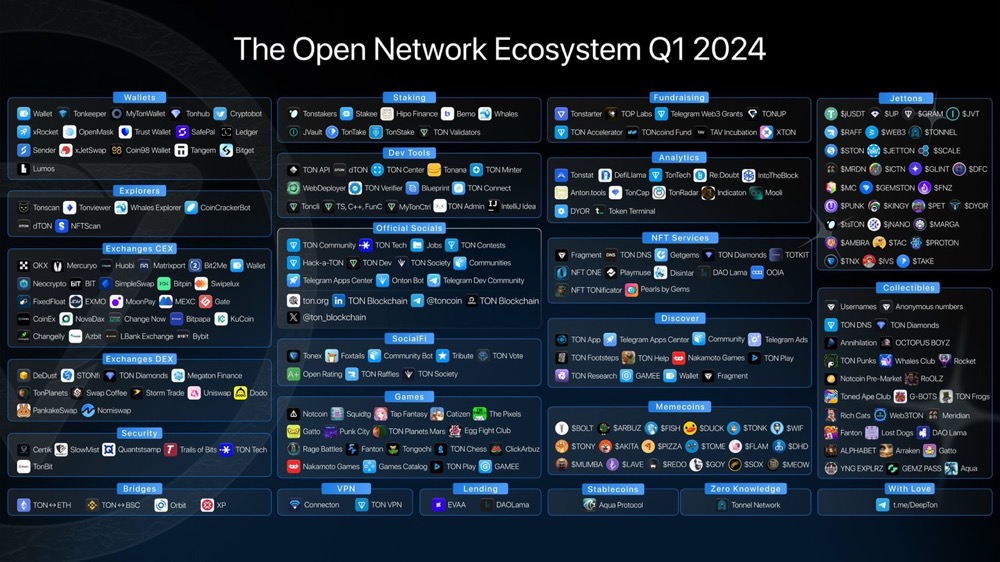
TON’s tech stack provides developers with tools to build various dApps on Telegram. Hundreds of teams are building wallets, exchanges, cross-chain bridges, games, and more to meet market demand.
The TON token lies at the heart of the ecosystem. First, TON is used to pay gas fees, powering all transactions on the blockchain. Second, validators must hold TON to participate in the proof-of-stake validation process, similar to Ethereum and Solana. Additionally, developers must pay TON to deploy and run smart contracts on TON. Total fees include base, storage, and execution costs, ensuring scalable token utility and validator revenue.
Moreover, users and developers can use TON for low-friction value exchange within the ecosystem. While the TON token supply increases at a fixed rate of 0.6% annually, 50% of network fees are burned, incentivizing holding. Based on June 2024 burn rates, approximately 2.89 million TON are burned annually—less than 10% of the 30.65 million new TON entering the ecosystem over the next 12 months.
To decentralize decision-making, TON holders receive governance rights proportional to their exposure. While governance isn’t a primary use case for TON, it serves as a supplementary utility that could theoretically play a role in shaping the protocol’s future. However, high centralization—where the top 100 holders control 92% of the supply—severely limits decision-making impact.
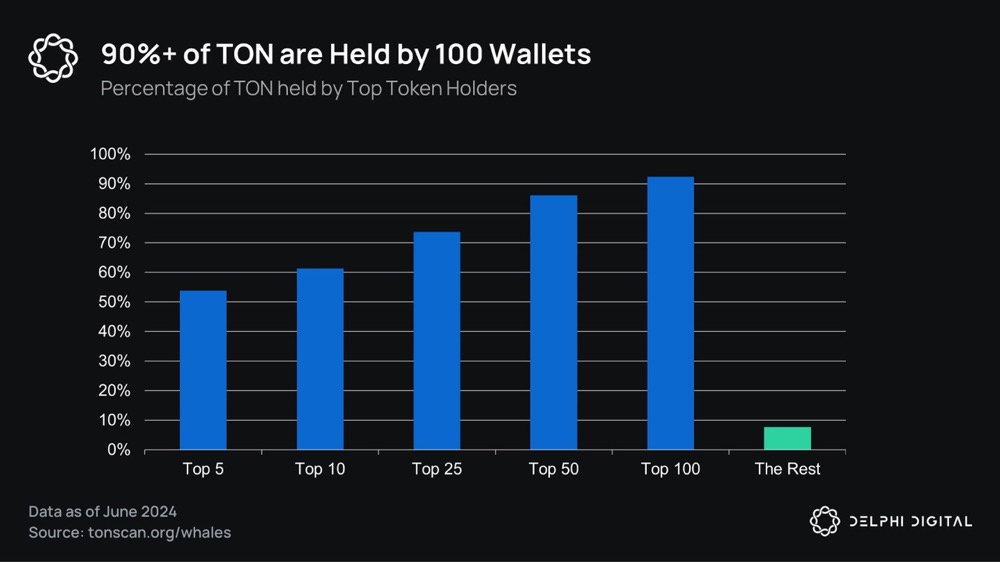
After voting in June 2023 to potentially burn 50% of network fees (with 98% approval), TON’s supply has been in continuous deflation. Notably, voting consensus within TON is extremely high. Though only four proposals have been voted on, all passed with an average 96% approval rate, indicating strong community alignment. This overwhelming consensus, however, relies heavily on the extreme concentration of TON tokens—over 92% of voting power comes from just 100 wallets.
The Ton Believers Fund further exemplifies the community’s core conviction. Over 1.3 billion TON tokens are locked in the fund for five years—about 25% of total supply. The fund stopped accepting deposits in 2023 and initiated a two-year hard lock, followed by a three-year linear vesting period for both locked tokens and rewards. While locking a significant portion of supply for five years signals long-term belief, it further centralizes governance. Additionally, incentive structures remain unclear—rewards for stakers come from “donations” and a proposal approved with 99.4% votes allocating 1 million TON (<0.1% of staked tokens) to stakers.
TON’s Momentum
TON’s growth has been explosive. DApps within the TON ecosystem continue to break user records—Notcoin reached 40 million users in six months, while Hamster Kombat surpassed 200 million registered users with over 30 million DAU. This mirrors the rapid growth seen in early social games like Farmville and Yanglegeyang, highlighting the power of crypto-native growth incentives. Hamster Kombat is expected to launch its token soon, while NOT debuted on Binance last month with a $1 billion FDV, peaking at $2.1 billion before settling around $1.45 billion.
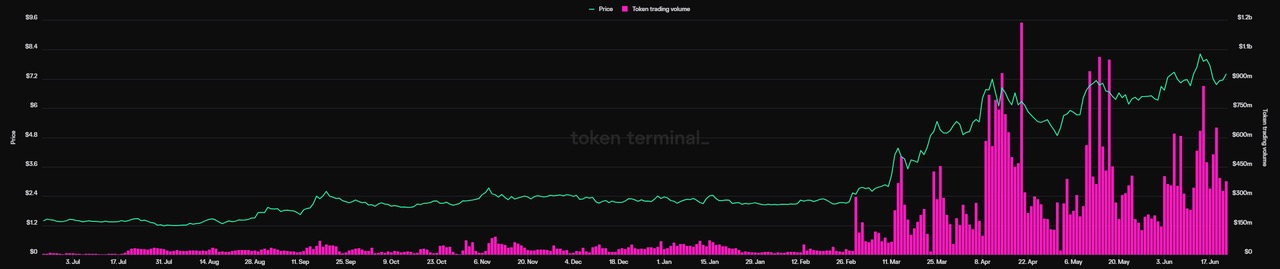
The surge in TON’s popularity stems from Telegram’s announcement in late February that its ad network would distribute 50% of generated revenue to channel owners via TON. This opened a vast potential market for advertisers seeking access to Telegram’s massive user base. On the day of the announcement, TON surged 40%, and its market share has continued rising ever since.
From Q1 2022 to Q4 2023, the ecosystem saw steady growth in its developer community—from around 2,200 users in the Telegram dev community in Q1 2022 to 13,500 by Q4 2023. By June 2024, user count nearly doubled again to 36,500—a sharp acceleration compared to prior trends.
Recently, developer numbers from Mandarin-speaking communities have risen sharply—from 2,300 to over 7,300, a more than 300% increase. In contrast, the Russian-speaking community grew by only about 50%. This indicates growing interest from the Chinese crypto community.
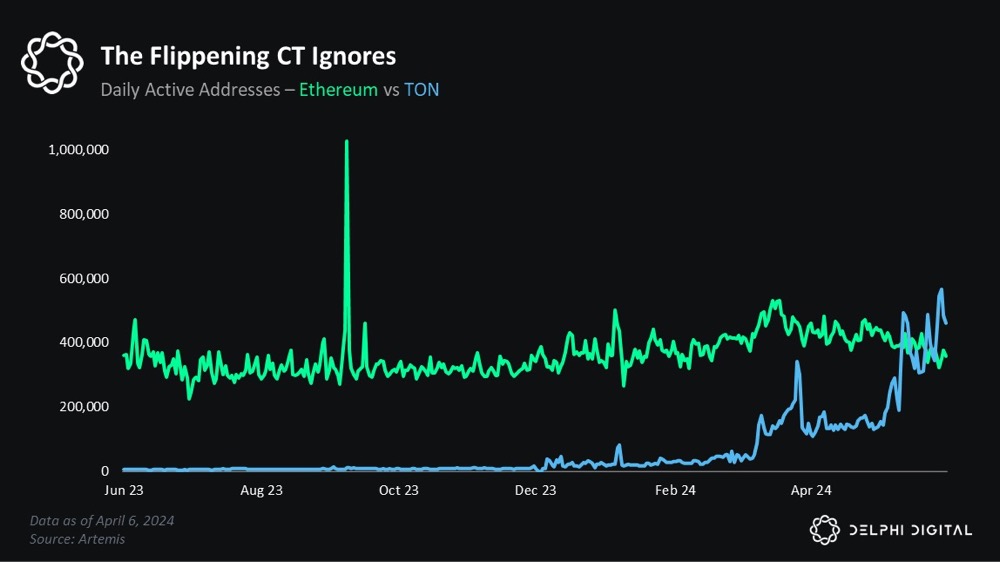
In Q2, TON’s daily active wallets and transaction volume showed upward momentum, driven primarily by Notcoin and Hamster Kombat. Similarly, transaction volume has surged in recent months—after hovering between 500k and 1.3 million in Q1 (excluding a three-week spike post-ad-network launch)—it recently crossed the 8 million daily transactions mark.
This trend is reflected across metrics including wallet counts, activated wallets on-chain, NFT mints, and overall DAU. Activity indicators are beginning to show broad-based exponential growth.
TON Growth Initiatives
The TON Foundation plays a crucial role in overseeing the ecosystem and driving development. As a nonprofit, its mission is to incentivize innovation that benefits the entire TON ecosystem. Backed by a $90 million ecosystem fund established in 2022 and a newly launched 30 million TON Community Rewards program (currently valued at ~$228 million), the foundation has implemented various investments and grants to support native dApp development.
Since March, the TON Foundation’s accelerator program has gained significant traction. Of the 82 proposals approved on Questbook, 17 are games or game infrastructure projects, making GameFi one of the most represented categories. Recently, TON announced a $5 million TONX accelerator program, reinforcing its proactive development strategy.
Additionally, the TON community recently announced an eight-week offline “Open League Hackathon” across 13 IRL locations. Teams worldwide will have the chance to win up to $500,000 in prizes and build connections.
Community rewards are a cornerstone of TON’s long-term strategy. Most campaigns last 2–4 weeks and are designed to be simple to maximize participation. To date, the TON Foundation has distributed over $40 million in rewards, with many more initiatives ongoing or planned. Across airdrop rewards, LP Boosts, and Open League Battles, the foundation has allocated $22.4 million, with 17% ($3.9 million) going to gaming projects.
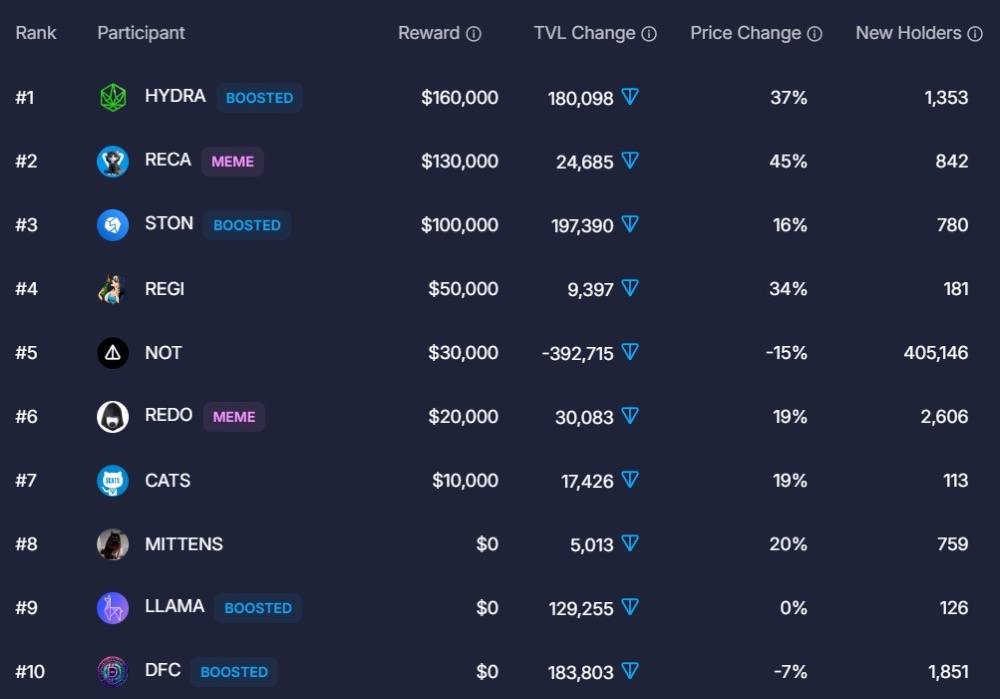
In these events, gaming projects in the TON ecosystem have achieved remarkable success, dominating the leaderboard. TAP Fantasy secured second place in the Beta season and won Season 1. Catizen claimed victory in both Seasons 2 and 3—developed by a Chinese team with prior WeChat Mini Game experience. Catizen is poised to win Season 3 again, with Yescoin and SquidTG close behind, potentially forming a top-three podium.
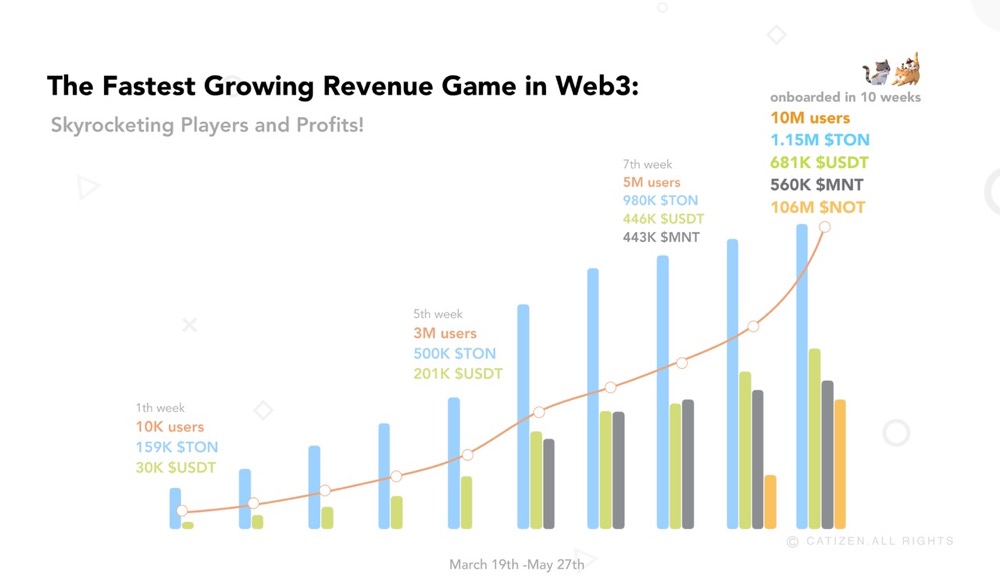
Games have brought valuable and sustainable user engagement to TON. Teams like Catizen have generated over $10 million in in-app purchase revenue over the past three months—demonstrating that teams with monetization expertise can convert hyped user metrics into meaningful revenue streams.
While Catizen steadily builds its empire, Hamster Kombat and Notcoin have captured the spotlight in recent weeks. Hamster Kombat amassed over 9.9 million Twitter followers in 77 days, with each tweet averaging over 2 million views and user count reaching 142 million. Meanwhile, Notcoin launched its token via Binance Launchpool in early May, achieving a $1.45 billion FDV, 2.44 million on-chain holders, and 40 million active users.
While these figures are impressive, project teams building on TON need to prove they can operate sustainably and convert free-to-play users into paying users without relying on infinite inflationary token rewards. Acquiring users is critical, but so is consistently delivering fresh content to retain them—especially in Web3’s attention economy.
Furthermore, botting will soon become a problem due to low costs. Without effective countermeasures, the prospect of economic rewards will attract massive bot activity, diluting player rewards and creating additional selling pressure.
Gaming and User Acquisition
User acquisition (UA) is a key metric for any mobile game studio. In this fiercely competitive, low-margin industry, scaling the user base is essential for sustained success. According to CNBC, operating margins in the gaming business are under 6%, forcing companies to cut costs across the board.
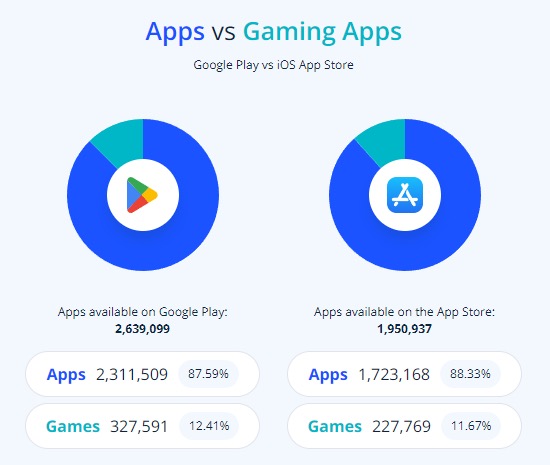
Currently, there are over 300,000 gaming apps on Google PlayStore and over 225,000 on Apple’s AppStore. With a vast number of games competing for ~2.2 billion global mobile gamers, UA costs have skyrocketed. As early as 2018, iOS cost per install (CPI) was ~$1.24 and Android ~$0.53. Just six years later, iOS CPI has risen to $2–5, and Android to $1.5–4.
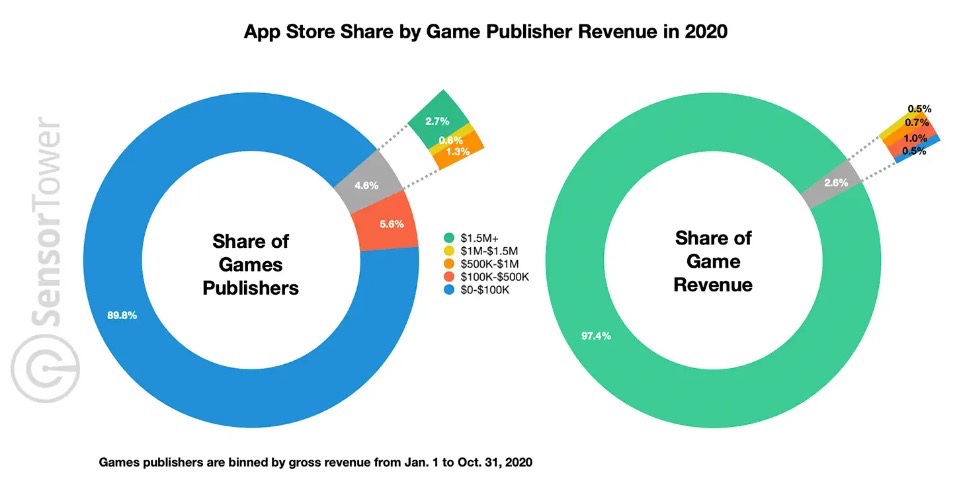
According to Sensor Tower, 28,000 mobile game publishers earned less than $1 million in 2020, collectively contributing ~$834 million (~2%) to App Store gaming revenue. In contrast, 940 studios earning over $1 million contributed $34 billion (~98%). This highlights the extreme imbalance in the mobile gaming industry, where smaller studios unable to afford heavy UA spending are severely disadvantaged. Assuming users spend ~60% of their time on games older than six years, it’s no surprise that 83% of mobile games fail within three years of launch. For new studios aiming to sustainably penetrate the industry, efficient UA has become a matter of survival.
To help developers navigate the increasingly competitive mobile gaming landscape and improve Web2-to-Web3 conversion, Telegram recently introduced Stars—an native in-app currency seamlessly integrable into bots and mini games. Users can now effortlessly purchase in-game items using a currency compliant with App Store standards, enabling deeper player spending and more stable revenue streams. Developers receive a 70% IAP revenue share.
By subsidizing teams that pay for ads using Stars, Telegram not only reduces customer acquisition costs for game publishers but also positions itself—and its Web3-friendly user base—as a highly attractive Web3 marketing platform. Moreover, Stars can be converted into TON, effectively linking them to broader liquid markets. As long as the TON token remains healthy, developers can expect stable and efficient payouts.
Given rising mobile game UA costs and Telegram’s vast crypto-native user base, TON has the potential to become a valuable channel for Web3 games, helping onboard new Web3 users into their ecosystems. While technical constraints limit the scope of games developers can build for Telegram, the massive user base, low platform development costs, and minimal friction environment make it a strong pillar for the Web3 gaming ecosystem.
It’s foreseeable that mature game projects will leverage TON as a channel in the near future. Telegram’s unique positioning makes it an exceptionally attractive top-tier mobile UA platform. By building experiences on TON that require minimal effort and offer seamless access, game teams can cast a wide net to attract users. Distributing modest, useful rewards within games can also serve as an effective hook to bring new potential players into the ecosystem.
Popular Games on TON
Over the past few months, the TON gaming ecosystem has seen consistent performance gains. Driven by various TON growth programs, relatively simple HTML5 games, minimal development costs, and a vast pool of potential players, TON has positioned itself as a compelling choice.
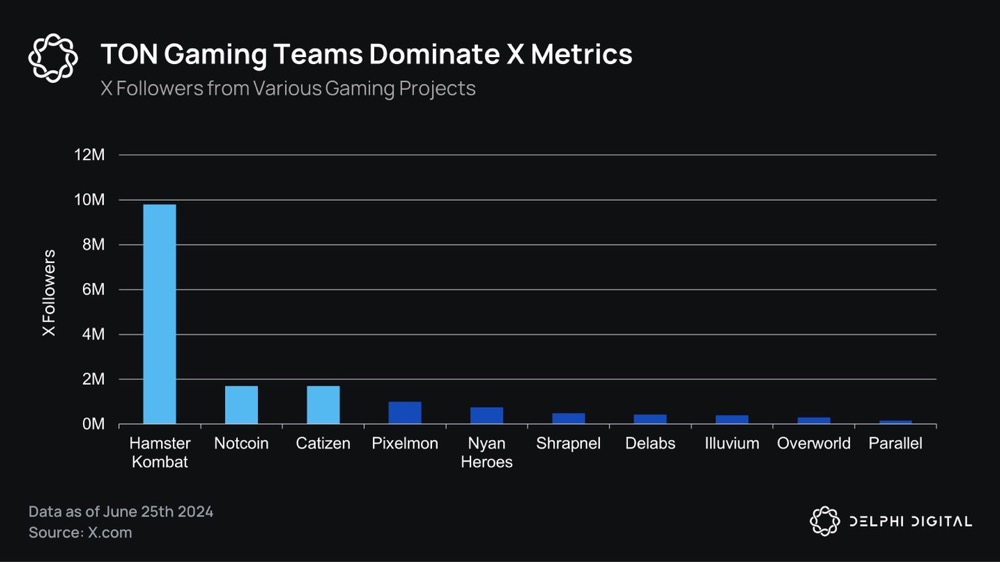
Incentivized referrals have been one of the main drivers behind strong social metrics. While this strategy has proven effective at bringing in large volumes of new users, it doesn’t address the inherent lack of deep monetization in casual games like Notcoin and Hamster Kombat—the key challenge for retention and sustainability.
Clicker games fundamentally lack the conditions for meaningful user monetization, whereas hybrid, mid-core, and hardcore games combine low-friction onboarding with deeper revenue potential. Finding the right balance between accessible gameplay and sufficient social competition and entertainment value will determine whether these mini games succeed by creating a sense of progression and necessity.
Notcoin
Few teams have recently captured Web3 culture and primitives as effectively as Notcoin. By allocating 95% of its tokens to users, Notcoin built a unique brand blending meme culture with community spirit. As a simple “tap-to-earn” game, player entry is extremely low-barrier, enabling decentralized token distribution with over 2.44 million on-chain holders.
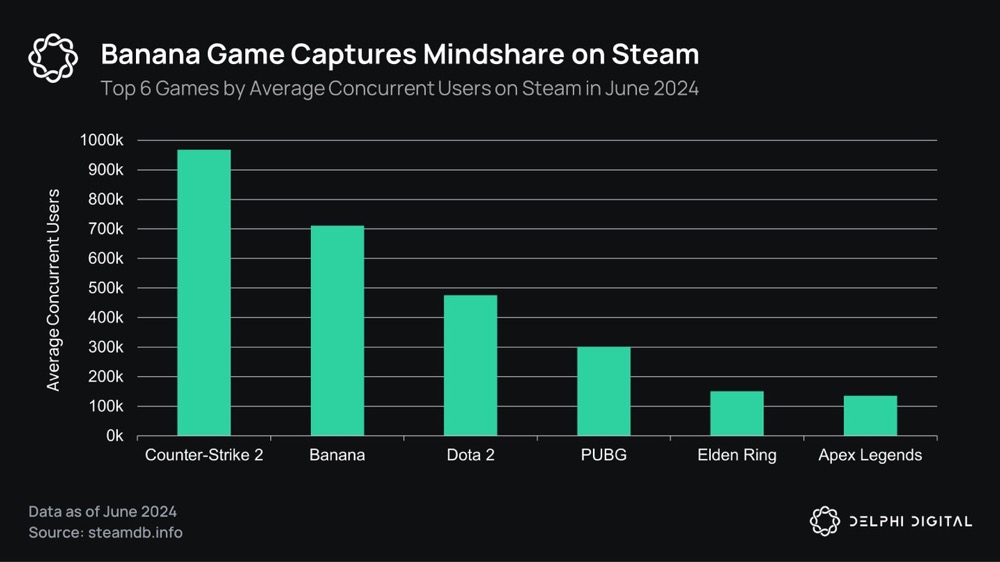
Notcoin’s fast-paced growth, fully community-centric launch model, and meme-like cultural appeal made it a catalyst for the entire TON ecosystem. Incremental games predate Web3—Cookie Clicker, a clicker game originally released in 2013, is perhaps the best-known example. Its player count peaked at ~1.5 million in August 2023 and maintains an average of 15,000 concurrent players to this day. A recent incremental game, Banana, has ranked as the second-most concurrently played game on Steam for three consecutive weeks.
NOT has achieved successful cross-utilization across the TON ecosystem, with various TON games accepting NOT for in-game purchases. Additionally, the Notcoin team negotiated burn rates per transaction—for example, 10% of NOT used in Catizen is burned—reducing supply and increasing buy-side pressure. With limited sustainable entertainment value in the game itself, Notcoin will need to rely on cultural relevance and integration into as many ecosystems as possible to maintain lasting utility.
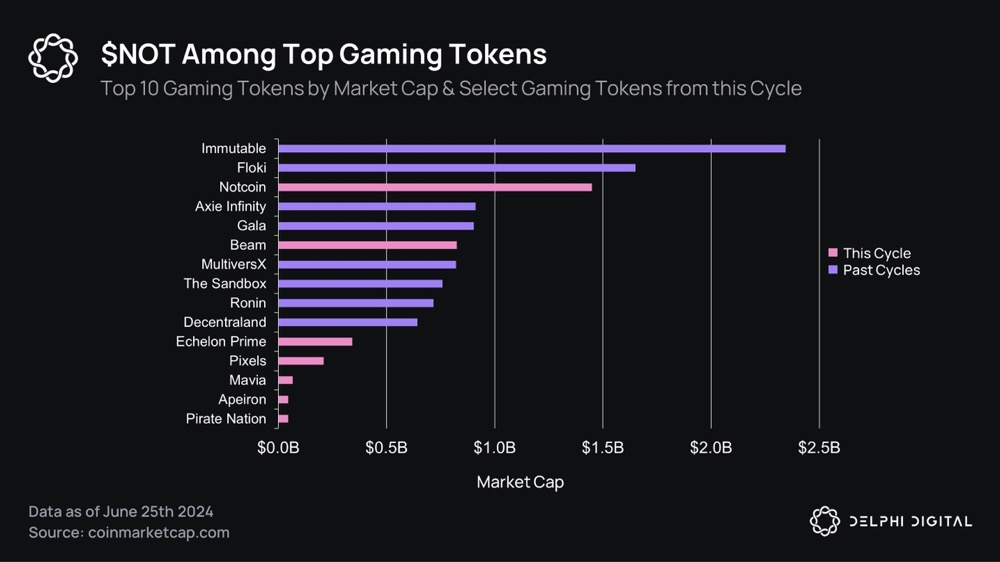
By launching its token via Binance Launchpool, Notcoin capitalized on its recent momentum and solidified its position among top-tier gaming tokens, emerging as a standout in this cycle of game launches. According to CoinMarketCap (06.24.24), NOT ranks as the third-largest gaming token by market cap. Since its release on May 16, Notcoin’s daily trading volume has ranged between $300 million and $1.5 billion—ranking among the highest across all ecosystem gaming tokens.
Catizen
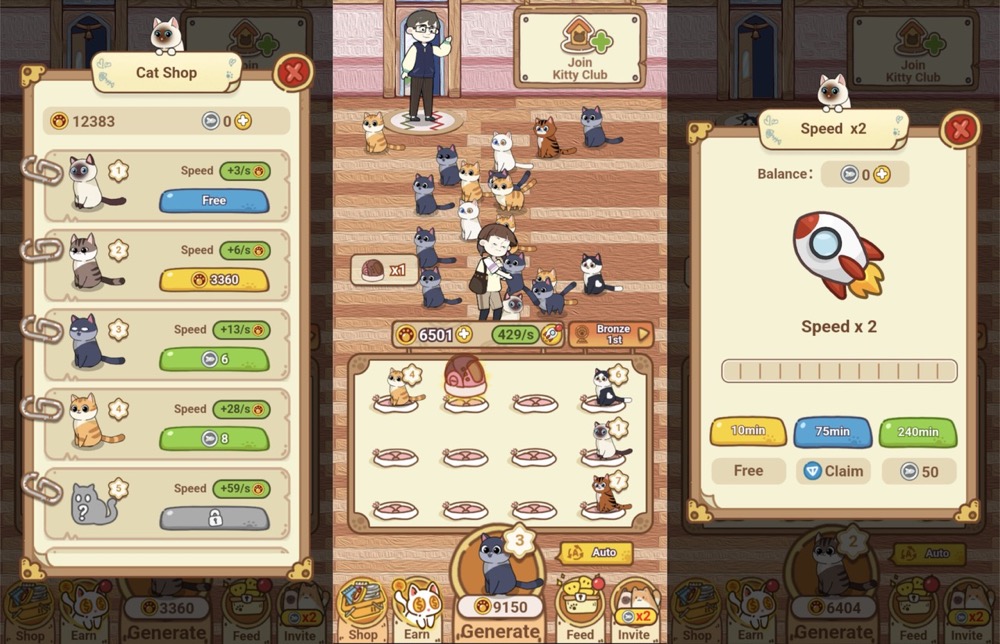
When discussing popular games on TON, Catizen is impossible to overlook. The team’s prior experience developing WeChat games translated into exceptional launch performance—surpassing 20 million registered users within just two months. The core team has developed over 20 mini games since 2018, amassing over 300 million downloads across WeChat, Google Play, and Facebook. Catizen is the highest IAP-earning game on TON, generating over $10 million in TON revenue from its 2.7 million DAU. Among its 1.25 million on-chain users, approximately 50% are paying users, with an average spend of ~$170 per player. Additionally, the game boasts a 7% conversion rate—900% higher than the 0.66% average for Telegram games.
Catizen’s gameplay is simple and engaging. Set in the Meowverse, players receive a digital cat upon registration and climb leaderboards by leveling up. Through cat breeding, completing tasks, or participating in mini games, players earn tokens and NFTs to strengthen their in-game presence. The company plans to launch over 200 mini games in the coming months, establish an open quest platform as a user funnel for other projects, and integrate e-commerce—indicating ambitious expansion plans.
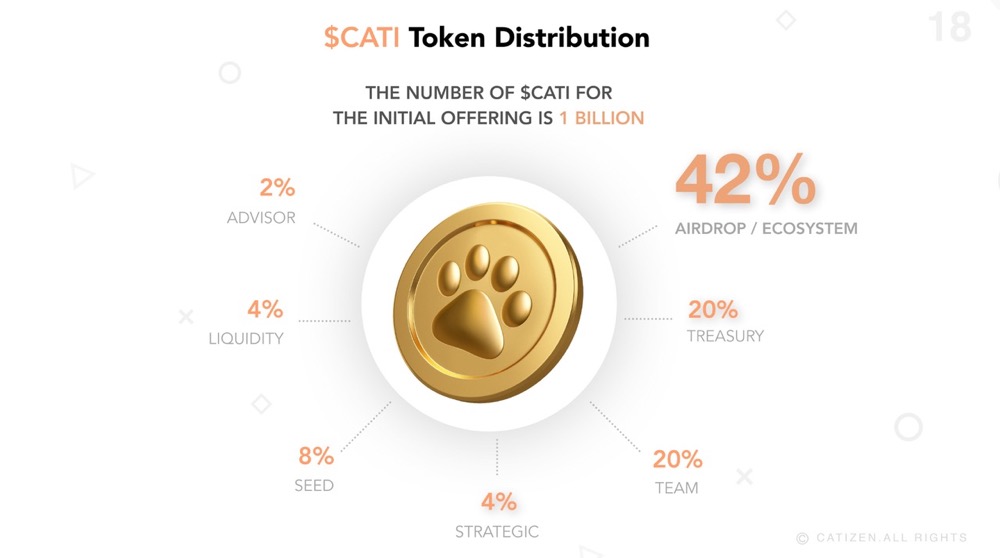
TON games have generally been very active in community allocation—one of the main catalysts for their exponential user growth. Most Web3 game teams lack the capacity to airdrop a substantial portion of supply during TGE, but Catizen allocated 42% of its supply to community airdrops. Surprisingly, players often don’t consider ROI when spending, as achieving meaningful token returns requires high fixed costs.
Hamster Kombat
While Catizen and Notcoin stand out through superior monetization strategies and savvy use of Web3 culture, Hamster Kombat shines through social influence. Over the past seven days, Hamster Kombat’s average Twitter post garnered 2.2 million views, 20,000 likes, and over 2,000 retweets.
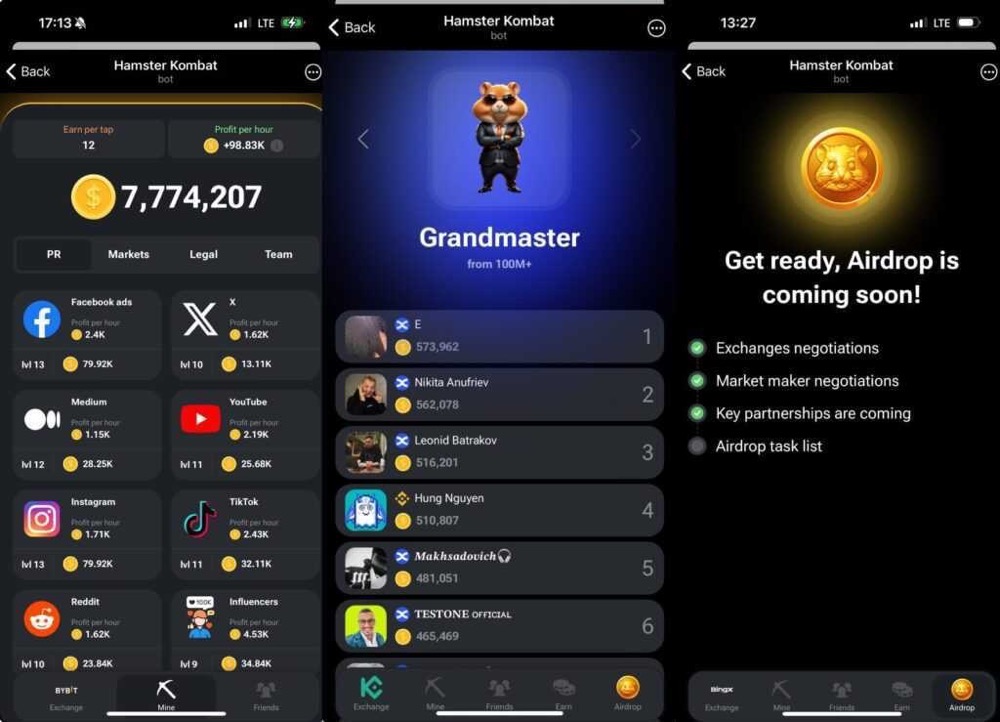
Hamster Kombat’s core gameplay is very similar to Notcoin. Users enter the game, tap the screen, and accumulate points over time. Players assume the role of a fictional hamster CEO of a crypto exchange, aiming to mine as many HMSTR coins as possible. Revenue can be increased by investing in marketing, licenses, talent, new in-game products, or by referring new players.
This simple game has attracted over 200 million registered users. The promise of potential rewards combined with minimal user requirements has driven exponential growth. The team has invested heavily not only in Telegram and Twitter but also in gamifying its YouTube channel—posting two 2-minute videos daily: one covering daily crypto news and another typically educational. Clues hidden in videos incentivize continued engagement.
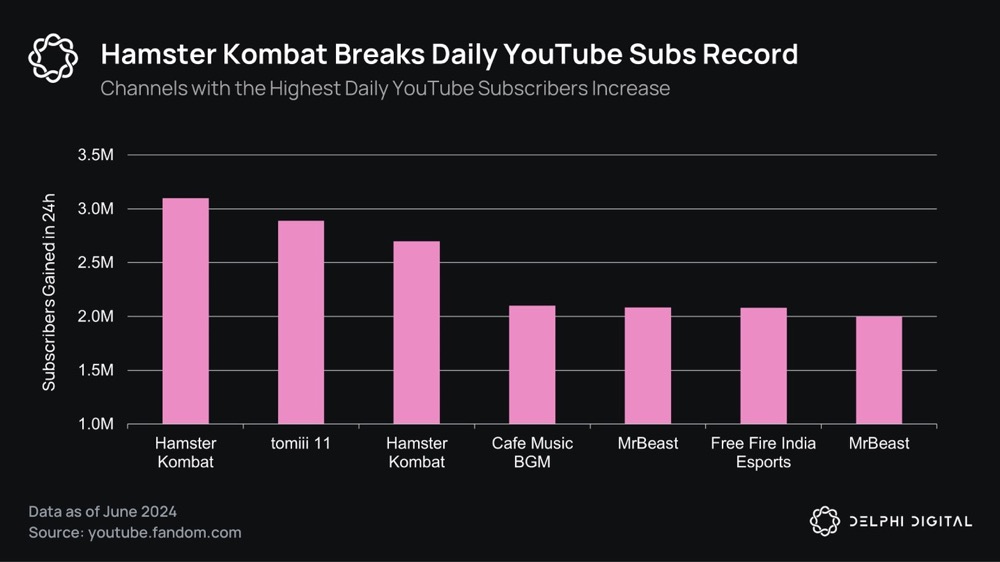
Hamster Kombat’s YouTube channel now has over 28 million subscribers—one of the fastest-growing YouTube channels ever. Its 137 uploaded videos have generated over 461 million views. From a Web3 gaming perspective, this is roughly 100 times the viewership of Illuvium’s YouTube channel.
Fanton
Disclosure: Delphi Ventures is an investor in Fanton.
Despite launching during the UEFA European Championship as a football app, Fanton has received far less attention than the three projects above. Relatively low-key, it still ranked fifth in the Public League Season 3, generating $30,000 in net revenue for the team. Its lack of social capital may stem from a niche audience and intense competition (mainly Sorare), along with a relatively conservative token strategy—no promise of a large-scale community airdrop at TGE.
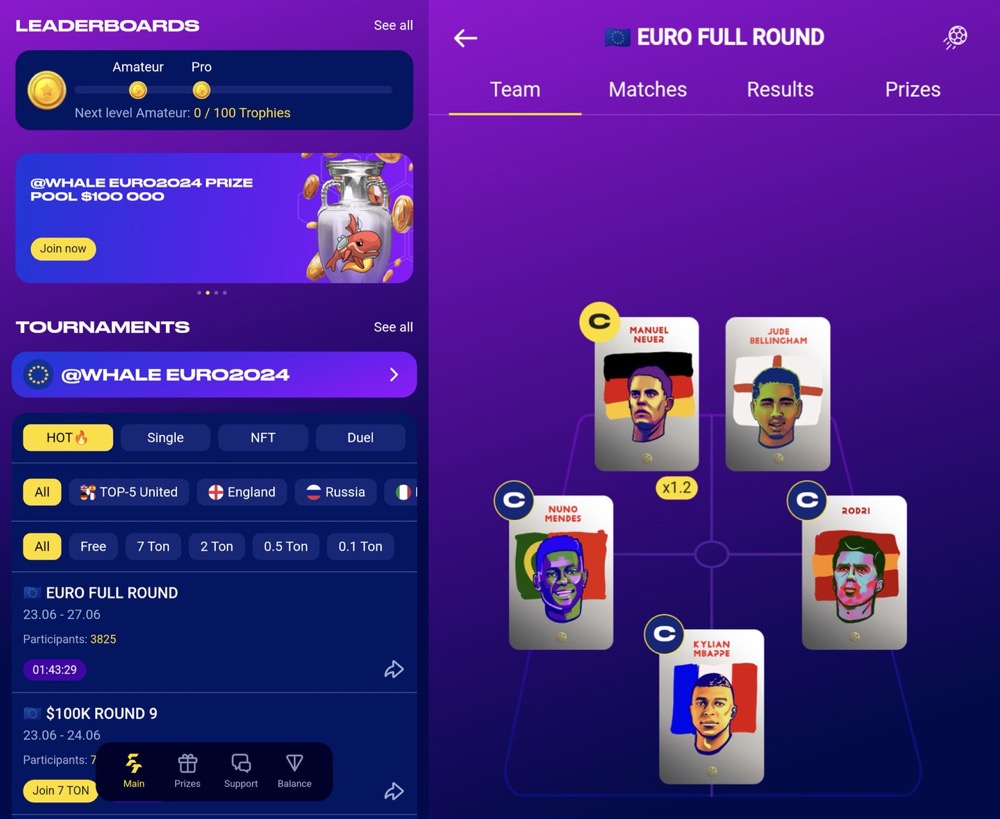
The game follows classic fantasy football mechanics—users pick 5 players to form a lineup scored based on real-world performance. Users who create the best combination on specific matchdays and score the highest earn rewards via leaderboards. The game covers Europe’s top five leagues, Brazil’s league, and the current UEFA Euro, broadcast in 229 regions with cumulative viewership of 5.2 billion (1.9 billion unique viewers) and average live audience exceeding 100 million in 2020.
Users can join regular tournaments or NFT tournaments, which require owning an NFT to participate. Winners receive TON and NFT rewards, unlocking access to higher-reward tournaments. Despite 200k MAU, typical free tournament participation ranges from 1,000 to 5,000 players in recent weeks, while paid-entry tournaments see 10 to 1,000 players.
Notably, around 37,000 people participated in the $100,000 Euro Cup Round 1. Participation dropped sharply in Round 2, with only ~7,000 entrants. Additionally, after showcasing prize pools to attract users, Round 2 saw an 81% drop in registered users—highlighting challenges in user retention. Without aggressive token incentives like Notcoin or Catizen, the project will struggle to compete with established players like Sorare.
Gatto
Gatto is a hybrid game blending Tamagotchi, platforming, and farm simulation elements. Players collect NFTs, care for pets, and continuously level up in-game. On March 26, Gatto was one of 11 applicants accepted into the TON Accelerator Program (out of 170). This acceptance granted broader ecosystem support, accelerating game development.
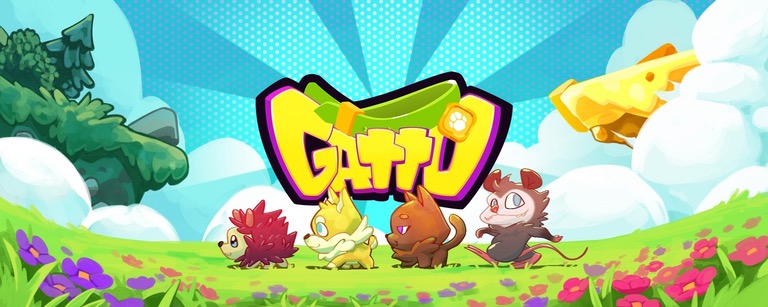
Compared to the above games, Gatto’s community presence is less impressive—its official Twitter account has only 23.5k followers and fewer than 10 posts. Player interaction occurs mainly via Telegram, with its announcement channel having over 75,000 subscribers. Focusing on Telegram hasn’t hindered user acquisition—the game surpassed 1 million registered users over three months ago.
Gatto promises to launch RPG content, PvE modes, and PvP expansions in H2 2024. By early 2025, it aims to introduce city-building gameplay, adding another layer to its ecosystem. However, reality lags behind ambition—over the past three months, Gatto has fallen behind games like Catizen and Hamster Kombat. The coming months will be an interesting case study on operational execution in Telegram mini games and whether Gatto can close the gap with simpler titles.
Bear vs Bull Thesis
Some readers may naturally compare today’s Telegram mini game ecosystem to early WeChat Mini Programs and instinctively get excited about multi-year exponential growth. While this assumption has merit, before outlining our bull thesis, it’s important to briefly highlight some clear, insurmountable differences.
Bear Thesis
Even if possible, the likelihood of Telegram evolving into a super app comparable to WeChat over the next five to ten years is low. User behavior on the two platforms will continue to differ. For WeChat in China—the world’s second-largest economy—the number of competitors vying for user attention and spending is far lower than Telegram’s global audience faces.
Moreover, WeChat directly benefits from its highly centralized structure. It leverages Tencent’s extensive product and service ecosystem and operates in a highly favorable regulatory environment, enabling rapid domestic market share growth.
WeChat’s deeply integrated wallet is a prime example—but its functionality isn’t easily replicable. With undisputed dominance in its domestic market, WeChat is directly integrated with virtually all local banks. In many cases, the flow from playing a game to purchasing in-game items involves fewer steps than downloading an app from an app store. In contrast, TON users must first purchase a fixed amount of Stars or deposit cryptocurrency directly before engaging in any in-game monetary processes.
Another key difference is UA. While Telegram allows reduced ad spending via Stars, this doesn’t change the fact that its ad network has limited performance. At best, Telegram mini game developers can identify users who opened certain mini apps. This contrasts sharply with WeChat, which possesses vast rich data on all users—including financial, credit, and social scores.
Additionally, while the ad network will likely improve over time and more third-party integrations may emerge (like WeChat’s collaboration with Douyin), Telegram’s privacy-first ethos means granular data like demographics and geolocation may remain inaccessible.
Bull Thesis
Nonetheless, Telegram/TON retains many unique features that distinguish it not only from WeChat but from all other Western social apps. TON’s construction immediately positions Telegram as one of the largest gateways for Web2 users entering Web3, transforming its ~900 million MAU into the largest pool of “Web2.5 users” and a primary distribution channel for nearly every major crypto market.
More importantly, unlike centralized exchanges like Coinbase and Binance, Telegram is fundamentally a social app—meaning in-app user behavior differs significantly. Put simply, because users log into Coinbase primarily to trade crypto (a highly independent and serious act), they’re more likely to resist or churn when exposed to casual entertainment or social features. Telegram leans toward the opposite extreme, making socially aligned applications like games easier to integrate and better product-market fit.
Encouragingly, case studies in this report suggest Telegram users resonate strongly with apps combining social platforms and heavy financial incentives. Even assuming over 80% of these “users” are drawn by the hope of “finding the next Notcoin,” the metrics of these simple games have already surpassed many major productions in this and previous cycles.
Looking back at WeChat’s trajectory, readers should recall that its real inflection point came with the opening of more cross-platform UA channels and reduced user acquisition costs. We hope Telegram applies these lessons and prioritizes third-party integrations—even if it carries user leakage risk.
Combined with deep understanding of native user behavior and market-product fit, this creates opportunities for Telegram mini games with professional real-time operations and monetization expertise to thrive on the platform.
Additionally, many developers may choose to keep using Telegram as a top-of-funnel UA channel. After all, while WeChat Mini Games have high ceilings, only about 30% of them are built by pure mini game studios. Most studios operate standalone apps alongside mini games to enable cross-platform experiences—players using multiple platforms typically spend more—and access larger addressable markets.
Conclusion
In recent months, TON’s capture of user mindshare has been impressive. The mini game ecosystem led by Catizen, Notcoin, and Hamster Kombat has played a significant role in the sharp rise of on-chain activity. Hundreds of millions of users are now playing TON games, injecting tens of millions of dollars into the ecosystem this year alone.
Grant programs have been pivotal to TON’s recent success, further highlighting the current struggles of Web3 game developers in competing for player liquidity. Newly deployed growth programs provide funding, technical support, and marketing assistance, accelerating team onboarding into the ecosystem.
The introduction of Stars as Telegram’s native in-app currency—enabling near-frictionless flow into Web3 systems—holds promise for boosting in-game monetization. Games like Catizen, Notcoin, and Hamster Kombat have already established themselves as serious contenders. After Notcoin’s success, all eyes are on the next launch to gauge momentum. Whether Catizen and Hamster Kombat’s success can be replicated remains uncertain, but in terms of market cap at launch, they have the potential to challenge the top 20 gaming tokens.
In the short term, many teams will likely capitalize on TON’s current mindshare, attempting to divert users from the platform into their own games or protocols. However, assuming developer tools and support will grow stronger over time, native games on Telegram that apply lessons from platforms like WeChat will become compelling case studies to watch in the medium to long term.
H2 2024 will be crucial for TON gaming. After the initial user explosion laid a solid foundation for the ecosystem, the focus will now shift to retention and LTV. Unlike user acquisition, these two key sustainability metrics depend more on content than virality. They will force teams to execute meaningful, ongoing operations to achieve long-term viability.
Join TechFlow official community to stay tuned
Telegram:https://t.me/TechFlowDaily
X (Twitter):https://x.com/TechFlowPost
X (Twitter) EN:https://x.com/BlockFlow_News
 Delphi Digital






