Three Stages of the DAO Narrative
TechFlow Selected TechFlow Selected
Three Stages of the DAO Narrative
This series of articles summarizes LXDAO's governance experience.
 Navigating Web3 tides with focused insights
By Yu Xing
Knowing "who we are" is an important yet difficult task. LXer has long been seeking a clearer description, gradually progressing through three key questions: "Where are we going? How do we get there? What does arrival look like?" This journey unfolds as follows:
1. Where Are We Going: Seizing an Idea and Finding Fellow Travelers
As stated in our proposal handbook, "It all starts with one idea":

Even a seemingly difficult idea can attract collaborators—such as "anonymously donating one BTC to the LXDAO treasury."

The original LX stood for "Homegrown Integrity," embodying the Chinese cultural values of kindness and practicality. With a humorous tone, LXers launched an NFT project to satirize rampant speculation and fraud in the space, while expressing hope for a sustainable Web3 future.

For more on Homegrown Integrity, visit: https://gclx.xyz/
This rebellious celebration helped us find our fellow travelers. In our anniversary article, Bruce gave a detailed account of this process, noting:
"After this project launched, I realized something: despite the speculators and hype-driven projects in Web3, there remains a group of people willing to invest their time in initiatives (even if not profitable) to do things that are meaningful and valuable."

Click here to read "One Year of DAO: From Anxiety and Doubt to Believing in the Beautiful Future of DAO"
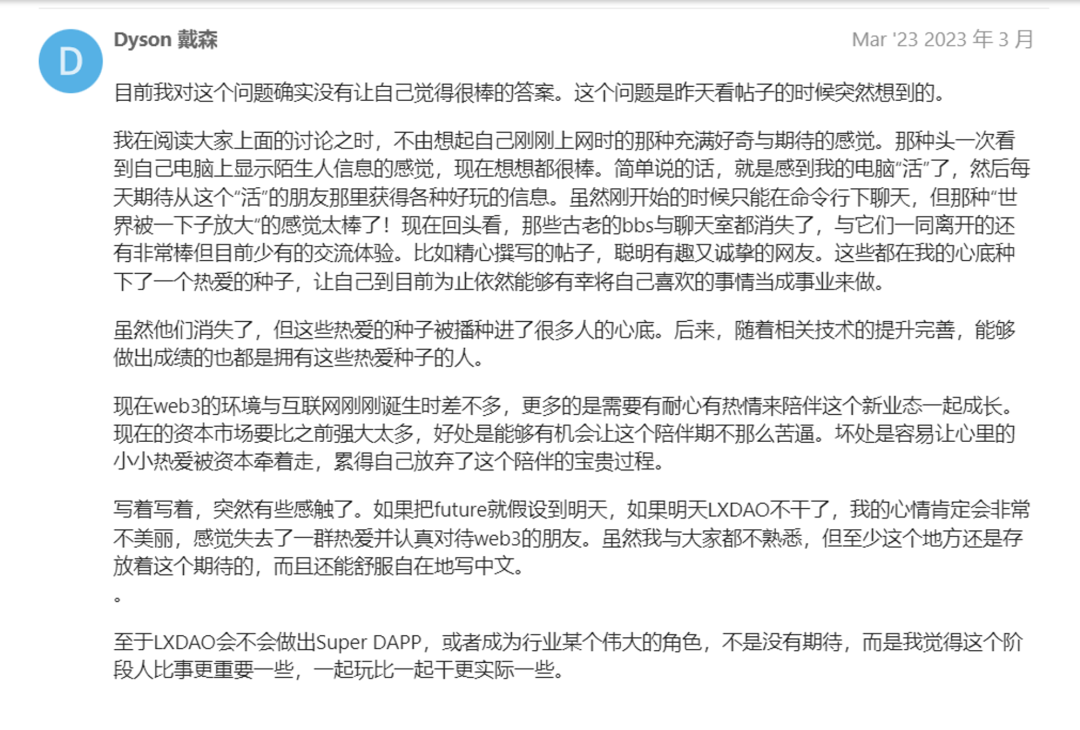
At this stage, we were enthusiastic, witty, and grounded—builders and a community of builders eager to contribute to a shared, better Web3 future. A friend’s comment perhaps captures the sentiment at the time:
2. How Do We Get There: The World Begins to Gather Around You
Once we knew where we were headed, we needed to find a path—a concrete action to take.
This part unfolded quickly. Once clarity emerged, many people stepped forward to help. The concept of "public goods" entered our view through recommendations from OGs.
What are "public goods"? Think of roads, heating systems, electricity grids—infrastructure collectively needed but difficult or impractical to privatize. After all, you wouldn’t want someone charging you tolls at your front door, or jacking up heating prices tenfold during a snowstorm.
Digital worlds need public goods too. Clearly, this was a mission requiring integrity—and one with significant market potential. It quickly became our shared focus. Our thinking at the time was captured in the proposal "LXDAO New Mission and Direction."
"LXDAO New Mission and Direction": https://snapshot.org/#/lxdao.eth/proposal/0xd80591b764b781737aa5263f95c72f7af27977abd5ecc9e0d8bceb8e6bedf78c
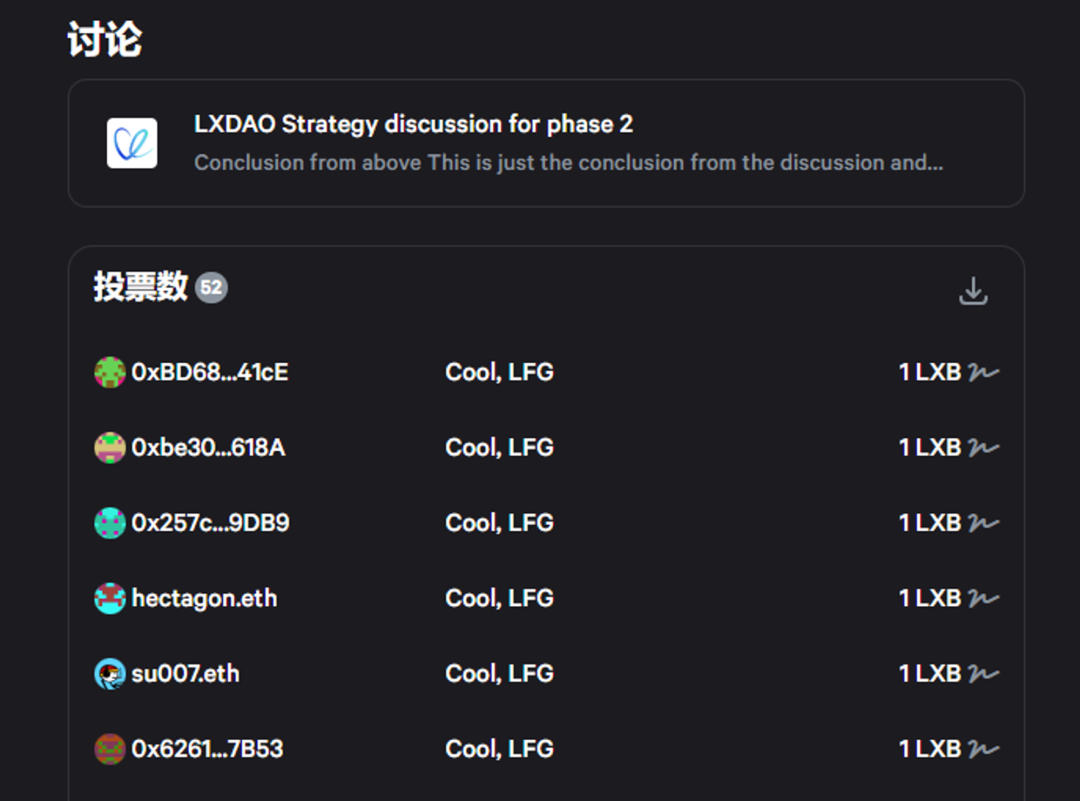
With direction set, we began treating "public goods" as a research agenda—studying them to guide action. For example, we created FairSharing, our salary distribution system—a mechanism for fair allocation. All referenced databases are open-source and available for your use.

More on "Public Goods Research":
https://www.notion.so/lxdao/Public-Goods-Resreach-1c52752e4e5d4636941f3c35cc821ef2
More on FairSharing:
https://www.notion.so/lxdao/012-FairSharing-c3b6ae3ab8964210a8de18319707c37c
Our research culminated in a rigorous and comprehensive report on the Web3 public goods ecosystem—the most influential piece on this topic in the Chinese-speaking world, co-published with GCC and Uncommons.
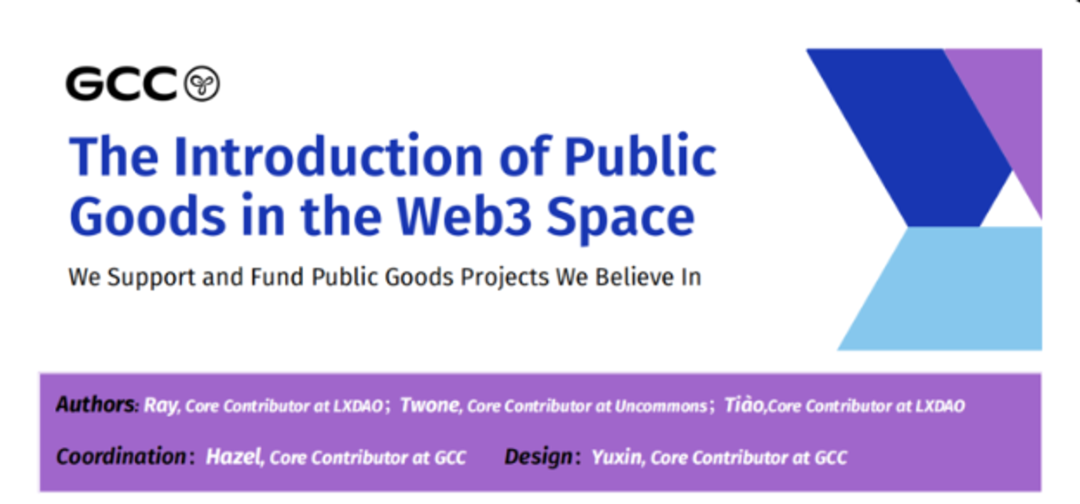
More on "Web3 Public Goods Ecosystem Research Report":
https://www.gccofficial.org/explore.html#report
Meanwhile, as a DAO with over 50% developers, we’re building LX Protocol—an infrastructure designed to support public goods development through coordination of people, funding, and influence. As LXDAO’s flagship product, we welcome more partners to co-build it.
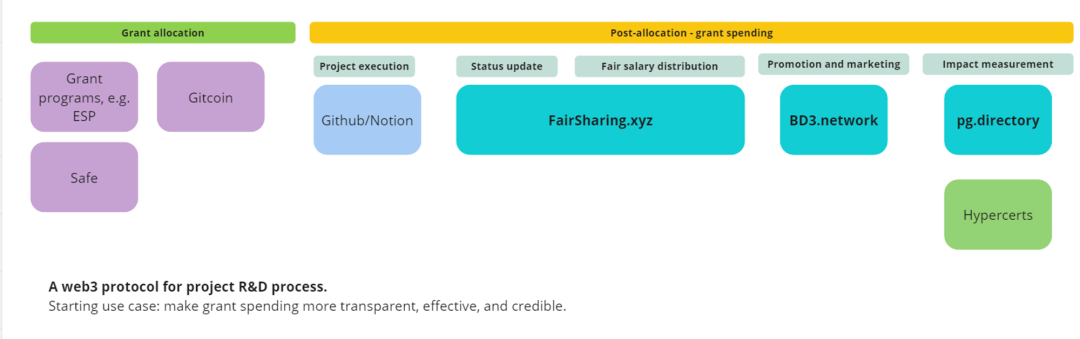
More on LX Protocol:
https://www.notion.so/LXProtocol-6282ad1d63df4a66a6875cc8311cc453?pvs=4
By this stage, a new challenge emerged: construction became specific and fragmented, and we needed something to keep us inspired.
3. What Does Arrival Look Like: Envisioning the Future That Excites You
As our exploration of public goods deepened, a vision gradually emerged:
Imagine you and a group of like-minded individuals using a public good for "collective asset management" to pool parts of your personal assets (while retaining ownership), forming a digital commune. These communes would have physical hubs—in mountain valleys, grasslands, cities—all connected to the world via VR and the internet, producing collaboratively. Everything would be transparent and used according to collective will.
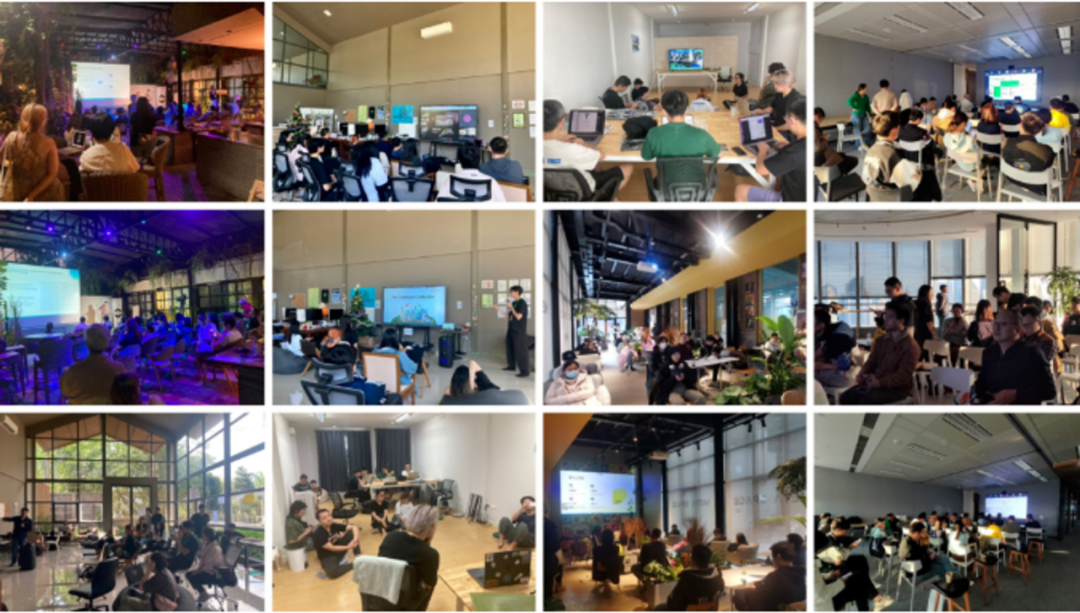
The commune would feature various functional departments—Education, Administration, Public Affairs—coordinated by collective will to deliver appropriate, consistent, and secure public services. Through public goods for "social governance," your rights would be guaranteed by code, ensuring they can always be exercised without obstruction.
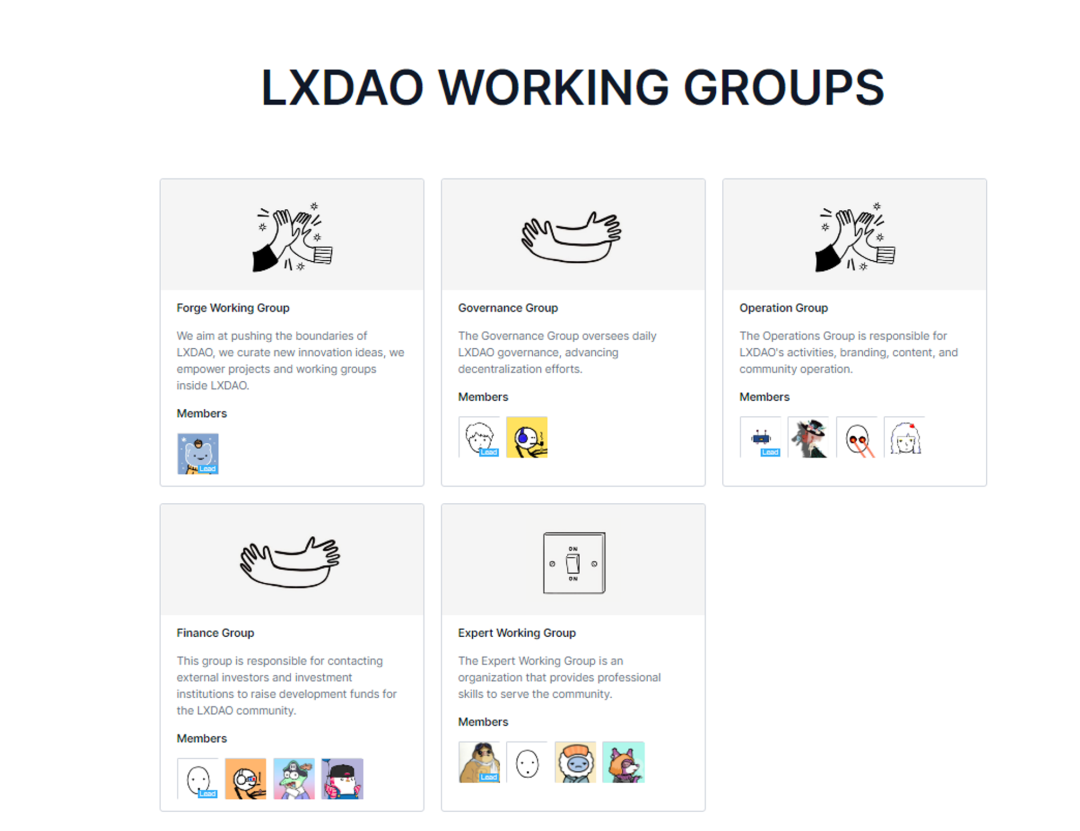
This may sound similar to our parents’ vision of socialism: human cooperation, social equality, the end of alienation. We’ve tentatively named this beautiful vision "Cyber Socialism." What’s unfolding now echoes Michel Bauwens’ words in "The Fourth Industrial Revolution":
And I would suggest, this is the best way to interpret crypto: as the collective project of a producing class that is creating the very infrastructure they need to escape the power of both Big Capital and Big State.
"The best way to understand cryptocurrency: as a collective project by a productive class building the infrastructure they need to free themselves from the dominance of big capital and big government."
Here’s a video sharing how LXers see it (see video: https://mp.weixin.qq.com/s/ocneRMprF_Gu951dpSnHIg)
To further clarify this inspiring future, we formed the "Narrative Reading Group"—open to all, gathering peers from philosophy, sociology, technology, and other fields. By studying classic theories, we’re constructing a new social model. This will take time. We’ve only found a few fragments so far, but just imagining its arrival gives us momentum to move forward.
More on the "Narrative Reading Group":
https://www.notion.so/LXDAO-f39c49a0e59d498691c79db8e6dc238e?pvs=4
Conclusion
Looking back on this journey, for a bottom-up DAO like ours, narrative should not merely be a statement telling others who we are—it should be the ongoing process of discovering who we are. Effective narratives emerge from deepening consensus, shaped by real needs and shared understanding. A small idea embraced by ten people matters more than a 100-page grand narrative. And deeper consensus comes from practice; the traces of action are the best form of storytelling. Narratives detached from practice leave organizations exhausted by distant futures, losing grip on reality.
Join TechFlow official community to stay tuned
Telegram:https://t.me/TechFlowDaily
X (Twitter):https://x.com/TechFlowPost
X (Twitter) EN:https://x.com/BlockFlow_News
 @LXDAO_Official