








Crypto religious leader
TechFlow Selected TechFlow Selected
Crypto religious leader
Establishing a crypto religion is like establishing a crypto kingdom.
 Navigating Web3 tides with focused insights
Author: DEFI EDUCATION
Translation: Block unicorn
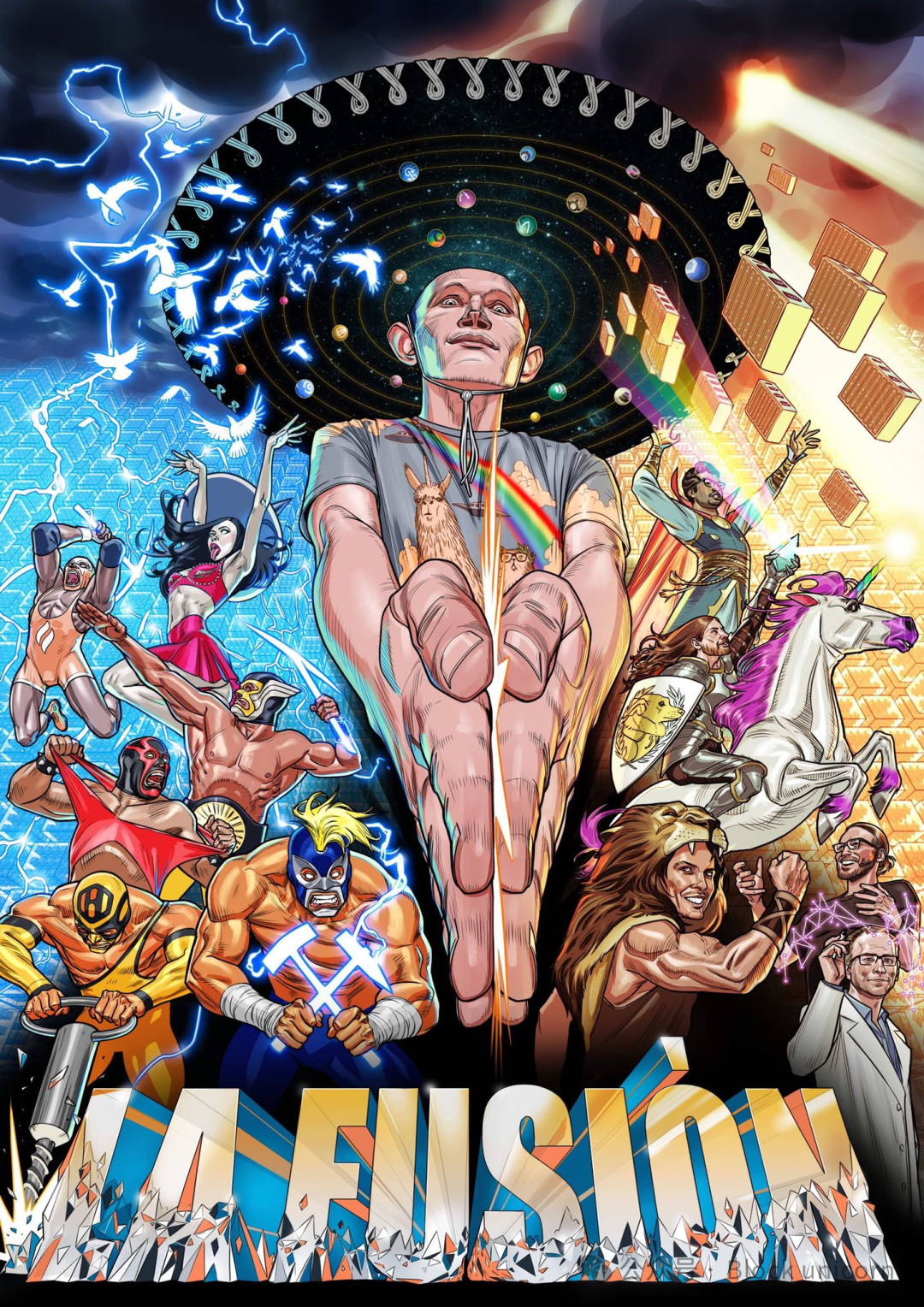
Today’s article is about religion—the religious branding within crypto projects. Every crypto project is obsessed with building a "community," but those that truly succeed don’t just have communities—they have religions.
A community consists of people sharing common interests and activities, focused on the interest itself rather than the brand. Crypto Twitter is a “community.”
Religious brands, however, create deep emotional connections to the brand beyond mere interest. Apple and Tesla are religious brands—customers and followers are loyal not just to their products, but to their ideologies.
In bull markets, the projects achieving the greatest success (and valuations) are often those that attain near-religious status. Their fervent followers continuously promote the project and aggressively attack any non-believers online.
Here are some past examples of religious projects:
1. Hex
2. Luna
3. Olympus DAO
4. Frog Nation
Despite flawed mechanisms, these projects reached multi-billion dollar market caps, delivering massive returns for those who discovered them early. Today, we present a framework for identifying crypto religions.
Religion vs. Religious Brands
Historically, groups labeled as religions have ranged from extremists to marginalized or persecuted communities. Many such groups formed at society’s fringes or in opposition to cultural norms. Some were characterized by exploitative and manipulative practices, contributing to the negative connotations associated with religion today.
We won’t delve into the sociological context of religion here. In consumer culture, the concept of a “religious brand” differs from traditional religious or social religions. Yet, there are many similarities in how they cultivate strong followings and loyalty.
We can set aside the eerie rituals and agree that what binds us is an inner desire for belonging. People deeply identify with religious brands—not merely as customers, but as highly engaged members and staunch advocates. The key difference lies in religious brands cultivating fanatical customer bases, rather than typical brand preferences.
Characteristics of Crypto Religions
What makes crypto religions unique is that members have economic stakes in the religion’s success through token ownership. This strengthens religious-like behaviors, as livelihoods become directly tied to the project’s success. Crypto religions share five common traits:
1. Religious Leader
2. Exclusivity
3. Us vs. Them
4. Signaling Belonging
5. Shared Ownership
“Religious leader” refers to the fact that despite decentralization being a core principle of crypto, a central figure still exists in the most powerful crypto communities—past and present.
Examples include:
-
Bitcoin: Satoshi Nakamoto
-
Ethereum: Vitalik Buterin
-
Luna: Do Kwon
The same applies to leading religious brands globally:
-
Tesla: Elon Musk
-
Apple: Steve Jobs
These leaders are not just ordinary influencers. They drive entire movements (and generate billions in wealth!)
Such leaders typically exhibit these traits:
1. Charismatic personality
2. Authoritarian nature
3. Confidence and persuasiveness
4. Visionary thinking
5. Resistance to criticism
Cultural brand leaders often embody the lifestyle and values of the brand, creating a strong association between leader and brand.
Elon Musk is a prime example of a cultural brand leader. Through Tesla and SpaceX, he is known for ambitious, visionary thinking. His charismatic personality inspires broad public enthusiasm, and he unapologetically embraces unconventional and controversial methods. His personal brand is tightly intertwined with his companies’. As a media-savvy individual, he leverages his platform to sell his vision to the masses, thereby creating a fanatical customer base.
Tesla buyers aren’t just product consumers—they are devoted members of the Tesla community. Elon’s customer base will buy anything he sells, including publicly traded equity in his companies. Elon’s $230 billion net worth stems not only from his companies’ profitability, but because he is a religious leader.
Exclusivity
Most crypto projects aim to appeal to everyone, whereas cultural brands are exclusive. They are open—but only to believers. Non-believers need not apply.
While most crypto projects look to others to find participatory “narratives,” cultural brands are built through radical differentiation.
Joining means abandoning your old beliefs and embracing the group’s doctrine.
Take luxury watches as an example. Simply having enough money to buy a new Rolex isn’t enough—you must be “chosen” to spend five figures on a piece of metal. To outsiders, such prices seem absurd. Perhaps they are—for those unwelcome non-believers.
Streetwear brands operate similarly. Labels like Supreme and sneaker lines like Yeezy use limited product drops to create scarcity and exclusivity, making items highly coveted. This cultivates fanatical customers who camp out overnight for the latest release.
Us vs. Them Mentality
If you truly support something, you must also oppose what you don’t support. To strengthen belonging, there must be a common enemy to fight. Take Bitcoin, which represents ideals like decentralization, freedom from traditional banking, financial privacy, and innovation (us).
In this case, the “enemy” is the traditional fiat system—outdated, over-regulated, and controlled by large financial institutions and governments (them).
Opposing fiat isn’t just preferring another currency—it’s supporting a revolutionary financial model that will change the world. Members see themselves as part of this movement challenging the status quo.
Other examples include:
Apple vs. Android
Coca-Cola vs. Pepsi
The presence of a common enemy empowers members, fosters deeper group identity, and reinforces each member’s sense of belonging. Members feel more closely bonded through shared resistance against a common “threat.”
This “enemy” provides an external justification for the group’s beliefs and actions. Members unite behind a movement challenging the established order.
Signaling Belonging
Merely being part of the inner circle isn’t enough—members must visibly demonstrate their membership and distinguish themselves from outsiders.
Emojis, memes, jargon (e.g., gm, gn), clothing, logos, blue iMessages instead of green—all are ways members signal participation. Remember, a religious brand represents far more than just a product or service to its members.
It reflects a lifestyle aligned with their self-image. People have a deep inner need to outwardly express who they are, and these signals connect individuals to a broader community sharing similar values or lifestyles.
Shared Ownership
To empower a group means relinquishing a degree of control. Governance of a crypto religious brand isn’t solely managed by a company, but co-owned by its members. Internet memes (known as “netspeak” in China, e.g., Cai Xukun—“chicken your beauty”) and event-specific moments exist beyond decentralized entities and core project teams.
While crypto founders often strongly advocate decentralizing their protocols, few truly decentralize their brand. Yet, shared ownership is crucial to transforming a community into a religious brand. In crypto, this concept is even stronger because members hold tokens.
This goes beyond feedback, participation, or even governance ideals. Religious brands give members real stakes in the brand’s direction and success. It means involving community members in key decisions—members aren’t just consumers or users; they’re active participants and co-creators in the project’s story and future.
This sense of ownership deepens emotional investment and loyalty. It naturally creates ambassadors who genuinely care about the project. Religious brands move away from top-down, centralized community-building, fostering collective ownership and responsibility instead.
Finding the Next Billion-Dollar Religious Brand
One of the best aspects of crypto is that you can actually invest in religious brands.
The easiest starting point is identifying a religious brand leader. Note that such a leader isn’t necessarily the project’s founder or CEO. In crypto’s decentralized world, it could simply be a passionate public supporter! However, internal leadership carries greater influence.
Religious indicators:
Other leaders argue with the religious brand leader but fail to break their “framework” (religious leaders possess an authoritarian quality)
1. High content engagement
2. The religious brand leader is an exceptional communicator
3. Next, examine community initiative—are there passionate members clearly acting voluntarily and independently of the project? If so, it warrants closer inspection.
A good test is publishing or researching harmless FUD about the project and observing 1) how quickly people respond and 2) the nature of their responses. The more angry cartoon avatars defending the project, the better. (Block unicorn note: Cartoon avatars commonly appear when NFT community members defend their projects using NFT profile pictures when challenged.) Remember, you’re looking for emotional connection—sometimes this requires studying how a community responds to its enemies.
Signals are another promising sign. In crypto religious brands, emojis, project NFTs, and meme culture are common. Solana may be a project that succeeded in community-driven branding, while Sei could achieve religious brand status by the end of the bull market.
Anti-Religious Signs
Projects are becoming increasingly strategic in religious marketing. It takes intuition to distinguish what gains organic traction versus what remains inorganic and “forced.”
Generally, projects that don’t take their religious image too seriously often yield the strongest organic communities. Projects unwilling to cede brand ownership to their religious communities will never reach religious brand status. These projects care more about superficial appearances than building genuine connections with believers. In crypto, do you see other projects evolving into religious brands?
Join TechFlow official community to stay tuned
Telegram:https://t.me/TechFlowDaily
X (Twitter):https://x.com/TechFlowPost
X (Twitter) EN:https://x.com/BlockFlow_News








