With AI narratives remaining hot, what other non-tokenized projects are worth watching?
TechFlow Selected TechFlow Selected
With AI narratives remaining hot, what other non-tokenized projects are worth watching?
This article will focus on projects in this field that have not yet launched a token, aiming to identify early Alpha.
 Navigating Web3 tides with focused insights
Written by: TechFlow
AI has become the central theme in today's tech industry, and the convergence of AI and cryptocurrency has emerged as a focal point for capital. Autonolas (token: Olas), an AI-based oracle, has surged 559.3% over the past month. Tau (token: AGRS), a blockchain dedicated to AI with its own logic programming language, has seen an astonishing 2560.0% increase during the same period.
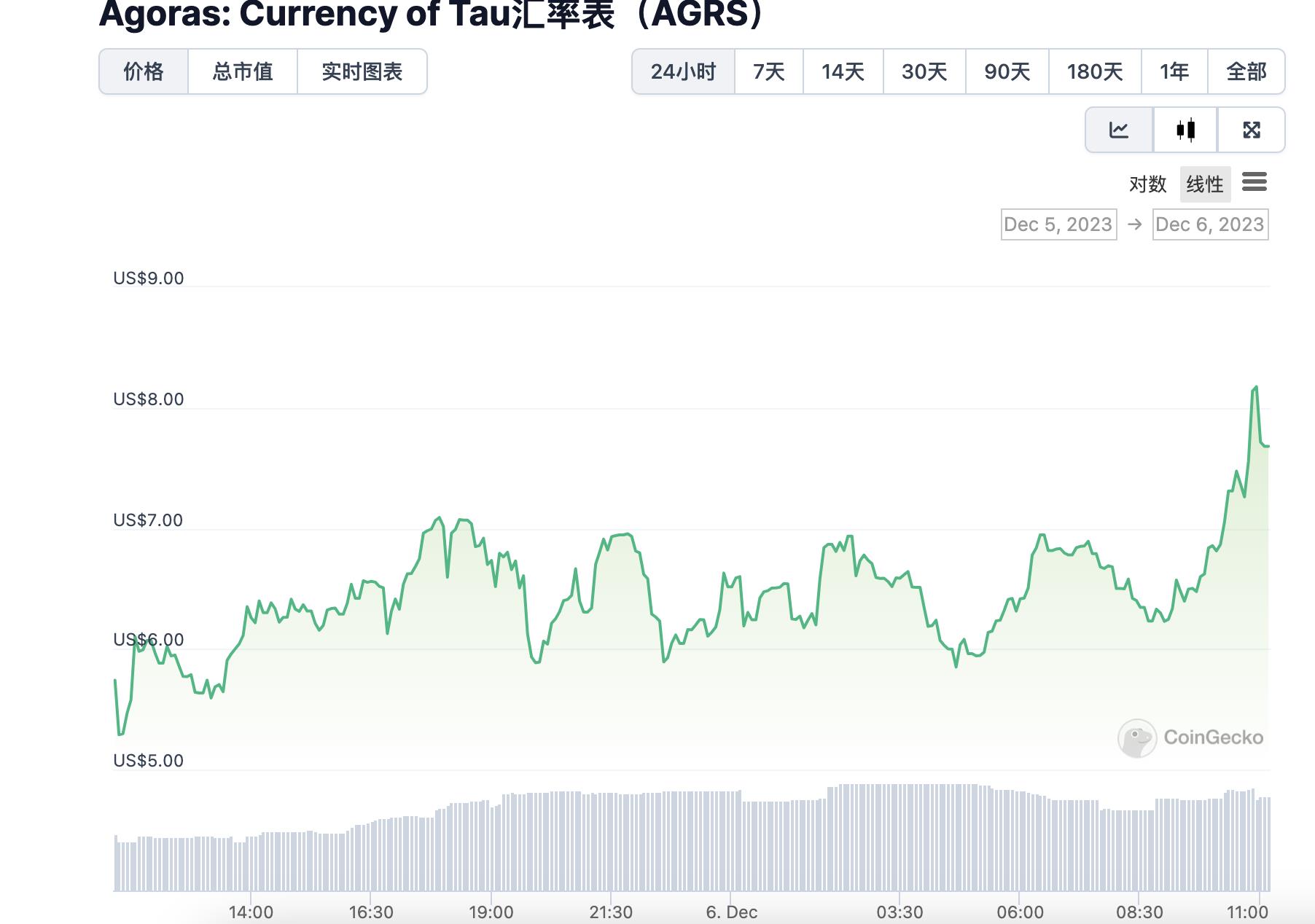
These figures not only reflect market prosperity but also highlight the potential opportunities at the intersection of AI and cryptocurrency—perhaps marking this sector as a new gold rush for investors.
This article focuses on projects within this space that have not yet launched tokens, aiming to uncover early alpha opportunities.
1. io.net: Decentralized GPU Computing Power Based on Solana
io.net is a decentralized computing network supporting the development, execution, and scaling of ML (machine learning) applications on the Solana blockchain. By leveraging the world’s largest cluster of GPUs, it enables machine learning engineers to access distributed cloud computing power at a fraction of the cost of centralized services.
Existing centralized cloud computing services pose several challenges for engineers:
-
Limited availability—popular GPU models are often unavailable.
-
Insufficient choices regarding GPU hardware, location, security levels, and latency.
-
High-end GPUs are extremely expensive; projects can easily spend hundreds of thousands of dollars monthly on training and inference.
io.net addresses these issues by aggregating GPUs from underutilized sources such as independent data centers, crypto miners, and crypto projects like Filecoin and Render. These resources are combined into a decentralized physical infrastructure network (DePIN), enabling engineers to access more GPU power at lower costs.
io.net engages users and compute providers through three core products to enhance user experience:
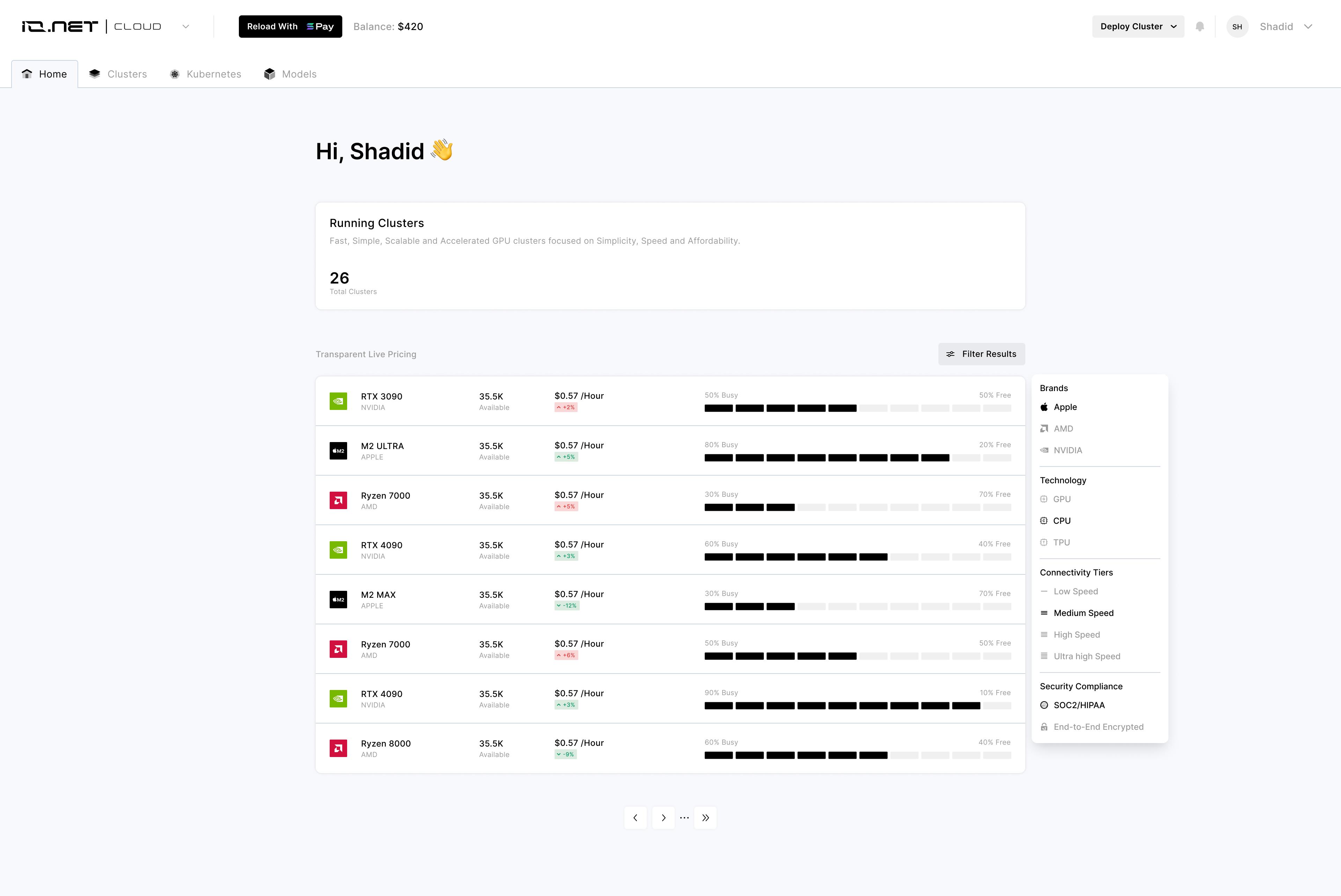
IO Cloud
A platform for deploying and managing decentralized GPU clusters, IO Cloud serves as a central hub where users can access various functions such as cluster deployment, browsing the GPU Marketplace, monitoring operations in real time, and getting started quickly.
IO Cloud is also where users run their AI/ML applications. It integrates seamlessly with the IO-SDK, offering a comprehensive solution for scaling AI and Python applications.
IO Worker
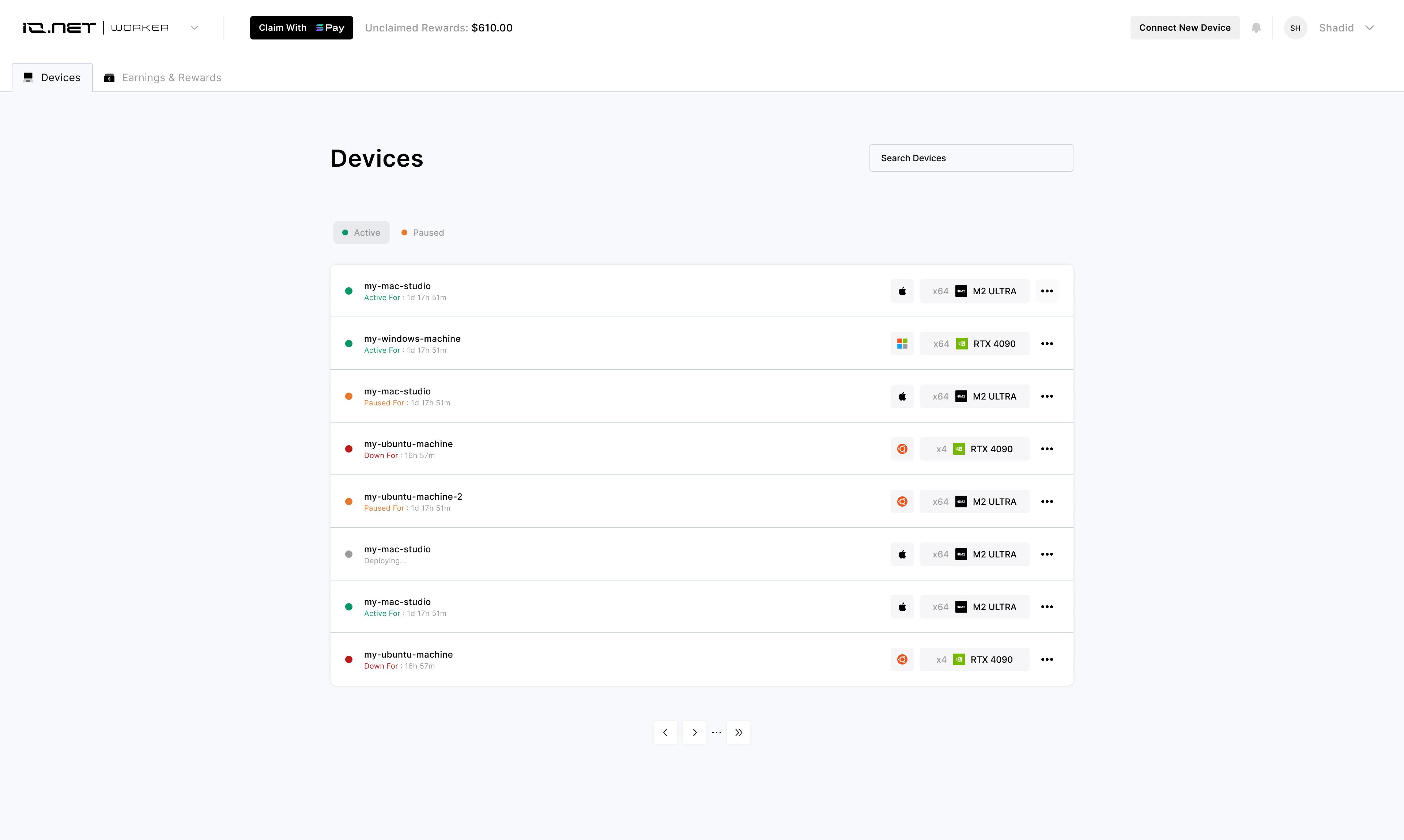
Provides users with real-time insights into their computing resources, offering an overview and operational control of connected devices. Users can monitor these devices and perform quick actions such as removing or renaming them. Additionally, IO Worker supports monitoring of computational activity, real-time data display, temperature and power consumption tracking, installation assistance, wallet management, security measures, and profit calculation.
IO Explorer
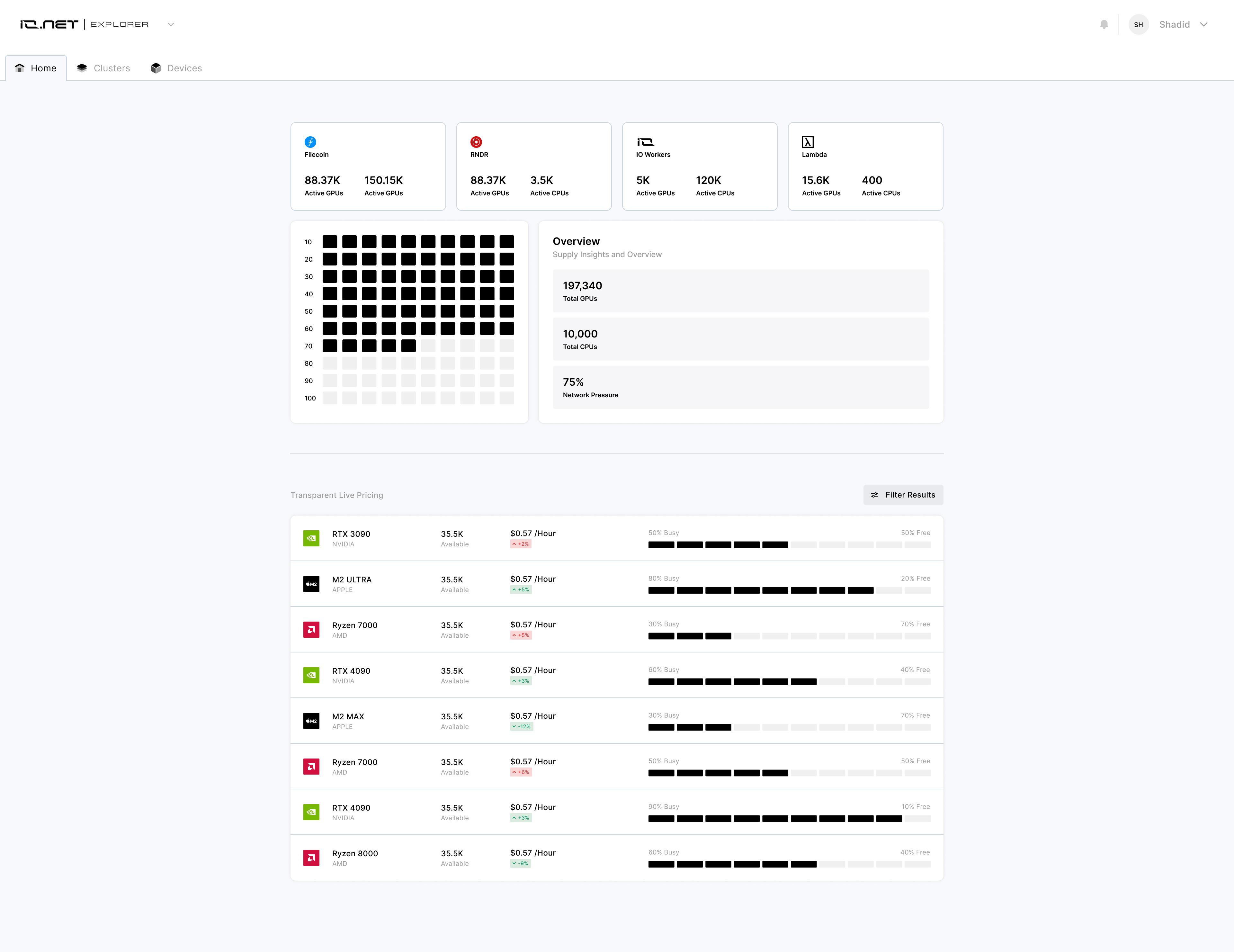
Offers a window into the inner workings of the network, providing comprehensive statistics and an overview of various aspects of the GPU cloud, including network activity, key metrics, data points, and full visibility into reward transactions.
Tokenomics
IO is the native and protocol token of the io.net network. Its primary utilities include:
-
IO will serve as the primary payment method within the io.net ecosystem—for example, paying for GPU deployment fees. Each model deployed on io.net must conduct a small IO transaction to perform inference.
-
IO tokens are used to reward GPU contributors.
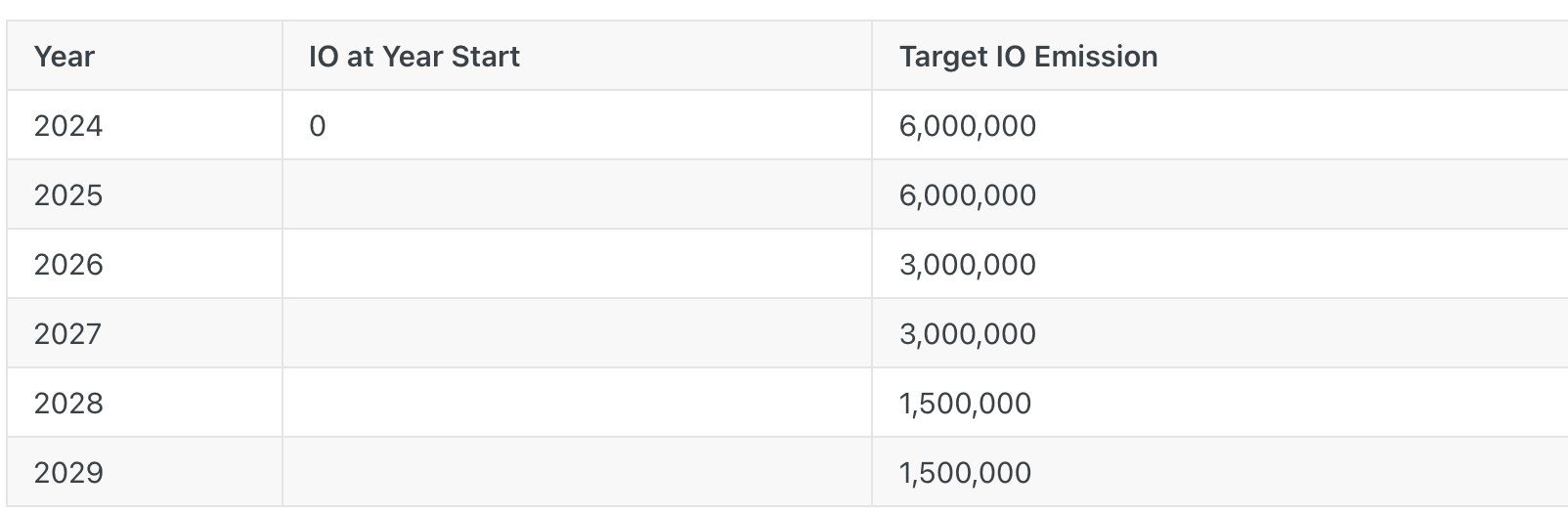
At launch, the network aims to distribute 500,000 IO tokens per month, following a two-year halving schedule. The maximum supply of IO is capped at 22,300,000.
The IO token is expected to launch in Q1 2024.
2. BP-FLAC: A Public Chain for AI
BP-FLAC stands for "Blockchain-Powered Federated Learning Artificial Intelligence," a public chain infrastructure for generative AI. The project aims to aggregate and allocate GPU node computing power via blockchain technology for AI training.
To protect data from different computing contributors (miners), BP-FLAC utilizes zk-SNARK algorithms to address data privacy concerns in AI training, while rewarding users who provide computing power with tokens.
The BP-FLAC network consists of a hybrid blockchain model combining public and private chains.
The public chain uses the PoC consensus mechanism, where miners contribute computing power (GPU resources) to help train AI models and receive corresponding rewards.
The private chain employs the PoS consensus mechanism, where staking nodes validate transactions and participate in securing the network to earn staking rewards—the more tokens staked, the higher the rewards.
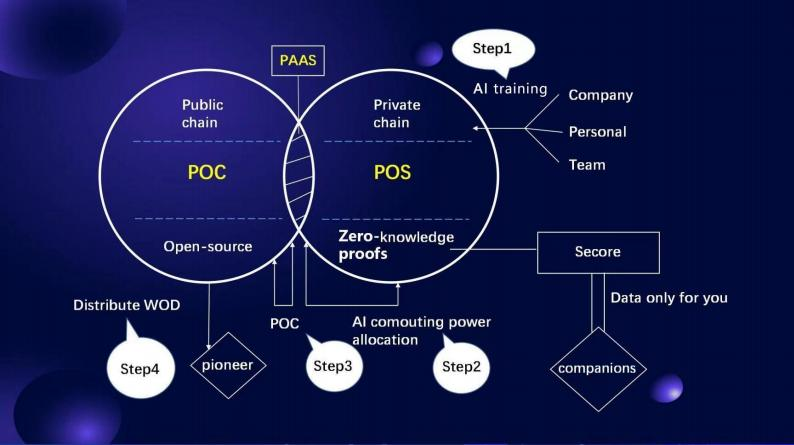
PoC (Proof of Certificate) means that after miners provide GPU resources, they receive certificates as proof of contribution. These certificates form the basis for token reward distribution on BP-FLAC. The more computing power contributed, the greater the rewards earned.
Tokenomics
WOD Coin is the native token of BP-FLAC, used to reward miners and nodes, facilitate transactions, and secure the network through staking. The total supply cap is 500 million, distributed as follows:
-
75% (375 million coins) will be distributed over 80 years as mining (PoC) and staking (PoS) rewards.
-
5% (25 million coins) allocated to team members, locked for two years, then linearly released over 48 months (10 million for tech, 15 million for founding team).
-
4% (20 million coins) for private sale rounds.
-
6% (30 million coins) for marketing and operations, locked for 6 months.
-
10% (50 million coins) for ecosystem development, locked for 6 months.
The official plan is to achieve an incentivized mapping from testnet to mainnet around mid-2024, rewarding early contributors upon mainnet launch.
In terms of funding, BP-FLAC raised $10 million on November 21, 2023, with participation from Eureka Partners, Westlabs, Mybitdata Ltd., DecentraLabs, tech giants Amazon and NVIDIA, and Middle Eastern family office Alkhabeer Fund.
3. Gensyn: Distributed Computing Network for AI Model Training

Gensyn is a distributed computing network designed for training AI models.
The computation required for large-scale AI is highly complex, and as AI advances—from GPT-3 to GPT-4—the demand for computing power continues to grow. In reality, due to geopolitical and other factors, global computing resources are underutilized and costs are rising sharply. Some developers struggle to access even a single GPU, forcing them to pay exorbitant fees to cloud service oligopolies.
Gensyn was created to address this challenge.
Gensyn’s vision is to connect idle, machine-learning-capable computing devices worldwide—such as consumer-grade GPUs, custom ASICs, and SoCs capable of training neural networks—into a global supercluster, significantly increasing available computing power for machine learning.
This also brings good news for former ETH miners. As Ethereum transitioned to PoS, many GPU-equipped miners saw their earnings plummet. The Gensyn protocol offers a pathway to redirect miners’ computing power toward AI workloads.
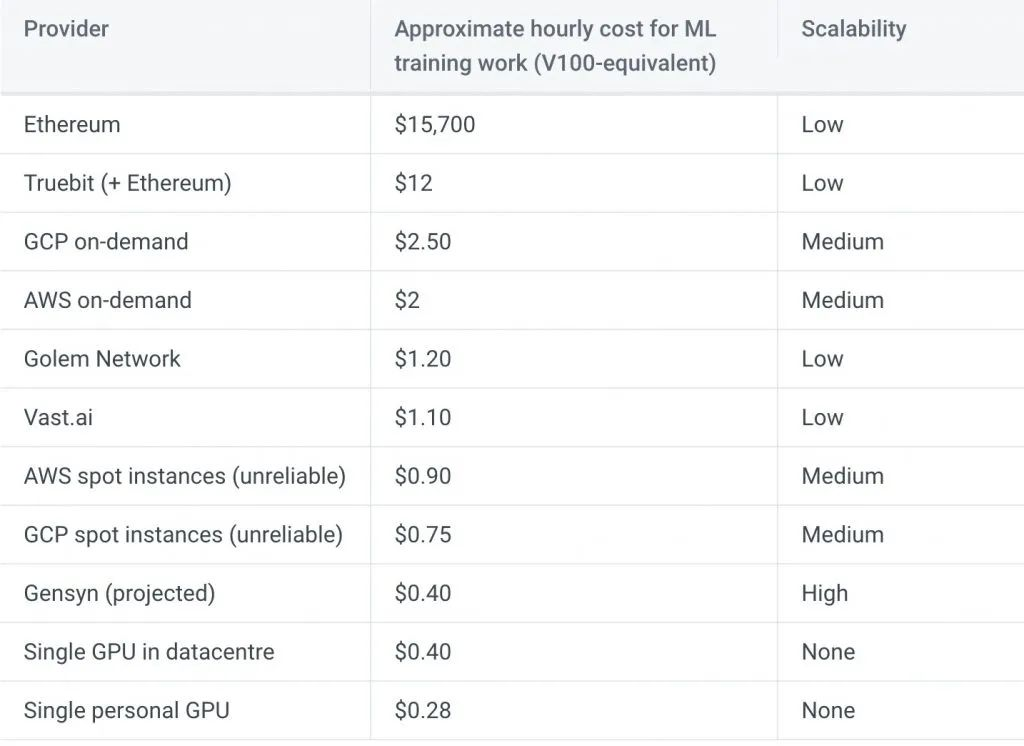
The hourly cost of Gensyn’s machine learning training is approximately $0.40, far below AWS ($2.00) and GCP ($2.50).
The Gensyn system primarily consists of four participants:
-
Submitters: end users of the system who submit tasks to be computed and pay for completed work units.
-
Solvers: the primary workforce of the system, executing model training and generating proofs for verifiers to check.
-
Verifiers: link non-deterministic training processes to deterministic linear computations, replicate part of the solver’s proof, and compare distances against expected thresholds.
-
Whistleblowers: the final line of defense, checking the verifiers’ work and challenging inaccuracies to claim accumulated rewards.
These four parties collaborate to build Gensyn’s verification system.
On June 11, 2023, Gensyn completed a $43 million Series A round led by a16z, with participation from CoinFund, Canonical Crypto, Protocol Labs, Jsquare, Eden Block, and other angel investors.
4. MyShell: Effortless Creation of AI Bots
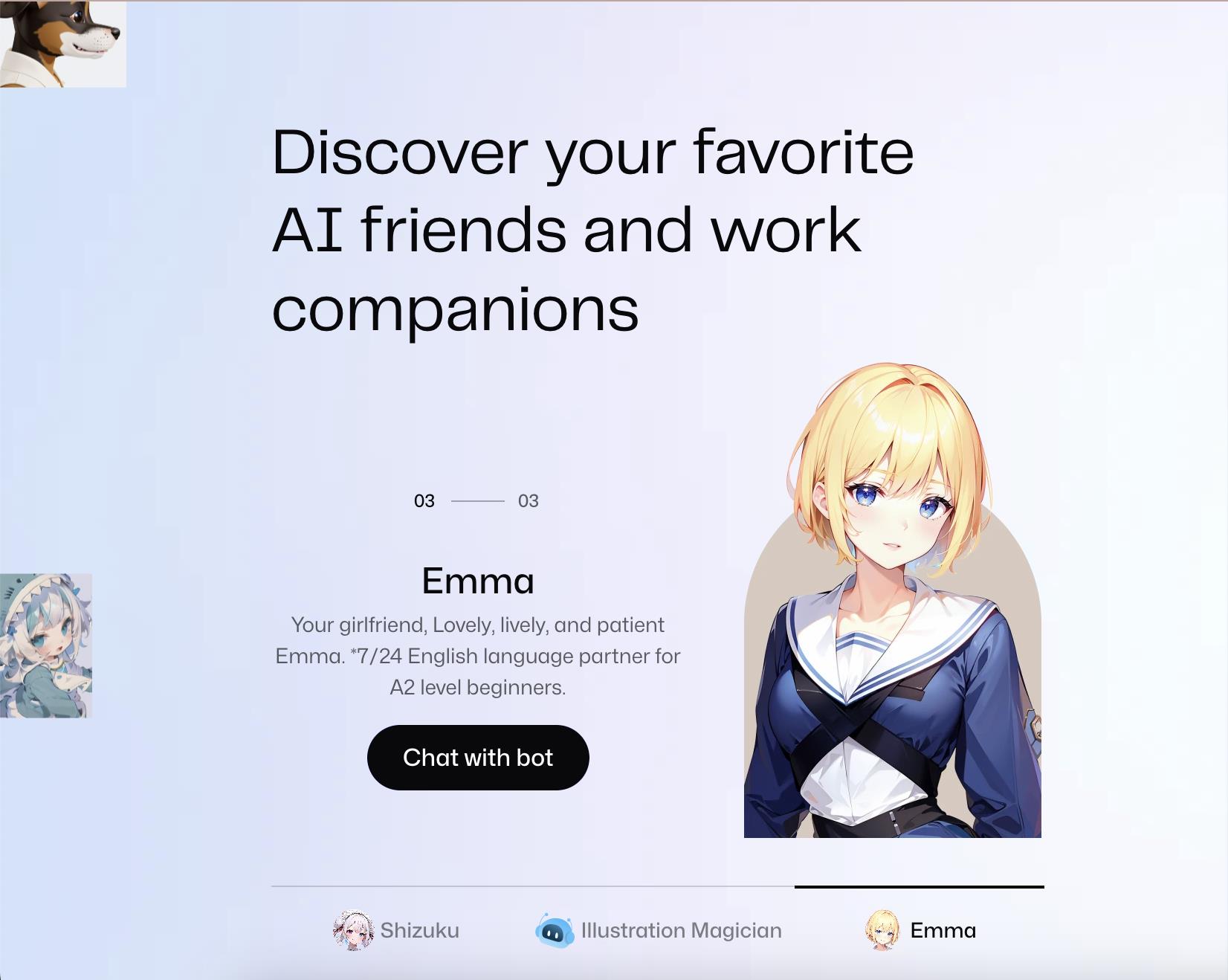
MyShell is a platform for creating voice chatbots based on Web3 and AI. Users can instantly start voice chats with their favorite characters and rapidly improve language skills through discussions on topics of interest.
No-code creation is at the heart of MyShell. The platform aims to empower anyone—even university students with no programming background—to easily create their desired AI bots.
How does it achieve this?
MyShell integrates two major model suites: LLM and voice cloning/TTS.
LLM, or Large Language Models, consist of artificial neural networks with many parameters trained on vast text corpora using self-supervised or semi-supervised learning. They can embody any role—for example, ChatGPT. MyShell leverages LLMs to make user-created AI characters more human-like.
TTS (Text-to-Speech) and voice cloning technologies are essential for conversing with AI bots. TTS converts written text into spoken words, allowing users to access information audibly, while voice cloning replicates a person’s unique vocal characteristics, creating personalized and authentic audio experiences.
Together, these two toolkits enable MyShell to create diverse, human-like AI assistants. As of May this year, its total user count had surpassed 100,000.
MyShell generates revenue through four main channels:
-
Users pay monthly subscription fees in fiat or cryptocurrency;
-
Creators pay to promote their AI-native applications for greater exposure;
-
Royalties from user-to-user transactions involving AI-generated content/assets;
-
AI developers purchase licensed user data for model training and fine-tuning.
Tokenomics
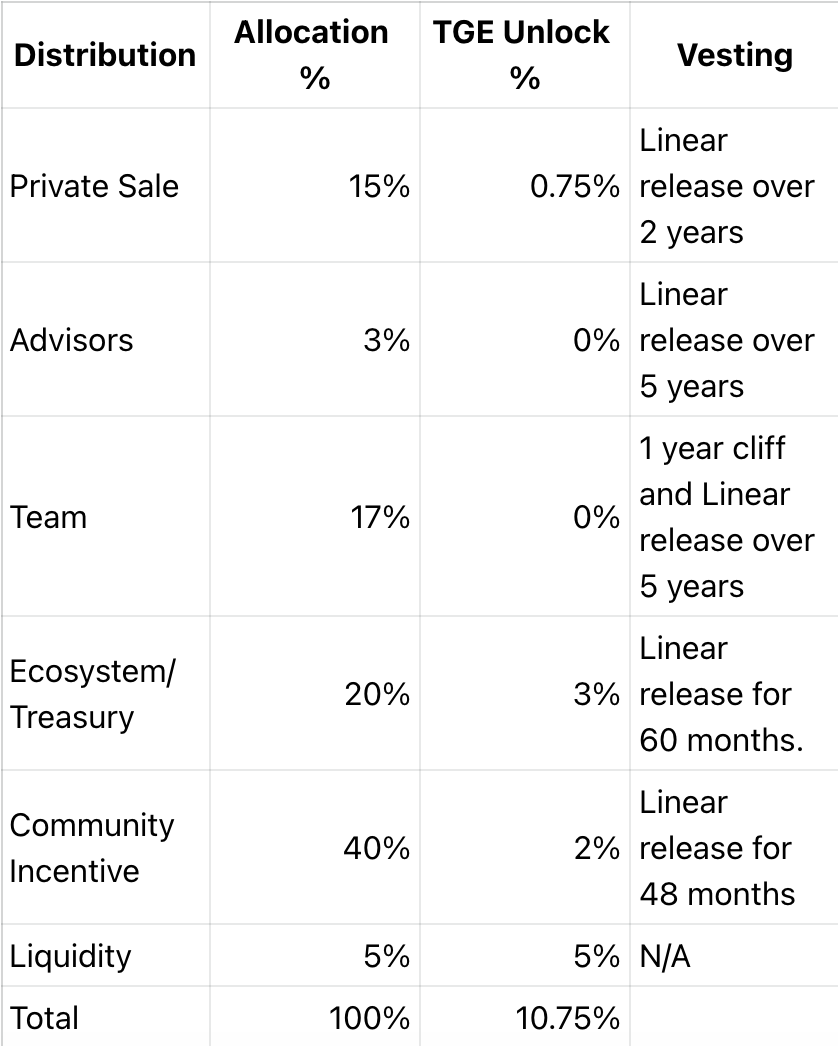
$SHELL is the project’s native token, usable for paying Shell NFT subscriptions, gaining conversation quotas and earning opportunities, and participating in community governance. The total supply is 1,000,000,000, with 40% allocated to community incentives, 20% to the ecosystem/treasury, 15% to private sales, and 17% to the team.
Note: MyShell is currently in testing phase; future token utilities and allocations may change.
On October 16, 2023, MyShell raised $5.6 million in a seed round at a $57 million valuation, led by INCE Capital, with Hashkey Capital, Folius Ventures, SevenX Ventures, OP Crypto, and others participating.
5. Kaito AI: AI-Powered Crypto Information Aggregation Platform
Kaito is a Web3 search engine powered by AI, aiming to revolutionize cryptocurrency research and investment.
For retail investors, information acquisition methods are highly fragmented and disorganized. Web3 lacks a natively supported search index and remains heavily dependent on traditional search engines like Google. To solve this pain point, Kaito was born.
Kaito’s search engine leverages the Auto GPT framework and multiple ChatGPT backends to build an agent network capable of handling various tasks—including search, information processing, data cleaning, and annotation—aiming to deliver higher-quality Web3 information services. Additionally, Kaito uses AI to optimize its search engine through ranking, topic mining, personalization, recommendations, speech-to-text transcription, and AI-generated content.
MetaSearch is Kaito’s flagship product. With MetaSearch, users can perform one-click searches across all major platforms in the crypto space, including Twitter, Discord, governance forums, Mirror, Medium, and more.
With MetaSearch, users gain the following advantages:
-
Instant insights on any cryptocurrency, topic, or trend within seconds;
-
Reduced manual research time via curated Twitter searches tailored for Web3;
-
Early detection of narratives through social signals;
-
Instant answers to any technical document or paper via AI.
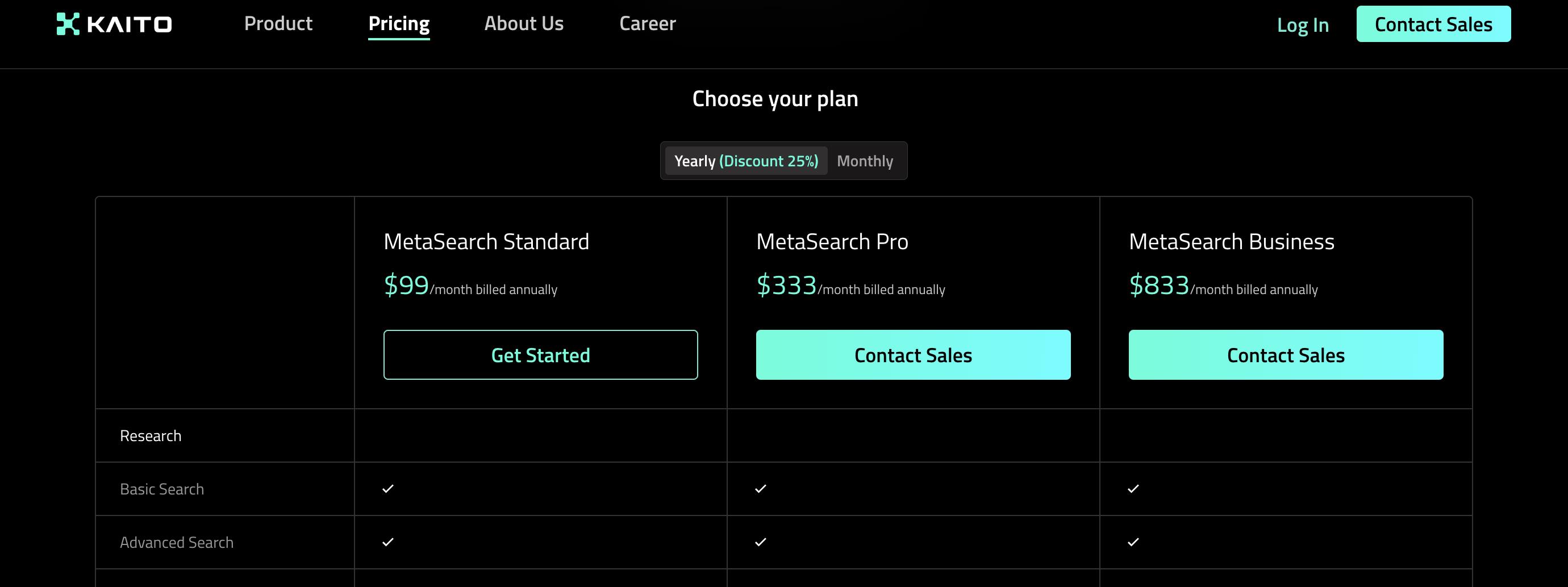
Currently, the base product is priced at $129 annually, or $99 per month.
On June 22, 2023, Kaito closed a $5.5 million Series A round at an $87.5 million valuation, co-led by Superscrypt and Spartan.
Tokenomics
The project currently has no specific token details. Stay tuned via their official website for updates.
6. Aethir: Cloud Gaming Platform Addressing Latency and Piracy
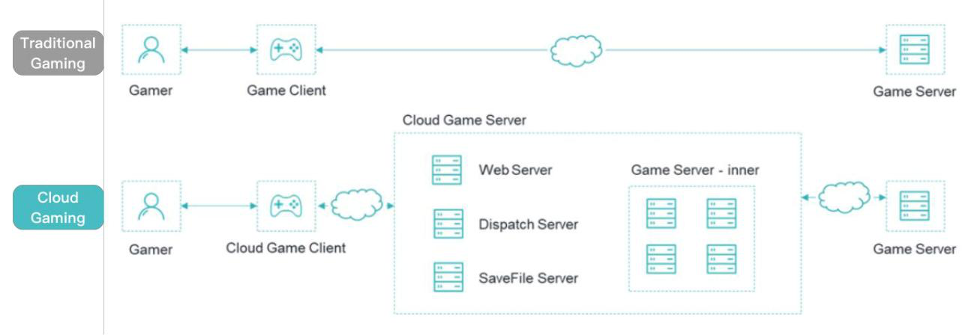
Aethir is a real-time rendering network built specifically for gaming and AI. Through its cloud services and rendering technology, it ensures gamers enjoy ultra-low latency experiences anywhere, on any device.
Aethir’s cloud gaming platform is the primary venue for delivering this service. Behind it lies a vast and stable network of distributed computing nodes, allowing games to run directly in the cloud. As a result, players can enjoy high-quality, seamless gameplay on any device without downloading anything.
For game developers, Aethir enables rapid online deployment and launch of their games without undergoing complex development or adaptation processes.
Within the Aethir platform, “games” are treated as collections. Within each “game” collection, multiple “game versions” can be created. For each version, users can submit, modify, or delete game adaptation services. Thus, Aethir’s cloud platform not only allows developers to implement updates seamlessly but also ensures synchronization across all users’ game versions.
Aethir’s cloud platform also solves the long-standing problem of rampant piracy in the gaming industry.
In traditional gaming, pirated copies have always been a thorn in the industry’s side. But with Aethir, this issue is effectively eliminated. Since games execute on cloud servers rather than user devices, users never access game files, thereby eliminating nearly all forms of traditional game piracy.
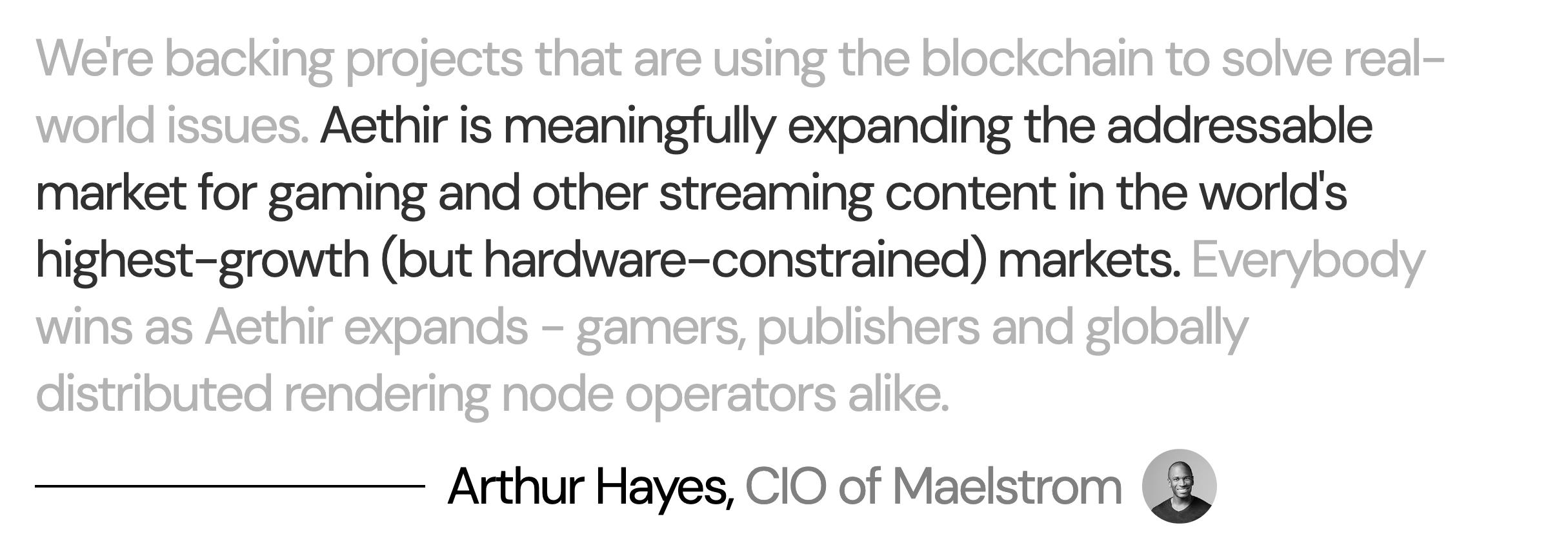
As Arthur Hayes stated, Aethir is meaningfully expanding the potential market for games and other streaming content in one of the fastest-growing (but hardware-constrained) global markets. As Aethir scales, everyone benefits—gamers, publishers, and globally distributed rendering node operators alike.
Aethir’s audience extends beyond just Web3 players—it includes gamers from every walk of life worldwide.
On July 27, 2023, Aethir raised $9 million in a Pre-A round at a $150 million valuation, led by Sanctor Capital, Hashkey, Merit Circle, and CitizenX.
Tokenomics
The project currently has no specific token details. Stay updated via their official website.
7. Ritual: Execution Layer Integrating AI into Smart Contracts
Ritual is an AI-powered sovereign execution layer. Their vision is to enable developers to build fully transparent DeFi protocols, self-improving blockchains, autonomous agents, and generative content through Ritual.
Infernet is Ritual’s core suite—an essentially lightweight library that brings computation on-chain. Its primary application is serving ML inference workloads. Users can build and host ML models, deploy them to Infernet nodes, and create subscriptions to use the inference outputs—and optionally, succinct execution proofs—in on-chain smart contracts.
The Infernet SDK facilitates integration between Web3 and AI functionalities, including data preprocessing and training, model support (scikit-learn, HuggingFace), validation (zero-knowledge proofs, optimistic fraud proofs), various open-source zk libraries, data hosting, and provenance tracking.
Through flexible use of the Infernet SDK, developers can integrate AI models into their own protocols, applications, or smart contracts, enabling fine-tuning, monetization, and inference using cryptographic schemes.
Tokenomics
The project currently has no specific token details. Follow their official website for updates.
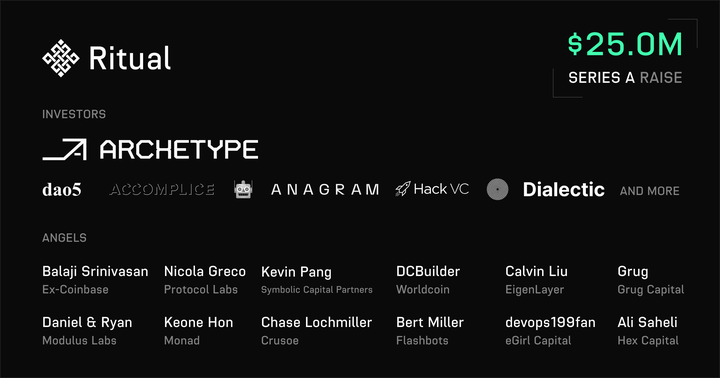
On November 8, 2023, Ritual completed a $25 million Series A round led by Archetype.
References: https://x.com/_0xKenny/status/1732072520453443776?s=20 Thank you @\_0xKenny
Join TechFlow official community to stay tuned
Telegram:https://t.me/TechFlowDaily
X (Twitter):https://x.com/TechFlowPost
X (Twitter) EN:https://x.com/BlockFlow_News
 深潮TechFlow