The Advancing Wallet: A Brief Analysis of New Technologies and Developments in Cryptocurrency Wallets
TechFlow Selected TechFlow Selected
The Advancing Wallet: A Brief Analysis of New Technologies and Developments in Cryptocurrency Wallets
This article will guide you through the evolution of cryptocurrency wallets, focusing on development trends and innovative directions, while highlighting wallet projects with notable innovations.
 Navigating Web3 tides with focused insights
Author: veDAO Research Institute
Today, the veDAO Research Institute will share insights on a concept familiar to all crypto investors—“crypto wallets.” Crypto wallets serve as the primary gateway to the Web3 economy. As the Web3 economy evolves and Web3 applications gain broader adoption, these wallets are receiving increasing attention. They must now keep pace with Web3’s progression, meet more diverse user needs, and integrate new technologies and innovations—challenges that also represent significant market opportunities. This article will review the development of crypto wallets, explore trends and innovative directions, and highlight wallet projects with notable innovations.
Basic Concepts of Crypto Wallets
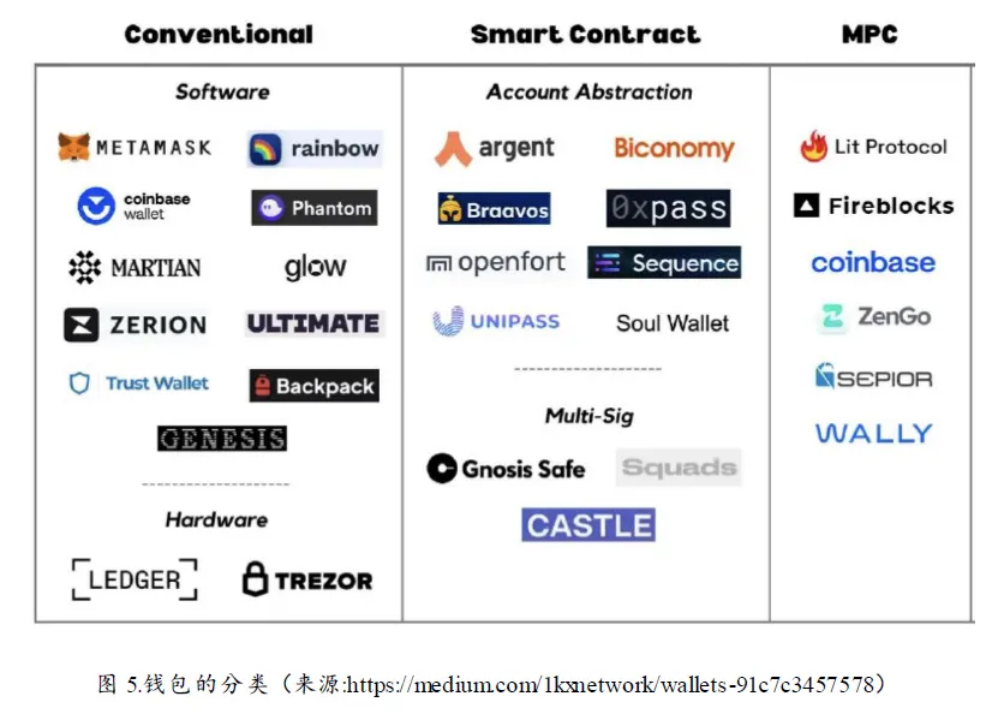
Traditional e-wallets function primarily for asset storage and mobile payments. Building upon these functions, crypto wallets add identity verification capabilities—the key entry point and authentication method enabling users to navigate various DApps in Web3. Today's crypto wallets come in many forms, each differing in security and convenience. They can be broadly classified along two dimensions:
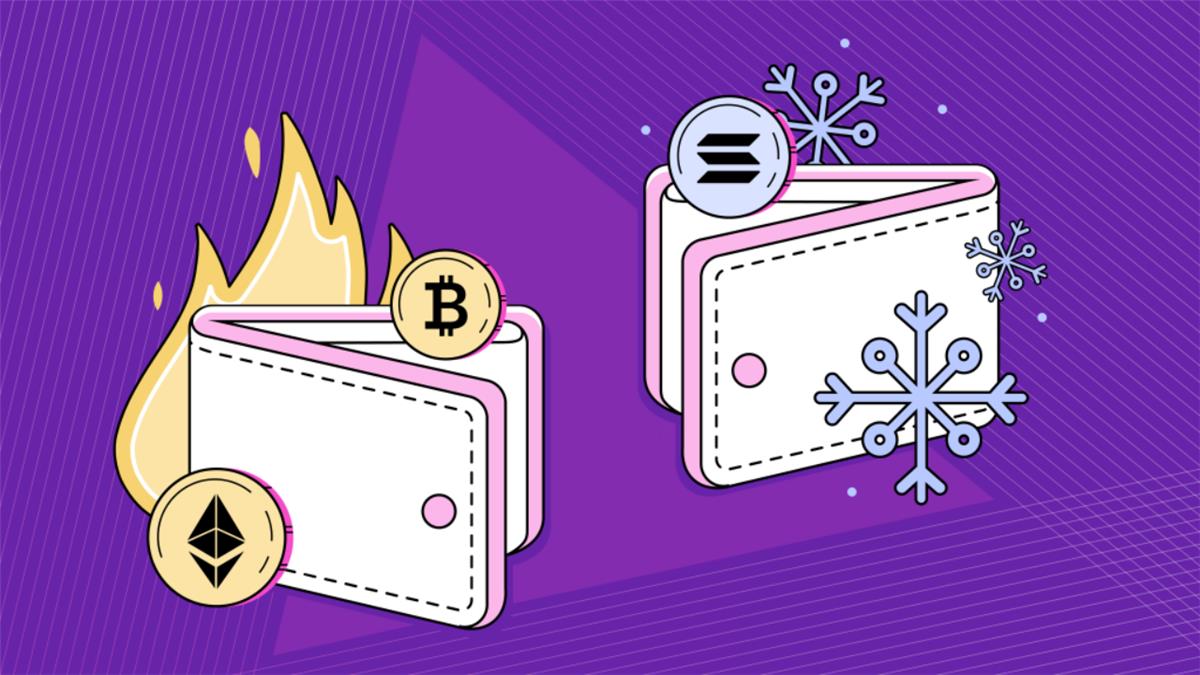
Based on internet connectivity: Cold wallets vs. Hot wallets
-
Cold Wallet (Offline Wallet): Private keys are stored in hardware devices, including “paper wallets” secured via recovery phrases, offline phones, or dedicated hardware wallets. These only connect to the network when you need to use your cryptocurrency.
-
Hot Wallet (Online Wallet): Private keys are stored within applications or software. These wallets require private keys to go online during transaction signing, such as commonly used wallet apps or browser extension wallets.
Based on private key control: Custodial vs. Non-custodial wallets
-
Custodial Wallet (Centralized Wallet): Private keys are held by a trusted third party, which securely stores digital assets on the blockchain. This means users do not have full control over their funds. These wallets are typically offered by cryptocurrency exchanges or professional custodial services, such as Binance or Huobi.
-
Non-custodial Wallet (Decentralized Wallet): A wallet that gives users complete control over their private keys and funds. Non-custodial wallets can be browser-based, software-based, or hardware-based, such as MetaMask, TokenPocket, and imToken. They can be further categorized into three types:
-
Externally Owned Account (EOA) Wallets: EOA wallets are the most common type of digital wallet for storing and managing cryptocurrencies. Typically provided by centralized exchanges or wallet providers, they require users to hold their own private keys. Examples include Metamask, Backpack, Phantom, Rabby, and Rainbow.
-
Smart Contract Wallets: Decentralized wallets that use smart contracts to manage assets. Compared to EOA wallets, they offer greater security and flexibility, supporting advanced features like social recovery and multi-signature transactions. Examples include Argent, Safe, and Sequence.
-
Multi-Party Computation (MPC) Wallets: MPC wallets use threshold cryptography to enhance security. The private key required for authorization is split into multiple parts and distributed among different parties, ensuring no single party can independently access the full key. This greatly reduces the risk of single-point failures or attacks, making it harder for hackers to steal funds. Examples include Fireblocks, ZenGo, Coinbase MPC, and Particle Network.
Market Status & Key Pain Points
The current state of the crypto wallet market exhibits several key characteristics:
1. User base continues to grow, and market share rises accordingly. According to Blockchain.com statistics, the average global crypto token ownership rate was 3.9% in 2022, with over 300 million people using crypto assets worldwide. In 2021, there were 68.42 million users holding crypto wallets; by July 2022, this number had grown to 81 million—a trend of exponential growth. The expansion of the Web3 economy and the rise of digital assets are driving traditional capital into the Web3 space, increasing demand for secure digital asset storage and on-chain activity. This presents a major development opportunity for the digital wallet industry, attracting a surge of developers and investments.
2. As foundational Web3 infrastructure, crypto wallets are increasingly favored by investment institutions. Wallets are one of the primary sectors targeted by institutional investors in the crypto space. Data shows that investment in the wallet sector has consistently increased over the past five years. In the first half of 2022 alone, wallet-related funding surpassed other sectors, reaching $400 million.
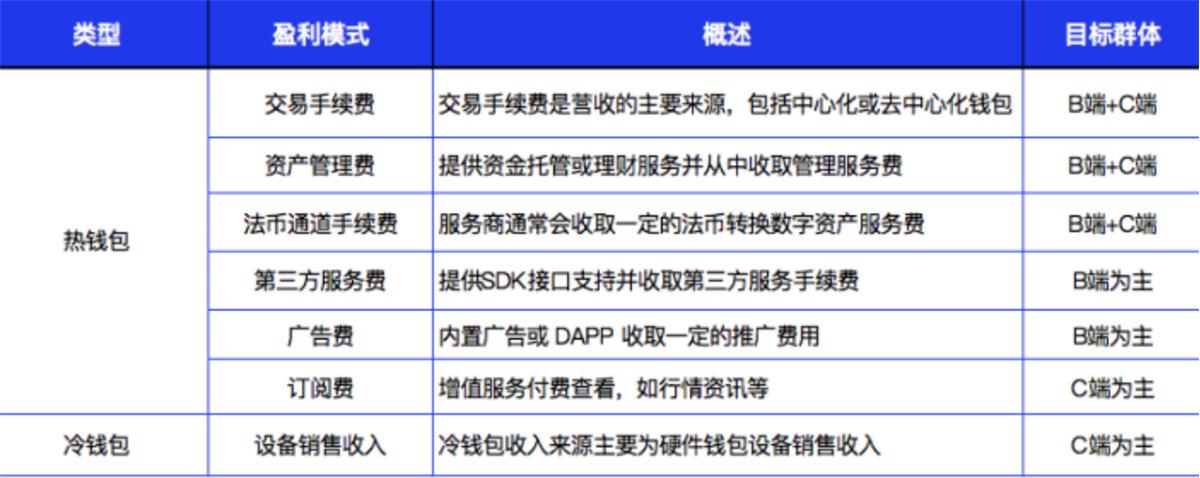
3. From B2C to B2B2C business models: Current crypto wallets mainly serve either B2B or B2C markets. While both exist, B2C remains the primary revenue source for most wallet providers. As transaction volumes increase with market maturity, wallet providers will begin building economic moats and entry barriers, monetizing traffic they generate. This enhanced bargaining power will make wallet products more attractive partners for other DApps and DEX protocols, transitioning them toward B2B2C business models.
Despite significant progress in recent years, crypto wallets still face several challenges that must be overcome to become more user-friendly and accessible. Key challenges currently facing decentralized crypto wallets include:
-
Security: While decentralized wallets are relatively secure, the biggest challenge lies in users’ ability to safeguard their private keys and defend against hacking. Lack of security awareness and poor operational habits create ideal opportunities for attackers. For wallet developers, ensuring underlying security is equally challenging—beyond open-sourcing code, rigorous security audits must accompany every major update, especially concerning private key storage and management.
-
Privacy and Regulation: Privacy versus regulation remains an unavoidable topic in Web3—and thus for wallets too—covering user data privacy and compliance with regulatory requirements.
-
Usability: Every interaction with a wallet requires direct user action, necessitating some basic blockchain knowledge. Whether beginners or experienced users, managing recovery phrases—or dealing with their loss or theft—remains a persistent pain point. Although custodial wallets carry certain human-induced security risks, they offer simpler operations and friendlier interfaces. To attract more users, decentralized wallets must address usability issues.
To tackle these challenges, wallet manufacturers are exploring new methods and technologies to build user-friendly, secure digital wallets that are easier for mainstream adoption. Innovation drives wallet evolution.
Multi-Party Computation (MPC)
MPC wallets replace traditional private keys with a system where "secret information" is shared between your device and one or more other devices. By using Threshold Signature Schemes (TSS), MPC wallets eliminate single points of failure. In this model, private keys are generated and fragmented so that no individual or machine fully controls the key—a process known as Distributed Key Generation (DKG). Public keys can then be jointly generated by combining these fragments without exposing any individual fragment, effectively achieving shared “secret information.”
This feature enables additional functionalities—for example, account recovery becomes significantly easier. Thus, MPC wallets resemble traditional EOA accounts but with hidden private keys. Additionally, they support threshold settings, meaning each transaction requires a predefined percentage of participating users to jointly sign before it becomes valid.
Account Abstraction (AA)
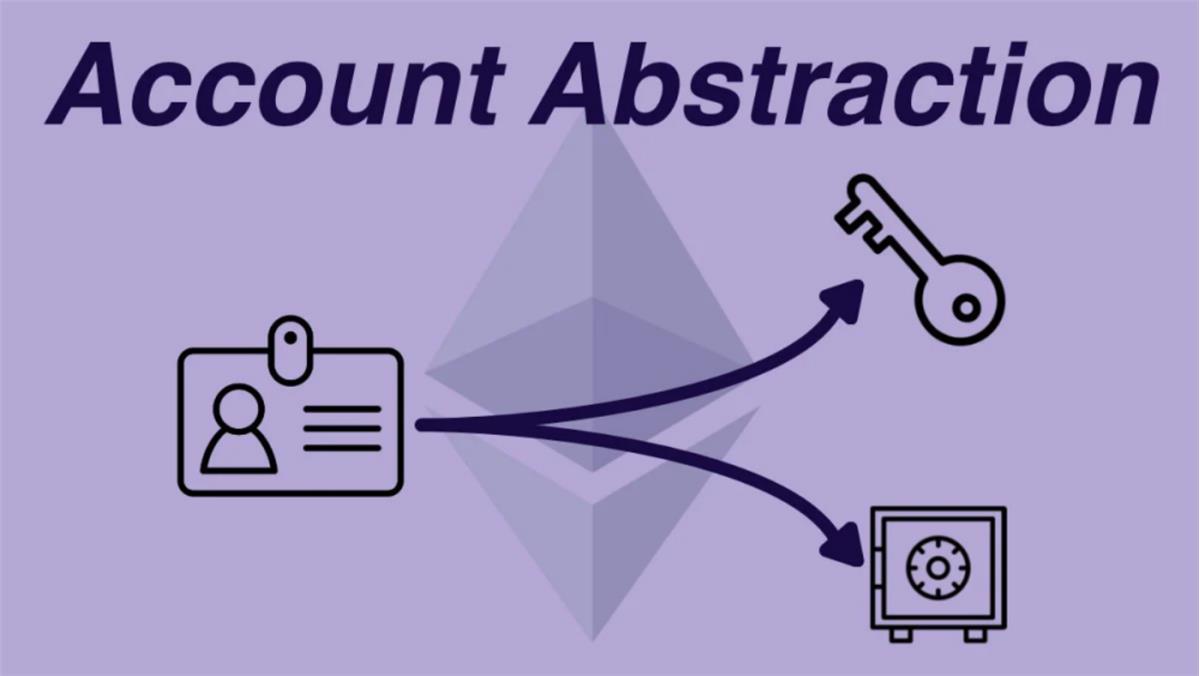
Account abstraction refers to a type of contract account that combines the advantages of both existing contract accounts and externally owned accounts (EOAs). Compared to MPC, AA offers greater flexibility in contract design, easier customization of logic, and always-on availability. With AA wallets, transactions are first validated through an entry point contract before execution proceeds.
The emergence of account abstraction marks a significant advancement for Web3 wallets. By introducing on-chain programmability via smart contracts, AA enhances wallet flexibility. It supports custom rules, allowing signature algorithms beyond the standard ECDSA—such as BLS or EdDSA—to better meet specific application needs. With AA, it's even possible to have signature authorization separate from the account itself, enabling separation of permissions and identity with recoverability. This not only mitigates the previous dilemma of “losing private key equals losing identity,” but also facilitates DID (Decentralized Identifier) design.
Highlighted Projects
1. Argent
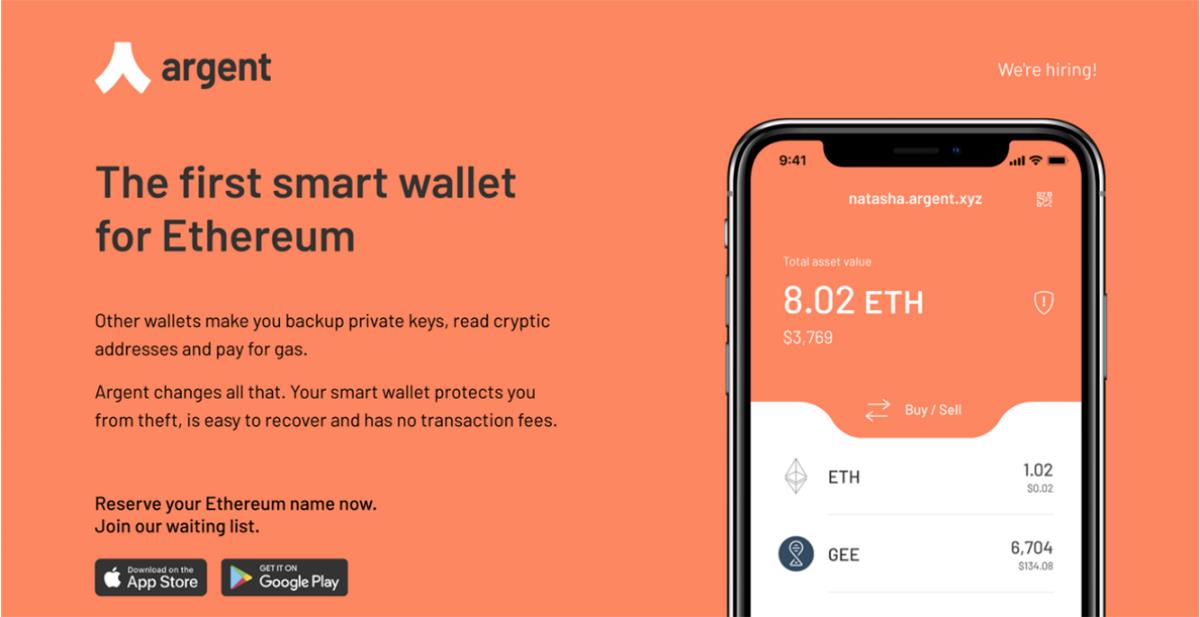
Argent is a Layer 2 wallet active on the Ethereum chain, offering seamless transfers of Layer 2 assets back to Layer 1 at low cost and high speed. Its main features include:
-
Social Recovery: Argent’s social recovery allows users to restore their wallets by connecting with trusted contacts. This makes wallet recovery much easier without needing to remember complex recovery phrases or private keys.
-
No ETH Required for Gas Fees: Argent uses MetaTransaction technology to enable users to send transactions without holding ETH. Specifically, Argent leverages an intermediate service called the “Gas Station Network (GSN)” to pay gas fees on behalf of users, deducting the corresponding amount from their accounts later.
-
Attack Detection: Argent employs its proprietary “Guardians” smart contract to automatically detect and prevent phishing attacks, malware, replay attacks, etc. For instance, if a user receives an email or text message appearing to be from Argent, the Guardians contract verifies whether it originates from an official channel. If not, the contract automatically blocks any transaction attempts linked to that message.
In terms of funding, Argent has completed three rounds totaling $56 million: $4 million in seed funding in 2018 led by Index Ventures; $12 million in Series A in 2020 led by Paradigm; and $40 million in Series B in April 2022 co-led by Fabric Ventures and Metaplanet.
Starting from the core principle of security, Argent eliminates the concepts of private keys and recovery phrases, instead relying on features like social recovery to ensure user ownership while lowering the barrier to entry. However, compared to other wallets, Argent does not allow easy switching across most common EVM networks, limiting its usability and hindering user retention. Currently, Argent has a relatively small user base due to factors such as ZK network instability and limited support for storing and trading multiple cryptocurrencies.
Website:
https://app.vedao.com/projects/f6b1e727985306e0a486e5ce72b9f5c35608550508ea21652c47b014bba391fb
2. Unipass

UniPass is a crypto wallet that eliminates the need to remember recovery phrases. Its email-based social recovery solution allows users to easily regain access when their account is lost or compromised. Designed to deliver a Web2-like user experience, UniPass aims to provide a smooth onboarding path into Web3. Key features include:
-
ERC-4337 Compatibility: Users can activate ERC-4337 compatibility mode by adding a 4337 module transaction in the MainModule. Once activated, transactions are submitted to a Bundler and verified via standard ERC-4337 procedures. Users can also sign UniPass transactions and submit them to a Relayer for on-chain processing.
-
Email Recovery: Users can designate multiple email addresses as guardians. Submitting a recovery request via these emails to the on-chain smart contract enables wallet recovery. When a user has more than two guardian emails (including the primary), they can immediately recover their account using any two. With only one guardian email, recovery typically requires a 48-hour waiting period.
-
Gasless Experience: UniPass provides a default relay node that accepts gas payments in native tokens or major stablecoins.
Website:
https://app.vedao.com/projects/c2ab33d4aefdf9e6e26c0562cadc0893d9bd08b4813e472081c555f6cf6ff472
3. ZenGo
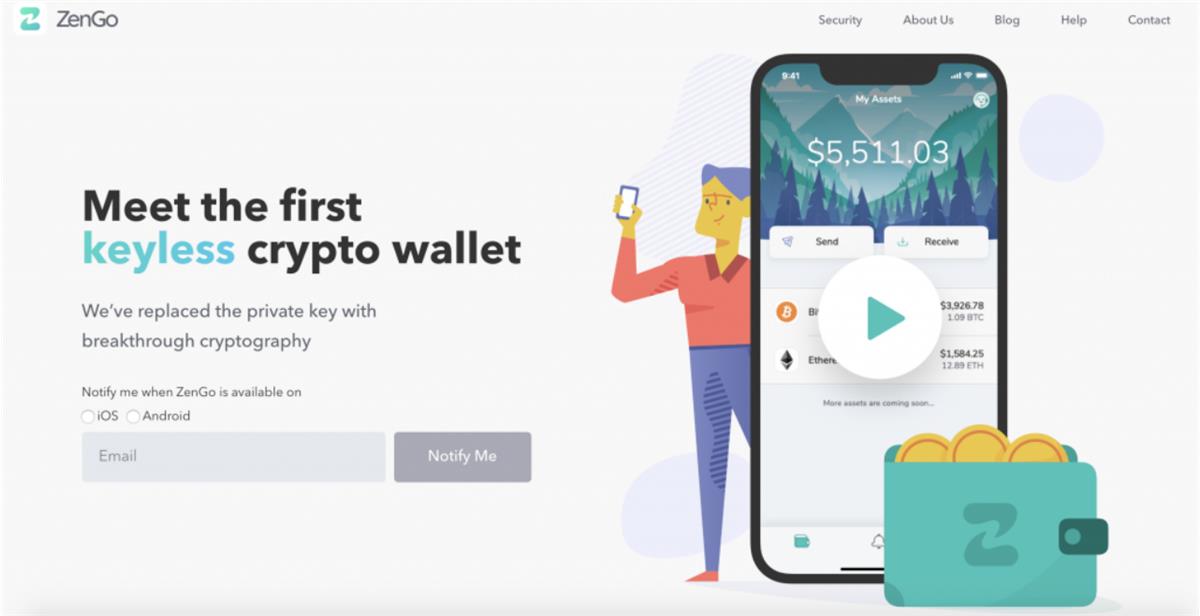
ZenGo is the first keyless cryptocurrency app wallet, leading in security and biometric authentication technologies. Unlike other wallets, ZenGo removes technical barriers—users can set up their wallet with just an email address and fingerprint lock, eliminating the need for private keys.
Using various security tools—including biometric encryption, multi-factor authentication, and multi-party computation—ZenGo operates as a keyless non-custodial wallet. This keyless security system ensures no single point of failure; even if one of the MPC shares is compromised, users’ crypto assets remain secure.
From a funding perspective, in February 2023, ZenGo raised $10 million in an extended Series A round via convertible notes, with plans for a Series B later this year. After this round, ZenGo’s valuation stood at $100 million—unchanged from its post-Series A valuation two years prior. ZenGo previously closed a $20 million Series A in April 2021, with investors including Insight Partners, Austin Rief Ventures, and Samsung Next.
However, for some traders, the absence of private keys raises concerns. Additionally, not all ZenGo features are globally available—certain third-party payment services are region-specific.
Website:
https://app.vedao.com/projects/c17fefd234405be1094f947e0cd8cf1909ce2e72b69aabf0841cffec15971b20
4. OKX Web3 Wallet
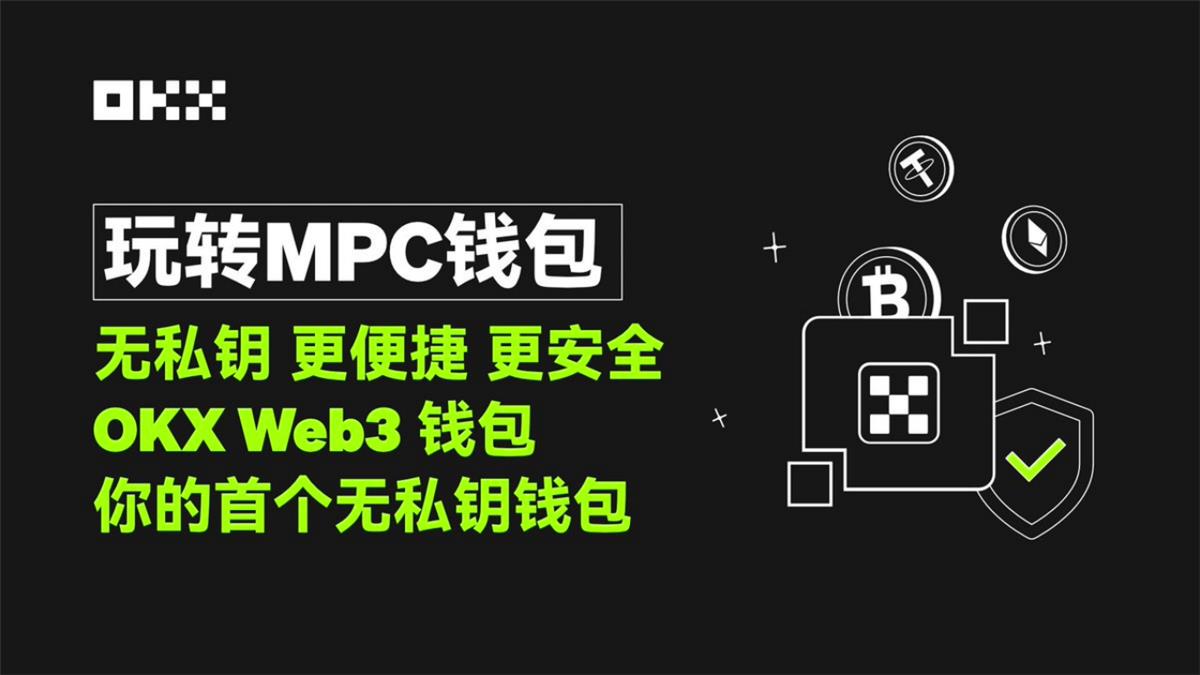
OKX Web3 Wallet has made remarkable technological strides in 2023—launching an MPC keyless wallet in April and an AA smart contract wallet this month. Jason Lau, OKX’s Chief Innovation Officer, stated that OKX aims to provide users with the most convenient, secure, and powerful Web3 platform, and both the MPC keyless wallet and AA smart contract wallet will play crucial roles in achieving this goal.
The OKX MPC wallet offers significant security advantages:
-
Protection Against Hacking: The OKX MPC wallet splits the private key into three shards, with only one shard stored on the user’s phone. Even if a hacker gains access to one shard, they cannot obtain the full key, thereby protecting user funds.
-
Decentralized Asset Storage: Since OKX holds only one shard and has no authority to unilaterally access user assets, it is a truly non-custodial wallet.
-
High Private Key Security: Even though OKX holds one shard, users can still reconstruct the full private key using shard 2 from their phone and shard 3 from iCloud—even if OKX suffers an outage—without requiring exchange approval or assistance.
-
Convenient Transfers: In daily use, users can easily transfer funds using shard 1 (held by OKX) and shard 2 (on their phone).
-
Easy Recovery of Recovery Phrase: With the OKX MPC wallet, even if the phone is lost or damaged, users can still recover their recovery phrase—and thus their wallet and assets—using shard 1 held by OKX and shard 3 backed up in iCloud or Google Drive.
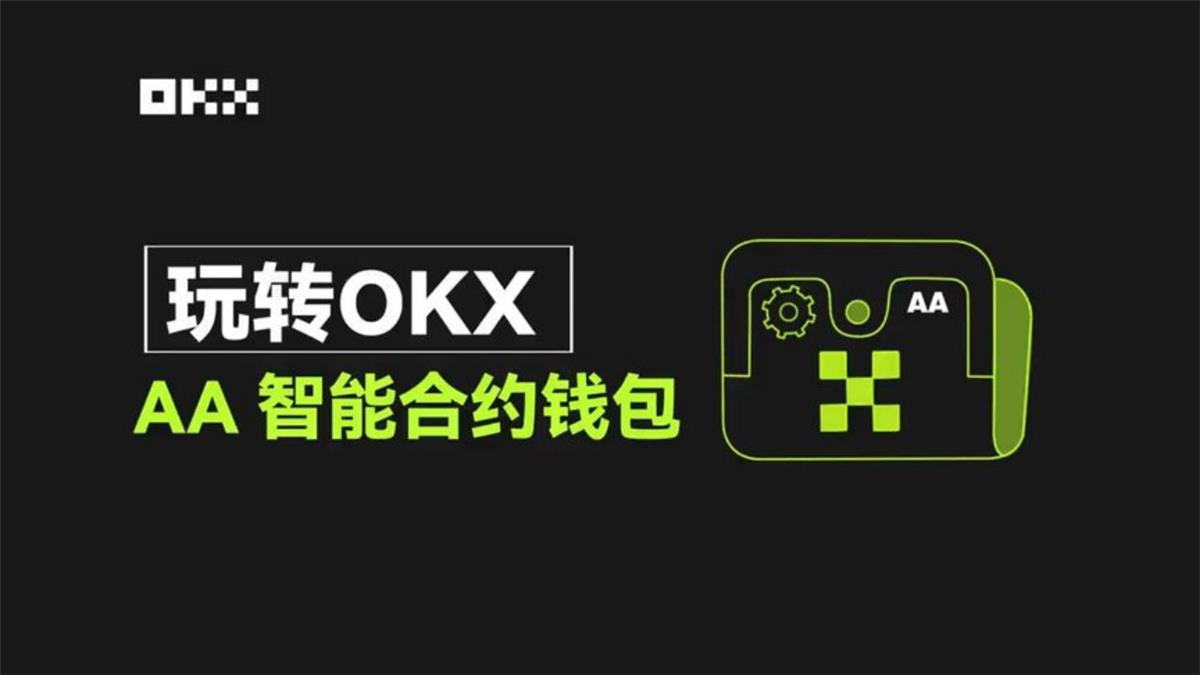
Built on account abstraction technology, the OKX AA smart contract wallet simplifies the complexity of blockchain transactions. One of the biggest pain points for users—complex transaction processes and understanding technical terms like “Gas Fees” and “Gwei”—is addressed by reducing multi-step actions (like token swaps or staking) to a single click. Specific advantages include:
-
Gas Fee Convenience: Users don’t need to use native chain tokens to pay gas. They can use stablecoins like USDC/USDT. When interacting with DApps via the Discover browser or web interface, third parties can even pay gas fees on their behalf.
-
Simplified Steps: The AA smart contract wallet consolidates multiple stages involved in DEX, DeFi swaps, and staking into a single step—users can complete a token swap and start earning interest with one click.
-
More Intuitive and User-Friendly Experience: Through the AA smart contract wallet, users can interact with multiple contracts in a single transaction—greatly enhancing usability for both advanced users with complex needs and beginners seeking simplicity.
-
Future updates will support additional features like social recovery, allowing users to recover their accounts through trusted contacts even after losing access. OKX Web3 Wallet is not only the first wallet to support account abstraction across seven major public chains—Ethereum, Polygon, Arbitrum, Optimism, BNB Chain, Avalanche, and OKTChain—but also the first to implement MPC technology across 37 public chains. By splitting private keys into three parts, it eliminates the need for manually recording private keys or recovery phrases, greatly improving security and removing single points of failure.
Website:
5. Hyperpay
HyperPay is the world’s first multi-ecosystem digital asset wallet integrating custodial wealth management wallets, decentralized self-custody wallets, HyperMate hardware wallets, and co-managed wallets. It provides users with one-stop services including asset custody, wealth appreciation, and payment solutions. To date, HyperPay supports 57 public chains in its custodial wallet, 34 in its self-custody wallet, and 17 in its HyperMate hardware wallet. The platform serves over one million users, manages over $1 billion in assets, and has processed more than 310 million transfers.
HyperPay ensures user asset security across four dimensions: wallet-level security, user operation security, server security, and developer security. HyperPay’s custodial service provider, HyperBC, holds a Lithuanian crypto asset custody license, meaning funds held on the HyperBC platform are subject to financial institution oversight.
Join TechFlow official community to stay tuned
Telegram:https://t.me/TechFlowDaily
X (Twitter):https://x.com/TechFlowPost
X (Twitter) EN:https://x.com/BlockFlow_News
 @TrendX_official