Exploring differentiated competition strategies for wallets: drawing inspiration from successful products in the previous phase
TechFlow Selected TechFlow Selected
Exploring differentiated competition strategies for wallets: drawing inspiration from successful products in the previous phase
Wallets connect users, developers, DApps, and multiple chains, serving as the "hub" of the Web3 world.
 Navigating Web3 tides with focused insights
Author: Ivy Zeng, Youbi Capital
1. Wallets Face Homogeneous Competition and Need Differentiation
Wallets connect users, developers, DApps, and multiple blockchains, serving as the "hub" of the Web3 world. As the user interface (UI) layer to the blockchain, wallets are closest to end-users, and their critical role is unquestionable.
However, current wallet products suffer from severe homogenization. Features such as multi-currency support, multi-asset management, multi-chain compatibility, multi-signature capabilities, integration with numerous DApps, and instant swaps have become standard. Market understanding around seedless solutions—such as MPC and Account Abstraction—is also converging. For most wallet projects aiming to break new ground, identifying a new direction and establishing differentiated positioning is essential.
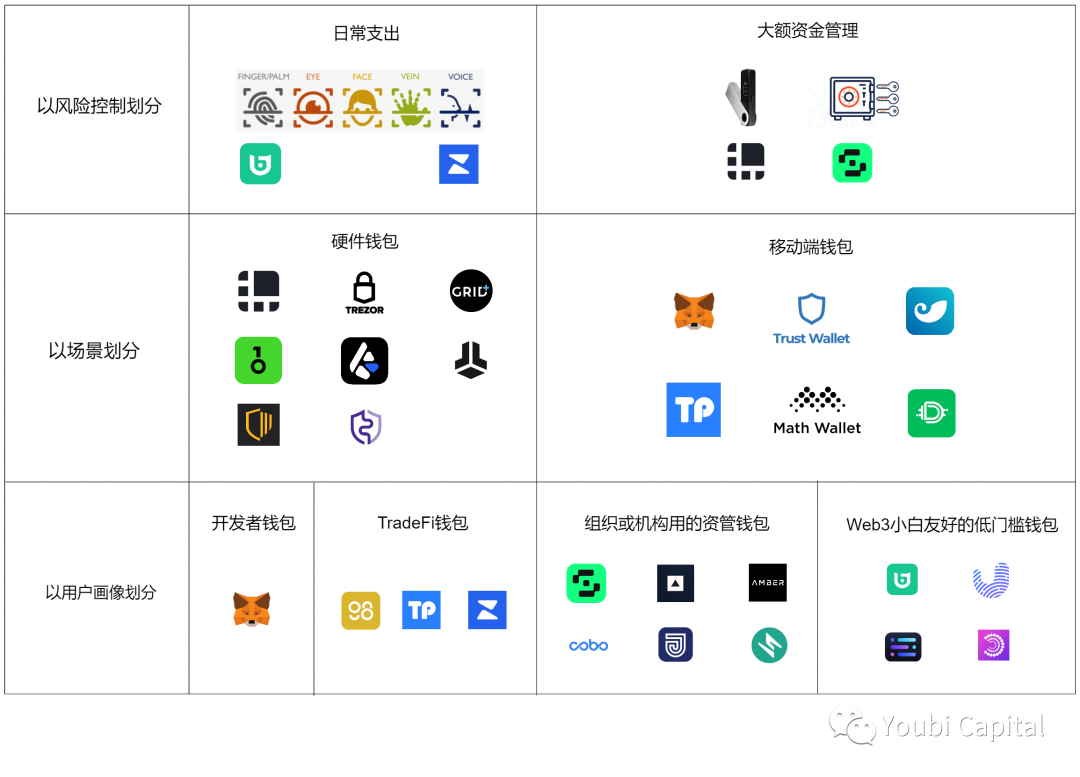
Differentiation in wallets can be achieved through strategic segmentation:
-
By risk control: Wallets are evolving into tiers based on asset size. High-value accounts may trend toward multi-signature or hardware wallet setups for enhanced security, while low-risk daily spending can rely solely on mobile biometric authentication for access and recovery.
-
By use case: Wallets can be categorized as hardware wallets, institutional asset management wallets, mobile wallets, browser extensions, or SDK-embedded wallets integrated within dApps.
-
By user persona: Examples include developer-friendly wallets like MetaMask; organizational/enterprise wallets such as Safe and Safeheron; TradeFi-centric wallets focused on trading like TokenPocket, Zerion, and C98; and the focus of this article—low-barrier wallets designed for Web3 beginners.
Low-barrier wallets (defined as wallets that allow Web2-style login, authentication, and default custodial onboarding for new users) are key to breaking conversion bottlenecks. To achieve mass Web3 adoption, users must be onboarded in ways they can easily understand, thereby improving the conversion rate from Web2 to Web3.
Figure: Wallet Differentiation Positioning
2. Which Products Captured the Market in the Previous Phase? What Features Made Them Successful?
2.1 Which Low-Barrier Wallets Performed Well in User Data?
Low-barrier wallets can be further segmented by deployment model: standalone apps or SDK-integrated solutions embedded into other dApps, such as:
-
Mobile wallets: TokenPocket, Zerion, Bitizen
-
Login and wallet middleware solutions: Particle Network, Web3Auth
2.2.1 Mobile Wallet – TokenPocket
TokenPocket is a multi-chain self-custody wallet primarily focused on mobile platforms. It supports all EVM-compatible chains, offers intuitive front-end interactions, and emphasizes ease of use. As the crypto industry evolved through different phases, TokenPocket’s positioning shifted—from a simple utility tool to a traffic gateway, and eventually to a full-fledged public chain ecosystem service platform. Key features include:
-
Simple swap, trading, and cross-chain asset transfers on mobile
-
Polished front-end UX with seamless multi-chain operations, easy network addition, convenient DApp access, node switching, and token management
-
Integrated DApp browser enabling access to any DApp link
-
-
Aggregation of market data within the app increases user stickiness
-
Supports both EOA and contract-based multi-signature wallets
TokenPocket's Evolution Path
-
2017: Positioned as a mobile wallet focused on perfecting core functionalities
-
2018–2021: During the DeFi boom, TokenPocket pivoted to become a DeFi traffic gateway—offering DeFi market data, a DApp browser, customizable networks for ETH-compatible chains—focusing on 1) serving major public chains (e.g., ETH, BSC, Solana, Polygon, Polkadot, Tron, EOS) and DeFi projects (e.g., Uniswap, Sushiswap, YFI); 2) becoming the first wallet to locally optimize Uniswap and similar DeFi protocols, launching a dedicated DeFi channel with price charting and alerts
-
2021–Present: Amid the dApp explosion, TokenPocket repositioned itself as a Web3 ecosystem gateway and multi-ecosystem service platform; product strategy includes a triad of wallet offerings (mobile, extension, hardware) plus on-chain products (Degrees Transit Swap, TransitNFT)

2.2.2 Mobile Wallet – Zerion
Zerion is an open-source mobile wallet known for its watchlist functionality (tracking address transactions).
Zerion's Evolution Path
Zerion initially positioned itself as an on-chain data analytics service—"Track your entire crypto portfolio across every wallet you own." After falling behind competitors in on-chain data parsing, it shifted focus to the mobile wallet space. By sourcing external data APIs, Zerion redirected engineering efforts from data processing to product optimization.
The product excels in user-friendliness regarding UI, interoperability, efficiency, cost, security, and privacy. Its watchlist feature maintains an edge in deep user engagement and retention. For end users, Zerion lowers barriers: creating a wallet without immediate seed phrase backup, followed by clear, conversational risk warnings that serve as user education. Fingerprint and password login provide strong perceived security.

2.2.3 Mobile Wallet – Bitizen
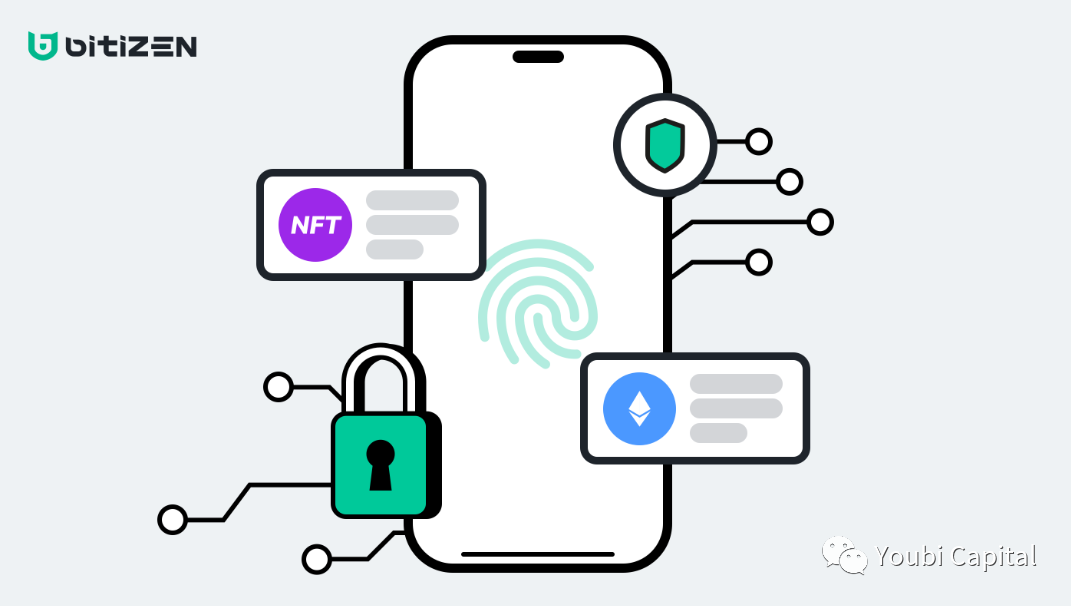
Bitizen is an MPC-based mobile wallet emphasizing login and private key security.
Bitizen's Evolution Path
Bitizen has evolved rapidly, both technically and in go-to-market speed. Starting as a pure MPC, no-seed-phrase wallet relying on biometrics, it has matured into a Web3 ecosystem gateway. The product remains simple and direct—its DApp browser is basic but highly user-friendly, and FaceID/fingerprint login delivers strong security assurance.
2.2.4 SDK Wallet – Particle Network
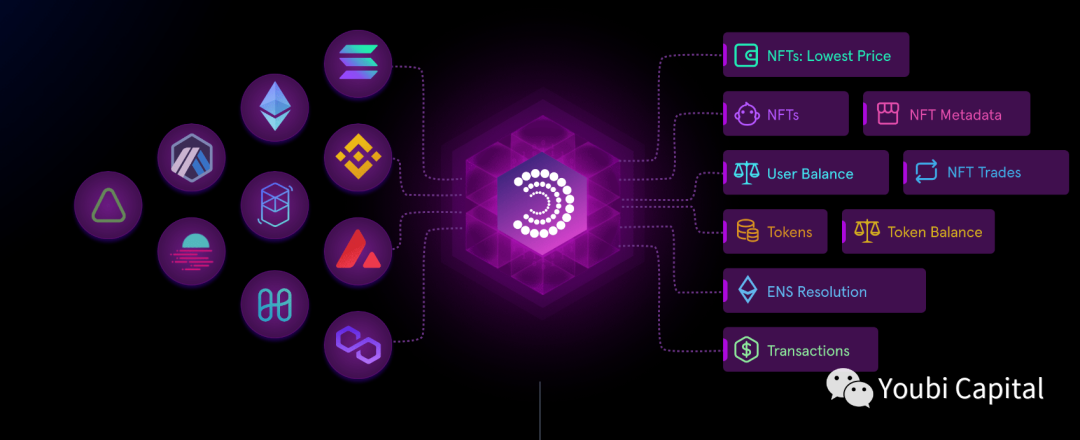
Particle Network positions itself as a login and wallet middleware platform.
Managing multiple addresses across chains can feel like holding wallets in one hand while trying to plug various devices into a tangled mess of cables on a desk—complex and error-prone. Particle now acts like a hub: enabling a single account to manage multi-chain assets and transactions. Users don’t need to understand the underlying chains—all they need is to connect via the Particle SDK.
2.2 What Needs Do These Products Fulfill? What Are Their Optimized Characteristics?
Mobile wallets directly target consumers (C-end), whose needs boil down to three things: security, usability, and earning potential.
-
Security is always top priority for all users (transaction + account safety).
-
Usability refers to overall product experience, including smooth transaction flow and intuitive front-end interaction.
-
Earning potential means “saving gas” and “generating investment returns.”
SDK wallets operate in a B2B2C model.
First, lowering understanding and operational costs: Users don’t need to comprehend the underlying chains—just connect via SDK. Second, reducing time-to-market for project teams, allowing developers to focus on business growth. Particle SDK offers comprehensive features, reducing dApp project GTM time by an average of 82%. For example, fiat on/off-ramp APIs spare dApp builders from compliance, licensing, and KYC complexities. Additionally, lowering user learning curves: users can log in via email OTP without managing seed phrases.
Although wallets face end users directly, most new Web3 users will encounter them through B-end applications—the wallet pre-integrated by the dApp becomes the default choice. Thus, serving B-end clients well is crucial.
While Particle Network and Web3Auth differ in specific modules, both are fundamentally SaaS platforms. For SaaS customers, the top three priorities are: product functionality, ease of use, security capability, and support services.
-
Product Functionality
-
Core wallet functions: balance inquiry, send/receive assets, fiat on/off ramps, in-wallet swaps, DApp browser, ecosystem gateway, market data display, etc.
-
Project management features: visual dashboards, data tracking, analytics, etc.
-
-
Usability: Refers to how easily B-end developers can integrate the SDK
-
Security Assurance
-
Asset security: For custodial wallets, holding user assets is a heavy responsibility; for non-custodial wallets, sufficient warnings and user education must be provided
-
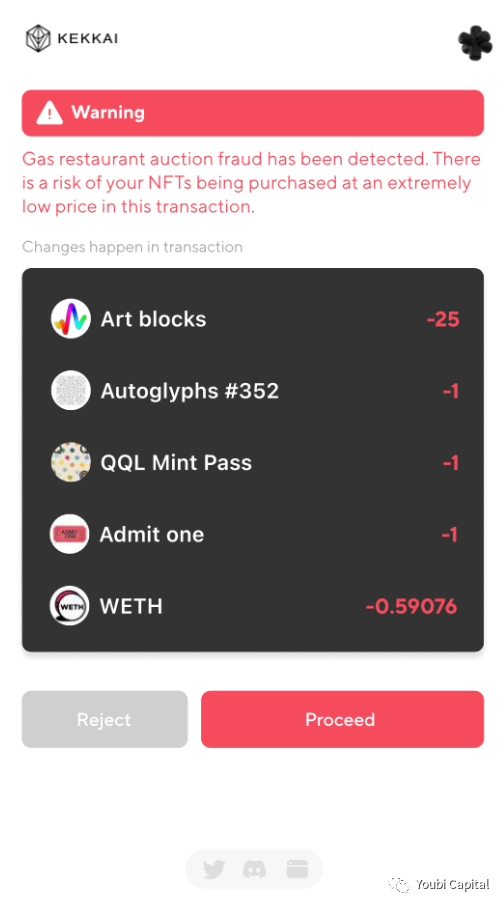
Transaction security: At signing, the wallet should present human-readable warnings so users can make informed decisions about whether to proceed
-
Figure: KEKKAI security plugin simulates transactions and provides human-readable transaction alerts
-
Service Capability is increasingly valued by B-end dApps. This includes rapid issue resolution, continuous feature updates, vulnerability handling, and responsive maintenance.
2.3 Key Success Factors from the Last Phase
Enter niche markets and occupy unique ecological niches. For example, TokenPocket focused on mobile DeFi interactions, leveraging rich in-app content and ecosystem integrations to boost user retention, becoming a mobile Web3 gateway. Zerion capitalized on its watchlist strength to quickly capture a segment in the DeFi wallet space. Web3Auth specializes in Auth modules, while Particle positions itself as a middleware platform.
Stay close to the market, understand user needs, and adapt to trends. TokenPocket captured demand across three crypto cycles: perfecting basics in 2017, supporting top-tier chains and DeFi protocols from 2018–2021, and meeting post-2021 demands for a Web3 ecosystem gateway and multi-platform service. Similarly, SDK wallets recognize that B-end projects prioritize fast GTM, requiring easy integration and high UI customization flexibility.
Emphasize sales and after-sales service. These services are part of product competitiveness and help increase user stickiness. For instance, TokenPocket’s founder actively engages with users in forums and communities—a necessity given the high frequency and granularity of feedback from mobile wallet users.
Identify key individuals to open markets. As middleware, wallets require talent skilled in developer relations—building partnerships with developer community leaders, driving traffic, understanding developer needs, forming alliances with more dApps, and staying closely aligned with market dynamics.
Strong product power builds brand advantage. Superior product quality enhances user retention, attracts developers, fosters a rich ecosystem, creates network effects, strengthens brand identity, and widens competitive moats.
3. How Can Wallets Capture Incremental Markets in the Next Phase?
The long-term strategy for wallet products is to swiftly respond to market demands, acquire B-end users, establish a product loop, and sustainably iterate products and services through revenue, funding, and user feedback—snowballing the gap with competitors.
Specifically, low-barrier wallets can gain incremental market share by focusing on usability, sales/service, and branding.
3.1 Usability
3.1.1 Developer-Friendly
SDK wallet projects must be developer-friendly—minimizing developers’ time-to-market, eliminating cumbersome onboarding processes, and allowing dApp teams to focus on core business growth. Developer-friendliness encompasses compatibility, flexibility, and ease of integration.
-
Compatibility: Support for multiple blockchains.
-
Flexibility: High degree of UI customization. For example, many mobile games use landscape mode, whereas most wallets are portrait-oriented. Displaying a portrait login screen during a landscape game creates friction—thus, customizable UI is vital. However, developers also expect foundational design assets, ideally modular building blocks they can adapt to their app’s needs.
-
Usability: Simple SDK integration process with a friendly interface. Ideally, even Web2 developers new to Web3 should be able to integrate effortlessly.
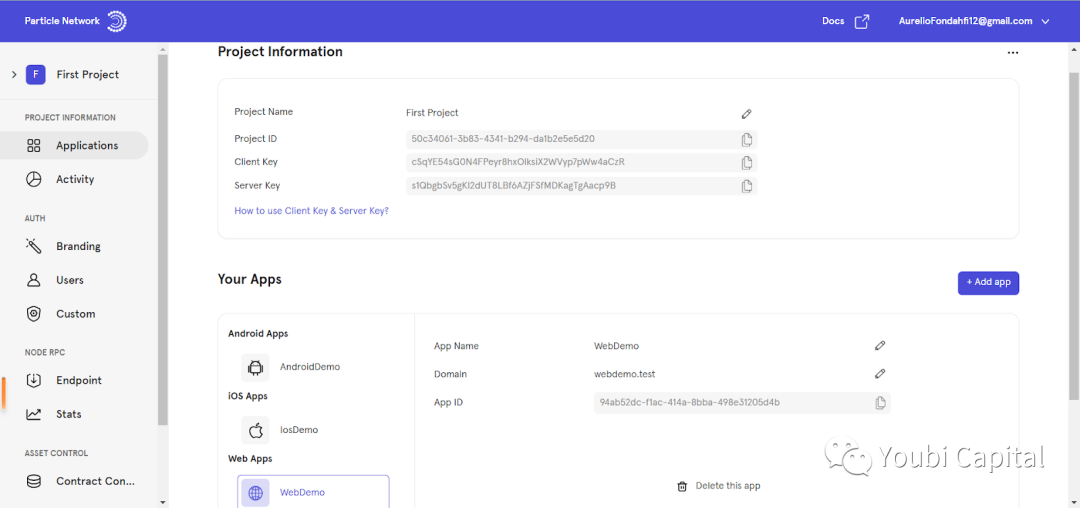
Figure: B2B SaaS Dashboard (featuring project management, UI customization, user tracking modules)
3.1.2 End-User Friendly
For Web3 beginners or retail users, product managers must reduce usage barriers. Technology implementation should not be about developer ego—it should start from real user pain points.
Common pain points include single point of failure and transaction risks. Single point of failure refers to poor seed phrase management leading to theft. Transaction risk stems from unreadable public keys and cryptic signature messages—users often don’t know what they’re authorizing.
Solutions include:
First, lower user learning curve: Implement seedless wallets or initial custodial models, upgrading to self-custody only when users gain sufficient knowledge. Smart contract wallet Unipass eliminates seed phrases while offering flexible transition paths from custody to self-custody.
Second, reduce risk management burden: Integrate built-in security modules that analyze transaction details, block suspicious activity, simulate and preview signed outcomes, and provide clear warnings so users can decide whether to proceed—preventing scams and phishing.
Third, reduce account recovery costs: Unlike EOA wallets, smart contract wallets can rotate control addresses. A user can transfer contract ownership to another address (e.g., a MetaMask wallet), akin to using Gnosis Safe with 1-of-1 signing. Unipass enables email-based social recovery for account restoration [1].
3.2 Sales / After-Sales Service
Sales and after-sales service reflect product strength. Once common issues accumulate and user base grows, these services can be productized. Delivering high-quality, responsive support builds reputation and trust.
3.3 Branding
Brand strength can be roughly assessed via existing user count, transaction volume, partnered dApps, and backing institutions. Strong brands increase user loyalty, attract newcomers, reduce sales costs, build ecosystems, and create competitive barriers. Strategies to enhance brand equity include:
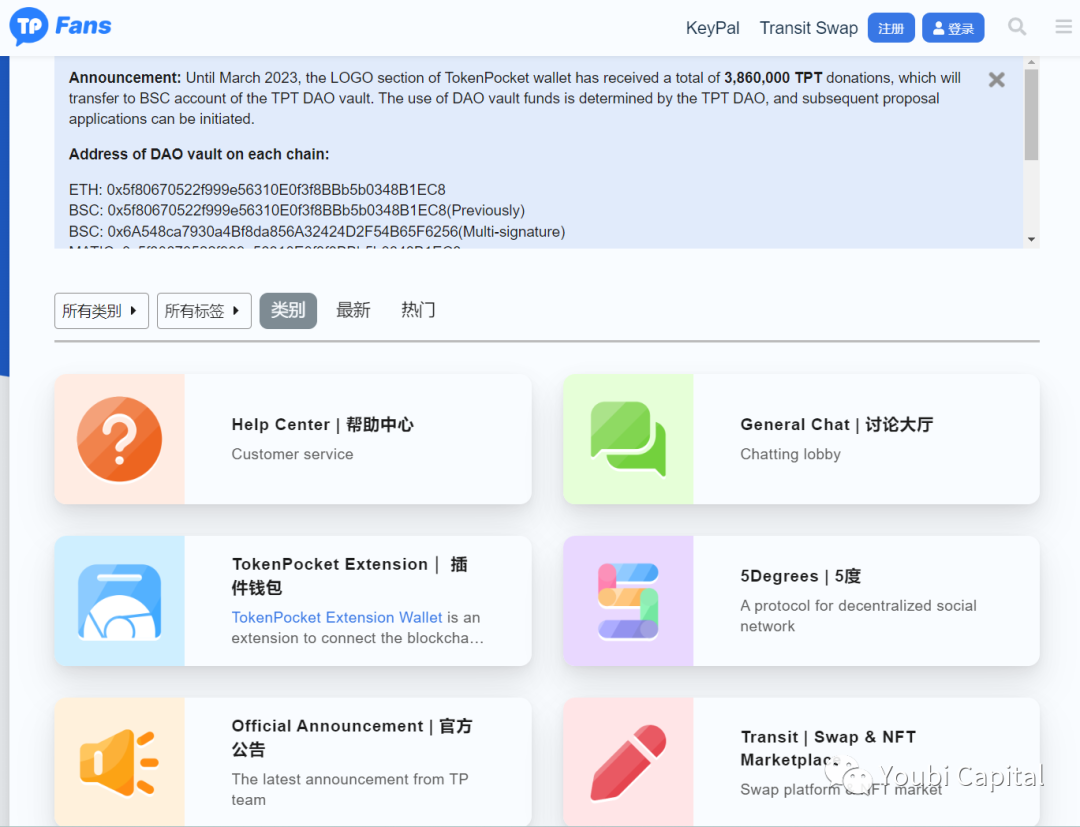
First, form strategic partnerships with prominent players through incentive alignment. Use tokens as tools to bind interests with B-end partners. For example, wallet projects can distribute governance tokens as rewards to dApps for driving new user registrations or active trading addresses. Create shared data value mechanisms and tiered analytics services to boost loyalty and unlock new monetization paths. Leveraging direct connections to users and dApps, wallets can co-create data-sharing frameworks—offering universal, professional, tiered analytics to users and API services to developers. This transforms users into community co-creators, aggregates expert data users, and opens new value capture channels. For example, TokenPocket turns users into community ambassadors ("TP Heroes"), building fan-like community relationships and strengthening engagement.
Figure: TokenPocket Community
Second, strengthen social attributes, accumulate user data, deepen engagement, drive network effects, and combat homogenization. If Edge or Chrome adopted EOA wallets, MetaMask would lack defensibility due to negligible migration costs. In contrast, contract wallets continuously accumulate financial and non-financial user data. The more data accumulates on an account, the more valuable it becomes to the user—increasing stickiness and migration costs. Moreover, contract wallets play a crucial role in user growth—for example, tracking KOL-led campaigns. Going forward, smart contract wallets that accumulate user data will gain sticky advantages and network scale effects amid fierce competition.
Third, evolve into an independent ecosystem service platform centered around the wallet. As systems abstract complexity through modularity and APIs, they become invisible infrastructure—enabling diverse applications, much like Android’s evolution. For instance, Safe offers open-source Account Abstraction SDKs, suggesting AA modules may become public goods. Safe is gradually shifting toward modular, extensible account protocols with shared plugin interfaces, aiming to build a full protocol stack [2].
4. Conclusion and Outlook
Looking back at high-performing products from the last phase: mobile wallets strengthened user stickiness through product excellence and content richness. SDK wallet features—like MPC, TEE (which can be sourced), and open-source Account Abstraction SDKs becoming public goods—are now widely understood. Hence, SDK wallets now compete primarily on B-end partnership strength and pre/post-sales service capabilities.
In the next phase, compared to EOAs, we believe contract wallets—with richer base functionalities—hold distinct advantages. By enhancing social traits, accumulating user data, increasing stickiness, and generating network effects, they can overcome homogenization. Therefore, contract wallets that have strong branding, are simple to integrate, offer excellent technical support, are upgradeable, and capable of accumulating user data will emerge victorious.
Join TechFlow official community to stay tuned
Telegram:https://t.me/TechFlowDaily
X (Twitter):https://x.com/TechFlowPost
X (Twitter) EN:https://x.com/BlockFlow_News
 Youbi Capital