Opinion: Collaboration between Web3 and Web2 brands is not the key to driving mass adoption of NFTs
TechFlow Selected TechFlow Selected
Opinion: Collaboration between Web3 and Web2 brands is not the key to driving mass adoption of NFTs
Most brand collaborations in Web3 are terrible, with 48 hours of hype forgotten a week later.
 Navigating Web3 tides with focused insights
Written by: Hunter Solaire
Compiled by: TechFlow
Most brand collaborations in Web3 are terrible—48-hour hype that’s forgotten a week later. How can brands succeed in the NFT market? This is the key question facing many brands and enterprises today. This article explores the significance, challenges, and prospects of brands entering the NFT market in the Web3 era, along with the critical factors and strategies for achieving mass adoption.
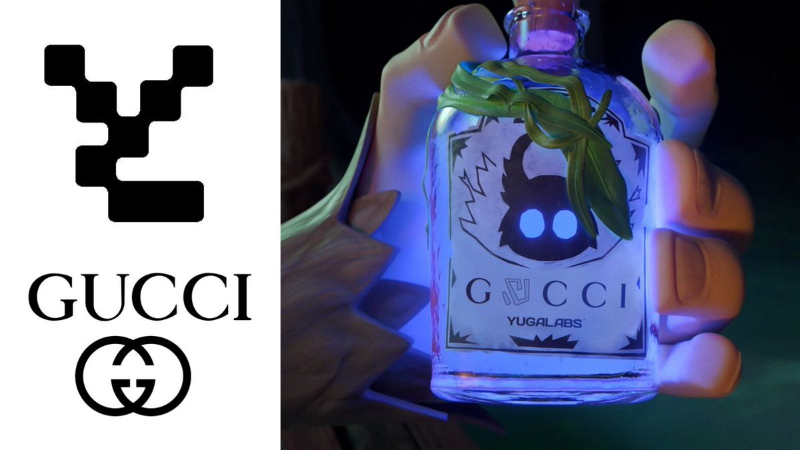
If you haven’t noticed, Gucci has announced a collaboration with Yuga Labs. The goal is clear: increase engagement between the two communities.
Will it achieve its intended effect?
Back in 2021, people were wildly excited about any brand entering Web3. Brands didn't need to do much at all. Just saying "WAGMI" was enough to convince some of us that the future had arrived.
But since then, we’ve learned two things.
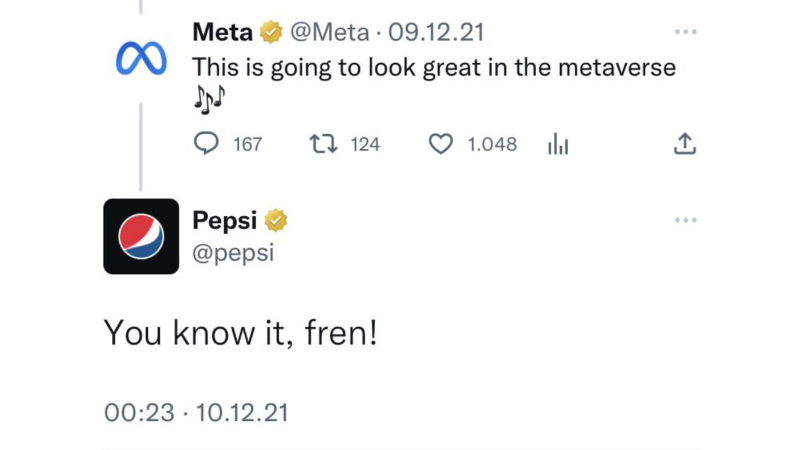
1. Effort Determines Results
Most brands jumped on the NFT bandwagon, putting in minimal effort—and getting back exactly what they invested: almost nothing in return.
Many such brand collaborations have already been forgotten. The reason is that these brands did not truly understand the needs of the NFT industry and market, nor did they create genuinely valuable content that resonates with users. These brands were merely chasing trends, attempting to gain brief exposure from the NFT market. However, this shallow and meaningless form of participation cannot bring long-term benefits to the brand.
Therefore, if brands want to succeed in the NFT market, they must take this space seriously, invest more time and resources, deeply understand the needs and expectations of core user groups, and create truly valuable content and applications.
2. Brand Entry into the NFT Market Does Not Equal Mass Adoption
The prevailing argument is that brand involvement in the NFT market will accelerate mass adoption.
However, I believe this claim is incorrect.
Brands have many objectives, and driving mass adoption of NFTs isn’t necessarily one of them. In the Web3 era, achieving true mass adoption requires a deeper understanding of the technology and the needs of the core user base. Yet brands typically prioritize their own marketing goals and interests over serving the broader needs of the NFT ecosystem.
What brands actually want to achieve is:
• Generate revenue;
• Build communities (especially among younger demographics);
• Enhance customer loyalty.
NFTs can help achieve these goals—but only if better interactive experiences are created first. Sounds simple, but it’s actually far from easy.
Roblox and Fortnite have the largest player bases today, which took years of sustained effort—not the few months many promised.
To succeed in the NFT market, brands need to build:
• Games;
• Social hubs;
• Immersive virtual worlds.
Environments where people are willing to spend hundreds of hours exploring and engaging. Currently, we lack such content and applications—but this could be the key to unlocking mass adoption in the future.
For example, in 2021, Gucci partnered with Roblox to launch Gucci Town. The results were impressive: within two weeks, their Gucci Garden attracted over 19 million visitors, and digital items sold for over $4,000—higher than the price of the physical equivalent handbag. Competing with that now is extremely difficult.
The good news is that things are changing. Otherside has conducted two test demos, drawing over 7,000 players into the same live event—an encouraging result.
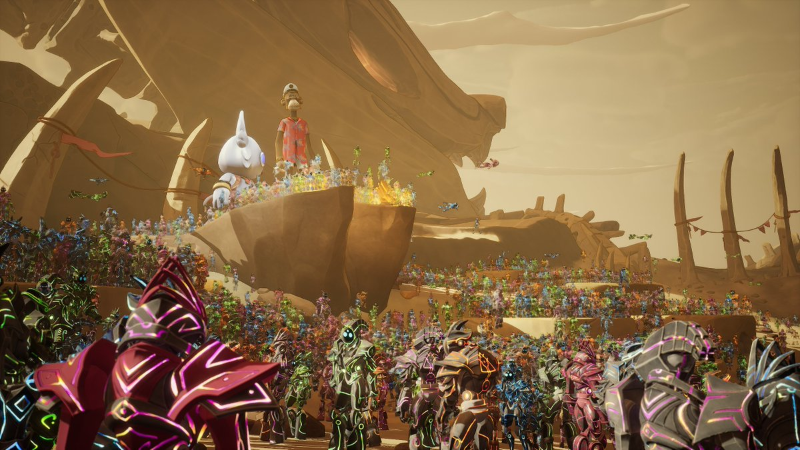
However, until we can compete with Web2 giants by offering comparable speed, quality, usability—and all the innovations blockchain enables—true mass adoption will remain a dream.
This is the right perspective. To achieve mass adoption, we must deliver excellent user experiences and achieve technical efficiency, reliability, and ease of use. This requires continuous technological improvement and upgrades, building more robust infrastructure and ecosystems, and attracting more developers and users to participate.
Moreover, to achieve mass adoption, we also need to solve many other issues, such as:
• Speed;
• Quality;
• Ease of use.
In summary, achieving mass adoption requires ongoing effort and exploration—to provide superior user experiences, stronger technical support, and solutions to related challenges. Only then can we truly bring NFTs and other Web3 technologies into the mainstream.
Join TechFlow official community to stay tuned
Telegram:https://t.me/TechFlowDaily
X (Twitter):https://x.com/TechFlowPost
X (Twitter) EN:https://x.com/BlockFlow_News
 Hunter Solaire