








Japan's Unique NFT Scene: Region and Culture Shape Distinct Aesthetics and Preferences
TechFlow Selected TechFlow Selected
Japan's Unique NFT Scene: Region and Culture Shape Distinct Aesthetics and Preferences
Thank you for the shared love of NFTs that brought us together.
 Navigating Web3 tides with focused insights
By Cookie
Different countries have different cultures, and cultural differences give rise to distinct characteristics among NFT communities worldwide. These distinctions manifest in various aspects—preferences for certain project types or aesthetics, motivations behind holding ("diamond hands"), and even fundamental views on NFTs.
Due to language differences, we don’t often perceive these cultural nuances in the general chat channels of various NFT projects’ Discord servers. However, observing conversations in native-language-specific channels provides a much more direct sense of these community traits.
This time, BlockBeats conducted in-depth interviews with several Japanese NFT enthusiasts. The interviewees included founders of blockchain gaming guilds, Bitcoin OGs who have invested in crypto for over eight years, experienced Discord moderators, and ordinary young players. Through these conversations, we gained insight into the unique features of Japan's NFT community.
"Cautiousness"
Investing in NFTs has a relatively high learning curve, which remains one of the barriers preventing new users from entering the NFT space. The Japanese tendency toward "cautiousness" keeps many Japanese people on the sidelines:
"I believe many Japanese would say, 'Wow, this NFT is cool—I want to buy it!' But then they ask: What is MetaMask? What is OpenSea? Actually getting started isn't easy. They also worry—could I fall victim to some terrible scam?"
Moreover, most primary information within the NFT ecosystem circulates in English, creating additional challenges for Japanese users in accessing timely knowledge. Therefore, localized communities are extremely important for Japanese NFT participants—and this is part of why NinjaDAO succeeded. A Japanese-language community not only helps local users access information to make informed investment decisions but also allows them to “enjoy the community” through interaction.
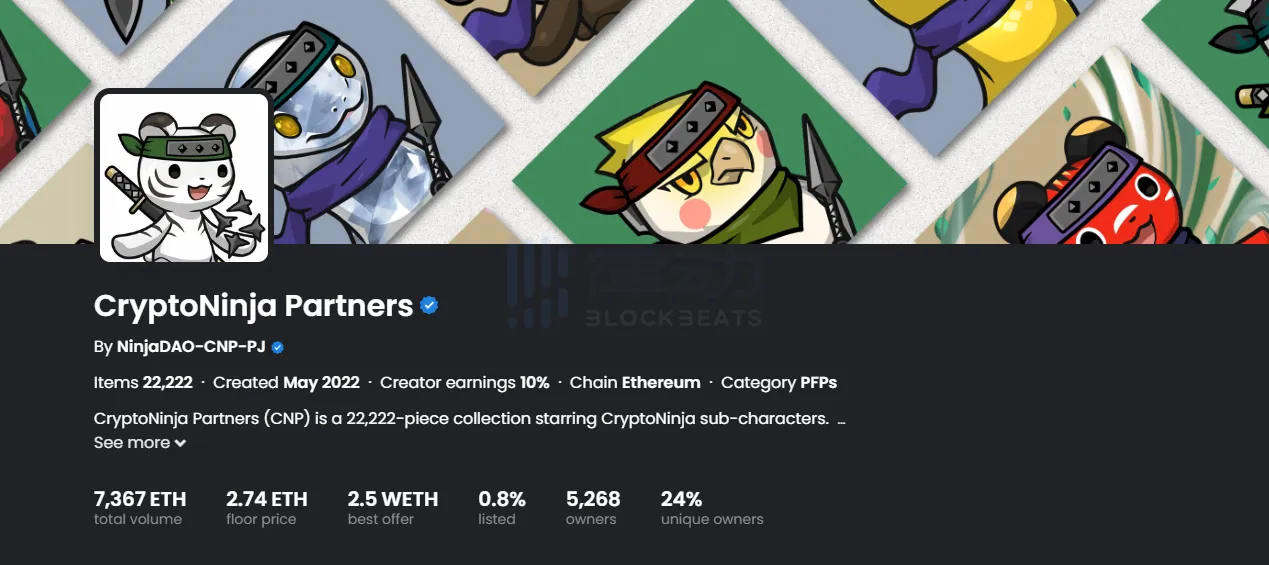
Excluding Murakami Flowers, whose influence lies mainly overseas, CryptoNinja Partners by NinjaDAO is Japan’s #1 domestic NFT project. Despite a total supply of 22,222, its listing rate stands at merely 0.8%, coupled with a floor price approaching 3 ETH—an outstanding market performance.
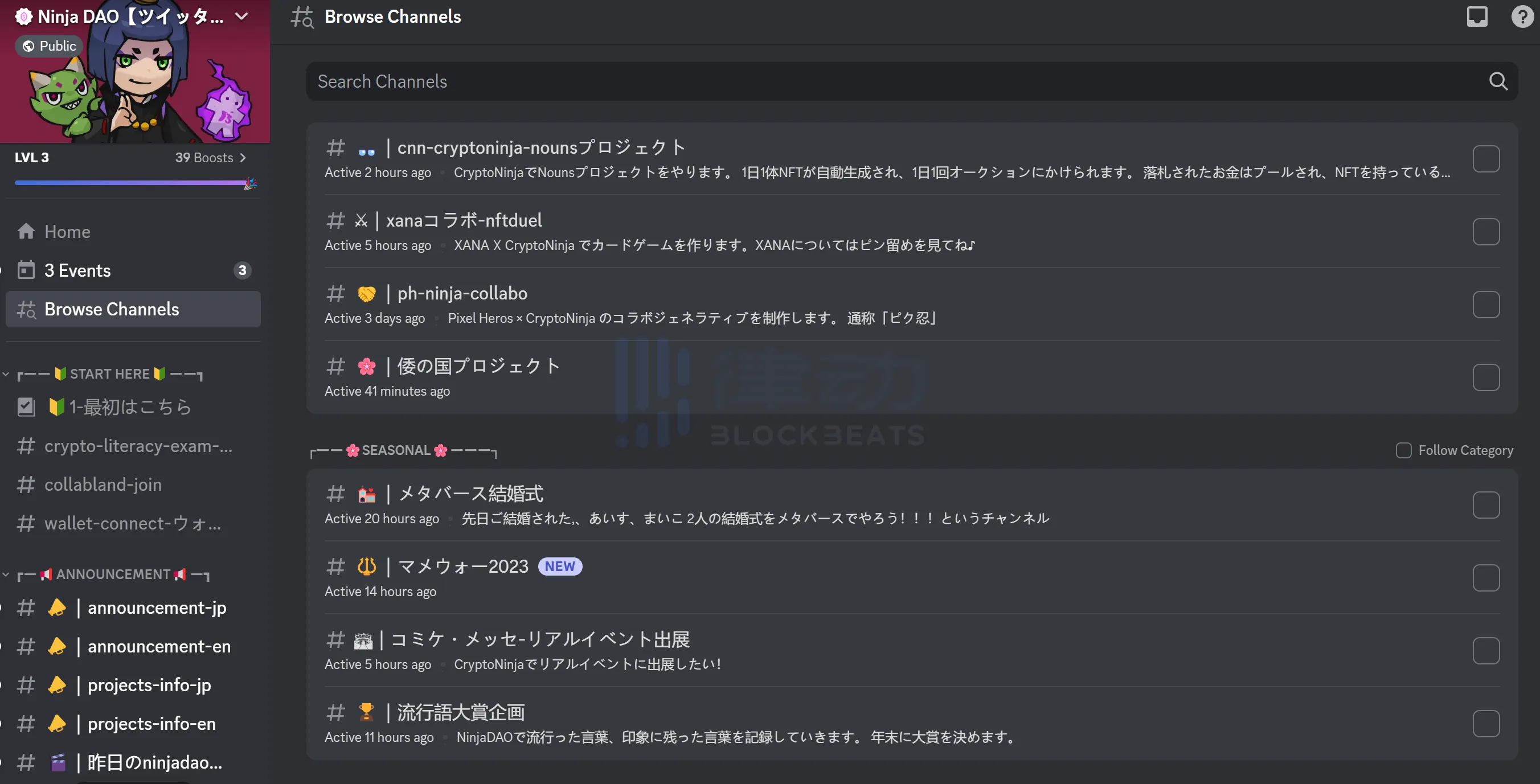
“Enjoying the community” places higher demands on Discord server management—not just serving as an information hub for a specific NFT project, but functioning as a full-fledged communication platform akin to a large BBS, with multiple sections and complex architecture that help overcome individual hesitation through collective engagement. For instance, non-Japanese NFT players may feel quite lost when first joining NinjaDAO’s server:
Low prices or even free mints are another strategy to ease such cautiousness. It's common for Japanese NFT projects to launch below 0.005 ETH (for example, CryptoNinja Partners launched at just 0.001 ETH), often using ownership of prior-project NFTs as whitelist criteria. Some respondents offered a novel interpretation of this approach—they called it "trial use," linking it to Japan’s unique otaku ("geek") culture:
"In Japan, there's a cultural habit of buying artwork created by amateur illustrators—this is what we call otaku culture. For collectors who enjoy this, the only difference between purchasing an NFT or a physical drawing might simply be paying in yen versus ETH. While NFTs are still relatively new, many buyers enter primarily for profit. Hence, trying out an NFT at low cost holds strong appeal—like sampling a small trial pack of a new cereal brand you’ve never seen before at the supermarket. If the experience proves good across all aspects afterward, players will continue investing."
Additionally, Japanese NFT projects place significant emphasis on offline events and showcasing real-world impact. Interviewees noted that while they can't confirm whether this is a deliberate strategy by project teams, it does effectively alleviate user caution:
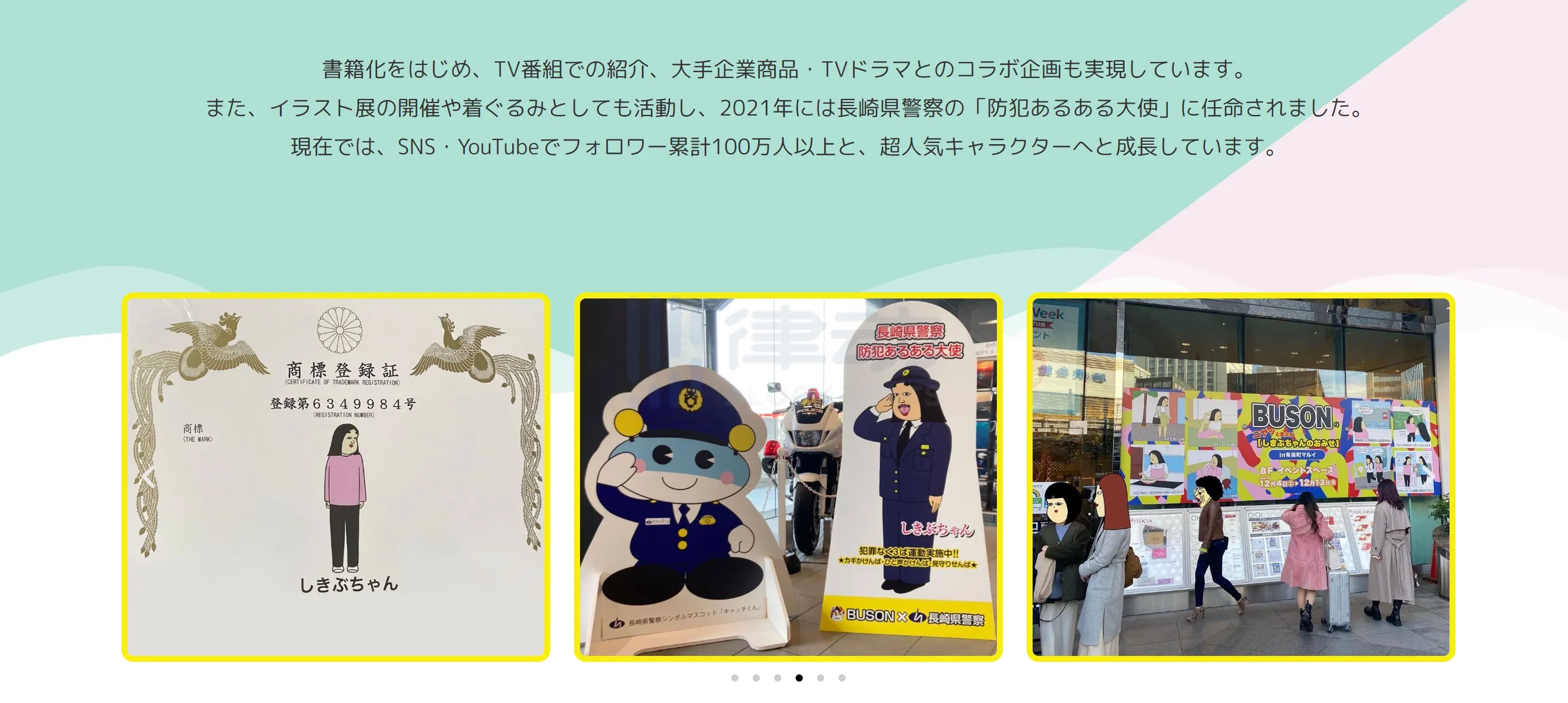
ShikibuWorld mentioned that its IP was appointed a "Crime Prevention Ambassador" by Nagasaki Prefecture police in 2021. Currently, the collection has a floor price of 0.5 ETH and a listing rate of only 1%.
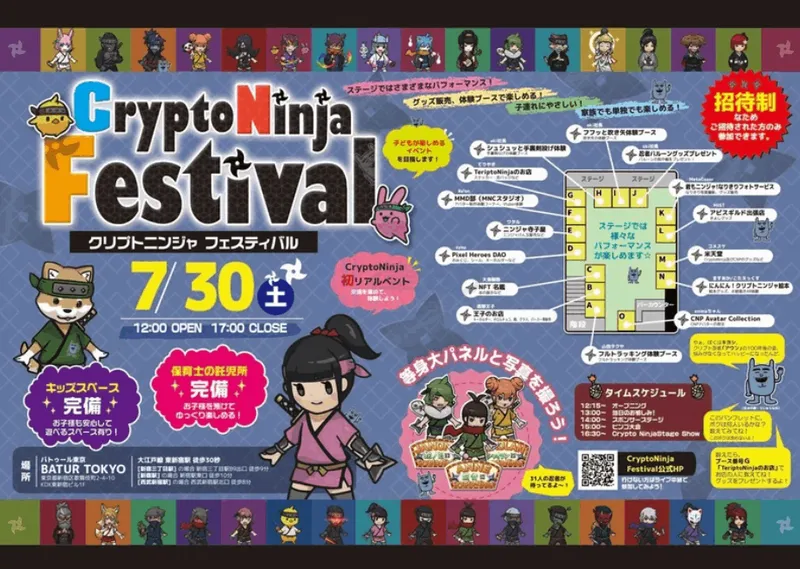
NinjaDAO's offline event, CryptoNinja Festival 2022, featured diverse activities—not only merchandise sales and artist meetups, but also card-collecting contests, Super Smash Bros. tournaments, and rich stage performances. To encourage family participation, dedicated children’s play areas, diaper-changing rooms, and childcare staff were provided.
"Preferences"
Most interviewees said they initially got into NFTs through StepN. Even after StepN’s earning power declined, Japanese users remain highly enthusiastic about "XX to Earn"-type projects. Whether "Play to Earn," "Move to Earn," or even "Sleep to Earn," Japanese players are actively seeking the next phenomenon-level "XX to Earn" project like StepN. One interviewee noted that during peak enthusiasm, even some minors participated.
The influx of inconsistent-quality new projects has disappointed some users, causing this enthusiasm to wane somewhat. Most respondents shared similar sentiments:
"There are too many beautiful stories in the market that either cannot deliver or have no intention of doing so. I don’t mind a Ponzi-like phase early on, but I need to see whether the team has a clear plan—what short-term deliverables they can and should achieve, and what long-term vision they’re pursuing. Now, I hope to see well-crafted, high-quality products. This can be assessed in many ways—UI/UX design, smoothness of use, etc. As long as I find joy in using it, I’m willing to make long-term investments that require patience."
When it comes to PFPs, many interviewees expressed little interest. Furthermore, the concept of “flipping art” feels unfamiliar to them; their motivation leans more toward collecting. When they come across works they like and the price is right, they’ll happily buy. Although hard data is lacking, most interviewees firmly believed that in Japan’s NFT community, the number of "XX to Earn" enthusiasts exceeds that of PFP collectors, and PFP fans tend to spend more, whereas "XX to Earn" fans prefer "free minting" or zero-cost entry.
Japanese users also have aesthetic preferences regarding PFPs. The vast majority showed no interest in the artistic styles of CryptoPunks or Bored Ape Yacht Club. One respondent bluntly stated:
"I haven’t met a single Japanese NFT player who genuinely likes CryptoPunks or Bored Ape Yacht Club... Of course, people buy them for profit, but the art style simply doesn’t suit my taste—or perhaps, doesn’t suit Japanese tastes. Japanese users generally prefer anime-style designs."
If asked to pick one blue-chip project from today’s market, most interviewees chose Azuki. Looking at historical trading volumes of Japanese NFT projects, anime-styled NFTs indeed dominate:
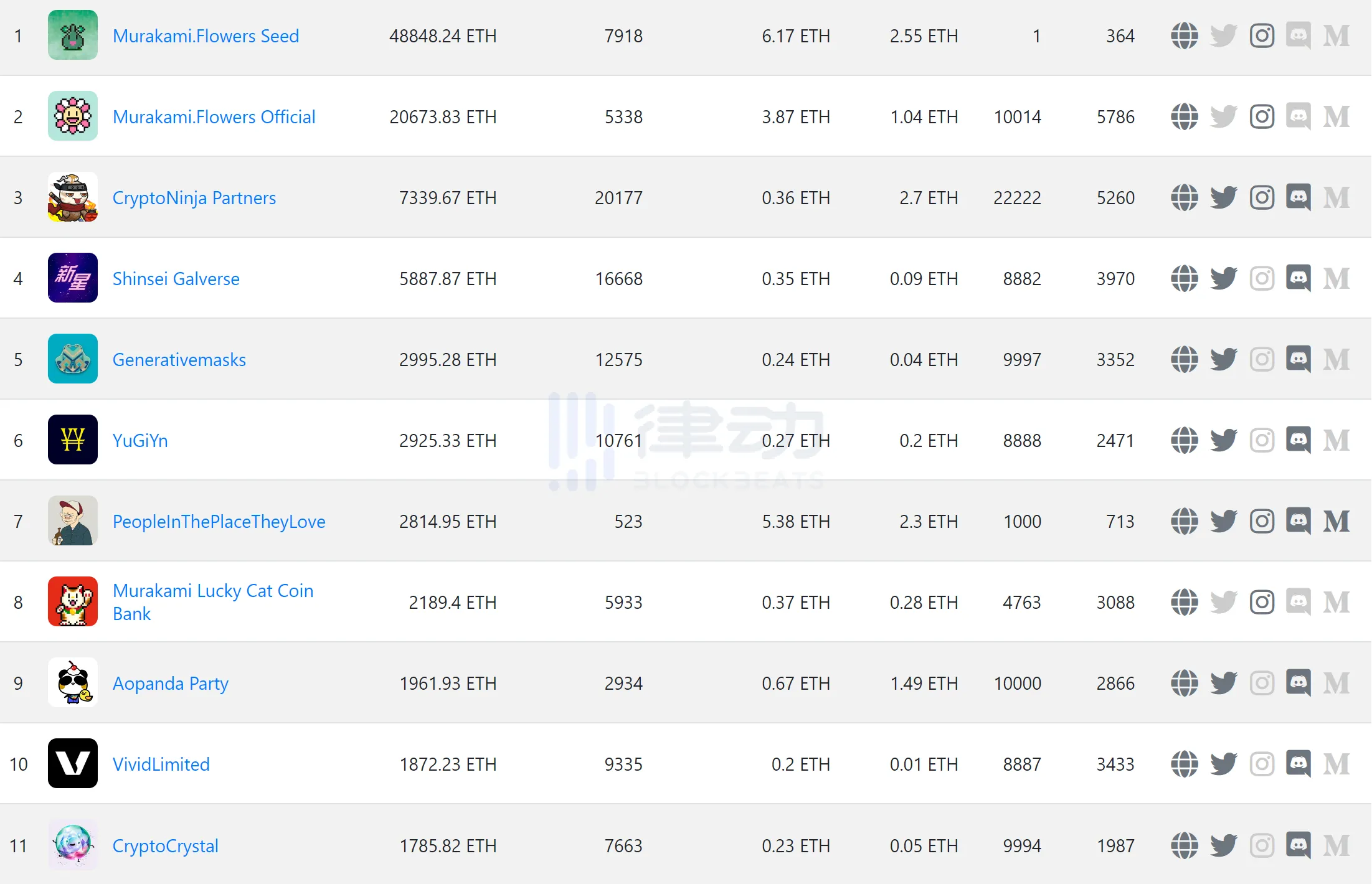
Furthermore, NFT series produced in Japan are particularly favored by Japanese users. Seventy percent of interviewees purchased a domestically made NFT as their first, and another 30% have only ever bought Japanese-made NFTs. They explained that Japanese-origin NFTs feel more trustworthy and appealing. Trust stems from having Japanese-speaking team members, giving a sense of familiarity and eliminating language barriers, allowing deeper understanding. Appeal lies in the preferred art style mentioned earlier.
"Laid-back Attitude"
The “laid-back” attitude of Japanese NFT users left a deep impression on me. I once saw a comment like this in a community:
"Earning $10 per day from StepN is already pretty good. I get healthier and earn some side income—quite satisfying."
At first, I thought this might be an outlier, but during interviews, I found many shared this view—albeit with varying preconditions. Some felt satisfied with $10/day as long as the project was reliable enough to be considered a solid long-term investment. Others emphasized this mindset only applies if costs were already recovered or initial investment was minimal. Still, despite these conditions, I believe Japanese users generally adopt a more laid-back approach.
Another aspect of being “laid-back” is the rarity of FUD (fear, uncertainty, doubt) in Japanese communities, where support for projects prevails. On this point, some interviewees suggested it may reflect national character:
"Japanese users do tend to express support for projects and rarely criticize directly. This may relate to Japanese personality traits—if no one leads with widespread criticism, individuals tend to hold back. People don’t want to be the bad guy or risk saying something unpopular. This tendency is especially noticeable among NFT newcomers and less influential community members."
So, is this why Japanese users often have “diamond hands”? Not necessarily. At least, based on some responses, their “laid-back” mindset is even purer than I imagined:
"You mentioned NinjaDAO’s low listing rate. In their community, holding is the consensus, reaching a level that even non-Japanese NFT players admire. This helps expand Japanese NFTs’ global influence. But personally, I dislike being surrounded by pressure to ‘must hold.’ Buy and sell freely what you love—that’s your right. NFTs should be about freedom. Why emphasize holding so much? If I’m interested, I’ll buy and enjoy owning it. If I lose interest, I’ll leave. Being shamed for selling previously held NFTs feels rather cultish. Of course, this consensus owes much to the founder Mr. Ikehaya’s personal influence and credibility—he has loyal followers."
Another interesting observation: Japanese Discord members dislike frequent @everyone mentions, yet turning off notifications risks missing key updates, causing frustration. The solution is simple—assign them a dedicated role for announcements, which makes them feel respected and well-informed.
Conclusion
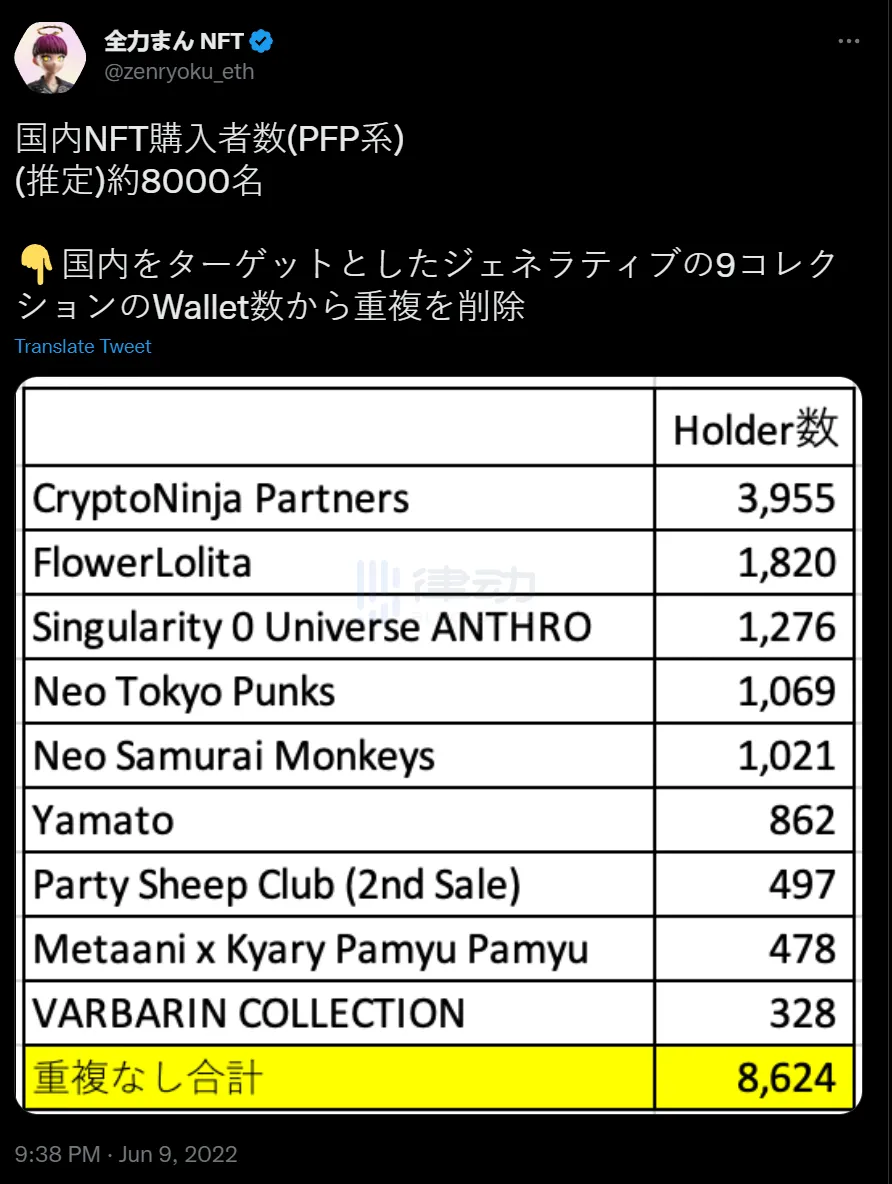
@zenryoku_eth published a statistic last June, estimating around 8,000 unique Japanese PFP buyers after deduplicating holder addresses. My conversations with Japanese NFT users convinced me that Japan’s NFT market still holds immense untapped potential.
CryptoNinja Partners has already taken the first successful step in bringing Japanese NFTs to the global stage. More people are now noticing Japan’s emerging NFT market thanks to this breakthrough success. NinjaDAO currently dominates the PFP space, but as more capital flows in, even stronger successors may emerge.
However, these future "successors" will likely still emerge from domestically produced Japanese NFTs. For any country’s NFT market, only strategies tailored to local culture and taste can truly win user trust and affection.
The community operation strategies of Japanese NFT projects have deeply inspired me. In the past, we focused more on the success of individual NFT projects. Yet after launch, maintaining internal "cohesion" and external "attention" often becomes a major challenge. With long-term visions offering infrequent, indirect feedback to reinforce confidence, and amid shrinking new capital inflows and declining narrative appeal, convincing users to treat NFT purchases as "long-term investments" is difficult.
If bull markets were about "buying narratives," today’s environment is more about "buying communities." Japanese NFT projects demonstrate a viable path—using low-cost entry, large-scale communities, and fostering "friendship networks" to dilute speculative mentality. There are many subtleties in this model worth further exploration. After all, frequent chatting or conventional community events alone still fall short of building genuine "friendships."
Finally, I’d like to extend my heartfelt gratitude to all interviewees. And borrowing a phrase one of them shared with me at the end of our conversation:
"Thanks to our shared love for NFTs, we’ve met."
Join TechFlow official community to stay tuned
Telegram:https://t.me/TechFlowDaily
X (Twitter):https://x.com/TechFlowPost
X (Twitter) EN:https://x.com/BlockFlow_News
 BlockBeats






