Pain Points, Opportunities, and the Latest Cases in the GameFi Sector: Where Is the Spring for SLG Blockchain Games?
TechFlow Selected TechFlow Selected
Pain Points, Opportunities, and the Latest Cases in the GameFi Sector: Where Is the Spring for SLG Blockchain Games?
After the tide recedes, SLG blockchain games probably won't be the ones left naked—but then where is their spring?
 Navigating Web3 tides with focused insights
After the first article in this long-form series on casual icebreaker games was released, the response was more enthusiastic than expected. It’s clear that after 10 months of a bear market in blockchain gaming, players are no longer immediately asking “How can I earn money fastest?” when they encounter a new project. Instead, they’re thinking critically about whether it's worth deep engagement. We took a fresh and spicy case study for deep analysis—much more insightful than the superficial examples in earlier series. Now, in this second installment, let’s discuss how SLG (Strategy) games in Web3 can break through.
When the W Labs team first started discussing SLG games internally, I got a bit confused. One teammate said SLG stands for Simulation Game. Wait—wasn’t it “Save & Load Game”? As someone who has been a hardcore SLG fan for over two decades—from early tactical RPGs like *Flame Dragon Knights*, *Empire of Angels*, and *Romance of the Three Kingdoms: Legend of Heroes* to today’s *Sanguo Strategy*, could my understanding have been wrong all along? A quick search confirmed it: SLG is officially defined as Simulation Game—simulation strategy games.
Well, perhaps we shouldn’t dwell too much on definitions. In general, any game involving turn-based mechanics or management/development elements probably qualifies as an SLG. Besides the early war chess titles I mentioned, other well-known examples include the *Heroes of Might and Magic* series, *Mount & Blade*, *Civilization*, *Clash of Clans (COC)*, and large-scale mobile SLGs like *Rise of Kingdoms* and *Lords Mobile*.
The greatest strength of SLG games is also their defining trait: high strategic depth, steep learning curves, strong player retention, and exceptionally long lifespans. Many high-quality SLG titles continue generating revenue years after launch. The most famous example is Finnish company Supercell’s *Clash of Clans*, released in 2012. A decade later, it still earns $500 million annually. Combined with its sibling title *Clash Royale*, total revenues have surpassed $10 billion.
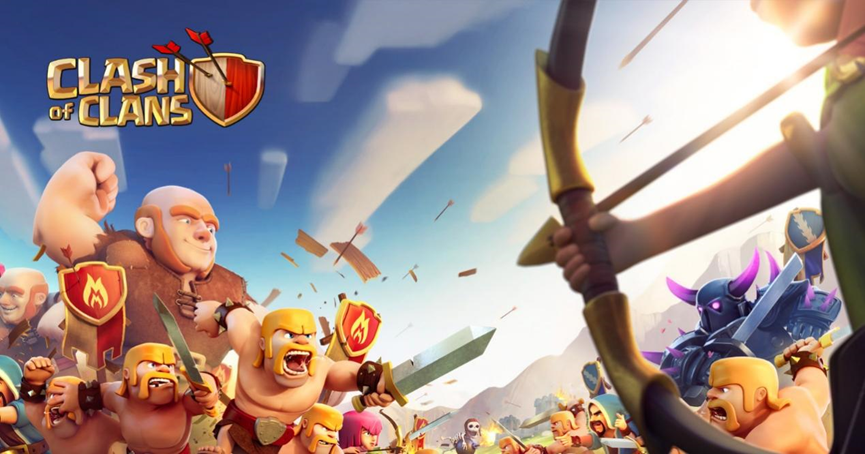
The Everlasting COC
But this very strength becomes the biggest obstacle when entering Web3. Current GameFi players are accustomed to grinding and fast in-and-out cycles. Ten years? Maintaining even ten months is considered phenomenal in GameFi! As discussed in our previous long-form series *Traditional Games Entering Blockchain Gaming (GameFi): An Exploratory Journey*, using the SLG blockchain game *League of Kingdoms* as an example, SLG games are inherently slow-paced at the beginning, while the current consensus among GameFi players is that blockchain games last only a few months. So by the time the gameplay starts getting fun, the token price has already crashed to zero:
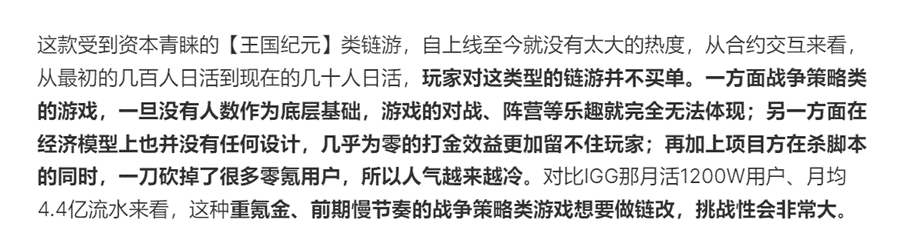
Traditional Games Entering Blockchain Gaming (GameFi): An Exploratory Journey
Is the problem with SLG games themselves? Clearly not. Once again, it comes back to what we've always emphasized: The Play-to-Earn economic model in GameFi has distorted the entire blockchain gaming space, and now many assume GameFi represents all blockchain games. In Part 1 of this series, we expressed frustration—why must even a simple casual blockchain game feel compelled to include a grinding-for-profit model? Wouldn't it be better to design toward metaverse gateway experiences? Charging millions of Web3 users small entry fees in the future sounds far more exciting than chasing short-term profits from a few hundred grinders today.
As a longtime SLG enthusiast, let me briefly explain what makes SLG games so addictive:
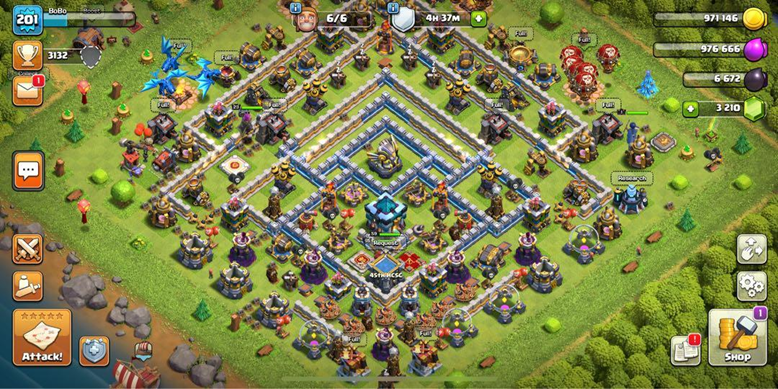
First, strategically: The god’s-eye view of troop deployment delivers immense satisfaction from macro-level planning. While RTS (Real-Time Strategy) games like *Red Alert* or *StarCraft* emphasize micro-management to gradually build advantage, SLG games test your overall control. I remember being obsessed with COC a decade ago—our entire group chat was debating wall placements, building layouts, bomb positioning, and spring traps to maximize enemy damage. Laughing out loud when fat troops were blown up by bombs or wizards bounced repeatedly by spring traps—that feeling was priceless.
Second, tactically: With smart team composition, underdogs can defeat heavy spenders—a rare thrill that compels you to share your victory everywhere. Take *Sanguo Strategy*, a top-tier SLG masterpiece that debuted strongly and stayed in China’s top 10 grossing games for five consecutive years. If you beat fully upgraded Red Wu Cavalry using a barebones Wu Spearman team—and you're a monthly card player or even free-to-play while your opponent spent $10K—can it get any sweeter? I’d definitely share such battle reports in my alliance chat.
Given their appeal, SLG games naturally attracted significant attention during blockchain gaming’s 2021 boom.
Let’s dive into two cases: Heroes of Mavia (HOM) and Galaxy Blitz (GB). Why focus on these two? Because both claim to be the "COC of blockchain games" and have secured substantial funding.
(1) Heroes of Mavia
Let’s start with HOM. In January 2022, Binance led a $5.5M investment, with participation from Animoca, YGG, and Delphi Labs. With such heavyweight backers, excitement soared. At the time, GuaTian Community had just formed. Brother Gua led dozens of members split into three teams, grinding hard for whitelist spots—really intense, pulling out all stops. Then in February, a second round led by Crypto.com raised another $2.5M, reigniting hype. After grinding, securing whitelist access, minting NFTs, prices peaked at over 3x. Then came calls to stake NFTs. We staked them. But updates dwindled—only occasional images and videos each month. Discord activity dropped from hundreds of daily messages to fewer than five.
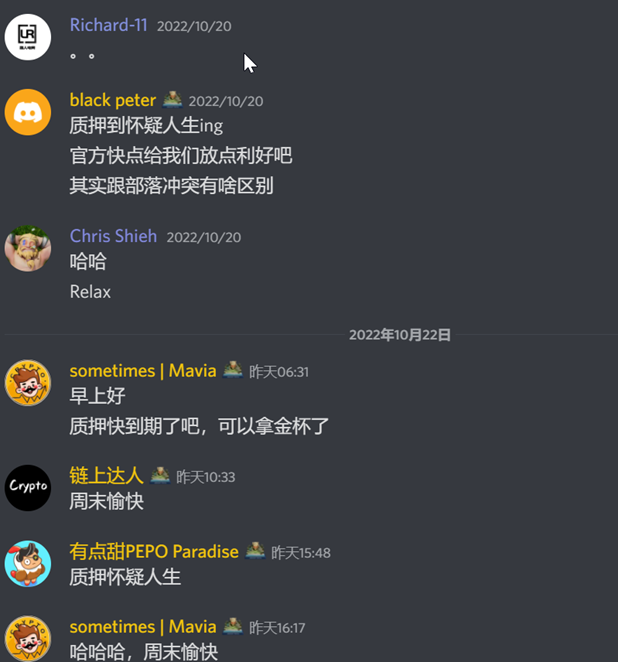
This project is a classic example of Vietnamese team culture—CX (customer experience manipulation) first. Promised closed beta by July? Still nothing. Rumors about Ukrainian engineers slowing development? Feels like they’re testing our intelligence.
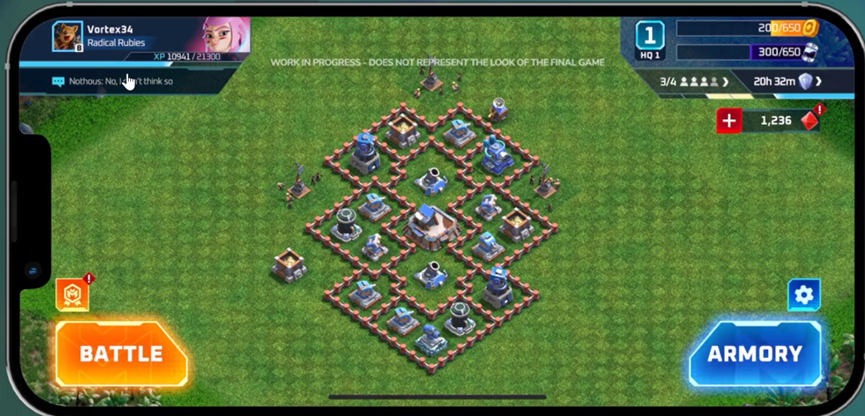
Here’s a screenshot from their pinned October Twitter video—clearly imitating COC’s style. The team seems to imply, “We’re still working.”
(2) Galaxy Blitz
Now onto Galaxy Blitz (GB), which WGGDAO participated in twice during closed testing—so we have plenty of critiques.
Announced in January 2022, GB raised $10M from Conflux Foundation, Tomochain, Ascendex, Gate Labs, Lbank, Bitmart, Amplio Capital, The Moon Carl, DCI Capital, OIG Investment Group, Criterion Ventures, MH Ventures, BlueWheel Capital, Digital Strategies, SMO Capital, Gains Associates, DuckDao, NFTb Labs, Synapse Network, Starter Labs, and EnjinStarter. While not as flashy as HOM’s investor list, several are notable European Web3 funds—OIG is a Nordic PE firm; MH Ventures partners with BNB Chain’s European accelerator.
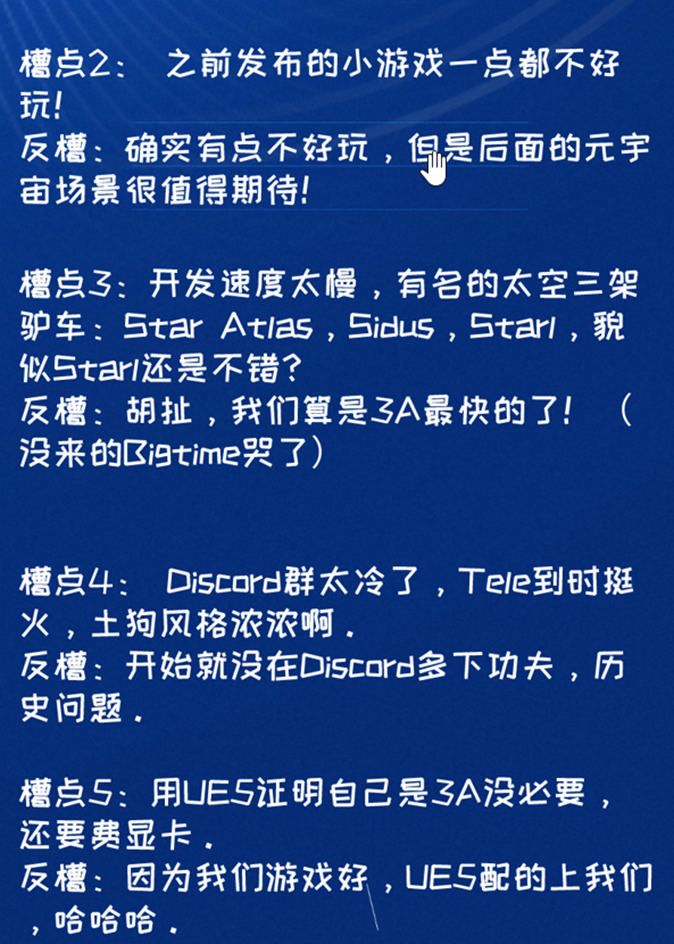
The team claims to have recruited developers directly from Supercell (makers of COC) and describes GB as a space-themed COC-style game. Honestly, hearing “space-themed blockchain game” gives us headaches lately—delays are rampant. Our community jokingly dubbed last year’s three hottest space MMORPGs “The Three Space Donkeys,” even hosting one for a roast session on Space. Laughter mixed with brutal criticism—see image below:
However, GB’s Chinese community reached out to us last month saying testing had begun. They’ve been reading W Labs’ blockchain game articles and consider us genuine gamers—so they invited our team as第一批 testers.
Impressions from Closed Testing:
-
A. A relatively polished COC-inspired game. PVE, PVP, and guild battles are already implemented, though minor bugs occasionally cause level stalls. Acceptable for first test—debugging expected.
-
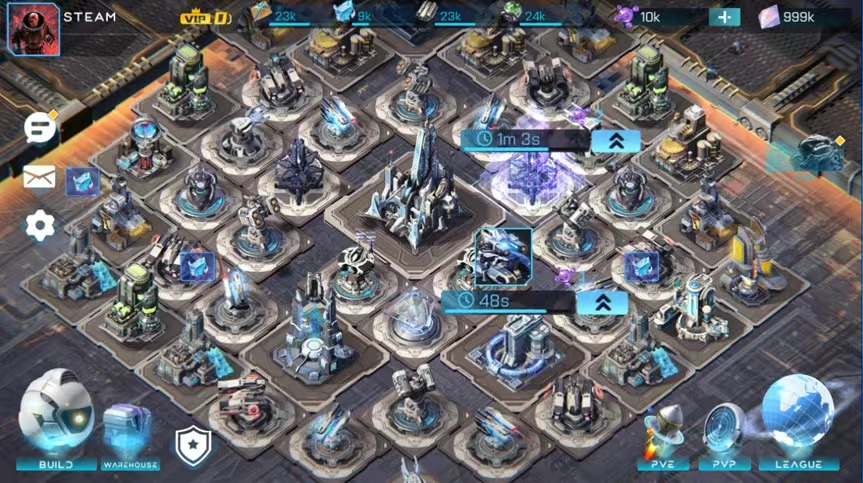
B. Visuals and UI resemble *StarCraft*. Unlike most SLGs’ cute cartoonish styles, GB opts for gritty realism fitting its sci-fi theme. Defensive weapons and buildings feature detailed cyberpunk/sci-fi designs—though prolonged viewing causes eye strain.
-
C. Base defense layout lacks strategic depth so far. I simply surrounded my HQ with weapons, then outer layers of buildings. Troop placement needs refinement.
-
D. Nearly 20 attack units available—assault, tank, melee, ranged, magic, air—all present. Optimal combinations remain untested. Currently I’m leveling motorcyclists and rushing with swarm tactics—like Zerglings in StarCraft. Haven’t experienced unit synergy yet.
-
E. Through conversations with GB’s China ambassador, we learned the team believes COK-style models (*Kingdom League*, *Meta Apes*) are hard to adapt to blockchain, but COC-style flexibility allows simpler initial PvP modes to attract massive Web2 users, while Axie-like PVP grinding attracts Web3 users. Currently in second closed test focusing on guild wars. Their innovative idea: retain Web2 users by having them join guilds led by Web3 users, then engage in fierce interstellar territory battles. Guilds capturing land earn rich rewards shared by both Web2 and Web3 participants—potentially converting vast numbers of Web2 users. If successful, this would become a classic case solving the “Web2 to Web3” transition challenge—the outcome remains to be seen.
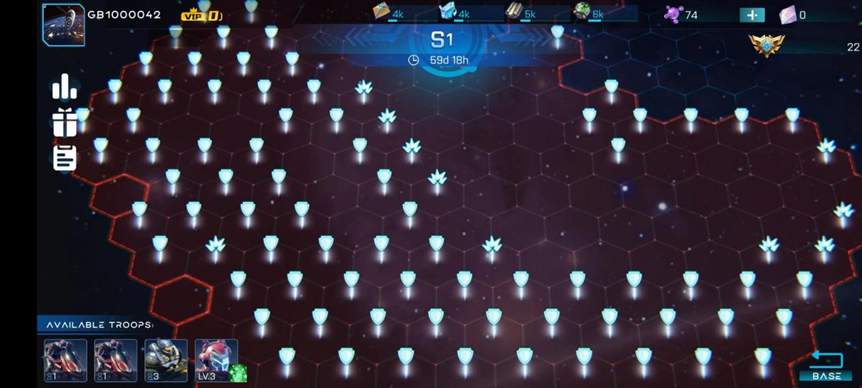
Intense Guild Warfare Over Interstellar Territories
Having participated in two rounds of testing, WGGDAO submitted over thirty suggestions and fixes. The team held a dedicated internal meeting with us to review them all—an encouraging sign of experienced Web2 game development background.
Additionally, GB’s token MIT launched on exchanges back in April (understandable given investors like Gate.io). Since then, it’s trended downward until flatlining. This puzzles me—SLG games are supposed to grow slowly. Why list so early? Without sufficient utility or community momentum, the price will inevitably drop. Last year, this made sense—bull market, list early, multiply returns, then develop slowly (e.g., Illuvium). But April 2022 was deep in bear market! Only explanation: investors likely demanded exchange listing.
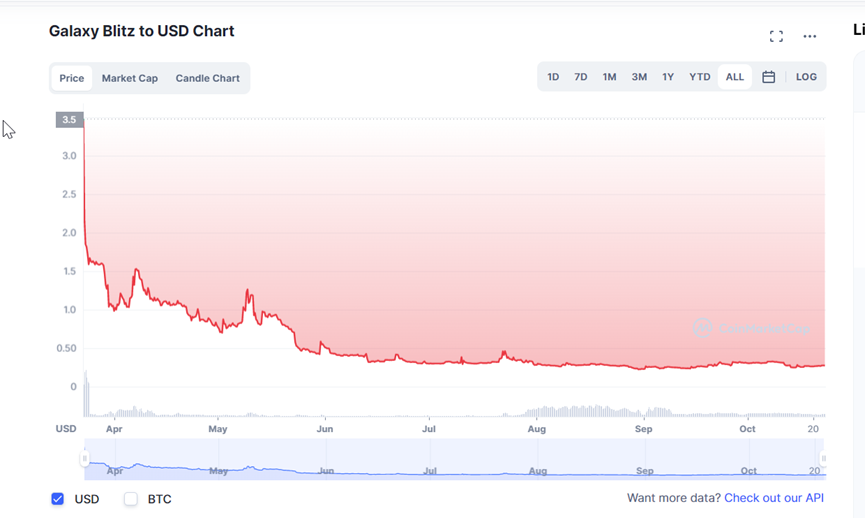
Recently, the team has been active—tracking insider info: GB will be among the first games on Aptos; hosted AMAs with thousands on Binance—clearly preparing user acquisition ahead of public launch.
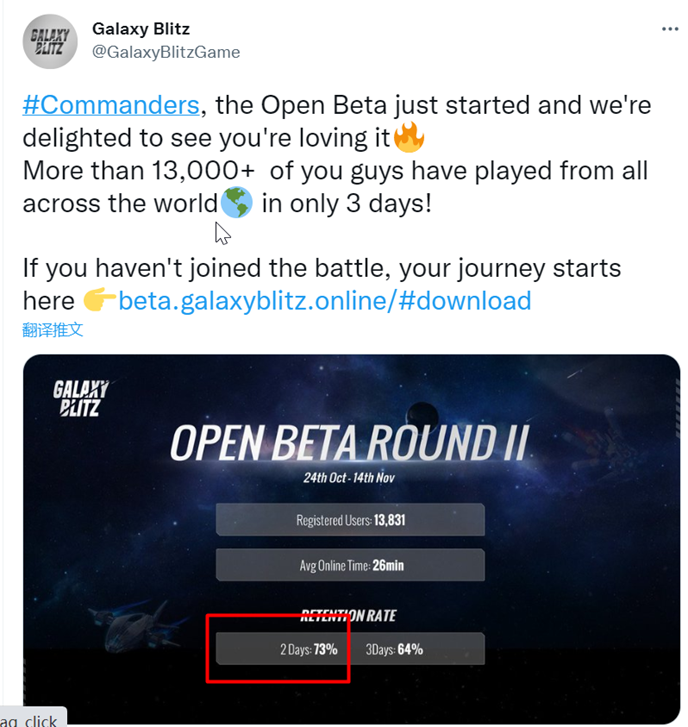
Let’s look at promotion traction: GB has 210K Twitter followers. According to their Oct 28 announcement, second test had over 13,000 registrants with a staggering 73% day-two retention (vs ~40% average for Web2 SLGs). Frankly, we’re shocked—did they aggressively promote in Western markets?
In our experience, great SLG games have always been popular in the West—even single-player ones. This has allowed Chinese studios like Lilith, Youzu, and 37Games to earn billions overseas. During testing, chatting with English-speaking players, many were COC veterans—still calling DAOs (GB’s guilds) “Clans,” just like in COC.
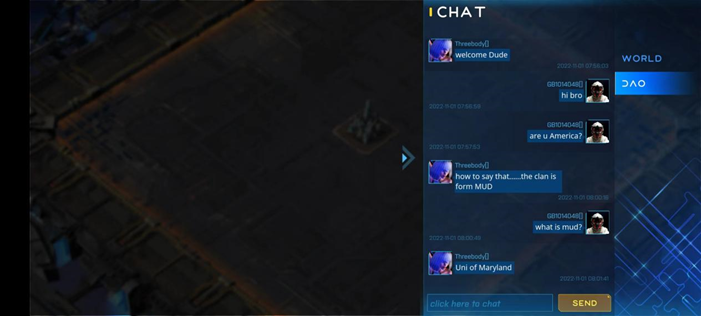
An awkward chat with a US university guild—new ID already at #14048
Still, as a player, I care most about core SLG gameplay—strategic depth. Based on these two tests, GB still has significant room to improve in offensive/defensive tactics and variety. The team is actively iterating—adjusting weapon range, coverage, etc. Anyway, GB is the first playable blockchain COC-style game we’ve seen. Hoping it continues evolving.
To conclude: High-quality SLGs will be the most profitable category in future blockchain gaming due to their extremely long tail effects—one game can generate revenue for years. Therefore, such games should avoid typical grinding-for-profit models that lead to pump-and-dump death spirals, contradicting SLG’s inherent nature. SLG blockchain teams must invest more time refining strategic depth and gameplay diversity.
Reprinting welcome. Original work requires credit: “Produced by GuaTian Lab W Labs”
GuaTian Lab website: http://www.wlabsdao.com/
GuaTian Lab Discord: https://discord.gg/wggdao
GuaTian Lab Twitter: https://twitter.com/GuaTianGuaTian
GuaTian Lab Deep Research Mirror: https://mirror.xyz/iamwgg.eth
GuaTian Lab Medium: https://guatianwgg.medium.com/
Join TechFlow official community to stay tuned
Telegram:https://t.me/TechFlowDaily
X (Twitter):https://x.com/TechFlowPost
X (Twitter) EN:https://x.com/BlockFlow_News
 瓜田实验室W Labs