








Solarpunk vs Lunarpunk: How Will Cryptocurrencies and Regulation Merge in the Future?
TechFlow Selected TechFlow Selected
Solarpunk vs Lunarpunk: How Will Cryptocurrencies and Regulation Merge in the Future?
Regulation has always been a focus of public attention.
 Navigating Web3 tides with focused insights
Written by: Daniel Napier
Compiled by: TechFlow
Recently, regulation has been the focus of attention—or at least it seems that way based on my Twitter feed. There are several reasons for this:
-
Progress in certain areas—such as institutional investment in crypto or tokenizing real-world assets like real estate—depends heavily on new regulatory approvals. Naturally, people in this industry tend to talk about regulation more than other traders or investors.
-
It seems like every other day, the SEC, CFTC, or one of many other U.S. federal agencies issues some negative statement regarding cryptocurrency.
-
And most recently: SBF (Sam Bankman-Fried), CEO of FTX, posted a controversial tweet proposing various regulatory frameworks for crypto in the United States.
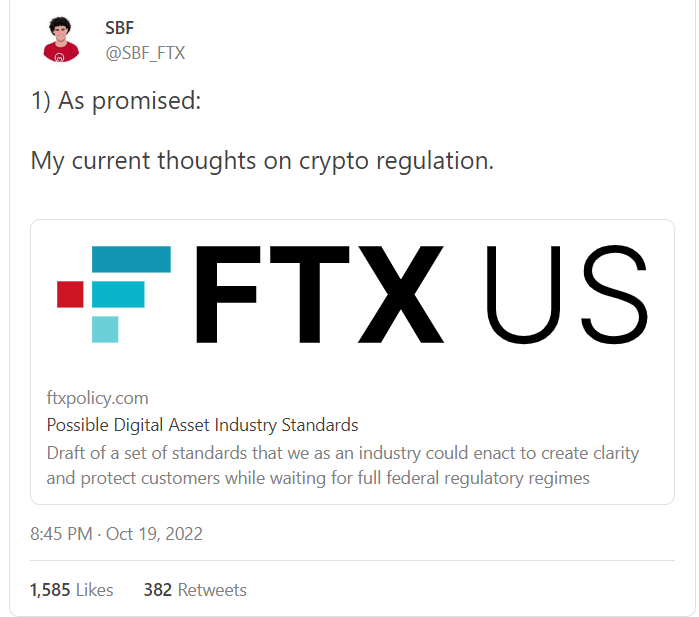
TLDR: His ideas were not widely accepted, with many stating that if implemented, SBF’s proposals would effectively kill DeFi in the U.S. and stifle innovation across the entire crypto industry.
SBF's recent tweets, combined with his "effective altruism" mantra, have shaped a distinct persona within crypto—one aligned with what is known as Solarpunk.
What is Solarpunk?
Solarpunk is a term used to describe highly optimistic crypto participants who clearly see the benefits of cryptocurrency.
Think “WAGMI,” and the idealistic belief in using crypto to empower users and the modern “proletariat.”
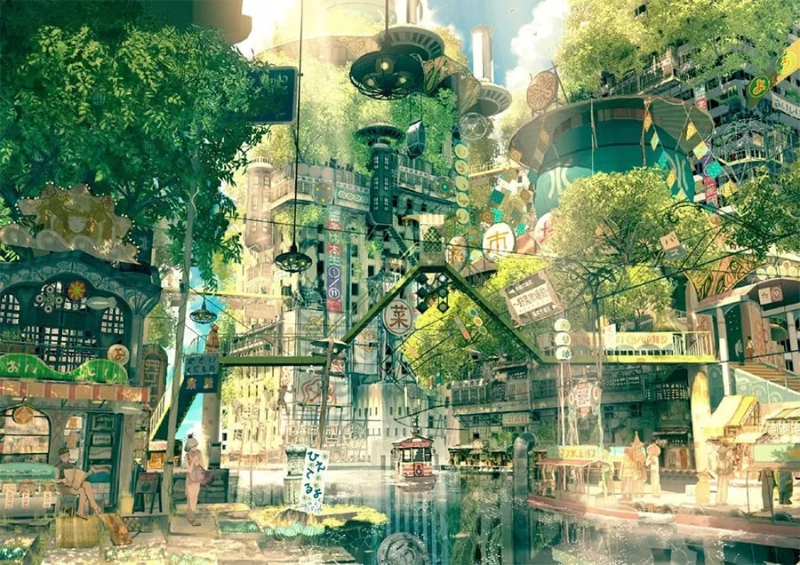
On the flip side, Lunarpunk describes an opposing ideology involving black markets, anonymity, and outright resistance to authorities as tools to achieve crypto adoption.

"Lunarpunks are preparing for war and building privacy-enhancing tools to protect their communities."
In the context of cryptocurrency, both groups desire mass adoption—but they differ in what form that adoption should take and the conditions required to get there.
Take some of the most prominent figures on crypto Twitter—for example—and you can probably gauge which side of the “punk” spectrum they fall on, or at least which direction they lean.
The concepts of Solarpunk and Lunarpunk originally stemmed from science fiction before being adopted into the crypto space.
While crypto adoption may not align exactly with the futuristic visuals shown above, many believe it could very well unfold along one of these two paths. I might add a third option—that crypto relies on different paths at different times, potentially walking both roads.
But we don’t need to speculate about the future—we can already see clear examples of the Solarpunk vs Lunarpunk ideologies in today’s cryptocurrency landscape:
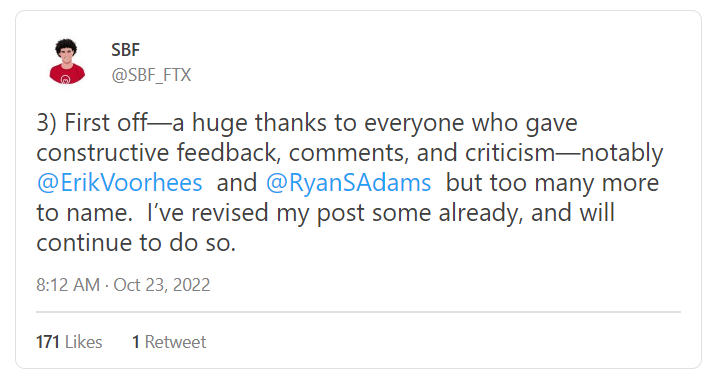
As mentioned, SBF leans toward “effective altruism”: he remains optimistic about the future and wants to contribute, even if he isn't entirely sure how, as reflected in his recent responses. Most notably, he wants to play by the rules and cooperate with regulators.
There's also an ongoing debate around NFT royalties: currently, royalties for NFT creators are practically unenforceable, and some marketplaces have begun ignoring them to offer better prices for traders.
Those supporting royalties clearly want to empower creators, while others accept the harsh reality of crypto—if saving a few percentage points improves their trades, many are willing to sacrifice a primary income source for creators.
You can probably guess which kind of “punk” they belong to.
Andre Cronje, known for developing Yearn and Solidly, has also emphasized his view that doxxed, regulated DeFi and anonymous DeFi will coexist.
There are actually too many examples to list exhaustively. Perhaps in the future, I’ll dive deeper into what the historical trajectory of Solarpunk versus Lunarpunk might look like.
But for now, consider this: which punk are you? And which path do you think we’re most likely to follow?
Join TechFlow official community to stay tuned
Telegram:https://t.me/TechFlowDaily
X (Twitter):https://x.com/TechFlowPost
X (Twitter) EN:https://x.com/BlockFlow_News






