ETHBogota Hackathon's 12 Winning Projects: Building the Application Layer Becomes Ethereum's Next Mainstream Narrative
2022.10.13
Share Share to X (Twitter) Navigating Web3 tides with focused insights
Share to WeChat
Share to WeiboShare to WeChat
Share by Link
Share by Image
TechFlow Selected TechFlow Selected
ETHBogota Hackathon's 12 Winning Projects: Building the Application Layer Becomes Ethereum's Next Mainstream Narrative
Ethereum enters the post-merge era, where PoS successfully replaces PoW, and improving network scalability becomes the next priority.
2022.10.13 - 06:55:04
以太坊黑客松
Navigating Web3 tides with focused insightsEthereum enters the post-merge era, where PoS successfully replaces PoW, and improving network scalability becomes the next priority.
Ethereum has entered the post-merge era, where PoS has successfully replaced PoW, and improving network scalability has become the next priority. Builders can now develop Web3 applications for billion-scale consumers on Ethereum, while technologies like L2 and ZK will further reduce usage costs, potentially enabling DApps to gradually replace various mainstream applications currently dominated by tech giants.
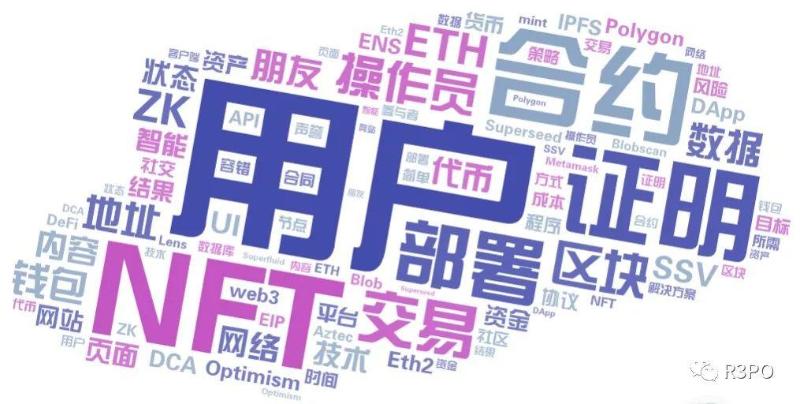
At ETHBogota Hackathon, 12 projects were selected as representing the future direction of Ethereum's ecosystem development—R3PO believes these projects signal the dawn of a new phase.
This momentum is not only driven by the activation of EIP-4844 but also accelerated by Layer 2 solutions such as Arbitrum, Optimism, zkSync, StarkNet, and Polygon. The winning projects span multiple categories including DApps, DeFi, NFTs, infrastructure, and social networks.


1. Frens
Official link: https://ethglobal.com/showcase/frens-5qq7hProject Description
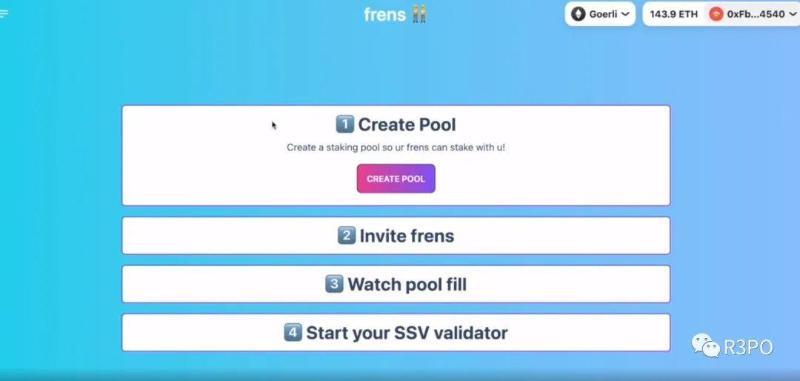
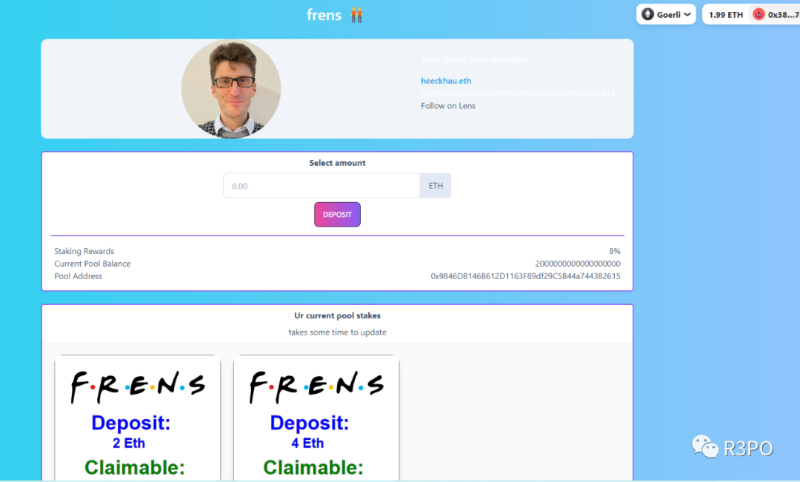
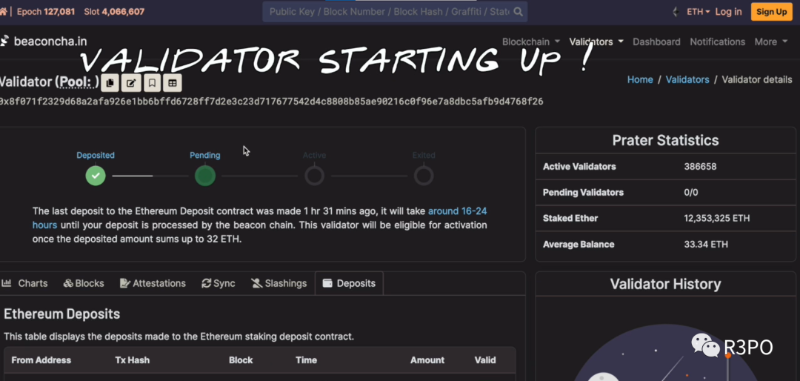
Frens is a DApp that enables friends to jointly stake ETH. By leveraging trust among friends, it aims to enhance the security of the Ethereum network. Currently, staking ETH is difficult, expensive, and risky, with rising centralization risks. Running an Ethereum validator requires significant technical knowledge and infrastructure, creating high barriers to entry. For individual stakers, 32 ETH is a substantial amount, and there's risk of loss if the validator is misconfigured. As a result, most people currently rely on centralized, non-custodial staking services (like Coinbase or Kraken), which introduces centralization risks to Ethereum itself. Frens aims to make staking fault-tolerant, rewarding, social, and fun. Users can easily and safely stake together in pools with their friends. It is built on: - Deposit smart contract factory - SSV’s DVT technology for fault-tolerant staking - Smooth UI for seamless setup and automation - Trust assumptions between (non-technical) friends and professional pool operatorsHow It Works
How It Was Built
**Frontend & Backend** The frontend uses RainbowKit for easy wallet connection. TailwindCSS and DaisyUI were added for design. UX flows were split for two user types (operator and staker), resulting in two Next.js pages. Wagmi.sh hooks simplify interactions with deployed contracts. For the backend, Scaffold Eth was used as the development environment. All contract development, deployment, and testing occurred here. Hardhat mainnet fork was used to test the interface between staking pool contracts and beacon chain deposit contracts. After completion, the hardhat folder was imported into the WAGMI project for frontend integration. **Supporting Technologies** - **SSV Network**: Frens uses SSV to run validators for created staking pools. The operator selects three other operators from the SSV network, enforcing decentralization and fault tolerance at the validator level. - **ENS**: Frens displays operator information using ENS protocol. Operator avatars (exported via wagmi.sh) add a personal touch. - **WalletConnect**: Integrated for wallet connectivity. All pool participants must deposit some ETH to join. WalletConnect allows mobile wallet access, making it easier to invite new friends. - **Lens Protocol**: A button is implemented to follow the operator on lenster.xyz. Frens introduced the concept of a staking pool factory—not just creating one pool, but generating a new one per group, automatically minting NFTs for each participant, unlocking potential in DeFi, collateralization, and NFT trading. These NFTs act as tradable "securities" for decentralized staking pools. This design encourages many small staking pools instead of a few large ones, promoting greater decentralization.2. Blobscan Explorer
Official link: https://www.blobscan.com/Project Description
How It Was Built
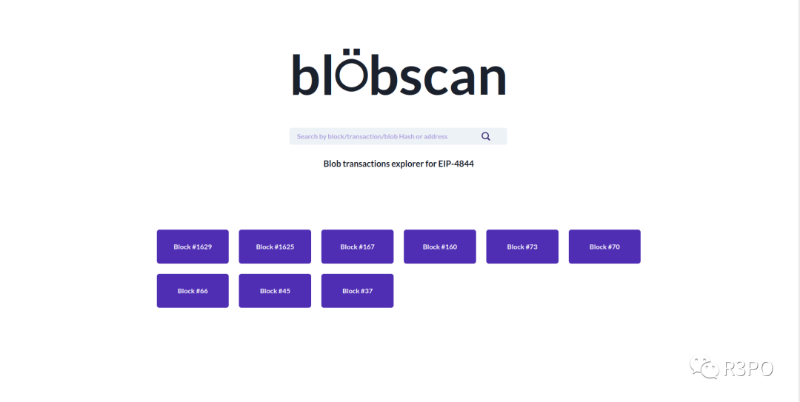
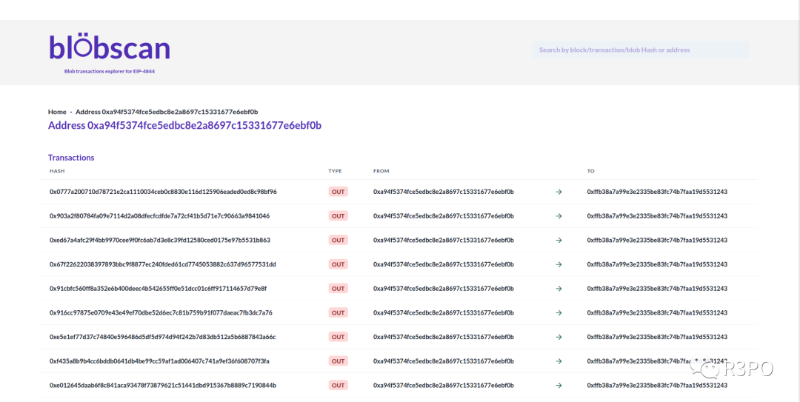
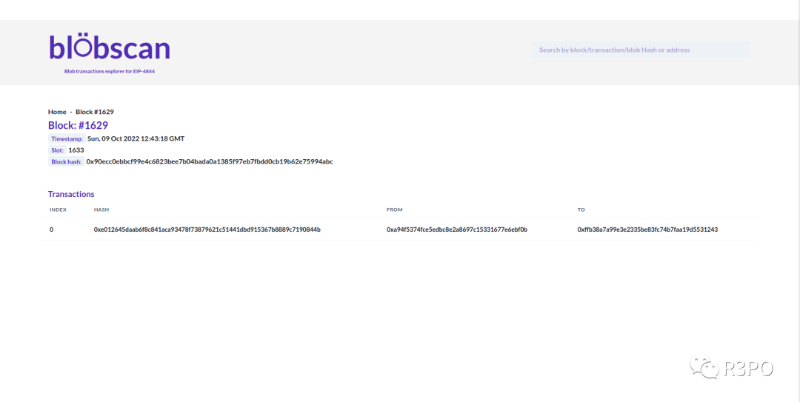
The Blobscan system architecture includes: - Modified consensus and execution layer clients - A blockchain indexer saving data to a MongoDB database - A frontend enabling navigation with dedicated pages for blocks, transactions, addresses, and blobs Blobscan runs both an execution client (geth) and a consensus client (prysm), synchronized with the EIP-4844 devnet. More precisely, it uses a specific branch of the prysm repository that includes a new HTTP API to retrieve EIP-4844 sidecars (detachable data that will be pruned after a month). A custom daemon retrieves data from both the execution layer (EL) and consensus layer (CL), matches transactions (stored in EL) with their corresponding blobs (in CL), and indexes them in MongoDB. However, only final blocks are indexed, so ethers.js provider was extended to read finality data. https://blobscan.com provides a simple blockchain explorer frontend that reads from the database and enables intuitive navigation.3. Bet Stream
Official link: https://ethglobal.com/showcase/bet-streams-i90s7Project Description
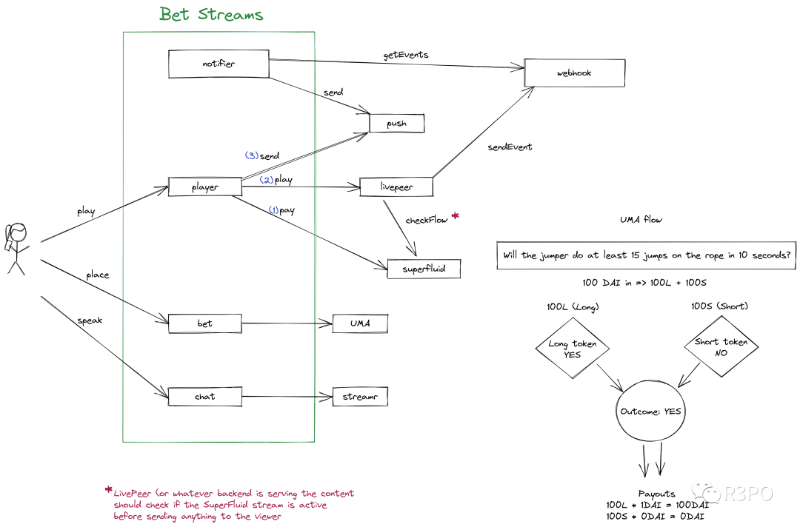
We were shocked during ETHBogota’s opening ceremony that all events were streamed via traditional Web2 stacks… So what if we created an app with native Web3 livestreaming experience? 🤔 Bet Streams allows event organizers to prepare, send notifications about various events, and offer pay-per-view live streams: major announcements, sports matches, travel challenges, or even Web3 hackathons! Users can easily join using familiar Web2 wallets and integrated platforms. They can also place bets on the outcome of the stream—such as final game scores, skateboard trick ratings, or hackathon winners—before or during the broadcast. Once results are revealed, winners receive proportional payouts from the pool.How It Was Built
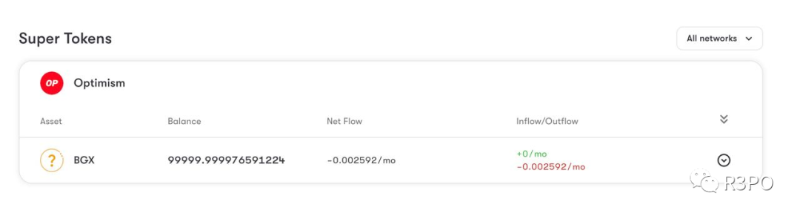
Superfluid powers the pay-per-use access model. We deployed our own mintable super token (MintableSuperToken) to control access to the video stream. LivePeer handles video streaming. When a user starts watching: - A new token stream begins - Connection to the video source is established - A notification is sent about the new viewer LivePeer (or any content provider) should verify the SuperFluid stream is active before sending content—we currently perform this check locally. UMA enables users to bet on livestream content. Push notifies users of upcoming streams and betting results. Coinbase Wallet acts as a perfect CEX ↔ BetStreams bridge. WalletConnect makes connecting to Web3 apps easy. Web3Auth delivers a seamless onboarding experience for new users. Pocket Network RPC handles node infrastructure. Optimism hosts UMA and SuperFluid contracts.4. ETHernal Review
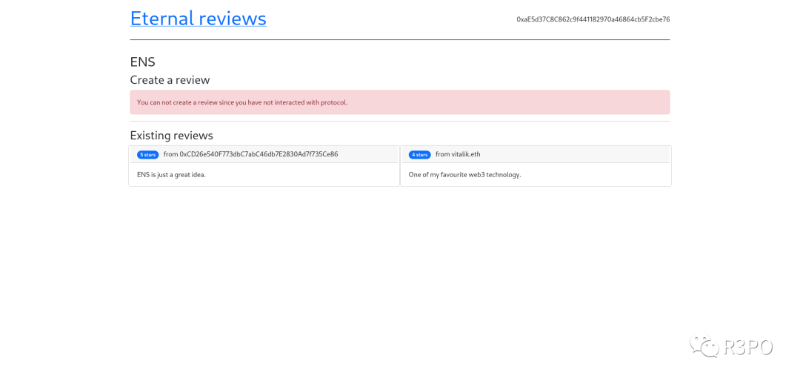
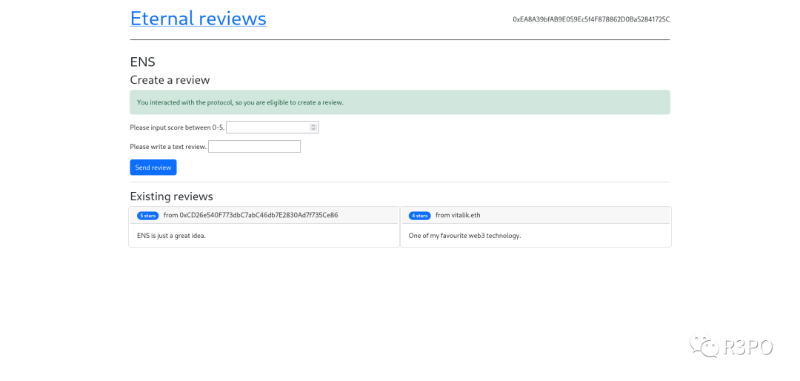
Official link: https://ethglobal.com/showcase/ethernal-reviews-9kwmkProject Description
How It Was Built
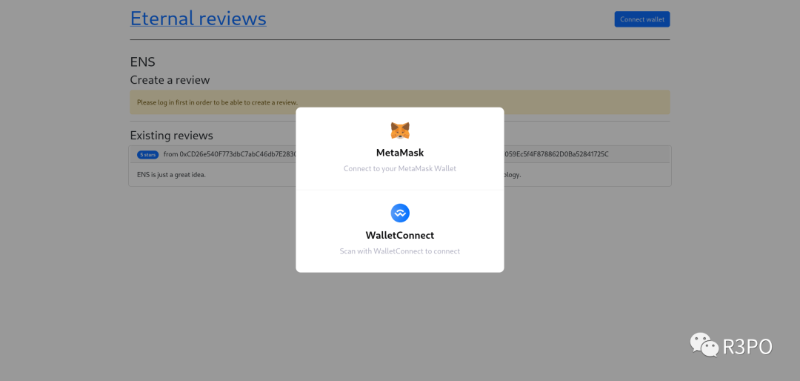
The project uses Web3 Modal for website login. FastAPI and Vue were used for the frontend, with a Python backend. We chose ENS as a sample to demonstrate address validation—one method being scanning on-chain activity to verify reviewer eligibility.5. PULP
Official link: https://ethglobal.com/showcase/pulp-bfx1iProject Description
How It Was Built
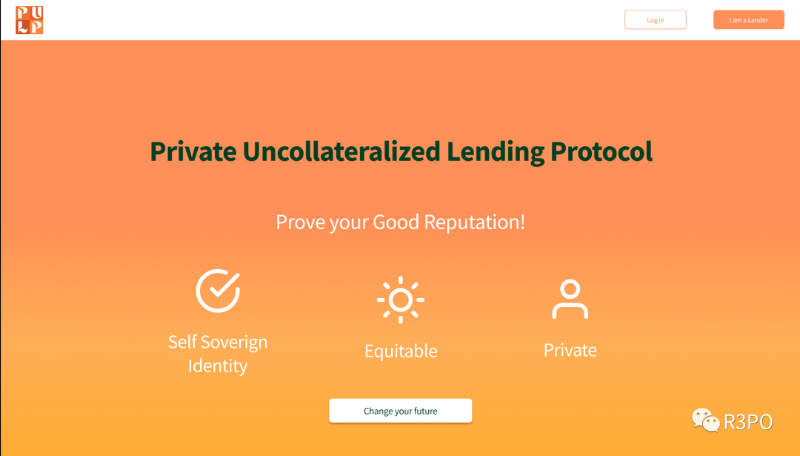
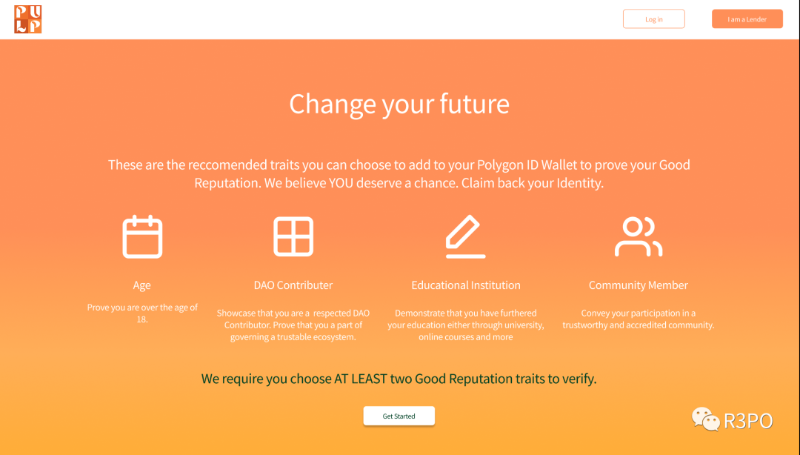
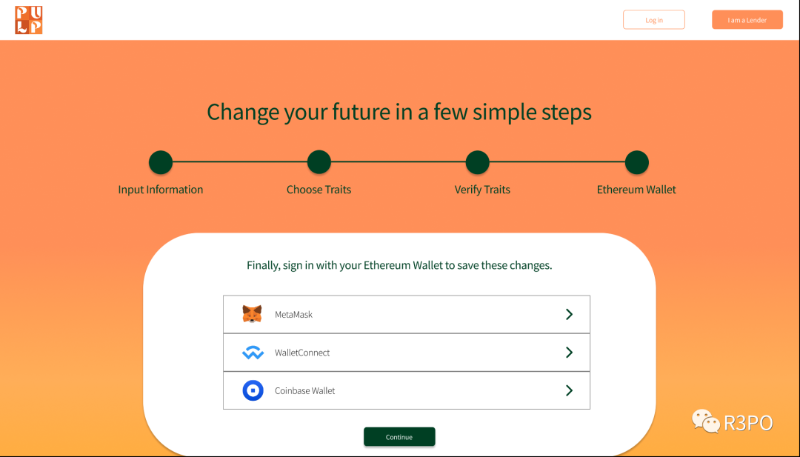
Solidity, JavaScript, and React provided the toolkit for front-end prototyping, testing, and deploying smart contracts. Figma was used for UX/UI design. PULP integrates verified self-sovereign identity using Polygon ID technology. Deployed across chains: Optimism, Gnosis Chain, Polygon. Enhanced wallet integration using MetaMask and WalletConnect.6. Superseed
Official link: https://ethglobal.com/showcase/superseed-sch5gProject Description
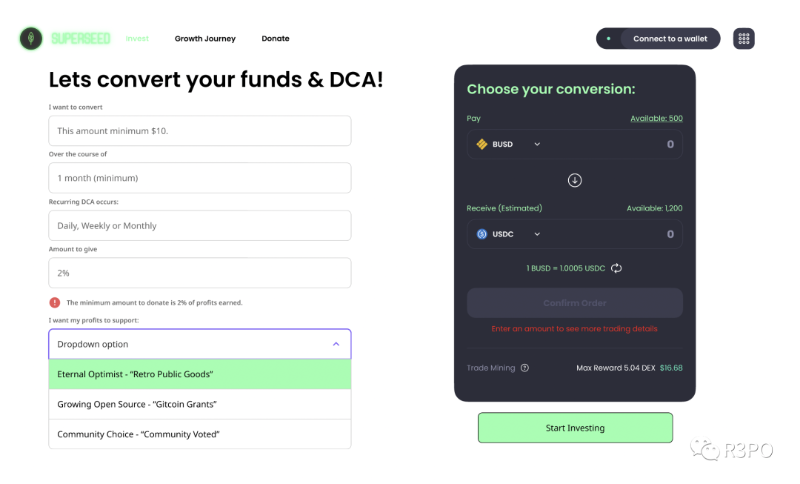
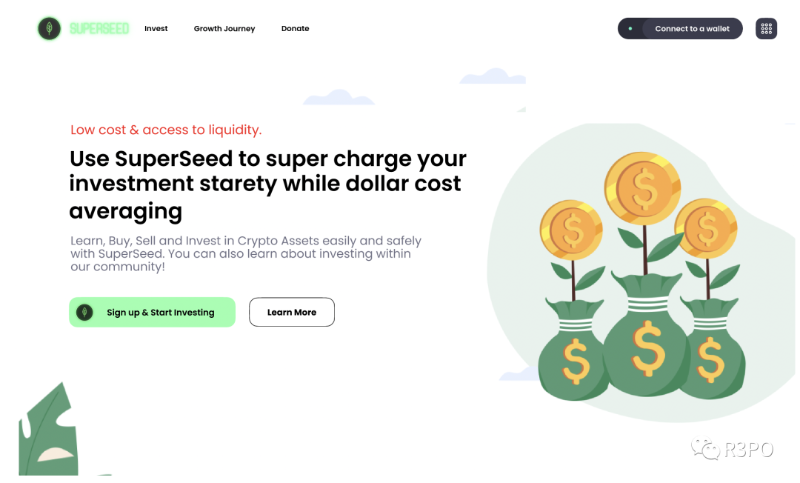
Superseed is a DeFi DApp offering a streamlined solution: automating dollar-cost averaging (DCA) for cryptocurrency purchases while maximizing crypto income and incentivizing users to share profits for public good. We target users who hold and trade crypto but lack expertise in advanced strategies or time to actively manage DCA investments. Web3 enables agent maximization—we aim to empower users with agency to grow wealth and capture value in DeFi, while contributing to the growth of the Web3 ecosystem. We offer users multiple options: how much capital to allocate for DCA, over what timeframe, and purchase frequency. Users deposit the full monthly amount upfront to initiate the DCA cycle. All funds allocated for incremental purchases are pooled into liquidity mining, earning yield while waiting for DCA buys. Typically, idle capital loses value to inflation—but with Superseed, users earn interest on idle funds via AAVE until they’re ready for DCA positions. This provides an extra advantage users wouldn’t otherwise have. We use Superfluid to set up purchase streams because, despite full upfront deposits, it allows users to maintain liquidity and withdraw initial funds when needed.How It Was Built
When users log in to Superseed via wallet connection, they select their investment amount. Once ready, Superfluid continuously streams funds into their chosen asset using DCA. We use 1inch for token swaps but plan to integrate more DEX options (like CoW Swap) for better pricing. Remaining unstreamed capital is allocated to AAVE for yield. We’re also exploring APWINE and will offer more strategies based on investment duration and risk tolerance. To reward on-chain actions, we gamify the experience by airdropping dynamic NFT badges showcasing users’ DeFi journey—from seed to forest. NFT images and metadata are stored on IPFS. We use OpenZeppelin libraries to create NFT collections and leverage its ERC-20 interface. Smart contracts managing DCA strategies via Superfluid are deployed on Polygon mainnet. We use Pocket Network’s decentralized RPC nodes to communicate with Polygon. PUSH Protocol sends notifications about on-chain events—e.g., when balances are deployed for swaps on CoW Swap. To make the project multi-chain, we deployed on Gnosis testnet (which currently lacks yield protocols). We’ve implemented Superfluid and swaps via 1inch and will add yield products once available. During login, we resolve ENS names to display usernames and avatars, enhancing UX for both new and returning users.7. Coedia Network
Official link: https://ethglobal.com/showcase/coedia-network-tk4fuProject Description
How It Was Built
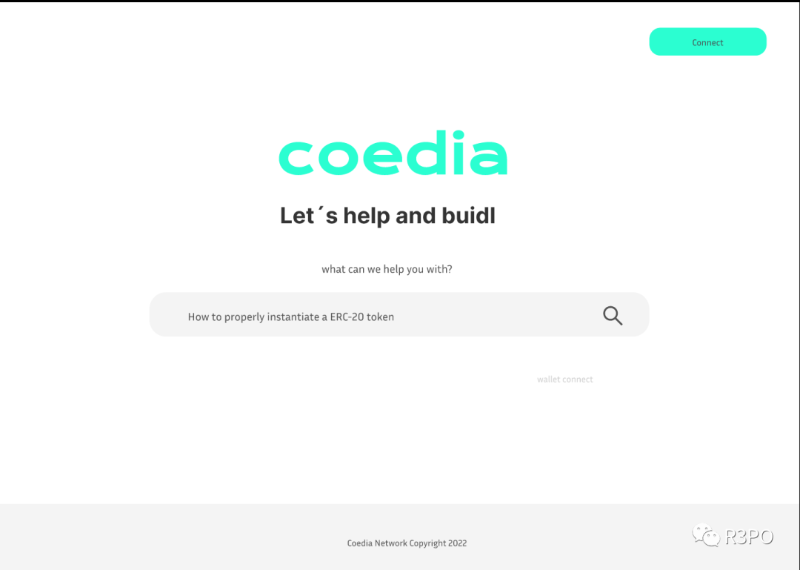
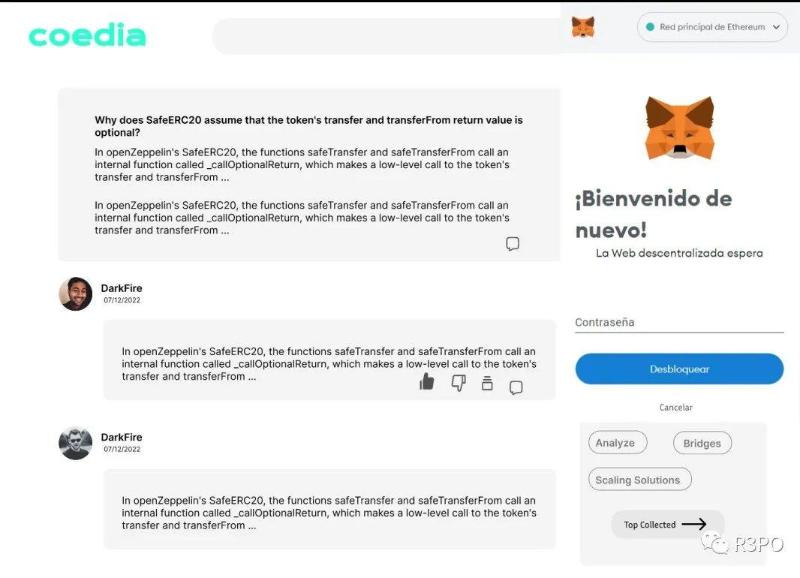
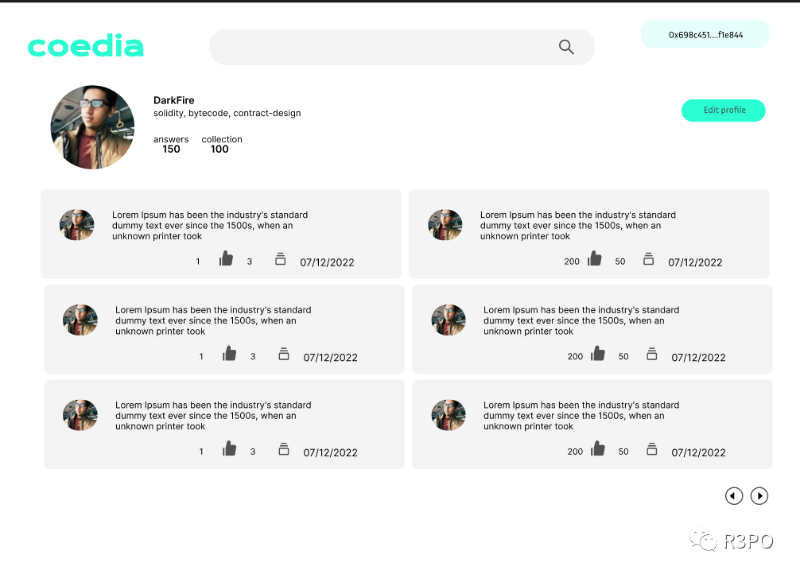
Using Polygon blockchain, Lens Protocol API, IPFS/Filecoin, and MetaMask, we developed a UI displaying all interactive instructions, with issues minted as NFTs upon resolution. Each request (post) deploys an NFT. Developers solve issues and claim bounties as rewards, collectibles, or reputation points. MetaMask enables bounty claiming and asset management.8. Zipline
Official link: https://ethglobal.com/showcase/zipline-05w8kProject Description
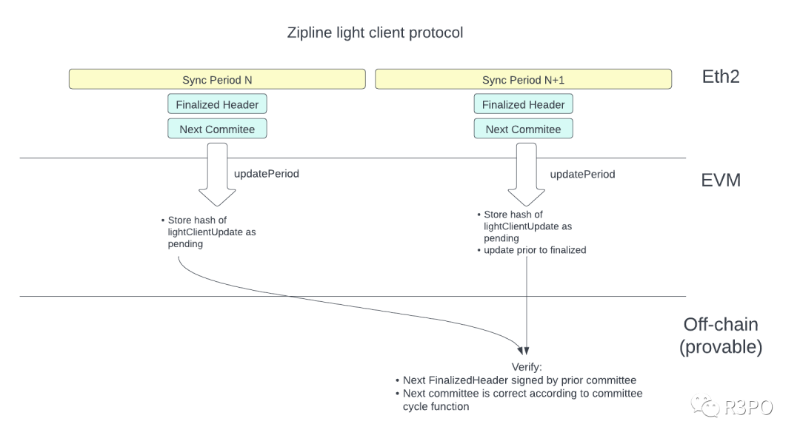
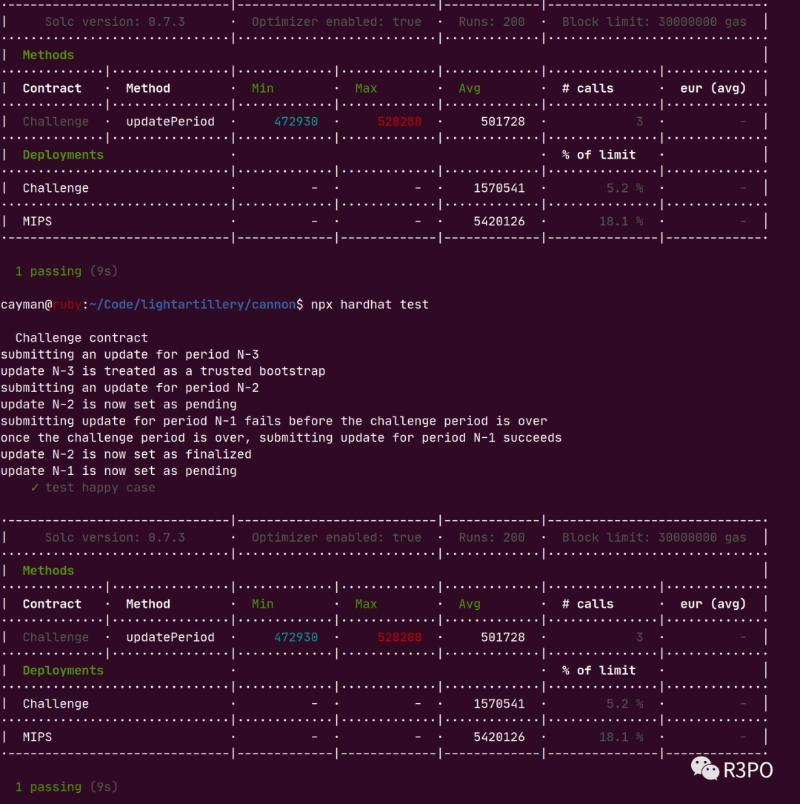
This project uses Optimism Cannon’s fraud-proof-based protocol to provably execute the Eth2 light client protocol on another EVM chain, enabling the target EVM chain to stay synchronized with Eth2 state. An off-chain relayer submits finalized blocks and sync committee updates. Updates include signatures from the current sync committee and proofs to derive the next committee. Instead of performing signature verification on-chain (which would be costly), it’s executed off-chain, with proof submitted on-chain. If the relayer commits fraud, any honest observer can challenge it during the dispute window. Once the challenge period ends, the update is assumed valid. This repeats every sync period (~27 hours) to keep the target chain synced with Eth2. Consumers can securely use Eth2 block roots to prove state or transaction inclusion—enabling trustless token bridges.How It Was Built
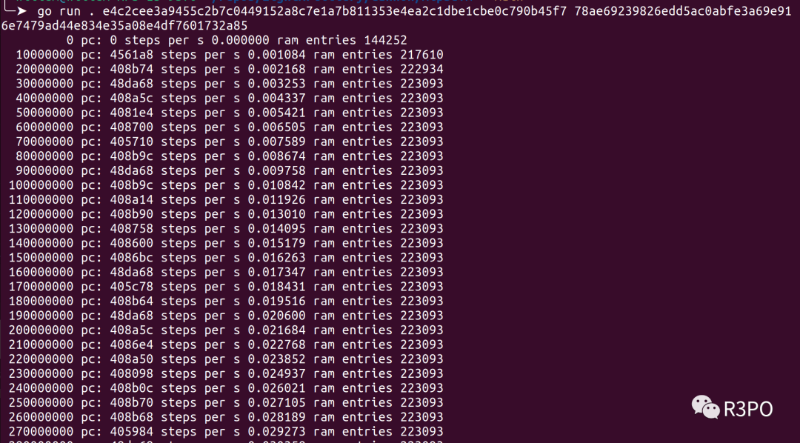
Eth2 light client code for signature and sync committee validation was adapted from Snowbridge Eth2 Substrate Bridge. The validation logic was compiled into MIPS instruction set to allow Optimism Cannon to prove execution traces.9. Anonymous Vickrey Auctions On Chain
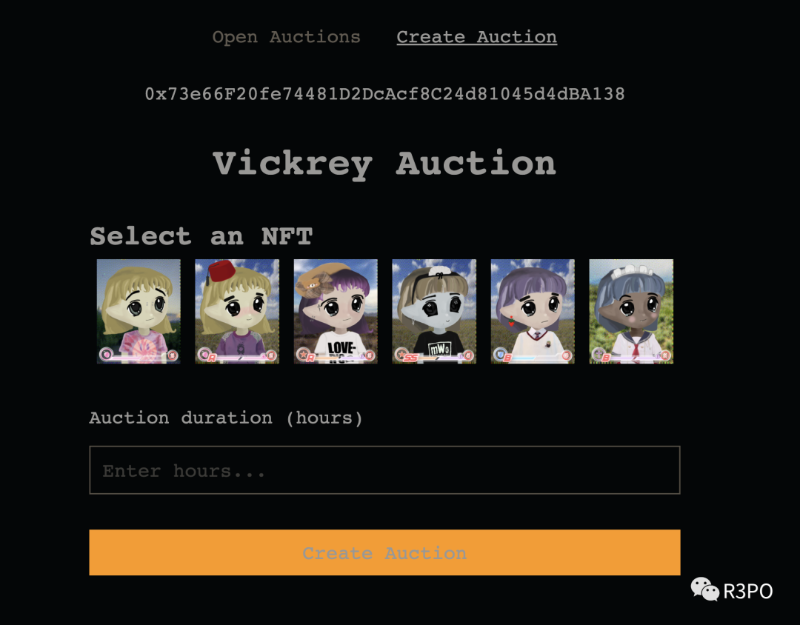
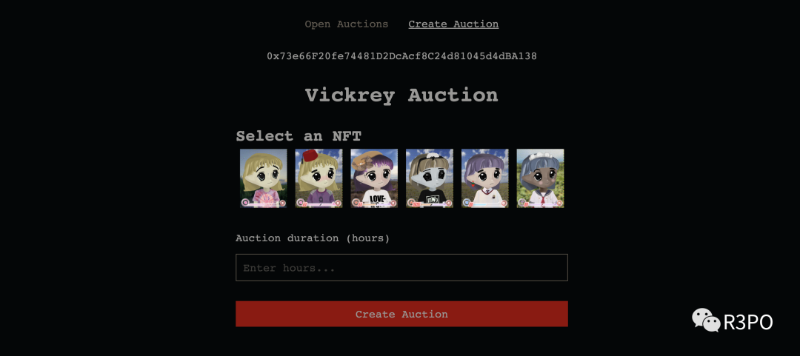
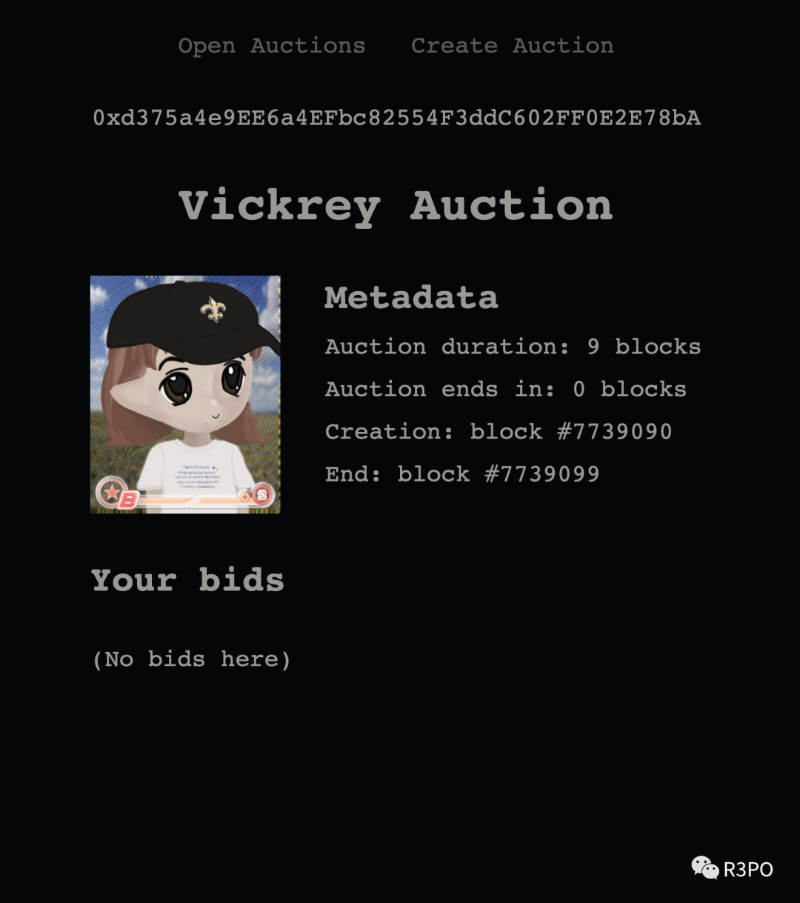
Official link: https://ethglobal.com/showcase/anonymous-vickrey-auctions-on-chain-igh5eProject Description
How It Was Built
We designed custom smart contracts from scratch using Solidity, Huff, and Assembly. We adapted Merkle Patricia Trie proofs from Goldengate to verify account ownership at specific timestamps—entirely on-chain. Assembly-level optimizations reduced gas usage, and clever techniques accelerated MPT lookups on-chain. The entire process is automated and decentralized.10. diZKreet
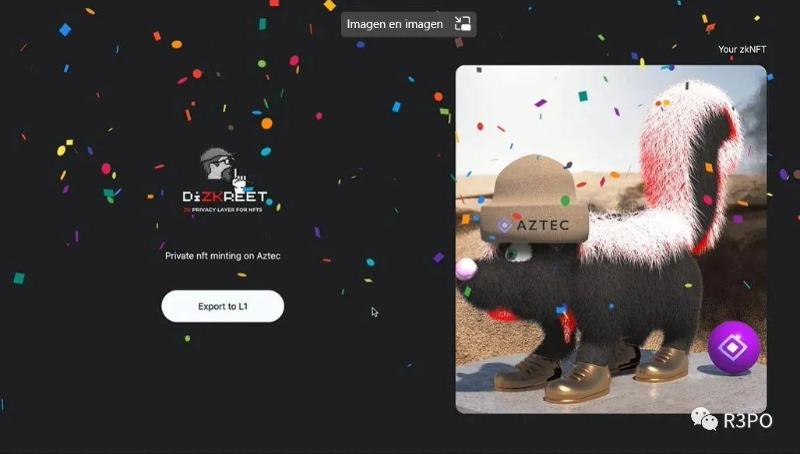
Official link: https://ethglobal.com/showcase/dizkreet-4rvz2Project Description
How It Was Built
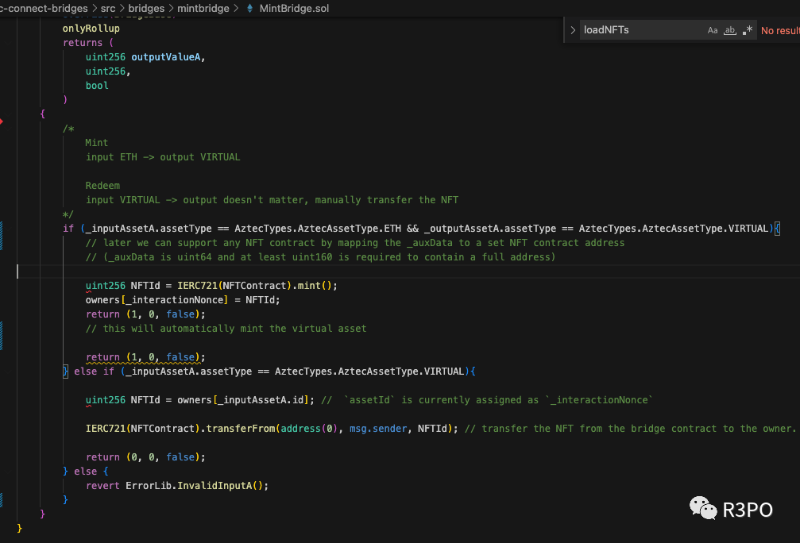
Built using Aztec ZK Rollup to create a custom ZK shielded bridge. Aztec ZK SDK was used to build a secure frontend. All NFT metadata and images are stored on IPFS via Web3.storage. Ethereum serves as the base layer securing digital assets. We used OpenZeppelin NFT contracts to create a secure and robust ZKunk NFT.11. ClubSpace
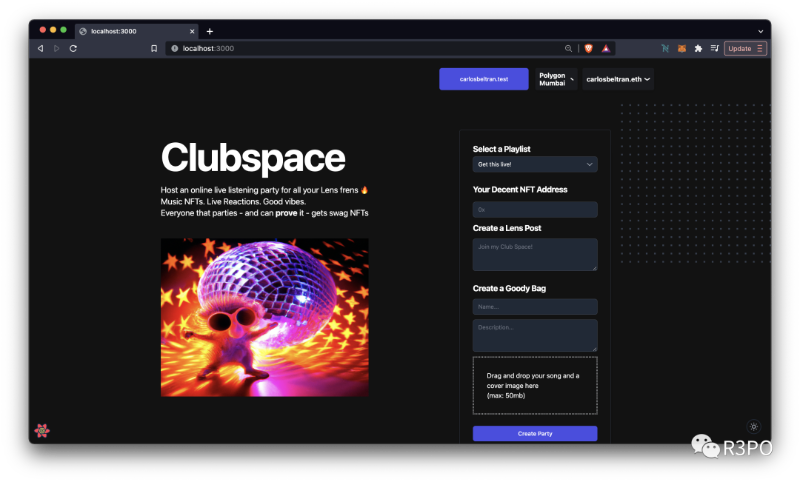
Official link: https://ethglobal.com/showcase/clubspace-cwzqxProject Description
How It Was Built
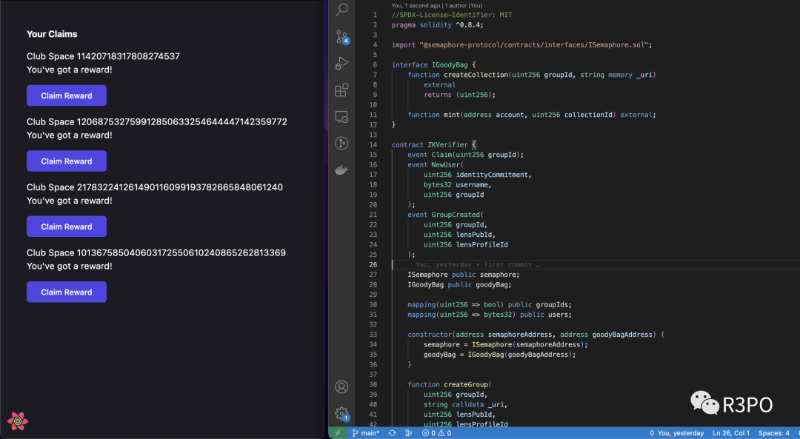
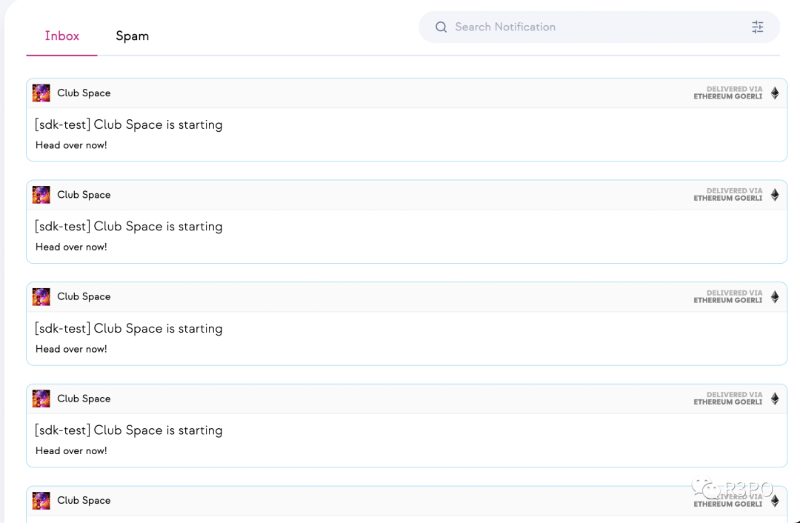
We use Lens for social login and party promotion. Streamr enables real-time interaction within ClubSpace. EPNS sends notifications to ClubSpace subscribers about new parties. A clever Next.js app ties everything together, with APIs for data processing and impression logging. Finally, Semaphore provides users with ZK proofs of attendance—submitting the proof earns them an NFT reward.12. txn.xyz
Official link: https://ethglobal.com/showcase/txn-xyz-knbjwProject Description
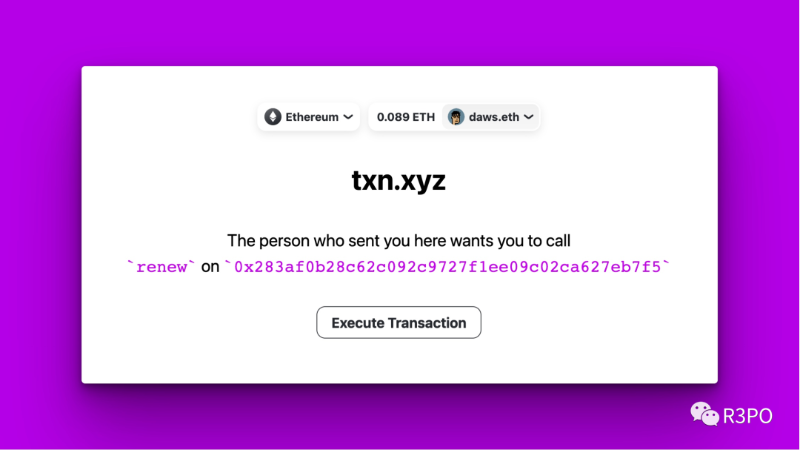
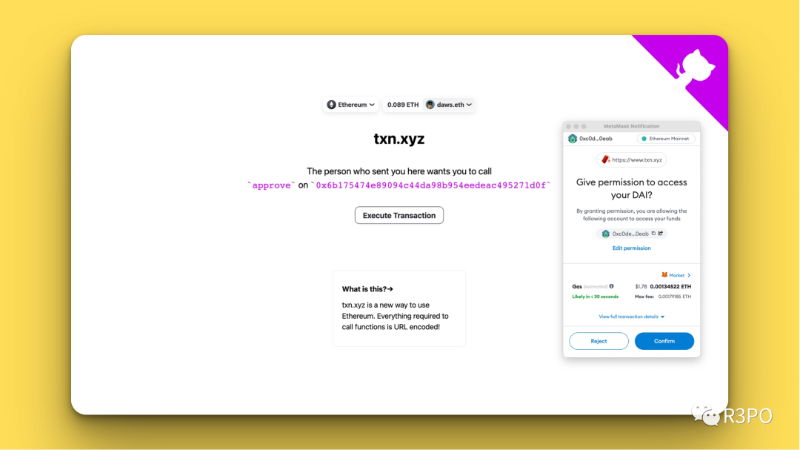
Instead of every DApp reinventing the wheel—loading ETH, learning transaction requests, and offering limited wallet support (often just MetaMask)—why not share a universal transaction page? This transaction page allows DApps to connect via any wallet and request any transaction—all powered by a clean URL encoding system, requiring no server or persistent state. Say hello to txn.xyz!How It Was Built
Built with Next.js and TypeScript, supporting connections to Polygon, Optimism, and many other networks. Deployed via Vercel with no backend, minimizing downtime. You can even self-host your own instance since everything is open in the repo!Conclusion
R3PO translated and compiled the 12 winning projects from the ETHBogota Hackathon. R3PO observed that these projects—backed by the crypto world—are increasingly focused on attracting new users into the Web3 rabbit hole. Though the bear market is long, it’s an ideal time for investors and builders to reflect and strengthen. Deep thinking today prepares us for the next wave of bullish momentum. We hope this inspires more reflection, helping everyone identify promising investment opportunities and entrepreneurial directions—let’s build the future of Web3 together!Join TechFlow official community to stay tuned
Telegram:https://t.me/TechFlowDaily
X (Twitter):https://x.com/TechFlowPost
X (Twitter) EN:https://x.com/BlockFlow_News
Add to Favorites
Share to Social Media
 R3PO
R3PO