








How do Celestia and Cosmos build a modular blockchain internet?
TechFlow Selected TechFlow Selected
How do Celestia and Cosmos build a modular blockchain internet?
Cosmos is the birthplace of today's application-specific chain revolution, and Celestia + Cosmos should represent the ultimate form of appchains.
 Navigating Web3 tides with focused insights
Author: Nick White, Founder of Celestia
Translation: TechFlow
Although application-specific blockchains (appchains) only gained popularity in 2022, Cosmos proposed the vision of an "Internet of Blockchains" back in 2016.
Cosmos is the birthplace of today's appchain revolution, and Celestia + Cosmos should represent the ultimate form of appchains.
Each cryptocurrency community has a different vision, leading to distinct blockchain designs. For example:
-
Bitcoin >> Digital gold >> A simple but secure chain;
-
Ethereum >> World computer >> The first programmable blockchain.
But Cosmos is different. Cosmos views blockchains as "community computers"—enabling groups of people to digitally collaborate.
Therefore, Cosmos set out to achieve two goals:
1. Enable any community to launch their own blockchain;
2. Connect these chains together to form an "Internet of Blockchains."
-
For goal 1, they built Tendermint and the Cosmos SDK, simplifying the software development required to build blockchains.
-
For goal 2, they created Interchain standards, such as IBC and Interchain Accounts, making cross-chain interactions easy.
These tools are feats of research and engineering brilliance. Today’s appchain ecosystem universally benefits from these landmark innovations.
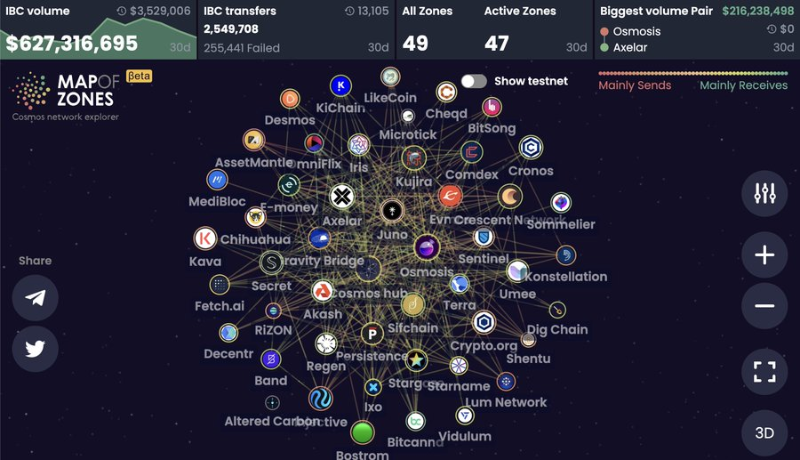
Just look at MapOfZones—what a spectacular sight:
But Cosmos’ ambition goes further. What we see today as the blockchain internet is still just a child compared to what it will become.
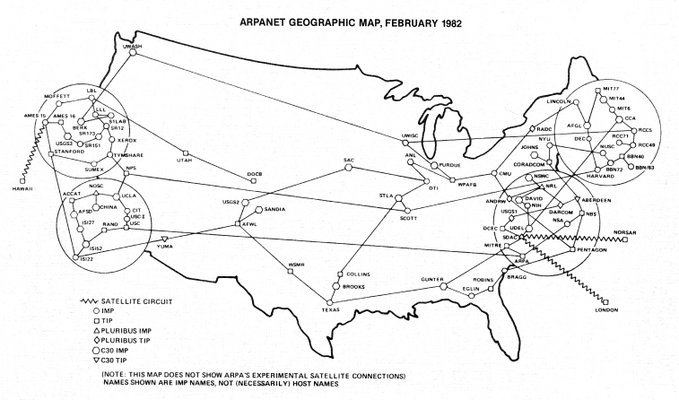
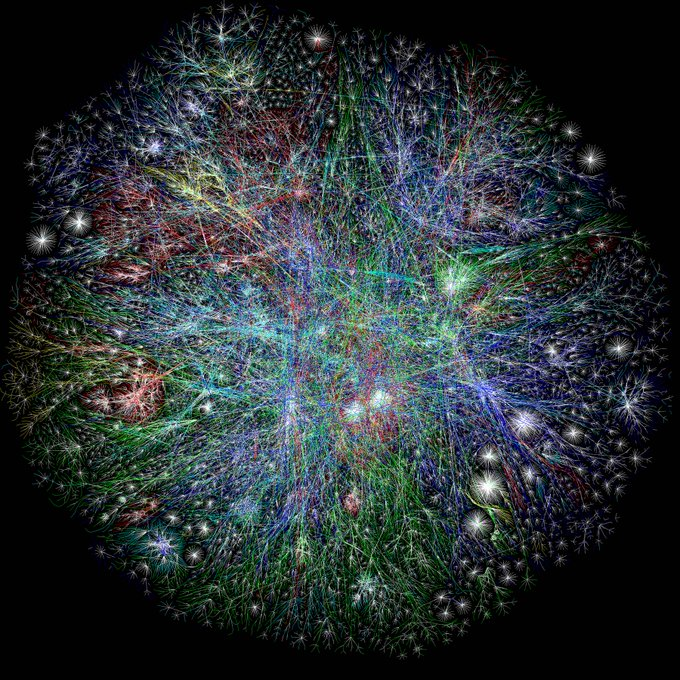
The internet grew from 50 servers in 1982 to 200 million in 2022. Similarly, the blockchain internet will grow into millions of chains transacting trillions of dollars via IBC.
To reach that future, however, Cosmos must address two key limitations in its current architecture:
1. High overhead for launching new chains
2. Lack of shared security among chains
Let’s examine each in turn.
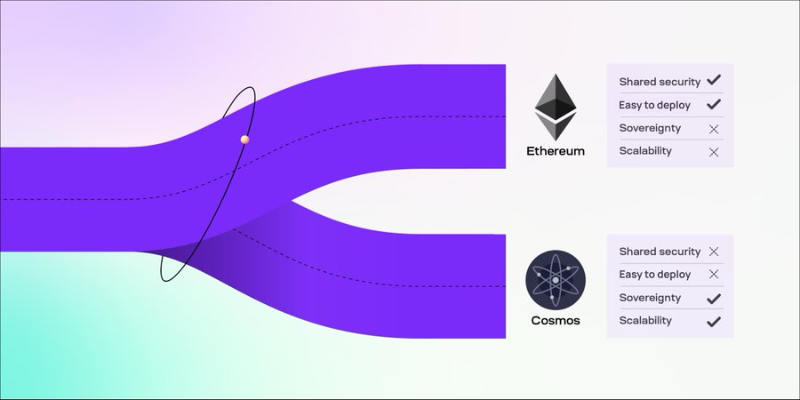
While Tendermint + Cosmos SDK simplify the software side, launching your own chain still requires building a new consensus network—including validators and a PoS token. This is significantly harder than the software component.
Cosmos currently lacks shared security. Although IBC is the most secure bridging technology available, there remains a risk of funds being stolen across bridges. We need bridges that are secure by default so value can flow freely between chains.
Web2 adopted technologies like cloud computing to drastically reduce the cost of launching and scaling websites or web applications. Web2 also upgraded from HTTP to HTTPS to enable secure information exchange over the Internet by default.
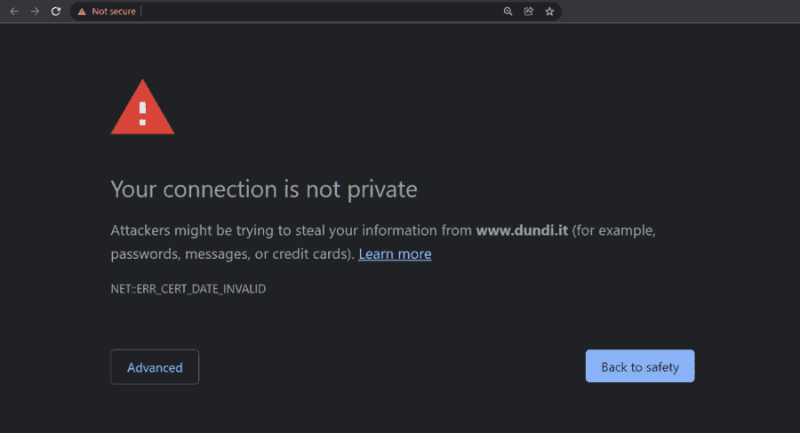
We need similar upgrades for Web3 and the Interchain to unlock the next level of appchains. This is where Celestia comes in.
Celestia’s modular architecture enables easy creation and secure connection of new blockchains. New chains simply plug into Celestia’s existing consensus network instead of building one from scratch. Then, Celestia acts as a shared security layer across these chains, creating maximally secure bridges between them.
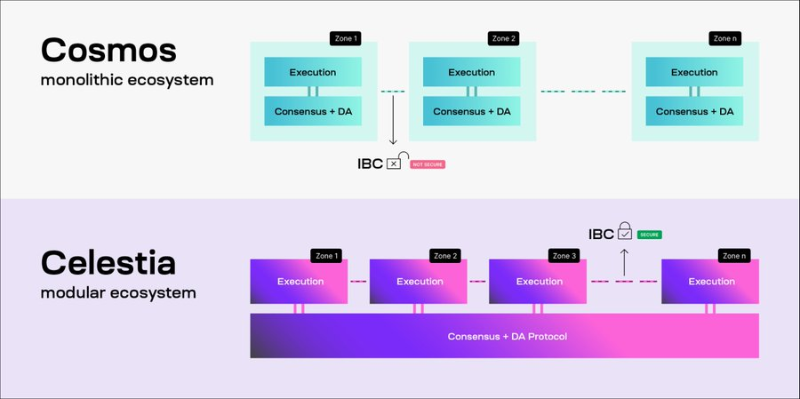
Thus, Celestia combines the best of Ethereum and Cosmos, bringing to appchains:
- Shared security;
- Ease of deployment;
- Sovereignty;
- Scalability;
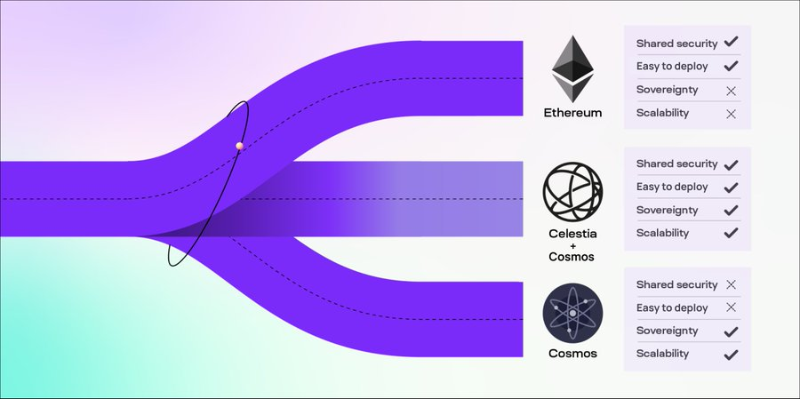
The combination of Celestia and Cosmos will take us from hundreds of appchains to millions, and from billions in transactions on IBC to trillions.
We shouldn’t merely aim to build a simple blockchain internet—we should pursue a *modular* blockchain internet.
Join TechFlow official community to stay tuned
Telegram:https://t.me/TechFlowDaily
X (Twitter):https://x.com/TechFlowPost
X (Twitter) EN:https://x.com/BlockFlow_News






