








Synapse Chain: A decentralized infrastructure with a centralized product experience
TechFlow Selected TechFlow Selected
Synapse Chain: A decentralized infrastructure with a centralized product experience
Synapse Chain enables dApps to create user experiences similar to centralized products while retaining all the benefits of being on-chain applications.
 Navigating Web3 tides with focused insights
Author: Max Bronstein
Compiled by: TechFlow
This article introduces Synapse Chain and explains why the author believes it is a powerful infrastructure for the next generation of decentralized applications.
TLDR: Synapse Chain enables dApps to deliver user experiences comparable to centralized products while retaining all the benefits of being on-chain applications.
Centralized products have historically outperformed on-chain products in two key areas:
-
1. Performance;
-
2. Multi-chain support;
Centralized applications centrally control all business logic executed on databases——because they are trusted entities, there's no need to sacrifice performance.
Likewise, centralized products are blockchain-agnostic——by supporting any chain, they can serve more users.
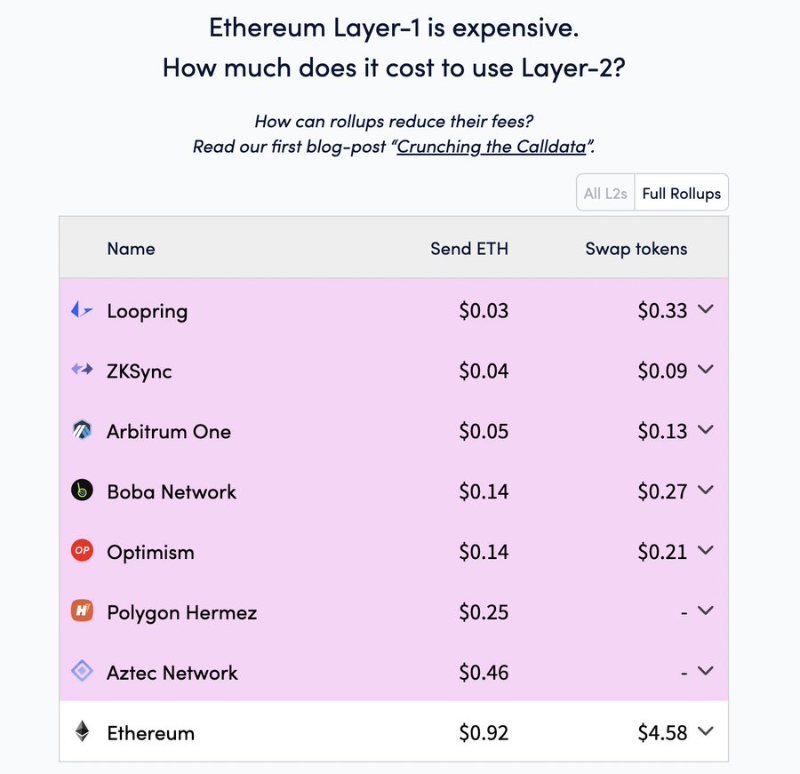
Through rollups/L2s/application-specific chains, the performance of on-chain products has improved significantly——becoming cheaper while maintaining security.
As an Ethereum-based rollup, Synapse Chain offers fee structures, throughput thresholds, and security comparable to other rollups.
Today, where on-chain products truly struggle is in supporting assets and users across multiple blockchains. As users and liquidity continue to fragment across chains, the need for multi-chain deployment will only grow.
DApps now choose to deploy their first instance on a rollup or L2 instead of the Ethereum mainnet due to prohibitively high fees.
While rollups can connect funds trustlessly, the 7-day waiting period is impractical for users, forcing dApps to rely on cross-chain bridges like Synapse.
To reach more users, dApps expand onto additional chains, repeatedly deploying the same set of contracts and partnering with cross-chain bridges to support various assets across different chains.
The result is a poor user experience, fragmented liquidity, and an overabundance of wrapped assets.
Take GMX as an example: GMX is deployed on both Arbitrum and Avalanche. Each chain hosts its own GLP and market. An Arbitrum user wanting to trade AVAX must transfer funds to Avalanche, while an Avalanche user wanting to trade UNI must move funds to Arbitrum.
Currently, GMX cannot meet all user demands and forces users to constantly move between chains.
However, if GMX were deployed on Synapse Chain, it could offer a unified trading experience similar to that of a centralized exchange.
Users make a one-time deposit to Synapse Chain via the Synapse Bridge from whatever chain holds their assets, then perform atomic trades without leaving the rollup environment.
This is precisely why Binance, FTX, and Coinbase dominate in user experience.
Deposit assets from any chain, trade seamlessly within a fast execution environment, withdraw assets back to any chain. With Synapse Chain, this same user experience can be achieved while preserving trustlessness.
Crypto has always been about enabling users to easily achieve their goals while upholding decentralization principles. With so many users flocking to these new chains, infrastructure is needed to unify these ecosystems without relying on trusted intermediaries.
Join TechFlow official community to stay tuned
Telegram:https://t.me/TechFlowDaily
X (Twitter):https://x.com/TechFlowPost
X (Twitter) EN:https://x.com/BlockFlow_News


![Axe Compute [NASDAQ: AGPU] completes corporate restructuring (formerly POAI), enterprise-grade decentralized GPU computing power Aethir officially enters the mainstream market](https://upload.techflowpost.com/upload/images/20251212/2025121221124297058230.png?x-oss-process=image/resize,p_50/quality,q_80)






