








When all the bubbles burst, who in the crypto market will survive?
TechFlow Selected TechFlow Selected
When all the bubbles burst, who in the crypto market will survive?
We live in uncertain times, as the cheapest monetary cycle in history is coming to an end.
 Navigating Web3 tides with focused insights
Written by: Anthony Pompliano
Translated by: TechFlow intern
We live in uncertain times, and the cheapest monetary cycle in history is coming to an end. Let's examine what this means for the "everything bubble."
When the first Covid lockdowns began in March 2020, both stock markets and Bitcoin plunged. Nobody knew how the virus would evolve or what shutting down a globalized economy would entail. What followed over the next two years was unprecedented on many levels—governments and central banks stepped in, making new money available to almost anyone who could sign a document, creating the cheapest financing environment ever seen.
This led to the "everything bubble," where everything—from real estate and memes to index funds, Bitcoin, and thousands of cryptocurrencies—soared to all-time highs, sending people into euphoria. It didn’t matter what you invested in; just buy something and wait for the "number to go up." Everyone became a genius.
Things got increasingly wild. Everyone who made some money from these investments started exploring what else they could invest in—buying Rolex watches, vintage Nintendo games, and now even startups that let you buy partial ownership of Nike sneakers. We also have pixelated rocks or randomly generated monkey pictures. If you thought the ICO craze of 2017 was crazy, you weren't ready for 2021 and beyond. Even driven by collectibles and NFTs, this is absolutely something that will go down in history.
Inflation (Possibly) Coming to an End
What happens when endless cheap money stops flowing and fiat interest rates begin to rise? Risk assets start to bleed. Coinbase, the world’s most popular cryptocurrency broker, has already announced it will cut 18% of its workforce. Tech stocks, especially growth stocks, are also declining. As Izabella Kaminska wrote in her excellent analysis, the situation bears a strong resemblance to the beginning of the dot-com bubble burst. The Fed started tightening in May 1999, and the tech bubble peaked in March 2000.
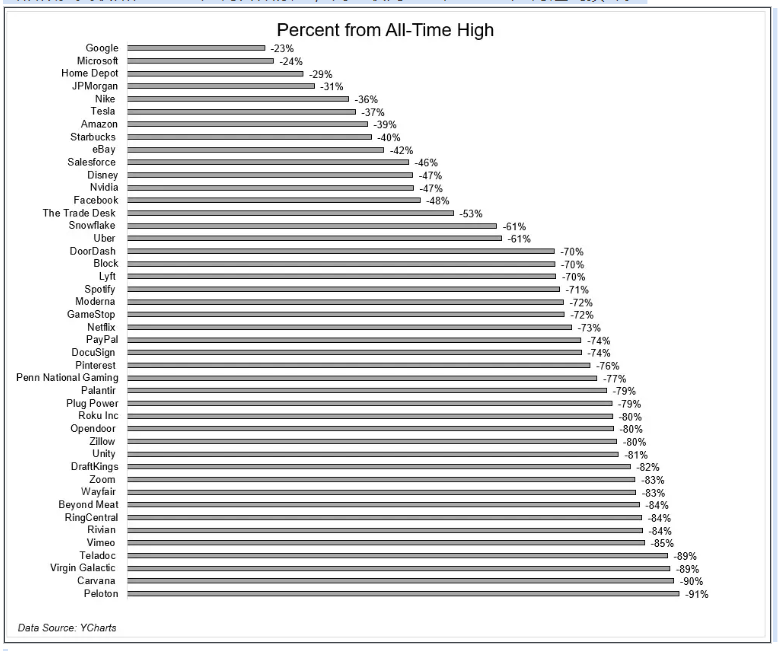
Now, the Federal Reserve has announced its largest rate hike in twenty years, and the European Central Bank is raising rates for the first time in eleven years. Of course, there are many uncertainties. Ultra-loose monetary policy is certainly only one factor, alongside supply chain disruptions and war-related issues.
-
Sanctions against Russia;
-
Russia weaponizing its energy exports;
-
The possibility of war escalation;
-
China's zero-Covid strategy (which might also be economic warfare—who knows?)
...
There is now a great deal of uncertainty in the air.
The Federal Reserve and the European Central Bank are in a difficult position. Keeping interest rates low risks worsening inflation. Raising rates amid slowing growth brings stagflation—meaning prices keep rising while unemployment increases. No one wants this, especially politicians focused on short-term gains. As history has shown us, extreme political positions become more popular, ending in pain for all of us.
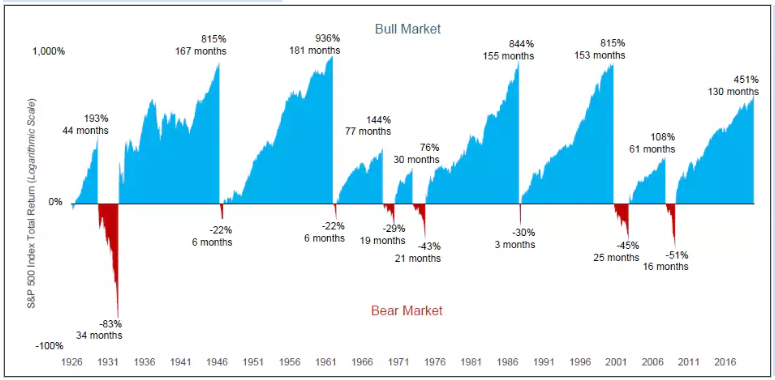
Is This Crisis Different?
This brings us back to Izabella Kaminska’s article. The collapse of the cryptocurrency market might actually be a good thing, similar to how the dot-com bust wasn’t the end of internet companies. To be clear: I’m skeptical of nearly all crypto assets (except Bitcoin and a few with actual utility, mainly exchange utility tokens). "The market must first acknowledge some uncomfortable truths—the key point being that around 95%, or even more, of the market may be worthless—a product of absurdly cheap funding conditions driven by excessively loose central bank policies," wrote Kaminska.
The survival of this industry depends on whether it can solve real-world problems. We’re seeing deglobalization, governments moving toward more authoritarian models, and a bloody war in Europe. "Any cryptocurrency that helps build bridges with adversaries, protects privacy, better allocates resources to those in need, or saves energy will ultimately prove successful—but expect a very difficult journey along the way," Kaminska concluded.
A New Monetary Order
The entire macro environment is where I find the most excitement. Zoltan Pozsar’s Bretton Woods III thesis argues we are entering a new monetary order. The seizure of Russia’s foreign reserves marks a geopolitical turning point. It sends a clear message to everyone: your dollars are only valuable as long as the G7 (especially the U.S.) says so. China, India, and other nations are taking note. Pozsar writes: “We are witnessing the birth of Bretton Woods III—a new world monetary order centered on commodity-backed currencies from the East, which could undermine the Eurodollar system and fuel inflationary pressures in the West. After this war ends, ‘money’ will not be the same... and Bitcoin (if it still exists) may benefit from all of this.”
Sorry to disappoint, but I don’t know what comes next—what stock to buy, or who will win the crypto race, who will be the next Amazon or Google. There are 20,000 cryptocurrencies on exchanges and countless NFT projects. Pick a few, and you might get lucky. Just know that 99% of them will likely go to zero—perhaps even more. Keep in mind, even 1% of 20,000 is still 200, which to me is a large number. Bitcoin certainly carries risks too, but as Pozsar points out, it has the potential to emerge as a winner from all this uncertainty.
Join TechFlow official community to stay tuned
Telegram:https://t.me/TechFlowDaily
X (Twitter):https://x.com/TechFlowPost
X (Twitter) EN:https://x.com/BlockFlow_News






