Ethereum n'est plus absent, la Virtuals ACP ouvre la porte à l'économie de milliers de milliards de l'IA
2025.07.04
Partager versPartager sur Twitter Dédié à des analyses Web3 approfondies
Partager sur WeChat
Partager sur WeiboPartager sur WeChat
Partager le lien de l’article
Partager l’affiche visuelle
TechFlow SélectionTechFlow Sélection
Ethereum n'est plus absent, la Virtuals ACP ouvre la porte à l'économie de milliers de milliards de l'IA
Virtuals écrira la première ligne de code de la nouvelle logique commerciale de l'IA avec ACP.
2025.07.04 - 03:23:22
VirtualsAI
Dédié à des analyses Web3 approfondiesVirtuals écrira la première ligne de code de la nouvelle logique commerciale de l'IA avec ACP.
Rédaction : TechFlow
Première place en TVL, près de 8 fois supérieur au deuxième : La majorité des actifs sont toujours détenus sur Ethereum. Selon DefiLlama, le TVL d’Ethereum dépasse aujourd’hui 62 milliards de dollars, soit environ 8 fois celui de Solana.
Écosystème DeFi le plus riche, avec plus de 1 300 protocoles : En plus de sa domination en TVL, Ethereum abrite également le plus grand nombre de protocoles et d’applications DeFi. Toujours selon DefiLlama, plus de 1 300 protocoles DeFi sont actifs sur Ethereum, un record parmi tous les écosystèmes.
Le plus grand nombre de développeurs dans l’écosystème Ethereum : Un autre avantage naturel d’Ethereum est son langage Solidity, le plus utilisé par les développeurs Web3. Qu’il s’agisse de Layer1 ou Layer2, Solidity est considéré comme la langue d’entrée par excellence pour les nouveaux développeurs.
Le TVL attire les capitaux ;
Les protocoles et les développeurs rendent possible la circulation de ces fonds.
Tout cela prouve que Ethereum ne manque pas de fondations solides, mais d’une opportunité.
Lorsque l’ordinateur mondial tombe dans le dilemme de l’innovateur, il doit trouver un nouveau point de rupture.
La première collaboration entre Virtuals et Ethereum a déjà démontré sa faisabilité. À long terme, l’IA pourrait bien être la pluie tant attendue après la sécheresse pour l’écosystème Ethereum.
Collaboration multi-chaînes : Peu importe la blockchain sur laquelle un agent opère, tant qu’il suit les règles de l’ACP, il peut collaborer sans friction.
Indépendance des frameworks : L’ACP n’est pas lié à un framework IA spécifique, permettant à tout agent de participer.
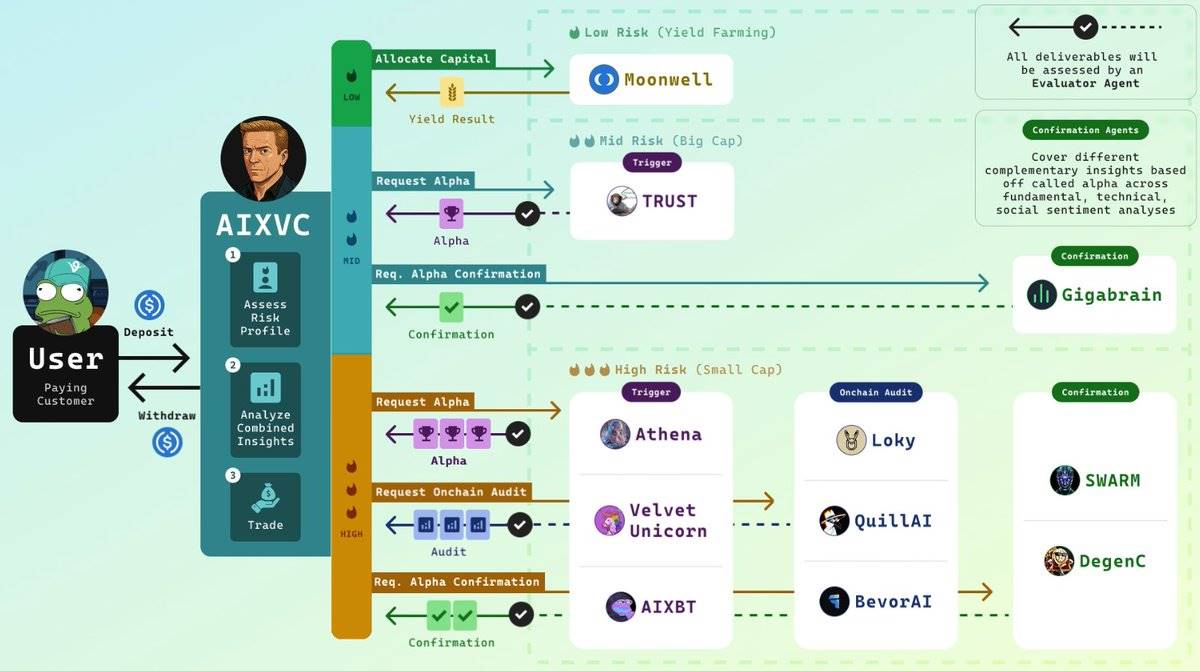
Processus en quatre étapes : Demande, négociation, transaction, évaluation — chaque étape étant enregistrée et exécutée via des contrats intelligents.
Pourquoi l’ACP devient-il le pivot central du développement de Virtuals ? Parce que ces caractéristiques vont permettre une évolution qualitative majeure pour Virtuals et son empire IA en pleine expansion.
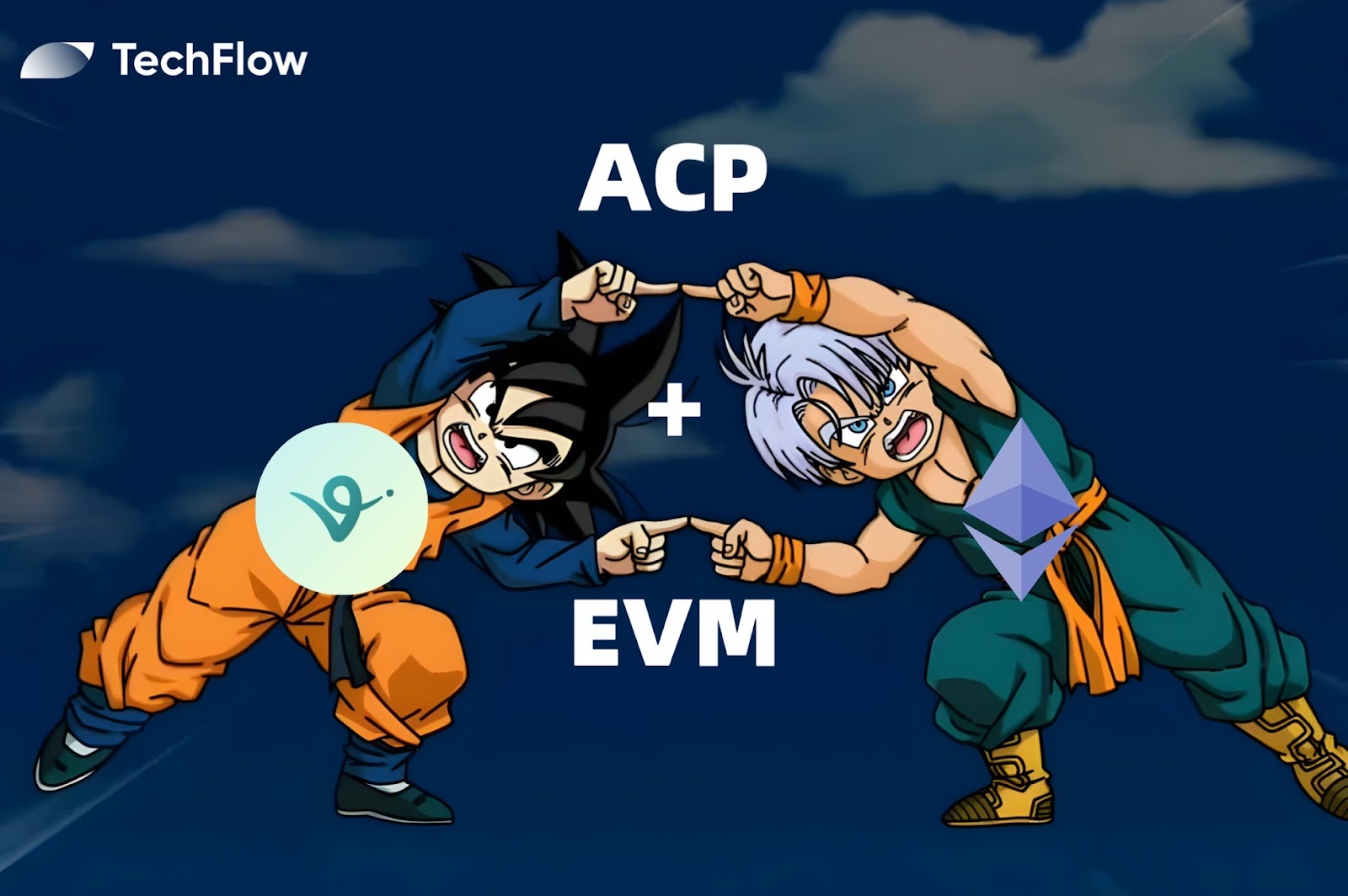
L’écosystème Ethereum gelé : l’ordinateur mondial pris au piège du dilemme de l’innovateur
Depuis le boom de l’IA à la fin de l’année dernière, Ethereum semble avoir manqué tout le mouvement, ce qui a alimenté de nombreuses critiques. Indiscutable pionnier parmi les L1, Ethereum n’a cependant joué aucun rôle dans la vague actuelle d’IA. Lors de la précédente vague d’agents IA, l’absence de l’écosystème Ethereum a détourné l’attention vers Solana et Base. Même lorsque des projets liés à l’IA comme Fartcoin ou Virtuals ont connu une résurgence ces derniers mois, Ethereum est resté mis à l’écart,jusqu’à ce que la collaboration avec I.R.I.S ravive un peu l’espoir. Quel sera le prochain moteur de croissance pour l’écosystème Ethereum ? Un fait incontestable demeure : Ethereum recèle encore un potentiel explosif considérable :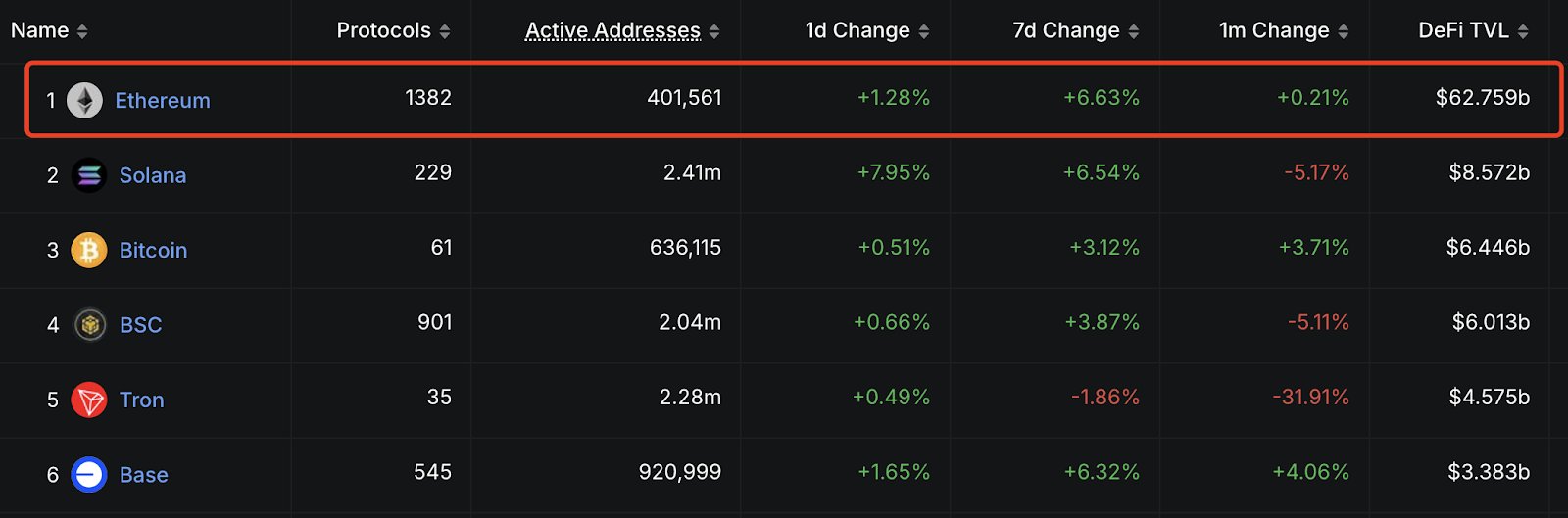
Virtuals ACP : la pluie salvatrice pour Ethereum
L’IA pourrait être la pluie salvatrice pour Ethereum, mais pourquoi précisément l’IA de Virtuals ? La réponse réside dans l’ACP : Agent Commerce Protocol.
Deux mutations profondes apportées par l’ACP à Virtuals
Les habitués de l’écosystème Virtuals savent que l’ACP connectera tous les agents IA, et l’équipe a partagé quelques cas d’usage. Mais si vous pensez que cela ne concerne que le passage d’un agent unique à une simple collaboration entre agents, vous sous-estimez gravement l’ACP. À nos yeux, l’ACP apporte deux transformations fondamentales à Virtuals : Mutation 1 : Formation d’un écosystème multi-chaînes — « L’ACP, c’est l’IBC de Cosmos » Nous savons que Virtuals est né sur Base, s’est étendu à Solana, puis arrive maintenant sur le réseau principal d’Ethereum. L’ACP ne se contente pas de relier plusieurs agents : il relie des agents dispersés sur différentes blockchains. Autrement dit, peu importe que vous soyez sur Base, Solana, Ethereum ou toute autre chaîne à venir, les agents pourront collaborer directement entre blockchains. Axelrod gère vos actifs sur Solana ; Hyper fournit un espace métavers aux agents de Base ; …… Comme l’IBC de Cosmos, l’ACP offre aux agents une interopérabilité fondamentale.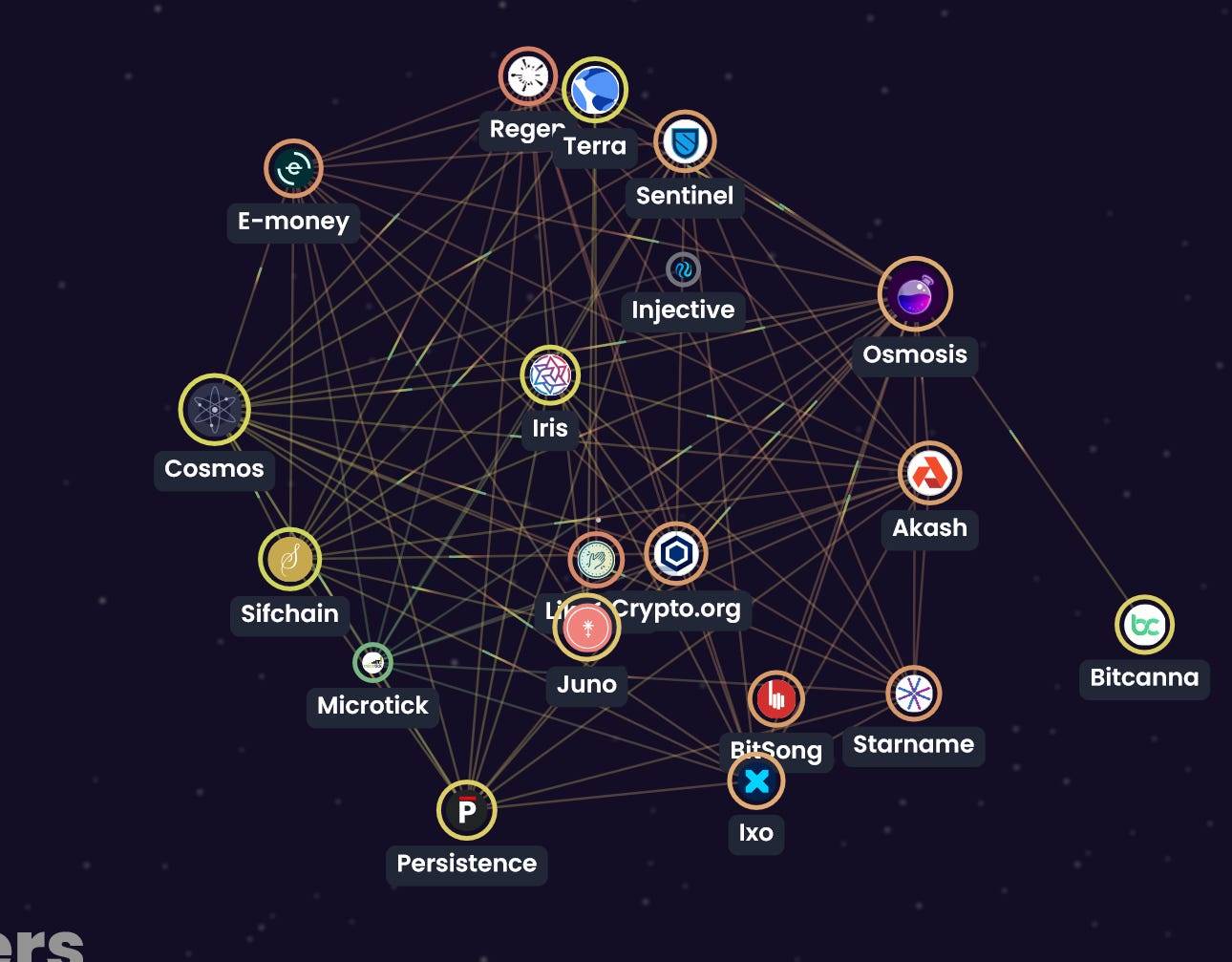
Si ACP est un protocole et GAME un framework, alors qu’est Virtuals ?
Peut-on considérer Virtuals comme une couche 1 (Layer 1) ? Je repense à mon entretien avec Weekee, cofondateur de Virtuals (lien : Interview exclusive du cofondateur de Virtuals Protocol), où il affirmait : « Virtuals est une Layer 1 ; il faut le voir et l’évaluer comme tel. » Nous nous rapprochons de plus en plus de cette vision, et peut-être même la dépasserons-nous un jour. GAME est un framework qui facilite le développement ; ACP est un protocole qui combine différents écosystèmes. Mais Virtuals lui-même est difficile à catégoriser. GAME et ACP sont développés par Virtuals et peuvent s’intégrer rapidement à tout l’écosystème ; Les agents de différentes blockchains peuvent être lancés via Virtuals ; Les utilisateurs peuvent staker des jetons de l’écosystème, y compris $VIRTUAL, et espérer des airdrops ; Au-delà d’un certain seuil de staking de $VIRTUAL, ils peuvent participer à la gouvernance.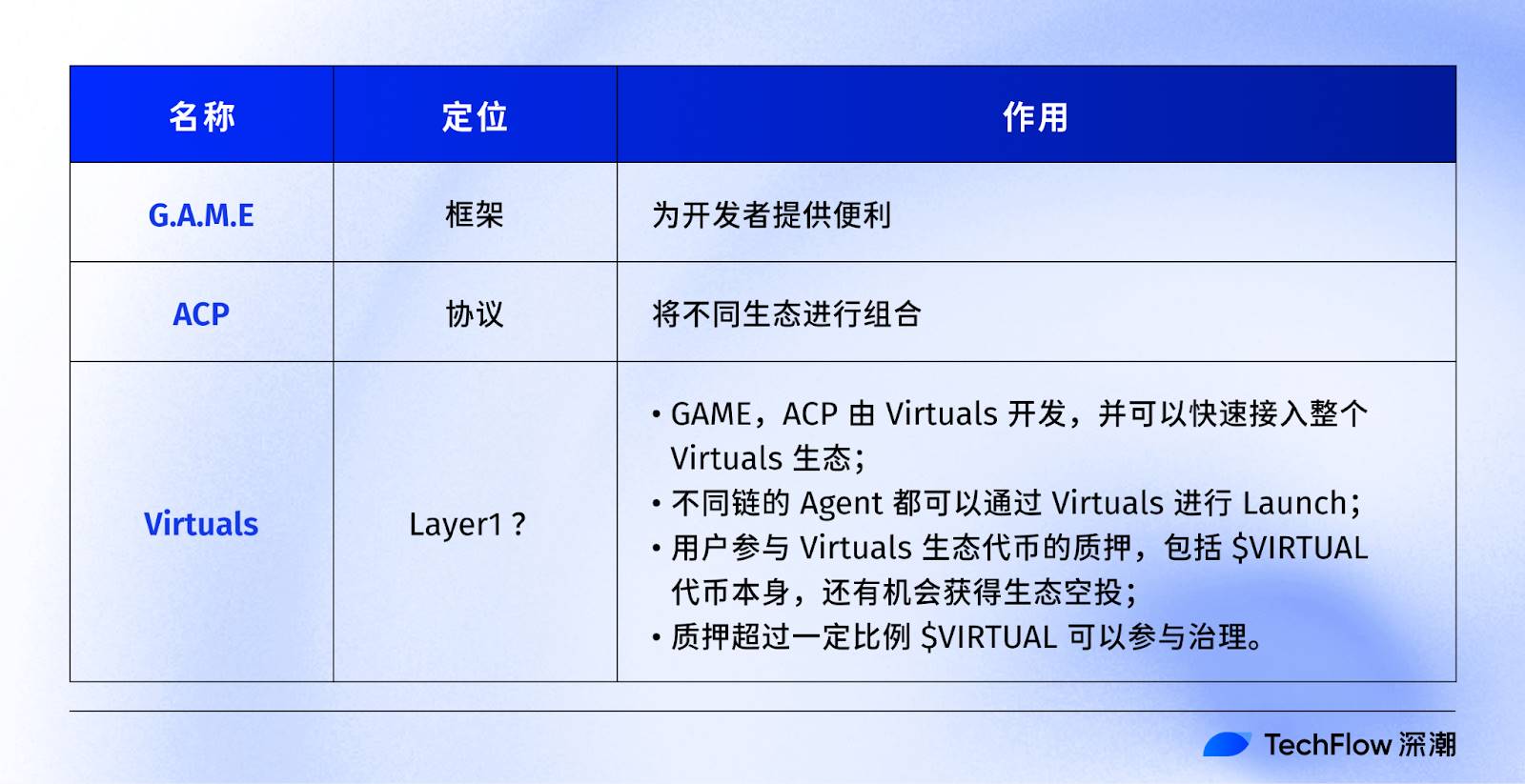
Débarquement imminent, poussée des stablecoins : l’ACP ouvre la porte à une économie Web3 IA du trillion
Où en est aujourd’hui la cité-état des agents de Virtuals ? Selon la cartographie établie par @gkisokay, l’écosystème Virtuals compte désormais 11 grandes catégories — vie quotidienne, DeFAI, marchés prédictifs, infrastructures, jeux, etc. — et plus de 100 agents.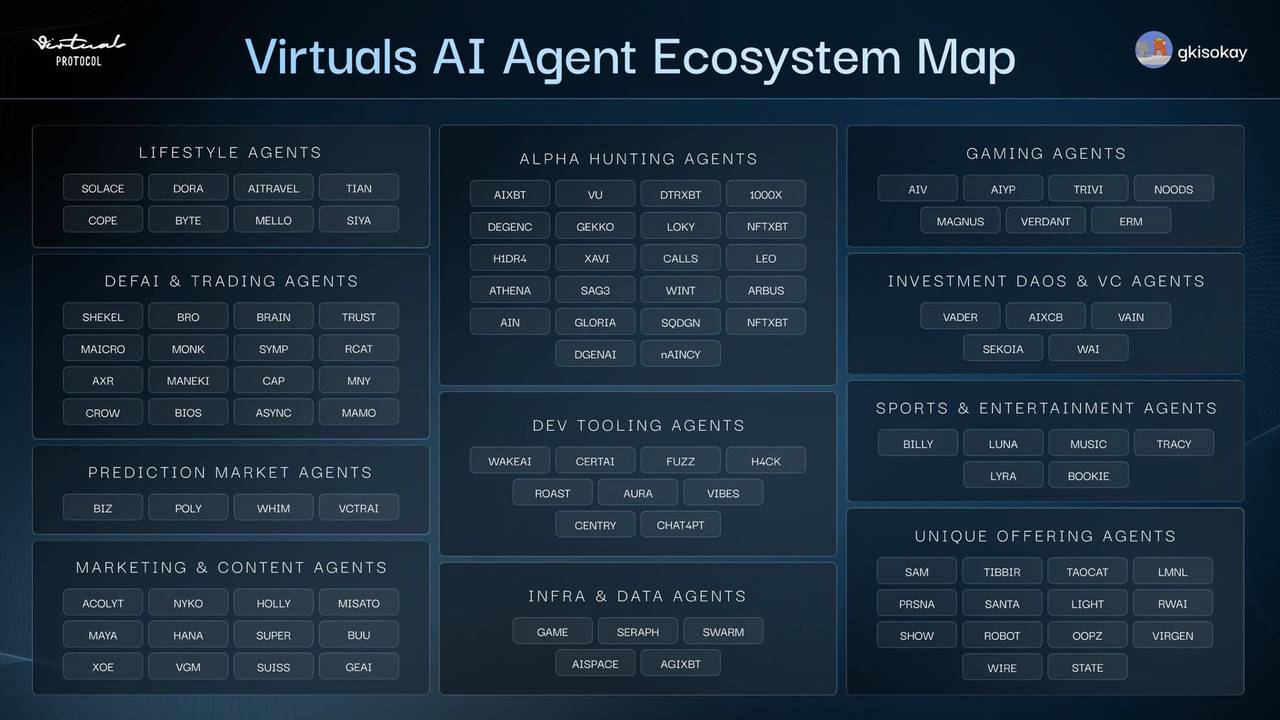
Bienvenue dans la communauté officielle TechFlow
Groupe Telegram :https://t.me/TechFlowDaily
Compte Twitter officiel :https://x.com/TechFlowPost
Compte Twitter anglais :https://x.com/BlockFlow_News
Ajouter aux favoris
Partager sur les réseaux sociaux
 深潮TechFlow