BeWater Conference Recap | The Next Decade for Developers: Because We Believe, We See
TechFlow Selected TechFlow Selected
BeWater Conference Recap | The Next Decade for Developers: Because We Believe, We See
BeWater's vision is to support 100 developers over 10 years, impacting 1 billion users. We believe the world is different because of you!
 Navigating Web3 tides with focused insights
On September 4, a familiar and special day in the blockchain world, BeWater DevCon 2021, the global developer conference, was successfully held at China World Hotel in Beijing. This was a hardcore gathering: 12 leading technical leads and nearly 100 developers from around the world convened in Beijing, while overseas developers participated via video link, coming together to deeply discuss programming languages, cryptography, decentralized protocols, privacy technologies, secure computation, open finance, and other fields.
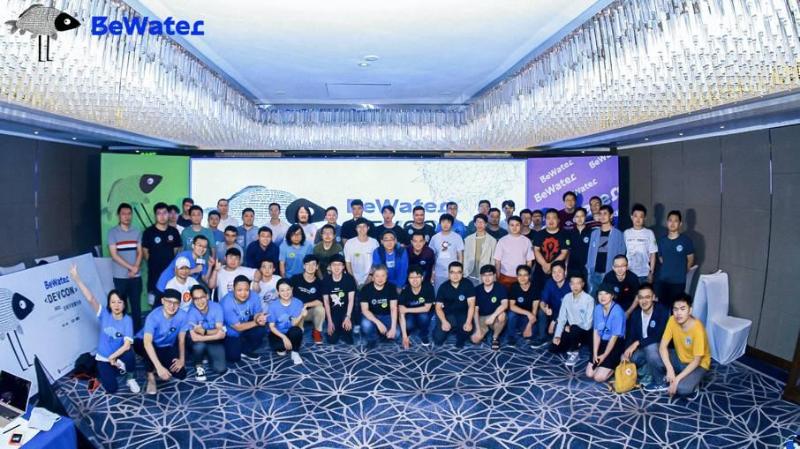
Avalanche's Chief Protocol Architect and Co-founder Ted Yin, Octopus Network founder Yi Liu, Loopring Protocol CTO Xionghui Guo, VeChain Senior Researcher Maxdeath, 3Box CTO Joel Thorstensson, Westar Chief Architect Jolestar, Mina CEO Evan Shapiro, Mask CTO Yisi Liu, HECO Technical Lead Andrew, Dfinity Core Engineer Paul Liu, Ethereum core developer Austin Griffith, and NEAR Asia Technical Lead Robert Yan delivered outstanding presentations.
Meanwhile, guests including EigenPhi co-founder Xianfeng Cheng, Phala Network co-founder and chief developer Hang Yin, Celer Network core developer Michael, QuarkChain technical lead Junjia He, former Matrixport CTO Jiazhi Jiang, dForce founder Mindao Yang, Continue Capital co-founder Pima, and Minimal Wallet CEO Kaiyang Pan participated in lively roundtable discussions on various topics.
Community founder BMAN spoke about the original intention behind establishing the BeWater community: creating a non-anxious, open, altruistic, and essence-seeking blockchain developer community.
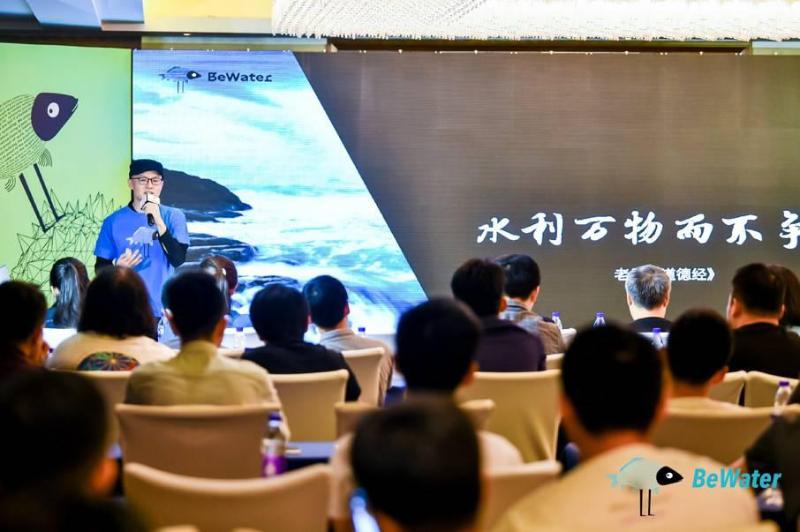
To the outside world, the blockchain industry always seems particularly anxious—everyone appears unable to stop, with attention easily captured by endless streams of information, leaving no space to pause and truly focus on what one genuinely wants to build. "Be Water" originates from a quote by Bruce Lee. We hope to build a community where, amid the anxiety of the blockchain industry, we can all "be like water"—a concept also rooted in Laozi's teaching: "Water benefits all things without contention."
Our original mission: In today’s era of rising developers, to genuinely support developers and be the water behind them. Like water nourishing all things—open, altruistic, supportive without contention—there isn't much need in this industry to compete over short-term gains. What we're striving for is continuity. To persistently focus on meaningful work, driven purely by passion, building a pure community called BeWater: pursuing essence, long-termism, perpetual openness, and flowing with the current.
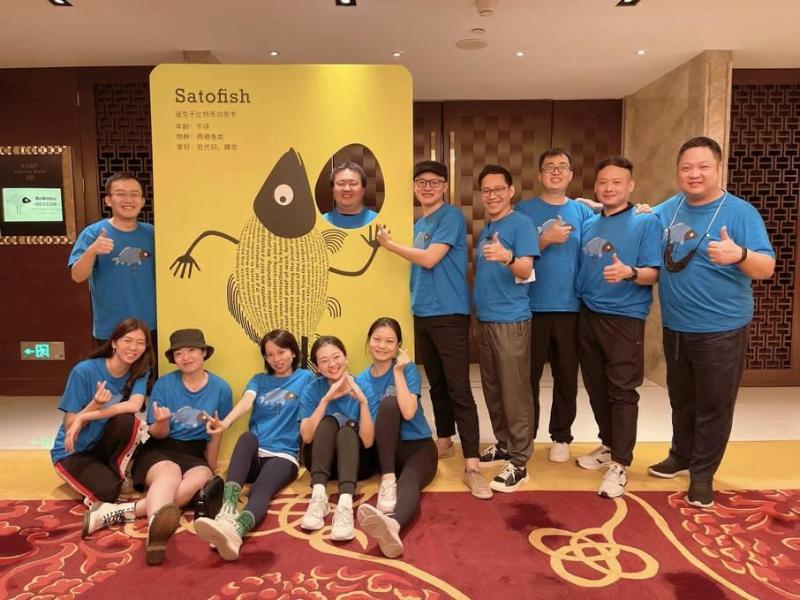
Next, let's follow the perspective of an attendee developer to explore how this pure, hardcore technical exchange sparked intellectual collisions and inspiration.
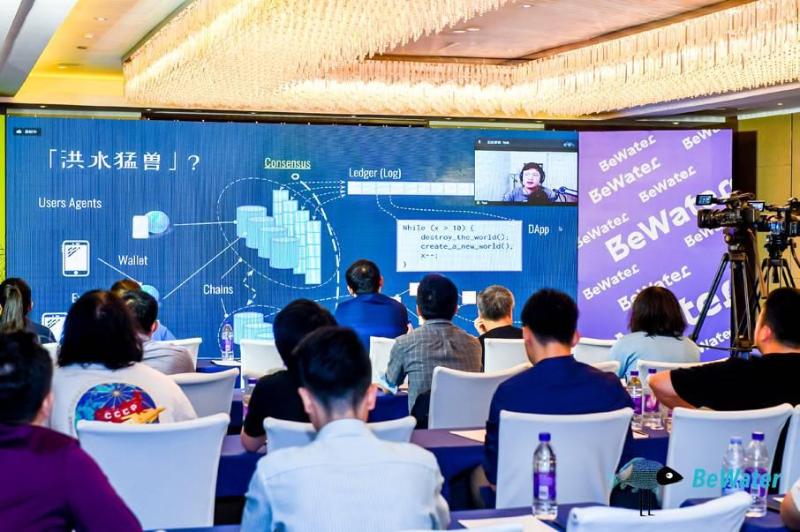
First, Ted Yin, Chief Protocol Architect & Co-founder of Avalanche and author of Facebook’s Libra consensus paper HotStuff, joined remotely from across the ocean to deliver a deep and systematic presentation:
Blockchain performance cannot be measured solely by throughput; only “throughput + latency” provides a complete picture. Avalanche can process thousands of transactions per second with very short confirmation times. Its core consensus mechanism transforms traditional network-wide broadcasting into random sampling. Although temporary fluctuations may occur, the network eventually collapses into a stable state. Avalanche has now launched subnet chains, allowing any developer to create their own customized subchain. The Avalanche mainnet already hosts over 1,000 nodes and maintains sufficient decentralization.
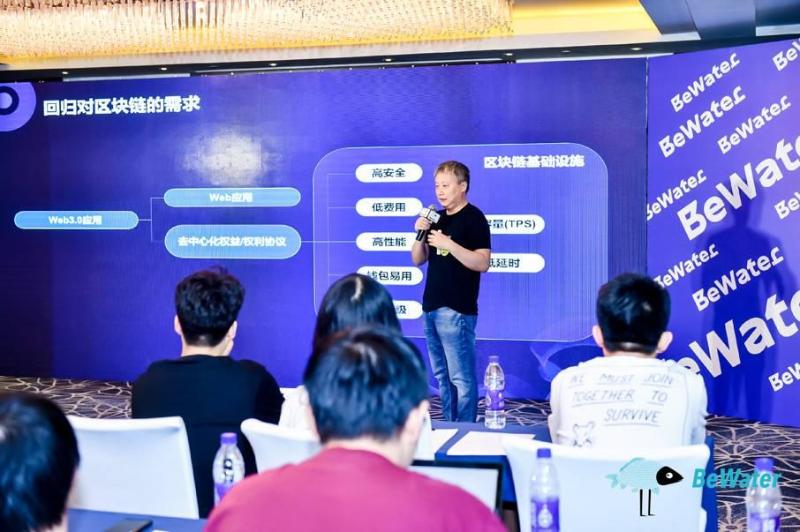
Yi Liu, founder of Octopus Network, shared "The Position of Multi-chain Networks in the Blockchain World." Key takeaways:
1) Web3 applications require high security, low fees, high performance, usability, and upgradability—needing faster finality, so POW is not suitable.
2) Polkadot’s biggest limitation is the limited number of supported parachains.
3) Smart contracts are hard to govern; thus, for Web3 applications beyond DeFi, application-specific chains are worth considering.
4) Sharding faces complexity and cross-shard deadlock issues; multi-chain networks connected via cross-chain protocols represent the future, enabling specialized roles across chains.
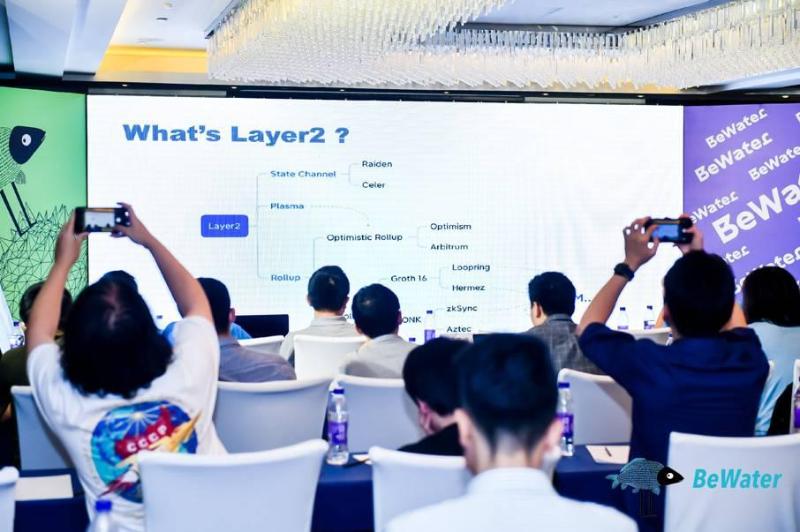
Dr. Xionghui Guo, CTO of Loopring Protocol, entered the少年 class of USTC at age 15 and formerly served as a senior R&D engineer at Intel. Summary of his talk:
1) A true Layer 2 network must derive its security from the underlying main chain.
2) Layer 2 has evolved from state channels to Rollups, splitting into two branches: Optimistic Rollup and zkRollup.
3) Optimistic Rollup offers modest efficiency gains (reducing fees by 1/5–1/10), whereas zkRollup leverages zero-knowledge proofs to enable off-chain computation with on-chain verification.
4) The ultimate form of Layer 2 will be zkEVM, enabling existing smart contracts to run unchanged within zkEVM environments.
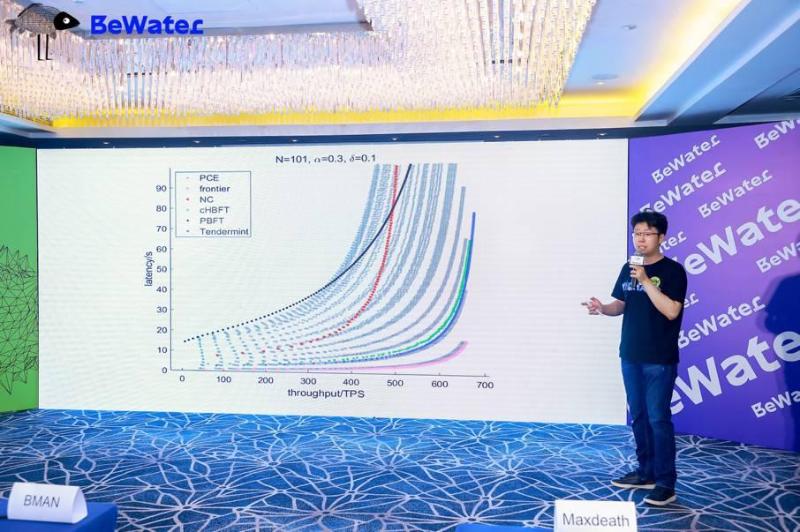
Maxdeath, Senior Researcher at VeChain (Zhiren Ren, Zhihu ID: maxdeath), holds a Master’s and PhD in Information Theory from Delft University of Technology (TU Delft) and has published papers at multiple international blockchain conferences, including the first paper on infinite scalability at FC2019.
He believes that for enterprises serving commercial use cases, Proof-of-Authority (PoA) is a strong choice—energy-efficient, more decentralized, and achieving faster finality than traditional Nakamoto consensus by collecting more signatures despite slightly increased complexity. VeChain’s upgraded PoA 2.0 introduces a committee mechanism, reducing fork probability, decreasing required confirmations, lowering latency, and accelerating consensus.
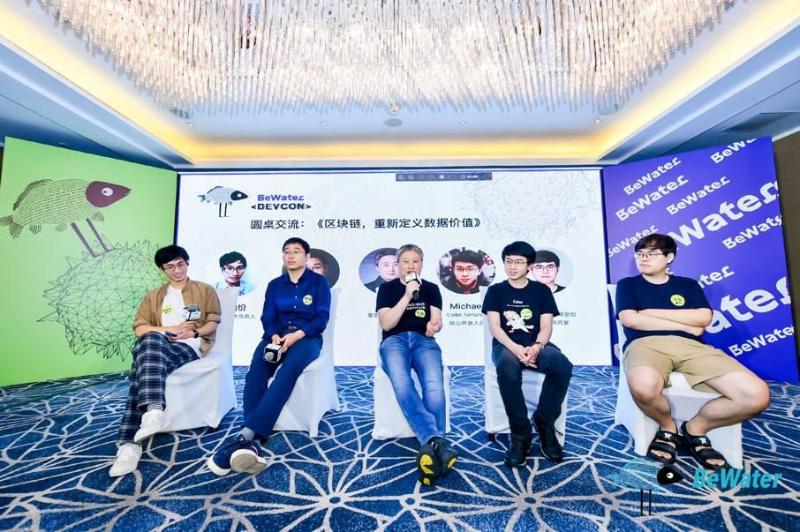
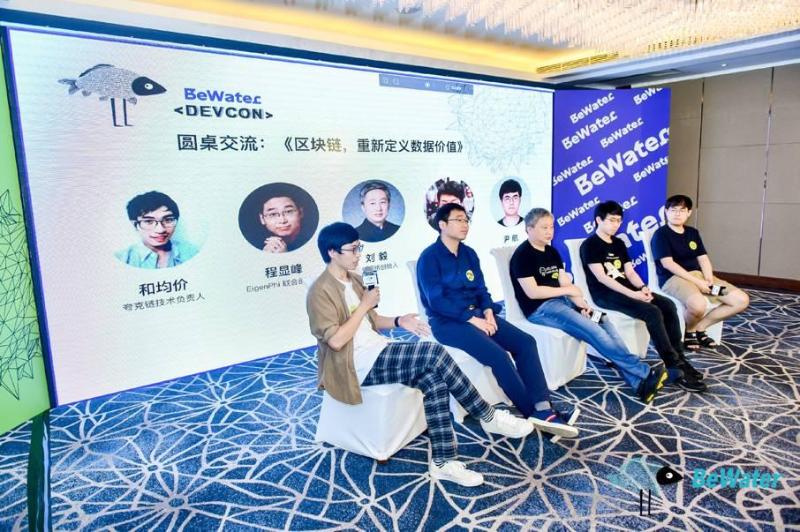
On the morning of September 4, QuarkChain technical lead Junjia He, EigenPhi co-founder Xianfeng Cheng, Phala Network co-founder & Chief Developer Hang Yin, Celer Network core developer Michael, and Octopus Network founder Yi Liu engaged in a roundtable discussion titled "Blockchain: Redefining Data Value."
All four panelists expressed excitement about the rapid development of cross-chain ecosystems and the explosive growth of multi-chain data this year. They discussed the security of cross-chain systems.
On controversial "anti-consensus" views:
Hang Yin stated: "Decentralization is not the goal; what we’re really building is a technology called trusted computing."
Michael suggested: "Synchronous composability in DeFi is not sustainable long-term; in a multi-chain world, it may evolve into API-based composability."
Yi Liu noted: "Data ownership issues are currently less relevant to blockchains—valuable data still resides off-chain, in internet platforms and institutional databases."
Xianfeng Cheng argued: "Blockchain data volume is projected to exceed traditional internet data by at least six orders of magnitude. While the internet measures data scale by node count, blockchain uses addresses—a fundamental difference. Native on-chain data will eventually surpass off-chain data in scale."
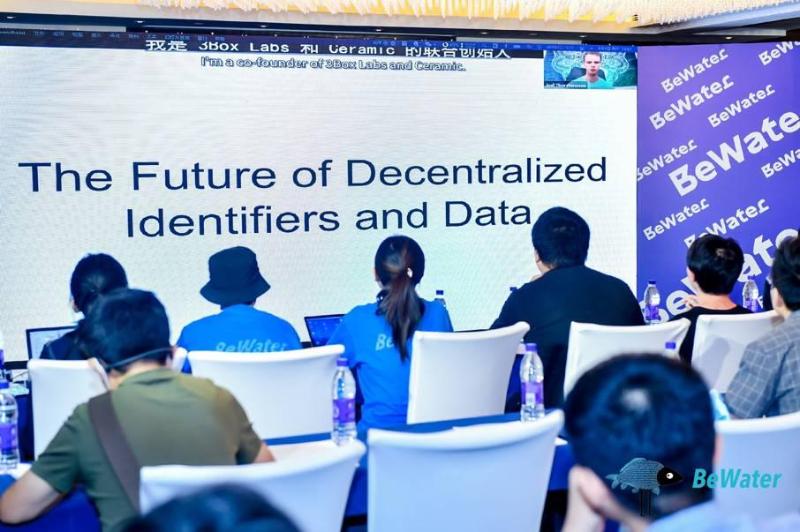
How do we build better trust networks? Addressing this question, Joel Thorstensson, CTO of Ceramic Network & 3Box, shared online his vision for "the future of decentralized digital identity and decentralized data."
By transforming sovereign data into minimal, verifiable, and mutable data objects—stable digital identities controlled via cryptographic keys and designed to be extensible—we can place most internet data onto such a system. When visiting a webpage and reading someone’s comment, you would know it comes from a real person and could establish encrypted-world relationships with them—exactly what 3Box aims to achieve.
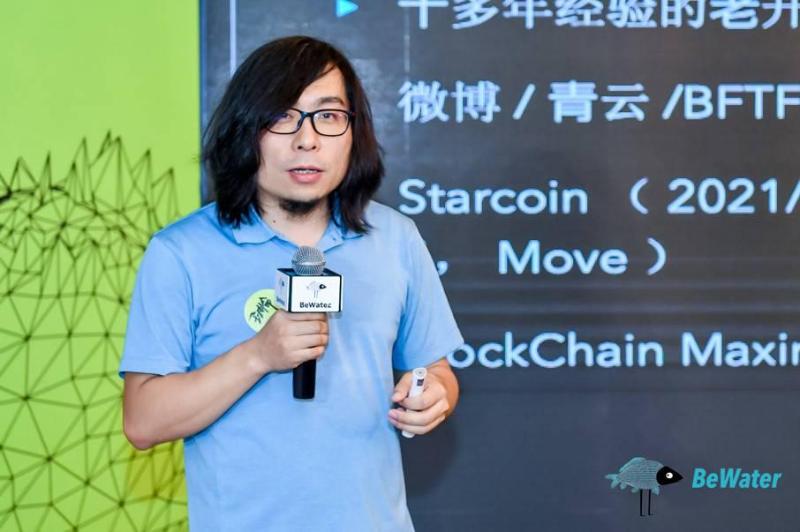
Jolestar, Chief Architect at Westar and core developer of Starcoin, discussed potential innovations in smart contract programming languages.
According to Jolestar, the MOVE language introduces three key innovations:
First, a state operation protocol that clearly defines state ownership;
Second, a type system enabling cross-platform type sharing;
Third, redefining inter-contract dependencies into on-chain dependency models.
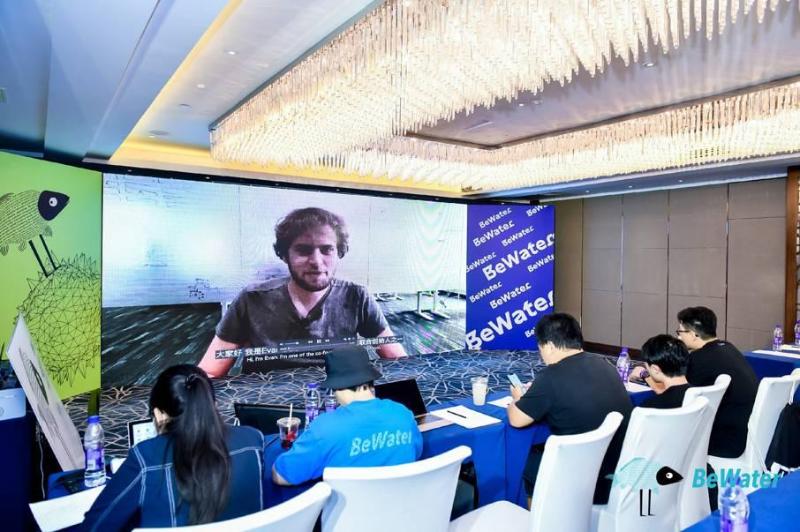
Mina CEO Evan Shapiro shared online how privacy-preserving technologies can be applied in blockchain application development.
Snapps are Mina’s zero-knowledge-proof-powered decentralized applications, offering private attributes, secure verification of large datasets, and the ability to perform heavy computations on Mina. Snapps can be used in DeFi and verifiable NFTs, and any blockchain can verify all of Mina’s chain data directly within its own smart contracts. Snapps work by leveraging zero-knowledge proofs to validate computational and data integrity. Mina already enables Snapps to run in JavaScript and TypeScript.
Evan detailed three Snapp use cases: private access to internet services; the ability to view website data and generate proofs of that data; and creating private internet logins without relying on today’s centralized services.
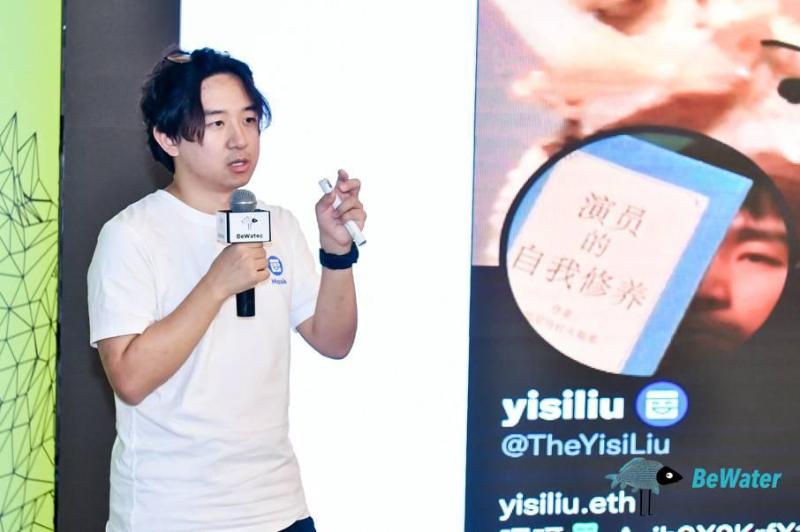
Compared to the one-to-many or many-to-one mappings in existing social networks, Mask favors a many-to-many mapping between accounts and identities. This model enables self-sovereign identity—using one identity to manage multiple accounts, or different identity personas to log into different accounts.
Mask aims to help users surf the web more securely within existing social networks, preserving their habits while protecting privacy and data ownership. How? Encryption is key, and Yisi Liu explained the underlying principles.
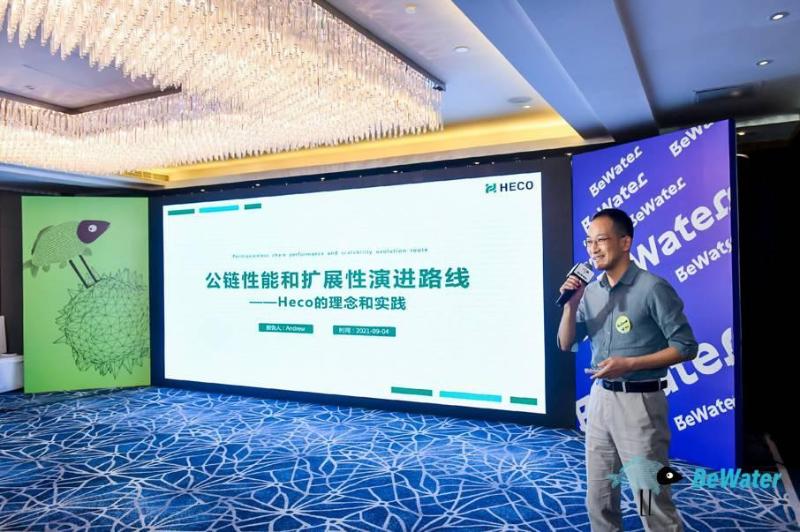
HECO Technical Lead Andrew discussed the evolution roadmap for public chain performance and scalability with attendees.
While enhancing Heco’s scalability, two principles must be upheld:
First, ensure DeFi application friendliness;
Second, maintain full compatibility with Ethereum—we cannot abandon this ecosystem.
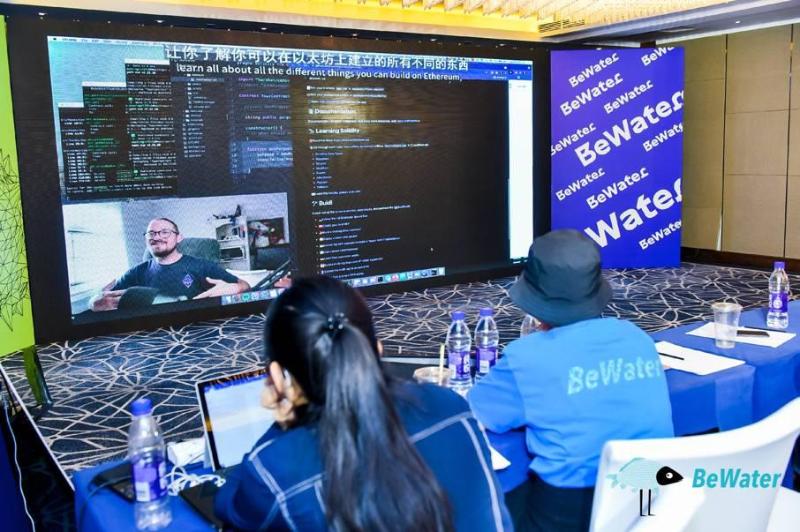
Ethereum core developer Austin Griffith demonstrated two Ethereum development tools live:
eth.build is a visual, no-code learning platform for Solidity and blockchain fundamentals. Once basics are mastered, scaffold-eth offers an easy way to build various Ethereum applications. It provides diverse templates to experiment with different functionalities: using oracles, building decentralized exchanges, implementing lending features, and more.
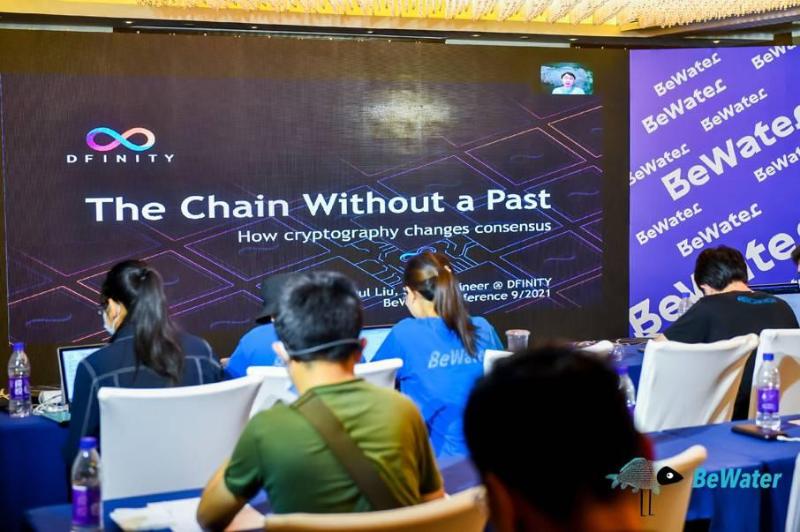
Paul Liu, Core Engineer at Dfinity and former research scientist at Intel Labs who built a Haskell compiler for the x86 architecture, shared insights on how cryptography is reshaping consensus. Summary:
Traditional sharding requires shards to know each other’s historical blocks—an unnecessary burden. Dfinity adopts BLS threshold signatures, improves DKG algorithms with added proofs, solves longest-chain validation, and enables shard communication without historical baggage. This turns the blockchain into an “Internet Computer,” capable even of hosting websites.
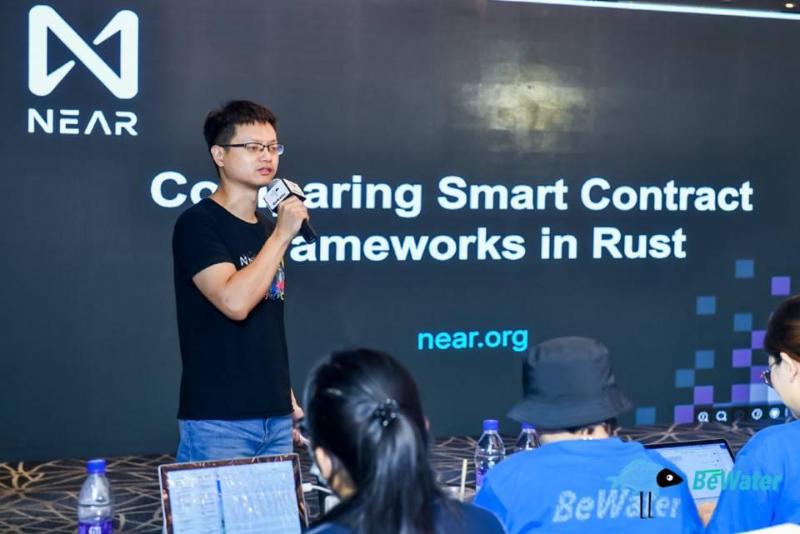
Next, Robert Yan, NEAR’s Asia Technical Lead, delivered a 40-minute hardcore session comparing Rust-based smart contract language design. Robert observed that, based on code examples, Rust smart contracts are quite similar to Solidity in syntax, language constructs, and data structures. However, Rust offers superior type safety and memory safety, producing highly efficient bytecode that is also compact in size.
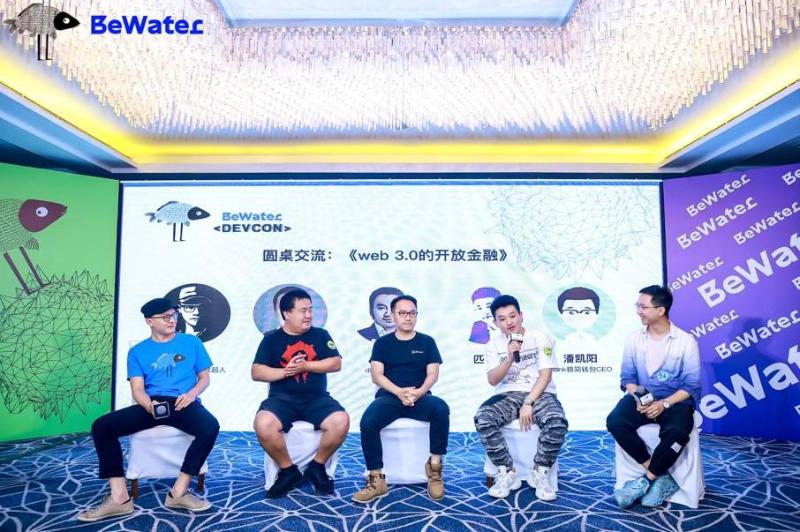
Community founder BMAN, former Matrixport CTO Jiazhi Jiang, dForce founder Mindao Yang, Continue Capital co-founder Pima, and Minimal Wallet CEO Kaiyang Pan shared their observations and insights on blockchain’s implementation in open finance, including perspectives on the recently viral Loot project.
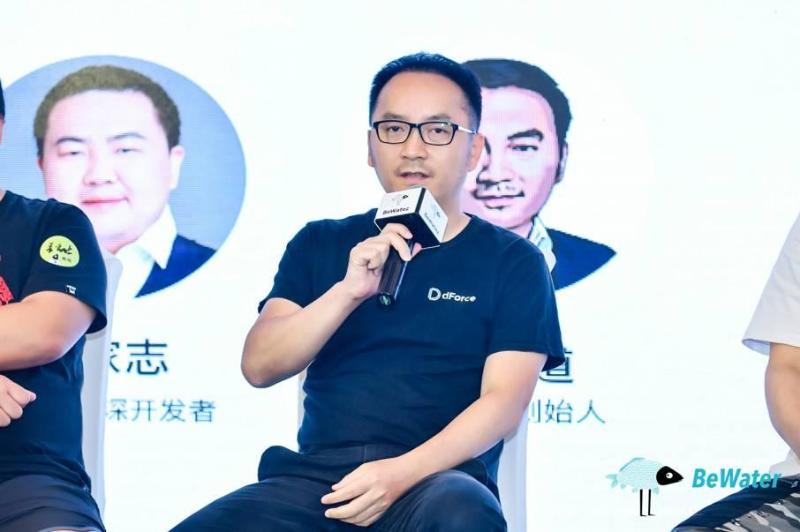
Mindao Yang believes NFT mania follows the same logic as the traditional world: first build the financial infrastructure, then construct economies on top. Today’s abundant liquidity allows us to assemble building blocks not just horizontally or vertically within DeFi, but from outside DeFi—including NFTs. NFTs resemble consumer economies, mirroring traditional consumer dynamics.
Further financializing NFTs will push developments far beyond DeFi, creating novel combinations. Additionally, Yang is optimistic about more native non-crypto assets entering DeFi, which will allow DeFi to penetrate traditional finance—the critical next step for DeFi’s evolution.
Pima’s view: Industry evolution mirrors historical progression—it will inevitably expand rapidly and synchronously as demand, cultural sophistication, and knowledge grow. This kind of explosion is the highlight. Looking at A16Z’s investment logic, they won’t set aside separate funds exclusively for blockchain in the future. In Pima’s investment philosophy, many future blockchain projects will incorporate POW-like models.

Jiazhi Jiang believes: DeFi is truly just beginning—far from reaching maturity. There remains tremendous room for innovation in DeFi. An open market enables more ideas to emerge, including disruptive advances in lending and other areas. DeFi remains an excellent赛道, and the journey has only just started.
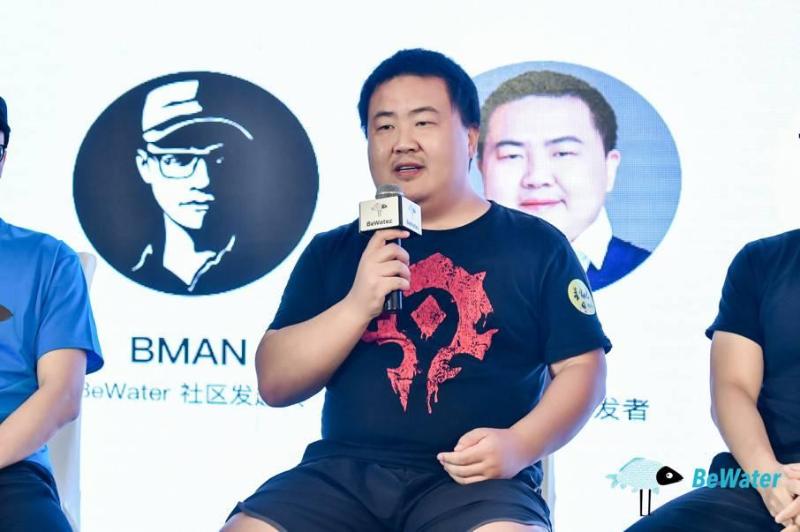
BMAN shared two key insights: First, we must prioritize exploration and innovation in integrating credit mechanisms into DeFi. In the real world, collateralized loans constitute only a small fraction of lending—the majority are credit-based. Second is open NFTs. Above all, Chinese developers must innovate.
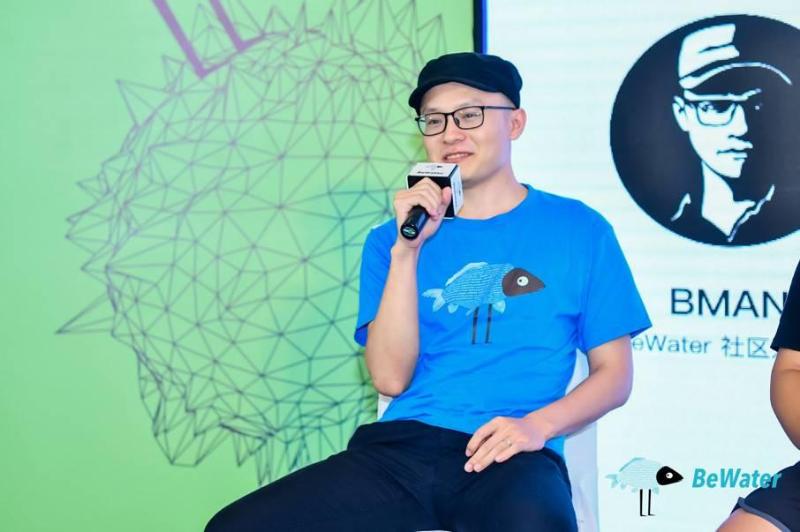
Above is a brief summary of BeWater DevCon 2021. As summer clouds disperse and cool breezes rise, early autumn rains in Beijing couldn't dampen the hardcore developers’ enthusiasm and passion for technology. We firmly believe that in the next decade, open-source communities centered around developers will give rise to massive technological innovations and business opportunities. We look forward to more developers joining us to co-create this inspiring future.
BeWater’s mission is to bring innovation and achievement to every developer.
If you're creating something, you're a developer—whether you're an engineer, researcher, cryptography enthusiast, or open-source contributor.
BeWater’s vision is to support 100 developers over 10 years and impact 1 billion users.
We believe the world is different because of you!
For more in-depth content and analysis, follow the official account BeWater Community. Stay tuned for BeWater’s upcoming series featuring deep dives into speakers’ insights and developers’ engaging discussions.

Additionally, our heartfelt thanks to the BeWater builders and community partners: AoHua Li, SiJie Cindy, Rong'er, Xiaomeng Wang, Yuhan Tang, Zhihong Xu, Kun Wang, BMAN, Shanyu Yang, Ye Yang, Jiazhi Jiang, Yifan Xu, Jigang Li, Sophie, Liang Yu, Hanxi Ling, Qiuchen, Eminem, Xin Wang, Hao Wang, Zhao Li, Fuli Song, Wei He, and others. Thanks to your collaboration over the past month, we've created a pure, hardcore, uniquely Chinese developer conference unlike any other.
Join TechFlow official community to stay tuned
Telegram:https://t.me/TechFlowDaily
X (Twitter):https://x.com/TechFlowPost
X (Twitter) EN:https://x.com/BlockFlow_News